Watermelon is healthy, but too much watermelon can cause blood sugar spikes, nighttime bathroom trips, bloating, and reflux—especially for adults over 50. Eating 1–2 cups per sitting, pairing it with protein or fat, and avoiding big servings right before bed keeps most people comfortable.
Watermelon deserves its reputation as one of summer’s most refreshing fruits. It’s 92% water, low in calories, rich in lycopene, and a natural source of vitamins A, B6, and C. But like any food, the dose makes the difference—and for adults over 50, the body’s tolerance for large volumes of fructose, potassium, and fluid at once is different than it was at 30. Understanding when too much watermelon becomes a problem—and exactly how to enjoy it without consequences—is the kind of practical knowledge that makes healthy eating sustainable year-round. This guide walks through every side effect clearly, with specific fixes for each one, so you can keep watermelon on your plate with confidence.

Table of Contents
Overview
How much is “too much”? For most adults, 1–2 cups per sitting is a sensible ceiling; huge bowls raise the risk of digestive upset and blood sugar swings. Best time to eat watermelon: Daytime or afternoon, not right before bed. How to reduce side effects: Pair with protein or fat (yogurt, nuts, cottage cheese), eat slowly, and refrigerate cut melon promptly.
One cup of diced watermelon contains approximately 11.5 grams of carbohydrates, 9.4 grams of natural sugar, and 46 calories—numbers that seem modest until you consider how easily a “serving” at a barbecue becomes three or four cups. At that volume, you’re looking at nearly 40 grams of sugar, mostly fructose, hitting the digestive system at once. Fructose is processed differently than glucose: it bypasses the normal insulin response and is metabolized primarily in the liver, which means even people without diabetes can experience energy crashes and GI distress from large amounts. The good news is that watermelon has a moderate glycemic load (not just a high glycemic index), which means portion size is the controlling variable. Keep portions reasonable, time them well, and pair smartly—and most of the side effects on this list simply don’t happen.
What counts as “too much watermelon”?
Watermelon is mostly water and natural sugar (fructose). Large, fast servings can overwhelm digestion. If you are eating more than 2 cups at a time, eating quickly, or consuming it late at night, you are in “too much” territory for most adults—especially those with diabetes, kidney disease, or sensitive digestion.

The threshold varies by individual, but several factors push it lower. Adults with irritable bowel syndrome (IBS) may find watermelon triggers symptoms at even moderate amounts, because it is classified as a high-FODMAP food—its fructose content and the polyol sorbitol can ferment rapidly in the colon, producing gas and loose stools. People with type 2 diabetes or prediabetes need to be particularly aware: watermelon has a glycemic index of 72 (considered high), meaning it raises blood glucose quickly. Portion control and protein pairing are especially important for this group. For adults with advanced chronic kidney disease (CKD), the potassium content of watermelon—approximately 170 mg per cup—requires attention if a physician has prescribed a potassium-restricted diet. For everyone else, the “too much” line is usually drawn at more than 2 cups in a single sitting, eaten rapidly, without accompanying protein or fat.
Side effects to watch (and simple fixes)
1) Watermelon and blood sugar spikes
A giant bowl on an empty stomach can cause energy crashes later. Fix: Eat 1 cup, chew slowly, and pair with protein (Greek yogurt, a handful of nuts, or cottage cheese) to blunt the glucose response.

The blood sugar concern with watermelon is real but manageable. Research published in the American Journal of Clinical Nutrition has shown that pairing high-glycemic carbohydrates with protein and fat significantly flattens the post-meal glucose curve. For a 50+ reader managing blood sugar, this is one of the most practical takeaways in this entire guide: never eat watermelon alone as a large snack. A 2012 study in the Journal of Nutrition found that lycopene—one of watermelon’s most abundant antioxidants—may actually support insulin sensitivity over time when consumed as part of a varied diet. So watermelon itself is not the enemy; it is the context in which it is eaten that determines the metabolic outcome. A half-cup alongside a protein-rich lunch is a very different physiological event than a two-cup bowl before dinner on an empty stomach.
2) Is watermelon bad at night?
Late, large portions may mean nighttime urination, reflux, and poor sleep. Fix: Keep it to daytime or early evening; stop at least 2–3 hours before lying down.

Watermelon’s high water content—roughly 10–12 ounces per cup—means a large evening serving essentially adds a glass of water to your system right before bed. For adults over 60, who already experience higher rates of nocturia (nighttime urination), this can mean one or two additional bathroom trips, significantly disrupting sleep quality. Sleep disruption has its own downstream effects on blood sugar regulation, blood pressure, and immune function. Beyond urination, watermelon’s volume and mild acidity can relax the lower esophageal sphincter in some people, especially when lying flat, creating heartburn or reflux. The simple fix—moving watermelon to lunchtime or a mid-afternoon snack—eliminates both issues entirely without giving up the fruit. If evenings are when you most want it, keep the portion to half a cup and give yourself at least two to three hours before lying down.
3) Watermelon stomach upset (gas, cramps, loose stools)
Very large servings eaten quickly can cause bloating—water + fructose + speed = gas. Fix: Smaller portions, eat with food (not on an empty stomach), and slow down.
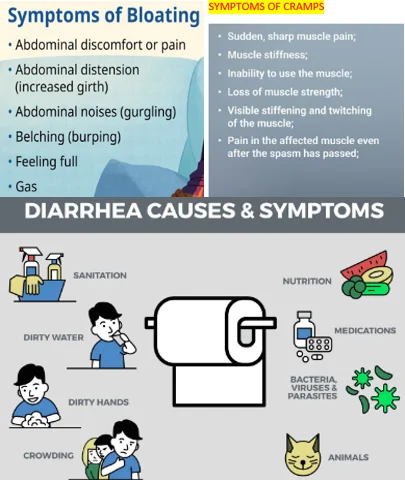
Watermelon is classified as a high-FODMAP food specifically because of its free fructose content. FODMAP stands for Fermentable Oligosaccharides, Disaccharides, Monosaccharides, and Polyols—a group of short-chain carbohydrates that resist digestion in the small intestine and are fermented by bacteria in the colon. This fermentation process produces hydrogen and methane gas, causing the bloating and cramping that many people notice after a large serving of watermelon. Research from Monash University—the institution that developed the low-FODMAP diet framework—identifies one cup of watermelon as the threshold above which many FODMAP-sensitive individuals experience symptoms. For adults who notice bloating consistently after watermelon, reducing to a three-quarter cup serving and always pairing it with easily digestible protein like Greek yogurt tends to eliminate the problem. Eating slowly and chewing thoroughly also helps: slower eating reduces the volume of air swallowed and gives digestive enzymes more time to work before the food reaches the colon.
4) Heartburn and reflux after watermelon
High volume close to bedtime can push fluid up the esophagus when you lie down. Fix: Leave 2–3 hours between eating watermelon and lying down; keep portions modest in the evening.
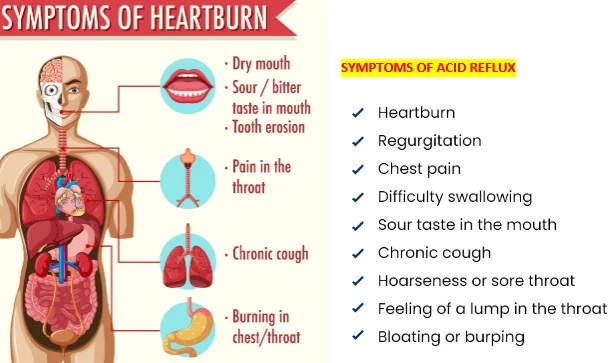
Gastroesophageal reflux becomes more common after age 50 for several reasons: the lower esophageal sphincter loses some of its tone with age, gastric emptying slows, and many adults take medications—including calcium channel blockers, nitrates, and certain asthma drugs—that further relax the sphincter. Watermelon, consumed in large volumes, contributes to reflux by adding sheer volume to the stomach and stomach contents. The mild acidity of watermelon juice (pH around 5.2–5.6) is not the primary culprit—it is the volume. Adults with frequent reflux who still want to enjoy watermelon can safely do so by sticking to a half-cup serving, pairing it with a protein that slows gastric emptying, and keeping the upright posture for at least two hours after eating. Those taking proton pump inhibitors (PPIs) or H2 blockers for chronic reflux should factor watermelon’s timing into their routine.
5) Potassium caution in advanced kidney issues
Watermelon contains potassium. For people with advanced CKD under potassium limits, large portions may not be safe without checking with a physician or renal dietitian. Fix: Know your potassium limit; one cup has approximately 170 mg.

For the general adult population, potassium from watermelon is actually beneficial—it supports blood pressure management and cardiovascular health, and most Americans are significantly under the recommended daily intake of 4,700 mg. However, for the estimated 15% of American adults living with chronic kidney disease, impaired kidneys cannot efficiently remove excess potassium from the blood. Elevated blood potassium (hyperkalemia) can cause life-threatening heart rhythm abnormalities. The threshold for concern depends on the individual’s stage of CKD and their specific potassium restriction, which is typically set by a renal dietitian. If you have stage 3 or higher CKD or have been told to limit potassium, check with your care team before making watermelon a regular part of your diet. At one cup (170 mg), it is lower in potassium than many fruits like bananas or oranges—but the question is whether it fits within your personal daily budget.
6) Sugar overload in insulin resistance
Huge portions can still spike blood sugar even if overall calories are modest. Fix: Pair with protein/fat (cottage cheese, a small handful of nuts), limit to 1 cup, and avoid eating on an empty stomach.
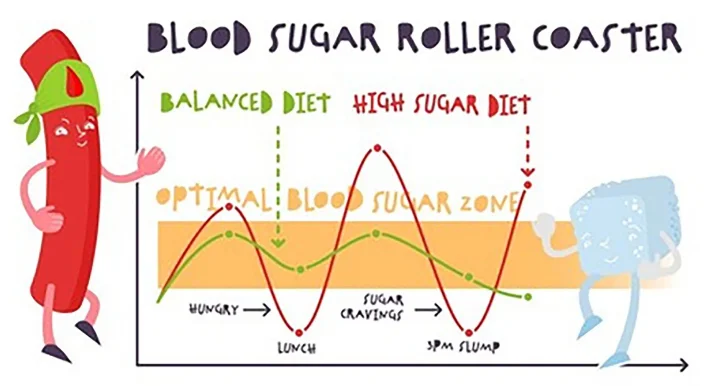
Insulin resistance affects an estimated 88 million American adults—most of them over 45—and many don’t know they have it. It is characterized by the body’s reduced ability to respond to insulin signals, leading to chronically elevated blood glucose. For this group, foods with a high glycemic index like watermelon require more careful management. The practical strategy is the same one recommended by diabetes educators: the “plate method” extended to snacks. Instead of eating watermelon as a standalone snack, treat it as the carbohydrate component of a small balanced meal. One cup of watermelon + half a cup of cottage cheese + a few walnuts delivers roughly 20 grams of carbohydrate balanced by 14 grams of protein and 7 grams of fat—a combination that produces a significantly flatter glucose response than watermelon alone. Home blood glucose monitoring before and 90 minutes after eating is the most reliable way to understand your personal response to any food.
7) Food safety after cutting
Cut melon can grow bacteria if left warm. Fix: Wash the rind, use a clean knife, refrigerate at ≤40°F promptly, and consume within a few days.

Food safety is an underappreciated side of watermelon consumption, particularly for older adults, whose immune systems are less equipped to fight off foodborne pathogens. The FDA and CDC have linked several outbreaks of Listeria, Salmonella, and E. coli to pre-cut melons, including watermelon. The rind can harbor bacteria from soil and handling, and once cut, those bacteria can spread to the flesh via the knife and board. Always wash the whole watermelon under running water and scrub with a clean produce brush before cutting. Use a clean knife and cutting board that have not been used for raw meat. Refrigerate cut watermelon immediately in an airtight container, and consume it within three to five days. Never leave cut watermelon at room temperature for more than two hours—bacteria multiply rapidly between 40°F and 140°F. Seniors with weakened immune systems, diabetes, or kidney disease face higher risks from foodborne illness and should be especially diligent about these steps.
Smarter ways to eat watermelon (without side effects)
- Portion sweet spot: ¾–1 cup per serving.
- Best time to eat watermelon: Midday or post-lunch snack.
- Pairings that help: Greek yogurt + diced watermelon (protein + carbs)
- Cottage cheese bowl with pumpkin seeds
- Whole-grain toast + thin peanut butter + watermelon on the side
- Slow down: Small bites, chew well.
- Skip the chug: Avoid pounding ice water alongside large servings.
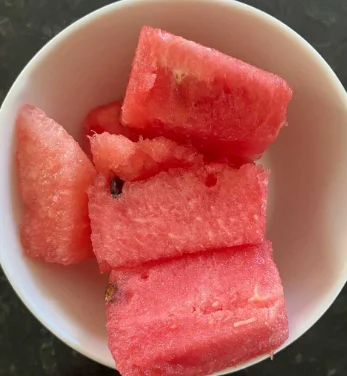
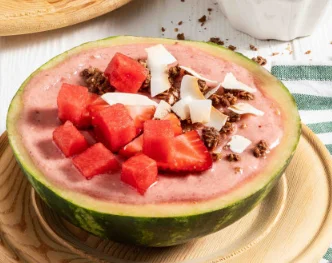
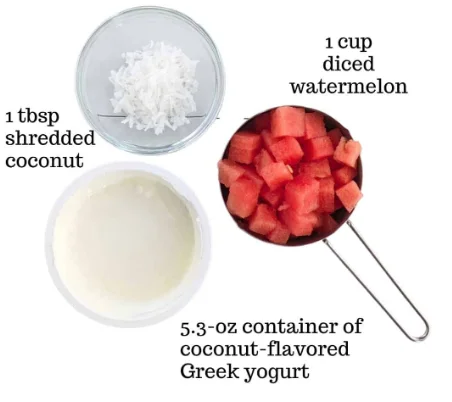
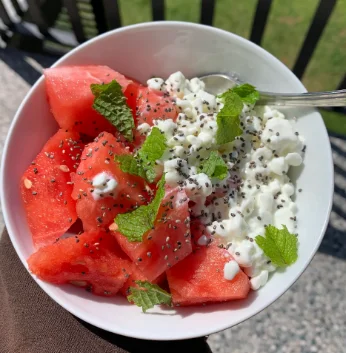

The pairing principle deserves a little more explanation, because it is genuinely transformative for people who have had bad experiences with watermelon in the past. When you eat watermelon alongside a protein source, several things happen simultaneously: gastric emptying slows down, reducing the speed at which fructose reaches the small intestine; the amino acids from protein stimulate insulin secretion in a way that helps cells absorb glucose more efficiently; and the overall satiety of the snack increases, making it far less likely you’ll reach for a second helping. Fat has a similar effect—a drizzle of olive oil on a watermelon-feta salad or a tablespoon of almond butter on the side both reduce the glycemic impact meaningfully. This is not complicated nutritional science; it is the same principle behind why a balanced meal always outperforms a single-food snack for sustained energy and digestive comfort.
One-day sample
- Lunch add-on: 1 cup watermelon + handful of almonds
- Afternoon snack: Cottage cheese (½ cup) + ¾ cup watermelon
- Evening: If you want more, keep it to ½–¾ cup, at least 2–3 hours before bed
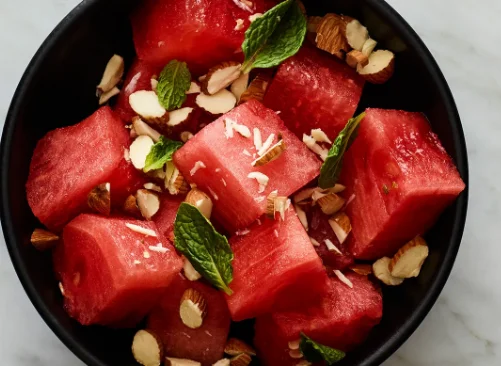


This sample day keeps total watermelon at under three cups while spreading it across afternoon hours—avoiding the blood sugar spikes and digestive distress that come from a single large serving. The almond pairing at lunch provides magnesium, healthy fat, and protein that moderates the glucose response. The cottage cheese in the afternoon snack adds casein protein—a slow-digesting protein that particularly helps with satiety and stable blood sugar between meals. If watermelon is available at a gathering or cookout where you might be tempted to eat more, use the “one cup rule” as your mental ceiling before the first bite. It is far easier to stop at the boundary you set before eating than to stop yourself mid-bowl. Filling the rest of your plate with protein and vegetables first also naturally limits how much room remains for the fruit.
Quick takes
- Too much watermelon side effects: blood sugar spikes, bathroom trips at night, stomach upset, reflux.
- How to avoid problems: smaller portions, eat with protein/fat, avoid right before bed.
- Best time to eat watermelon: daytime or early evening.
- Food safety: refrigerate cut melon and eat within a few days.
1) What are the side effects of eating too much watermelon?
Bloating, urgent bathroom trips, blood sugar spikes, reflux, and loose stools are the most common in adults. Most disappear with smaller portions and smart timing.
2) Is watermelon bad at night?
Not always, but large late portions can disrupt sleep via urination or heartburn. Keep evening servings to ½–¾ cup at least 2 hours before bed.
3) How much watermelon is too much for adults?
Start with 1 cup per sitting and see how you feel. If symptoms show, try ¾ cup paired with protein.
For healthy adults without underlying conditions, up to two cups per sitting is generally well-tolerated. The key variable is not just quantity but speed, timing, and what else you’ve eaten. Someone who eats one cup quickly on an empty stomach may experience more symptoms than someone who eats two cups slowly as part of a balanced lunch.
4) Can watermelon cause diarrhea in adults?
Very large, rapid servings can contribute to loose stools in some people, especially those with sensitive digestion or IBS.
5) What is the best time to eat watermelon?
Midday or afternoon is a safe bet; avoid big portions right before bed.
6) How do I eat watermelon without bloating?
Smaller servings, eat slowly, and pair with protein (yogurt, nuts, cottage cheese) to ease digestion.
7) Does watermelon spike blood sugar?
A huge bowl on an empty stomach might. Pairing with protein/fat and keeping to 1 cup keeps it manageable for most adults.
8) Is watermelon okay for insulin resistance?
Usually in small, paired portions. Speak with your clinician if you monitor blood sugar regularly.
9) What about potassium in watermelon and kidney disease?
If you have advanced CKD or a potassium restriction, check with your renal dietitian about safe serving sizes.
10) How long does cut watermelon last in the fridge?
Plan for a few days if kept cold and clean; when in doubt, toss it.
11) Can kids have watermelon at night?
Small amounts are fine; avoid big servings close to bedtime to limit bathroom interruptions.
12) What should I pair with watermelon?
Greek yogurt, nuts, cottage cheese, or a protein-rich meal to steady digestion and blood sugar.
⚕️ Medical Disclaimer
The information provided on this page is for educational purposes only and is not intended as medical advice, diagnosis, or treatment. Always consult a qualified healthcare professional before making changes to your diet, starting any supplement, or if you have an existing medical condition. KeepFitQuote does not provide medical diagnoses or treatment recommendations. Read our full disclaimer.
Related Posts