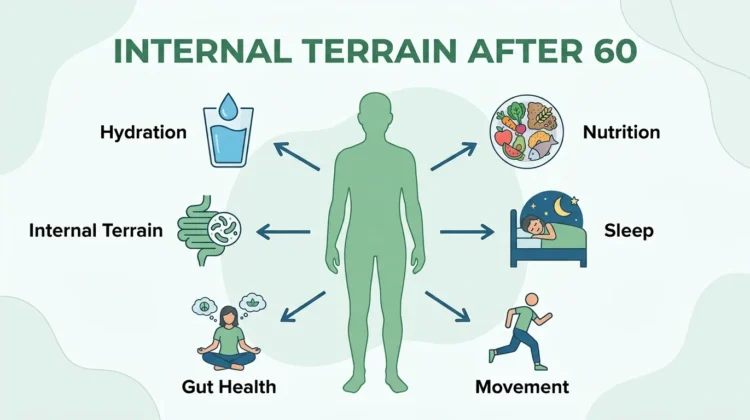
Internal Terrain After 60: What It Means and Why Seniors Should Care
After 60, many health conversations focus on blood pressure, medications, lab results, and symptom control. Those are important, but they do not always explain the larger question older adults often ask: why do energy, recovery, digestion, sleep, strength, and resilience change with age?
A helpful way to discuss this broader picture is the idea of internal terrain. In this article, internal terrain means the body’s inner environment around the cells, including hydration, minerals, gut health, inflammation control, sleep quality, physical activity, stress regulation, and medical self-advocacy. This concept should complement, not replace, evidence-based medical care.
Internal terrain after 60 means the condition of the body’s inner environment around the cells. It includes hydration, minerals, nutrition, gut health, inflammation control, sleep, stress regulation, movement, and medical follow-up. Seniors should care because these daily factors can influence energy, recovery, immune resilience, digestion, strength, and healthy aging.
Key Takeaways
- Use internal terrain as a practical metaphor for host resilience, not as an alternative to medical care.
- Keep the concept aligned with scientific consensus — infection control, vaccination, medications, and clinician guidance remain important when medically indicated.
- For seniors, the most useful actions are simple and measurable: hydration, protein, fiber, vegetables, movement, sleep, stress reduction, and regular medical reviews.
- Avoid strong disease-prevention or cure claims. This guide uses cautious language such as “may support,” “can help maintain,” and “is associated with.”
Internal Terrain After 60: What Does It Mean?
Internal terrain means the conditions surrounding the body’s cells: fluid balance, nutrients, oxygen delivery, inflammatory signals, gut-microbiome activity, stress hormones, sleep quality, and movement. After 60, these factors matter because aging can reduce physiological reserve, making daily habits more important for maintaining strength, cognition, digestion, and recovery. The CDC’s healthy aging guidance and the National Institute on Aging both frame healthy aging around these same daily behaviors.
Think of internal terrain as the body’s operating environment. Cells do not work alone. They depend on body fluids, blood flow, minerals, hormones, immune signals, and the extracellular matrix to receive nutrients and clear waste. When those systems are well supported, older adults are often better positioned to maintain energy, independence, and healthy daily function.
This does not mean that lifestyle habits can replace medical care. Rather, the goal is to create better biological conditions in which standard medical care, preventive care, and healthy behaviors work together. The WHO’s ageing and health fact sheet echoes this integrated approach.
How Should Seniors Understand Germ Theory and Terrain Theory Together?
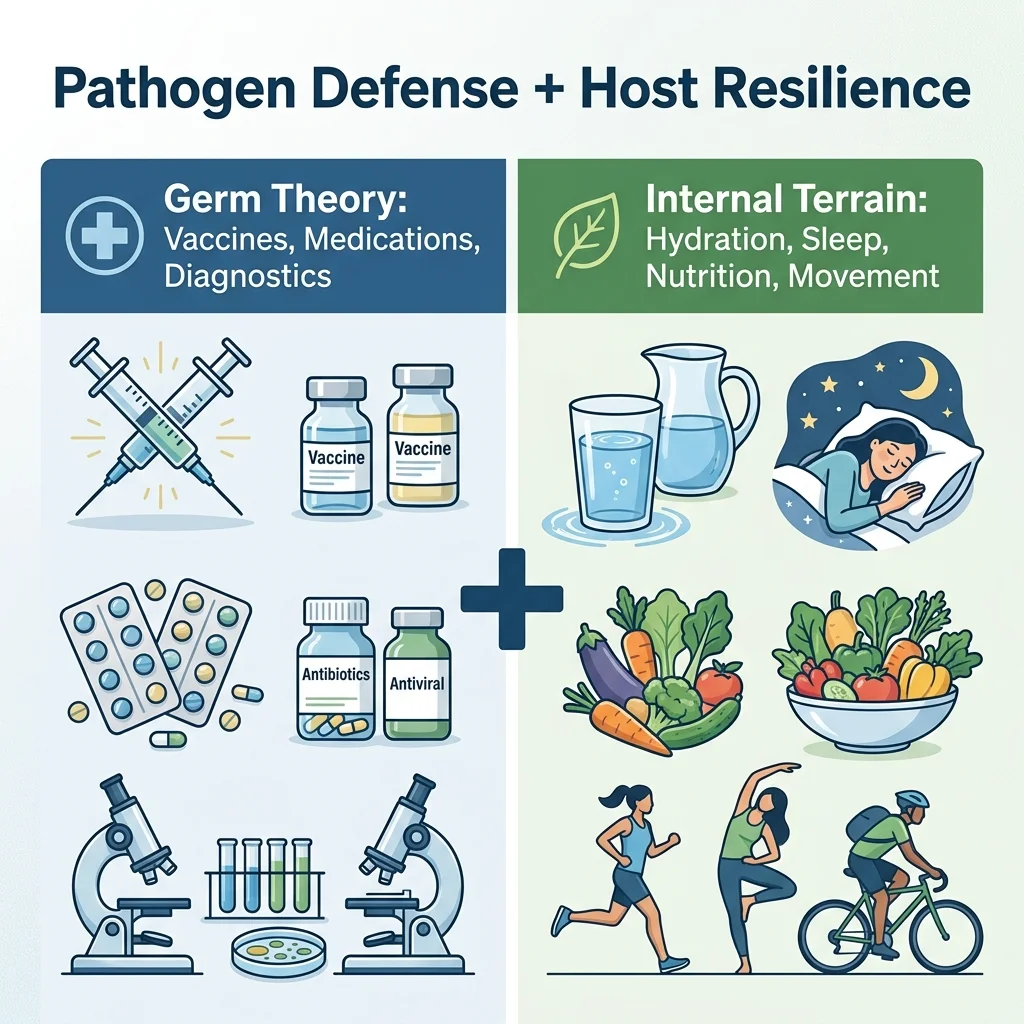
For medical credibility, this article does not present terrain theory as replacing germ theory. Germ theory remains essential for infectious disease. A safer framing is integration: modern care targets pathogens when needed, while lifestyle and host-resilience habits support the body’s ability to recover and age well. Britannica’s overview of germ theory explains its role as the established scientific basis for infectious disease.
Older versions of terrain theory are historically associated with Antoine Bechamp, while germ theory is associated with Louis Pasteur and modern infectious-disease science. For a senior-health article, the best framing is not “Pasteur versus Bechamp” — it is “pathogen defense plus host resilience.”
| Concept | Senior Health Framing |
|---|---|
| Germ theory | Explains how pathogens can cause infectious disease and why sanitation, vaccines, diagnostics, antimicrobials, and medical treatment matter. |
| Internal terrain metaphor | Explains how hydration, nutrition, sleep, movement, stress regulation, gut health, and inflammation control may support host resilience. |
| Integrated message | Do not reject medical care. Support the body while using evidence-based care when needed. |
What Role Do the Extracellular Matrix and Body Fluids Play?
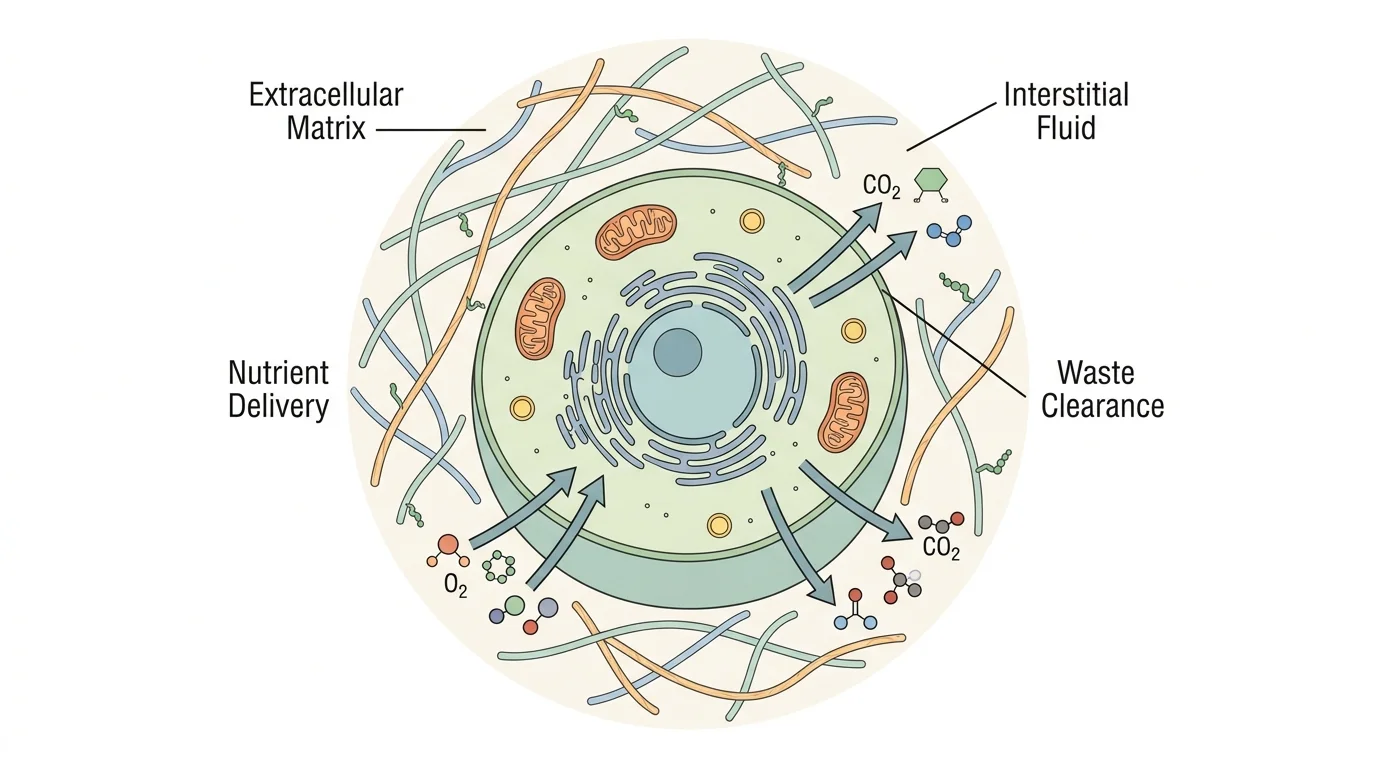
Cells rely on the extracellular matrix, interstitial fluid, blood flow, and lymphatic clearance to receive oxygen and nutrients and to remove metabolic waste. The extracellular matrix (ECM) is the structural and biochemical network surrounding cells. In simple language, it helps organize tissue, supports cell signaling, and influences how nutrients, oxygen, hormones, and immune signals move through the body.
| Cellular Support Function | Plain-Language Explanation |
|---|---|
| Nutrient delivery | Blood and body fluids help deliver oxygen, amino acids, minerals, glucose, and fatty acids to tissues. |
| Signal coordination | Hormones, cytokines, neurotransmitters, and immune signals help cells coordinate activity. |
| Waste clearance | Venous flow, kidney function, liver metabolism, breathing, sweating, and lymphatic movement help remove metabolic byproducts. |
| Tissue structure | The extracellular matrix provides a scaffold that affects tissue strength, repair, flexibility, and cell communication. |
Plain-Language Note on pH, Redox, and Minerals
Some integrative discussions mention pH, redox potential, and mineral balance. These terms can be educational, but they deserve careful wording. In healthy people, blood pH is tightly regulated by the lungs and kidneys. Diet does not meaningfully “alkalize” the blood. Urine or saliva pH may change with meals, hydration, or metabolism, but they should not be treated as stand-alone diagnostic tools.
Why Does the Internal Environment Change After 60?
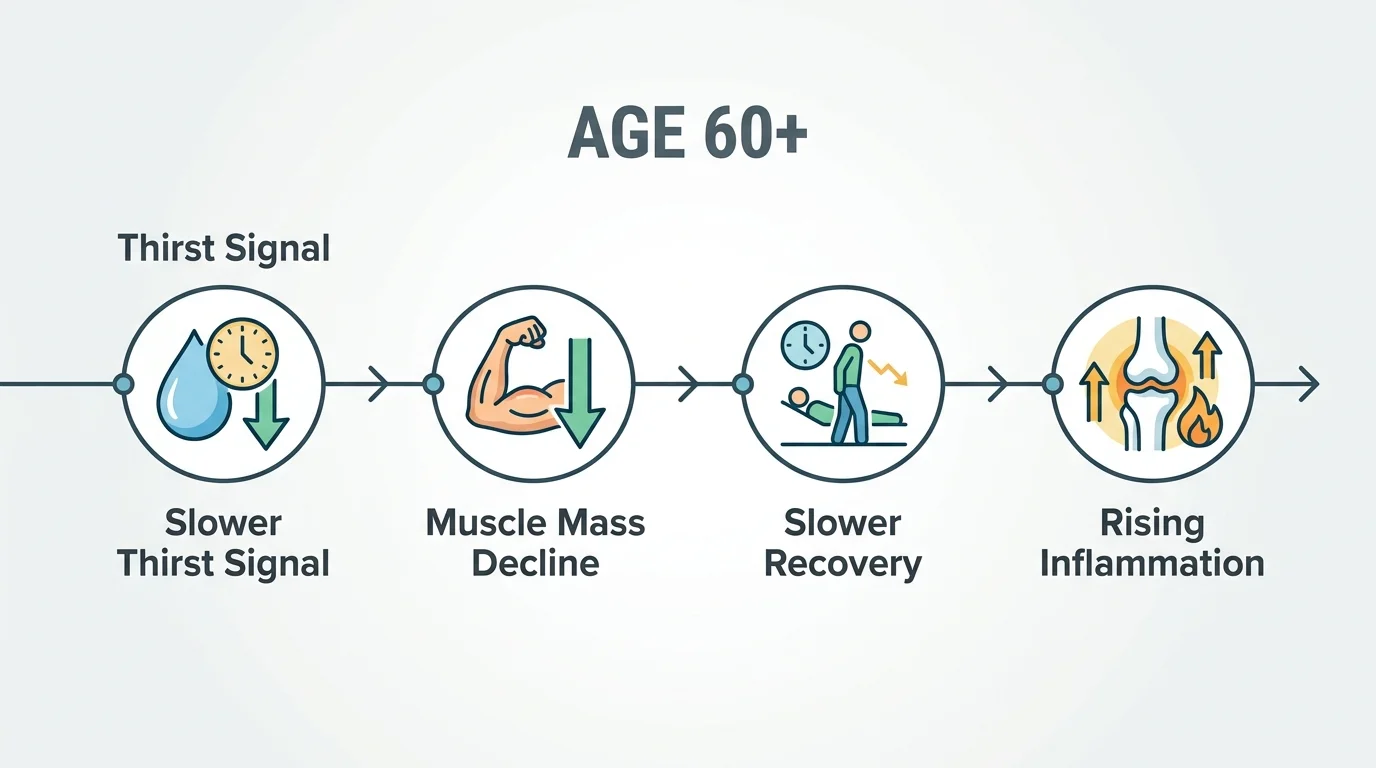
After 60, internal terrain can shift because thirst signals may weaken, muscle mass may decline, recovery may slow, sleep can change, inflammatory burden may rise, and medication needs often increase. These changes do not mean decline is unavoidable, but they make consistent daily support more important. The most medically safe way to discuss aging is to connect everyday phrases to recognized clinical and biological terms: cellular homeostasis, interstitial fluid, inflammation, proteostasis, insulin sensitivity, advanced glycation end-products, glymphatic clearance, heart-rate variability, and blood-brain barrier function.
Cellular Hydration and Fluid Balance
Many older adults experience a weaker thirst response and may also take medications that influence fluid balance. Hydration affects blood volume, kidney function, temperature regulation, constipation risk, and general energy, according to MedlinePlus’s overview of dehydration. Seniors with heart failure, kidney disease, or diuretic use should follow clinician-specific fluid advice.
Protein Quality Control and Glycation
Healthy cells continually fold, repair, and remove proteins. With aging, this quality-control system can become less efficient. Persistently high blood sugar may contribute to glycation and advanced glycation end-products, which are associated with tissue stiffness and metabolic stress. A balanced diet, activity, and glucose management can help support healthier aging patterns.
Brain Barriers, Omega-3 Intake, and Waste Clearance
Brain health depends on blood flow, the blood-brain barrier, sleep quality, metabolic health, omega-3 fatty acid intake, and inflammation control. Practical senior guidance connects these mechanisms to sleep, movement, blood-pressure control, glucose control, and clinician-directed nutrition, supported by the NIH Office of Dietary Supplements omega-3 fact sheet.
What Warning Signs May Suggest the Internal Terrain Needs Support?
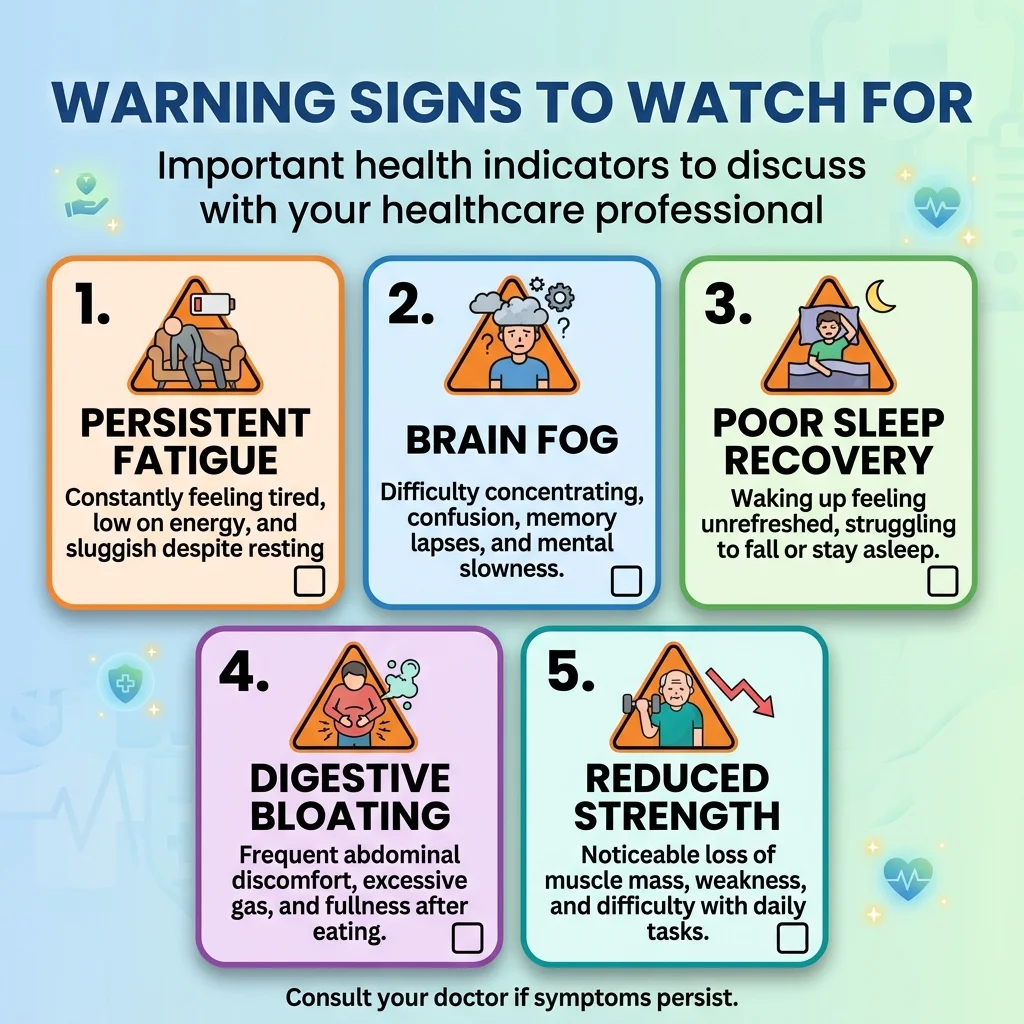
Possible warning signs include persistent fatigue, brain fog, poor sleep recovery, slower exercise recovery, constipation, bloating, frequent dehydration, reduced strength, or unusual aches. These symptoms can have many causes, so seniors should treat them as reasons to review habits and talk with a clinician, not as proof of one diagnosis.
- Persistent brain fog may relate to sleep, medications, hydration, depression, thyroid issues, blood sugar, inflammation, or neurological conditions.
- Waking tired after adequate sleep may point to sleep apnea, medication timing, pain, nocturia, stress, or poor sleep quality.
- Slow recovery and soreness may relate to inactivity, low protein intake, inflammation, vitamin D status, or muscle loss.
- Digestive sluggishness and bloating may relate to fiber intake, hydration, medications, gut motility, food intolerance, or digestive disease.
How Can Seniors Support Hydration, Minerals, and Nutrition Safely?
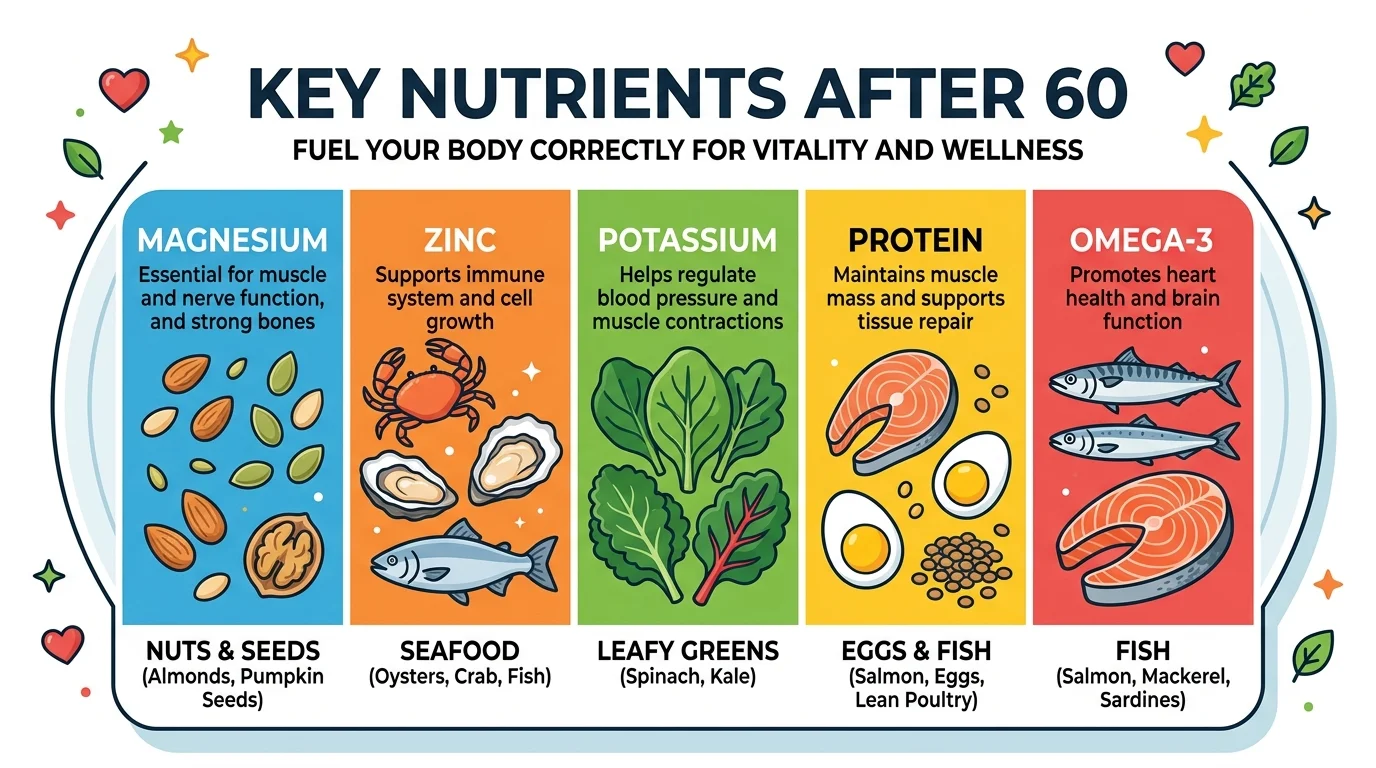
Seniors can support internal terrain by drinking fluids consistently, eating protein at meals, choosing fiber-rich foods, limiting added sugar, including vegetables and fruit, and getting magnesium, zinc, selenium, potassium, and omega-3s from food when possible, per NIH ODS magnesium, zinc, and potassium fact sheets. Supplement decisions should be individualized with a clinician or dietitian. This approach avoids claims that one water type or supplement protocol is necessary for all seniors. For meal ideas built around this pattern, see our list of 10 best foods to eat every day after 60.
| Goal | Senior-Friendly Action | Safety Note |
|---|---|---|
| Hydration | Sip water regularly; include soups, fruit, herbal tea, or electrolyte-rich foods when appropriate. | Ask a clinician if you have kidney disease, heart failure, low sodium, or take diuretics. |
| Protein adequacy | Include eggs, fish, poultry, yogurt, legumes, tofu, or other protein sources at meals. | People with kidney disease need individualized protein advice. |
| Mineral support | Eat nuts, seeds, legumes, leafy greens, root vegetables, seafood, and whole grains. | Avoid high-dose supplements without lab review or clinician guidance. |
| Blood-sugar support | Limit sugary drinks and highly processed snacks; pair carbohydrates with protein and fiber. | Diabetes medication adjustments must be clinician-led. |
| Digestive support | Increase fiber gradually, move daily, hydrate, and consider fermented foods if tolerated. | Persistent digestive symptoms require medical evaluation. |
How Do Sleep, Stress Regulation, and Movement Strengthen Internal Terrain?
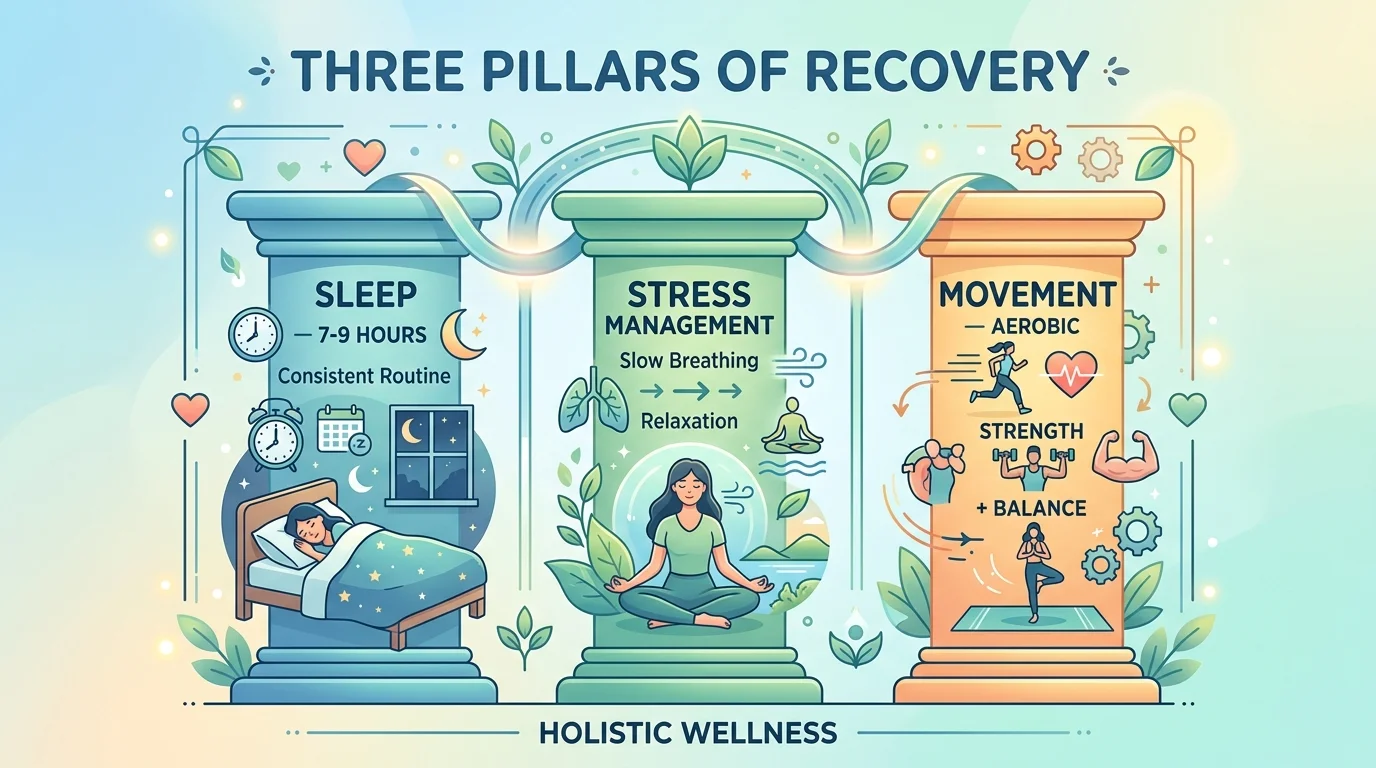
Sleep, stress regulation, and movement strengthen internal terrain by supporting hormone rhythm, blood-sugar control, immune balance, muscle maintenance, circulation, lymphatic movement, and recovery. For seniors, small daily routines are more realistic than extreme detox or aggressive exercise programs.
Sleep: Build a Recovery-Friendly Bedroom
The CDC’s sleep guidance recommends keeping the room dark, quiet, and comfortable; using a consistent wake time and bedtime routine; and discussing snoring, witnessed apnea, restless legs, or persistent insomnia with a clinician. If CPAP-related dry mouth is disrupting sleep, our guide on CPAP dry mouth in older adults covers practical fixes.
Stress: Support Parasympathetic Recovery
Practice slow breathing for 5 to 10 minutes daily. Use gentle relaxation methods such as prayer, meditation, music, gratitude journaling, or nature exposure, as outlined by the NIH National Center for Complementary and Integrative Health’s stress guidance. Think of vagal tone and heart-rate variability as resilience markers, not as stand-alone diagnoses.
Movement: Use Activity as Cellular Circulation Support
Regular activity supports circulation, muscle maintenance, insulin sensitivity, balance, mood, and sleep. Most healthy adults benefit from a combination of moderate aerobic activity, strength training, balance work, and gentle mobility, per the CDC’s activity guidelines for older adults and the National Institute on Aging’s exercise guidance. Seniors who are inactive, frail, or recovering from illness should start gradually and seek medical clearance when needed. For a structured starting routine, see our guide to building muscle after 60 with cheap everyday foods.
When Should Seniors Seek Medical Advice or Consider Testing?
Seniors should seek medical guidance for persistent fatigue, unexplained weight loss, chest pain, shortness of breath, confusion, falls, new weakness, digestive bleeding, severe dehydration, or sudden neurological symptoms. Functional or integrative testing should never replace standard evaluation and should be used only when results change care decisions.
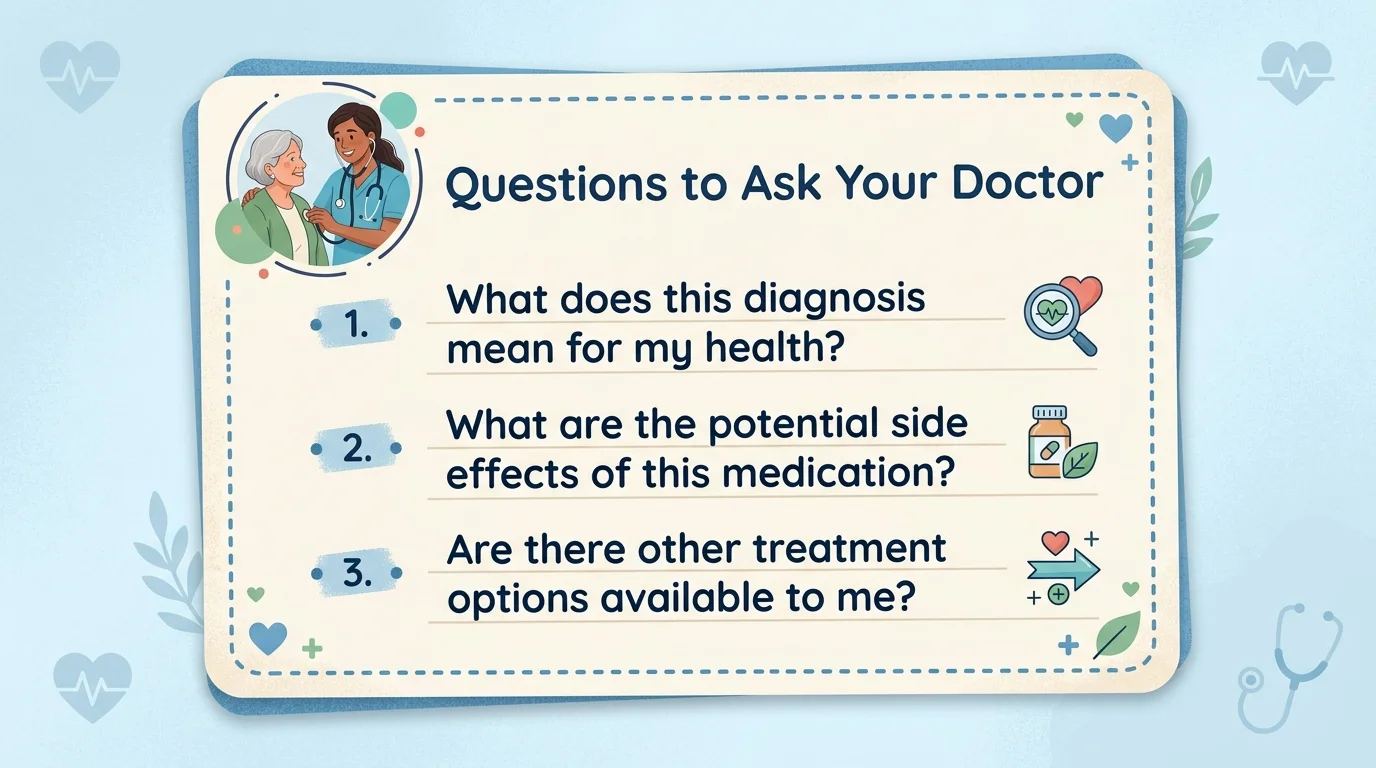
A safer and more authoritative approach to any diagnostic conversation emphasizes medical advocacy: ask good questions, review medications, discuss symptoms early, and verify that any test is clinically useful.
- Ask: “What common medical causes should we rule out first?”
- Ask: “Could any of my medications be contributing to fatigue, dehydration, dizziness, constipation, or sleep problems?”
- Ask: “Which evidence-based labs or screenings are appropriate for my age and symptoms?”
- If considering Biological Terrain Assessment or similar functional tests, ask whether the lab is properly certified, whether the test is validated for your condition, and how the result will change treatment. Some integrative practitioners use these tests, but they are not a proven replacement for standard diagnostics.
Frequently Asked Questions
Internal terrain after 60 means the body’s inner environment around the cells, including hydration, minerals, gut health, sleep, movement, inflammation control, and stress regulation. It is best used as a practical wellness framework that complements medical care.
No article should promise prevention or cure. A healthier internal environment may support resilience and healthy aging, but infections, chronic diseases, and symptoms still require appropriate medical evaluation and treatment.
No. Germ theory remains essential for infectious disease. Pathogen defense and host resilience both matter: medical care targets disease when needed, while lifestyle habits support recovery and healthy aging.
In healthy people, blood pH is tightly regulated by the lungs and kidneys. Diet can affect urine pH and overall nutrition quality, but it does not meaningfully alkalize the blood.
Focus on hydration, protein, fiber-rich foods, vegetables, fruit, regular movement, strength training, good sleep, stress regulation, and regular medical reviews. These habits support cellular repair, energy, digestion, and resilience.
Yes. Gut health can influence digestion, nutrient absorption, immune signaling, and inflammation. A senior-friendly approach includes fiber, adequate fluids, tolerated fermented foods, and medical review for persistent bloating, constipation, diarrhea, or pain.
Helpful foods include vegetables, fruit, legumes, whole grains, fish, eggs, yogurt, nuts, seeds, and other protein-rich foods. The best pattern is balanced, nutrient-dense, and adjusted for medical conditions and medications.
Hydration supports blood volume, temperature control, kidney function, bowel regularity, energy, and circulation. Older adults may feel less thirsty, so consistent fluid habits are important unless a clinician restricts fluids.
Sleep supports immune balance, hormone rhythm, memory processing, tissue repair, and recovery. Consistent sleep routines and evaluation for sleep apnea can be important for seniors with fatigue or brain fog.
Chronic stress can affect sleep, blood pressure, blood sugar, digestion, mood, and immune function. Breathing exercises, social connection, physical activity, and professional support can help regulate stress responses.
Avoid aggressive detox claims. A safer approach is toxin reduction: limit smoking, excessive alcohol, ultra-processed foods, poor sleep, inactivity, and unnecessary exposures. The liver, kidneys, lungs, skin, and gut already perform detoxification.
Heat and cold exposure may not be safe for everyone. Seniors with heart disease, blood-pressure problems, neuropathy, frailty, dehydration risk, or certain medications should ask a clinician before trying sauna or cold exposure.
Chest pain, sudden weakness, severe confusion, shortness of breath, fainting, stroke symptoms, blood in stool, unexplained weight loss, severe dehydration, or persistent fatigue require timely medical evaluation.
pH strips can track urine or saliva trends, but they do not diagnose disease or prove blood alkalinity. Use them only as educational tools and discuss abnormal or persistent symptoms with a clinician.
Daily small habits matter most. Hydration, balanced meals, movement, sleep routines, stress regulation, medication reviews, and preventive care work best when practiced consistently rather than as short-term programs.
Summary Checklist for Senior Vitality
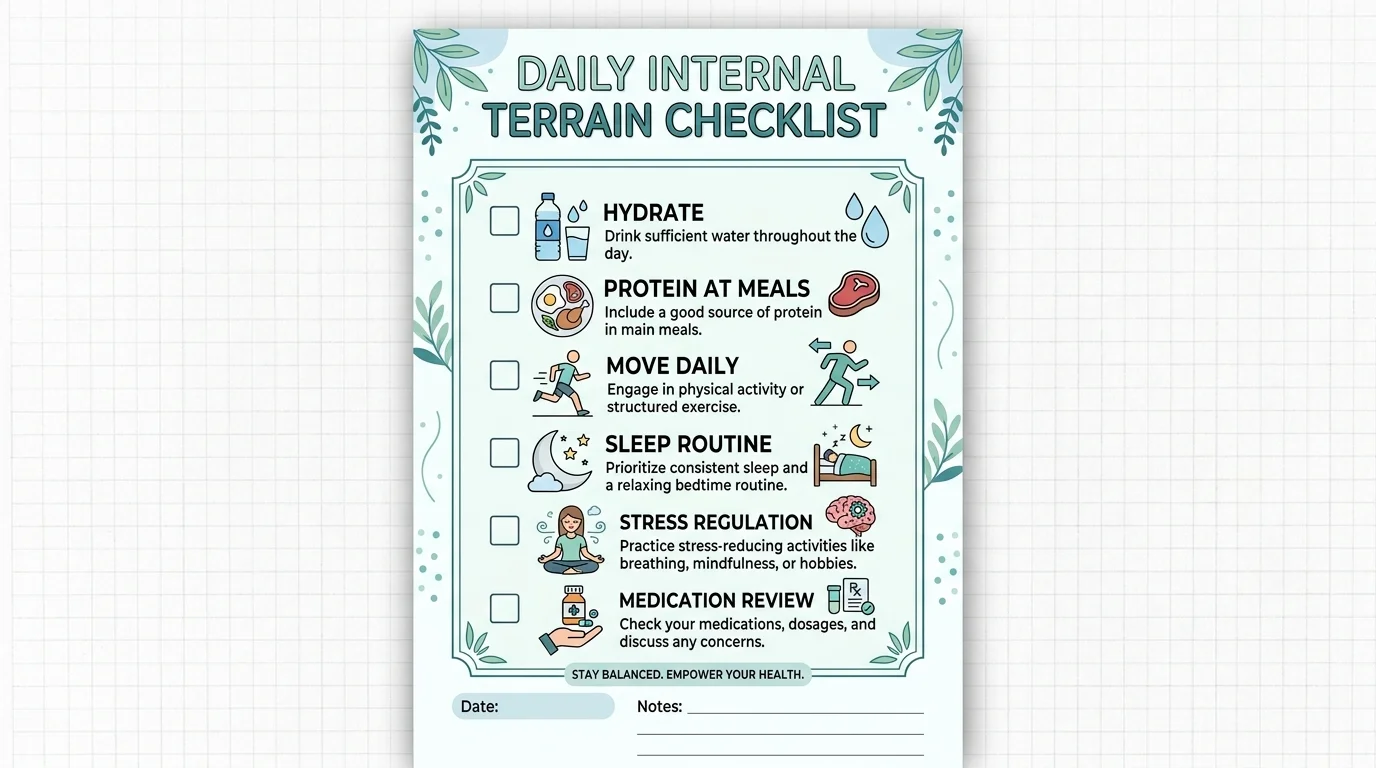
- Hydrate intentionally, unless your clinician has restricted fluids.
- Eat protein at meals to support muscle maintenance and repair.
- Choose fiber-rich plants, cooked vegetables if digestion is sensitive, and minimally processed foods.
- Limit added sugar and sugary drinks to support glucose control and reduce glycation burden.
- Move daily; include aerobic activity, strength training, balance, and mobility as tolerated.
- Create a dark, quiet, cool sleep environment and discuss sleep apnea symptoms.
- Practice slow breathing, social connection, or relaxation to support stress regulation.
- Review medications, supplements, symptoms, and screening needs with a licensed clinician.
Bottom Line
Internal terrain is not a replacement for medical care — it’s a useful way to think about the daily habits that shape how well your body supports itself: hydration, nutrition, sleep, movement, and stress regulation. Germ theory and modern medicine remain essential for treating infection and disease; internal terrain is simply the resilience layer that works alongside them. Focus on small, consistent daily habits, and bring any persistent or worsening symptoms to a licensed clinician rather than treating this framework as a diagnosis or a cure.
Authoritative Sources
- CDC – Healthy Aging – Overview of behaviors supporting healthy aging.
- National Institute on Aging – Healthy Aging – Senior-specific aging health guidance.
- WHO – Ageing and Health – Global healthy aging framework.
- Britannica – Germ Theory – Historical and scientific basis of germ theory.
- MedlinePlus – Dehydration – Causes, risks, and prevention of dehydration in older adults.
- CDC – Water and Healthier Drinks – Hydration and beverage choice guidance.
- NIH ODS – Omega-3 Fatty Acids – Omega-3 intake and brain/heart health.
- NIH ODS – Magnesium – Mineral intake guidance.
- NIH ODS – Zinc – Mineral intake guidance.
- NIH ODS – Potassium – Mineral intake guidance.
- NIH NCCIH – Stress – Stress regulation and relaxation technique guidance.
- CDC – About Sleep – Sleep duration and sleep-health basics.
- CDC – Physical Activity for Older Adults – Weekly aerobic and strength training targets.
- National Institute on Aging – Exercise and Physical Activity – Senior-specific exercise guidance.
⚕️ Medical Disclaimer
The information provided on this page is for educational purposes only and is not intended as medical advice, diagnosis, or treatment. Always consult a qualified healthcare professional before making changes to your diet, starting any supplement, or if you have an existing medical condition. KeepFitQuote does not provide medical diagnoses or treatment recommendations. Read our full disclaimer.