
Starting GLP-1 After 60: 12 Questions to Ask Your Doctor
Written by: Allan Smith, KeepFitQuote Editorial Team | Reviewed by: Dr. Mark McGarey, MBBS
Starting a GLP-1 medicine after age 60 can be a reasonable option for some adults with obesity, overweight-related health problems, or type 2 diabetes. But the best decision is not based on the number on the scale alone. Your doctor should also consider your strength, appetite, kidney function, digestive health, medication list, fall risk, heart and blood-sugar goals, ability to manage injections, and what will happen if the medicine is stopped. Family members helping with appointments can also use our caregiver guide to GLP-1 after 60.
GLP-1 receptor agonists such as semaglutide act on pathways involved in appetite, digestion, and blood sugar. Tirzepatide, often discussed in the same group, activates both GIP and GLP-1 receptors. Different products have different approved uses, dosing schedules, risks, and insurance rules. The questions below can help you turn a brief appointment into a safer, more useful shared decision.
Table of Contents
- 1. Am I a good candidate for GLP-1 treatment after 60?
- 2. Which medicine fits my diagnosis and health goals?
- 3. How will we protect muscle, strength, and physical function?
- 4. What side effects are common, and which symptoms are urgent?
- 5. Does my medical or family history make treatment unsafe?
- 6. How could GLP-1 affect my other medicines?
- 7. What eating and hydration plan should I follow?
- 8. How will dosing and follow-up work?
- 9. What should I do before surgery, anesthesia, or a procedure?
- 10. How long will I need treatment, and what happens if I stop?
- 11. What will treatment cost, and will insurance cover it?
- 12. What is our plan if the medicine does not work or I cannot tolerate it?
- A doctor-visit checklist for starting GLP-1 after 60
- The Bottom Line
- References
1. Am I a good candidate for GLP-1 treatment after 60?

Ask your doctor to explain why a GLP-1 medicine is being considered for you specifically. The answer may involve obesity, type 2 diabetes, cardiovascular disease, sleep apnea, high blood pressure, abnormal cholesterol, or another weight-related condition. Body mass index can be part of the assessment, but it should not be the only factor.
For an older adult, the same amount of weight loss can have very different effects depending on starting health. A person with central obesity, good strength, and stable nutrition may have a different risk-benefit profile from someone who is already frail, losing weight unintentionally, eating poorly, or recovering from illness. Tell your doctor about recent unplanned weight loss, weakness, falls, difficulty shopping or cooking, dental problems, swallowing difficulty, or a reduced appetite before treatment begins.
A useful follow-up question is: “What health outcome are we trying to improve?” The goal may be better blood sugar, reduced cardiovascular risk, improved mobility, relief of obesity-related symptoms, or sustained weight reduction. A clear goal makes it easier to decide later whether the medicine is working.
2. Which medicine fits my diagnosis and health goals?
“GLP-1” is often used as a broad label, but the medicines are not interchangeable. Semaglutide is the active ingredient in several products, and tirzepatide is a dual GIP/GLP-1 receptor agonist. Brand names may be approved for different conditions even when they contain the same active ingredient.
Ask your doctor:
- Which exact medicine and brand are you recommending?
- Is it approved for my primary condition?
- Is the goal diabetes control, chronic weight management, cardiovascular risk reduction, sleep-apnea treatment, or more than one of these?
- Why is this medicine preferred over another option?
- How does my kidney, liver, eye, heart, or digestive history affect the choice?
Benefits beyond weight loss may also matter after 60, but they must be linked to the exact product and diagnosis. A medicine used for type 2 diabetes may lower A1C and reduce the need for another glucose-lowering drug, while an obesity medicine may improve blood pressure, mobility, sleep, or other weight-related symptoms. Some products have cardiovascular or sleep-apnea indications supported by specific clinical trials. Those approvals do not mean that every GLP-1 medicine prevents heart attacks, treats sleep apnea, protects the kidneys, or improves liver disease in every older adult.
Ask your doctor to separate proven benefits from possible benefits. A useful question is: “Which outcome is supported by evidence for this exact medicine in people similar to me?” Also ask how that outcome will be measured. For example, a cardiovascular goal may involve more than weight and include blood pressure, cholesterol treatment, smoking status, and established heart disease. A sleep-apnea goal should include appropriate sleep evaluation and should not automatically replace positive airway pressure or another prescribed treatment. This prevents the scale from becoming the only definition of success.
Drug-specific benefits matter. For example, the FDA has approved Wegovy to reduce the risk of cardiovascular death, heart attack, and stroke in certain adults with cardiovascular disease and obesity or overweight. Zepbound is approved for moderate-to-severe obstructive sleep apnea in adults with obesity. These benefits should not be assumed for every medicine or every patient. Ask your doctor which evidence applies to you. [1][2]
3. How will we protect muscle, strength, and physical function?
This may be the most important GLP-1 question after age 60. Weight loss can include both fat and lean tissue. Older adults already face a higher risk of age-related muscle loss, so a successful treatment plan should protect strength and independence rather than focus only on pounds lost.

Ask whether your doctor will record a baseline measure of function. This might include grip strength, walking speed, the ability to rise from a chair, balance, recent falls, or your usual activity level. Tracking waist size, blood pressure, blood sugar, and how easily you perform daily tasks can be more informative than tracking body weight alone.
Discuss a protein and strength plan while taking GLP-1 after 60. Your protein needs should be individualized, especially if you have kidney disease or another condition requiring dietary limits. A registered dietitian can help you spread protein-rich foods across meals even when appetite is low. Resistance exercise may include supervised machines, resistance bands, body-weight movements, or light free weights. The right starting point depends on arthritis, heart disease, neuropathy, osteoporosis, balance, and previous exercise experience. For a deeper companion resource, see how to protect muscle while taking GLP-1 after 60.
Ask: “What amount and pace of weight loss would make you concerned about muscle loss or frailty?” Warning signs may include increasing difficulty climbing stairs, repeated falls, new exhaustion, trouble carrying groceries, or needing help with activities you previously managed independently.
4. What side effects are common, and which symptoms are urgent?
Nausea, diarrhea, vomiting, constipation, abdominal discomfort, indigestion, and reduced appetite are common with widely used GLP-1-based medicines. Review the official patient information for semaglutide and tirzepatide with your clinician or pharmacist. These problems may be more disruptive after 60 because dehydration, dizziness, constipation, and reduced food intake can quickly affect kidney function, blood pressure, balance, and medication tolerance. [1][2] Review practical warning signs in our guide to GLP-1 side effects after 60.

Ask your doctor for a written plan covering:
- What to eat and drink when nausea occurs
- How to prevent or treat constipation
- When to delay a dose increase
- Which symptoms require a same-day call
- Which symptoms require urgent or emergency care
Severe or persistent abdominal pain, especially with vomiting, may require assessment for pancreatitis or gallbladder disease. Repeated vomiting or diarrhea can cause dehydration and acute kidney injury. A serious allergic reaction requires immediate medical attention. Do not assume every symptom is “normal because of the injection.” [1][2]
GLP-1 constipation and stomach problems after 60 deserve early attention. Tell your doctor if you already use medicines that slow the bowel, have a history of bowel obstruction, severe reflux, gastroparesis, or chronic constipation. A tolerable plan is more valuable than reaching a higher dose quickly.
5. Does my medical or family history make treatment unsafe?
Before the first prescription, review your history carefully. Official patient information for semaglutide and tirzepatide includes a boxed warning related to thyroid C-cell tumors observed in animals. These medicines should not be used by people with a personal or family history of medullary thyroid carcinoma or with multiple endocrine neoplasia syndrome type 2. [1][2]
Your doctor should also know about:
- Previous pancreatitis
- Gallstones or gallbladder disease
- Severe digestive symptoms or delayed stomach emptying
- Kidney disease or previous dehydration-related kidney injury
- Diabetic retinopathy or recent changes in vision
- Severe allergic reactions to similar medicines
- Depression, major mood changes, or other mental-health concerns
- Recent unexplained weight loss, malnutrition, or frailty
The presence of one condition does not always produce the same decision for every patient, but it may change the medicine, starting plan, monitoring, or whether treatment is appropriate at all.
6. How could GLP-1 affect my other medicines?
A GLP-1 medication review after 60 is essential because many older adults take several prescriptions, over-the-counter products, and supplements. Bring an updated list with exact doses and timing. Include insulin, diabetes tablets, blood-pressure medicines, diuretics, anticoagulants, thyroid medicine, pain medicines, laxatives, and supplements. Before your appointment, use the GLP-1 medication review after 60 checklist.
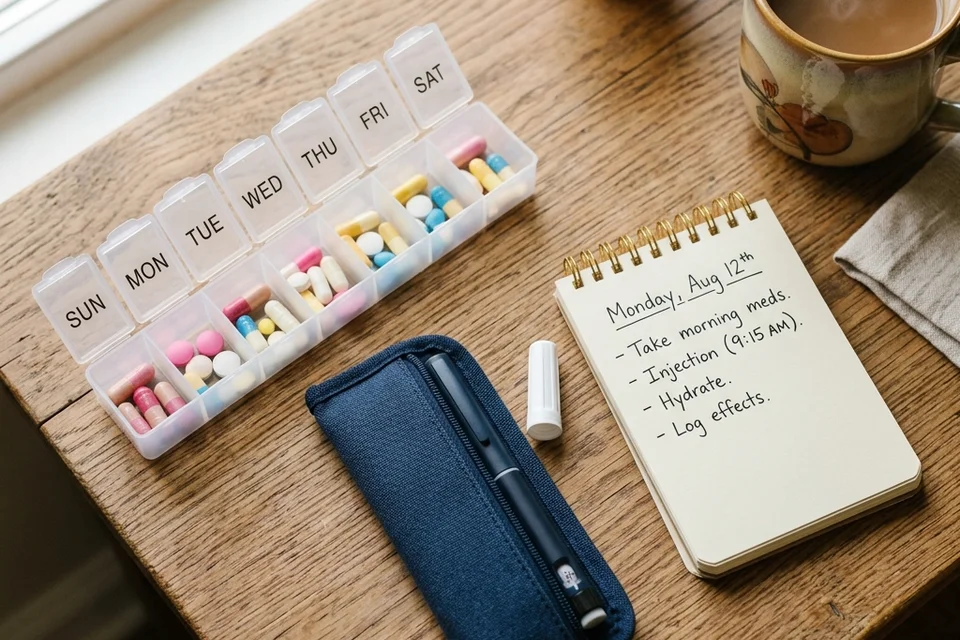
GLP-1–based medicines generally have a low risk of causing hypoglycemia by themselves, but the risk can increase when they are combined with insulin or medicines that stimulate insulin release. Your diabetes treatment may need adjustment. Ask how often to check glucose and what symptoms of low blood sugar should prompt action. [1][2]
These medicines can delay stomach emptying, which may affect how some oral medicines are absorbed or timed. The practical importance varies by drug and patient. Ask your prescriber or pharmacist whether any medicine with a narrow dosing window needs special attention. Do not change the timing of levothyroxine, anticoagulants, seizure medicines, or other important medicines without professional advice.
Also ask whether reduced food and fluid intake could make a blood-pressure medicine or diuretic too strong. Dizziness on standing, faintness, falls, or unusually low blood pressure should be reported.
7. What eating and hydration plan should I follow?
Appetite suppression can be helpful, but eating too little can become a problem. GLP-1 nutrition guidance for adults over 60 with low appetite should prioritize nutrition quality, not simply fewer calories. A fuller food and hydration framework is available in GLP-1 meal planning for older adults.

Ask for a plan that covers:
- Protein-rich foods at meals
- Adequate fluids, unless you have a fluid restriction
- Fiber that is increased gradually and tolerated
- Smaller meals if large meals worsen nausea
- Foods that are easy to prepare, chew, and digest
- Vitamin and mineral concerns if intake becomes limited
Track more than hunger. Watch for dark urine, dry mouth, dizziness, weakness, confusion, persistent constipation, or a sudden drop in food intake. GLP-1 hydration tips for older adults with nausea should be personalized if you have heart failure, kidney disease, or another reason to limit fluids.
Avoid making your diet so restrictive that treatment becomes unsafe. If you cannot meet basic nutrition and hydration needs, contact your clinician rather than trying to “push through” for faster weight loss.
8. How will dosing and follow-up work?
Most GLP-1-based treatment plans use gradual dose escalation to improve tolerability. Your doctor should explain the starting dose, when increases are considered, and what would justify staying at a lower dose longer. A higher dose is not automatically better if it causes poor intake, dehydration, weakness, or loss of function.
Ask when your first follow-up will occur and what will be reviewed. A practical GLP-1 monitoring checklist may include:
- Weight and waist trend
- Appetite and food intake
- Nausea, vomiting, bowel habits, and abdominal pain
- Hydration and blood pressure
- Blood glucose and A1C when relevant
- Kidney function when clinically indicated
- Vision symptoms in people with diabetic eye disease
- Mood and sleep
- Strength, mobility, and falls
- Medication changes and adherence
Agree on a threshold for calling between appointments. Waiting several months to report persistent vomiting, severe constipation, repeated low blood sugar, or rapid functional decline is not a safe monitoring plan.
9. What should I do before surgery, anesthesia, or a procedure?
Tell every surgeon, anesthesiologist, dentist, and procedural team that you take a GLP-1-based medicine. Delayed stomach emptying can be relevant during general anesthesia or deep sedation because of the risk of pulmonary aspiration. The FDA advises patients taking tirzepatide to inform health professionals about planned surgery or procedures. [2]
Instructions about whether and when to pause a medicine can depend on the product, dose, digestive symptoms, type of procedure, and current clinical guidance. Do not use a social-media rule or stop the medicine on your own. Ask the prescribing clinician and procedural team to give you one coordinated plan, including what to do with diabetes medicines and blood-sugar monitoring if treatment is interrupted.
10. How long will I need treatment, and what happens if I stop?
Ask whether your doctor views the medicine as short-term, long-term, or dependent on your response. Obesity and type 2 diabetes are chronic conditions, and the NIDDK notes that weight-management medicines are generally used as part of a long-term treatment plan. Many people regain weight after anti-obesity medication is withdrawn. A long-term plan should be discussed before the first dose, not after insurance coverage ends. For transition planning, read more about what happens when GLP-1 is stopped.

Questions to ask include:
- What result would justify continuing?
- What would count as inadequate response?
- What side effects would lead us to stop?
- What happens if the medicine becomes unaffordable?
- Is a lower maintenance dose appropriate?
- How will appetite, weight, glucose, and blood pressure be monitored after stopping?
- What alternatives are available?
Stopping is not a personal failure. The medicine may be ineffective, poorly tolerated, medically unsuitable, or financially inaccessible. The goal is a safe transition, not abrupt abandonment of treatment and follow-up.
11. What will treatment cost, and will insurance cover it?
Coverage varies by diagnosis, product, insurer, and plan. Ask the clinic to confirm the exact indication used for authorization, required documentation, preferred products, refill rules, and what happens if coverage changes.

Request a realistic annual plan rather than focusing only on the first month. Include office visits, laboratory tests, dietitian support, glucose supplies, and the cost of the medicine. Ask whether the prescriber has a process for prior authorization and appeals.
Adults with Medicare can review Medicare’s official information about prescription-drug costs and Extra Help and compare those resources with the rules of their specific plan. Coverage for an individual medicine still depends on the diagnosis, formulary, authorization requirements, and current plan terms.
Be cautious with online sellers and products marketed as unapproved or “research use” GLP-1 medicines. The FDA explains its concerns about unapproved GLP-1 products used for weight loss, including quality, dosing, and sourcing risks. Confirm that the prescription comes from a licensed clinician and the medicine is dispensed by a legitimate pharmacy. Do not assume a lower online price means the product is equivalent to an FDA-approved medicine.
12. What is our plan if the medicine does not work or I cannot tolerate it?
Before starting, agree on a backup plan. Some people lose less weight than expected, experience unacceptable side effects, or cannot continue because of cost. Others improve blood sugar or health measures even when weight change is modest.
Ask how response will be judged and when. Your doctor may consider adherence, dose, nutrition, other medicines, sleep, pain, mobility, thyroid status, or another health condition that affects progress. Alternatives may include a different medication, a lower dose, structured lifestyle treatment, diabetes-medication adjustment, bariatric evaluation, sleep-apnea treatment, physical therapy, or another individualized approach.
The safest plan allows you to say, “This is not working for me,” without feeling that you have failed.
A doctor-visit checklist for starting GLP-1 after 60
Bring this information to your appointment:

- A complete medication and supplement list
- Recent weights and any unintentional weight loss
- Your history of falls, weakness, or mobility problems
- Digestive problems, gallstones, pancreatitis, or kidney disease
- Personal or family history of medullary thyroid cancer or MEN2
- Diabetes records, including low blood sugar episodes
- Eye disease or recent vision changes
- Upcoming surgery, endoscopy, dental sedation, or other procedures
- Insurance information and affordability concerns
- Your main goal: glucose control, heart risk, mobility, sleep, weight, or another outcome
- Your plan for protein, hydration, and strength activity
- The symptoms that should trigger a call or urgent care
The Bottom Line
Starting GLP-1 after 60 should be a shared medical decision, not a quick weight-loss transaction. The right plan considers muscle, nutrition, hydration, medication interactions, digestive health, kidney function, falls, affordability, and long-term follow-up. Ask what benefit is expected for your specific diagnosis, how safety will be monitored, and how strength and independence will be protected.
A good treatment plan gives you more than a prescription. It gives you clear goals, a tolerable dosing strategy, a nutrition and activity plan, warning signs, scheduled follow-up, and an alternative path if the medicine is not right for you.
References
MedlinePlus, U.S. National Library of Medicine. Semaglutide Injection: Patient Drug Information.
MedlinePlus, U.S. National Library of Medicine. Tirzepatide Injection: Patient Drug Information.
American Society for Nutrition. Nutritional Priorities to Support GLP-1 Therapy for Obesity.
Centers for Disease Control and Prevention. About Physical Activity.
U.S. Food and Drug Administration. FDA’s Concerns with Unapproved GLP-1 Drugs Used for Weight Loss.
Medicare.gov. Help with Drug Costs and the Extra Help Program.
Frequently Asked Questions
1. Am I a good candidate for GLP-1 treatment after 60?
Candidacy depends on the condition being treated, weight-related health risks, nutrition, strength, frailty, medical history and treatment goals. A clinician should assess more than body weight or BMI alone.
2. Which medicine fits my diagnosis and health goals?
Ask which exact medicine and brand is recommended, what condition it is approved to treat, why it is preferred, and how your heart, kidney, liver, eye and digestive history affect the choice.
3. How will we protect muscle, strength, and physical function?
Discuss baseline strength and mobility, adequate protein, resistance exercise and warning signs of frailty. Success should include maintaining independence and function, not only losing pounds.
4. What side effects are common, and which symptoms are urgent?
Common effects include nausea, vomiting, diarrhea, constipation and reduced appetite. Severe or persistent abdominal pain, repeated vomiting, dehydration or allergic symptoms require prompt medical advice.
5. Does my medical or family history make treatment unsafe?
Tell your doctor about pancreatitis, gallbladder disease, severe digestive problems, kidney injury, diabetic eye disease, allergies, frailty and any personal or family history of medullary thyroid carcinoma or MEN2.
6. How could GLP-1 affect my other medicines?
Bring a complete medicine and supplement list. Insulin or certain diabetes medicines can raise the risk of low blood sugar, and delayed stomach emptying may affect some oral medicines.
7. What eating and hydration plan should I follow?
Prioritize protein, adequate fluids when medically appropriate, tolerated fiber, smaller meals and nutrient-dense foods. Contact your clinician if nausea or poor intake prevents basic nutrition and hydration.
8. How will dosing and follow-up work?
GLP-1 medicines are generally increased gradually. Agree on follow-up timing and monitoring for weight, appetite, digestive symptoms, hydration, blood pressure, glucose, kidney function, vision, mood, strength and falls.
9. What should I do before surgery, anesthesia, or a procedure?
Tell the prescribing clinician and procedural team that you use a GLP-1 medicine. Follow one coordinated, individualized plan for pausing treatment, fasting and managing other diabetes medicines.
10. How long will I need treatment, and what happens if I stop?
Discuss whether treatment is expected to be long term, what results justify continuation, how side effects or cost may change the plan, and how health measures will be monitored after stopping.
11. What will treatment cost, and will insurance cover it?
Confirm the exact indication, formulary rules, prior authorization, refill requirements and appeal process. Include medicine, visits, tests, nutrition support and monitoring when estimating annual cost.
12. What is our plan if the medicine does not work or I cannot tolerate it?
Agree on when response will be judged and what alternatives are available. Options may include dose changes, another medicine, structured lifestyle treatment, specialist evaluation or another individualized plan.
⚕️ Medical Disclaimer
The information provided on this page is for educational purposes only and is not intended as medical advice, diagnosis, or treatment. Always consult a qualified healthcare professional before making changes to your diet, starting any supplement, or if you have an existing medical condition. KeepFitQuote does not provide medical diagnoses or treatment recommendations. Read our full disclaimer.