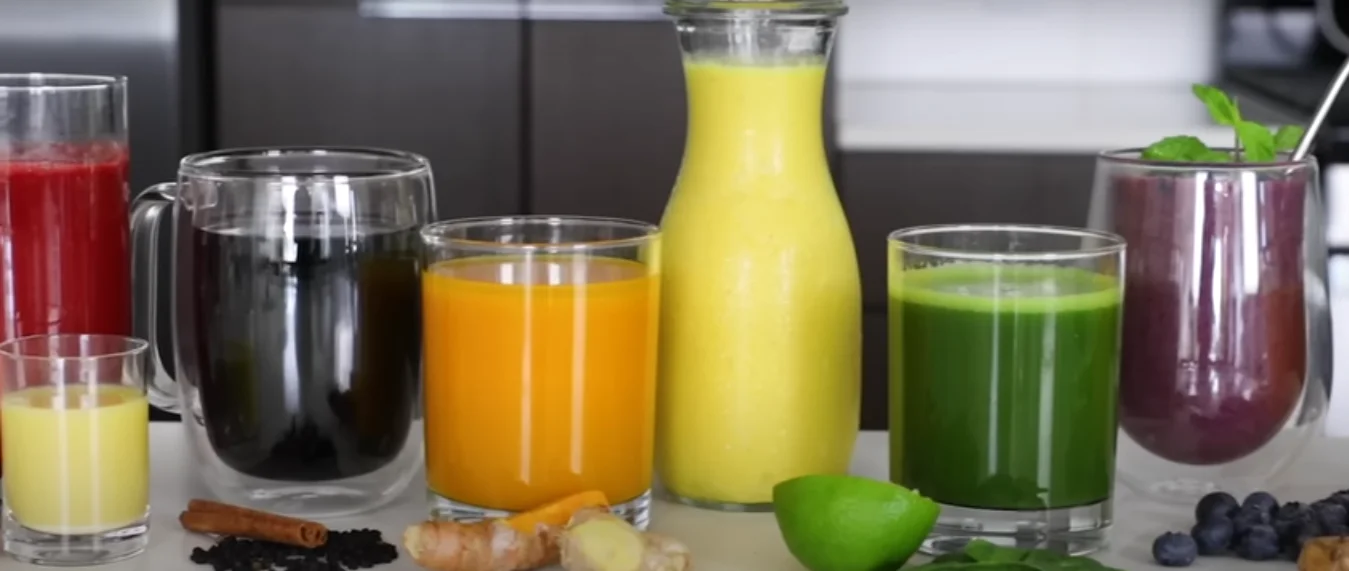
Quick answer: A healing juice for inflammation can add helpful plant compounds from turmeric, ginger, berries, beets and leafy greens, but it is a support, not a treatment. Whole fruits and vegetables do more, because juice loses fiber. Adults 60+ with diabetes, kidney disease or on blood thinners should check with their doctor first.
Chronic inflammation is linked with joint stiffness, tiredness and many long-term health problems. Below are five easy juice blends, what each ingredient may do, and how to use them safely. They work best alongside anti-inflammatory foods for everyday meals.
Why Inflammation Needs Nutritional Support
Persistent inflammation, even at low-grade levels, contributes to oxidative stress and tissue damage. Targeted nutrition through functional beverages can offer therapeutic compounds like
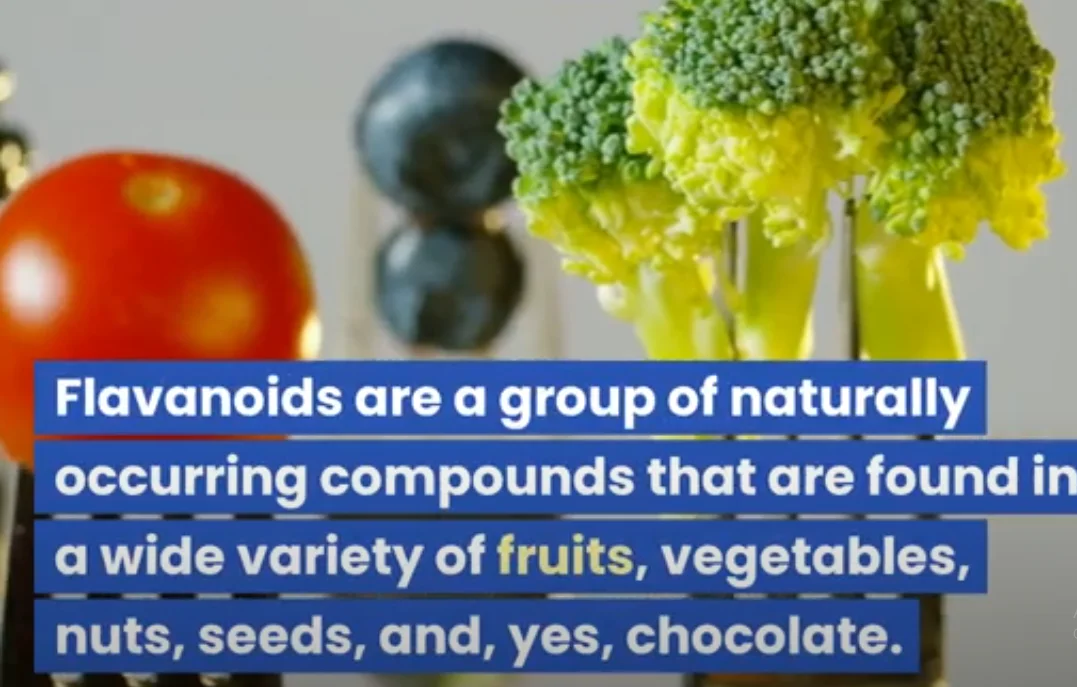
polyphenols, flavonoids, and organic acids in a highly absorbable form. Juicing is not a cure, but it can be a useful addition to a balanced diet.
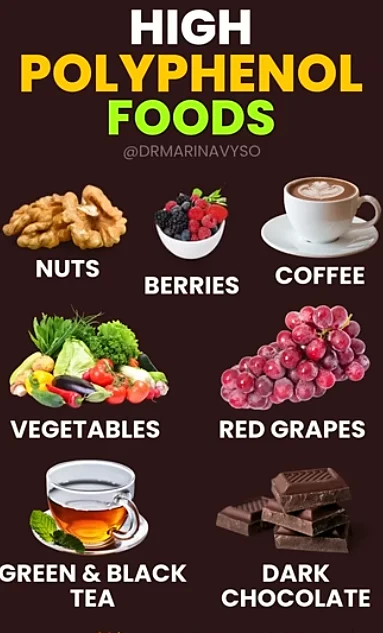
Low-grade chronic inflammation is increasingly recognized by researchers as a contributing factor in conditions ranging from arthritis to cardiovascular disease and cognitive decline, largely because it’s often invisible on standard checkups until it manifests as a diagnosable condition. Diet plays a measurable role here: a landmark dietary inflammatory index study published in the journal Nutrients found that diets rich in fruits, vegetables, and polyphenol-containing plants correlate with meaningfully lower markers of systemic inflammation, such as C-reactive protein, compared to diets heavy in processed foods. A healing juice for inflammation concentrates these plant compounds into an easily absorbed form, which can be especially useful for older adults who may have reduced digestive efficiency or difficulty eating large volumes of raw vegetables.
1. Turmeric + Pineapple Juice Blend
Purpose: Joint and Muscle Relief
Turmeric root contains curcumin, a powerful compound with well-documented anti-inflammatory effects. Fresh pineapple offers bromelain, an enzyme that supports tissue repair and reduces swelling. Combined, these ingredients may help with muscle soreness and joint discomfort. Learn more about turmeric benefits.

Recipe:
- 1 thumb-sized piece of raw turmeric (peeled)
- 1 cup fresh pineapple chunks
- ½ lemon (peeled)
- Small pinch of black pepper (for curcumin absorption)
- ½ cup filtered water
Blend and strain. Consume on an empty stomach for optimal absorption.
The black pepper isn’t just a flavor addition — piperine, its active compound, has been shown in clinical research to increase curcumin’s bioavailability by up to 2,000%, since curcumin alone is poorly absorbed by the digestive tract. This is one of the best-documented food-pairing effects in nutrition science and explains why traditional turmeric preparations, including golden milk, almost always include black pepper. For seniors managing arthritis, small studies suggest curcumin supplements may ease joint pain for some people, though individual results vary and curcumin can interact with blood thinners, so checking with a doctor is worthwhile for anyone on anticoagulant medication.
2. Celery + Cucumber Juice
Purpose: Reduce Water Retention and Calm Gut Inflammation
Celery is rich in apigenin and luteolin, two compounds known for their inflammation-modulating properties. Cucumber adds silica and hydrating minerals that gently reduce bloating and heat in the gastrointestinal tract.

Recipe:
- 4 celery stalks
- ½ cucumber (peeled)
- ½ green apple (for mild sweetness)
- ½ lemon (optional)
- 1-inch ginger root (optional for enhanced anti-inflammatory effect)
Best consumed mid-morning, especially after meals that trigger discomfort.
Apigenin, found abundantly in celery, has been studied for its ability to inhibit inflammatory signaling pathways in laboratory research, and celery juice’s high water and electrolyte content (potassium and sodium) supports healthy fluid balance, which can ease the puffiness some people notice after salty meals. Cucumber’s silica content also supports connective tissue health, an underappreciated benefit for joint and skin resilience as we age. Because this blend is low in sugar and gentle on digestion, it’s often well tolerated even by people with sensitive stomachs or early-stage acid reflux.
3. Beet + Carrot + Ginger Juice
Purpose: Circulation and Everyday Nutrition
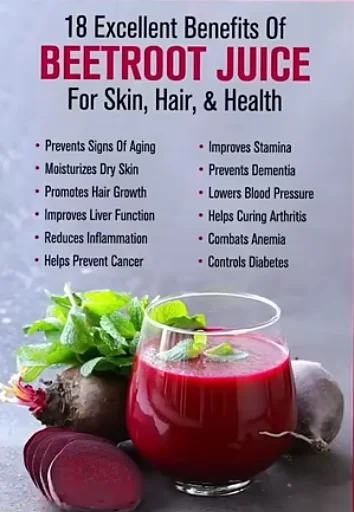
Beets are rich in betalains, which help lower inflammatory markers. Carrots deliver beta-carotene, while ginger adds compounds like gingerol that interfere with COX enzymes involved in the inflammatory cascade.
Recipe:
- 1 medium beet (peeled and chopped)
- 2 carrots (peeled)
- 1-inch ginger root
- ¼ lime
- 1 cup coconut water (for electrolyte balance)
This juice is best consumed after physical activity or high-stress periods.
Beets are also one of the richest natural sources of dietary nitrates, which the body converts into nitric oxide — a molecule that helps blood vessels relax and improves blood flow, a mechanism studied extensively in sports and cardiovascular research. This is part of why beet juice is popular among endurance athletes, but the same circulation-boosting effect can benefit older adults managing blood pressure or general circulation concerns, always in coordination with a physician if on blood pressure medication. Ginger’s gingerol compounds have also been studied for easing exercise-induced muscle soreness, making this blend a reasonable choice after physical activity, gardening, or a physically demanding day.
4. Blueberry + Red Cabbage Juice
Purpose: Brain and Skin Inflammation
Blueberries contain anthocyanins—pigments that suppress free radicals and inhibit NF-κB, a key driver of cellular inflammation. Red cabbage adds vitamin C and colorful plant compounds called anthocyanins.
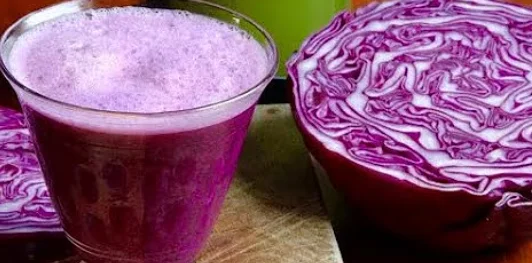
Recipe:
- 1 cup organic blueberries
- ½ cup shredded red cabbage
- ½ apple
- ½ cup cold herbal tea (like hibiscus or rooibos)
Consume cold in the afternoon to help offset cortisol-related inflammation.
NF-κB is a protein complex that acts like a master switch for inflammation, turning on genes that produce inflammatory signaling molecules — anthocyanins in blueberries have been shown in laboratory studies to help dampen this switch, which is part of why berries are consistently highlighted in brain-health and healthy-aging research. Red cabbage also adds vitamin C and fiber-rich plant compounds that fit well into a healthy-aging diet. Afternoon cortisol dips are a natural part of the body’s daily rhythm, and pairing this juice with a calming herbal tea base may support that natural transition into a calmer afternoon state.
5. Aloe Vera + Mint Juice
Purpose: Intestinal Mucosa Support
Aloe vera juice is traditionally used to soothe the digestive tract, though research is limited. Mint calms muscle spasms in the GI tract and aids bile flow, helping with conditions like bloating and reflux.
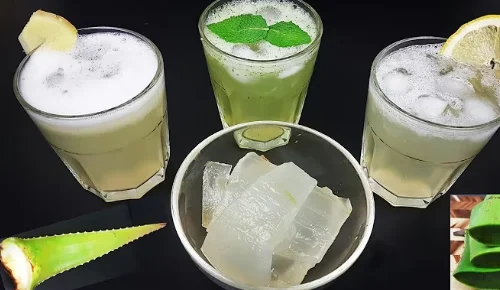
Recipe:
- ¼ cup inner aloe vera gel (fresh or food-grade bottled)
- 6–8 fresh mint leaves
- ½ cucumber
- 1 cup water
- Dash of Himalayan salt
Drink 30 minutes before meals for maximum gut-calming effect.
Aloe vera’s inner gel contains polysaccharides that form a soothing, protective layer over irritated digestive tissue, which is part of why it’s traditionally used for conditions involving gut lining irritation. It’s important to use only the clear inner gel and avoid the outer leaf latex, which contains aloin — a compound that can act as a strong laxative and cause cramping in larger amounts; food-grade, decolorized aloe products are specifically processed to remove this component. Mint’s antispasmodic effect on smooth muscle has been studied for irritable bowel symptoms, making this combination a gentle option for people managing bloating or mild reflux, though anyone with acid reflux specifically should note that peppermint can occasionally relax the lower esophageal sphincter and worsen symptoms in some individuals.
Safe Juicing Tips for Adults Over 60
- Use raw, organic produce whenever possible to retain antioxidant integrity.
- Avoid high-fructose fruits in therapeutic blends. Stick to low-glycemic options like green apples and berries.
- Store juice in airtight glass containers, and consume within 24 hours for maximum nutrient preservation.
- Avoid adding sweeteners or processed juice bases, which may counteract the anti-inflammatory benefits.
Any healing juice for inflammation raises blood sugar faster than whole fruit, so keep servings to about 4–6 oz and include vegetables. Beet, carrot and celery juices are high in potassium, which matters if you have kidney disease. Turmeric and ginger in large amounts may add to the effect of blood thinners. It also helps to limit foods that cause inflammation after 60.
When Juice Helps and When It Doesn’t
While a healing juice for inflammation can be a helpful extra, they are most effective when combined with a low-inflammatory diet, adequate hydration, and stress-reducing habits. These blends should not replace meals but rather act as supportive interventions between meals as part of a balanced diet.
Conclusion
A healing juice for inflammation can offer gentle support as part of an anti-inflammatory diet when they are made with care and enjoyed in sensible amounts. From gut-soothing aloe blends to potent turmeric-based formulas, the natural ingredients outlined above provide a range of bioactive compounds that promote internal balance. Tailor your choices based on symptoms and needs—because when it comes to inflammation, personalization is key.
Frequently Asked Questions (FAQs)
1. What juice is best for inflammation and joint pain?
Fresh turmeric and pineapple juice is one of the best natural options for inflammation and joint pain. Turmeric contains curcumin, which lowers inflammatory markers, while pineapple has bromelain, an enzyme known to reduce swelling and improve mobility.
2. Can juicing reduce chronic inflammation?
Yes, consistent juicing with anti-inflammatory vegetables and herbs can help regulate immune responses, lower oxidative stress, and reduce chronic inflammation. Ingredients like ginger, celery, red cabbage, and aloe vera have been shown to naturally support inflammation control.
3. Is ginger juice good for muscle pain?
Ginger juice contains gingerol, a compound that targets inflammation at the cellular level. It’s especially helpful after exercise or during periods of physical stress. Drinking ginger with beet or carrot juice can further aid in muscle recovery.
4. How often should I drink healing juice for inflammation?
For best results, drink a freshly made anti-inflammatory juice once daily, preferably on an empty stomach or between meals. Once a day is plenty, and a small glass of about 4–6 oz is enough.
5. What fruits and vegetables should I avoid in healing juices?
Avoid high-sugar fruits such as bananas, grapes, and mangoes when targeting inflammation. These can spike blood sugar and may worsen inflammation in some individuals. Instead, focus on low-glycemic fruits like berries and vegetables like cucumber and celery.
6. Can healing juice replace anti-inflammatory medication?
Natural juices can support inflammation management, but they should not be used as a substitute for prescribed medication without medical supervision.
7. Is aloe vera juice safe for daily use?
Yes, food-grade aloe vera juice is generally safe when taken in small amounts daily. It helps reduce gut inflammation and supports digestion. Avoid products containing aloin or artificial preservatives, which can irritate the intestines. Avoid whole-leaf (non-decolorized) aloe juice; NCCIH warns it can cause cramps and diarrhea and raised safety concerns in animal studies.
8. Do anti-inflammatory juices help with skin problems?
Diet may play a role in some inflammatory skin issues like eczema or acne. Juices with ingredients like blueberries, red cabbage, and cucumber may support overall skin health as part of a balanced diet; see a dermatologist for eczema or acne.
9. What’s the best juice to reduce morning stiffness?
A blend of fresh beet, ginger, and lemon helps improve circulation and joint flexibility, making it ideal for reducing stiffness after waking up. Drinking this juice in the early morning may improve comfort throughout the day.
10. Does pineapple juice really reduce inflammation?
Yes, pineapple contains bromelain, a natural enzyme that breaks down proteins contributing to inflammation. It works particularly well when paired with turmeric and black pepper, which enhances curcumin bioavailability.
Sources
⚕️ Medical Disclaimer
The information provided on this page is for educational purposes only and is not intended as medical advice, diagnosis, or treatment. Always consult a qualified healthcare professional before making changes to your diet, starting any supplement, or if you have an existing medical condition. KeepFitQuote does not provide medical diagnoses or treatment recommendations. Read our full disclaimer.
Related Posts