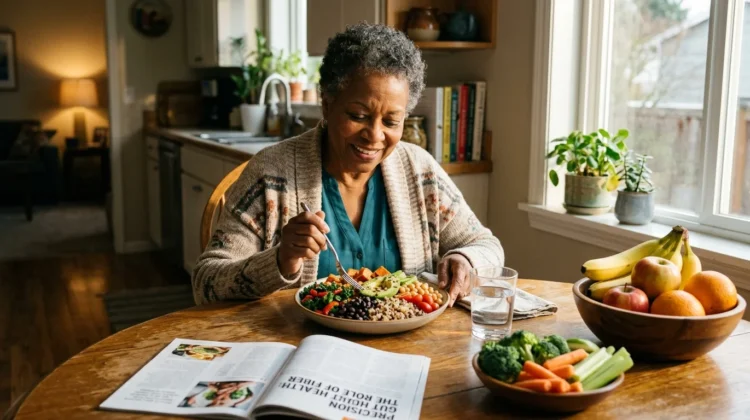
Precision Gut Health for Seniors: Personalized Nutrition to Boost Longevity
As we age, our gut microbiome undergoes significant changes that can impact overall health and longevity. A less diverse microbiome and reduced beneficial bacteria, such as Bifidobacterium and Faecalibacterium, are common in seniors. These changes can contribute to inflammaging, immune decline, and chronic disease risk, which can also affect pancreas health after 60. Fortunately, lifestyle and dietary strategies can help “rewire” an aging gut. High-fiber diets with fruits, vegetables, whole grains, and fermented foods feed beneficial microbes, while adequate protein, hydration, and regular exercise also support gut health in older adults.
This guide reviews recent research on the aging gut, outlines key foods and habits for seniors, and offers a personalized 7-day meal and activity plan to optimize gut health and longevity.
Precision gut health for seniors means tailoring food, fiber, hydration, probiotics, protein, and lifestyle habits to support an aging gut microbiome. After 60, a personalized plan can help improve digestion, support immune balance, reduce constipation risk, and promote healthier aging when combined with medical guidance.
How Does the Gut Microbiome Change as We Age?

The gut microbiome — the trillions of microbes in the intestine — shifts substantially in older adults. Compared to younger individuals, seniors typically have lower microbial diversity and a loss of “good” bacteria. Beneficial groups like Bifidobacterium and Faecalibacterium tend to decline in the elderly, while Akkermansia often increases in centenarians. Age-related factors such as slower intestinal transit, changes in diet, and medications also reduce fiber fermentation and short-chain fatty acid (SCFA) production. At the same time, harmful or opportunistic bacteria may expand, fueling chronic “inflammaging.”
Senior gut dysbiosis contributes to health problems. Less SCFA production and more gut permeability can drive inflammation and weaken immunity, increasing risk for metabolic diseases, frailty, and even cognitive decline. However, research shows that a more resilient, diverse microbiome is linked to better outcomes in elders. A Nature Metabolism study found older adults whose gut communities changed (diversified) the most over time tended to live longer and have healthier blood markers, a finding echoed in Harvard Health’s coverage of healthy gut, healthier aging. Precision nutrition — tailoring diet to an individual’s gut profile — is an emerging strategy that may help “bend the biological aging curve” by adjusting foods to feed a senior’s unique microbiome.
Key takeaway: The aging gut usually loses diversity and beneficial microbes, contributing to inflammation and disease. But a varied, fiber-rich diet and healthy lifestyle can promote a youthful microbiome even in older adults.
Which Fiber-Rich Foods Support Precision Gut Health for Seniors?
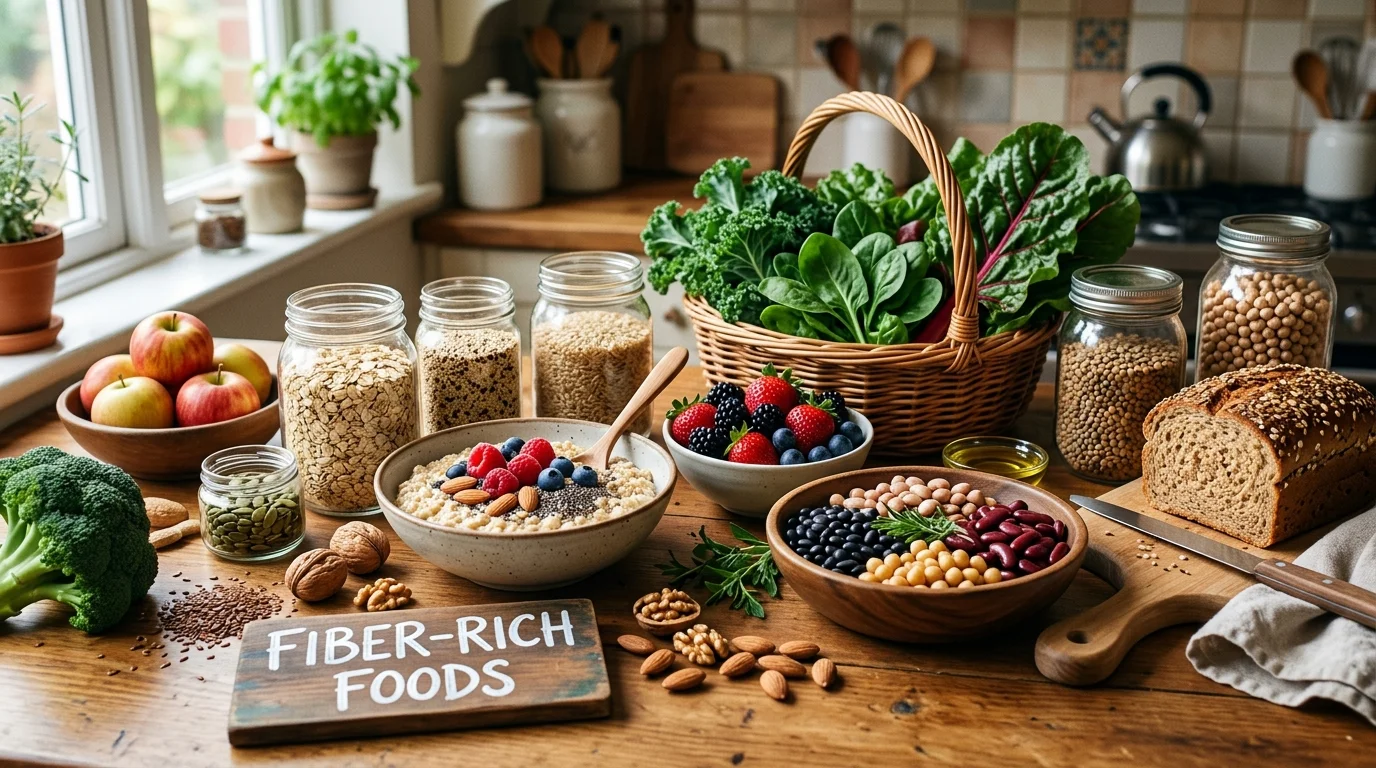
Dietary fiber is vital for senior gut health. Fiber — the indigestible plant carbohydrate — feeds beneficial gut bacteria and helps produce SCFAs that nourish colon cells. Most older adults fall short of fiber recommendations. According to Mayo Clinic’s guide to dietary fiber, women over 50 need about 21g fiber per day and men over 50 need about 30g. Seniors can hit these goals by choosing whole, unprocessed plant foods.
Top fiber foods: Fruits, vegetables, whole grains, and legumes. Oatmeal or whole-grain toast at breakfast; vegetables, especially leafy greens, broccoli, and carrots, at lunch; beans or lentils in soups and salads; and a high-fiber fruit such as berries or apple with skin as a snack. Nuts, seeds, and fermented vegetables like sauerkraut and kimchi also contribute fiber and nutrients. These foods tend to be nutrient-dense, packing vitamins and minerals without excess calories, which is ideal for seniors. For more meal ideas built around fiber-rich foods, see our list of 10 best foods to eat every day after 60.
Preparing fiber safely: Increase intake slowly to avoid bloating. Seniors especially should introduce fiber over days and drink plenty of water to help it pass. For example, add 1–2 tablespoons of extra fiber per day until reaching the target. If chewing is difficult, cooked vegetables, smoothies, or bean purees can help. Fermented fiber sources, including prebiotic vegetables like onions, garlic, and bananas, are also excellent.
What to limit: Highly processed carbs (white bread, chips) and sugary snacks displace fiber foods and promote unhealthy gut bugs. Instead of refined grains or sweets, seniors should fill up on high-fiber whole foods.
How Do Protein and Probiotics Support the Aging Gut?
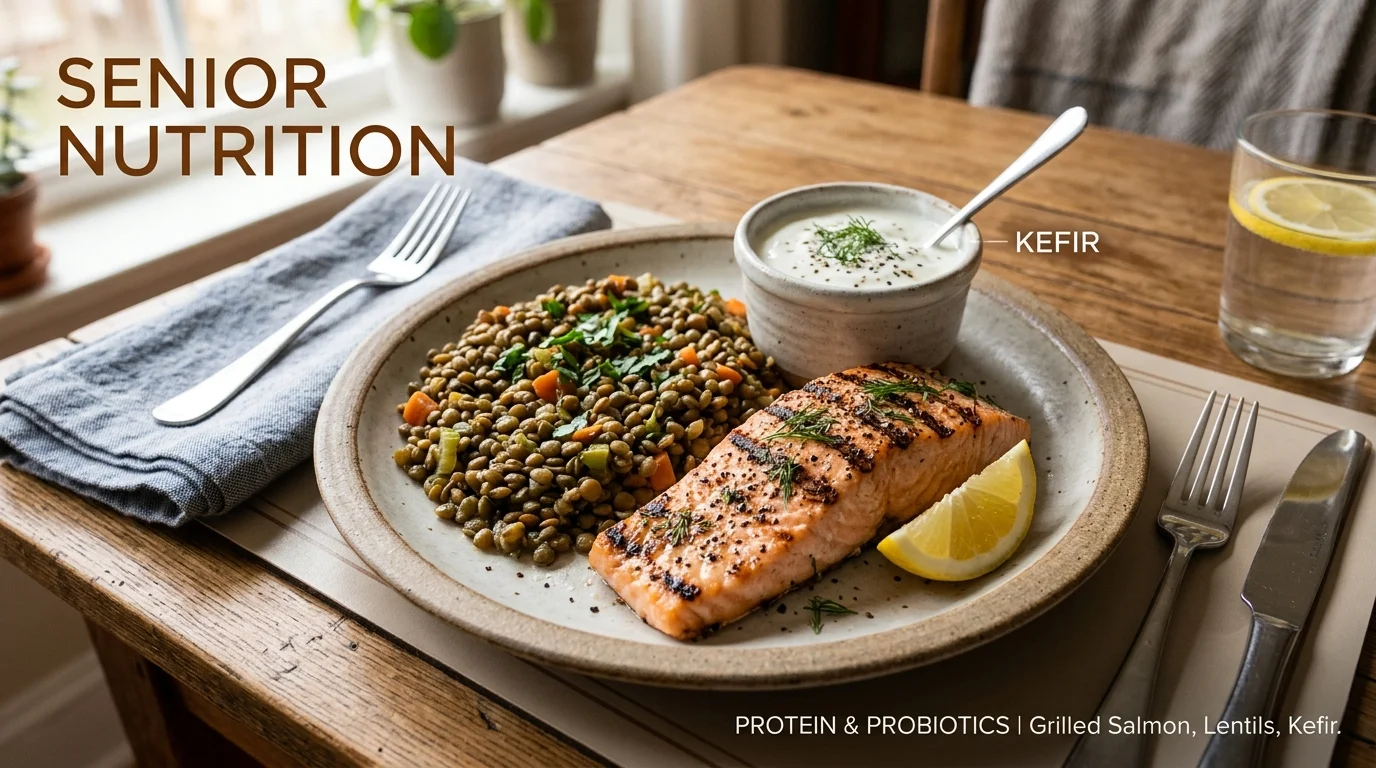
Protein: Muscle mass and gut tissue both rely on protein, and seniors often need more protein per calorie than younger people. With muscle loss accelerating after 60, experts urge older adults to eat protein at every meal. Good sources include lean meats, poultry, fish, eggs, low-fat dairy, and legumes — pairing this with regular movement is covered in our guide to building muscle after 60 with cheap everyday foods. Protein-rich foods also contain vitamin B12 (from meat, fish, dairy), which seniors absorb less efficiently; the NIH Office of Dietary Supplements vitamin B12 fact sheet explains why consuming enough protein helps maintain B12 levels.
For gut health, protein is important because it helps maintain the intestinal lining and immune cells. When gut bacteria ferment protein improperly, such as from red meat, they may produce toxic metabolites. But lean protein and fermented protein sources like yogurt and kefir support a healthy gut barrier.
Probiotics & fermented foods: Introducing beneficial bacteria can help rebalance an aging microbiome. Sources like yogurt, kefir, sauerkraut, miso, and tempeh contain live cultures. The Cleveland Clinic’s guide to probiotics notes that studies in the elderly show moderate benefits: probiotics can modestly improve gut composition and immune markers. Aim for 1–2 servings of probiotic foods per day if tolerated.
Other nutrients: Prebiotic fibers (inulin, resistant starch) found in onions, garlic, asparagus, and cooked-and-cooled potatoes feed probiotics. Polyphenol-rich foods (berries, green tea, olive oil) may also help beneficial bacteria thrive. Omega-3 fats from fatty fish like salmon and trout support gut lining and reduce inflammation. Vitamin D has anti-inflammatory effects in the gut. In sum, a combination of lean protein plus fiber and fermented foods gives the microbiome what it needs in older age.
Does Exercise Benefit the Gut Microbiome in Older Adults?
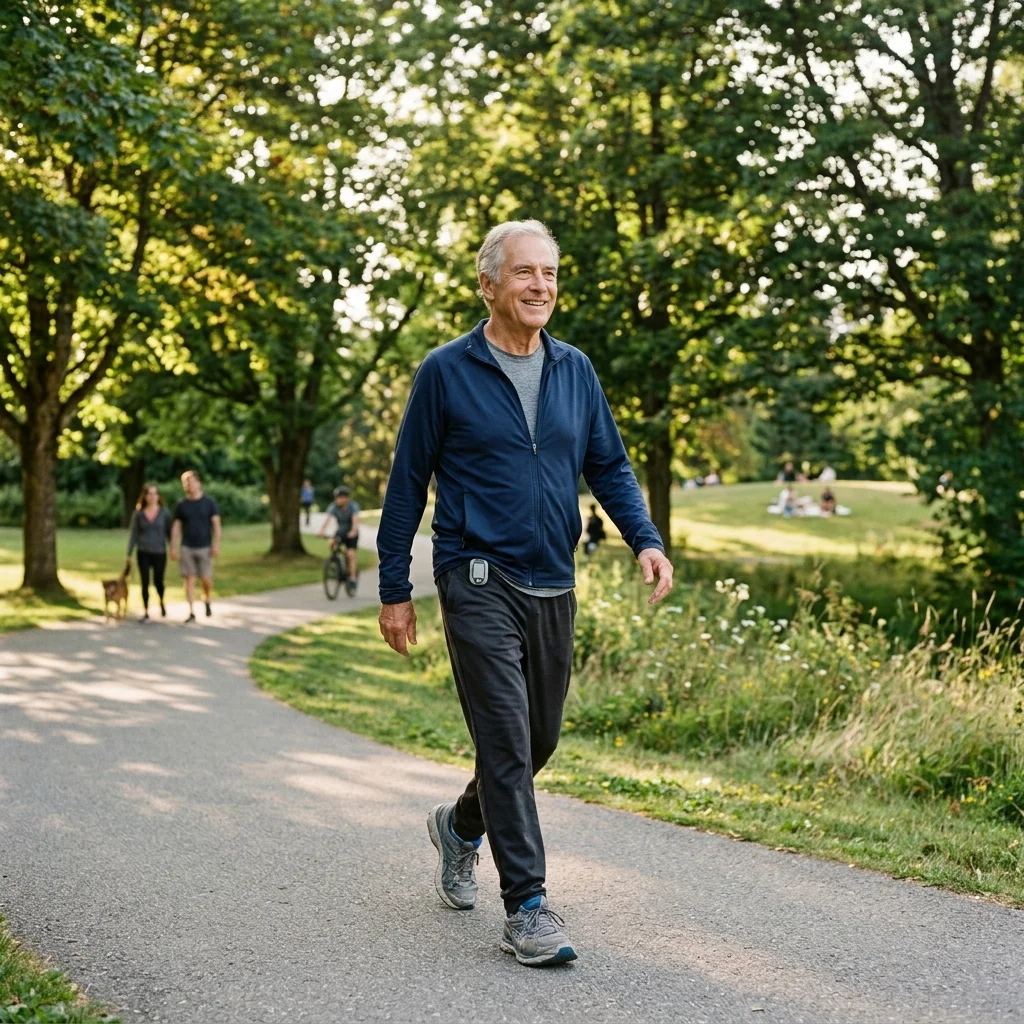
Yes. Physical activity can indirectly boost gut health in seniors. Exercise appears to promote gut microbiome diversity, though the exact mechanisms are still being studied. Hypotheses include faster intestinal transit, reduced gut inflammation, and changes in appetite and metabolism that favor healthy microbes. A regular walking or light aerobics routine, in line with the CDC’s activity recommendations for older adults, can help food move more efficiently through the gut, reducing constipation.
Recommended activities: Low-impact exercise like brisk walking, swimming, or cycling for 30 minutes most days can improve gut motility and blood flow. Even chair exercises, yoga, or tai chi raise heart rate and aid digestion. Some studies in seniors have linked active lifestyles to a more diverse microbiome. Movement also helps preserve muscle mass and maintain a healthy weight, which reduces fat-related inflammation in the gut.
Other habits: Stress reduction through meditation or gentle yoga can help, since chronic stress negatively affects the gut–brain axis. Simple lifestyle choices, like getting enough sleep and maintaining social connections, support a healthy gut indirectly by reducing stress hormones and boosting immunity.
Why Is Hydration Important for Digestion After 60?

Staying well-hydrated is crucial for the aging gut. Senior adults often drink less water due to a reduced thirst sensation but still require adequate fluids. The American Heart Association’s hydration guidance notes that people 60+ tend to consume substantially fewer beverages and risk dehydration. Proper hydration helps digest food and absorb nutrients. Water and fluids keep stools soft and promote regular bowel movements, reducing constipation, and help fiber do its job by absorbing water to form stool bulk.
Tips for seniors: Aim for 6–8 cups of fluid daily, unless medically restricted. Good choices include water, herbal teas, diluted juice, and broth soups. If bladder issues limit fluid intake, sipping water throughout the day rather than large amounts at once can help. Also include high-water-content foods like watermelon, cucumber, soup, and smoothies.
How Can Seniors Tailor Their Diet for Better Gut Health?

Personalizing nutrition after 60 means listening to your body and, when possible, using medical insights. An older adult’s gut microbiome is unique, so what works for one person may not for another. Seniors should start by assessing tolerances and goals:
- Monitor symptoms. If certain foods cause discomfort (bloating, gas, reflux), keep a food diary. Common culprits include very high FODMAP foods or too much saturated fat. Adjust accordingly.
- Include diversity. Try new high-fiber vegetables, grains, and fermented foods to diversify your microbiome’s food sources. Rotating fruits and vegetables prevents over-relying on one type of fiber.
- Consider screenings. Routine medical checks, such as stool tests or colonoscopy, may reveal issues like SIBO or infections that affect gut health. Work with a doctor or dietitian to interpret results and tailor diet.
- Explore functional nutrition testing (such as microbiome sequencing kits), though evidence is still growing. These can highlight deficiencies and suggest personalized probiotics or prebiotics.
In practice, a simple approach: ensure each meal has a protein, fiber, and healthy fat source. Include leafy greens or cruciferous vegetables daily. Add fermented foods regularly. Drink kefir or eat yogurt after antibiotics to repopulate good bacteria. Seniors should also watch medication side effects, since antibiotics, antacids, and NSAIDs can disrupt gut flora, and discuss this with a physician. The National Institute on Aging’s guide to healthy eating covers food group basics for this kind of personalization.
Precision approach: Research in aging suggests focusing on plant-rich, polyphenol-rich diets such as Mediterranean or DASH patterns, since they are associated with healthier aging and target the gut microbiome. Tailoring means blending these proven patterns with individual needs, such as adding more whole grains if blood sugar is a concern or emphasizing anti-inflammatory foods if autoimmune issues exist.
What Foods Should Older Adults Limit for Gut Health?
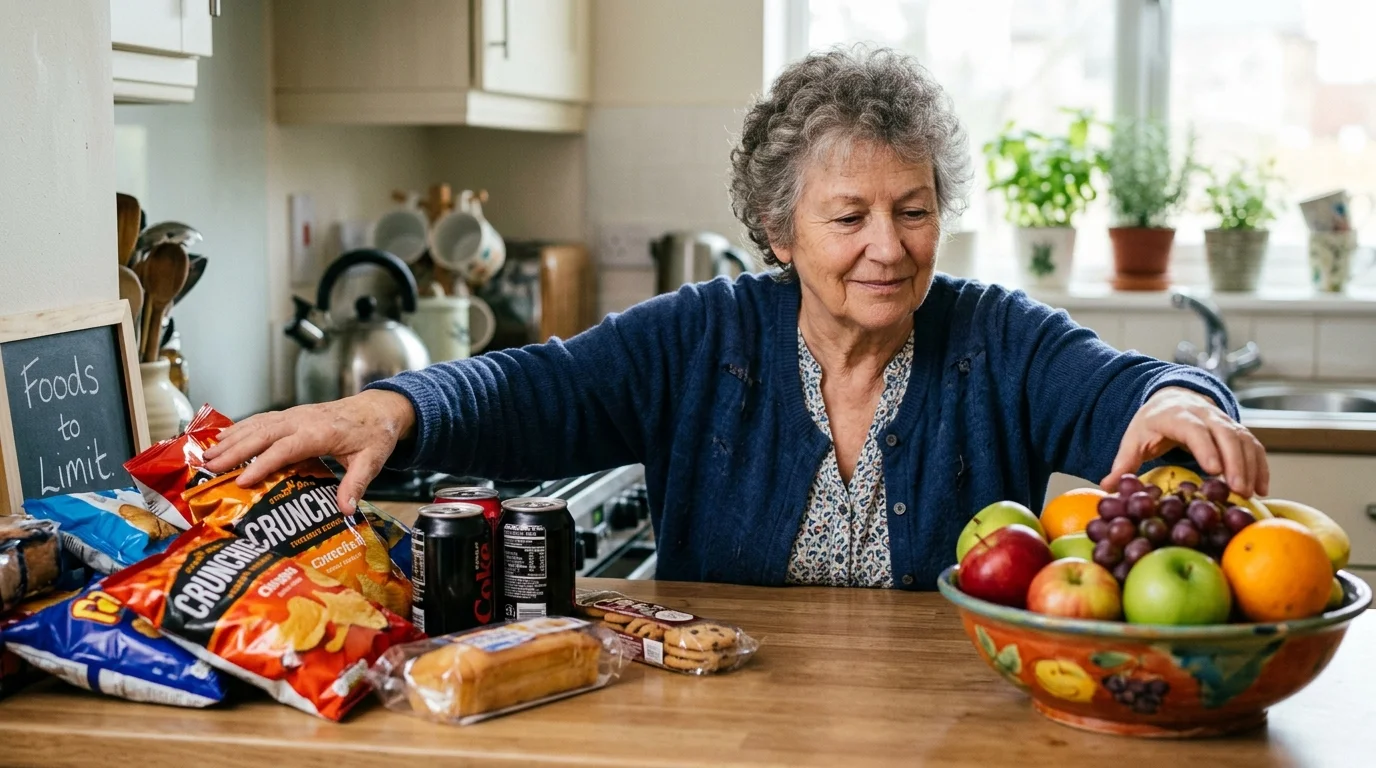
Certain foods can disrupt an aging gut. Seniors should minimize ultra-processed, high-sugar, and fried foods, which tend to reduce microbial diversity and promote unfavorable bacteria. These items offer little fiber and many unhealthy fats, contributing to weight gain and inflammation, as outlined in the AHA’s diet and lifestyle recommendations.
Limiting red meat intake, in favor of lean proteins and fish, is wise, since some gut bacteria metabolize red meat into harmful compounds. Reducing fried foods and trans fats can ease digestion and inflammation. Older adults with lactose intolerance or dairy sensitivities should choose lactose-free dairy or alternatives. Moderation of alcohol is also important, since excessive alcohol harms gut lining and microbiota balance.
In short, if a food causes gut pain or bloating, it’s best to cut back. Swap sugary cereals or pastries for whole-grain oatmeal; replace soda with sparkling water; have herbal tea instead of desserts. If digestive symptoms persist, the NIDDK’s guide to diet and nutrition for constipation covers when medical attention is warranted.
7-Day Gut-Health Meal & Activity Plan
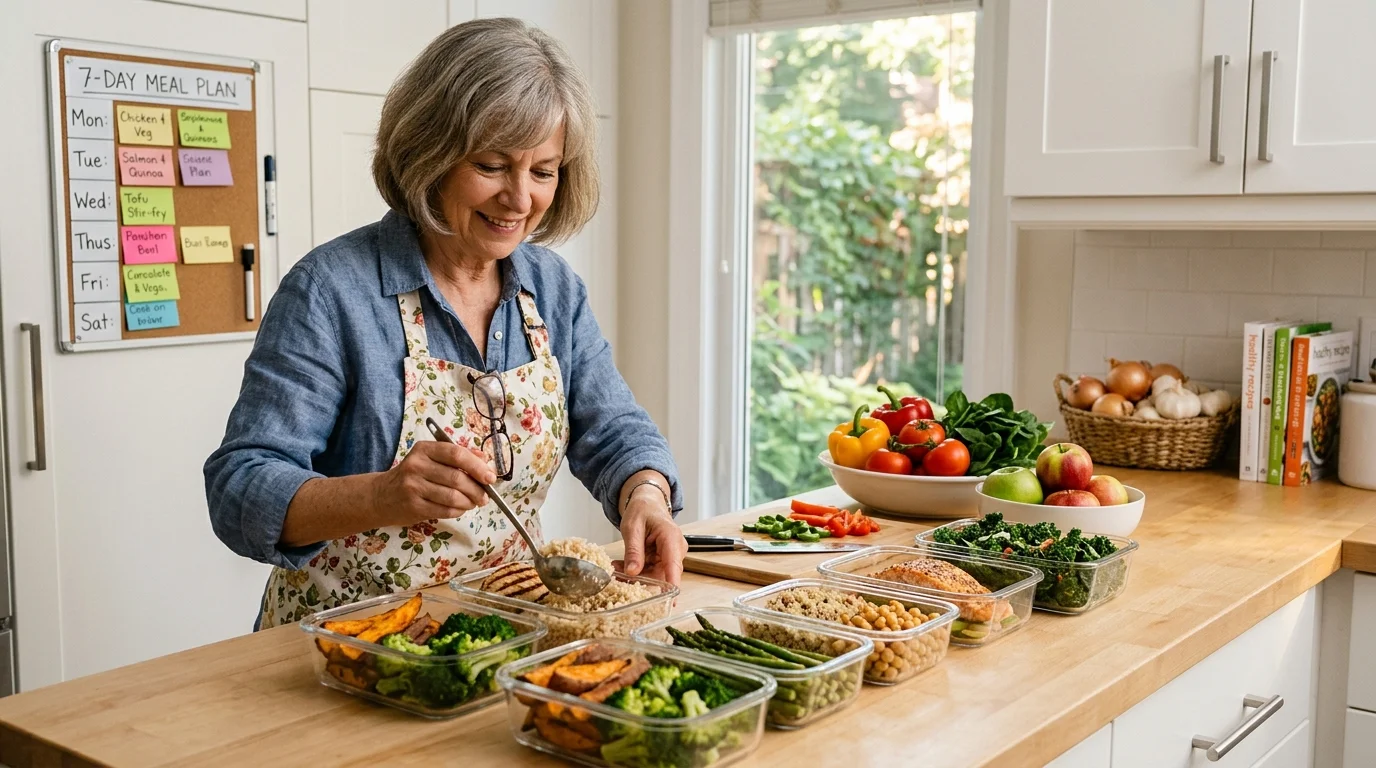
Use this simple 7-day plan as a senior-friendly starting point. It combines high-fiber foods, lean protein, probiotic foods, hydration support, and low-impact activity. Adjust portions, food choices, and exercise intensity based on medical advice, tolerance, and personal goals.
| Day | Meals and Activities |
|---|---|
| Monday | Breakfast: Oatmeal with berries and walnuts for fiber and antioxidants. Lunch: Grilled salmon with quinoa and steamed broccoli for lean protein, fiber, and omega-3 fats. Snack: Plain yogurt with honey and sliced banana for probiotics and soluble fiber. Dinner: Chicken and vegetable stir-fry with brown rice for fiber and lean protein. Activity: 30-minute brisk walk plus gentle yoga stretches for digestion. |
| Tuesday | Breakfast: Greek yogurt parfait with granola and kiwi for probiotics and fiber. Lunch: Lentil soup with carrots, celery, and whole-grain toast for fiber and plant protein. Snack: Apple slices with almond butter for fiber and healthy fats. Dinner: Baked cod with sweet potato and spinach salad for lean protein, fiber, and magnesium. Activity: 20-minute stationary cycling plus light resistance exercises such as chair squats and wall push-ups. |
| Wednesday | Breakfast: Scrambled eggs with sauteed tomatoes and whole-wheat toast for protein and fiber. Lunch: Turkey and avocado wrap with mixed greens for protein, healthy fat, and fiber. Snack: Kefir smoothie with mixed berries for probiotics and fiber. Dinner: Chickpea curry with brown rice and steamed kale for plant protein and fiber. Activity: 30-minute garden walk plus gentle stretching exercises. |
| Thursday | Breakfast: Overnight oats with chia seeds and peaches for fiber and omega-3 support. Lunch: Grilled chicken salad with mixed greens, cucumber, and olive oil vinaigrette for protein and polyphenols. Snack: Carrot sticks with hummus for fiber and chickpea protein. Dinner: Salmon with lentils and roasted Brussels sprouts for omega-3 fats and fiber. Activity: 15 minutes of balance exercises plus 20 minutes of gentle aerobics. |
| Friday | Breakfast: Whole-grain cereal with berries and milk for fiber and calcium. Lunch: Vegetable and bean chili with a whole-wheat tortilla for fiber, protein, and spices. Snack: Pear and a small handful of almonds for fiber and healthy fat. Dinner: Stir-fried tofu with mixed vegetables and brown rice for plant protein and fiber. Activity: 30 minutes of swimming or water aerobics plus deep-breathing exercises. |
| Saturday | Breakfast: Smoothie with spinach, banana, protein powder, and flaxseed for fiber, protein, and nutrients. Lunch: Tuna salad on whole-grain bread with lettuce and tomato for protein and fiber. Snack: Greek yogurt with sliced kiwi for probiotics and vitamin C. Dinner: Baked chicken breast, quinoa pilaf, and steamed carrots for lean protein and fiber. Activity: 30-minute brisk walk plus gentle stretching or tai chi. |
| Sunday | Breakfast: Buckwheat pancakes with blueberries and a side of cottage cheese for fiber and protein. Lunch: Vegetable frittata with a side salad for protein, fiber, and vegetables. Snack: Mixed berries and walnuts for fiber, antioxidants, and omega-3 support. Dinner: Salmon or mackerel with mashed sweet potatoes and sauteed spinach for omega-3 fats, fiber, and vitamin K. Activity: Light yoga or meditation plus a leisurely family walk. |
Frequently Asked Questions
Precision gut health means tailoring diet and lifestyle to an individual senior’s gut microbiome to support digestion, nutrient absorption, and healthy aging.
A healthy and diverse gut microbiome supports immunity, nutrient absorption, and inflammation control, which may help older adults maintain better healthspan.
Fiber-rich whole foods such as vegetables, fruits, whole grains, legumes, nuts, and seeds support beneficial gut bacteria. Fermented foods and lean proteins can also support digestive balance.
Many adults over 50 need about 21 grams of fiber daily for women and about 30 grams daily for men, unless a clinician recommends a different target.
Probiotic foods such as yogurt, kefir, sauerkraut, and other fermented foods may support beneficial bacteria, especially when paired with a fiber-rich diet.
Start by tracking symptoms, food tolerance, hydration, bowel regularity, and energy levels, then adjust fiber, protein, fermented foods, and meal timing with clinical guidance when needed.
Gut health is associated with immune function, inflammation control, metabolism, and healthy aging markers, so supporting the microbiome may contribute to better long-term wellness.
Regular walking or low-impact activity, hydration, adequate sleep, stress management, and limiting smoking or excess alcohol can support gut motility and microbiome resilience.
A practical target is about 150 minutes per week of moderate activity, adjusted for health status, mobility, and medical advice.
Yes. Adequate fluids help fiber work properly, support nutrient absorption, and help keep stools softer and easier to pass.
Gluten-free diets are usually needed only for diagnosed conditions such as celiac disease or clinician-guided intolerance. Many whole grains that contain gluten provide useful fiber.
Older adults should seek medical advice for blood in stool, unexplained weight loss, severe pain, persistent constipation or diarrhea, vomiting, fever, or worsening symptoms.
Diet is important, but it works best with physical activity, adequate protein, medical care, sleep, and fall-prevention habits.
Some medicines, especially antibiotics and certain acid-reducing or anti-inflammatory drugs, can affect digestion or gut bacteria. Medication concerns should be reviewed with a clinician.
Bone broth or collagen may complement a diet for some people, but they do not replace fiber-rich plant foods, hydration, protein, and medical guidance when symptoms persist.
Bottom Line
Precision gut health after 60 is not about a single superfood or supplement — it’s a combination of fiber, protein, probiotics, hydration, and movement tailored to your own body’s signals. Small, consistent changes, like adding fermented foods, drinking more water, or taking a daily walk, can meaningfully support a more diverse and resilient gut microbiome. Track how your body responds, stay consistent, and loop in your doctor or a dietitian if symptoms persist or you want a more personalized plan.
Authoritative Sources
- Nature Metabolism – Gut Microbiome Pattern Reflects Healthy Ageing – Microbiome diversity and survival research in older adults.
- Harvard Health – Healthy Gut, Healthier Aging – Diversity, fiber, and lifestyle habits supporting the aging gut.
- Mayo Clinic – Dietary Fiber – Fiber recommendations and digestive health guidance.
- National Institute on Aging – Healthy Eating As You Age – Food group guidance for older adults.
- CDC – Physical Activity for Older Adults – Activity recommendations supporting gut motility.
- Cleveland Clinic – Probiotics – Benefits and considerations for probiotic use.
- American Heart Association – Diet and Lifestyle Recommendations – Nutrient-dense eating patterns for older adults.
- American Heart Association – Staying Hydrated – Hydration guidance and health benefits.
- NIH Office of Dietary Supplements – Vitamin B12 – B12 absorption and senior nutrition needs.
- NIDDK – Eating, Diet & Nutrition for Constipation – Fiber, fluids, and bowel regularity guidance.
⚕️ Medical Disclaimer
The information provided on this page is for educational purposes only and is not intended as medical advice, diagnosis, or treatment. Always consult a qualified healthcare professional before making changes to your diet, starting any supplement, or if you have an existing medical condition. KeepFitQuote does not provide medical diagnoses or treatment recommendations. Read our full disclaimer.