A Simple Look at What’s Really Going On Under the Skin
You’ve seen them—those twisted, bulging blue or purple lines that show up mostly on the legs. Maybe you’ve noticed them on yourself or someone close to you. But have you ever wondered: how do varicose veins form in the first place?
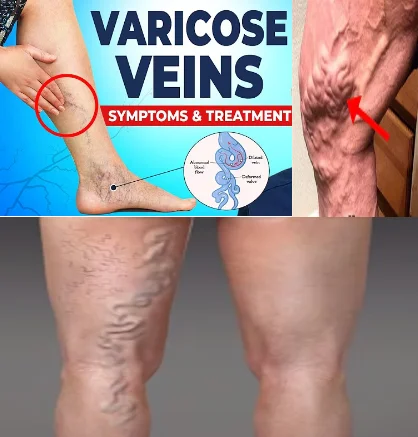
Varicose veins are extremely common, especially among adults over 50 — some estimates suggest they affect roughly one in three adults at some point in life, with the likelihood increasing steadily with age. While they’re often dismissed as a cosmetic concern, understanding how they develop can help you catch early warning signs, make small daily adjustments, and know when it’s worth talking to a doctor. The good news is that varicose veins are well understood medically, and there’s a lot you can do — starting today — to support healthy circulation in your legs.
Let’s break it down in plain, practical terms. No medical jargon—just a clear look at what causes varicose veins, how they start, and what you can do about them.
🩸 What Are Varicose Veins?
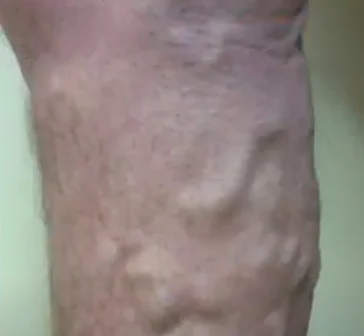
Varicose veins are enlarged, twisted veins that sit close to the surface of your skin. They usually appear on the legs, particularly behind the knees or calves. Some people feel mild discomfort, while others experience itching, swelling, or even pain.
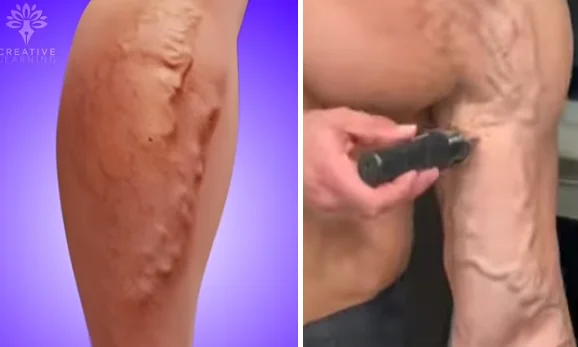
Doctors classify vein problems on a spectrum, from small, web-like “spider veins” near the skin’s surface to larger, rope-like varicose veins that bulge visibly. Both are related to the same underlying issue — impaired blood flow back toward the heart — but varicose veins involve larger vessels and tend to come with more noticeable symptoms. The condition itself is medically known as “chronic venous insufficiency” when it becomes more advanced, meaning the veins have lost much of their ability to efficiently return blood from the legs. For most people, varicose veins develop gradually over years or even decades, which is why many seniors notice them becoming more prominent later in life.
But where do they come from?
💤 The Root Cause: Valve Trouble Inside the Veins
Veins carry blood back to your heart. In your legs, blood has to move upward, fighting gravity. To help with this, veins have tiny one-way valves that open to let blood through, then close to stop it from flowing backward.
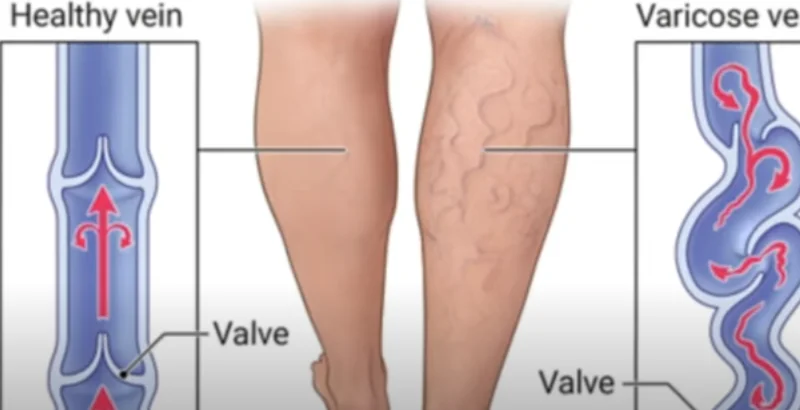
These valves work alongside your leg muscles in what’s sometimes called the “calf muscle pump” — every time you walk or flex your calves, the muscles squeeze the deep veins and push blood upward, while the one-way valves prevent it from sliding back down between steps. This system works remarkably well for most of life, but the valves are made of thin, flexible tissue that can wear out over time, much like a hinge that loosens with repeated use. Once even one valve starts to fail, blood that should be moving up begins to leak backward and collect in the vein below it, putting extra pressure on the vein walls and the valves further down the chain — which is why varicose veins often start small and gradually worsen.
When those valves get weak or damaged, blood can start to pool in the vein instead of going up. Over time, this backed-up blood stretches the vein walls, making them bulge, twist, and become visible through the skin.
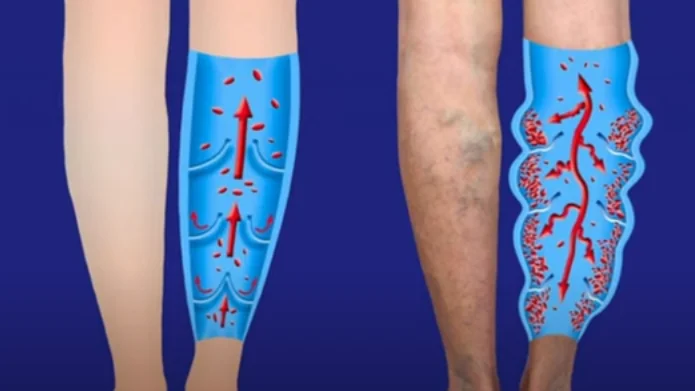
That’s how varicose veins form.
What Increases Your Risk?
Several common habits and situations can make varicose veins more likely. You don’t need a medical degree to see how your everyday routine might affect your veins.
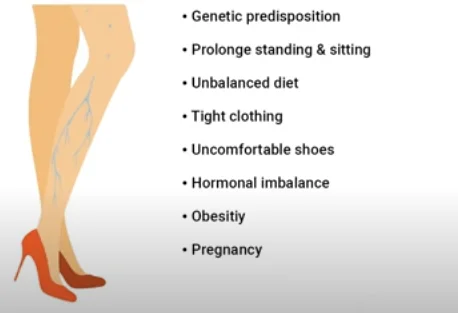
🚶 Lack of movement
Sitting or standing for long hours (think desk jobs or retail work) puts extra pressure on leg veins. When you don’t move enough, blood doesn’t flow as well.
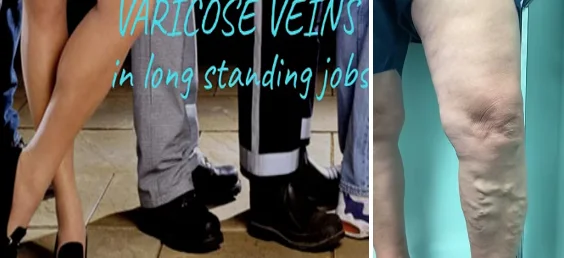
Without regular movement, the calf muscle pump described earlier simply doesn’t get activated, so blood has fewer opportunities to be pushed efficiently back toward the heart. For seniors who may already spend more time sitting due to mobility limitations, this can compound the issue. A simple habit that helps: set a timer to stand up, walk a few steps, or do some ankle pumps every 30-60 minutes, even while watching television or reading. Even brief movement breaks can meaningfully improve circulation over the course of a day.
🧬 Family history
If your parents or grandparents had varicose veins, your chances go up. Genetics plays a role in valve strength and vein wall elasticity.
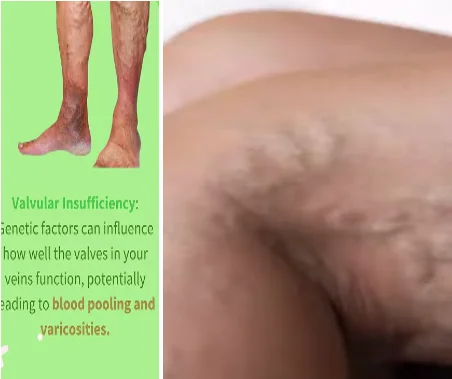
Research suggests that genetics may account for a significant portion of a person’s risk of developing varicose veins, with studies of twins and families showing strong hereditary patterns. Specific genes affecting collagen production and vein wall structure appear to influence how well valves hold up over the decades. If varicose veins run in your family, this doesn’t mean they’re inevitable — but it does mean that the lifestyle measures discussed in this article are especially worth prioritizing, since they can help offset some of that inherited risk.
⚖️ Weight and pregnancy
Extra weight—whether from pregnancy or body fat—adds pressure to your leg veins. Pregnant women often develop varicose veins that sometimes go away after delivery.
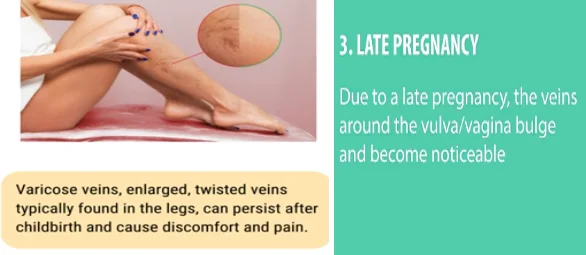
Excess body weight increases the overall pressure within the abdominal and pelvic veins, which in turn increases pressure on the veins in the legs, making it harder for blood to flow upward against gravity. For seniors who have carried extra weight for many years, this cumulative pressure can contribute to more pronounced vein changes over time. The encouraging news is that even modest, gradual weight loss — achieved through diet and gentle activity like walking or swimming — can help reduce this pressure and may ease some symptoms like swelling and heaviness in the legs.
🎂 Age
As you get older, your vein valves may naturally weaken. It’s part of the aging process for many people.
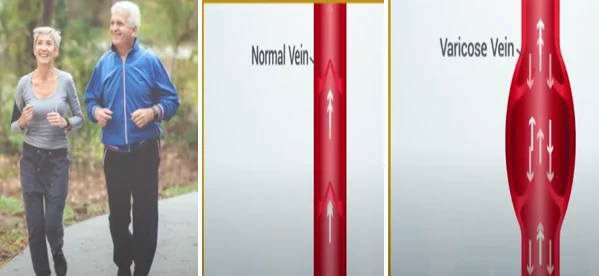
Age-related changes affect nearly every tissue in the body, and vein walls and valves are no exception — collagen and elastin, the proteins that give tissues their strength and flexibility, naturally decrease with age, making veins more prone to stretching. This is one reason varicose veins become more common after age 50, and why the National Institute on Aging considers them a normal, if sometimes uncomfortable, part of getting older for many people. While you can’t reverse the aging process itself, staying active, maintaining a healthy weight, and using supportive measures like compression socks can meaningfully slow how quickly symptoms progress.
🔍 Early Signs to Watch For
Varicose veins don’t usually appear overnight. They form slowly—and the signs often show up before the veins are visible.
- A heavy or tired feeling in your legs
- Itching or tingling around the calves
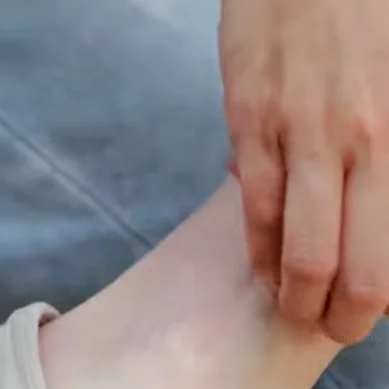
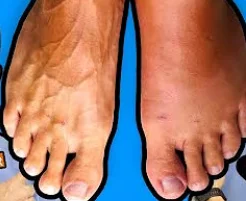
- Swelling at the end of the day
- Cramping at night
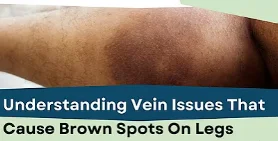
- Skin discoloration or dryness in certain spots
If you notice these, it’s worth paying attention—especially if you sit or stand all day.
These early symptoms tend to be most noticeable at the end of the day, after hours of standing, sitting, or being on your feet, and often improve overnight or after elevating the legs. For many people, the heaviness and swelling come and go for months or even years before visible veins appear, which is why these symptoms are sometimes dismissed as “just being tired.” Keeping a simple journal of when symptoms occur — noting things like activity level, time of day, and whether elevating your legs helps — can be useful information to share with a doctor if symptoms progress or become bothersome.
🧐 Can You Prevent or Slow Them?
You can’t always stop varicose veins from forming, especially if they run in your family. But there are ways to reduce your risk and improve circulation:
- Walk regularly to get your blood moving.
- Elevate your legs when resting.
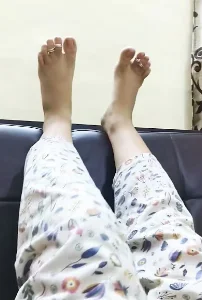
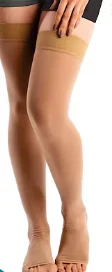
- Wear compression socks if you’re on your feet all day.
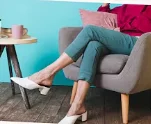
- Avoid crossing your legs when sitting.
- Maintain a healthy weight to reduce vein pressure.

Even small changes—like taking breaks to stretch your legs or shifting your posture—can make a big difference over time.
Of these measures, compression socks deserve special mention for older adults: graduated compression stockings apply gentle, controlled pressure that’s strongest at the ankle and gradually decreases up the leg, helping push blood upward and reducing pooling. Studies have shown they can meaningfully reduce leg swelling and discomfort, particularly for people who spend a lot of time standing or sitting. When elevating your legs, aim to raise them above the level of your heart for 15-20 minutes a few times a day — propping them on a couple of pillows while lying down works well. As always, check with your doctor before starting compression socks if you have any circulation conditions, since they aren’t appropriate for everyone.
🟩 Frequently Asked Questions
Q: Are varicose veins dangerous?
In most cases, no. But if left untreated, they can sometimes lead to ulcers, clots, or bleeding. It’s smart to get them checked if they worsen.
Q: Can men get varicose veins?
Yes, though they’re more common in women, men can develop them—especially if they lift heavy weights, stand for long hours, or have a family history.
Q: Do varicose veins go away on their own?
Rarely. Mild cases may improve with lifestyle changes, but more severe veins often need medical treatment to fade.
Q: Is surgery the only option?
No. Today, non-surgical options like laser therapy and sclerotherapy are common and don’t require long recovery times.
🧠 Final Thoughts
Varicose veins are more than just a cosmetic issue—they’re a sign that your body’s circulation needs some attention. They form when valves inside your veins stop doing their job, causing blood to collect and stretch the vessel walls.
By understanding what causes them—and making small changes—you can slow their development and reduce discomfort. It starts with movement, posture, and simple care. And if they become painful or bothersome, there are safe treatments available.
Your legs carry you every day. Treat them well, and they’ll thank you for it.
At what age do varicose veins typically become more noticeable?
While varicose veins can appear at any age, they become significantly more common after age 50, and many people notice a gradual increase in size or visibility through their 60s and 70s. This is largely related to the natural loss of elasticity in vein walls and valves over time, combined with years of cumulative pressure from standing, sitting, and weight-bearing activity.
Can exercise make varicose veins worse?
For most people, moderate exercise like walking, swimming, or cycling actually helps varicose veins by strengthening the calf muscle pump and improving circulation. However, very high-impact activities or heavy weightlifting that significantly increase abdominal pressure may aggravate symptoms for some people, so it’s worth discussing your exercise routine with a doctor if you have more advanced varicose veins.
Is it normal for varicose veins to feel warm or look reddish?
A varicose vein that becomes warm, red, tender, or hard to the touch can sometimes indicate a blood clot (superficial thrombophlebitis) or skin infection, both of which warrant prompt medical attention rather than a wait-and-see approach. This is different from the usual mild aching or heaviness associated with typical varicose veins.
Do compression socks need to be worn all day, every day?
Most doctors recommend wearing compression socks during the hours you’re most active — typically putting them on first thing in the morning before swelling builds up, and removing them before bed. The right compression level (measured in mmHg) can vary depending on the severity of symptoms, so it’s worth getting properly fitted rather than guessing on sizing.
What’s the difference between varicose veins and spider veins?
Spider veins are smaller, thinner, and closer to the skin’s surface, often appearing as red or blue web-like patterns, while varicose veins are larger, raised, and rope-like, sitting deeper beneath the skin. Both share similar underlying causes related to vein valve function, but varicose veins are more likely to cause physical symptoms like aching or swelling.
When should someone with varicose veins see a specialist?
It’s worth seeing a vein specialist (phlebologist) or vascular doctor if varicose veins are causing persistent pain, if the skin around them becomes discolored or develops sores, if you notice sudden swelling in one leg, or if the veins are significantly affecting your quality of life. Early evaluation can also help rule out deeper circulation issues that may need different treatment.
⚕️ Medical Disclaimer
The information provided on this page is for educational purposes only and is not intended as medical advice, diagnosis, or treatment. Always consult a qualified healthcare professional before making changes to your diet, starting any supplement, or if you have an existing medical condition. KeepFitQuote does not provide medical diagnoses or treatment recommendations. Read our full disclaimer.
Related Posts