Let’s be honest—farting is one of those things everyone does but nobody wants to talk about. Whether you call it gas, flatulence, or “a fart,” it happens. Some people pass gas after meals, others wake up gassy in the morning, and a few unlucky souls are always passing gas no matter the time of day. But is farting good or bad? What does it say about your health? And what can you do if you’re dealing with constant gas and farting?

The Science Behind Farting
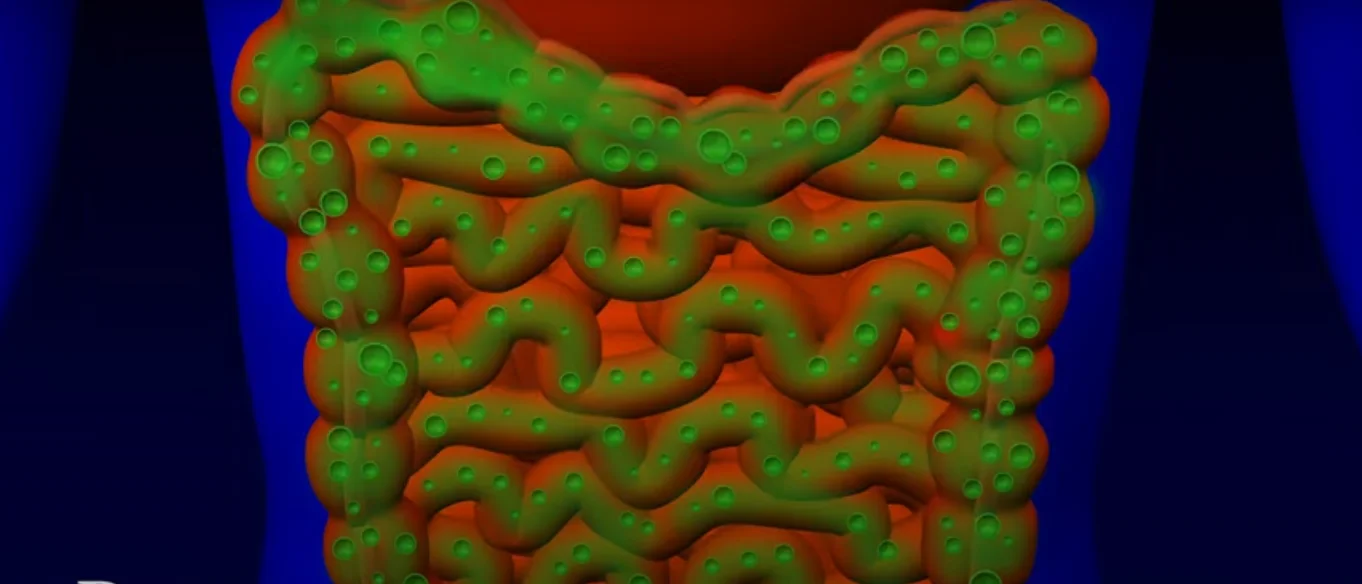
Flatulence is a normal byproduct of digestion. As food is broken down, gases like nitrogen, hydrogen, and methane build up in the stomach and intestines. Eventually, the body releases this pressure—sometimes silently, sometimes not so much. It can be due to swallowed air, fiber fermentation, or even the result of food sensitivities.

But when farting becomes excessive or particularly smelly, it may be a sign of something deeper.
The gut microbiome—the trillions of bacteria living in your digestive tract—plays the lead role in gas production. When you eat foods rich in fiber, those carbohydrates pass undigested into the large intestine, where bacteria ferment them and produce gas as a byproduct. A 2020 review in the journal Cell Host & Microbe confirmed that the composition of your gut bacteria directly determines how much gas you produce and how it smells. People with more diverse microbiomes tend to have less problematic gas, while those with bacterial imbalances (called dysbiosis) often experience excess fermentation.
For adults over 50, digestive function naturally slows. Gastric acid secretion decreases, bowel motility becomes less efficient, and the balance of gut bacteria shifts. Research from the American Journal of Gastroenterology found that older adults experience significantly higher rates of bloating, excess gas, and altered bowel habits—not due to weakness, but due to age-related changes in the digestive system. Understanding this biology helps remove the stigma and points toward real solutions.
Is It Normal to Fart a Lot?
Everyone farts. In fact, most people pass gas between 14 to 23 times per day. That’s considered normal. But if you’re farting non-stop, dealing with excessive smelly flatulence, or feeling bloated and gassy all day, there could be a few culprits.

- Diet: Foods high in sulfur—like garlic, onions, beans, lentils, cabbage, and certain proteins—can lead to extra smelly farts. Even healthy options like bananas, blueberries, or tofu can cause gas in sensitive stomachs.
- Digestive Conditions: IBS (irritable bowel syndrome) often comes with bloated stomach, abdominal pain, and excessive gas after eating. IBS farting tends to be both frequent and foul smelling.
- Medications: Antibiotics can disrupt your gut microbiome, leading to gas problems in the stomach. Some people even notice that Miralax causes gas.
- Hormonal Changes: Menopause, pregnancy, and even perimenopause can trigger increased flatulence and bloating.
It’s worth noting that what counts as “excessive” varies widely between individuals. Some people naturally produce more gas than others due to the specific bacterial species in their gut. A food and gas diary—tracking what you eat and when symptoms occur—is one of the most useful tools for identifying your personal triggers. Keep it for at least two weeks to spot meaningful patterns, especially if you’ve recently changed your diet or started new medications.
Swallowing air (aerophagia) is also a surprisingly common but underappreciated cause of excess gas, particularly in people who eat quickly, chew gum frequently, drink carbonated beverages, or use CPAP machines. Slowing down at meals and choosing still water over sparkling drinks can reduce gas significantly without any dietary changes at all.
Smelly Gas After Eating? Here’s Why
Ever had smelly gas immediately after eating and wondered what just happened? The cause of excessive flatulence after eating often boils down to the type of food. Beans and flatulence are practically synonymous, thanks to indigestible fibers that ferment in your gut. Coffee and flatulence are also linked, as caffeine can stimulate your digestive tract and cause bloating and gas.

Some people experience alcohol flatulence after drinking, especially beer. This is because alcohol can irritate the stomach lining, disrupt digestion, and alter gut bacteria, leading to alcohol farts—or as some call them, “toxic farts.”
The timing of smelly gas after a meal gives important clues about what’s happening physiologically. Gas that appears within 30 to 60 minutes of eating is usually due to swallowed air or rapid fermentation in the small intestine, which can indicate bacterial overgrowth (SIBO). Gas that appears two to four hours after eating typically reflects fermentation in the large intestine and is more often related to the specific foods consumed. A 2019 study in Gastroenterology found that patients with SIBO—a condition where bacteria colonize the small intestine abnormally—experienced significantly more bloating and early postmeal gas than those without the condition. SIBO is more common after age 50, particularly in people who have used proton pump inhibitors (PPIs) for acid reflux.
Certain high-FODMAP foods are particularly notorious gas producers. FODMAPs (fermentable oligosaccharides, disaccharides, monosaccharides, and polyols) include fructose (in apples and pears), lactose (in dairy), fructans (in wheat and garlic), galactans (in beans), and polyols (in stone fruits and artificial sweeteners). A low-FODMAP elimination trial, ideally guided by a registered dietitian, can dramatically reduce gas and bloating in sensitive individuals within two to three weeks.
When Gas Becomes a Problem
If you’re dealing with constant smelly gas, excessive flatulence at night, or feel like you fart a lot after eating, it’s time to look closer. Is it diet? Stress? A medical condition?

Persistent excessive gas warrants attention, especially when accompanied by other symptoms. Gas that significantly disrupts daily life, interferes with sleep, or occurs alongside pain, changes in bowel habits, unexplained weight loss, or blood in stool should be evaluated by a physician. These combinations can signal conditions including inflammatory bowel disease (IBD), celiac disease, colorectal issues, or less commonly, pancreatic insufficiency—where the pancreas fails to produce enough enzymes to properly digest food.
For adults over 50, it’s especially important not to dismiss chronic gas as simply “getting older.” The American College of Gastroenterology recommends that persistent changes in gas patterns, bowel habits, or stool characteristics in adults over 45 be evaluated with appropriate screening. Catching underlying conditions early leads to significantly better outcomes. A simple stool test, breath test for SIBO, or hydrogen breath test for lactose intolerance can often identify the root cause without invasive procedures.
Common Causes of Bad Flatulence:
- Anxiety and farting: Stress doesn’t just mess with your mind—it affects your gut. Anxiety farts are real, and stress-induced flatulence is often overlooked.

- Lactose intolerance: If milk farts or cheese make your gas unbearable, you might be lactose intolerant.
- Gluten sensitivity: Gluten flatulence is common in those with celiac disease or gluten sensitivity.

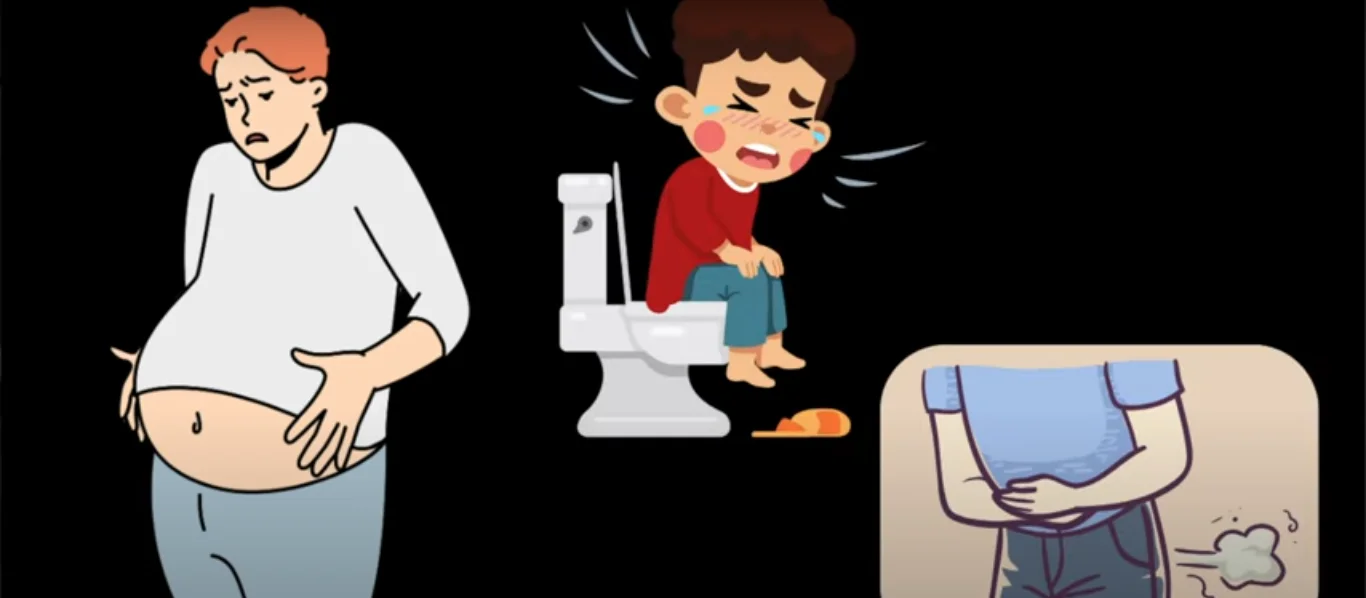
- Constipation: Trapped gas can build up and become foul. Constipation flatulence or constipation and foul-smelling gas go hand-in-hand.

The gut-brain axis—a two-way communication system between the digestive tract and the brain—explains why anxiety and stress cause so much digestive distress. When the nervous system shifts into “fight or flight” mode, digestive motility is disrupted, gut bacteria composition changes, and the intestinal lining becomes more permeable, all contributing to increased gas and discomfort. Research published in Neurogastroenterology & Motility (2021) found that adults with generalized anxiety disorder were three times more likely to report significant bloating and flatulence than non-anxious adults. For people managing stress or anxiety, gut health strategies that include mindfulness, regular gentle exercise, and a consistent meal schedule can reduce gas symptoms meaningfully.
Lactase enzyme deficiency becomes increasingly common after age 50—studies estimate that up to 70% of adults worldwide lose the ability to fully digest lactose with age. If dairy is a consistent trigger for you, try lactase enzyme supplements taken with dairy meals, or switch to lactose-free dairy products. Small amounts of hard aged cheeses (like cheddar or parmesan) are naturally lower in lactose and are often better tolerated than milk or soft cheeses.
Other Signs to Watch:
- Extreme smelly gas
- Hot smelly farts
- Flatulence diarrhea
- Watery flatulence
- Gas pain after eating
- Frequent smelly farts
- Uncontrollable flatulence
If you’re experiencing these symptoms, it might be time to talk to a doctor.
Several of these signs deserve specific attention. Hot or burning flatulence often indicates inflammation in the digestive tract and may accompany diarrhea caused by infections, food sensitivities, or inflammatory bowel conditions. Uncontrollable flatulence—where you cannot voluntarily hold gas—may indicate weakness of the anal sphincter muscle, which becomes more common with age, particularly after childbirth or prostate procedures. Pelvic floor physical therapy is a highly effective and often overlooked treatment for this issue, with studies showing significant improvement in 70–80% of patients. Gas pain after eating that is severe, cramp-like, or accompanied by nausea should be evaluated promptly, as it can occasionally indicate more serious issues such as intestinal obstruction.
Remedies for Trapped Gas and Bad Flatulence
Let’s face it—nobody likes explosive flatulence or waking up with excessive smelly gas at night. Luckily, there are ways to fight back.
1. Probiotics for Flatulence
Probiotics can help rebalance gut bacteria, reducing both the frequency and smell of farts. Many people find that adding probiotics for flatulence helps relieve constant gas in stomach issues.

The most well-studied probiotic strains for gas and bloating include Lactobacillus acidophilus, Bifidobacterium longum, and Bifidobacterium infantis. A meta-analysis of 22 randomized controlled trials published in Alimentary Pharmacology & Therapeutics found that probiotics significantly reduced bloating and flatulence compared to placebo, with effects strongest in people with IBS. For best results, choose a multi-strain probiotic with at least 10 billion CFU, take it consistently for a minimum of four weeks, and refrigerate to maintain potency. Fermented foods like plain yogurt, kefir, sauerkraut, and kimchi also introduce beneficial bacteria through the diet and complement probiotic supplements well.
2. Activated Carbon (Charcoal)
Norit activated carbon is often used to neutralize odors and trap toxins in the digestive tract. It’s the same stuff used by activated carbon manufacturers in charcoal filter cleaning, water treatment, and even wastewater treatment. Activated carbon for water purification may clean water—but inside the body, it may help with bad flatulence too.
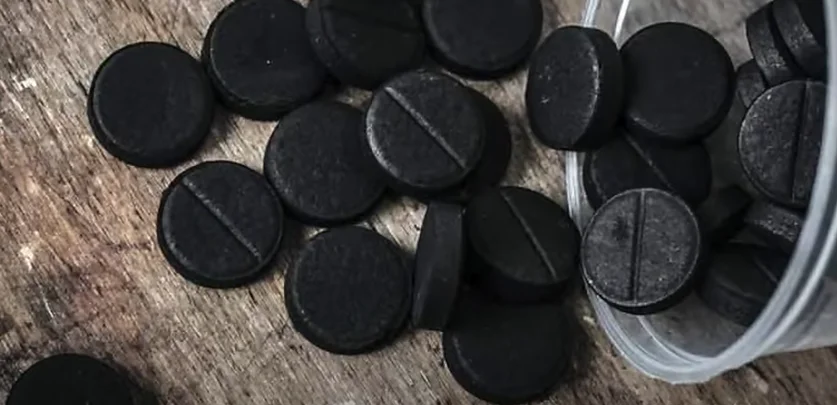
Activated charcoal capsules (typically 250–500 mg taken with meals) can bind gas-producing compounds in the digestive tract before they cause discomfort. While evidence is still limited and mixed, some small clinical trials have shown reductions in gas volume and odor. However, activated charcoal also binds to medications and nutrients, so it should not be taken within two hours of any prescription drug or supplement. It’s best used occasionally rather than daily, and always after consulting your pharmacist if you take regular medications.
3. Diet Adjustments
- Avoid sulphur-rich vegetables and foods high in fiber if they cause discomfort.
- Try eliminating beans, cabbage, onions, or even popcorn to see if symptoms improve.
- Keep a food journal to identify triggers.

Introducing gas-producing foods gradually rather than in large amounts also helps the gut microbiome adapt. For example, if beans cause significant gas, start with a quarter cup serving two to three times per week rather than a full cup. Over four to six weeks, the gut bacteria adjust, often reducing gas production substantially. Soaking dried beans overnight and discarding the soaking water removes a portion of the gas-producing oligosaccharides. Adding digestive enzymes like alpha-galactosidase (the active ingredient in Beano) before bean- or cruciferous vegetable-heavy meals can dramatically reduce gas in sensitive individuals.
4. Lifestyle Changes
- Exercise to release built-up gas.
- Avoid carbonated drinks.
- Eat slowly to prevent swallowing air.
- Consider fiber supplements in moderation to prevent constipation and trapped gas.

Regular physical activity is one of the most effective natural remedies for gas and bloating. Even a 15–20 minute walk after meals stimulates intestinal motility, helping gas move through the digestive tract more efficiently and reducing the uncomfortable sensation of trapped gas. A 2021 study in the European Journal of Gastroenterology & Hepatology found that moderate exercise three to five times per week significantly reduced bloating scores in adults with functional bowel disorders. For older adults, low-impact options like walking, swimming, or gentle yoga are particularly effective—certain yoga poses like the “wind-relieving pose” (Pawanmuktasana) are specifically designed to help release trapped intestinal gas.
5. Home Remedies for Trapped Gas
Ginger tea, peppermint oil, fennel seeds, and warm compresses over the belly can help. These natural options ease discomfort and support digestion.

Ginger contains active compounds called gingerols and shogaols that have been clinically shown to accelerate gastric emptying and reduce intestinal spasms. Sipping ginger tea 20–30 minutes before a meal or immediately after can significantly reduce post-meal bloating and gas. Peppermint oil capsules (enteric-coated to survive stomach acid) have been studied extensively for IBS-related gas; a 2019 meta-analysis in the Journal of Clinical Gastroenterology found peppermint oil reduced abdominal pain and gas in IBS patients better than placebo in 9 of 12 reviewed trials. Fennel seeds can be chewed directly or steeped as tea—their antispasmodic properties relax the smooth muscle of the intestinal wall, allowing trapped gas to pass more easily.
So, Is Farting Good or Bad?
In moderation, farting is good. It’s a natural sign that your digestive system is working. Smelling farts healthy? Some studies suggest tiny amounts of hydrogen sulfide (the gas that makes farts stink) might have cell-protective benefits. So yes, smelling farts is good for you—in theory, anyway.
But if you’re always farting, or dealing with bad fart smell, really foul smelling gas, or constant smelly farts, it’s more than just a harmless puff of air. It could be your body telling you something’s off.
The hydrogen sulfide finding referenced above comes from research at the University of Exeter, published in Medicinal Chemistry Communications, which found that small concentrations of hydrogen sulfide help protect cells against mitochondrial damage—and may even play a protective role against conditions like stroke, heart attack, and dementia. While this doesn’t mean you should deliberately sniff gas, it does underscore that flatulence is a normal, physiologically active process. The key distinction is between normal, healthy gas production and excessive or malodorous gas that signals something is genuinely wrong in the gut.
Final Thoughts
Whether it’s silent farts, big loud farts, or the dreaded rotten smelling farts, gas happens. It can be funny, embarrassing, painful, or even informative. Farting is healthy, but excessive or foul-smelling flatulence should be taken seriously. Pay attention to your body, your diet, and your lifestyle. And remember—everyone farts. It’s what you do about it that counts.
The good news for adults over 50 is that most gas and bloating issues respond very well to lifestyle adjustments and targeted dietary changes. You don’t necessarily need medications to improve your digestive comfort. Start by identifying your trigger foods, slow down at meals, move your body every day, support your gut microbiome with probiotics and fermented foods, and don’t hesitate to speak with your doctor if symptoms are persistent, painful, or accompanied by other changes. A healthy gut is one of the most important pillars of healthy aging—and paying attention to something as basic as your gas patterns is a surprisingly powerful way to monitor and protect it.
Frequently Asked Questions
Is it healthy to fart every day?
Yes, passing gas every day—typically between 14 and 23 times—is completely normal and healthy. It means your digestive system is processing food and your gut bacteria are active. Only excessive gas, or gas accompanied by pain and foul odor beyond what’s typical for you, warrants attention.
Why do I fart more as I get older?
After age 50, digestive motility slows, stomach acid decreases, and the composition of gut bacteria shifts. These age-related changes mean food moves more slowly through the intestines, giving bacteria more time to ferment it and produce gas. Diet adjustments, probiotics, and regular exercise can all help manage this effectively.
What foods cause the worst smelling gas?
Foods high in sulfur compounds produce the most pungent gas. These include eggs, red meat, garlic, onions, broccoli, cabbage, and Brussels sprouts. Beans and lentils are the top producers of gas volume, while sulfur-rich foods are responsible for the worst smells.
Can stress really cause farting?
Absolutely. The gut and brain communicate continuously through the gut-brain axis. When you’re stressed or anxious, your nervous system alters digestive motility and increases intestinal sensitivity, often resulting in more gas, bloating, and discomfort. Stress management techniques like deep breathing, yoga, and mindfulness have been shown to meaningfully improve gut symptoms.
When should I see a doctor about excessive gas?
Consult a doctor if excessive gas is accompanied by abdominal pain, unexplained weight loss, blood in the stool, chronic diarrhea or constipation, or if it has changed significantly in character or frequency. These combinations may indicate conditions like IBS, celiac disease, SIBO, or inflammatory bowel disease that benefit from medical evaluation and treatment.
Do probiotics really help with gas?
For many people, yes. Multiple clinical trials have shown that probiotic supplements—especially strains of Lactobacillus and Bifidobacterium—reduce bloating and gas, particularly in people with IBS or gut dysbiosis. Consistent use for at least four weeks is needed to see meaningful results, and fermented foods like yogurt, kefir, and kimchi can complement supplement use.
⚕️ Medical Disclaimer
The information provided on this page is for educational purposes only and is not intended as medical advice, diagnosis, or treatment. Always consult a qualified healthcare professional before making changes to your diet, starting any supplement, or if you have an existing medical condition. KeepFitQuote does not provide medical diagnoses or treatment recommendations. Read our full disclaimer.
Related Posts