
Creatine for Brain Fog After 60: Safety and Evidence
A practical U.S. guide to memory, mental fatigue, safety, dosing questions, and an evidence-based trial after age 60
Creatine monohydrate may modestly support memory, attention, or processing speed in some adults, and a 2025 systematic review of cognition in older adults found encouraging but limited evidence. It is not a proven treatment for “brain fog,” dementia, or unexplained cognitive change. Before trying it, review kidney health, medicines, hydration, sleep, and warning signs with a clinician. If appropriate, use one plain product and track function—not feelings alone—for six to eight weeks.
Brain-Fog Safety Check for Adults Over 60
Choose the statement that best fits today. This is not a diagnosis; it is a decision aid based on the CDC’s warning signs of stroke and the National Institute on Aging’s distinction between mild forgetfulness and function-limiting memory change.
Sudden confusion, trouble speaking, one-sided weakness, a severe new headache, fainting, chest pain, or inability to stay awake: call 911. Do not test a supplement first.
New brain fog over hours or days, especially with fever, a medication change, dehydration, a fall, urinary symptoms, or low blood sugar: contact a clinician promptly.
Gradual mild forgetfulness or mental tiredness without danger signs: review sleep, mood, medicines, hearing, nutrition, activity, and hydration before assuming low creatine is the cause.
Stable health, no red flags, clinician agrees a trial is reasonable: use the structured plan later in this article.
Your instinct matters here. If the change feels abrupt, unusual, or functionally important—such as getting lost, mismanaging medicines, or repeatedly forgetting appointments—medical assessment is more valuable than experimenting with a powder. KeepFitQuote’s guide to an elderly parent who is sleepy and confused explains how hypoactive delirium can look quieter than people expect.
Differentiating Everyday Brain Fog From Early Cognitive Decline
“Brain fog” is a useful everyday phrase, but it is not a single medical diagnosis. People may mean slow recall, losing a train of thought, difficulty concentrating, word-finding trouble, reduced mental stamina, or feeling mentally cloudy after poor sleep. These experiences can arise from very different mechanisms, so the solution depends on the pattern.
Common contributors after 60 include insufficient or fragmented sleep, obstructive sleep apnea, depression or anxiety, pain, dehydration, anemia, thyroid disease, vitamin B12 deficiency, infection, diabetes, hearing loss, medication effects, alcohol, and reduced physical activity. The FDA’s medication-safety guidance for older adults notes that medicines can sometimes cause memory difficulty, dizziness, or sleepiness that resembles another health problem.
Creatine is therefore best viewed as one possible support for cellular energy—not as a universal answer. If the real cause is untreated sleep apnea, a sedating antihistamine, low thyroid function, depression, or a urinary infection, creatine will not correct that problem. Because infection can sometimes present with behavioral change in later life, the KeepFitQuote review of sudden confusion and urine leakage in an elderly parent shows which combinations require prompt evaluation. A solution-based approach begins by identifying when the fog occurs, what changed before it began, and whether daily function is declining.
Brain Bioenergetics: How Creatine Supports Cellular ATP After 60
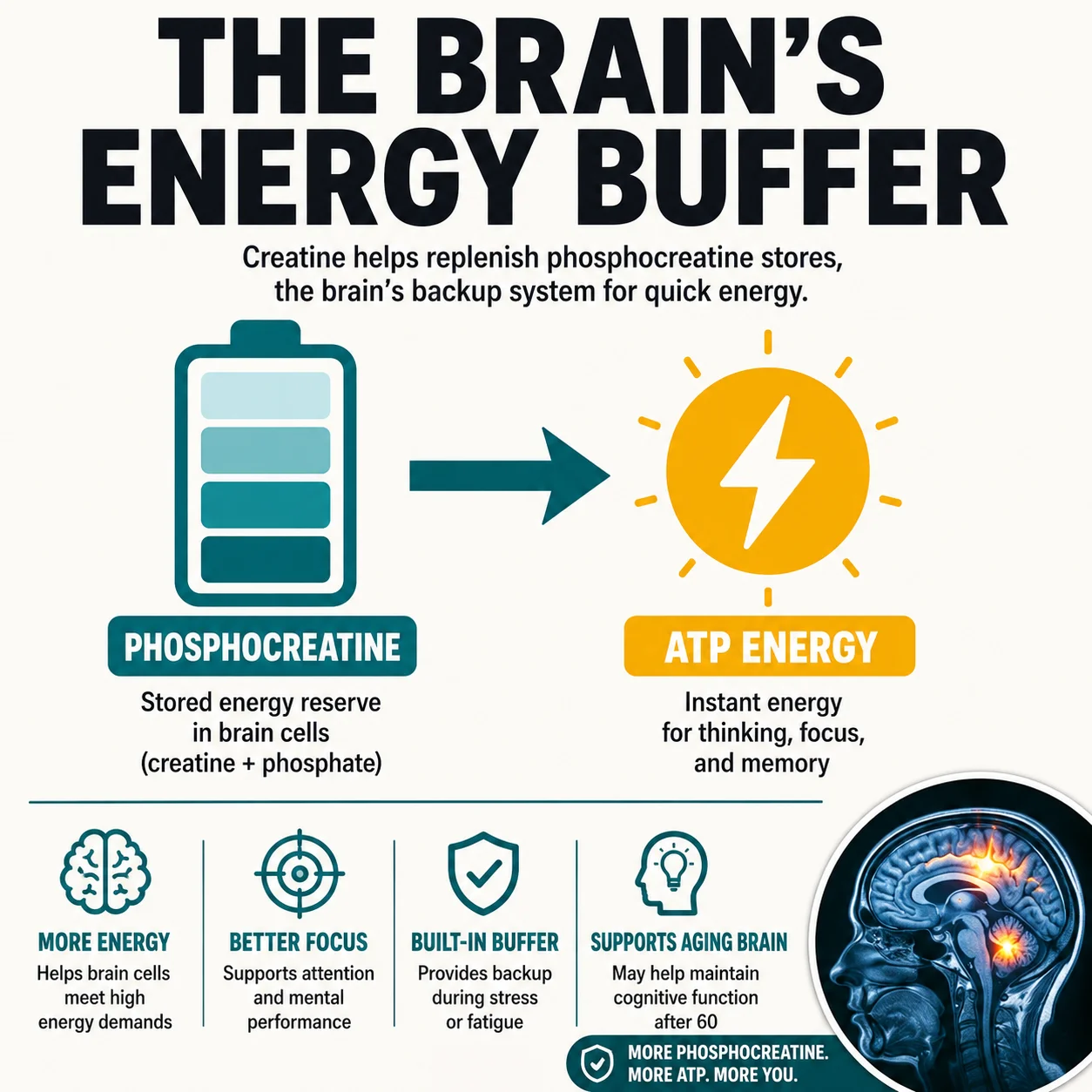
Creatine is a compound made from amino acids and obtained in smaller amounts from foods such as meat and fish. Most body creatine is stored in skeletal muscle, but the brain also uses a creatine–phosphocreatine system. That system acts like a rapid energy buffer: phosphocreatine helps regenerate adenosine triphosphate, or ATP, when a cell’s energy demand rises.
The brain consumes substantial energy even at rest. Attention, memory formation, sensory processing, and maintaining ion gradients all require ATP. In theory, increasing available creatine could help brain cells respond during high-demand conditions such as sleep loss, intense mental work, illness recovery, or low dietary creatine intake. However, brain uptake is regulated and slower than muscle uptake. More powder does not automatically mean more mental clarity.
Creatine monohydrate is the form used in the major cognitive trials and meta-analyses. A 2024 systematic review and meta-analysis of 16 randomized trials reported improvements in memory, attention time, and processing speed, but not in overall cognition or executive function. Certainty was moderate for memory and lower for several other outcomes. That distinction prevents an interesting biological mechanism from becoming an exaggerated promise.
Managing Phosphocreatine Decline in the Aging Prefrontal Cortex
The prefrontal cortex helps with attention, planning, working memory, task switching, and judgment—functions people often describe as mental sharpness. Its neurons must rapidly regenerate ATP while coordinating complex networks. The creatine–phosphocreatine system can donate a phosphate group to help replenish ATP during short periods of higher demand, which is why researchers study creatine as a possible brain-energy buffer.
However, it is too simplistic to assume that every adult over 60 has a measurable phosphocreatine deficiency in the prefrontal cortex. Creatine does not freely flood across the blood–brain barrier; brain entry is regulated by transport systems, and the brain also makes some creatine locally. Oral creatine monohydrate can raise brain creatine in some circumstances, but uptake appears smaller and less predictable than muscle uptake. Cognitive studies therefore test whether supplementation strengthens the creatine–phosphocreatine energy buffer during high-demand mental strain—not whether it “restores” every older brain to a universal target. The peer-reviewed review of creatine supplementation and brain health describes these plausible bioenergetic mechanisms alongside important evidence gaps.
A practical strategy combines adequate food intake, physical activity, restorative sleep, cardiovascular risk management, medication review, and treatment of medical causes of fatigue. If a clinician agrees that creatine is reasonable, plain creatine monohydrate can be tested as one controlled variable. Improvement should appear in repeatable functions such as sustained reading, recall, or planning; an escalating dose should never be used to chase an immediate sensation.
Does Research Show Creatine Improves Memory After 60?
The most encouraging signal is memory. A systematic review of randomized trials found improved memory performance overall, with a larger subgroup effect among adults aged 66 to 76. Yet the older-adult subgroup contained relatively few participants, and heterogeneity was high. In plain language: the result is promising, but it is not a guarantee that a 65- or 75-year-old will notice a meaningful difference.
A newer systematic review focused specifically on cognition in older adults included six studies and 1,542 participants. Five studies reported a positive relationship, particularly for memory and attention, but only two were blinded supplementation trials; several observational studies were of fair or poor methodological quality. The reviewers concluded that evidence is limited and higher-quality trials are needed.
Researchers usually test specific abilities—word recall, reaction time, attention, or processing speed—not the broad symptom called brain fog. Mental fatigue may improve when energy availability is a limiting factor, but it may remain unchanged when the main driver is insomnia, medication, depression, chronic pain, or neurodegenerative disease. The honest answer is “possibly for selected people,” not “creatine clears brain fog.”
Evidence at a Glance: Creatine and Cognitive Outcomes After 60
| Outcome | Population or Context | Evidence Signal | Practical Meaning |
|---|---|---|---|
| Memory | Older-adult subgroups, including ages 66–76 | Promising but limited | Some trials suggest modest improvement; an individual benefit is not guaranteed. |
| Attention and processing speed | Adults across varied ages and study designs | Mixed; low-to-moderate certainty | A small improvement is possible, but results are inconsistent. |
| Everyday “brain fog” | Not a standardized research diagnosis | Insufficient direct evidence | Creatine is not an established treatment for the broad symptom. |
| Mental fatigue during sleep loss | Selected short-term, high-demand settings | Emerging and situational | It may buffer fatigue in some people but cannot replace adequate sleep or apnea treatment. |
| Dementia prevention or treatment | Older adults at risk of or living with cognitive disease | Not proven | Do not use creatine as a substitute for medical assessment or evidence-based care. |
| Muscle and training support | Older adults doing resistance exercise | Better established than cognition | This may be a separate reason to discuss creatine even when brain benefits are uncertain. |

Who Might Benefit From Creatine for Mental Fatigue After 60?
There is no validated checklist that predicts a responder, and the older-adult creatine evidence review does not support selecting people from age alone. Still, several circumstances make a benefit biologically more plausible. People who eat little or no meat or fish may start with lower dietary creatine intake. Adults experiencing sleep loss or unusually high mental demand may have more room for an energy-buffering effect. Some older adults with low muscle mass or low food intake may also have lower total creatine stores, though brain and muscle responses are not identical.
Vegetarians or vegans, provided the complete diet is nutritionally adequate. Adults with low meat or fish intake who are otherwise medically stable. People whose mental fatigue appears after demanding tasks or short-term sleep loss. Adults combining resistance exercise, adequate protein, and recovery habits, who may value creatine’s better-established muscle benefits even if cognitive effects are subtle.
Being in one of these groups does not prove a need for supplementation. Conversely, eating meat does not rule out a response. Before assuming low creatine intake, compare the wider diet with these choline-rich foods for memory and brain health after 60, which include eggs, fish, poultry, soy foods, and cruciferous vegetables. Baseline diet, body size, kidney function, dose, adherence, sleep, physical activity, and the outcome being measured can all influence results. A personal trial should be structured enough to distinguish a real change from expectation, a good week, or natural day-to-day variation.
What Can Creatine Realistically Do for Brain Fog?
A realistic goal is a small improvement in a specific function: fewer pauses during demanding reading, better recall of a short list, less decline late in the afternoon, or improved consistency during a repeated task. Creatine should not be expected to produce an immediate stimulant-like feeling. It is not caffeine, and a tingling or “rush” is not evidence that it is working.
Creatine has not been proven to prevent Alzheimer’s disease, reverse mild cognitive impairment, cure post-viral brain fog, or replace treatment for sleep apnea, depression, thyroid disease, anemia, diabetes, or medication toxicity. The National Institute on Aging’s review of Alzheimer’s prevention evidence does not identify creatine as a proven preventive treatment. It also cannot distinguish normal aging from a neurological disorder, and marketing language such as “neuroprotective,” “brain fuel,” or “anti-aging” often extends beyond established clinical outcomes.
The practical solution is to define one or two measurable goals before beginning. “I want no brain fog” is too vague. “I want to finish a 20-minute reading session without rereading the same paragraph” is observable. “I want to remember three errands without checking my list” can be tracked. For a broader framework connecting hydration, nutrition, sleep, movement, and stress with daily function, review KeepFitQuote’s Internal Terrain After 60 guide. Functional outcomes keep a trial honest and help a clinician understand whether any improvement matters.
Is Creatine Safe After 60?
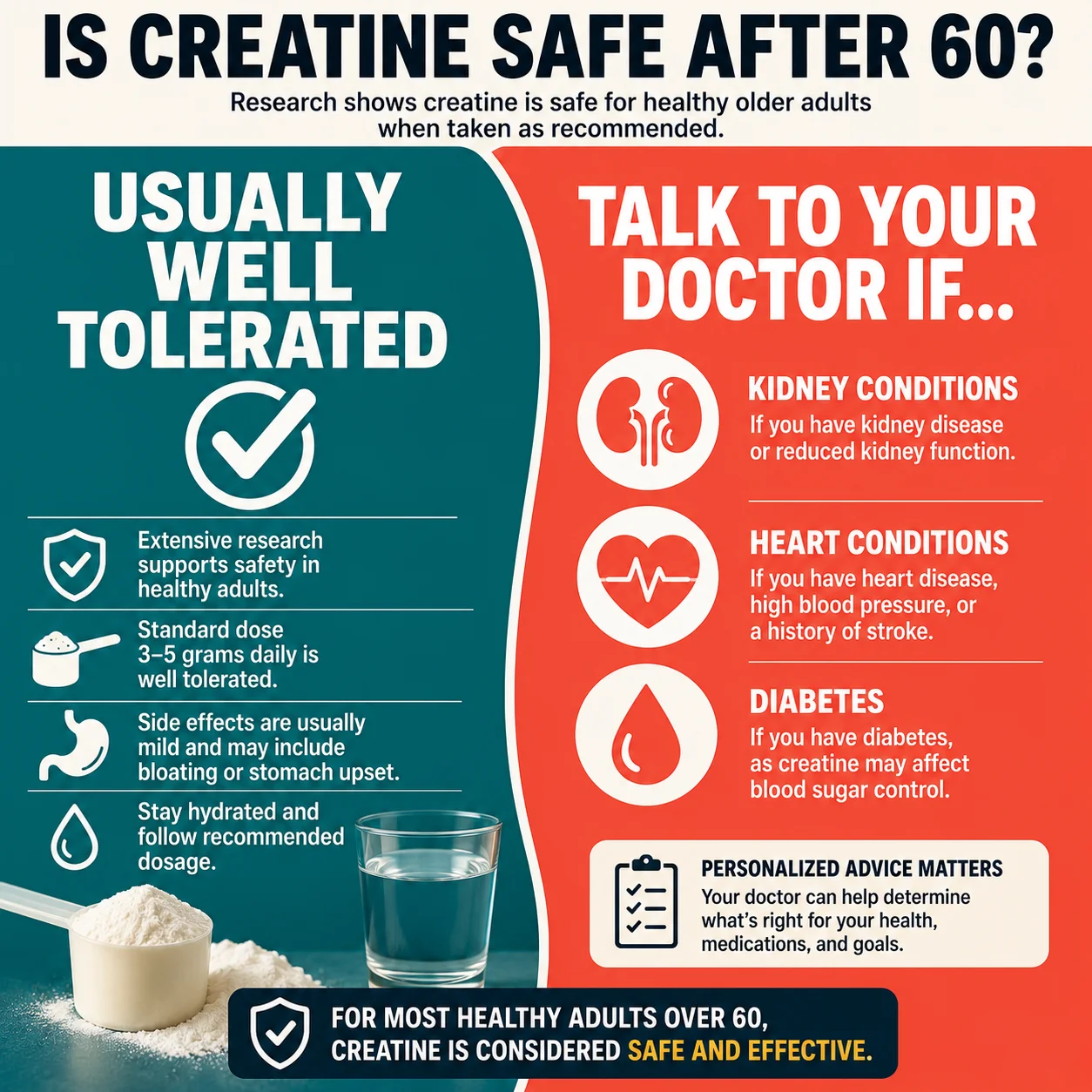
Creatine monohydrate is one of the most studied sports supplements, and standard amounts are generally well tolerated in healthy adults. Nevertheless, older adults are more likely to have chronic kidney disease, heart failure, diabetes, fluid restrictions, multiple prescriptions, or upcoming procedures. Those factors justify a clinician or pharmacist review before starting.
Possible effects include water-weight gain, stomach discomfort, loose stools, cramping, or nausea—often more likely when a large amount is taken at once. A small increase in body weight may reflect water held inside muscle rather than fat. That can still matter for someone with heart failure, edema, balance difficulty, or a tightly managed weight-based medical plan.
The FDA regulates supplements as foods rather than approving them for effectiveness before marketing. Its consumer guidance on dietary supplements recommends discussing supplements with a doctor, pharmacist, or other healthcare professional. Stop and obtain medical advice for a serious reaction, marked swelling, breathing difficulty, severe vomiting or diarrhea, reduced urination, dark urine, chest symptoms, or significant behavioral change.
How Do Creatine, Creatinine, Kidney Tests, and Hydration Interact?
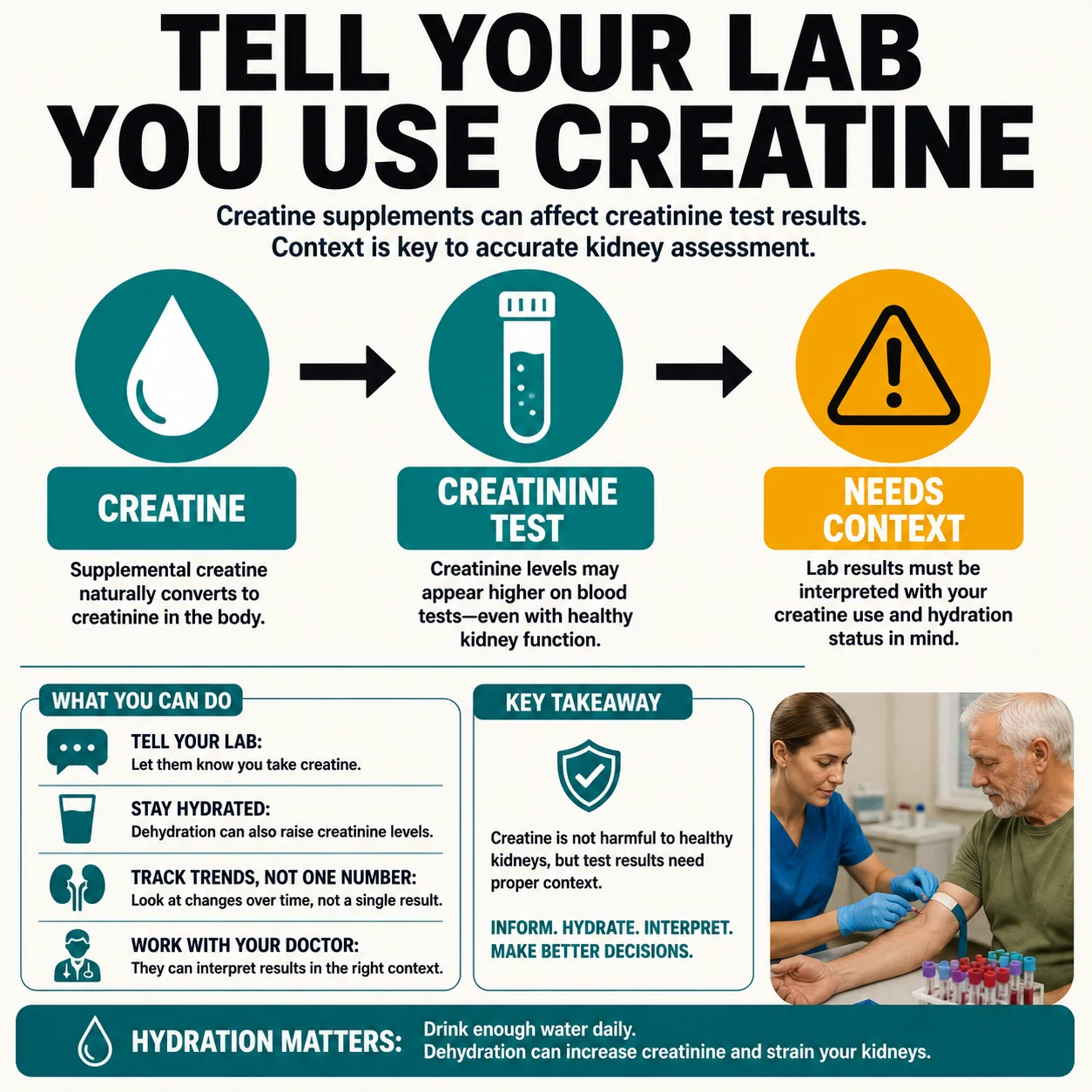
Creatine and creatinine are related but not identical. Creatine naturally breaks down into creatinine, a blood marker commonly used to estimate kidney filtration. Supplementation can raise serum creatinine in some people without necessarily causing kidney damage. That creates an interpretation problem: an estimated glomerular filtration rate calculated from creatinine may look worse even when true filtration has not changed.
Tell the ordering clinician and laboratory that you use creatine. When results are unclear, a clinician may review the trend, urine findings, hydration status, muscle mass, and sometimes another marker such as cystatin C; NIDDK guidance on estimated GFR explains why creatinine- and cystatin-C-based estimates require clinical context. Never dismiss a changed kidney result as “just creatine” on your own. Persistent increases, protein or blood in urine, swelling, reduced urination, or illness require assessment.
Hydration advice must be individualized. Drink normally and consistently; do not force gallons of water. People with heart failure, kidney disease, low sodium, or a prescribed fluid restriction should follow their clinical plan. Avoid starting creatine during vomiting, diarrhea, fever, severe heat exposure, or another dehydrating illness. Resume only after recovery and professional guidance when appropriate.
Three-Part Kidney-Test Checklist
Before starting: record the product, planned amount, kidney history, recent creatinine/eGFR results, urine findings, blood pressure, medicines, and any fluid restriction with the clinician.
During testing: tell the ordering clinician and laboratory that creatine is being used, because added creatine turnover and individual muscle mass can influence serum creatinine and a creatinine-derived eGFR calculation.
After a changed result: do not assume the shift is harmless or caused only by the supplement. A clinician should interpret the trend with symptoms, hydration, urine albumin, medicines, and—when appropriate—cystatin C or other evaluation.
Which Medicines and Supplements Need Review Before Creatine?
Creatine is not known for the extensive interactions seen with some herbs, but the person taking it may already use medicines that affect kidneys, fluid balance, blood pressure, glucose, or cognition. The FDA warns that mixing medicines and dietary supplements can be dangerous, partly because supplements may affect absorption, metabolism, or excretion and because multiple products complicate side-effect interpretation.
Bring a complete list to a pharmacist or clinician: prescriptions, over-the-counter pain relievers, sleep aids, antihistamines, decongestants, vitamins, protein powders, pre-workout blends, and herbal products. Mention diuretics, frequent NSAID use, kidney-affecting medicines, and any fluid restriction. Do not stop a prescription to create room for creatine.
Also review the brain fog itself. Diphenhydramine and other sedating antihistamines, some bladder medicines, sleep medications, opioids, anti-anxiety drugs, and combinations of drugs with anticholinergic effects can impair attention or memory. A medication cleanup supervised by a professional may produce a larger benefit than adding another product.
Which Creatine Product Is Best for Adults Over 60 in the USA?
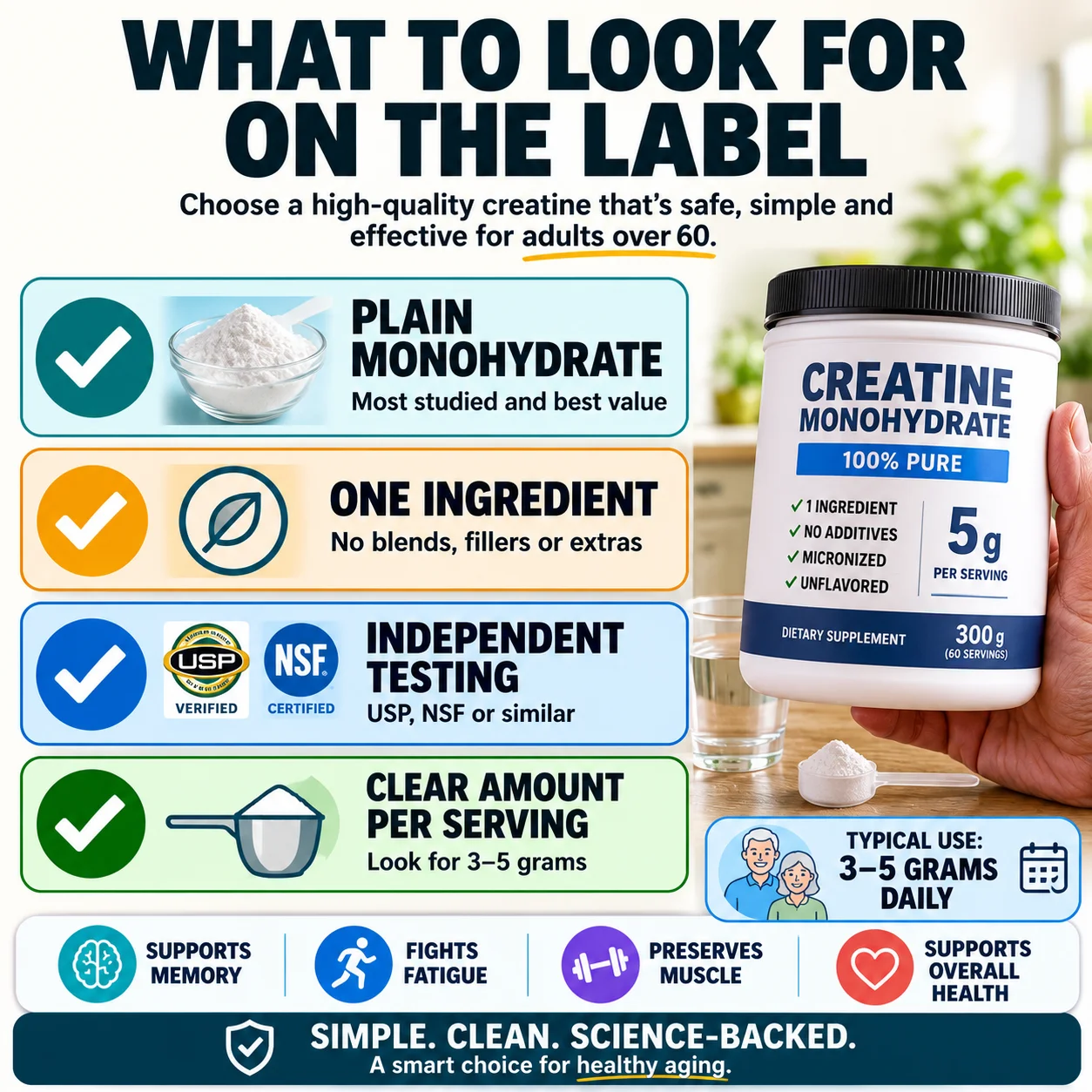
Choose plain creatine monohydrate with one active ingredient. Avoid “brain blends,” proprietary matrices, mega-dose products, and pre-workouts containing stimulants. The label should state the amount per serving rather than hide it inside a blend. A powder is often easier to adjust than a capsule regimen requiring many pills.
Look for credible independent quality certification. The NSF Certified for Sport product directory lets buyers search current certified products, while the USP Dietary Supplement Verification Program describes its identity, quality, and manufacturing checks. Certification does not prove cognitive benefit, but it helps address identity, contamination, and label accuracy. Buy from a reputable U.S. retailer and keep the lot number and receipt.
Do not pay extra for creatine forms marketed as “brain optimized” unless high-quality comparative trials support them. Creatine monohydrate is the research standard, generally stable, and usually less expensive. If a product makes claims to diagnose, treat, cure, or prevent dementia, Alzheimer’s disease, or another illness, treat that as a warning sign rather than a reason to buy.
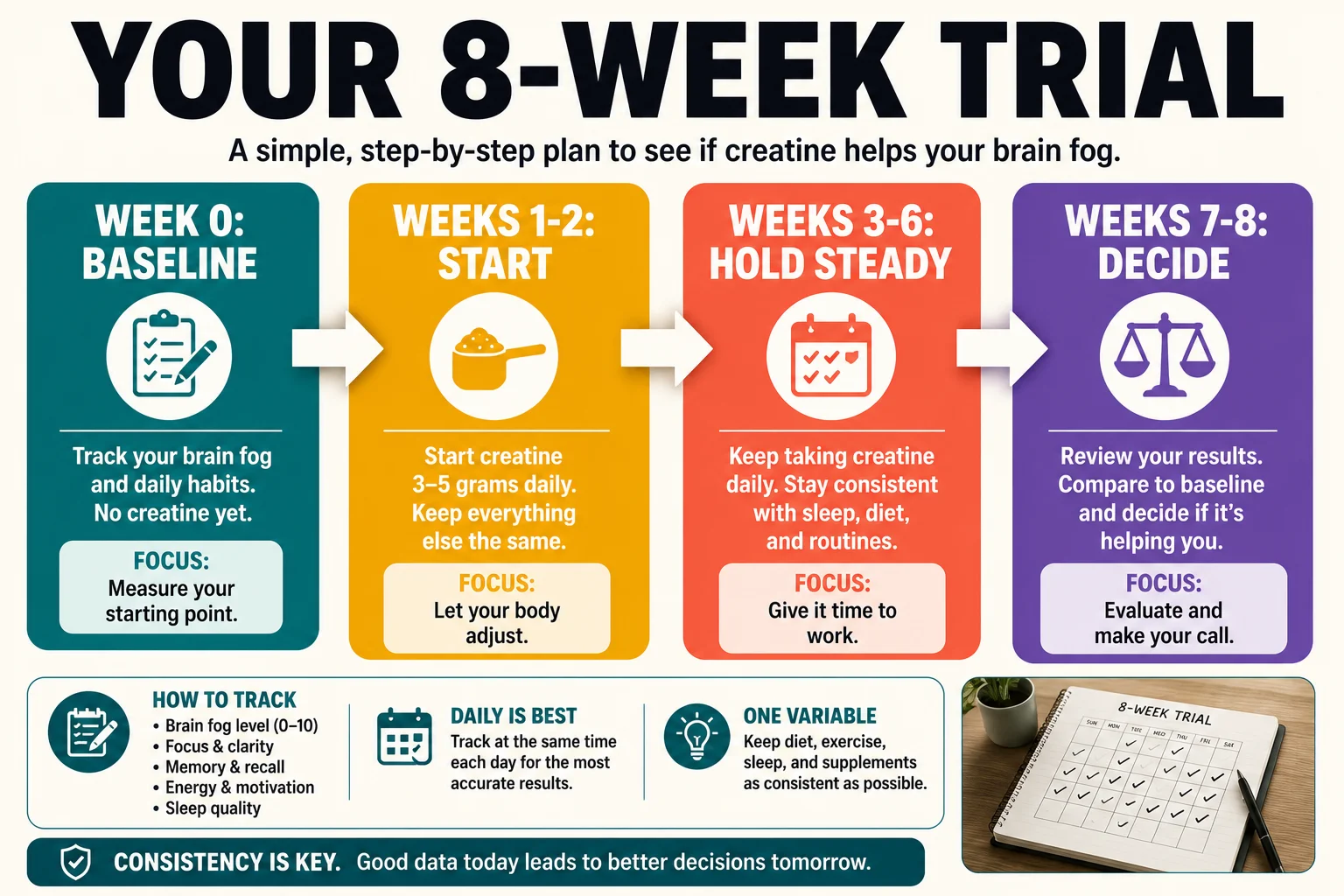
How Can You Test Creatine for Brain Fog Over Eight Weeks?
Use this only after a clinician or pharmacist agrees that a trial is reasonable. The plan translates the outcome windows used in randomized creatine cognition studies into a conservative personal tracking framework; it cannot reproduce a blinded clinical trial. The aim is to learn whether one consistent product produces a useful change for you without unacceptable effects.
Week 0 — establish a baseline. For seven days, keep usual routines. Each morning rate mental clarity from 0 to 10. Three times during the week, repeat the same simple task: read for 20 minutes, complete a word-recall exercise, or perform a familiar planning activity. Record sleep duration, major stress, alcohol, illness, and unusual exercise.
Weeks 1–2 — start simply. Use the amount agreed with your clinician and the product label. Many general supplement routines use 3 to 5 grams daily, but cognitive trials have used varied amounts and there is no established FDA-approved brain-fog dose. Avoid a loading phase unless specifically advised. Take it consistently with food if the stomach is sensitive.
Weeks 3–6 — hold other variables steady. Do not simultaneously start three supplements, a new diet, and a new sleep program. If muscle support is also a goal, establish a steady food pattern first with this guide to building muscle after 60 with inexpensive everyday foods. Continue the same weekly tasks. Look at the weekly average, not the best day. Record weight, swelling, digestive symptoms, headaches, sleep, and functional changes.
Weeks 7–8 — decide. Continue only if there is a repeatable functional benefit, tolerability is acceptable, and the clinician’s safety plan is satisfied. Stop and review if there is no meaningful change, adherence is burdensome, or adverse effects appear. A “maybe” result is not a reason for an indefinite escalating dose.
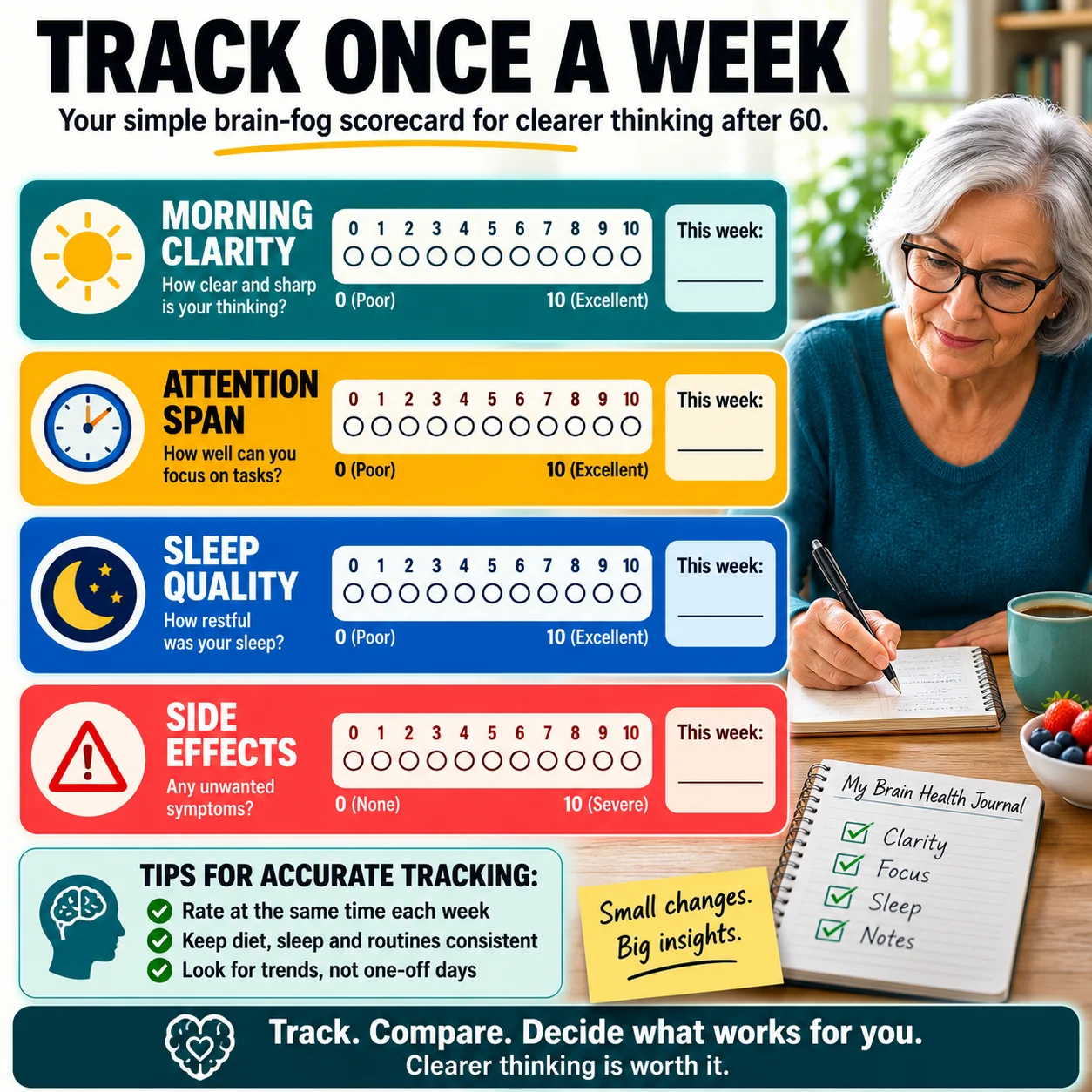
Weekly Brain-Fog Scorecard for Adults Over 60
Complete this once weekly rather than checking yourself every hour. The National Institute on Aging’s memory and aging guidance emphasizes whether thinking changes interfere with everyday tasks, so the scorecard combines symptoms with real-world function. Circle or record one number for each item, where 0 means no difficulty and 10 means severe difficulty.
| Item | How to Score |
|---|---|
| Mental clarity on waking | 0–10 |
| Word-finding difficulty | 0–10 |
| Ability to sustain attention for 20 minutes | 0–10 |
| Afternoon mental fatigue | 0–10 |
| Mistakes in medicines, bills, appointments, or directions | number this week |
| Sleep duration and refreshment | hours and 0–10 |
| Side effects: stomach symptoms, weight change, swelling, cramps, headache, urination changes | note any present |
Interactive decision: If clarity improves by at least two points and the same functional task improves repeatedly without new side effects, discuss continuation. If the score fluctuates but function does not change, treat the result as uncertain. If mistakes, confusion, or safety problems increase, stop self-experimenting and seek clinical assessment.
When Does Brain Fog After 60 Require Medical Care?
Call 911 for sudden facial droop, arm weakness, speech difficulty, severe new headache, collapse, seizure, chest pain, severe shortness of breath, or sudden inability to recognize familiar people or places. The CDC directs people with possible stroke symptoms to call 911 immediately, because rapid treatment can reduce brain damage. A supplement trial is never appropriate for a possible stroke, heart emergency, or acute delirium.
Arrange prompt medical review for new confusion developing over hours or days; brain fog after a medication change; fever, urinary symptoms, dehydration, a fall, or head injury; repeated low blood sugar; hallucinations; major personality change; or inability to manage meals, medicines, driving, or finances safely.
Schedule a routine appointment when symptoms persist for several weeks, gradually worsen, disturb daily function, or concern family members. Bring the scorecard, product label, medicine list, sleep history, alcohol intake, and timeline. Possible evaluation may include medication review, physical and neurological examination, mood and sleep screening, hearing assessment, and selected laboratory testing based on the history.
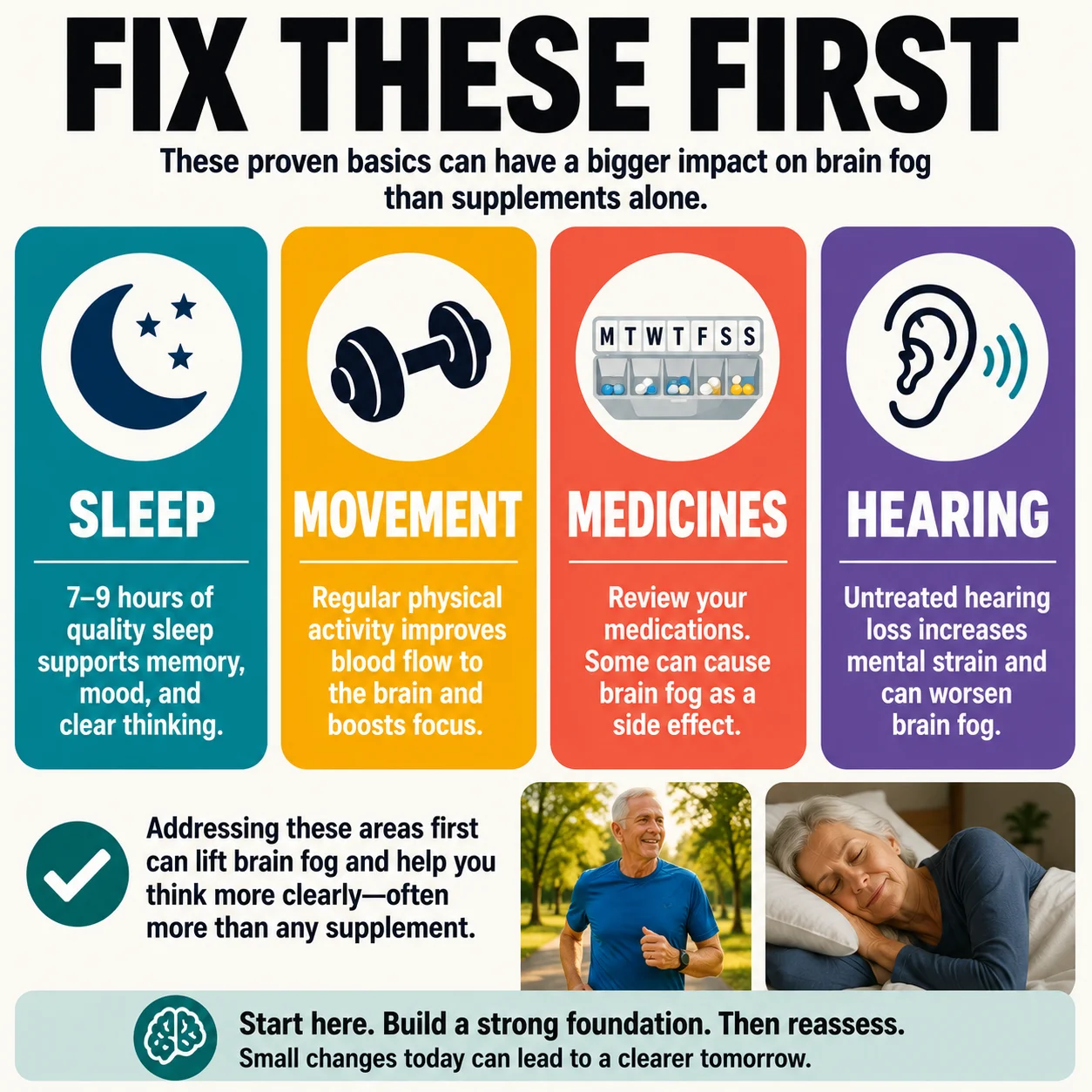
Which Brain-Fog Solutions May Matter More Than Creatine?
Sleep comes first. Loud snoring, gasping, witnessed breathing pauses, morning headache, resistant high blood pressure, or daytime sleepiness match the NHLBI’s clinical symptom guidance for sleep apnea and justify medical screening. Treating fragmented sleep can improve energy and attention more directly than adding a supplement. For readers already using positive-airway-pressure therapy, KeepFitQuote’s practical fixes for CPAP dry mouth in older adults may help remove a common barrier to consistent treatment.
Movement is also a brain intervention. Aerobic activity, resistance training, and balance work support cardiovascular function, mobility, sleep, and independence. KeepFitQuote’s explanation of how muscle mass affects metabolic rate after 60 shows why strength, food intake, and recovery belong in the same plan. Increase gradually and follow medical advice. Nutrition should provide adequate protein, calories, fluids, vitamin B12, and iron when indicated; more supplements cannot compensate for under-eating or an untreated deficiency.
Reduce cognitive friction: use a pill organizer, written routines, calendar reminders, hearing aids when prescribed, bright daytime light, and scheduled rest after mentally demanding tasks. Address depression, anxiety, grief, pain, and social isolation. These steps may feel ordinary, but they target common causes of mental fatigue and often produce more meaningful improvement than chasing a single biochemical explanation.
What Should Adults Over 60 Ask Before Buying Creatine?
Pause at the store or online checkout and answer five questions. First: What exact problem am I trying to solve? “Better brain health” is not measurable; recalling names during conversation or sustaining attention through a morning task is. Second: Have I checked the most likely causes? A week of five-hour sleep, a new sedating medicine, untreated snoring, or skipped meals provides a stronger explanation than an assumed creatine shortage.
Third: Is this product simple enough to evaluate? A container combining creatine with caffeine, herbs, vitamins, sweeteners, and “nootropics” makes it impossible to know what caused a benefit or side effect. Fourth: Who verified the label? Compare the package with the FDA’s dietary-supplement labeling requirements, look for independent testing and a lot number, and avoid marketplace sellers whose storage and supply chain are unclear. Fifth: What is my stopping rule? Decide in advance that new swelling, reduced urination, persistent digestive symptoms, a concerning laboratory change, or lack of meaningful benefit will end the trial.
Bring these questions to the pharmacist: Is creatine reasonable with my kidney history and current medicines? Could any medicine be causing the fog? When are my next kidney tests? Should I pause during illness or before a procedure? What change in weight, swelling, blood pressure, or urination should trigger a call? This short conversation converts a trend-driven purchase into a safer health decision.
How Can You Tell Whether Creatine Helped Your Brain Fog?
A true response should be repeatable, useful, and reasonably linked in time to the intervention. Because the 2024 cognitive meta-analysis found different results across memory, attention, processing speed, and executive function, one unusually sharp morning is not enough. Look for improvement in the same task across several weeks, with sleep and stress recorded. Ask whether another person noticed a practical difference. Did you complete bills with fewer errors, follow a recipe more easily, or remain attentive through a conversation? These outcomes matter more than a general sense that the powder “must be helping.”
Consider expectancy effects. Buying a new supplement often changes behavior: people hydrate more, exercise, sleep on schedule, and pay closer attention to meals. Those improvements are valuable, but they do not prove creatine caused the change. That is why the baseline week and stable routine matter. If possible, have a spouse or family member review weekly function without being told your daily score.
Finally, calculate the total tradeoff. A small benefit may be worthwhile if the product is inexpensive, easy to take, independently tested, and medically acceptable. The same benefit may not justify stomach discomfort, confusing kidney results, unwanted weight change, or anxiety about missing a dose. Success is not remaining on creatine forever. Success is making a calm decision from useful evidence about your own function and safety.
FAQs: Creatine, Brain Fog, and Memory After 60
The answers below apply the limits reported in systematic reviews of creatine and cognitive function together with U.S. supplement-safety guidance. They provide decision support, not individualized prescribing.
Creatine commonly causes mild intracellular water retention by drawing more water into muscle cells, which may produce a small early weight change. Generalized swelling is not an expected benefit and deserves attention. Adults with heart failure, severe edema, kidney disease, or a tightly managed weight or fluid plan should not self-start creatine and should report rapid weight gain, ankle swelling, breathlessness, or reduced urination promptly.
There is no FDA-approved creatine dose for brain fog. A common maintenance amount used in adult research and supplement practice is 3 to 5 grams of plain creatine monohydrate daily without an aggressive loading phase, but cognitive studies use varied protocols. Adults over 60 should confirm the amount with a clinician, especially with kidney disease, heart failure, fluid restrictions, or interacting medicines, and judge a six-to-eight-week trial by function and tolerability.
There is no FDA-approved dose for brain fog. The FDA explains that dietary supplements are not approved for effectiveness before marketing, while research doses vary widely. Kidney health, body size, medicines, diet, and the goal matter, so agree on an amount with a clinician.
No. A loading phase is not required for a cautious older-adult trial, and the varied protocols in randomized cognitive studies do not establish loading as essential for brain benefit. Consistent daily use without loading is simpler, although individual clinical advice takes priority.
Expect weeks rather than an immediate stimulant effect. The studies in the memory-focused meta-analysis used different treatment periods, so no precise response time is established for older adults. Use baseline measures instead of judging the first dose.
No clinical evidence proves that creatine prevents or treats dementia. The National Institute on Aging’s prevention review does not identify creatine as a proven preventive therapy. Progressive memory loss requires medical evaluation and evidence-based risk management.
Possibly, but clinician review is important. Creatine is not established as a direct cause of hypertension, yet kidney function, fluid status, heart disease, and medicines such as diuretics can change the safety decision. Because hypertension increases kidney-disease risk, NIDDK recommends blood and urine assessment for people at risk of CKD. Do not change blood-pressure medicine or fluid intake to accommodate a supplement.
Current clinical evidence does not prove that creatine causes hair loss or dehydration in older adults. Hair-loss concern largely comes from an indirect hormone finding rather than trials measuring hair loss, while standard creatine use has not consistently increased dehydration. Older adults should maintain their usual clinician-approved fluid routine and seek advice during vomiting, diarrhea, heat illness, fluid restriction, swelling, or kidney or heart disease rather than forcing extra water.
Do not self-start creatine with known kidney disease or abnormal kidney tests. NIDDK’s kidney-evaluation framework supports clinician interpretation of eGFR and urine findings rather than self-assessment.
It can. Creatine can increase serum creatinine without automatically proving kidney injury, but NIDDK notes that eGFR remains an estimate requiring clinical interpretation. Tell the clinician and laboratory about supplementation before testing.
Standard use does not automatically cause dehydration, but illness, heat, diarrhea, diuretics, or fluid restrictions change the situation. The FDA advises discussing supplements in the context of medical conditions and medicines; follow an individualized hydration plan.
Potential risk depends on the full medication and health picture, especially products affecting kidneys or fluid balance. The FDA warns that combining medicines and dietary supplements can create harmful effects, so ask a pharmacist to review every product.
Women were included in cognitive research and may benefit, but evidence is not strong enough to predict an individual response. The systematic review focused on older adults supports cautious interpretation rather than sex-specific promises.
They may be plausible responders because dietary creatine is concentrated in meat and fish, but vegetarian status alone does not prove deficiency or benefit. The subgroup findings in the creatine memory meta-analysis remain insufficient for an individual prediction, so review the whole diet and health history first.
A small early weight increase can occur because creatine draws water into muscle, not because it directly adds body fat. The change may still matter for an adult with heart failure, edema, balance difficulty, or a closely monitored medical weight plan. Record baseline weight, stop self-experimenting for rapid or unexplained gain or swelling, and ask a clinician whether continuation is appropriate.
The Bottom Line on Creatine for Brain Fog After 60
Creatine monohydrate is scientifically plausible, and the latest systematic review focused on older adults reports encouraging—but still limited—evidence for memory and attention. The evidence is much weaker for the broad symptom called brain fog, and benefits are unlikely to be dramatic or universal. The safest approach after 60 is to identify urgent or treatable causes first, review kidney health and medicines, choose one independently tested product, and measure a real-life outcome for a defined period.
Do not let a supplement delay assessment of sudden confusion, progressive decline, sleep apnea, depression, medication effects, or functional mistakes. If sleep posture, reflux, comfort, or nighttime breathing is part of the pattern, the KeepFitQuote guide to sleeping on the left side after 60 explains potential benefits, limitations, and safety considerations. If a carefully monitored creatine trial produces a repeatable benefit without adverse effects, continuation can be discussed. If it does not, the useful result is clarity: stop chasing the powder and address the factors that more directly control brain function.
Authoritative U.S. and Research Resources
- PubMed: Creatine and Cognition in Older Adults Systematic Review
- PubMed: Creatine and Cognitive Function Meta-Analysis
- PubMed: Creatine and Memory Meta-Analysis
- FDA: Information for Consumers Using Dietary Supplements
- FDA: Mixing Medications and Dietary Supplements
- FDA: Medication Safety Tips for Older Adults
Medical disclaimer: This article provides general education for U.S. adults and does not diagnose, treat, or replace individualized medical care. Dietary supplements are not FDA-approved to treat brain fog or cognitive disease. Call 911 for emergency symptoms.
Related reading: For the nutrition side of healthy aging, see what to eat to gain muscle after 60.
Related kitchen safety: For an adjacent food-safety reminder, see safe garlic-in-oil storage.
Next step: For a practical strength plan, read our guide to preventing sarcopenia in older adults.
⚕️ Medical Disclaimer
The information provided on this page is for educational purposes only and is not intended as medical advice, diagnosis, or treatment. Always consult a qualified healthcare professional before making changes to your diet, starting any supplement, or if you have an existing medical condition. KeepFitQuote does not provide medical diagnoses or treatment recommendations. Read our full disclaimer.