
Walk daily, add simple leg-strength exercises for seniors at home (chair squats, heel raises, step-ups), and build a plate rich in calcium, vitamin D, K2, magnesium, and protein. These steps, done consistently, support bone density and reduce fall risk—two of the most important health goals for adults over 60.
Falls are the leading cause of injury-related death among Americans 65 and older, according to the CDC—and the majority of those falls are preventable. Bone fractures from falls, particularly hip fractures, are associated with significant loss of independence and, in older adults, a dramatically increased risk of complications. The good news is that both bone density and leg strength respond remarkably well to targeted interventions at any age. Research published in JAMA Internal Medicine has confirmed that resistance exercise and adequate calcium-plus-vitamin-D intake reduce fracture risk in older adults—and that it is never too late to start. This guide is designed around that evidence, translated into practical, doable steps for the everyday senior who wants to stay strong, independent, and steady on their feet for years to come.

Table of Contents
Why bone strength matters after 60
As we age, muscle and bone naturally lose strength. The upside? The body still responds to weight-bearing walking, simple resistance moves, and the right foods at any age. Bone cells are alive and continuously remodeling—the goal is to shift the balance toward building rather than breaking down.
Bone remodeling is a lifelong process in which specialized cells called osteoclasts break down old bone tissue and osteoblasts build new bone in its place. In youth, the cycle favors formation; after the mid-30s, breakdown gradually outpaces formation. In women, the drop in estrogen at menopause dramatically accelerates bone loss—up to 20% of bone density can be lost in the five to seven years following menopause. In men, the decline is slower but equally real. By age 65, an estimated one in two women and one in four men will experience an osteoporosis-related fracture in their remaining lifetime. But the research is genuinely hopeful: the Bone, Ageing, and Health Consortium study, involving thousands of older adults, found that weight-bearing exercise and dietary calcium intake significantly reduced fracture rates even in adults over 75. The bone’s response to mechanical loading—stress placed on it by muscles pulling and by body weight during walking and strength exercises—is the most powerful stimulus for osteoblast activity. Every squat, every heel raise, every daily walk sends a signal to your bones to stay dense and strong.
Build your plate: natural foods for stronger bones & legs
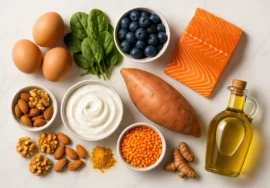
These choices emphasize calcium, vitamin D, vitamin K2, magnesium, and quality protein—the five nutritional foundations of bone and muscle health after 60.
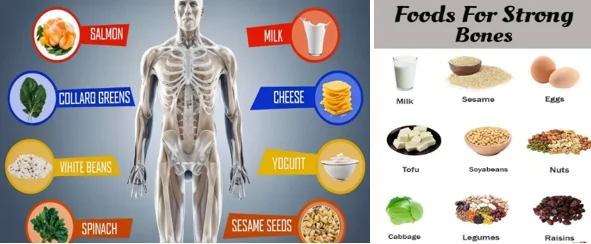
Most conversations about bone health stop at calcium and vitamin D, but the full picture requires all five of these nutrients working in concert. Calcium is the primary structural mineral in bone—99% of the body’s calcium is stored there. Vitamin D is the key that unlocks calcium absorption in the gut; without adequate vitamin D, even a calcium-rich diet contributes little to bone health. Vitamin K2 is the less-known but equally critical player: it activates a protein called osteocalcin that binds calcium to the bone matrix, and another protein (matrix GLA protein) that prevents calcium from depositing in blood vessels instead. Magnesium regulates the conversion of vitamin D to its active form and is itself a structural component of bone crystal. Protein, finally, provides the collagen scaffold on which mineral crystals are laid down—low protein intake is associated with significantly higher fracture risk in older adults independent of calcium and vitamin D status.
Calcium-rich foods for seniors (dairy & dairy-free)
- Canned salmon or sardines with bones (calcium + protein)
- Collard greens, kale, bok choy (low-oxalate greens for better calcium use)
- Tofu set with calcium sulfate, edamame, white beans
- Plain yogurt, cottage cheese, cheddar (if you tolerate dairy)




The recommended daily calcium intake for adults over 70 is 1,200 mg—a target that many older Americans fall significantly short of. One cup of plain yogurt provides approximately 300 mg; a three-ounce serving of canned sardines with bones provides about 325 mg; a cup of cooked collard greens provides approximately 268 mg. The low-oxalate distinction matters for greens: spinach and beet greens are high in calcium but also high in oxalic acid, which binds calcium in the gut and prevents absorption. Kale, bok choy, and collards are low in oxalates, making their calcium far more bioavailable—roughly 50–60% absorption rate compared to about 5% for spinach. For seniors who don’t tolerate dairy, the combination of calcium-set tofu, low-oxalate greens, sardines, and fortified plant milks provides a complete calcium supply without any dairy products.
Vitamin D foods & gentle sun
- Eggs, salmon, fortified milk or plant milks
- Morning sunlight for seniors (short sessions; protect skin, follow doctor guidance)
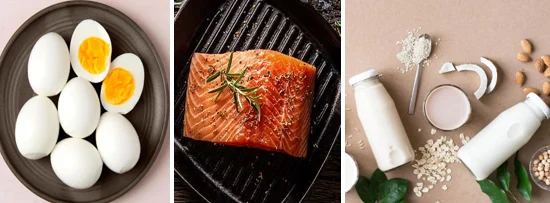
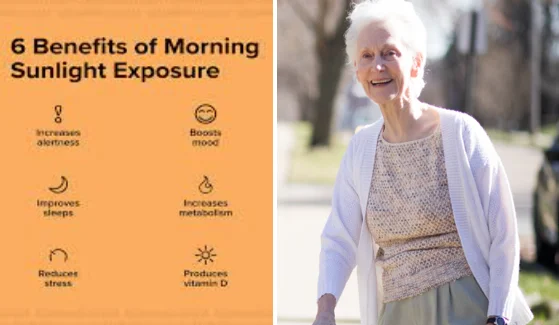
Vitamin D deficiency is extremely prevalent in American adults over 65—estimates suggest 40–50% of seniors have insufficient levels, partly because the skin’s ability to synthesize vitamin D from sunlight decreases with age (by roughly 75% between ages 20 and 70), and partly because older adults spend less time outdoors. The recommended dietary allowance for vitamin D for adults over 70 is 800 IU daily, but many endocrinologists suggest levels of 1,000–2,000 IU are needed to maintain serum levels in the optimal range (50–80 nmol/L). Food sources alone rarely achieve this: one egg yolk provides about 40 IU, a three-ounce serving of wild salmon about 450 IU. This is why a blood test for 25-hydroxyvitamin D is one of the most important labs a senior can request—it takes the guesswork out of supplementation. Morning sunlight on the arms and legs (without sunscreen) for 10–15 minutes provides a meaningful boost, though cloud cover, skin tone, and latitude all affect the yield.
Vitamin K2 foods for bone health
- Natto (fermented soy), aged cheeses, pasture-raised egg yolks
- K2 helps route calcium where it belongs—bones and teeth.
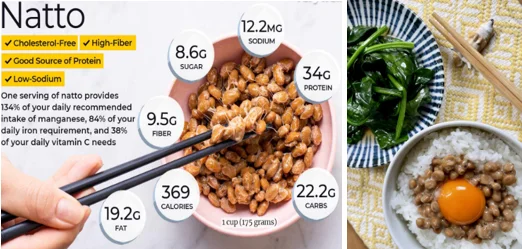
Vitamin K2 is one of the most underappreciated nutrients in bone health, partly because it was discovered relatively recently and is absent from most standard nutrition labels. A 2006 meta-analysis in the Archives of Internal Medicine reviewed 13 clinical trials and found that vitamin K supplementation significantly reduced fracture rates—by 60–87% in some studies. The MK-7 form of K2, found abundantly in natto (a traditional Japanese fermented soybean dish), has the longest half-life in the body and the strongest evidence for bone benefits. Aged hard cheeses—Gouda, Brie, and Edam—contain MK-8 and MK-9 forms. For seniors not accustomed to natto, incorporating aged cheese regularly and considering a MK-7 supplement (100–200 mcg daily) after discussing it with a physician is a practical approach. People taking warfarin (Coumadin) must be cautious with vitamin K2 supplementation, as it may affect anticoagulation—this is a firm reason to consult your physician before starting.
Magnesium-rich foods for bone & muscle
- Pumpkin seeds, almonds, peanuts, black beans, spinach, avocado
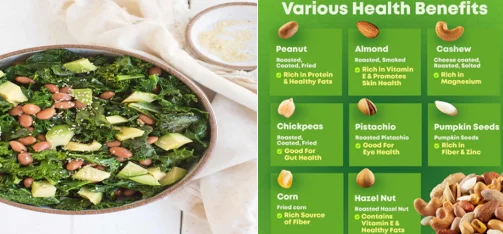
Approximately 60% of the body’s magnesium is stored in bone, where it contributes to the crystalline structure of the mineral matrix. The remaining 40% supports more than 300 enzymatic reactions, including those involved in vitamin D activation, protein synthesis, and muscle contraction. Research published in the Journal of the American Geriatrics Society found that higher dietary magnesium intake was associated with significantly greater bone mineral density at the hip and whole body in older adults of both sexes. The recommended daily intake for adults over 51 is 320 mg for women and 420 mg for men. One ounce of pumpkin seeds provides 150 mg; half an avocado provides 29 mg; a cup of cooked black beans provides 120 mg. These are foods that can be incorporated easily into daily meals—avocado on toast at breakfast, black beans in a lunchtime salad, pumpkin seeds as an afternoon snack.
Protein for leg strength after 60
Aim for a palm-size portion at meals: fish, chicken, eggs, Greek yogurt, tofu, beans. Protein supports muscle repair and the collagen scaffold of bone.
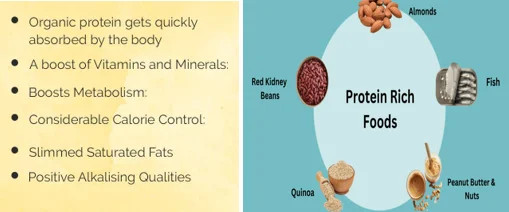
The protein needs of older adults are higher than those of younger adults—not lower, as was once assumed. A 2016 consensus paper from the PROT-AGE Study Group recommended 1.0–1.2 grams of protein per kilogram of body weight daily for healthy older adults (up to 1.5 g/kg for those who are ill or have other challenges), compared to the general adult RDA of 0.8 g/kg. This higher target reflects the reduced efficiency with which aging muscles respond to protein—a phenomenon called “anabolic resistance.” To overcome it, researchers recommend distributing protein evenly across three meals rather than concentrating it at dinner, and including a leucine-rich source (eggs, dairy, fish, or meat) at each meal, since leucine is the amino acid that most powerfully activates the muscle-protein synthesis pathway. Greek yogurt at breakfast, a palm of fish at lunch, and eggs or chicken at dinner is a simple framework that meets the protein target for most senior women; men may need slightly larger portions or an additional protein snack.
Simple flavor add-ons with benefits
- Prunes (supportive for bone scores in many adults)
- Sesame/tahini (calcium boost)
- Olive oil (anti-inflammatory pattern)
- Bone broth (comforting hydration; complements protein intake)
- Hydration tip: Keep a water bottle nearby. Dehydration increases fatigue and wobbliness.

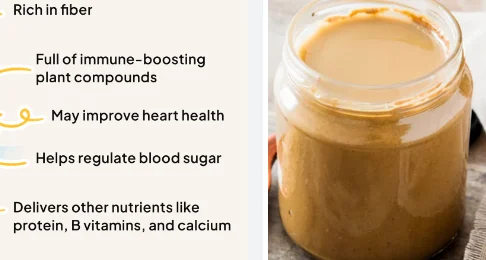
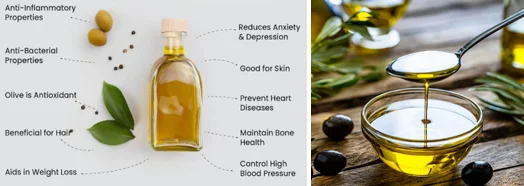

Prunes deserve special mention because the evidence behind them is surprisingly strong. A randomized controlled trial published in the British Journal of Nutrition found that postmenopausal women who ate 50–100 grams of prunes daily (about 5–10 prunes) for 12 months had significantly higher bone mineral density at the spine and radius compared to controls. Prunes are rich in boron, polyphenols, and vitamin K—all of which support bone metabolism. Two tablespoons of tahini (sesame paste) provide approximately 130 mg of calcium and pair beautifully with roasted vegetables or as a salad dressing. Olive oil’s contribution is primarily anti-inflammatory: chronic low-grade inflammation accelerates bone breakdown and muscle loss, and the Mediterranean dietary pattern—centered on olive oil—consistently shows the strongest associations with preserved bone density and physical function in older adults.
Move daily: gentle exercises for seniors to strengthen legs and bones
You don’t need a gym—just a sturdy chair and a countertop.
Core routine (5–15 minutes, most days)
- Chair squats (sit-to-stand): 2–3 sets × 6–10 reps
- Heel raises at the counter: 2–3 sets × 10–15 reps
- Step-ups on a low step: 2–3 sets × 6–10 reps each leg
- March in place: 1–2 minutes between sets
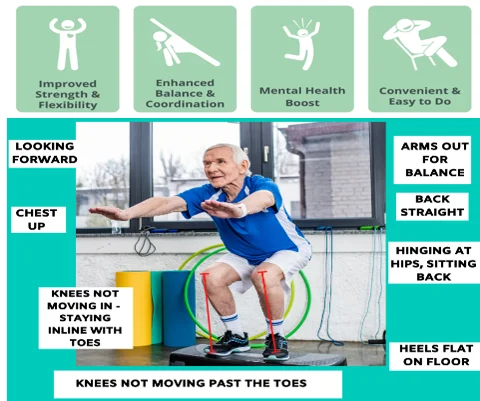
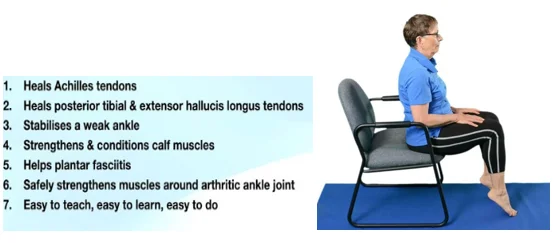
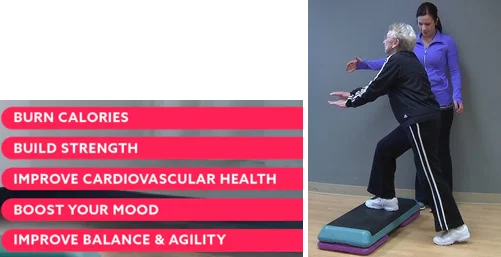
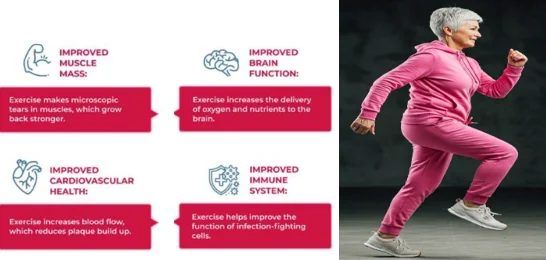
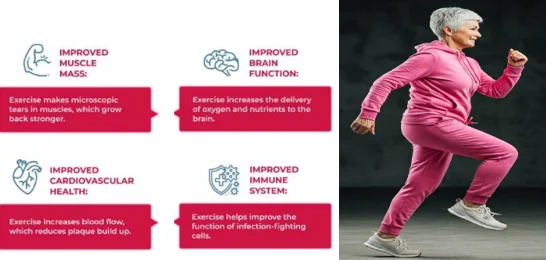
The chair squat (sit-to-stand) is arguably the single most functional exercise a senior can do—it is the movement required to rise from a toilet, a car seat, or a low chair, and losing the ability to perform it unassisted is one of the primary drivers of lost independence. For bone health, it loads the femoral neck and hip—the site of the most dangerous osteoporotic fractures—with compressive forces that stimulate osteoblast activity. A 2015 meta-analysis in the British Journal of Sports Medicine found that progressive resistance training significantly improved bone mineral density at the hip and spine in older adults across multiple studies. The heel raise strengthens the gastrocnemius and soleus—the calf muscles critical for push-off during walking and for the ankle stability needed to recover from a stumble. Step-ups train single-leg strength and balance simultaneously. Begin with a very low step (even a thick book) if needed, always hold a railing or counter, and progress gradually over weeks.
Balance exercises for older adults (2–5 minutes)
- Tandem stance (heel-to-toe) holding the counter: 20–30 seconds × 2 each side
- Single-leg supported stand: light fingertip support, 10–20 seconds each leg
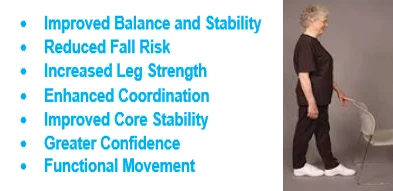
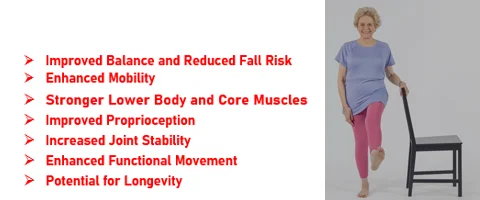
Balance training is the most direct intervention for fall prevention—more so, in some studies, than strength training alone. A 2012 Cochrane review of 159 trials involving over 79,000 participants found that exercise programs that include balance training reduce falls by approximately 23% in community-dwelling older adults. The tandem stance (one foot directly in front of the other, heel touching toe) challenges the vestibular and proprioceptive systems that maintain equilibrium. Even holding lightly with fingertips (rather than gripping the counter) dramatically increases the proprioceptive challenge. The goal over weeks is to gradually reduce the support you need—from a full-hand grip, to fingertips, to hovering near the counter without touching. Single-leg standing strengthens the hip abductors and ankle stabilizers in ways that bilateral exercises cannot replicate. Start with 10 seconds per leg and build toward 30 seconds unsupported as your confidence grows.
Weight-bearing walking routine for seniors
- 10–20 minutes at a comfortable pace, most days.
- Add small hills or stairs as you feel steadier.
- Safety first: Use support, move slowly, and stop with sharp pain, chest discomfort, or dizziness. Speak with your doctor before starting if you have a recent fracture or significant balance concerns.
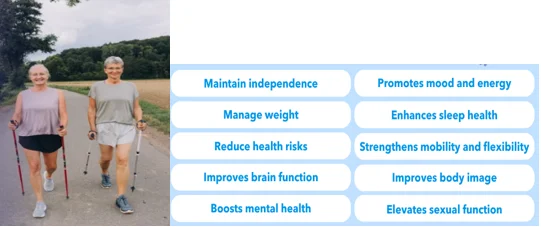
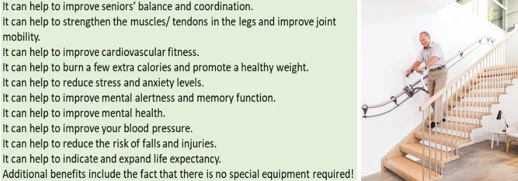
Walking is the foundation of any senior bone and leg-strengthening program—not because it is the most powerful exercise, but because it is the most sustainable, most accessible, and most evidence-supported activity for overall longevity. A landmark Harvard study found that walking just 30 minutes per day was associated with a 35% reduction in hip fracture risk in postmenopausal women over 12 years. The key word is “weight-bearing”: the mechanical loading of the skeleton during walking—even at a moderate pace—stimulates bone remodeling and maintains hip and spine density far better than swimming or cycling. Adding gentle hills increases the loading forces and engages the gluteal and quadriceps muscles more intensely. Using walking poles (Nordic walking) is an excellent option for seniors who feel unsteady, as they increase stability, upper body engagement, and total bone loading simultaneously. Start wherever you are—even five minutes per day is a valid beginning—and increase by two to three minutes per week.
Sample 7-day “strong bones, steady legs” plan
Daily: water, protein at each meal, low-oxalate greens or dairy/dairy-free calcium, a K2 source several times weekly, sunlight when possible.
Mon: Chair squats, heel raises; walk 15 min; dinner with canned salmon + greens
Tue: Step-ups; balance drills; tofu stir-fry with bok choy
Wed: Walk 20 min; Greek yogurt parfait; handful of almonds
Thu: Chair squats; march in place; bean-and-veggie chili; side of kale
Fri: Step-ups; balance drills; sardines on whole-grain toast; sliced avocado
Sat: Leisure walk (park or mall); cottage cheese with fruit; tahini drizzle on salad
Sun: Gentle mobility day; eggs + sautéed spinach; bone broth soup
This seven-day framework alternates strength-focused days (chair squats, step-ups) with walking days and one recovery day, following the basic principle that muscles and bones need both stimulation and rest to adapt. The food suggestions are structured so that each day naturally delivers calcium, protein, and a variety of the supporting nutrients discussed in the nutrition section. The plan is deliberately flexible—any of the meals can be swapped for other options from the food list above, and any of the exercise sessions can be shortened on difficult days without abandoning the habit altogether. Consistency over months matters far more than perfection on any single day. If you miss a day, simply resume the next morning. Tracking adherence with a simple paper calendar—marking each day you complete even a modified version—is one of the most effective motivation tools documented in behavior change research.
Home fall-prevention checklist (quick wins)
- Clear floor clutter and cords
- Add non-slip mats and grab bars in bathroom
- Good lighting in hallways and stairs
- Supportive shoes with a firm heel cup

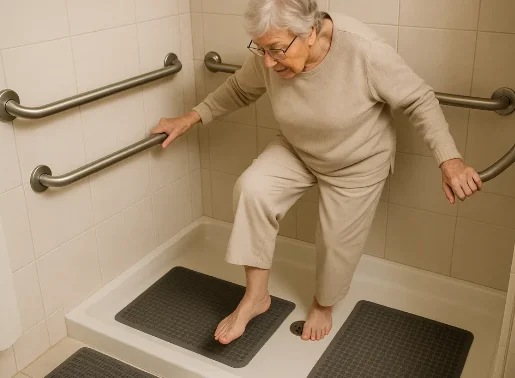
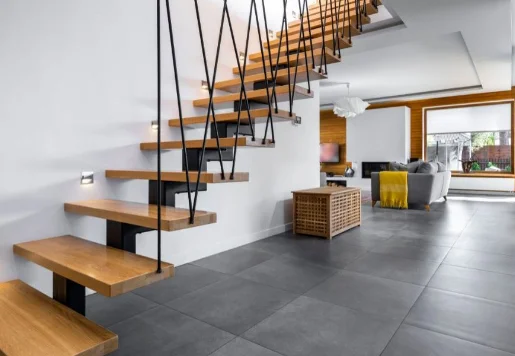

Environmental modifications are as important as exercise for fall prevention—perhaps more so in the short term, before strength and balance improvements take full effect. The bathroom is statistically the highest-risk room in the home for older adults: wet surfaces, smooth floors, and the physical demands of bathing and toileting account for a disproportionate share of serious falls. A grab bar installed next to the toilet and inside the shower or tub costs $30–100 and can be installed by a handyman in under an hour. Non-slip bath mats should be secured with non-slip backings on both sides. In bedrooms and hallways, a nightlight or motion-sensor lamp eliminates the risk of navigating in darkness during nighttime bathroom trips—one of the most common scenarios for dangerous falls in older adults. Footwear matters enormously: shoes with thin soles, no heel cup, or worn treads reduce proprioceptive feedback and ankle stability. For home use, supportive slippers with a firm heel counter (not open-backed slides) are far safer than socks alone on smooth floors.
Sleep & recovery for bone strength
Aim for 7–8 hours. During sleep, the body repairs muscles trained by your senior leg-strengthening routine, and growth hormone—which supports bone and muscle remodeling—peaks during deep sleep. Poor sleep also raises cortisol, which accelerates bone breakdown over time.
The relationship between sleep and skeletal health is more direct than most people realize. Growth hormone, secreted primarily during slow-wave (deep) sleep, is a key signal for bone formation and muscle protein synthesis. Chronic sleep restriction below six hours per night has been shown in multiple studies to elevate cortisol levels—a stress hormone that activates osteoclasts (bone-breakdown cells) and suppresses osteoblast activity. A 2017 study in the Journal of Bone and Mineral Research found that older adults with disrupted sleep had significantly lower hip bone density than age-matched good sleepers. Practical sleep hygiene for seniors includes keeping a consistent bedtime and wake time, limiting caffeine after 1 p.m., using the bedroom only for sleep (not television or work), and addressing any underlying sleep apnea—a common but under-diagnosed condition in older adults that significantly fragments sleep architecture. If you regularly wake feeling unrefreshed or your partner reports snoring and breathing pauses, ask your physician about a sleep study. Treating sleep apnea has been shown to improve multiple aspects of metabolic and musculoskeletal health simultaneously.
Quick Answers
- Best natural foods for bone density after 60: sardines with bones, yogurt or calcium-set tofu, collards/kale, eggs, pumpkin seeds, prunes.
- Simple leg strengthening for seniors at home: chair squats, heel raises, step-ups, daily walking.
- Do seniors need vitamin K2 foods? They help direct calcium to bones; add natto or aged cheese if tolerated.
- Morning sunlight for vitamin D: brief, protected exposure; confirm needs with your doctor via a blood test.
- Is walking enough for bone strength? It helps; add light resistance and balance drills for best results.
- Low-oxalate greens for calcium: bok choy, kale, collards.
- Magnesium foods for bones: pumpkin seeds, almonds, beans, spinach, avocado.
- Protein target: include a palm-size portion each meal to support leg strength after 60.
- Prunes for bones: a simple daily addition many older adults use alongside diet and walking.
- Fast start plan: 10 chair squats + 15 heel raises + 10-minute walk, today.
1) What are the best natural foods for bone density after 60?
Sardines with bones, canned salmon, collards, kale, calcium-set tofu, Greek yogurt, eggs, and pumpkin seeds. Include prunes for additional bone-supporting polyphenols and boron.
2) Are there calcium-rich non-dairy foods for seniors?
Yes—calcium-set tofu, edamame, white beans, tahini, almonds, fortified plant milks, canned sardines/salmon with bones, and low-oxalate greens like bok choy and collards.
3) Is walking enough to strengthen bones and legs in older adults?
It’s a strong base. Add chair squats, heel raises, and brief balance drills two to three days per week for the most complete benefit.
4) What are easy leg-strength exercises for seniors at home?
Chair squats (sit-to-stand), heel raises at a counter, step-ups on a low step, and marching in place. All can be done safely with household furniture.
5) Which vitamin K2 foods help bone health naturally?
Natto, aged cheeses, and pasture-raised egg yolks are the primary food sources. Warfarin users must consult their physician before adding K2.
6) How much sunlight should seniors get for vitamin D?
Short morning sessions are typical, but needs vary by skin tone, latitude, and season. A 25-hydroxyvitamin D blood test tells you where you actually stand.
7) Do prunes really help with bone scores?
Research supports 50 grams (about 5 prunes) daily as a meaningful addition for bone density in postmenopausal women. Easy to add to oatmeal, yogurt, or as a snack.
8) Can I build leg strength without a gym?
Absolutely. Body-weight moves plus short walks, done consistently, are well-supported by the research literature for seniors.
9) What’s a simple weekly plan for stronger bones and legs?
Alternate walking days with short strength sessions; include one rest day. Follow the 7-day sample plan above as a starting template.
10) Are balance exercises necessary for seniors?
Yes—brief tandem stands and supported single-leg stands reduce fall risk significantly and take only two to five minutes per day.
11) Which magnesium foods are easiest to add?
Pumpkin seeds on oatmeal or salad, a handful of almonds, beans in soups or chili, and half an avocado at lunch are all simple, high-magnesium additions.
12) What should I change if my knees feel stiff?
Shorten ranges, add a longer warm-up, use a higher chair for squats. A physical therapist can tailor moves to your specific joint health—this is often covered by Medicare.
Simple shopping list for U.S. seniors
Canned salmon/sardines (with bones), eggs, Greek yogurt or calcium-set tofu, leafy greens (collards, kale, bok choy), pumpkin seeds, almonds, black beans or white beans, avocado, sweet potatoes, prunes, tahini, aged cheese, bone broth, fortified plant milk or dairy milk, olive oil.
This shopping list is designed to be accessible at any major U.S. grocery store or club store (Costco, Sam’s Club) and budget-friendly year-round. Canned fish, dried beans, frozen greens, and eggs are among the most cost-effective nutrient-dense foods available—a week’s worth of bone-supporting nutrition can often be purchased for under $50. For seniors on fixed incomes, the SNAP (Supplemental Nutrition Assistance Program) benefit covers all of these foods. Many local senior centers, Area Agencies on Aging, and community organizations also offer nutrition assistance programs. The goal is not perfection but consistency: even incorporating four or five of these foods regularly, alongside daily movement, produces meaningful improvements in bone density and leg strength over a six-to-twelve month period.
⚕️ Medical Disclaimer
The information provided on this page is for educational purposes only and is not intended as medical advice, diagnosis, or treatment. Always consult a qualified healthcare professional before making changes to your diet, starting any supplement, or if you have an existing medical condition. KeepFitQuote does not provide medical diagnoses or treatment recommendations. Read our full disclaimer.
Related Posts





Pingback: Natural Joint Pain Relief for Seniors 7 Proven Home Remedies