Quick answer: Caffeine is not a miracle drug, but in moderate amounts it can improve alertness, focus and mood. The FDA says up to about 400 mg a day (roughly 4 cups of brewed coffee) is usually safe for healthy adults. After 60, caffeine often stays in the body longer, so many people sleep better with less and none after noon.
We sip it in the morning. We lean on it during long meetings. Some people can’t imagine a day without it. But is caffeine just a helpful pick-me-up—or could it actually qualify as a “miracle drug”?

Let’s break this down for everyday readers in the U.S., with practical insights and lesser-known facts that most blogs skip.
Caffeine is the most widely consumed psychoactive substance in the world—the FDA estimates that more than 90% of American adults consume it in some form every day, whether through coffee, tea, soda, or chocolate. For adults over 50, caffeine often carries extra significance: it’s tied into decades-old morning routines, social rituals, and even medication interactions that become more relevant with age. Understanding exactly what caffeine after 60 does—and doesn’t do—can help you make informed choices about how much fits comfortably into your daily life, especially if you’re managing blood pressure, sleep quality, or other age-related health considerations.
What Is Caffeine, Anyway?
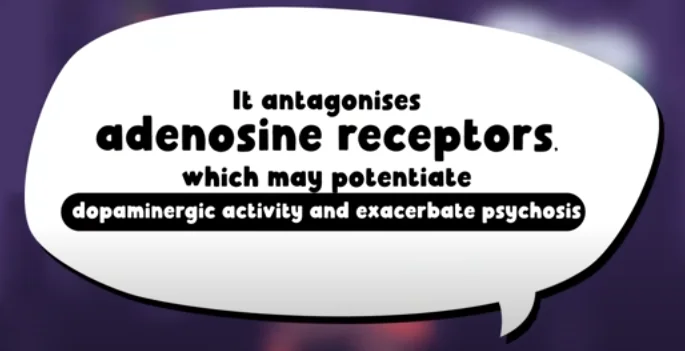
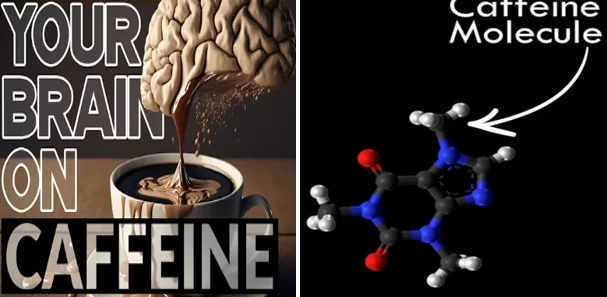
Caffeine is a natural stimulant found in coffee beans, tea leaves, cacao, and even some herbs. Once it enters your system, it heads straight for your central nervous system, where it blocks a chemical called adenosine—which normally makes you feel tired.
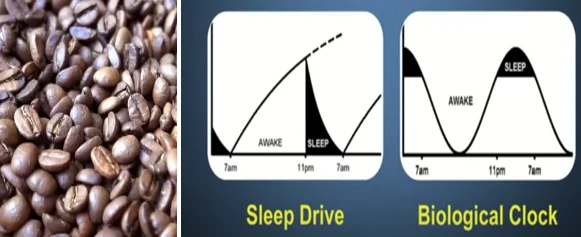
By blocking that signal, caffeine makes you feel more awake, alert, and focused.
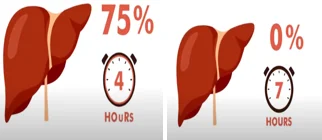
Adenosine is a compound that naturally builds up in your brain throughout the day as a byproduct of cellular activity—the longer you’ve been awake, the more adenosine accumulates, which is part of why you feel progressively sleepier as the day goes on. Caffeine has a molecular structure similar enough to adenosine that it can fit into the same receptors in your brain, essentially blocking adenosine from delivering its “slow down” message without actually reducing how much adenosine is present. This is why caffeine doesn’t eliminate tiredness—it masks it, and once the caffeine wears off, that accumulated adenosine can catch up with you all at once, sometimes called a “caffeine crash.” For most healthy adults, caffeine takes about 20-45 minutes to reach peak levels in the bloodstream and has a half-life of roughly 5-6 hours, though this can be significantly longer for older adults, since liver metabolism of caffeine tends to slow with age.
What Makes People Call It a “Miracle”?
Many folks say caffeine is life-changing—not because it cures disease, but because it improves mental energy, alertness, and performance. Many people feel more alert after caffeine, but ongoing brain fog or tiredness after 60 is worth checking with a doctor.
Here’s What Caffeine Might Improve:
- Short-term focus – It helps you concentrate longer on tasks
- Mood and motivation – Some users report better drive or fewer low-energy slumps
- Reaction time – Athletes and drivers often see small performance gains

- Exercise endurance – Caffeine helps delay physical fatigue
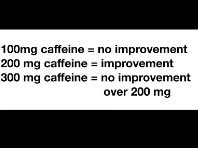
These benefits aren’t just anecdotal—they’re some of the most consistently replicated findings in nutrition science. Research published in sports medicine journals has found that moderate caffeine intake (roughly 3-6 mg per kilogram of body weight, taken 30-60 minutes before activity) can measurably improve endurance performance, in part by reducing the perception of effort during exercise. For mental tasks, studies have shown improvements in sustained attention and reaction time, particularly for tasks performed later in the day or after sleep restriction—which is part of why caffeine remains popular among shift workers and long-distance drivers. For seniors, the endurance and reaction-time benefits can be especially relevant for activities like walking groups, light recreational sports, or simply staying alert during an afternoon drive. That said, individual sensitivity varies enormously based on genetics—some people metabolize caffeine quickly and barely notice an effect, while others feel a single cup well into the evening.
Caffeine Side Effects After 60
Caffeine isn’t magic. While it might feel like a miracle some days, the effects are temporary, and there are real downsides to overuse.
Too much caffeine may cause:
- Jitters or anxiety – Especially for sensitive people or on an empty stomach
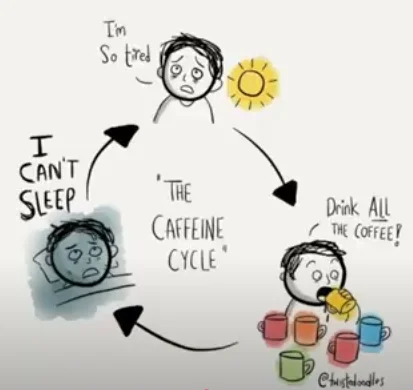
- Insomnia – Drinking caffeine too late can affect your sleep cycle
- Digestive upset – Coffee, in particular, may irritate the stomach lining

- Tolerance buildup – Over time, the same amount of caffeine might stop working
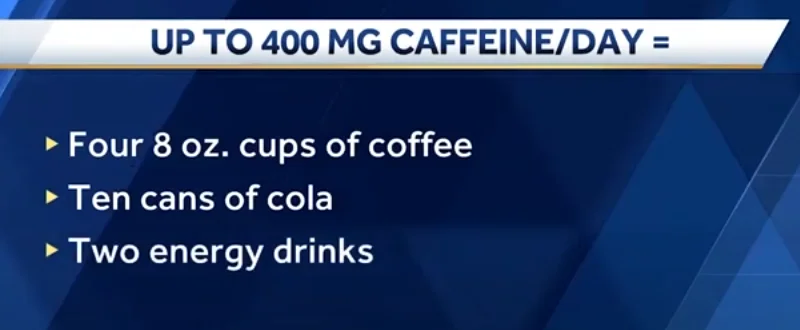
That’s why experts suggest limiting caffeine to under 400mg per day—roughly 3–4 small cups of coffee.
Talk to your doctor about caffeine if you have high blood pressure, an irregular heartbeat, acid reflux, trouble sleeping or bladder urgency, or if you take thyroid medicine or certain antibiotics that can make caffeine last longer. You may also want to look at drinks that may help lower blood pressure.
For adults over 50, a few of these downsides deserve extra attention. Because caffeine has a longer half-life as we age, an afternoon coffee that once had no effect on sleep might now linger into the evening, making it harder to fall asleep or stay asleep—and poor sleep quality has its own ripple effects on memory, mood, and balance. Caffeine can also temporarily raise blood pressure, which is worth discussing with a doctor for anyone managing hypertension or taking blood pressure medication. The FDA’s 400mg daily guideline (about four 8-ounce cups of brewed coffee) is a reasonable upper limit for most healthy adults, but many doctors suggest seniors aim somewhat lower, particularly if they notice jitteriness, heart palpitations, or sleep disruption. If you want to cut back, doing so gradually over a week or two—rather than stopping abruptly—can help you avoid the headaches and fatigue that come with sudden withdrawal. If you often wake very early, read about waking up at 4 a.m. after 60.
How Does Caffeine Help the Brain?
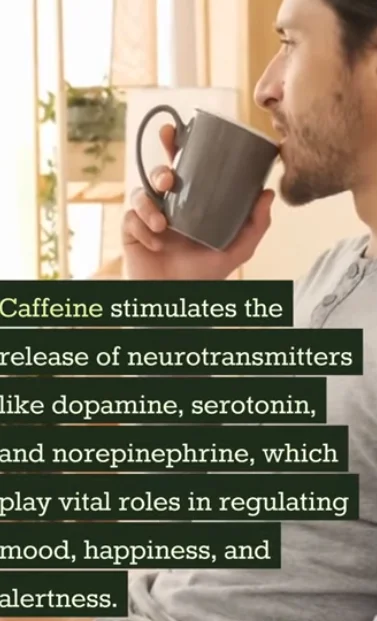
Caffeine not only blocks tiredness—it also boosts dopamine activity, which can make you feel better temporarily. That’s why some people report mild euphoria after their first cup. To learn more, see how dopamine affects focus and motivation.
It’s also been studied for its effects on brain aging, with some research linking regular moderate intake to lower risk of cognitive decline.
Some of the most interesting findings come from long-term observational studies following older adults over many years, which have found that those who consume moderate amounts of coffee or tea regularly tend to show a somewhat lower incidence of conditions like Alzheimer’s disease and Parkinson’s disease compared to non-consumers. Researchers believe this may be linked to caffeine’s combined effects on dopamine signaling, reduced inflammation in the brain, and antioxidant compounds found alongside caffeine in coffee and tea. It’s important to note that these studies show association, not proof that caffeine itself prevents these conditions—genetics, diet, exercise, and many other factors play a role too. Still, for people who already enjoy their daily coffee or tea, this research offers some reassurance that the habit isn’t working against brain health, and may even be a small piece of a broader puzzle of healthy aging.
Dopamine is often called the brain’s “motivation molecule”—it plays a central role in how we experience reward, pleasure, and drive. By increasing dopamine signaling, caffeine can create a mild sense of well-being that contributes to why coffee or tea often feels like more than just a wake-up routine. On the research side, several long-term observational studies, including ones tracking large groups of older adults over many years, have found associations between regular moderate coffee consumption and a reduced risk of conditions like Parkinson’s disease and Alzheimer’s disease, though researchers caution that this doesn’t prove caffeine prevents these conditions outright. The leading theories point to caffeine’s combination of mild anti-inflammatory effects, antioxidant compounds found alongside it in coffee and tea, and its role in supporting healthy blood flow to the brain. As always, these findings describe population trends rather than guarantees for any individual, and they shouldn’t be used to start consuming caffeine if you currently avoid it for other health reasons.
Natural vs. Synthetic Caffeine: Does It Matter?
There’s caffeine from coffee beans, and then there’s the kind added to sodas and energy drinks. Chemically, they’re the same—but your body might not react the same way.
Natural sources (like coffee or green tea) come with other compounds—antioxidants, polyphenols, etc.—that soften the impact. Synthetic caffeine, especially in energy drinks, hits faster and harder, which can lead to crashes. For a smoother lift, try matcha, a gentler caffeine option for older adults.
One important difference worth knowing: energy drinks often combine caffeine with other stimulant ingredients like guarana, taurine, or high doses of B vitamins, and the combined effect on the heart and nervous system isn’t always well understood, particularly for older adults or anyone with existing heart conditions. Tea, by contrast, contains an amino acid called L-theanine, which research suggests can smooth out caffeine’s stimulating effects, producing a calmer, more sustained sense of alertness without the sharp peaks and crashes sometimes associated with coffee or energy drinks. This is one reason some people who feel jittery from coffee find that tea agrees with them better, even though both contain caffeine. If you’re sensitive to caffeine’s harsher effects but still want the alertness benefits, switching from energy drinks or strong coffee to green or black tea is a simple substitution worth trying.
Another factor that often gets overlooked is how caffeine is absorbed depending on what it’s paired with. Drinking coffee or tea alongside a meal that includes protein or healthy fats tends to slow absorption, leading to a gentler, more gradual rise in alertness rather than a quick spike followed by a crash. On an empty stomach, caffeine hits the bloodstream faster, which is part of why some people feel jittery or lightheaded from their first cup of the day. For older adults managing blood sugar, pairing caffeine with food can also help avoid the brief blood-sugar dip that caffeine alone can sometimes trigger. As a general rule of thumb, if you notice caffeine makes you feel shaky or anxious, try having it with breakfast rather than on its own—small timing adjustments like this often make a noticeable difference without requiring you to give up your morning routine entirely.
Frequently Asked Questions
Is caffeine actually good for you?
In small amounts, yes. It may support mental clarity, physical endurance, and even mood—but too much can backfire.
Is caffeine addictive?
It’s not addictive like drugs, but regular use can lead to dependency. Quitting suddenly can cause withdrawal symptoms like headaches and fatigue.
Does caffeine help with depression?
Some people report mood improvements after coffee. It’s not a treatment, but it may temporarily lift energy and motivation levels.
Can caffeine help ADHD?
In small amounts, caffeine might aid focus in people with attention issues, but it’s not a replacement for proper medical treatment.
Should I take caffeine before workouts?
Yes—many athletes use it for endurance and performance. Just don’t overdo it or rely on it as a crutch.
Bottom Line: Is Caffeine a Miracle Drug?
Caffeine isn’t a miracle in the strictest sense. It doesn’t cure diseases or fix chronic fatigue. But for millions of people, for most healthy adults, a moderate amount is a safe way to feel more alert, energized, and engaged with life—especially when used wisely.
Call it what you want: a boost, a brain helper, or just a really good cup of coffee. Just don’t overuse it—and don’t expect it to solve problems it can’t.
The bottom line for readers in their 50s, 60s, and beyond is that caffeine can absolutely remain part of a healthy routine—the key is paying attention to how your body responds rather than relying on habits formed decades ago. As metabolism, medications, and sleep patterns change with age, the same cup of coffee that once felt harmless might start affecting sleep, heart rate, or anxiety levels differently. That doesn’t mean cutting it out entirely; for many people, a moderate morning cup remains a genuine source of enjoyment, routine, and even social connection. The smartest approach is simply to stay curious about your own patterns: notice how you feel after your usual cup, experiment with timing or amount if something feels off, and don’t hesitate to bring it up at your next checkup if you’re on new medications or managing a heart or blood pressure condition. Used thoughtfully, caffeine after 60 can keep doing what it’s always done best—giving you a reliable little lift to start the day.
Sources
⚕️ Medical Disclaimer
The information provided on this page is for educational purposes only and is not intended as medical advice, diagnosis, or treatment. Always consult a qualified healthcare professional before making changes to your diet, starting any supplement, or if you have an existing medical condition. KeepFitQuote does not provide medical diagnoses or treatment recommendations. Read our full disclaimer.
Related Posts