Introduction
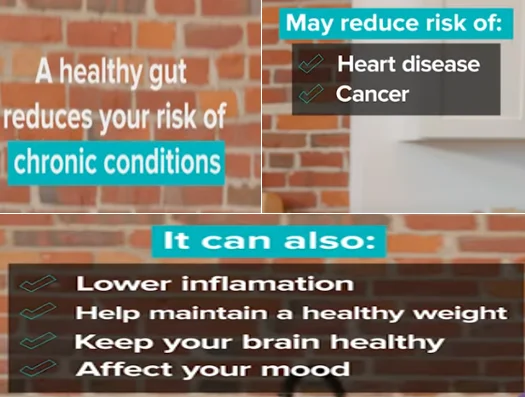
Gut health is more than just digestion—it’s a cornerstone of overall wellness. Disruptions in the gastrointestinal tract can trigger a cascade of issues, from bloating and brain fog to fatigue and poor immunity. Addressing these problems at the root requires a strategic, evidence-backed plan. This article explores effective, low-competition methods to fix the gut health with a practical focus tailored for U.S. readers.
1. Prioritize Digestive Enzymes for Improved Absorption
Low stomach acid and enzyme deficiencies can impair nutrient assimilation. Many individuals experience issues like undigested food in stool or upper abdominal fullness after eating—both signs of compromised digestive enzymes.
Key Actions:
- Incorporate bromelain-rich foods like pineapple.
- Use plant-based digestive enzyme supplements before meals.
- Avoid drinking large amounts of water with meals to prevent enzyme dilution.

Digestive enzyme production naturally declines with age—a phenomenon that affects a significant number of adults over 50 and is compounded by years of processed food consumption, antibiotic use, and chronic stress. When the body cannot adequately break down proteins, fats, and carbohydrates, undigested food particles pass into the lower intestine, where they ferment and feed opportunistic bacteria. This fermentation is a primary driver of bloating, gas, and irregular bowel movements that many seniors accept as inevitable but don’t have to.
A practical protocol for enzyme support starts with apple cider vinegar—one teaspoon in four ounces of water before meals can gently stimulate stomach acid production. Bitter foods such as arugula, dandelion greens, and radicchio also prime the digestive system before eating by triggering a reflex release of saliva and gastric juices. For those with moderate to severe enzyme insufficiency, a broad-spectrum digestive enzyme containing protease, lipase, and amylase taken five to ten minutes before each meal can dramatically reduce post-meal discomfort within two to four weeks. Always discuss new supplements with a healthcare provider if you are on blood thinners or have a history of ulcers, as some enzyme preparations can interact with medications commonly prescribed to seniors.
2. Rebalance Intestinal Bacteria with Targeted Probiotics
Restoring microbial diversity is essential for gut health. Not all probiotics are equal, and specific strains benefit specific gut imbalances.

Tips:
- Choose strains like Lactobacillus rhamnosus GG for gut lining repair.
- Rotate probiotic brands every 4–6 weeks to promote species variety.
- Include soil-based organisms (SBOs) for enhanced resilience.
The human gut is home to an estimated 38 trillion microorganisms, and this microbial ecosystem—known as the microbiome—performs tasks ranging from synthesizing vitamin K and short-chain fatty acids to regulating immune responses and producing 90% of the body’s serotonin. Research published in the journal Nature has shown that microbiome diversity is a key predictor of long-term health outcomes, yet diversity tends to decrease sharply after age 65 due to reduced dietary variety, medication use, and decreased physical activity. A landmark study in Cell Host and Microbe found that adults who consumed 36 or more different plant foods per week had significantly more diverse gut microbiomes than those who ate fewer than 10.
When selecting probiotic supplements, look for products with at least 10 to 50 billion CFU (colony forming units) and multiple strains including both Lactobacillus and Bifidobacterium species. Bifidobacterium longum and B. lactis are particularly well-researched for supporting gut barrier function and reducing systemic inflammation in older adults. For best results, take probiotics with a meal rather than on an empty stomach, as food buffers stomach acid and improves the survival of beneficial bacteria. Fermented foods—plain yogurt, kefir, kimchi, sauerkraut, miso, and tempeh—provide natural probiotic strains alongside prebiotics and bioactive compounds that supplements alone cannot replicate.
3. Support Gut Lining with Functional Nutrients
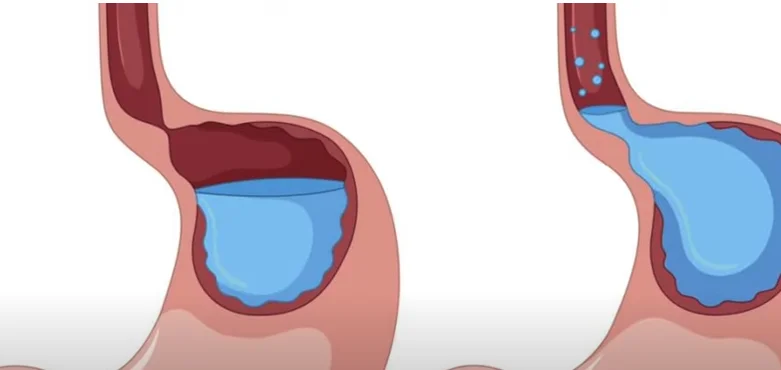
A compromised intestinal lining—commonly known as leaky gut—can allow harmful compounds to enter the bloodstream, leading to inflammation and fatigue.
Helpful compounds:
- Zinc carnosine and L-glutamine for mucosal integrity.
- Deglycyrrhizinated licorice (DGL) for soothing the stomach lining.
- Avoid alcohol, NSAIDs, and excess caffeine which damage epithelial cells.
The intestinal lining is just one cell layer thick, yet it serves as the body’s primary gatekeeper—allowing nutrients to pass while blocking toxins, undigested proteins, and pathogens. Tight junction proteins hold these cells together, and when they break down due to inflammation, poor diet, or stress, a condition called increased intestinal permeability develops. Research from Harvard Medical School and published in Frontiers in Immunology has linked increased gut permeability to autoimmune conditions, type 2 diabetes, and chronic fatigue—conditions disproportionately common in adults over 50.
L-glutamine is the primary fuel source for enterocytes, the cells that line the gut wall. Clinical studies have shown that supplementing with 5 to 10 grams of L-glutamine daily can measurably reduce intestinal permeability markers in as little as 8 weeks. Zinc carnosine (at doses of 75–150 mg daily) has been shown in Japanese research to promote healing of gastric ulcers and support the mucosal lining throughout the gastrointestinal tract. Bone broth is a natural food source of gut-healing collagen, glycine, and proline. Aim to include one to two cups daily, or incorporate collagen peptide powder into your morning beverage. Avoid ibuprofen and aspirin unless medically necessary, as these NSAID medications directly damage the mucosal lining even with short-term use.
4. Identify and Remove Triggering Foods
Delayed food sensitivities often go unnoticed. Symptoms such as skin breakouts, joint pain, or mental sluggishness may stem from low-grade inflammatory reactions to foods.

Recommendations:
- Eliminate common irritants such as gluten, dairy, soy, and corn for 3 weeks.
- Reintroduce one food at a time to detect reactivity.
- Use a low FODMAP phase if suffering from chronic gas and bloating.
Unlike classic food allergies—which produce immediate, dramatic reactions—delayed food sensitivities can take 24 to 72 hours to produce symptoms, making them notoriously difficult to identify without a structured elimination approach. The most common culprits include gluten-containing grains, conventional dairy, eggs, soy, corn, peanuts, tree nuts, and nightshade vegetables. A 2019 systematic review in the American Journal of Gastroenterology found that a properly conducted six-week elimination diet resolved or significantly improved gut symptoms in the majority of patients with irritable bowel syndrome (IBS)—a condition that affects an estimated 15% of seniors in the United States.
The key to a successful elimination trial is thoroughness. Hidden sources of gluten appear in soy sauce, salad dressings, lunch meats, and medications. Keep a detailed food-symptom journal throughout the process, noting not just what you ate but also stress levels, sleep quality, and bowel patterns, as all of these interact. When reintroducing foods after the three-week elimination window, add one new food every three days and consume it in a full serving at two meals on the test day. Watch for symptoms over the following 72 hours before introducing the next food. This systematic approach transforms vague gut complaints into actionable information and eliminates guesswork.
5. Optimize Bile Flow for Complete Fat Digestion
Poor bile flow can contribute to light-colored stools, fat malabsorption, and gallbladder discomfort.

Strategies:
- Add bitter herbs like dandelion root, artichoke leaf, or gentian before meals.
- Stay hydrated and ensure sufficient intake of choline-rich foods like eggs.
- Consider ox bile supplements if the gallbladder is sluggish or removed.
Bile is a digestive fluid produced by the liver, stored in the gallbladder, and released into the small intestine when fats are present. It emulsifies dietary fats so that lipase enzymes can break them down into absorbable fatty acids. When bile flow is sluggish—a condition called biliary stasis—fat-soluble vitamins (A, D, E, and K) are not adequately absorbed, leading to deficiencies that affect bone density, immune function, vision, and cardiovascular health. This is especially relevant for older adults: vitamin D deficiency affects an estimated 40% of Americans over age 60, and impaired bile flow is an underappreciated contributor.
Cholecystokinin, the hormone that triggers gallbladder contraction, is released in response to dietary fats and proteins. Eating meals that include healthy fats—olive oil, avocado, wild salmon—helps maintain healthy gallbladder motility. Beet root and beet greens contain betaine, which supports liver bile production. Turmeric (curcumin) at doses of 500 to 1,000 mg daily has been shown to increase bile secretion by up to 62% in clinical studies. If the gallbladder has been removed, bile acid sequestrants or ox bile supplements taken with fat-containing meals can compensate for the lost reservoir function. Consult your physician before starting bile supplementation, particularly if you have a history of Crohn’s disease or bile acid malabsorption.
6. Eliminate Intestinal Pathogens Without Overuse of Antibiotics
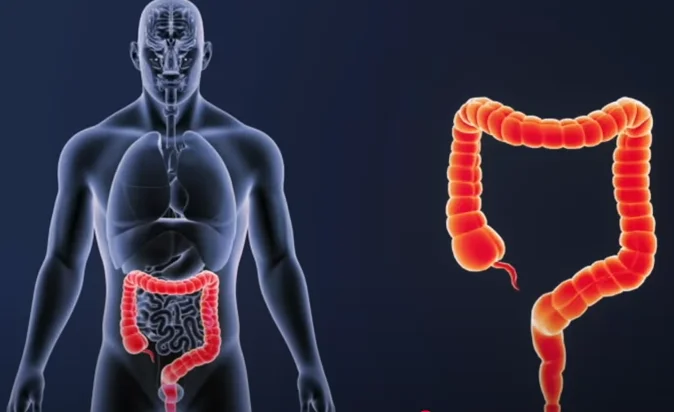
Unwanted microorganisms such as candida, parasites, or opportunistic bacteria can throw gut balance off track.
Tactics:
- Use antimicrobial herbs like berberine, oregano oil, or black walnut hull under supervision.
- Add binders like activated charcoal to help flush endotoxins.
- Limit sugar and processed carbs which feed fungal overgrowth.
Candida overgrowth affects a significant proportion of adults who have used repeated courses of antibiotics—a common occurrence among older adults managing chronic conditions. Symptoms are wide-ranging and include persistent fatigue, brain fog, sugar cravings, recurrent yeast infections, and white coating on the tongue. A 2021 review in Nutrients found that berberine, a compound found in goldenseal and barberry, demonstrated antimicrobial activity against a broad spectrum of gut pathogens including Candida albicans, H. pylori, and SIBO-associated bacteria, with minimal disruption to beneficial flora compared to pharmaceutical antibiotics.
Oregano oil (standardized to at least 80% carvacrol) is another well-researched natural antimicrobial. A protocol of two to four weeks using 200 to 400 mg of oregano oil daily has been shown to reduce pathogen loads while preserving commensal bacteria when followed by a four-week probiotic replenishment phase. Always cycle herbal antimicrobials rather than taking them continuously. During any antimicrobial protocol—natural or pharmaceutical—adding psyllium husk fiber and plenty of filtered water helps sweep dead pathogens and their toxins out of the colon before they can be reabsorbed. If symptoms are severe or persistent, stool testing through a functional medicine practitioner is recommended to identify specific pathogens before choosing targeted treatment.
7. Feed the Microbiome with Prebiotic Fiber
Probiotics need fuel to survive. That fuel is prebiotic fiber, which promotes the growth of beneficial bacteria.

Best sources:
- Green bananas (rich in resistant starch)
- Cooked and cooled potatoes or rice
- Chicory root and Jerusalem artichoke
Start slowly, especially if experiencing fermentation-related bloating, and increase intake over time.
Prebiotics are non-digestible food components—primarily fibers and resistant starches—that selectively feed beneficial bacteria in the colon. When Bifidobacterium and Lactobacillus species ferment prebiotic fiber, they produce short-chain fatty acids (SCFAs), particularly butyrate, propionate, and acetate. Butyrate is the preferred fuel source for colonocytes (colon cells) and plays a critical role in maintaining the gut lining, reducing colon cancer risk, and regulating inflammation. A 2022 meta-analysis in Gut Microbes confirmed that higher prebiotic fiber intake was associated with significantly greater microbial diversity and higher butyrate production in adults over 60.
The recommended daily fiber intake for adults is 25 to 38 grams, but the average American consumes only 15 grams. Specific prebiotic powerhouses include inulin (found in garlic, onions, leeks, and asparagus), pectin (found in apples and citrus peel), and fructooligosaccharides (found in bananas and oats). When adding prebiotic foods, increase your intake gradually over two to four weeks—adding five grams per week—to allow your microbiome time to adapt and avoid excess gas and bloating. Pairing prebiotic foods with probiotic sources (such as yogurt or kefir) at the same meal amplifies the beneficial effects of both.
8. Regulate Gut-Brain Axis Through Lifestyle Shifts
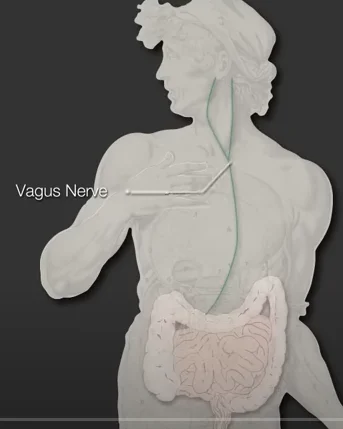
The gut-brain connection plays a crucial role in digestion and mental health. Stress can suppress enzyme secretion, delay gastric emptying, and exacerbate dysbiosis.
Actionable methods:
- Engage in deep diaphragmatic breathing before meals.
- Limit blue light exposure at night to regulate cortisol-gut rhythms.
- Consider vagus nerve stimulation exercises like humming or gargling.
The gut-brain axis is a bidirectional communication network connecting the enteric nervous system (often called the “second brain”) with the central nervous system via the vagus nerve, immune signaling, and the microbiome itself. When chronic stress activates the fight-or-flight response, blood is diverted away from the digestive tract and cortisol suppresses motility, mucus production, and immune surveillance in the gut. A 2023 study published in Psychosomatic Medicine demonstrated that eight weeks of mindfulness-based stress reduction (MBSR) practice led to measurable improvements in gut permeability, gut microbiome diversity, and IBS symptom scores compared to a control group.
Practical daily steps to strengthen the gut-brain axis include establishing a consistent meal schedule—eating at roughly the same times each day helps synchronize the gut’s own circadian rhythm with the brain’s. Gentle movement after meals, such as a 10-minute walk, activates the gastrocolic reflex and supports transit time. Chewing each bite 20 to 30 times before swallowing activates the parasympathetic (“rest and digest”) nervous system. Cold exposure—even splashing cold water on the face before meals—stimulates the vagus nerve and can improve vagal tone over time, which is associated with better gut motility and lower systemic inflammation.
9. Use Gentle Detoxification Support
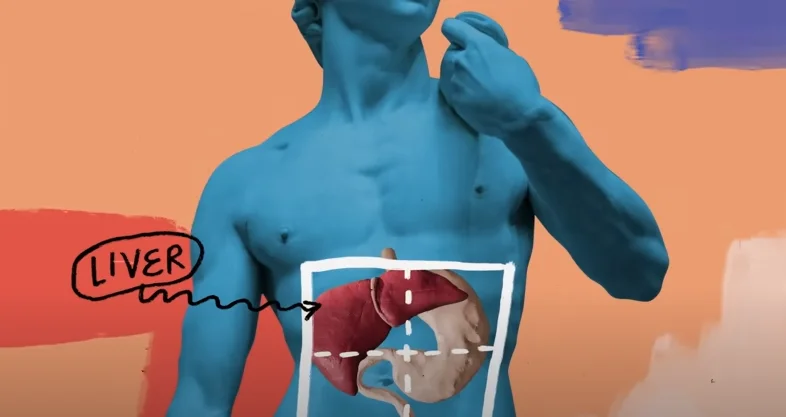
Gut health can’t thrive in a toxic environment. While aggressive detoxes can harm beneficial flora, gentle liver and colon support can help.
Options:
- Add chlorella or cilantro to bind and excrete toxins.
- Use epsom salt baths to promote magnesium absorption and detox via skin.
- Stay regular with magnesium citrate or natural stool softeners if constipated.
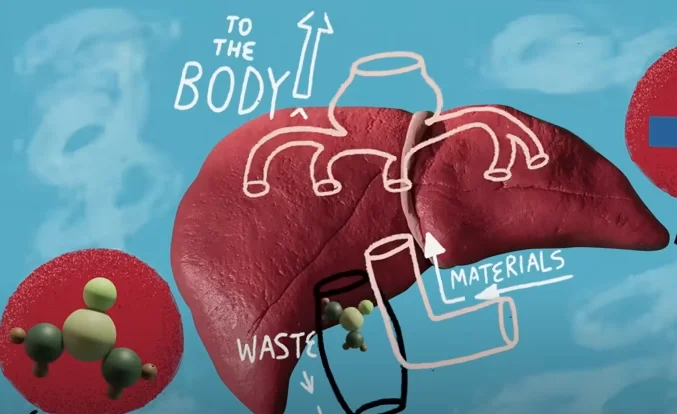
The liver processes and neutralizes toxins that pass from the gut into the portal bloodstream—a function that becomes increasingly important as gut permeability increases. Glutathione, the body’s master antioxidant, is produced primarily in the liver and plays a central role in phase II detoxification. Research shows that glutathione levels decline by up to 30% between the ages of 40 and 70, reducing the liver’s capacity to handle the daily toxin load from food, environmental exposure, and metabolic waste. Supporting glutathione production through food—N-acetylcysteine (NAC) precursors, sulfur-rich vegetables like broccoli and Brussels sprouts, and selenium from Brazil nuts—is a gentle, evidence-based approach.
Bowel regularity is the foundation of detoxification: the colon is the body’s primary waste-removal organ, and delayed transit time allows toxins to be reabsorbed. Aim for one to three soft, well-formed bowel movements daily. Magnesium citrate (200 to 400 mg at bedtime) gently draws water into the colon to ease constipation without creating dependency. Castor oil packs applied over the abdomen for 30 to 60 minutes have been used in traditional medicine and are being explored in functional health for their ability to support liver drainage and lymphatic flow. As with all detoxification approaches, the goal is daily, consistent support—not aggressive periodic cleanses that can strip beneficial bacteria and deplete essential minerals.
Final Thoughts
Fixing the gut health requires a multifaceted, evidence-informed approach that supports the body’s innate capacity to heal. By leveraging low-competition strategies like enzyme support, microbial diversity restoration, and prebiotic feeding, individuals can improve their digestion, immunity, and overall vitality.
This method isn’t about quick fixes. It’s a sustainable, professional protocol rooted in functional health principles that align with what your body truly needs.
FAQs
Q: How long does it take to fix gut health?
A: Most people begin to notice changes within 2 to 6 weeks, though deep healing can take several months.
Q: Can I heal my gut without supplements?
A: While diet and lifestyle are foundational, some individuals benefit from short-term supplementation to correct imbalances.
Q: Should I get a stool test?
A: Comprehensive stool analysis can provide insights into bacterial balance, inflammation markers, and enzyme function, and is worth considering for persistent issues.
⚕️ Medical Disclaimer
The information provided on this page is for educational purposes only and is not intended as medical advice, diagnosis, or treatment. Always consult a qualified healthcare professional before making changes to your diet, starting any supplement, or if you have an existing medical condition. KeepFitQuote does not provide medical diagnoses or treatment recommendations. Read our full disclaimer.
Related Posts