
- A daily cup of matcha offers steady, calm energy (gentle caffeine + L-theanine).
- Regular use is associated with brain support, heart wellness, and metabolic balance.
- Start small: ½ tsp matcha in warm water or milk; adjust to comfort.
- If you use blood thinners, have reflux, or are caffeine-sensitive, talk with your clinician first.
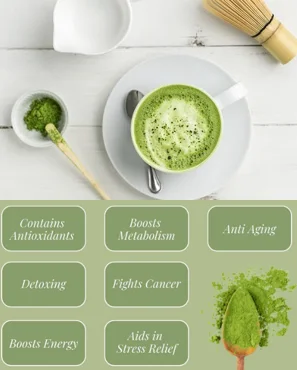
For many people over 50, matcha appeals precisely because it feels gentler than a strong cup of coffee while still offering a noticeable lift. A 2017 review published in the journal Food Science and Human Wellness highlighted that whole-leaf green tea preparations like matcha deliver substantially higher concentrations of catechins and L-theanine than steeped tea, since the leaf itself is consumed rather than discarded. This combination is thought to support a calmer, more sustained form of alertness rather than the rapid spike-and-crash pattern some people experience with coffee.
From a safety standpoint, the caution about blood thinners deserves a closer look. Green tea and matcha naturally contain vitamin K, a nutrient that plays a role in blood clotting. For most people this isn’t a concern, but for those taking warfarin or similar anticoagulants, sudden changes in vitamin K intake can affect how well the medication works. The practical guidance is simple: if you’re on a blood thinner, keep your matcha intake consistent day to day and mention it to your prescribing clinician so your dosage can be monitored appropriately. Likewise, anyone managing acid reflux may want to start with a smaller amount and take it alongside food, since the natural acidity and caffeine content can sometimes trigger symptoms in sensitive individuals. Starting at the conservative end—around ½ teaspoon—gives your body time to adjust and lets you gauge how you feel before increasing the amount.
What makes matcha different?
Matcha is powdered green tea. You whisk the powder into water or milk and drink the entire leaf. That means you get more catechins (EGCG), L-theanine, and a gentle caffeine lift compared with steeped tea. For many older adults, that combination feels calm yet focused, without the jitters some get from coffee.
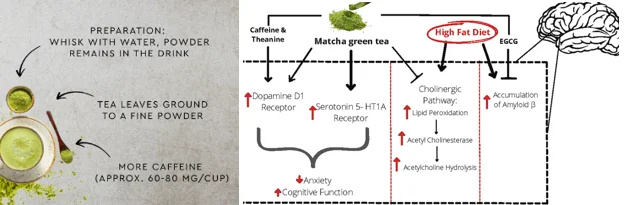
The “whole leaf” aspect is the key biological difference. When you steep regular green tea, most of the leaf’s solid material—including a large share of its antioxidants—stays behind in the bag or strainer. Matcha is grown, harvested, and stone-ground so the entire leaf becomes part of your drink. Research on shade-grown tea leaves (the method used for matcha) shows this growing technique also boosts chlorophyll and L-theanine content, which is part of why matcha has a smoother, less bitter taste than many green teas.
For someone managing multiple health priorities at once—blood pressure, joint comfort, cognitive sharpness—having one beverage that touches on several of these areas at modest doses can be appealing. It’s worth noting that matcha isn’t a substitute for medication or a balanced diet; rather, think of it as a small, pleasant addition that may support habits you’re already working on. As with any new dietary habit, especially if you’re managing a chronic condition or take prescription medications, a quick conversation with your doctor or pharmacist can help you fit matcha into your routine confidently.
1) Calm, steady energy for the morning
Why it helps: Matcha pairs moderate caffeine with L-theanine, an amino acid known for relaxed alertness. Older adults often prefer this gentle caffeine tea because it avoids a sharp spike and crash.
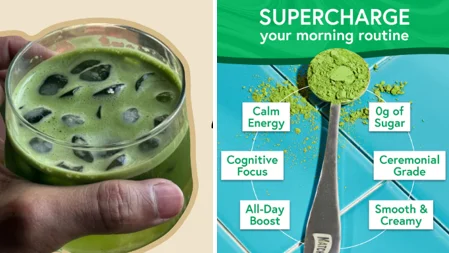
How to use: Begin with ½ tsp matcha in warm water or milk after breakfast. If you feel great, move to ¾–1 tsp.
The science behind this “calm energy” effect comes down to how L-theanine interacts with caffeine in the brain. Studies in the Journal of Nutritional Biochemistry have found that L-theanine can increase alpha-wave activity, a brain pattern associated with relaxed wakefulness, while also moderating some of caffeine’s stimulating effects. In practical terms, this may translate to feeling awake and engaged without the racing heart or restlessness that a strong coffee can sometimes cause—something many older adults specifically look for, particularly those managing blood pressure or anxiety sensitivity.
A typical cup of matcha (½ teaspoon) contains roughly 30-50mg of caffeine, less than half of an average 8-ounce coffee. Because the effect builds gradually rather than hitting all at once, it pairs well with a morning routine: enjoy it after a light breakfast, give yourself 20-30 minutes before any demanding activity, and notice how your energy feels over the next few hours. If you take any heart medications or have an irregular heartbeat, it’s wise to mention any new caffeine source—even a modest one—to your healthcare provider during your next visit.
2) Focus and memory support
Why it helps: Antioxidants and L-theanine may support attention, working memory, and mental clarity. Many seniors report easier reading, puzzle time, and calmer concentration.
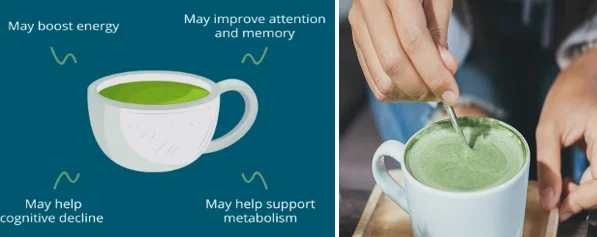
Try this: “Reading cup” ritual—sip matcha during 20 minutes of light mental activity (crosswords, language apps, a short book chapter).
Cognitive aging is a major concern for many older adults, and small daily habits that support brain health are worth exploring. A study published in PLOS ONE examined matcha’s effects on cognitive function in older adults and found associations between regular green tea consumption and improved performance on attention and executive function tasks. Researchers believe the EGCG (epigallocatechin gallate) in matcha may help protect neurons from oxidative stress, while L-theanine supports the kind of relaxed focus that’s useful for sustained mental tasks.
Pairing matcha with an activity that exercises your brain—rather than just drinking it passively—may amplify the benefit, since mental stimulation itself is one of the most well-supported strategies for maintaining cognitive function with age. The “reading cup” ritual mentioned above is a low-pressure way to combine both: a pleasant beverage and a brief cognitive workout. As always, if you notice memory changes that feel concerning or sudden, that’s a conversation for your doctor—matcha is a supportive habit, not a diagnostic tool or treatment for cognitive decline.
3) Heart-wise daily habit
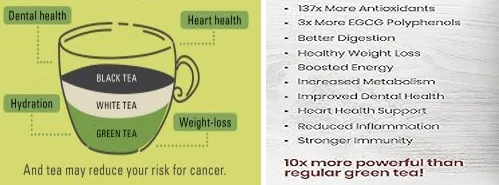
Why it helps: Green tea catechins are associated with cardiovascular wellness in observational research. As part of a balanced diet—fruits, vegetables, whole grains—matcha can be a heart-friendly swap for sugary beverages.
Practical swap: Replace one soda or sugary latte with a matcha latte (unsweetened or lightly sweetened).
Cardiovascular health becomes an increasingly important focus after 50, and dietary patterns play a meaningful role. Large observational studies, including research published in the European Journal of Preventive Cardiology, have linked regular green tea consumption with modestly lower rates of cardiovascular events. The proposed mechanism involves catechins helping support healthy blood vessel function and potentially influencing cholesterol levels, though researchers are careful to note that tea is one piece of a much larger lifestyle picture.
The “swap” framing is particularly useful here: rather than thinking of matcha as a magic addition, consider what it might be replacing. A daily soda or sweetened coffee drink can add significant sugar and calories over weeks and months, while an unsweetened or lightly sweetened matcha latte offers flavor and ritual without the same sugar load. If you have a diagnosed heart condition or take blood pressure medication, it’s still a good idea to discuss any new daily beverage—even a generally healthy one—with your cardiologist or primary care provider, especially regarding caffeine intake limits that may apply to your specific situation.
4) Gentle metabolism support
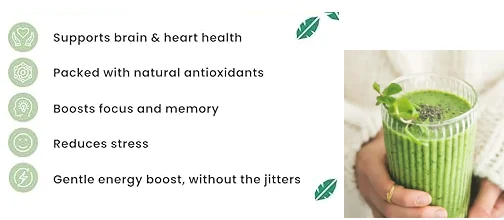
Why it helps: Catechins plus light movement (a 10–15 minute walk) may modestly assist metabolic health. The key is habit: a daily cup paired with a short walk supports routine and weight-management behaviors.
Mini-habit: “Sip, then steps.” Finish your cup, then walk your hallway, courtyard, or block.
Metabolism naturally slows with age, partly due to gradual muscle loss and reduced activity levels. While matcha alone won’t reverse this process, some research suggests that EGCG may have a mild thermogenic effect—slightly increasing the rate at which the body burns calories at rest. A frequently cited study in the American Journal of Clinical Nutrition found that catechin-rich green tea extract was associated with modest increases in energy expenditure, though the effect size was small and most pronounced when combined with physical activity.
This is exactly why the “sip, then steps” habit is worth building. Light movement after a meal or beverage—even just walking to get the mail or doing a lap around the house—has its own well-documented benefits for blood sugar regulation and joint mobility, independent of matcha. Combining the two creates a simple, repeatable routine that doesn’t require special equipment or a gym membership. For those with mobility limitations, even standing and gentle stretching for a few minutes can serve the same habit-building purpose. If you have diabetes or take medications that affect blood sugar, monitor how new routines affect your levels and discuss any significant dietary changes with your healthcare team.
5) Blood-sugar friendly beverage
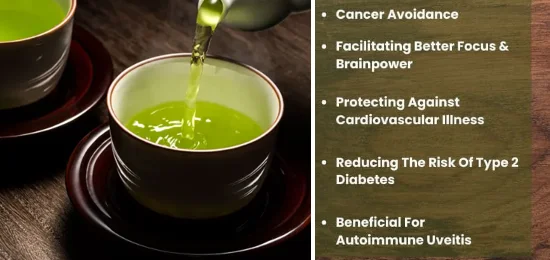
Why it helps: Unsweetened matcha is low-calorie and may help keep post-meal sugar spikes gentler when used in place of sweet drinks.
Tip: If you like sweetness, try cinnamon or a splash of vanilla instead of sugar.
Blood sugar management is a daily concern for many older adults, whether due to a diabetes diagnosis or simply a desire to avoid energy crashes after meals. Unsweetened matcha contains virtually no carbohydrates or sugar, making it a neutral choice from a blood sugar standpoint. Some preliminary research, including a small study in the Journal of the American College of Nutrition, has explored whether green tea catechins might help moderate the speed at which glucose enters the bloodstream after a meal, though this research is still considered exploratory and shouldn’t be relied upon as a treatment.
What’s more clearly established is the value of the “swap” itself. A 12-ounce regular soda can contain 35-40 grams of sugar—roughly the daily limit recommended by the American Heart Association for many adults—consumed in a single drink. Replacing even one such beverage per day with unsweetened matcha (flavored naturally with cinnamon or vanilla if desired) removes that sugar load entirely. If you’re managing diabetes, continue monitoring your blood sugar as you would with any dietary change, and loop in your care team if you’re making matcha a regular part of your routine, particularly if you’re also adjusting medication timing around meals.
6) Antioxidant support for healthy aging
Why it helps: Matcha provides EGCG and other polyphenols that help reduce oxidative stress. While tea isn’t a cure-all, it’s an easy way to add plant antioxidants to an everyday routine.
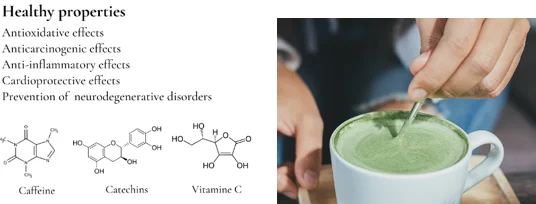
Food pairing: Vitamin-C-rich sides (berries, kiwi, citrus) may help protect catechins and taste great with a morning cup.
Oxidative stress—an imbalance between free radicals and the body’s ability to neutralize them—is a process linked to many age-related changes, from skin aging to joint stiffness to cellular wear and tear more broadly. Antioxidants like the catechins found abundantly in matcha are compounds that help neutralize free radicals, and EGCG in particular has been one of the most studied antioxidants in tea research, appearing in hundreds of published studies examining its role in cellular health.
The food pairing tip has a real basis in nutrition science: vitamin C has been shown in some laboratory studies to help stabilize catechins, potentially improving how well the body absorbs and uses them. This doesn’t mean you need to engineer every meal around matcha—but if you already enjoy berries or citrus with breakfast, pairing them with your matcha is a pleasant, low-effort way to potentially get more out of both. As with any antioxidant-rich food or beverage, moderation and variety remain important; matcha works best as one part of a varied diet rich in fruits, vegetables, and whole foods rather than as a singular “superfood” solution.
7) Simple ritual = better hydration & mood
Why it helps: A small, repeatable ritual can anchor the day, support hydration, and add a moment of mindfulness. Many older adults find this routine improves overall mood and consistency.
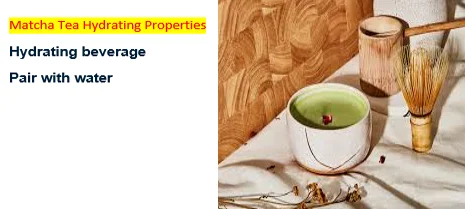
One-minute method: Warm mug, whisk matcha, deep breath, slow sip. That’s it.
Hydration habits often slip with age, partly because the sense of thirst naturally diminishes over time, which can increase the risk of mild dehydration—a common contributor to fatigue, headaches, and even confusion in older adults. A daily matcha ritual, prepared with 6-8 ounces of water, is a built-in opportunity to add fluids to your day in a way that feels like a treat rather than a chore.
The mood benefits are worth highlighting too. Research on mindfulness-based routines, even very brief ones, has shown associations with reduced stress and improved emotional regulation. The simple act of pausing to prepare a warm drink, taking a breath, and sipping slowly can function as a mini mindfulness practice—something increasingly recognized as valuable for emotional wellbeing in later life. This is especially meaningful for those who live alone or have reduced social interaction during the day; a small ritual like this can mark a pleasant transition point and create a sense of structure. There’s no special equipment required—a simple whisk or even vigorous stirring with a spoon works fine for most people.
How much matcha per day is sensible?
For most healthy adults, ½–1 tsp daily is a reasonable range. If you’re new to caffeine or sensitive to it, stay at ½ tsp and avoid late-day cups.
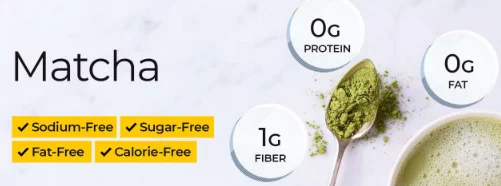
These dosage ranges align with what’s commonly referenced in nutrition literature on green tea concentrates. A half teaspoon of matcha typically provides somewhere in the range of 35-70mg of EGCG along with 30-50mg of caffeine—amounts that most healthy adults tolerate well as part of a daily routine. The Food and Drug Administration generally considers up to 400mg of caffeine per day safe for healthy adults, which means even 1-2 teaspoons of matcha leaves substantial room within that limit when other caffeine sources (coffee, tea, soda) are accounted for.
Timing matters as much as quantity. Caffeine has a half-life of roughly 5-6 hours in the body, meaning a cup consumed in the early afternoon can still affect sleep quality that night—a particularly important consideration for older adults, who often already experience lighter, more easily disrupted sleep. A good general rule is to enjoy matcha before early afternoon and to track how you personally respond over the first week or two. If you notice jitteriness, a racing heartbeat, or trouble sleeping, scaling back to ¼-½ teaspoon or moving your matcha time earlier in the day usually resolves it. Anyone with anxiety disorders, arrhythmias, or uncontrolled high blood pressure should check with their doctor before adding any new caffeine source, regardless of how gentle it’s reputed to be.
Who should limit or avoid daily matcha?
- Blood thinners / anticoagulants: Green tea contains vitamin K; get clinician guidance.
- Caffeine sensitivity, insomnia, reflux (GERD): Start with ½ tsp, take after food, and avoid after mid-afternoon.
- Iron deficiency: Tea polyphenols can reduce iron absorption—separate from iron-rich meals or supplements by a few hours.
- Pregnancy / specific medical advice: Always ask your clinician.
This list deserves a bit more context, because each item reflects a distinct mechanism worth understanding. The vitamin K and blood thinner interaction is specific to medications like warfarin that work by interfering with vitamin K-dependent clotting factors—newer anticoagulants (DOACs) such as apixaban or rivaroxaban don’t rely on vitamin K and generally aren’t affected the same way, but checking with your prescriber is still the safest approach since individual situations vary.
The iron absorption point is particularly relevant for older adults, who are at higher risk of mild iron deficiency due to dietary changes, certain medications, or chronic conditions. Tannins and polyphenols in tea can bind to non-heme iron (the type found in plant foods) and reduce how much your body absorbs. The practical fix is simple: enjoy matcha between meals rather than alongside an iron-rich meal or iron supplement, leaving a gap of about 1-2 hours. For most people who eat a varied diet, this is a minor consideration, but if you’ve been told you have low iron or take an iron supplement, it’s worth keeping in mind. As always, this information is general—your own health history is the deciding factor, and a quick conversation with your pharmacist or doctor can clarify how matcha fits with your specific medications and conditions.
Easy friendly ways to drink matcha
- Classic whisk: ½–1 tsp matcha + 6–8 oz warm water (not boiling).
- Matcha latte (light): Oat or dairy milk, optional dash of cinnamon.
- Iced matcha water: Shake with ice in a bottle—hand-friendly and quick.
- Smoothie boost: ½ tsp in a banana-spinach smoothie for a mild start.
One detail worth emphasizing for the classic whisk method is water temperature. Matcha is more delicate than steeped tea leaves, and water that’s too hot (boiling, or close to it) can make the drink taste bitter and may break down some of the beneficial catechins. Aiming for water around 160-175°F—roughly the temperature just after it stops steaming heavily—produces a smoother, less bitter cup. If you don’t have a thermometer, letting boiled water sit for about 2-3 minutes before whisking gets you close enough.
For those with arthritis or reduced hand strength, the “shake in a bottle” method for iced matcha is especially practical: a bottle with a tight lid does the mixing work that a whisk normally would, and there’s minimal cleanup. The smoothie option is worth considering for anyone who finds plain matcha too intense in flavor—blending it with banana and spinach masks the more vegetal, grassy notes that some new drinkers find off-putting while still delivering the same beneficial compounds. Whichever method you choose, using slightly warm (not cold) water or milk as your base when whisking helps the powder dissolve more evenly and avoids the clumping that can happen with cold liquids.
7-day gentle start plan
- Days 1–2: ½ tsp after breakfast.
- Days 3–4: ½–¾ tsp if you feel good.
- Days 5–7: Up to 1 tsp, earlier in the day. Pair with a 10-minute walk.
A gradual introduction like this gives your body time to adjust to even a modest new caffeine source, and it also helps you notice patterns—does an afternoon cup affect your sleep? Does taking it with food versus on an empty stomach change how you feel? Keeping a simple notebook or using your phone’s notes app to jot down how you feel each day (energy, sleep quality, any digestive changes) can turn this week into useful personal data, not just a trial period.
If at any point during this week you notice symptoms like a racing heart, unusual anxiety, stomach upset, or sleep disruption, that’s useful information too—it simply means dialing back to a smaller amount or earlier timing, not that matcha is “wrong” for you. Most people find their comfortable amount somewhere in the ½-1 teaspoon range, and there’s no need to push toward higher amounts; more isn’t necessarily better when it comes to caffeine and catechins. After the first week, you’ll likely have a good sense of whether matcha fits comfortably into your daily routine, and from there it’s simply a matter of maintaining the habit at whatever level feels right for you.
1) Is drinking matcha every day good for older adults?
Yes—when used sensibly, a daily cup can offer calm energy, brain support, and a heart-wise beverage choice.
2) How much matcha should a senior drink per day?
Start with ½ tsp daily; many do well at ½–1 tsp. Adjust based on sleep and sensitivity.
3) Is matcha better than coffee for gentle energy?
Many seniors prefer matcha’s relaxed alertness (L-theanine + caffeine) and fewer jitters versus coffee.
4) Can matcha help memory or focus?
Matcha provides L-theanine and antioxidants that support attention and calm focus for reading and puzzles.
5) Does matcha support heart health?
Green tea patterns are linked with cardiovascular wellness. Matcha works best alongside a heart-smart diet and movement.
6) Will matcha upset my stomach?
If you have reflux or a sensitive stomach, take matcha after food, use ½ tsp, and avoid very hot water.
7) Can I drink matcha on blood thinners?
Discuss with your clinician. Tea contains vitamin K, which can interact with certain medications.
8) Does matcha affect sleep?
It can if taken late. Keep it earlier in the day and use ½ tsp if you’re sensitive.
9) Is ceremonial grade necessary?
Not required. Choose a trusted brand, fresh green color, and a taste you enjoy.
10) Can I sweeten matcha?
Yes, but keep sugars low. Try vanilla, cinnamon, or a small amount of honey.
11) Does matcha help with weight management?
It can support healthy habits (fewer sugary drinks + short walks). Think routine, not miracle.
12) Is matcha safe with diabetes or high blood pressure?
Often yes, but confirm with your clinician to fit your overall care plan.
Written by Allan Smith · Medically reviewed by Dr. Mark McGarey, MBBS · Last Updated: September 13, 2026
Sources: NIH NCCIH: Green Tea; CDC: Healthy Aging; American Heart Association: Healthy Eating.
13) Can I drink matcha if I’m sensitive to caffeine?
Try ¼–½ tsp, choose morning only, and see how you feel.
14) What water temperature is best?
Use warm, not boiling water to avoid bitterness and to be easier on sensitive mouths.
15) What’s a low-effort way to prepare matcha?
Shake ½ tsp with cool water in a bottle; add ice. It’s quick and joint-friendly.
⚕️ Medical Disclaimer
The information provided on this page is for educational purposes only and is not intended as medical advice, diagnosis, or treatment. Always consult a qualified healthcare professional before making changes to your diet, starting any supplement, or if you have an existing medical condition. KeepFitQuote does not provide medical diagnoses or treatment recommendations. Read our full disclaimer.
Related Posts







Pingback: Gentle Body Reset After 60 with 7 Simple Foods for Better Health
Pingback: Pancreas Health Tips for Seniors Boost Digestion and Energy
Pingback: Collagen-Boosting Vegetables for Seniors Leg Strength
Pingback: Fruits for Muscle Health Over 60 Simple Strength Boosters