How to Avoid Bruises From Injections: Safe, Clinically Proven Tips
Bruising after an injection is a frequent side effect that occurs when a needle accidentally punctures tiny blood vessels (capillaries) beneath the skin’s surface. When these micro-vessels are disrupted, a small amount of blood leaks into the surrounding subcutaneous tissue, resulting in a visible mark known medically as ecchymosis or a minor hematoma.
While most injection-site bruises are entirely harmless and fade naturally, utilizing the proper preparation, injection mechanics, immediate aftercare, and medication awareness can dramatically reduce your risk. This comprehensive guide outlines safe, evidence-based practices to prevent and minimize bruising across routine vaccinations, insulin injections, therapeutic blood draws, and cosmetic treatments like Botox or dermal fillers.
Quick Answer: How to Prevent Injection Bruises
Sources: Mayo Clinic – Bruise first aid | MedlinePlus – Subcutaneous injections | CDC – Safe injection practices
For those seeking an immediate reduction in bruising risk, prioritize these five foundational steps:
- Apply Immediate, Firm Pressure: Press a clean piece of sterile gauze or a cotton ball directly against the puncture site the moment the needle is withdrawn. Hold continuous pressure for at least 2 to 3 minutes without rubbing.
- Use Cold Therapy Early: Apply a cloth-wrapped cold compress or ice pack to the area for 10 to 15 minutes immediately following the injection to constrict local blood vessels and slow down subcutaneous bleeding.
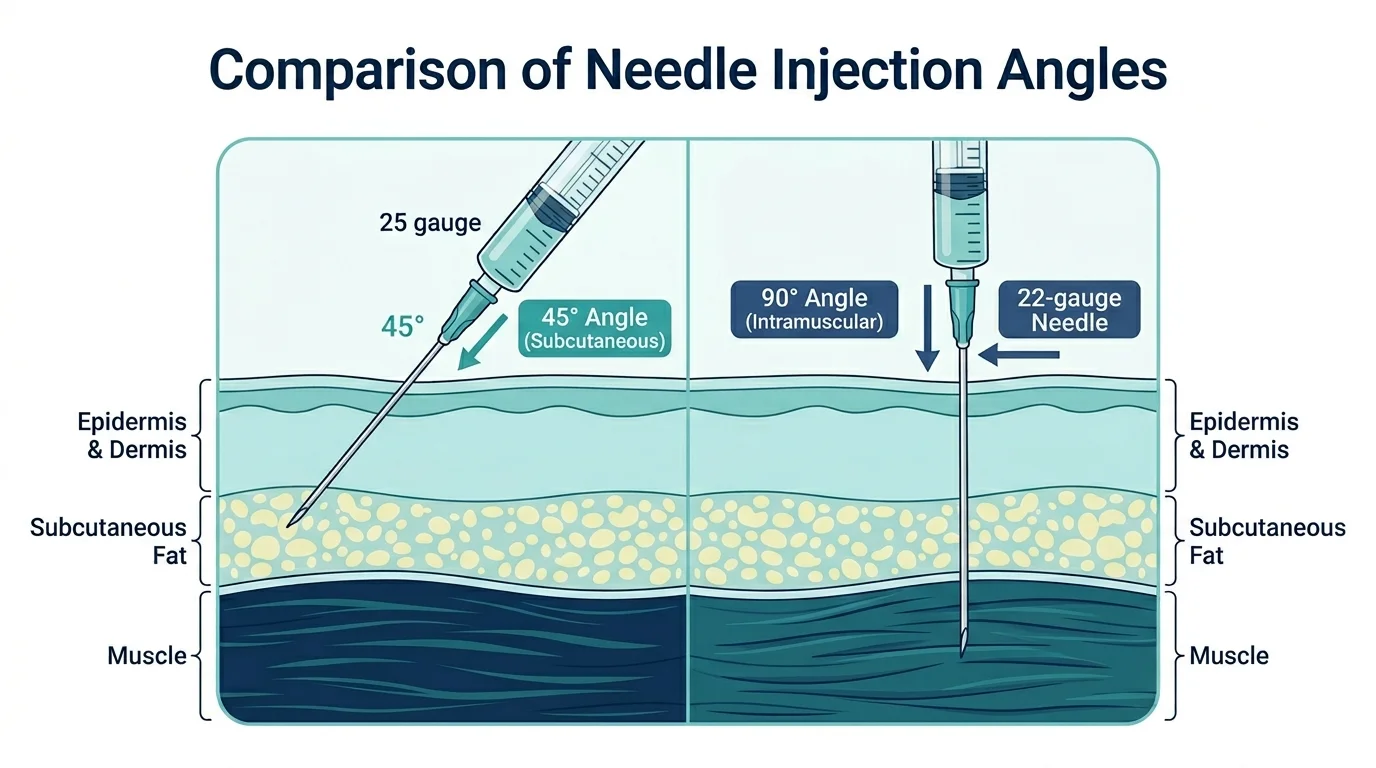
- Master the Injection Angle: Ensure the needle is inserted swiftly and smoothly at the clinically recommended angle (90 degrees for intramuscular; 45 or 90 degrees for subcutaneous) without wiggling or altering directions mid-injection.
- Incorporate Strict Site Rotation: If your treatment requires daily or weekly self-injections (such as insulin or heparin), rotate your injection sites continuously to give capillaries time to heal fully.
- Audit Your Medications and Supplements: With the explicit approval of your prescribing physician, avoid over-the-counter blood thinners, non-steroidal anti-inflammatory drugs (NSAIDs), and specific herbal supplements for 3 to 7 days prior to elective injections.
Bruising Prevention Checklist: Before, During, and After Injections
Sources: MedlinePlus – Subcutaneous injections | CDC – Safe injection practices | FDA – Sharps disposal containers
| Timeline Phase | Best-Practice Action Item | Underlying Clinical Rationale | Safety Considerations |
|---|---|---|---|
| Before | Target pristine, healthy skin patches. | Avoids aggravating already irritated tissues or entering areas with structural capillary weakness. | Never inject directly into visible scars, active rashes, hard skin lumps, or pre-existing bruises. |
| Before | Review current medications, NSAIDs, and supplements. | Antiplatelet agents and common supplements thin the blood, increasing local bleeding potential. | Crucial: Never discontinue any prescription anticoagulants without clear direct guidance from your medical provider. |
| During | Deploy a fresh, ultra-sharp sterile needle every time. | Dull needles tear through skin layers and micro-vessels rather than puncturing them cleanly. | Needle reuse drastically escalates tissue trauma, structural bruising, and severe infection risks. |
| During | Maintain absolute needle stability upon insertion. | Eliminates unnecessary cutting movements beneath the tissue layer (known as ‘fishing’). | If you experience intense resistance or a sharp shooting sensation, halt and consult a trained professional. |
| After | Apply consistent vertical pressure; avoid massaging. | Compresses damaged vessel walls closed, allowing natural clotting pathways to seal the breach. | Rubbing the injection site spreads escaped blood deeper into the tissues, expanding the visible bruise. |
| After | Use a wrapped ice pack for short intervals. | Promotes rapid vasoconstriction, lowering the volume of blood escaping into local tissues. | Never apply raw ice directly to bare skin, as this can trigger localized thermal tissue damage. |

How to Avoid Bruises From Injections: Direct Causes
Sources: Mayo Clinic – Bruise first aid | MedlinePlus – Subcutaneous injections
Understanding why injection site contusions form makes prevention straightforward. The physical manifestation of a bruise relies heavily on four distinct variables:
- Needle Trauma and Technique: Even under perfect clinical conditions, a needle can clip a microscopic blood vessel. However, manual variables such as entry speed, accidental needle shifting, or an unsteady hand can increase the size of the tiny tear in the vessel wall, letting more blood escape.
- Depth and Structural Delivery: Subcutaneous injections (placed into the fatty tissue layer beneath the skin) and intramuscular injections (placed directly into deeper muscle groups) require entirely different needle lengths and delivery angles. Miscalculating these variables can lead to unnecessary tissue irritation and bruising.
- Biological and Medical Triggers: Certain prescription medications (like warfarin, clopidogrel, or novel oral anticoagulants) and over-the-counter painkillers (such as aspirin, ibuprofen, and naproxen) alter natural blood clotting properties. Additionally, chronic underlying health conditions like liver disease, clotting disorders, or long-term systemic steroid therapy naturally thin vessel walls.
- Age and Tissue Fragility: As human skin ages, it loses structural collagen, elastin, and protective subcutaneous fat layers. Consequently, the blood vessels in older adults lose their surrounding support matrix, making them highly fragile and susceptible to bruising from minor needle entries.
Pre-Injection Preparations
Sources: MedlinePlus – Subcutaneous injections | CDC – Safe injection practices | FDA – Sharps disposal containers | NIH ODS – Vitamin C fact sheet
Maximizing your defense against bruising begins well before the needle ever touches your skin. Focus on these clinical preparation parameters:
- Clean and Verify the Site: Always wash your hands and sterilize the chosen skin patch thoroughly with an isopropyl alcohol wipe. Allow the alcohol to air-dry completely on the skin for 30 seconds before proceeding. Injecting through wet alcohol causes localized chemical irritation and stinging, which can worsen tissue inflammation.
- Map out Your Site Rotation Strategy: For regular self-administrations, visually segment your injection zones (such as the abdomen, outer thighs, or upper arms) into a structured grid layout. Ensure each subsequent injection lands at least one full inch away from the previous site to prevent repeating capillary trauma.
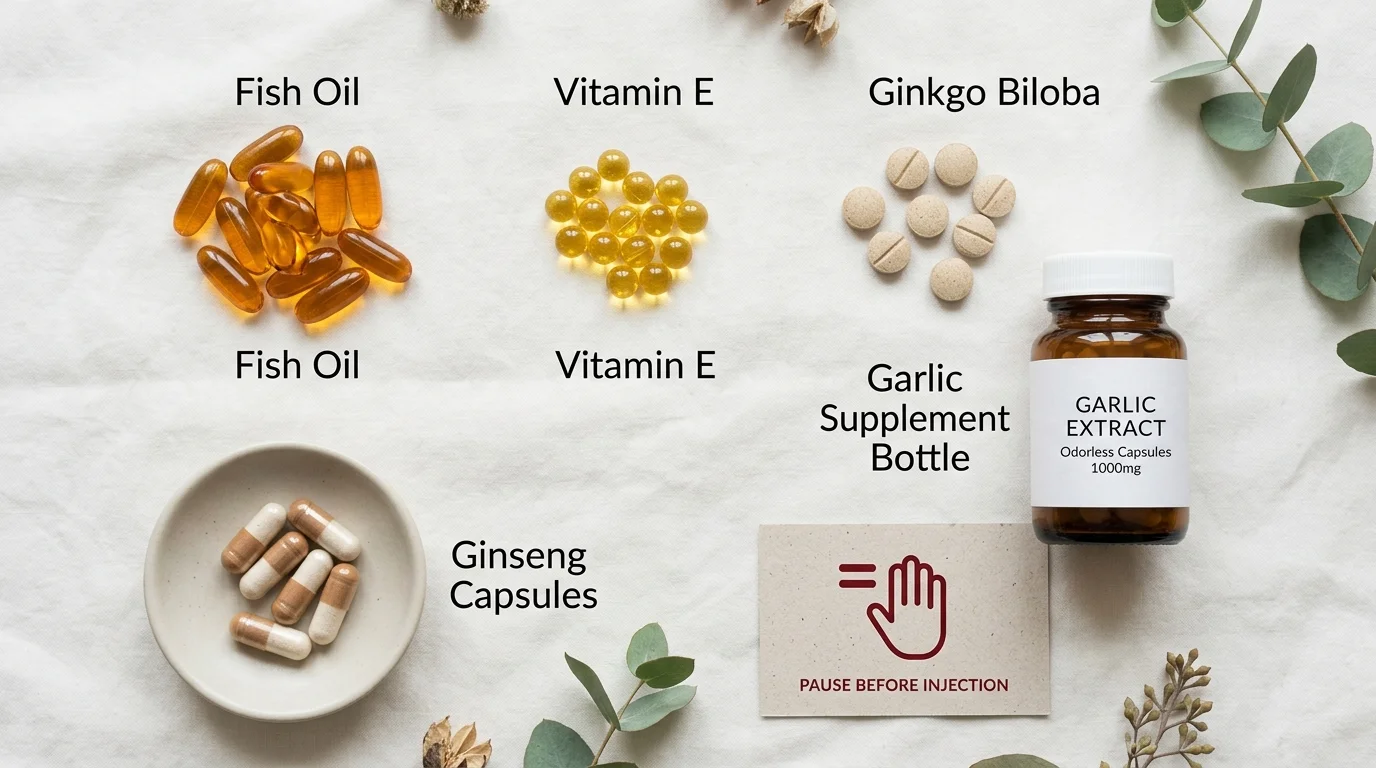
- Pre-Screen Supplements and Compounds: Many common over-the-counter health items have natural antiplatelet properties. If you are preparing for elective cosmetic procedures or non-urgent treatments, discuss pausing these common supplements with your provider 7 days in advance:
- Vitamin E
- Fish Oil / Omega-3 Fatty Acids
- Ginkgo Biloba
- Ginseng
- St. John’s Wort
- Garlic concentrates
- Keep Active Hydration Levels Balanced: Maintaining optimal systemic hydration supports healthy tissue elasticity and speeds up local cellular repair cycles. Eat balanced meals according to your standard routine, and avoid extreme dietary changes or unverified holistic quick-fixes that claim to prevent bruising entirely.
- Restrict Vigorous Physical Activity: Avoid strenuous workouts or intense cardio sessions right before your appointment. Heavy exercise elevates your core blood pressure and speeds up systemic blood flow, which can cause micro-punctures to bleed longer and create larger bruises.

Proper Injection Technique
Sources: MedlinePlus – Subcutaneous injections | CDC – Safe injection practices
Refining your physical technique limits localized cellular damage and protects your surrounding tissues.
Intramuscular Delivery Angle: 90° (Clean, vertical entry directly into deep muscle)
- Optimize the Insertion Mechanics: Hold the syringe firmly like a dart. Insert the needle through the skin surface in a single, fluid motion without hesitation. Slow or tentative skin entry stretches the outer tissue layers, leading to extra pain and bruising.
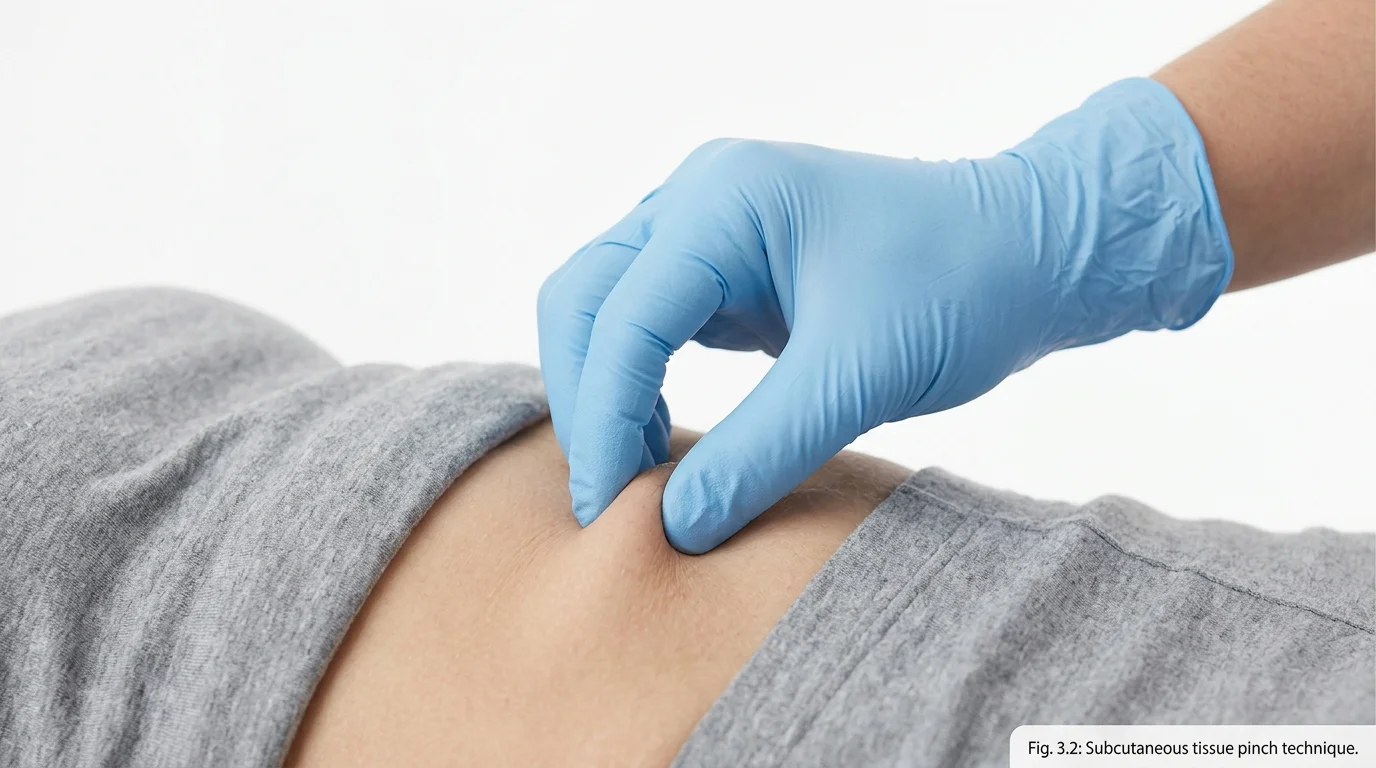
- Execute Safe Skin Pinching: For subcutaneous delivery into lean areas, gently grasp a one-to-two-inch fold of skin between your thumb and forefinger to pull the fatty tissue layer away from the underlying muscle plate. Release the skin fold carefully right after plunging the medication to avoid crushing the tissue while the needle is inside.
- Maintain Absolute Needle Stability: Once the needle reaches the proper depth, keep the syringe barrel completely steady. Do not rock, pivot, tilt, or re-adjust the angle of the needle while injecting the medication. Changes in position act like a tiny blade underground, severing surrounding capillaries.
- Incorporate a Temporary Delay Before Withdrawal: After depressing the plunger completely, pause and count to 5 before extracting the needle. This brief delay allows the pressure within the local tissue to equalize, preventing the medication from leaking back up the needle track and lowering overall bruising and irritation.
Immediate Aftercare to Reduce Bruising
Sources: Mayo Clinic – Bruise first aid | MedlinePlus – Subcutaneous injections
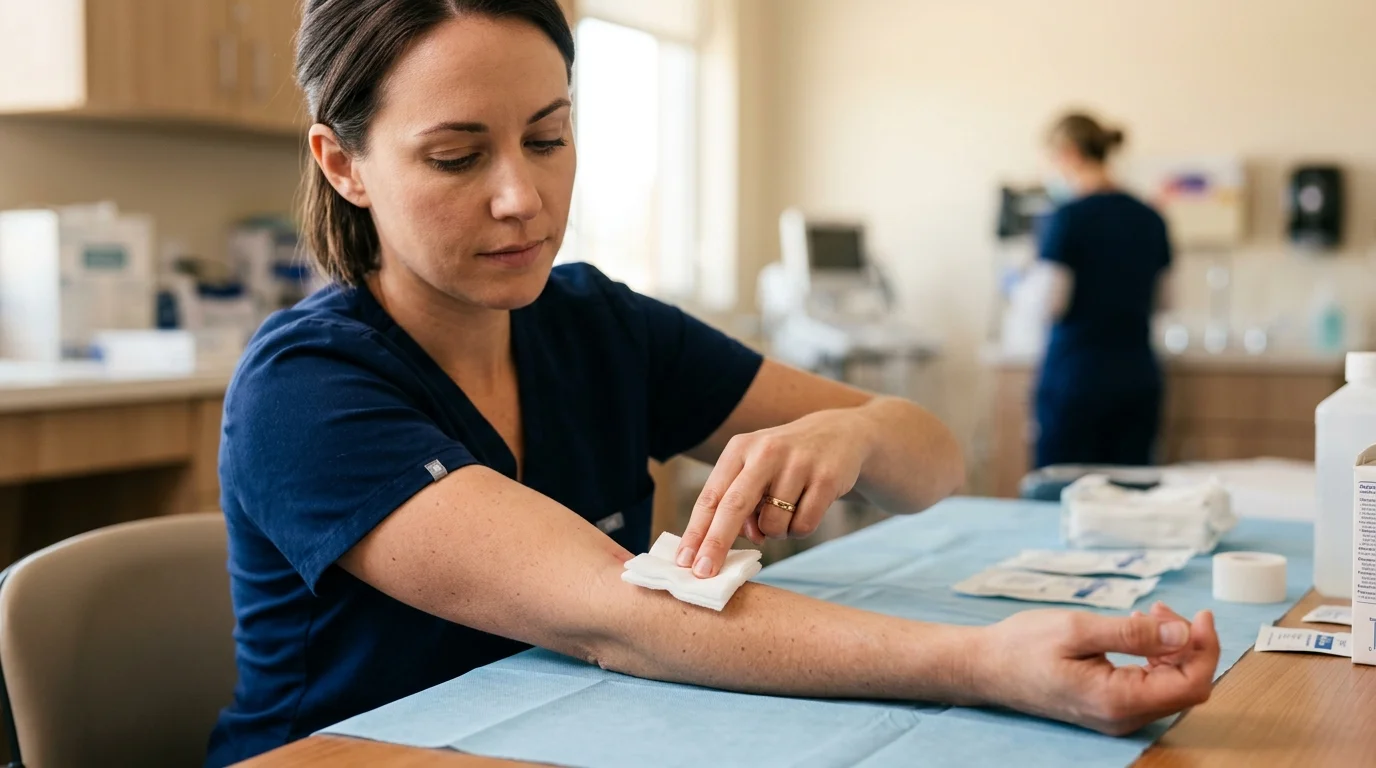
- Maintain Firm, Stationary Pressure: The single most effective action you can take post-injection is applying immediate, firm, downward pressure using fresh sterile gauze. Do not alternate pressure or lift the gauze to check for bleeding; maintain steady compression to give the blood platelets time to form a stable plug over the capillary tear.
- Deploy Targeted Cold Compression: Wrap an ice pack or gel compress in a clean, soft towel and place it gently over the injection zone. Keep it there for 10 to 15 minutes at a time, checking your skin periodically. You can repeat this process every hour during the first 12 to 24 hours to narrow the surrounding blood vessels and keep the bruise as small as possible.
- Avoid Premature Topical Heat Exposure: Do not apply warm compresses, heating pads, or take hot baths immediately after an injection. Heat dilates blood vessels and increases local circulation, which can cause fresh micro-tears to reopen and bleed more into the surrounding skin. Save soothing warm therapies for 48 hours later, once the bruise has fully formed and needs help clearing away.
The Bruise Healing Timeline: What to Expect
Sources: Mayo Clinic – Bruise first aid
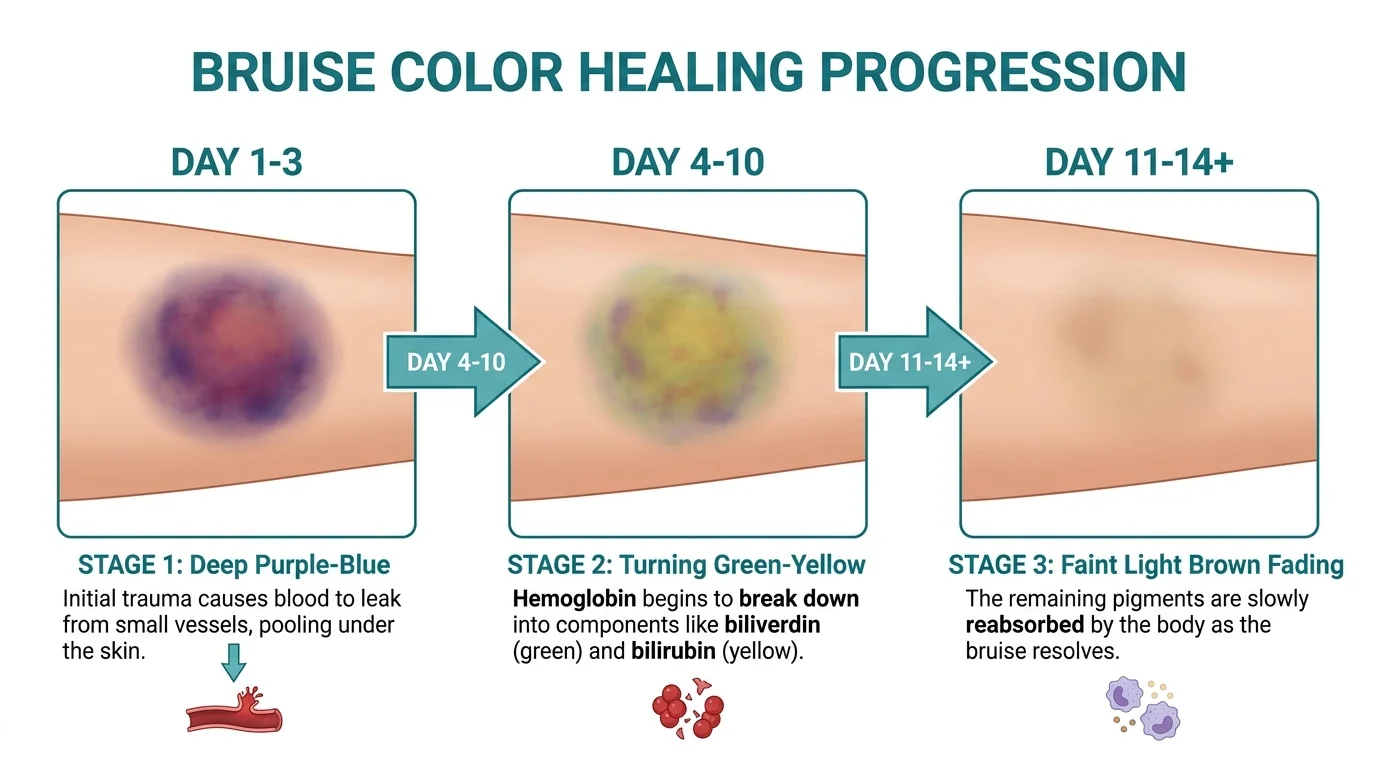
The breakdown of escaped blood cells under the skin follows a structured biochemical timeline. This process transforms the bruise through several distinct visual phases.
Red / Blue / Purple
Green / Yellow
Light Brown / Fade
- First Few Hours: You may experience mild local tenderness, a tiny drop of blood at the puncture site, or an early pinkish skin tint. Seek clinical advice if bleeding continues past several minutes of direct pressure, or if you notice a rapidly growing, hard, painful mass forming under the skin.
- Days 1 to 3: The bruise typically turns deep red, blue, or dark purple as hemoglobin loses its oxygen payload within the trapped tissue space. The area will likely feel tender to the touch. Seek clinical review if the skin becomes hot to the touch, develops expanding red streaks, oozes fluid, or is accompanied by intense, throbbing pain or numbness down the limb.
- Days 4 to 10: The body breaks down the trapped red blood cells, converting hemoglobin into pigments called biliverdin and bilirubin. Visually, the bruise will shift to a dull green, yellow, or mustard brown color. Consult your healthcare professional if the bruise continues to grow significantly larger, or if you notice unexplained new bruises popping up in areas where you didn’t have an injection.
- After 2 Weeks: Most minor injection bruises should be faint light brown or yellow marks that are resolving completely. Seek advice if a firm, hard lump stays behind without shrinking, if the skin looks dark or necrotic, or if the pain remains just as intense as day one.
Home Remedies and Supplements: Science vs. Fiction
Sources: Mayo Clinic – Bruise first aid | NIH ODS – Vitamin C fact sheet
- Topically Applied Arnica Montana: Arnica gel or cream is frequently used to manage minor swelling and bruising from cosmetic injections. Clinical studies on its effectiveness show mixed results; however, many patients find it soothing. Always wait until the needle puncture site has closed completely before applying any topical over-the-counter products, and never use arnica on open wounds or broken skin.
- Dietary Vitamin C Balance: Vitamin C plays an important role in synthesizing collagen and maintaining strong, healthy capillary walls. Keeping your body’s vitamin C levels balanced through healthy foods (like citrus fruits, bell peppers, and leafy greens) supports natural tissue repair. However, taking high-dose supplements right before an injection will not instantly stop a bruise from forming.
- Bromelain Extracts and Pineapple Consumption: Bromelain is a natural enzyme found in pineapples that is known for its mild anti-inflammatory properties. While some people use bromelain supplements to help clear bruising after cosmetic treatments, it can occasionally interact with certain prescription medicines or thin the blood at high doses. Always check with your doctor before starting any new supplement routine.
- Choosing the Right Over-the-Counter Pain Reliever: If the injection site feels tender or sore, choose your over-the-counter painkillers carefully. Acetaminophen is often preferred for post-injection discomfort because it manages pain without thinning the blood. Avoid ibuprofen, aspirin, or naproxen unless your doctor specifically tells you to take them, as these medications can make bruising worse.
Special Cases and Populations
Sources: CDC – Safe injection practices | FDA – Dermal fillers safety
- Patients on Chronic Anticoagulant Therapies: If you take prescription blood thinners for a medical condition, you have a naturally higher risk of bruising after any injection. Never stop taking your prescribed medication just to avoid a minor bruise. Instead, let your care provider know ahead of time so they can plan to hold firm pressure on the injection site for a longer period (usually 5 to 10 minutes) to ensure safe clotting.
- Managing Frequent Insulin or Heparin Injections: For conditions that require regular self-injections, your skin needs extra care to prevent tissue damage. Always use an unused, ultra-thin needle for every single dose. Make sure to space your injection sites out systematically across your approved injection zones, keeping each new puncture at least an inch away from the last one to allow your skin to heal properly.
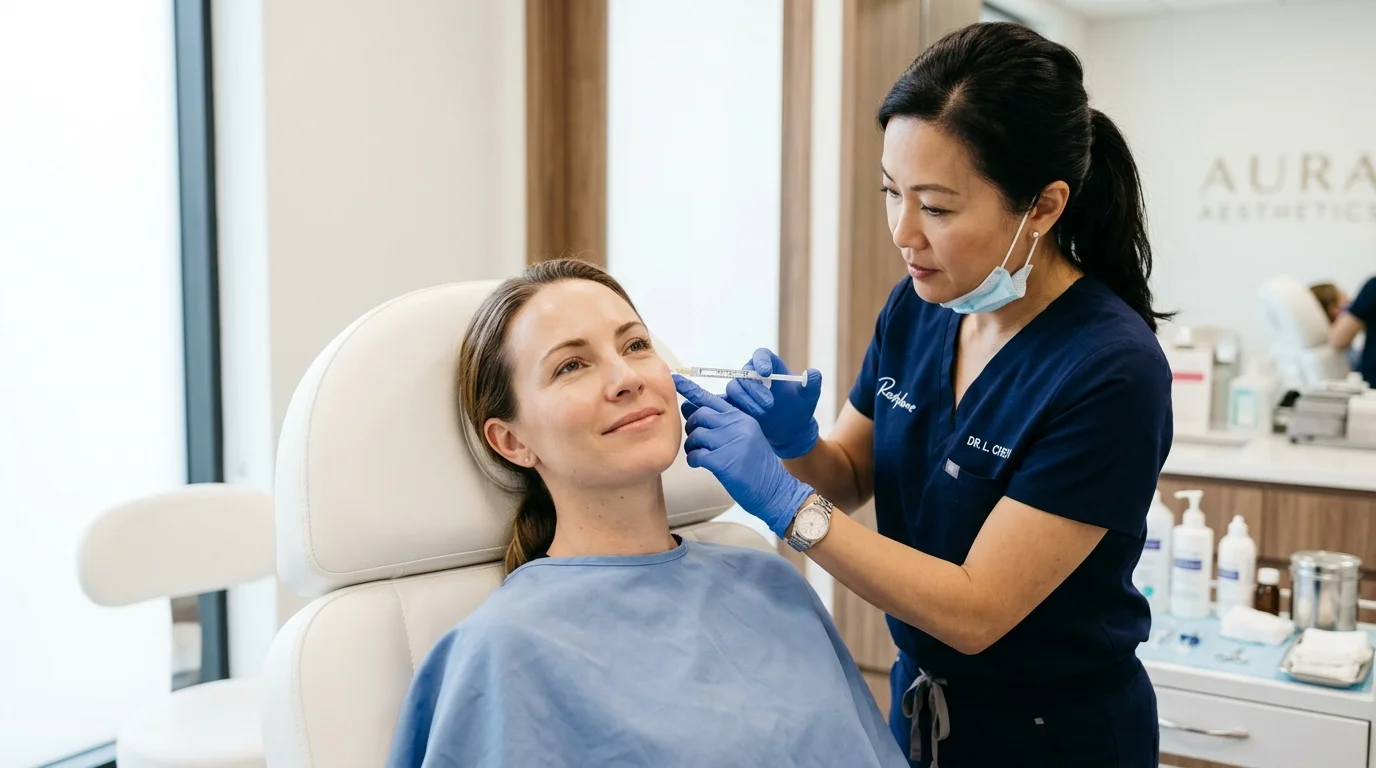
- Aesthetic and Facial Cosmetic Treatments: The face contains an intricate network of tiny, delicate blood vessels, making minor bruising common after treatments like Botox or dermal fillers. To keep bruising to a minimum, choose a highly qualified, board-certified injector who understands facial anatomy and uses advanced techniques, such as microcannulas or cold-pack pre-cooling, to protect your skin.
Frequently Asked Questions
Sources: Mayo Clinic – Bruise first aid | MedlinePlus – Subcutaneous injections | CDC – Safe injection practices
Bruising risk varies from person to person. People with fragile skin, older age, a history of easy bruising, blood-thinning medicines, repeated injections in the same area, or a naturally visible capillary network may bruise more easily. Technique also matters: a steady injection followed by firm pressure usually causes less bruising than a slow, hesitant, or wobbly injection.
Yes. A small bruise can happen after any needle puncture because the needle may nick a tiny capillary while entering or leaving the skin. This is usually harmless if the bruise stays small, gradually fades, and is not associated with severe pain, spreading redness, pus, fever, or a hard expanding lump.
Light movement is usually fine, but it is best to avoid heavy lifting, vigorous cardio, sauna use, or intense exercise for at least 12 to 24 hours after an injection. Strenuous activity increases blood flow and pressure in the tissues, which can make a small capillary leak spread into a larger visible bruise.
Use cold therapy first. During the first 24 hours, a cloth-wrapped cold compress can help narrow local blood vessels and reduce bleeding under the skin. Warm compresses are better after 48 hours, once active bleeding has stopped and the body is clearing the trapped blood.
Green and yellow colors are usually part of normal bruise healing. As the body breaks down trapped blood under the skin, hemoglobin changes into pigments such as biliverdin and bilirubin. This color shift usually means the bruise is resolving, not worsening.
Most small injection bruises fade within one to two weeks. A deeper or larger bruise may take longer, especially in older adults or people taking blood-thinning medicines. The bruise should gradually shrink and become less tender. If it grows, hardens, becomes very painful, or remains unchanged after two weeks, seek medical advice.
No. Rubbing or massaging the site can spread leaked blood into surrounding tissue and make the bruise larger. Apply steady vertical pressure with clean gauze instead. Gentle pressure helps the tiny vessel seal, while rubbing can disturb the early clot that is trying to form.
Yes. Aspirin, anticoagulants, antiplatelet medicines, and some over-the-counter anti-inflammatory drugs can increase the chance of bruising because they affect clotting. Do not stop prescribed medicine on your own. Tell the person giving the injection about your medicines so they can use extra pressure and monitor the site properly.
Use a fresh needle every time, rotate injection sites, avoid injecting into bruised or hard areas, keep the needle steady, and apply gentle pressure afterward without rubbing. People who inject frequently should use a written or visual site-rotation plan so the same capillaries are not repeatedly injured.
Yes. The correct needle length, gauge, and angle help deliver medicine into the intended tissue layer. Subcutaneous injections usually go into fatty tissue at 45 to 90 degrees depending on body habitus, while intramuscular injections are typically given at 90 degrees. The wrong depth or unstable angle can irritate tissue and increase bruising.
Yes. Cosmetic injections can cause bruising because the face has many delicate blood vessels. Choosing a qualified injector, avoiding unnecessary blood-thinning agents before elective treatment when medically safe, using cold therapy as advised, and following aftercare instructions can reduce the risk.
A bruise that becomes increasingly swollen, hot, red, very painful, or associated with pus, fever, numbness, red streaking, or a rapidly expanding hard lump should be assessed by a healthcare professional. These symptoms may indicate infection, significant bleeding, or another complication rather than a simple bruise.
Ask your healthcare provider, especially if you already bruise easily or take blood-thinning medicine. Acetaminophen is often preferred for simple soreness because it does not thin the blood the way aspirin and some NSAIDs can. Do not change prescribed medication without medical guidance.
Yes. Older adults often have thinner skin, less protective fat under the skin, and more fragile capillaries. They may also take medicines that increase bruising risk. Using a gentle technique, choosing healthy skin, applying longer pressure, and avoiding rubbing are especially important for older adults.
Call a doctor if the bruise is rapidly enlarging, extremely painful, associated with fever or spreading redness, accompanied by numbness or weakness, or if bruises appear without injury elsewhere on the body. Also seek advice if you are on anticoagulants and the bleeding does not stop with pressure.
Bottom Line
Sources: Mayo Clinic – Bruise first aid | MedlinePlus – Subcutaneous injections | CDC – Safe injection practices
While injection-site bruising can look concerning, it is usually a harmless side effect of a needle passing through delicate skin tissues. You can easily protect your skin and keep bruising to a minimum by following a few simple steps: prepare the area properly, use a steady and smooth injection technique, apply immediate pressure, and use cold therapy early on. Never adjust your prescription medications without checking with your doctor first, and always contact a healthcare professional if you notice any unusual warning signs like spreading redness, extreme pain, or a fever.
Authoritative Sources
- Mayo Clinic – Bruise first aid – Bruise formation, ice, elevation, pain relief, and warning signs.
- MedlinePlus – Subcutaneous injections – Patient instructions for injection site selection, site rotation, and safe injection technique.
- CDC – Safe injection practices – Aseptic technique and one needle / one syringe / one time safety principles.
- FDA – Sharps disposal containers – Safe disposal of used needles and sharps containers.
- FDA – Dermal fillers safety – Cosmetic filler safety, risks, common side effects such as bruising, and red-flag symptoms.
- NIH ODS – Vitamin C fact sheet – Vitamin C, collagen formation, wound healing, and supplement safety context.
⚕️ Medical Disclaimer
The information provided on this page is for educational purposes only and is not intended as medical advice, diagnosis, or treatment. Always consult a qualified healthcare professional before making changes to your diet, starting any supplement, or if you have an existing medical condition. KeepFitQuote does not provide medical diagnoses or treatment recommendations. Read our full disclaimer.