Safety note: Do not stop or change diabetes medicine based on this article—ask your clinician.
Introduction
Pharmacy shelves in America are crowded with pills and powders promising better blood sugar control. But many older adults still ask a fair question: Can simple habits calm my numbers without one more prescription bottle?
The answer is often yes. Here are seven doable routines that don’t require fancy equipment or complicated diets—just everyday choices that fit naturally into life.
Before diving into the seven hacks, it helps to understand what “blood sugar” really means and why it matters so much after age 60. Blood glucose is the body’s primary fuel, but it has to stay within a narrow range to avoid damage to nerves, eyes, kidneys, and blood vessels. According to the CDC, more than 29% of adults over 65 in the U.S. have diabetes, and many more live with prediabetes without knowing it. The good news, supported by research published in Diabetes Care, is that lifestyle changes—diet, hydration, movement, and sleep—can lower fasting glucose and A1C (a three-month average blood sugar marker) meaningfully, sometimes as much as medication for people in the early stages. None of the hacks below are meant to replace insulin or prescribed diabetes medication. Instead, think of them as a foundation that makes the body more responsive to whatever treatment plan you and your doctor have already agreed on. If you’re on medications like sulfonylureas or insulin that can cause low blood sugar (hypoglycemia), it’s especially important to introduce new habits gradually and monitor your glucose more closely at first, since some of these changes can lower blood sugar enough to require a dose adjustment. Keeping a simple log—what you ate, what you did, and your glucose reading—for a couple of weeks is one of the easiest ways to see which hacks are making the biggest difference for your body specifically.
Why Seniors Face Blood Sugar Challenges in the USA
With age, the body shifts. Muscle mass thins out, metabolism slows, and it’s easy to spend long stretches sitting. Toss in processed meals or quick drive-through dinners, and even “ordinary” foods can cause sugar to swing up and down.
That said, the solution isn’t dramatic. A few consistent tweaks—hydration, steady meals, light activity—can tip the balance back in your favor.
The biology behind this age-related shift is well documented. Muscle is the body’s largest “sink” for glucose—when you eat carbohydrates, much of that sugar gets pulled into muscle cells and used for energy or stored as glycogen. But after about age 40, adults lose roughly 3-8% of muscle mass per decade, a process called sarcopenia, which accelerates further after 60 unless countered with activity and adequate protein. Less muscle means less storage capacity for glucose, so more of it lingers in the bloodstream after meals. At the same time, many seniors develop a degree of insulin resistance, where cells respond more sluggishly to the hormone that normally signals them to absorb glucose. A study in the Journals of Gerontology found that combining modest resistance exercise (even with light resistance bands) with a diet rich in lean protein and fiber can meaningfully improve insulin sensitivity within just a few months, partially reversing this trend. Practically speaking, this means a senior’s plate should lean toward protein at each meal—eggs, fish, beans, Greek yogurt—paired with non-starchy vegetables, with refined carbs like white bread or sugary cereals kept to smaller portions. It’s not about eliminating carbohydrates, which the body still needs, but about pairing them so they’re absorbed more slowly.
A Hollywood Reminder: Tom Hanks’ Story
In 2013, Tom Hanks went on The Late Show with David Letterman and revealed that he had type 2 diabetes. He admitted he had ignored warning signs for years until his doctor finally gave him the diagnosis.

Hanks didn’t just depend on medication. He worked on everyday changes—managing his weight, choosing foods more carefully, and paying closer attention to his lifestyle. His honesty is a reminder: blood sugar issues don’t skip the rich or famous, and simple, steady habits matter for everyone.
(More on his story at Today.com).
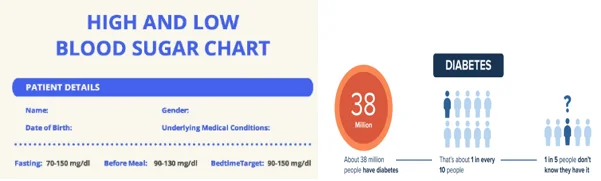
Tom Hanks’ story resonates because it mirrors what doctors call the “silent” nature of type 2 diabetes—symptoms like fatigue, increased thirst, or slow-healing cuts often get brushed off as “just getting older.” The American Diabetes Association notes that nearly one in four adults with diabetes don’t know they have it, and the number is even higher for prediabetes. For seniors, regular screening matters: the CDC recommends adults over 45 get a fasting glucose or A1C test at least every three years, and more often if there’s a family history, high blood pressure, or weight changes. What made Hanks’ approach effective wasn’t a single dramatic fix—it was consistency in small choices: cutting back on sugary drinks, walking more, and being mindful of portion sizes at restaurants. For someone newly concerned about their own numbers, a realistic first step is simply tracking what a typical week of eating and movement looks like, without judgment, before making changes. That baseline makes it much easier to spot which of the seven hacks below will fit most naturally into daily life—and to notice, over a few weeks, whether energy levels and how clothes fit start to shift in a good direction.
7 Natural Blood Sugar Hacks for Seniors
Hack 1: Morning Hydration Reset
Before coffee or breakfast, sip a glass of warm water with lemon. Overnight, the body dries out, and that mild dehydration can bump glucose higher than it should be. This small ritual refreshes your system and makes the morning easier.
(See Harvard Health on hydration and aging.)

The connection between hydration and blood sugar is more direct than most people realize. When the body is even mildly dehydrated, blood volume drops slightly, which concentrates glucose in the bloodstream—similar to how a smaller glass of juice tastes sweeter than a larger one with the same amount of sugar added. A study published in Diabetes Care found that adults who drank less than a liter of water daily had a higher risk of developing elevated blood sugar over time compared to those who drank more. Lemon adds a small bonus: its vitamin C and plant compounds may modestly improve how the body uses insulin, though the effect is mild compared to the hydration itself. For most seniors, a glass of warm water with half a lemon first thing in the morning is safe, but those with acid reflux, GERD, or sensitive teeth enamel should consider diluting it further or rinsing with plain water afterward. Throughout the day, aim for water as your default drink—herbal tea and milk count too—while limiting juice and soda, which deliver a concentrated dose of sugar with little to slow its absorption. If you’re on a fluid-restricted diet due to heart failure or kidney disease, check with your doctor about how much total fluid, including this morning ritual, fits safely into your daily allowance.
Hack 2: Cinnamon Daily Boost
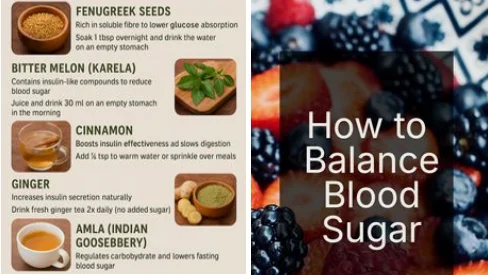
Choose Ceylon cinnamon—the softer, lighter version of cinnamon. Studies suggest it can improve how the body handles glucose. A sprinkle over oatmeal, tea, or yogurt is an easy habit to keep, and over time it may help flatten those after-meal surges.
(Research overview: NIH)

Cinnamon’s blood-sugar effects come largely from compounds called methylhydroxychalcone polymers (MHCPs), which appear to mimic insulin’s action and help cells take up glucose more efficiently. A meta-analysis of multiple clinical trials found that cinnamon supplementation reduced fasting blood glucose by an average of about 24 mg/dL in people with type 2 diabetes—a meaningful effect, though results vary from person to person. The distinction between Ceylon (“true”) cinnamon and the more common Cassia cinnamon matters for safety: Cassia contains higher levels of coumarin, a compound that can stress the liver in large amounts over time, especially relevant for seniors who may already take medications processed by the liver. Ceylon cinnamon has far less coumarin and is considered safer for daily use. A practical dose is about half a teaspoon to one teaspoon daily, stirred into oatmeal, coffee, or a smoothie—no need for capsules or extracts unless a doctor recommends them. One safety note worth flagging: cinnamon can have a mild blood-thinning effect, so anyone on warfarin or other anticoagulants should mention their cinnamon habit to their doctor, particularly if increasing the amount used regularly.
Hack 3: Slow Carb Breakfast Choices
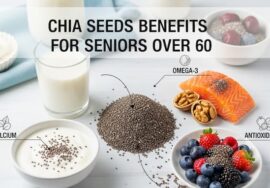
Skip the sugar cereal crash. Instead, try steel-cut oats, chia pudding, or Greek yogurt. These foods digest slowly, releasing energy in a steady stream so you don’t hit that mid-morning slump.

👉 Related: What Are the Main Health Benefits of Chia Seeds
The key concept here is the glycemic index (GI), a measure of how quickly a food raises blood sugar after eating. Steel-cut oats have a GI roughly half that of instant oatmeal or sugary cereal, because their tougher texture takes longer to break down in digestion. Chia seeds add another layer of benefit: when soaked, they form a gel thanks to soluble fiber, which physically slows the movement of food through the stomach and blunts the glucose spike that follows. A study in the Journal of Nutrition found that adding just one tablespoon of chia seeds to a meal reduced the post-meal blood sugar rise by a measurable margin in older adults. Greek yogurt contributes protein, which similarly slows digestion and helps with satiety—useful for seniors managing weight alongside blood sugar. A simple template for a slow-carb breakfast: a half-cup of cooked steel-cut oats topped with a tablespoon of chia seeds, a handful of berries, and a dollop of plain Greek yogurt. This combination provides fiber, protein, and antioxidants in one bowl. For those with swallowing difficulties or on a soft-food diet, chia pudding made the night before (chia seeds soaked in milk or a milk alternative) offers the same benefits in an easier-to-manage texture.
Hack 4: Gentle Chair Exercises After Meals
An hour after eating, sugar usually peaks. Moving your muscles—even just 10 minutes of seated leg lifts, ankle rolls, or slow hallway laps—pulls glucose from the blood and keeps numbers from climbing too high.

This hack works because of a fascinating piece of muscle physiology: when muscles contract during activity, they can take up glucose from the bloodstream through a pathway that doesn’t require insulin at all—a process that remains effective even in people with insulin resistance. A study published in Diabetologia found that breaking up sitting time with just three minutes of light activity every 30 minutes reduced post-meal glucose spikes by up to 30% in older adults, compared to sitting still for the same period. For seniors with limited mobility, arthritis, or balance concerns, chair-based exercises are ideal because they provide this benefit with minimal fall risk. Simple options include seated marching (lifting knees alternately while seated), ankle pumps and circles, seated leg extensions, and gentle torso twists. The timing matters: doing these movements within 30 to 60 minutes after a meal is when they have the most impact on glucose. A realistic goal is 10 minutes of gentle movement after the day’s largest meal, gradually building up as comfort allows. Anyone with significant balance issues, recent surgery, or cardiovascular conditions should check with a doctor or physical therapist before starting a new movement routine, even a seated one, to ensure it’s appropriate for their specific situation.
Hack 5: Apple Cider Vinegar Evening Trick
Mix a teaspoon of apple cider vinegar in warm water before dinner. It slows down how quickly carbs like bread or pasta turn into sugar, so your levels rise more gradually. If the tart taste bothers you, add a touch of honey to smooth it out.

Apple cider vinegar’s effect on blood sugar comes from acetic acid, which appears to slow the breakdown of starches in the stomach and may also improve how muscle cells respond to insulin after a meal. A small but often-cited study in Diabetes Care found that taking vinegar before a high-carbohydrate meal reduced the after-meal blood sugar rise by about 20% in participants with insulin resistance. The effect is modest but can add up as part of a broader routine. For seniors, a few safety points are worth knowing: undiluted vinegar can erode tooth enamel and irritate the throat or esophagus, so it should always be diluted—roughly one teaspoon in a full glass of water—and never taken straight. People with gastroparesis (delayed stomach emptying, common in long-standing diabetes) should be cautious, as vinegar can sometimes worsen the fullness or nausea associated with that condition. Apple cider vinegar can also interact with certain diuretics and medications that affect potassium levels, so anyone on these medications should mention this habit to their doctor. As with the other hacks, starting with a smaller amount—say, half a teaspoon—and monitoring how it feels before working up to a full teaspoon is a sensible approach.
Hack 6: Magnesium-Rich Greens Snack
Magnesium often runs low in older adults, and without it, glucose is harder to control. A handful of pumpkin seeds, a few almonds, or a serving of spinach adds back this mineral while supporting heart and bone health.

Magnesium plays a surprisingly central role in blood sugar regulation: it’s a required cofactor for over 300 enzymatic reactions, including several involved in how insulin signals cells to absorb glucose. Research published in Diabetes & Metabolism Journal has linked low magnesium levels with both insulin resistance and a higher risk of developing type 2 diabetes. Unfortunately, magnesium intake tends to decline with age—partly due to reduced absorption in the gut, and partly because certain common medications, including some diuretics and proton pump inhibitors (PPIs) used for acid reflux, can deplete magnesium over time. A practical daily target for most adults is around 320-420 mg, achievable through a small handful (about an ounce) of pumpkin seeds or almonds, a cup of cooked spinach, or a serving of black beans. For seniors with kidney disease, magnesium supplements specifically should be approached carefully and only under medical guidance, since impaired kidneys can struggle to clear excess magnesium, leading to dangerously high levels. Food sources, by contrast, are generally safe even with mild kidney issues because the amounts are more modest and come packaged with fiber and other nutrients. A small bag of roasted pumpkin seeds kept by the favorite reading chair is an easy way to build this habit without much planning.
Hack 7: Bedtime Herbal Tea Routine
If restless nights are familiar, it could be sugar swings. A warm cup of chamomile or cinnamon tea before bed helps the body relax and keeps levels steadier overnight. It’s a simple way to close the day on a calmer note.

The link between sleep and blood sugar runs in both directions, which is part of why this final hack matters so much. Poor sleep raises cortisol and reduces insulin sensitivity the following day—a single night of short sleep can measurably worsen glucose tolerance, according to research in the Journal of Clinical Endocrinology & Metabolism. At the same time, blood sugar swings—particularly drops during the night for those on certain diabetes medications—can cause restless sleep, night sweats, or early waking, creating a frustrating cycle. Chamomile tea contains apigenin, a plant compound that binds to certain brain receptors associated with relaxation and may modestly ease the transition into sleep, while being naturally caffeine-free, which is itself important since caffeine late in the day can both disrupt sleep and affect glucose readings the next morning. Cinnamon tea offers a gentler version of the same blood-sugar-supporting compounds discussed in Hack 2, in a soothing, low-effort format. For seniors on sedatives, sleep medications, or anti-anxiety medications, it’s worth checking with a doctor or pharmacist before adding chamomile regularly, as it can have mild additive effects with these drugs. Establishing this tea ritual 30-60 minutes before bed, paired with dimming lights and stepping away from screens, rounds out a wind-down routine that supports both better sleep and steadier morning glucose readings.
Lifestyle Habits That Reinforce These Hacks
- Eat on a regular schedule.
- Make half your plate vegetables or fruit.
- When stress shows up, pause to stretch or breathe.
- Aim for seven to eight hours of sleep most nights.
These basics make the seven hacks even more effective.
Each of these four habits addresses a different piece of the blood sugar puzzle, and together they create a kind of safety net around the more specific hacks above. Eating on a regular schedule helps because the body’s hormone systems—including insulin release—operate on circadian rhythms; skipping meals and then eating a large dinner, a common pattern among seniors living alone, can produce a much larger glucose spike than the same food spread across regular meals. Filling half the plate with vegetables or fruit isn’t just about vitamins—it’s about volume and fiber, which physically displace more glycemic foods and slow overall digestion. The stress connection is often underestimated: when the body perceives stress, it releases cortisol and adrenaline, both of which signal the liver to release stored glucose, raising blood sugar even without eating anything. A few minutes of slow breathing, a short walk, or simply stepping outside can blunt this stress response—research from the American Psychological Association has documented measurable drops in stress hormones after even brief mindfulness practices. Sleep ties everything together, as noted in Hack 7. For seniors managing multiple health priorities, these four habits are worth keeping visible—a note on the refrigerator or a simple daily checklist can help turn them from good intentions into automatic routines.
Final Thoughts
Tom Hanks’ confession hit headlines because it showed how common these issues are. But what mattered most was what he did next: small changes, done daily, that made the difference. For seniors across the U.S., the same approach can keep sugar steady without piling on new prescriptions.
If there’s one takeaway from these seven hacks, it’s that consistency beats intensity. None of these changes require a gym membership, an expensive supplement haul, or a complete diet overhaul—they’re small adjustments layered into a day that already exists. Many seniors find it easiest to add just one or two hacks at a time, giving each a couple of weeks to become routine before adding another. Tracking progress doesn’t have to mean obsessive number-checking; even noticing things like more stable energy after lunch, fewer afternoon slumps, or better sleep can be meaningful signs that these habits are working. For anyone managing diabetes or prediabetes, these hacks work best as a complement to regular check-ups, A1C testing, and open conversations with a healthcare provider about how lifestyle changes might affect medication needs over time. The goal isn’t to replace medical care—it’s to give the body every advantage so that, together with appropriate medical support, blood sugar stays in a healthier range for years to come.
Frequently Asked Questions (Google Discover Optimized)
Q1. Can seniors manage blood sugar naturally?
Often yes. Habits like steady hydration, slow-carb breakfasts, and short movement breaks can shift numbers in the right direction.
Q2. Is cinnamon safe every day?
Most people do fine with ½–1 teaspoon of Ceylon cinnamon daily. If you take medications, check first with your doctor.
Q3. Does apple cider vinegar work quickly?
Don’t expect an overnight fix. Many people notice steadier readings after a few weeks of consistent use.
Q4. Why start the morning with water?
Because sleep dehydrates you. Rehydrating before breakfast keeps early glucose from spiking too high.
Q5. What if I can’t walk after meals?
Seated stretches—like ankle circles or knee lifts—work too. The muscle activity is what helps.
Q6. How does magnesium affect sugar?
It supports insulin’s work. Foods like pumpkin seeds, almonds, and leafy greens are easy ways to get more.
Q7. Is bedtime tea safe for seniors?
Chamomile and cinnamon teas are caffeine-free. If you take sedatives or sleep aids, check with your provider first.
Q8. Do slow-carb breakfasts really help?
Yes. Foods like oats or chia pudding digest slowly, so your energy lasts longer and sugar stays steadier.
Q9. Should I stop my medications if I try these hacks?
No. Keep following your treatment plan and talk to your doctor before making any changes.
Q10. How soon will I notice results?
Many seniors report feeling more energetic and seeing steadier numbers after two to four weeks.
⚕️ Medical Disclaimer
The information provided on this page is for educational purposes only and is not intended as medical advice, diagnosis, or treatment. Always consult a qualified healthcare professional before making changes to your diet, starting any supplement, or if you have an existing medical condition. KeepFitQuote does not provide medical diagnoses or treatment recommendations. Read our full disclaimer.
Related Posts