Prostate cancer is one of the most common cancers among men. Early detection significantly improves the chances of successful treatment and long-term survival. Recognizing the signs of prostate cancer early — before symptoms become pronounced — can be genuinely life-saving, making awareness and regular screening two of the most important health habits any man over 50 can build.
Prostate cancer is the second most common cancer in American men, after skin cancer, and the second leading cause of cancer death after lung cancer. The American Cancer Society estimates that roughly 1 in 8 men will be diagnosed with prostate cancer during his lifetime. The good news: when detected early — while it is still confined to the prostate gland — the five-year relative survival rate is nearly 100%. This makes understanding the early warning signs not just useful but potentially life-saving.
The prostate is a small walnut-shaped gland that sits below the bladder and surrounds the urethra, the tube through which urine and semen exit the body. Because of this location, many of the earliest signs of prostate cancer involve changes in urination or sexual function. However, in its earliest stages, prostate cancer often causes no symptoms at all — which is exactly why routine screening through PSA testing and digital rectal examination (DRE) matters so much for men over 50, or over 40 for those with elevated risk factors.
This article walks through the full spectrum of prostate cancer signs — from the subtle early indicators to the more serious symptoms of advanced disease — so that you and the men in your life can recognize what to watch for and when to seek medical attention promptly.
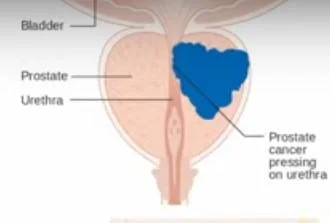
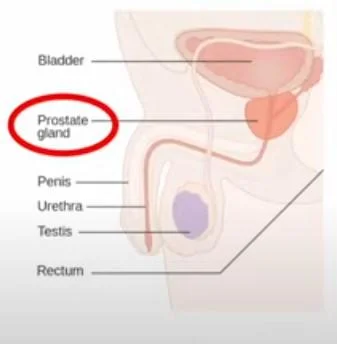
Table of Contents
- Early Signs of Prostate Cancer
- Early Detection and Survival Rates
- Signs and Symptoms of Advanced Prostate Cancer
- Stage 4 Prostate Cancer Symptoms
- Uncommon Symptoms of Prostate Cancer
- Causes and Risk Factors
- Prostate Cancer Symptoms and Treatment
- Conclusion
Early Signs of Prostate Cancer
In the early stages of prostate cancer, symptoms may be subtle or even nonexistent. However, some early symptoms of prostate cancer to watch for include:
- Frequent urination: Especially at night (nocturia).
- Difficulty urinating: Trouble starting or maintaining a steady urine stream.
- Weak urine flow: Reduced pressure in the urinary stream.
- Blood in urine: Known as hematuria, it can indicate prostate issues.
- Painful urination or ejaculation: These can be signs of prostate inflammation or early cancer.
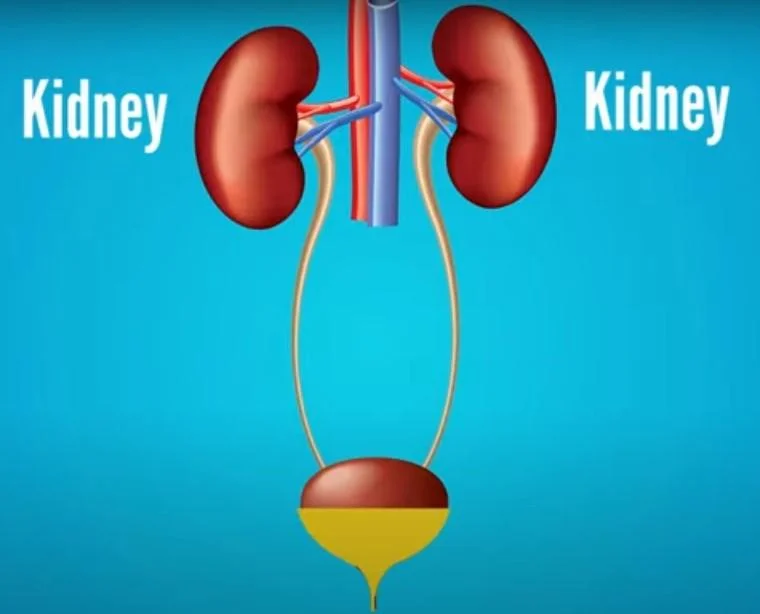
It’s important to understand that these urinary symptoms are not exclusive to prostate cancer — they are also hallmark signs of benign prostatic hyperplasia (BPH), a very common non-cancerous enlargement of the prostate that affects more than half of men over 60. This overlap is actually one of the reasons prostate cancer can be missed in its early stages: men experiencing these symptoms often attribute them to normal aging or BPH and delay seeking evaluation.
The crucial distinction is that these symptoms should always be evaluated by a physician, regardless of the suspected cause. A PSA blood test, combined with a physical examination, can help distinguish between BPH and cancer and determine whether further investigation (such as an MRI or biopsy) is warranted. The American Urological Association recommends that men aged 55–69 discuss PSA screening with their doctor, and that high-risk men — those with a first-degree relative diagnosed with prostate cancer before age 65, or Black men who have approximately twice the incidence rate — consider beginning discussions at age 40–45.
Nocturia (waking two or more times per night to urinate) deserves particular attention as an early indicator. While it has multiple causes, a 2021 population study in European Urology found that men reporting significant nocturia were more likely to have prostate-related pathology detected on subsequent workup. Don’t dismiss nighttime bathroom trips as simply “getting older” — mention them at your next annual physical.
Early Detection and Survival Rates
Early detection through PSA (prostate-specific antigen) testing or digital rectal exams can significantly improve survival rates. Men over 50, or those with a family history of prostate cancer, should discuss regular screening with their doctor.
PSA is a protein produced by both normal and malignant prostate cells. Elevated PSA levels in the blood can signal cancer, though they can also be caused by BPH, prostatitis (prostate infection), or even vigorous exercise. A PSA level below 4.0 ng/mL is generally considered normal, but the trend over time — called PSA velocity — is often as informative as any single reading. A rapidly rising PSA, even within the “normal” range, can warrant further investigation.
The survival rate data for prostate cancer is striking and directly tied to stage at diagnosis. When caught at the localized stage (confined to the prostate), the 5-year relative survival rate approaches 100%. For regional spread (to nearby lymph nodes), it remains above 99%. It is only at the distant metastatic stage — when cancer has spread to bones or other organs — that survival rates drop significantly, to approximately 30%. These numbers make a compelling case: the earlier the catch, the better the outcome.
| Stage at Detection | 5-Year Relative Survival Rate |
|---|---|
| Localized (confined to prostate) | ~100% |
| Regional (nearby lymph nodes) | ~99% |
| Distant (metastatic) | ~30% |
Despite this evidence, a significant portion of American men still do not undergo routine prostate cancer screening. Cultural reluctance, fear of the digital rectal exam, and conflicting public guidance have all contributed to under-screening. If you are a man over 50 reading this — or a caregiver or partner of one — this is a concrete, actionable step you can take today: schedule a conversation with a primary care physician about PSA screening. It takes minutes and could genuinely save a life.
Signs and Symptoms of Advanced Prostate Cancer
As prostate cancer progresses, symptoms become more pronounced. Stage 2 and stage 3 prostate cancer symptoms may include:
- Persistent lower back pain: Often linked to prostate cancer spread to the spine.
- Pelvic pain or discomfort: A dull ache in the groin area.
- Prostate cancer back pain: A common symptom in advanced stages.
- Weight loss and fatigue: Unexplained weight loss and ongoing tiredness.
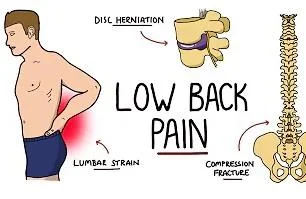

Lower back pain is one of the most commonly overlooked signs of advancing prostate cancer because it is also one of the most common complaints in American adults generally — affecting roughly 80% of people at some point in their lives. The distinction lies in the character and context of the pain: prostate-cancer-related back pain tends to be deep, aching, and persistent, does not resolve with rest or standard analgesics, and is often worse at night. It may be accompanied by a dull, persistent ache in the hips, thighs, or pelvis.
When prostate cancer spreads beyond the gland itself, it most commonly involves the pelvic lymph nodes first, then the bones of the spine, pelvis, and hips. The tumor can also begin to press on the urethra or other pelvic structures as it grows locally, leading to worsening urinary symptoms even if the cancer hasn’t metastasized. This is why men who experience a sudden worsening of urinary symptoms they thought were “just BPH” should return to their doctor for reassessment rather than simply increasing their BPH medication.
Unexplained weight loss — typically defined as losing more than 5% of body weight over 6–12 months without trying — is a significant systemic sign that warrants urgent medical evaluation in any context. In the setting of known or suspected prostate cancer, it suggests the cancer is placing significant metabolic demands on the body and may be progressing. If you or someone you care for is experiencing this combination of symptoms, don’t delay seeking medical attention.
Stage 4 Prostate Cancer Symptoms
In the advanced stages, prostate cancer can metastasize to other parts of the body, such as the bones, liver, or lungs. Stage 4 prostate cancer symptoms may include:
- Severe bone pain: Especially in the hips, spine, and thighs.
- Swelling in legs or feet: Due to lymph node involvement.
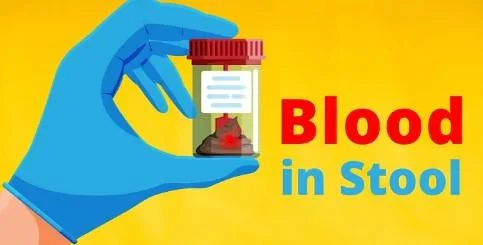
- Blood in stool or urine: A sign of cancer spread to the bladder or bowel.
- Night sweats and fever: Common in terminal stages.
- Fatigue and dizziness: Resulting from widespread disease.



Prostate cancer has a particular affinity for bone — it spreads to the skeleton in the majority of men with metastatic disease, most commonly affecting the spine, pelvis, ribs, and femur (thigh bone). Bone metastases cause pain through several mechanisms: direct destruction of bone architecture, pressure on nerve roots, and the release of pain-signaling chemicals by the tumor. This is why the bone pain of metastatic prostate cancer is characteristically severe, constant, and poorly responsive to over-the-counter pain medications.
Leg swelling (lymphedema) in stage 4 prostate cancer results from cancer cells blocking the lymphatic drainage channels in the pelvis, causing fluid to accumulate in the lower extremities. It can be unilateral (one leg) or bilateral and is often accompanied by a sensation of heaviness or tightness. Compression garments, elevation, and lymphatic massage can help manage this symptom, and oncology nurses specializing in lymphedema are invaluable members of the care team at this stage.
For men and families navigating stage 4 prostate cancer, it is worth knowing that significant progress has been made in extending life and maintaining quality of life at this stage. Newer hormonal agents (enzalutamide, abiraterone), bone-targeting therapies (denosumab, zoledronic acid), PARP inhibitors for men with BRCA mutations, and immunotherapy approaches have all changed the landscape of metastatic prostate cancer treatment over the past decade. A referral to a major cancer center or urologic oncologist specializing in advanced prostate cancer is strongly advisable to ensure access to the full range of current options and clinical trials.
Uncommon Symptoms of Prostate Cancer
Some unusual prostate cancer symptoms include:
- Testicle pain or swelling: Indicates possible cancer spread.
- Itchy or burning sensation: Rare but may occur after radiation treatment.
- Digestive issues: Such as diarrhea or constipation if cancer spreads to the bowel.
- Prostate cancer brain metastases symptoms: Including headaches, dizziness, or cognitive changes.

Brain metastases from prostate cancer are relatively rare — occurring in an estimated 1–4% of metastatic cases — but they are worth knowing about because the symptoms they produce can be alarming and are sometimes initially attributed to other conditions. Neurological symptoms such as persistent headaches, visual disturbances, balance problems, personality changes, or new cognitive difficulties in a man with known prostate cancer should prompt immediate medical evaluation including brain imaging.
Radiation-related side effects, including urinary burning, rectal irritation, and skin sensitivity in the treated area, are a distinct category of symptoms that are caused by treatment rather than the cancer itself. Men undergoing external beam radiation therapy or brachytherapy for prostate cancer should have an open conversation with their radiation oncologist about expected side effects and their timeline — most acute radiation effects resolve within several weeks of completing treatment, though some late effects can persist.
Digestive changes — particularly new onset constipation, diarrhea, or rectal bleeding — in a man with prostate cancer history always warrant evaluation. While these symptoms are common in the general population for benign reasons, in the context of prostate cancer they may indicate spread to the rectum or pelvic structures and should not be self-managed with over-the-counter remedies without first ruling out cancer-related causes.
Causes and Risk Factors
The exact cause of prostate cancer remains unclear, but risk factors include:
- Age: Most common in men over 50.
- Family history: A family history of prostate or breast cancer increases risk.
- High PSA levels: Elevated PSA can indicate prostate problems.
- Diet and lifestyle: High-fat diets and obesity may contribute.
Race and ethnicity represent one of the most significant and underappreciated risk factors for prostate cancer. Black men in the United States are approximately 70% more likely to develop prostate cancer and more than twice as likely to die from it compared to white men. The reasons are multifactorial — including both biological differences (certain gene variants are more prevalent in men of African ancestry) and systemic barriers to equitable screening and care access. This disparity makes it particularly important that Black men and their healthcare providers discuss earlier and more frequent screening.
The genetic link to BRCA1 and BRCA2 mutations — genes most commonly associated with breast and ovarian cancer — is increasingly recognized in prostate cancer as well. Men carrying BRCA2 mutations have a significantly elevated lifetime risk of prostate cancer and tend to develop more aggressive disease. If you have a family history of breast, ovarian, or prostate cancer across multiple generations, genetic counseling and testing may provide important information for your own cancer screening strategy.
On the lifestyle side, emerging evidence links a Western dietary pattern — high in red and processed meats, refined carbohydrates, and saturated fats — with increased prostate cancer risk and more aggressive disease behavior. Conversely, diets rich in tomatoes (lycopene), cruciferous vegetables (sulforaphane), green tea (EGCG), and omega-3 fatty acids have been associated with reduced risk in observational studies. While no dietary intervention has been proven to prevent prostate cancer, the Mediterranean dietary pattern is broadly supported by oncology organizations as a sensible lifestyle strategy for cancer risk reduction overall.
Prostate Cancer Symptoms and Treatment
Treatment Options:
- Surgery: Removal of the prostate gland (prostatectomy) is common in early stages.
- Radiation Therapy: Targets cancer cells in localized and advanced stages.
- Hormone Therapy: Reduces testosterone levels, slowing cancer growth.
- Chemotherapy: Used for aggressive or metastatic prostate cancer.
Managing Symptoms:
- Pain Management: Medications for bone and back pain.
- Dietary Changes: Low-fat, plant-based diets may improve outcomes.
- Physical Therapy: Helps with mobility and strength.
- Support Groups: Emotional support for patients and families.
One option increasingly offered to men with low-risk, localized prostate cancer is active surveillance — a carefully monitored approach of watchful waiting rather than immediate treatment. Because many early-stage prostate cancers grow very slowly and may never cause harm during a man’s lifetime, active surveillance avoids the side effects of treatment (which can include urinary incontinence and erectile dysfunction) while maintaining close monitoring through regular PSA tests, biopsies, and MRI imaging. It is a legitimate, guideline-endorsed strategy for appropriate patients, and not a case of “doing nothing.”
For men undergoing hormone therapy (androgen deprivation therapy, or ADT), understanding the full picture of side effects is essential. ADT reduces testosterone, which slows prostate cancer growth but also causes hot flashes, decreased libido, loss of muscle mass, increased body fat, mood changes, and accelerated bone loss (osteoporosis). Men on long-term ADT should discuss bone-protective strategies — including calcium, vitamin D, weight-bearing exercise, and potentially bisphosphonate medications — with their oncologist.
The emotional and psychological toll of a prostate cancer diagnosis is real and deserves attention. Research published in Cancer journal found that men with prostate cancer have significantly elevated rates of anxiety and depression, yet are far less likely than women with cancer to access psychological support services. Organizations like the Prostate Cancer Foundation, ZERO — The End of Prostate Cancer, and the American Cancer Society all offer peer support, caregiver resources, and clinical trial matching tools that can make a meaningful difference in navigating diagnosis and treatment.
Conclusion
Understanding the signs and symptoms of prostate cancer can lead to earlier diagnosis and improved outcomes. Regular screenings, awareness of risk factors, and open communication with healthcare providers are key to managing prostate health. Men over 50 — and those at elevated risk — should prioritize discussing PSA testing and prostate health with their physician at every annual visit.
The most important takeaway from this article is simple: don’t wait for symptoms to seek screening. By the time prostate cancer produces noticeable symptoms, it has often progressed beyond its earliest, most treatable stage. Routine PSA testing exists precisely to catch this cancer before it announces itself — and for the millions of American men who are currently not receiving regular prostate cancer screening, starting that conversation with a doctor is the single most impactful step they can take for their long-term health.
Share this article with the men in your life. Prostate cancer touches nearly every extended family in America, and awareness — combined with the will to act on it — saves lives.
This article is for general informational purposes only and does not constitute medical advice, diagnosis, or treatment. Always consult a qualified physician or urologist regarding any symptoms or health concerns. Early-stage prostate cancer often has no symptoms — regular medical screening is essential and cannot be replaced by symptom awareness alone. The author and publisher accept no liability for any action taken based on this content.
⚕️ Medical Disclaimer
The information provided on this page is for educational purposes only and is not intended as medical advice, diagnosis, or treatment. Always consult a qualified healthcare professional before making changes to your diet, starting any supplement, or if you have an existing medical condition. KeepFitQuote does not provide medical diagnoses or treatment recommendations. Read our full disclaimer.
Related Posts