
The health benefits of berries have long been celebrated, but their specific impact on kidney health is a topic gaining increasing attention among researchers and healthcare professionals. Rich in antioxidants, vitamins, and anti-inflammatory compounds, berries offer a natural and delicious way to support kidney function and protect against kidney disease. For adults over 50 — who face the greatest risk of kidney function decline — understanding exactly which berries help, why they work, and how much to eat provides actionable guidance that food alone can deliver.
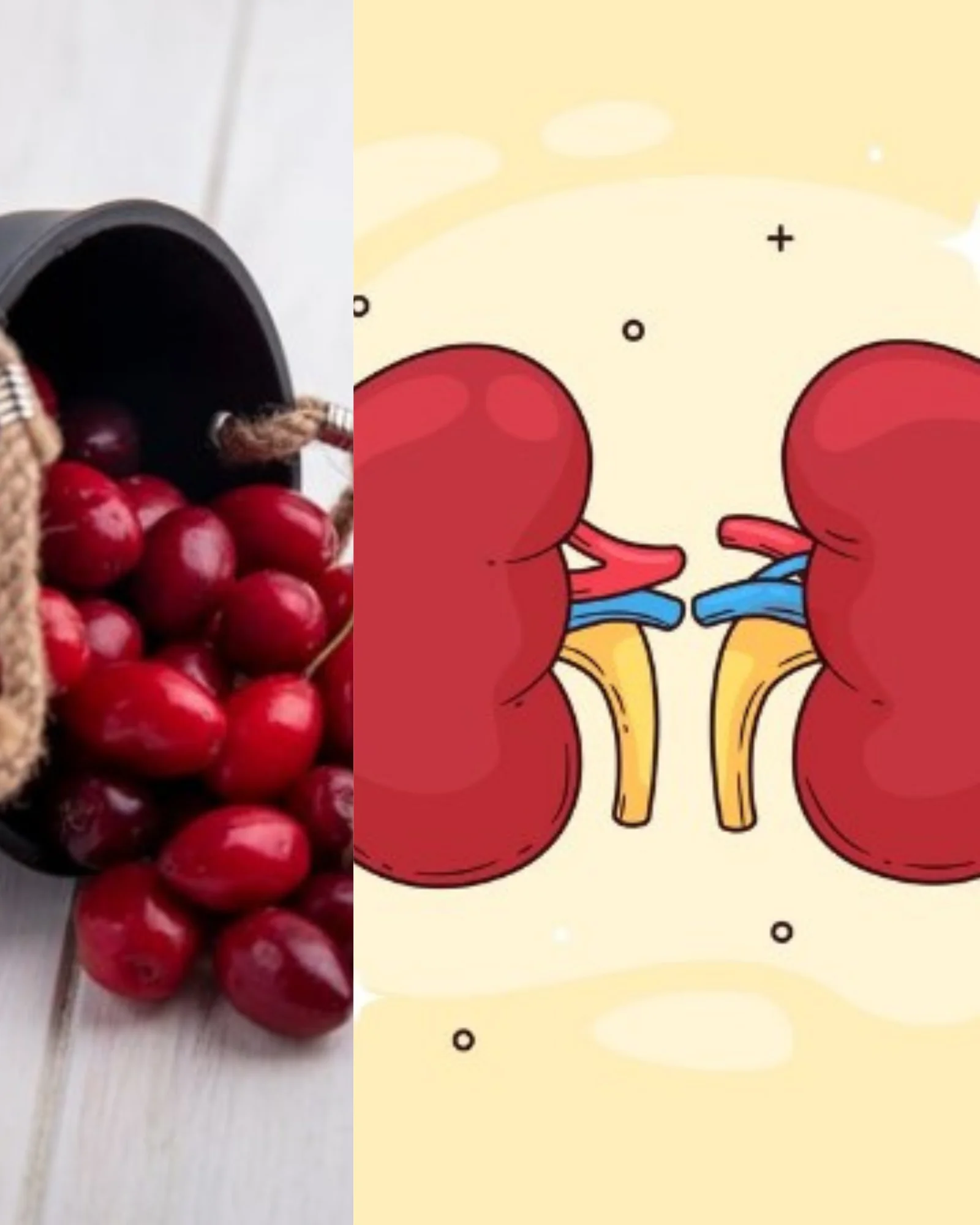
The kidneys are two of the body’s most metabolically active organs, filtering approximately 50 gallons of blood per day to remove waste products, regulate electrolyte balance, control blood pressure through the renin-angiotensin system, and produce erythropoietin (which drives red blood cell production). Their enormous workload makes them particularly vulnerable to oxidative stress and inflammation — the same processes that berries’ phytonutrients address most directly. Chronic kidney disease (CKD) affects approximately 37 million American adults, and its prevalence rises steeply with age: roughly 38% of adults over 65 have some degree of CKD, often without knowing it. While advanced CKD requires specialized dietary management (including careful potassium and phosphorus limitation), for adults with normal to mildly reduced kidney function, a berry-rich dietary pattern consistently shows kidney-protective effects in both epidemiological studies and clinical trials. This guide covers each of the four primary kidney-supporting berries with specific attention to the compounds responsible, the mechanisms by which they help, and the practical portions and preparations that maximize benefit.
Table of Contents
Blueberries: The Antioxidant Powerhouse
Blueberries are renowned for their high levels of anthocyanins, a type of antioxidant that helps reduce oxidative stress — one of the key factors in kidney damage and disease progression. Studies have shown that regular blueberry consumption can improve kidney function markers and reduce inflammation in the renal tissue. Their low potassium content makes them particularly suitable for individuals managing kidney disease under medical supervision.

The anthocyanins in blueberries — primarily delphinidin, cyanidin, and malvidin glycosides — are among the most potent natural inhibitors of nuclear factor kappa B (NF-κB), the master transcription factor driving inflammatory cytokine production in kidney cells. A 2019 study published in the Journal of Nutritional Biochemistry found that blueberry anthocyanin supplementation significantly reduced urinary albumin excretion (a key marker of kidney damage) and decreased renal fibrosis in a diabetic nephropathy animal model. For context, diabetic nephropathy is the leading cause of kidney failure in the United States, making blueberries particularly relevant for the estimated 34 million Americans with diabetes who face elevated kidney disease risk. In humans, a 2015 clinical trial found that wild blueberry consumption improved endothelial function (critical for healthy kidney blood vessels) and reduced inflammatory biomarkers in metabolic syndrome patients — a population at high CKD risk. The low potassium content of blueberries (approximately 57 mg per half-cup) is an important practical consideration: while potassium is essential for most adults, those with late-stage CKD often need to restrict it, and blueberries are one of the few fruits that remain safe even at these stages. Fresh or frozen wild blueberries deliver the highest anthocyanin concentrations; one cup daily is a practical, evidence-aligned target for most adults.
Raspberries: The Inflammation Fighter
Raspberries are another excellent addition to a kidney-friendly diet. They contain ellagic acid, a compound with powerful anti-inflammatory and antioxidant properties that helps neutralize harmful free radicals. Additionally, their high fiber content promotes digestive health and helps regulate blood sugar levels, which is especially important for preventing diabetic nephropathy — the leading cause of kidney failure in the United States.

Ellagic acid in raspberries works through a fascinating two-stage mechanism. First, ellagic acid itself exerts direct antioxidant activity in the gut. Then, as it passes through the large intestine, gut bacteria transform it into urolithins — a class of compounds that are actually more bioavailable and more pharmacologically active than the parent molecule. Urolithins have been shown in multiple studies to activate autophagy in kidney cells (the cellular housekeeping process that clears damaged proteins and organelles) and to reduce inflammation through direct inhibition of pro-inflammatory enzyme pathways. Research from the Oregon State University Linus Pauling Institute has demonstrated that urolithin A specifically protects kidney tubular cells from cisplatin-induced (chemotherapy-related) nephrotoxicity by reducing oxidative stress and inflammation. While this specific application is clinical, the underlying mechanism — urolithin-mediated kidney cell protection — is relevant to the general population’s kidney health too. Beyond ellagic acid, raspberries provide ketones (not to be confused with dietary ketones), which have been studied for their effects on adiponectin production and insulin sensitivity — both of which influence kidney health through blood pressure and glucose regulation pathways. One cup of fresh raspberries provides 8 grams of dietary fiber, roughly 29% of the daily recommendation for adults over 50, supporting the gut microbiome diversity that produces urolithins and maintaining the bowel regularity that reduces the nitrogen load the kidneys must filter.
Blackberries: A Nutrient-Rich Ally
Blackberries are packed with vitamins C and K, as well as fiber, which supports overall health and kidney function. The high vitamin C content helps combat oxidative stress, while the fiber aids in maintaining healthy blood sugar and cholesterol levels. These factors collectively reduce the risk of conditions like hypertension and diabetes, which are major contributors to kidney damage over time.

Blackberries offer a particularly impressive combination of anthocyanins and ellagitannins alongside their vitamin C and K content — making them arguably the most comprehensively kidney-supportive berry when all active compounds are considered together. A half-cup of blackberries provides approximately 15 mg of vitamin C (17% of the daily recommended value), which plays a direct role in regenerating vitamin E from its oxidized form and supporting the glutathione antioxidant system that protects renal tubular cells from oxidative damage. Vitamin K, meanwhile, is increasingly recognized as relevant to kidney health through its role in activating matrix GLA protein (MGP) — a vitamin K-dependent protein that inhibits vascular calcification, including in the renal arteries and glomerular capillaries. Vascular calcification in kidney vessels is a major driver of declining kidney function in older adults, particularly those with diabetes or cardiovascular disease. A 2019 study in the American Journal of Clinical Nutrition found that higher vitamin K2 intake was associated with significantly lower rates of vascular calcification and better kidney function preservation in a cohort of CKD patients. While blackberries contain primarily vitamin K1 rather than K2, adequate dietary K1 contributes to the overall vitamin K status that supports MGP activation. At only 62 mg of potassium per half-cup and with a low phosphorus content, blackberries are kidney-safe even for many adults with mild to moderate CKD — though always confirm with a renal dietitian if you have a formal CKD diagnosis.
Strawberries: The Heart and Kidney Protector
Strawberries are not only delicious but also rich in antioxidants like anthocyanins and ellagitannins that support both cardiovascular and kidney health. Their anti-inflammatory properties help reduce the risk of chronic conditions that can damage the kidneys over time, including hypertension and atherosclerosis. Furthermore, strawberries are one of the lowest-potassium fruits available, making them ideal for those managing kidney disease.

The cardiovascular-kidney connection that strawberries support is one of the most clinically important relationships in nephrology. The heart and kidneys are interdependently linked through the cardiorenal syndrome: kidney disease accelerates cardiovascular disease, and cardiovascular disease accelerates kidney disease, creating a reinforcing cycle that drives both organ systems toward failure simultaneously. Strawberries address this cycle from multiple angles. Their anthocyanins improve endothelial function and reduce arterial stiffness — the vascular changes that drive hypertension, which is both a cause and a consequence of kidney damage. A 2019 randomized crossover trial published in the British Journal of Nutrition found that daily strawberry consumption significantly reduced both systolic blood pressure and oxidized LDL cholesterol in adults with metabolic syndrome over an 8-week period. The reduction in oxidized LDL is particularly relevant for kidney health: oxidized LDL particles accumulate in mesangial cells of the kidney glomeruli, driving the glomerulosclerosis (scarring) that progressively reduces filtration capacity. Strawberries are also a significant source of folate (approximately 36 mcg per cup, 9% of the daily recommended value) — a B vitamin that supports the homocysteine methylation cycle. Elevated homocysteine is an independent risk factor for kidney disease progression, and adequate folate intake helps maintain homocysteine at healthy levels.
The Role of Berries in Managing Kidney Health
Berries’ ability to improve kidney health lies in their capacity to tackle key risk factors such as oxidative stress, inflammation, high blood pressure, and elevated blood sugar. By addressing these underlying mechanisms, berries provide a holistic approach to kidney health management that complements medical treatment while supporting long-term prevention.
The evidence for berries’ kidney health benefits is most robust in the context of CKD risk reduction and early-stage protection, rather than reversal of established advanced disease. A landmark 2019 systematic review published in Advances in Nutrition analyzed 22 studies on polyphenol-rich foods and kidney health outcomes, finding that berry consumption consistently reduced urinary albumin excretion (the earliest measurable sign of kidney damage), improved eGFR (estimated glomerular filtration rate, the primary measure of kidney function), and reduced markers of renal oxidative stress and inflammation. The magnitude of benefit was comparable to some pharmaceutical interventions at the risk-reduction stage. For the three primary risk factors that berries address — oxidative stress, inflammation, and hypertension — the mechanisms are increasingly well understood: anthocyanins directly scavenge reactive oxygen species in kidney tubular cells; ellagitannins and their urolithin metabolites reduce NF-κB-driven inflammatory cytokine production in renal tissue; and the combination of potassium, magnesium, and endothelium-protective polyphenols in berries supports the blood pressure regulation that the kidneys themselves regulate through the renin-angiotensin system. Eating a diverse mix of berries — rather than relying on a single variety — provides the broadest phytonutrient coverage, since different berry species excel in different compound families.
Incorporating Berries Into Your Diet
Adding berries to your daily diet is simple and versatile. Enjoy them fresh as a snack, blend them into smoothies, or mix them into oatmeal and yogurt for a nutritious breakfast. Frozen berries are equally nutritious, often more affordable, and available year-round — making consistent daily intake achievable regardless of season. When choosing berries for kidney health, opt for varieties with no added sugars or artificial additives.

A practical daily berry framework for kidney health: aim for one to one-and-a-half cups of mixed berries per day, distributed across two eating occasions for broader phytonutrient coverage. A half-cup of blueberries and a half-cup of strawberries at breakfast (mixed into Greek yogurt or oatmeal) provides approximately 120 mg of anthocyanins, 45 mg of vitamin C, and 4 grams of fiber — meaningful contributions to the daily kidney-protective nutrient targets. The second half-cup (raspberries or blackberries as a snack or dessert) adds ellagic acid, additional fiber, and the urolithin precursors that support kidney tubular cell autophagy. For people managing established CKD, one important nuance: while berries are generally low in potassium and phosphorus compared to other fruits, total daily potassium intake from all food sources matters, and portion sizes should be confirmed with your renal dietitian based on your specific stage of CKD and laboratory values. For the majority of adults over 50 without a formal CKD diagnosis, no restriction is needed — and the kidney-protective benefits of regular berry consumption are available to this entire group through ordinary dietary choices, without supplements, without specialized products, and without significant cost if frozen varieties are purchased.
Final Thoughts
Berries — including blueberries, raspberries, blackberries, and strawberries — are not just tasty treats; they are nutritional powerhouses that can play a meaningful role in protecting and supporting kidney health. Their rich antioxidant, anti-inflammatory, and blood pressure-regulating properties make them valuable allies in the prevention and management of kidney disease. By incorporating a variety of berries into your daily diet, you can take a proactive step toward better kidney health and overall well-being.
The evidence reviewed in this guide consistently supports berries as one of the most kidney-beneficial food categories available — and they bring this benefit alongside contributions to cardiovascular health, cognitive function, blood sugar regulation, and gut microbiome diversity that make their inclusion in a daily diet valuable across multiple health dimensions simultaneously. For adults over 50 concerned about kidney health, the practical conclusion is straightforward: make berries a non-negotiable daily habit. One to one-and-a-half cups of mixed fresh or frozen berries per day is a realistic, affordable, and genuinely effective dietary commitment. Pair them with a diet low in sodium and ultra-processed foods, maintain adequate hydration (six to eight cups of fluid daily, unless restricted by a physician), and maintain regular kidney function monitoring through your annual physical examination — including a urinalysis and serum creatinine/eGFR check, which are standard components of comprehensive metabolic panels. The kidneys respond to care; give them the consistent nutritional support they deserve.
Frequently Asked Questions
Q1. Which berry is best for kidney health?
All four — blueberries, raspberries, blackberries, and strawberries — provide kidney-supportive benefits through overlapping but distinct mechanisms. A mix of all four provides the broadest phytonutrient coverage. If choosing just one, blueberries have the most extensive clinical research for kidney function markers specifically.
Q2. Are berries safe if I have CKD?
For most adults with mild to moderate CKD (Stages 1–3), berries’ low potassium and phosphorus content makes them among the safest fruits available. For advanced CKD (Stages 4–5) with specific potassium or phosphorus restrictions, portion sizes should be confirmed with a renal dietitian based on your laboratory values. Always check with your nephrologist before making significant dietary changes if you have a CKD diagnosis.
Q3. How many berries should I eat per day for kidney health?
One to one-and-a-half cups of mixed berries daily is a practical, evidence-aligned target for adults without specific dietary restrictions. Distributing this across two eating occasions — such as half a cup at breakfast and half a cup as a snack — provides more sustained phytonutrient availability throughout the day.
Q4. Are frozen berries as good as fresh for kidney health?
Yes — and in some cases better, since flash-frozen berries are processed within hours of harvest, preserving anthocyanin and ellagic acid concentrations at levels comparable to or exceeding those of fresh berries that have spent days in transit and on store shelves. Choose frozen berries with no added sugars or syrups.
Q5. Can berries replace kidney medication?
No. Berries are a powerful dietary support for kidney health and risk reduction but are not a substitute for medications prescribed for hypertension, diabetes, or CKD management. Use berries as a complement to medical care, not an alternative to it.
⚕️ Medical Disclaimer
The information provided on this page is for educational purposes only and is not intended as medical advice, diagnosis, or treatment. Always consult a qualified healthcare professional before making changes to your diet, starting any supplement, or if you have an existing medical condition. KeepFitQuote does not provide medical diagnoses or treatment recommendations. Read our full disclaimer.
Related Posts








Helpful abs informative for CKD patients.