
Diet plays a crucial role in shaping a child’s behavior, energy levels, and emotional well-being. As parents, understanding the impact of certain foods on your child’s mood and behavior is essential. Research has shown a connection between specific ingredients and aggression, hyperactivity, and mood swings in children. This article explores how elements like food dyes, artificial additives, and processed foods may influence aggression in kids.
This topic isn’t just relevant to parents of young children, it matters for grandparents and caregivers too. Many grandparents help feed grandchildren regularly, whether through snacks, meals, or treats during visits, and understanding which ingredients can affect behavior helps everyone support a calmer household. Scientists increasingly study what’s called the “gut-brain axis,” the communication network between the digestive system and the brain. Some research suggests that what a child eats can influence neurotransmitter production, blood sugar stability, and inflammation levels, all of which can affect mood and self-control. While diet is rarely the sole cause of behavioral issues, and any persistent aggression or mood concerns should always be discussed with a pediatrician, being mindful of these dietary patterns is a simple, low-risk step families can take alongside other forms of support.



The Role of Food Dyes and ADHD
One of the most significant areas of concern is the relationship between food dyes and ADHD. Studies have highlighted that artificial food coloring, such as blue food colouring, may contribute to hyperactivity in children. For instance, food coloring causes ADHD-like symptoms in some sensitive kids, leading to impulsive behavior and difficulty concentrating.
Children diagnosed with ADHD may experience heightened sensitivity to food dyes and hyperactivity, with specific links between artificial coloring and ADHD being frequently discussed. In fact, parents have often reported behavior improvements after eliminating ADHD food coloring and food dye hyperactivity triggers from their child’s diet.
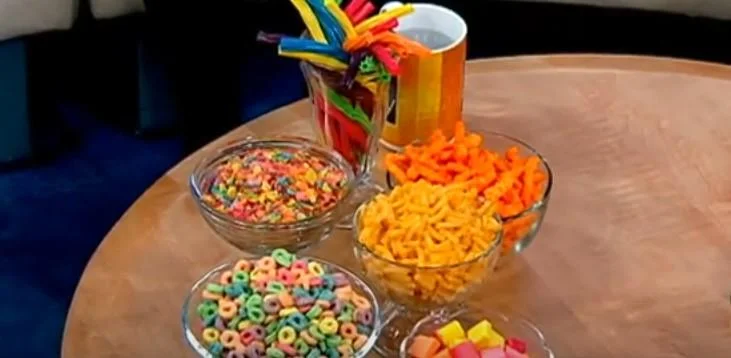
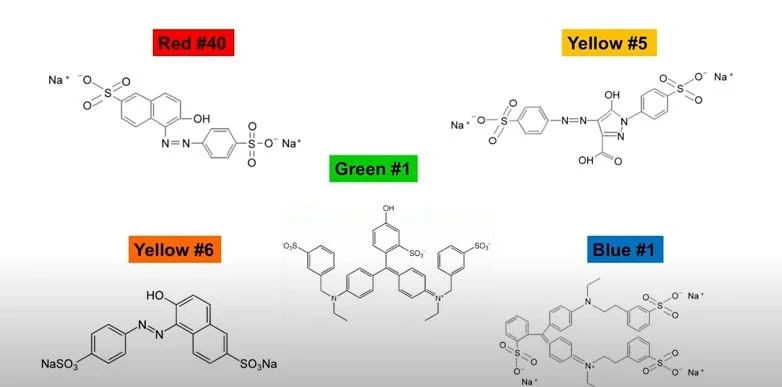
The connection between synthetic food dyes and hyperactivity isn’t a new idea. A widely cited 2007 study from the University of Southampton, published in The Lancet, found that mixtures of common artificial food colors (including Yellow 5, Yellow 6, and Red 40) combined with the preservative sodium benzoate increased hyperactive behavior in children, even those without a prior ADHD diagnosis. The proposed mechanism involves these synthetic dyes potentially affecting histamine release and neurotransmitter pathways, including dopamine and norepinephrine signaling, which play key roles in attention and impulse control. As a result of findings like these, the European Union now requires warning labels on foods containing certain dyes, stating they “may have an adverse effect on activity and attention in children,” though similar labeling is not yet required in the United States. For parents who want to act on this information, a practical first step is checking ingredient labels for Red 40, Yellow 5, Yellow 6, Blue 1, and Blue 2, common names for these dyes, found in everything from breakfast cereals to fruit snacks and sports drinks. If you notice a pattern between consumption of brightly colored foods and your child’s behavior, an elimination trial, ideally done with guidance from a pediatrician or registered dietitian, can help confirm whether a sensitivity exists.
Artificial Additives and Hyperactivity
Beyond food dyes, artificial additives and hyperactivity are closely intertwined. Ingredients such as artificial colors and artificial food dyes are commonly found in candies, snacks, and brightly colored drinks. These substances are notorious for causing hyperactivity in children, with effects ranging from restlessness to extreme aggression.
For children with ADHD, the impact can be even more pronounced. Many parents are unaware that artificial food dyes and hyperactivity are linked, and reducing these additives can lead to noticeable behavioral improvements.
Food dyes are far from the only additives worth watching. Preservatives such as sodium benzoate (often paired with dyes in sodas and condiments), as well as artificial flavorings and certain emulsifiers, have also been studied for their potential effects on gut bacteria and behavior. Emerging research on the gut microbiome suggests that some preservatives may alter the balance of bacteria in the digestive tract, which in turn can affect the production of neurotransmitters like serotonin, much of which is actually made in the gut rather than the brain. While more research is needed to fully understand these connections, a practical approach for families is to prioritize foods with shorter, more recognizable ingredient lists. Reading nutrition labels together with kids can also become a useful teaching moment about nutrition. If a child seems to become noticeably more restless, irritable, or unfocused within a few hours of eating a particular packaged snack or drink, it may be worth keeping a simple food-and-behavior journal for a week or two to identify patterns before discussing them with a healthcare provider.

Processed Foods and Child Aggression
The relationship between diet and behavior is evident in how processed foods and child aggression correlate. Foods high in sugar, preservatives, and high fructose corn syrup can act as aggression triggers in children, causing mood swings and heightened irritability.
For instance, excessive consumption of sugary drinks and snacks has been linked to sugar and aggression in kids, as sugar spikes can cause energy surges followed by dramatic crashes. Similarly, high fructose corn syrup and aggression may fuel mood instability, making children more prone to outbursts.
The biological mechanism behind the “sugar crash” is well understood: when a child consumes a large amount of sugar or refined carbohydrates quickly, blood glucose levels spike rapidly, prompting the pancreas to release a surge of insulin. This can cause blood sugar to drop below baseline within an hour or two, a state sometimes called reactive hypoglycemia, which can trigger irritability, fatigue, difficulty concentrating, and emotional outbursts, symptoms that can look a lot like a tantrum or aggressive episode. Highly processed foods are also often low in protein, fiber, and healthy fats, the nutrients that help slow digestion and keep blood sugar stable over time. A practical strategy is pairing carbohydrate-containing snacks with a source of protein or healthy fat, for example, apple slices with peanut butter instead of a sugary granola bar, which can help smooth out these blood sugar swings. Some research has also pointed to a connection between low omega-3 fatty acid intake and increased aggression and impulsivity in children, making foods like fatty fish, walnuts, and flaxseed worth incorporating into family meals when possible.

Food Dyes and Aggressive Behavior
The link between food and child aggression is not limited to sugar and additives. Research has also indicated that food dyes and aggressive behavior are connected. Dyes that cause hyperactivity, such as those found in brightly colored snacks, may contribute to increased irritability and defiance in some children.
For parents noticing behavior changes after consuming these products, it may be worth exploring whether food dyes linked to hyperactivity are a factor.
In 2021, the California Office of Environmental Health Hazard Assessment released a report reviewing decades of research and concluded that synthetic food dyes can cause or worsen neurobehavioral problems in some children, including inattention, restlessness, and aggression, even at exposure levels considered acceptable by federal regulators. This led California to become the first state to pass legislation restricting certain food dyes in school meals, with the law set to take effect for the 2027-2028 school year. For families wanting to take action sooner, the good news is that many brands now offer dye-free versions of popular snacks, cereals, and drinks, often labeled “no artificial colors” or “made with natural colors” using ingredients like beet juice, turmeric, or spirulina instead of synthetic dyes. When grocery shopping, comparing the ingredient panel of a dye-containing product with its dye-free alternative can be an easy, low-effort swap that doesn’t require a complete diet overhaul, just more informed choices at the shelf.
Conclusion: How to Address Aggression Triggers in Children
Understanding the diet and aggressive behavior in kids is crucial for creating a balanced and supportive environment. Start by eliminating or reducing foods with artificial additives, such as artificial colors, food dyes, and processed foods. Choose whole, unprocessed foods rich in nutrients to help stabilize mood and improve overall behavior.
By recognizing the foods impacting children, you can take meaningful steps toward improving their emotional well-being and reducing aggressive tendencies.
If you’re ready to put this information into practice, consider starting with small, manageable changes rather than an overnight overhaul, which can be difficult for both kids and parents to sustain. A common approach used by dietitians is a two-to-three week elimination period where suspected trigger foods (artificial dyes, high-sugar snacks, and heavily processed items) are swapped for whole-food alternatives, followed by carefully reintroducing one food at a time while tracking behavior. This can help identify which specific foods, if any, are contributing to a child’s mood or behavior changes. It’s worth emphasizing that diet is just one piece of a much larger picture that includes sleep, physical activity, screen time, and emotional support. If aggressive behavior is frequent, intense, or disruptive to daily life, it’s important to consult a pediatrician or child psychologist, who can help rule out or address other underlying causes. For most families, though, simply shifting toward more whole foods and fewer artificial additives is a positive change with benefits that go well beyond behavior, supporting better energy, focus, and long-term health for the whole family.
Frequently Asked Questions
Can food dyes really cause aggression in children?
Research, including a notable 2007 University of Southampton study published in The Lancet, has found that synthetic food dyes combined with certain preservatives can increase hyperactive and impulsive behavior in children. While dyes are not the sole cause of aggression, they may be a contributing factor for sensitive children.
Which food dyes are most commonly linked to hyperactivity?
Red 40, Yellow 5, Yellow 6, Blue 1, and Blue 2 are among the synthetic dyes most frequently studied for their potential effects on attention and behavior in children.
How does sugar affect a child’s behavior?
Consuming large amounts of sugar can cause a rapid spike in blood glucose followed by a sharp drop, sometimes called a sugar crash. This swing can trigger irritability, fatigue, and emotional outbursts that may resemble aggressive behavior.
Are processed foods bad for a child’s mood?
Highly processed foods are often high in sugar, preservatives, and additives while being low in protein and fiber. This combination can contribute to blood sugar instability and has been associated with increased irritability and mood swings in some children.
How can parents identify if a food is affecting their child’s behavior?
Keeping a simple food-and-behavior journal for a week or two can help identify patterns. Many dietitians also recommend a short elimination period for suspected trigger foods, followed by careful reintroduction, ideally with guidance from a pediatrician.
When should I talk to a doctor about my child’s aggressive behavior?
If aggressive behavior is frequent, intense, or interfering with daily life, school, or relationships, it’s important to consult a pediatrician or child psychologist. Diet may be one contributing factor, but other causes should be evaluated as well.
⚕️ Medical Disclaimer
The information provided on this page is for educational purposes only and is not intended as medical advice, diagnosis, or treatment. Always consult a qualified healthcare professional before making changes to your diet, starting any supplement, or if you have an existing medical condition. KeepFitQuote does not provide medical diagnoses or treatment recommendations. Read our full disclaimer.
Related Posts






As soon as I discovered this internet site I went on reddit to share some of the love with them.