James Van Der Beek, best known for his iconic role as Dawson Leery in Dawson’s Creek, has recently come forward with a deeply personal and inspiring story about his battle with cancer. The James Van Der Beek cancer diagnosis shocked fans worldwide, as the actor revealed he is fighting stage 3 colorectal cancer.
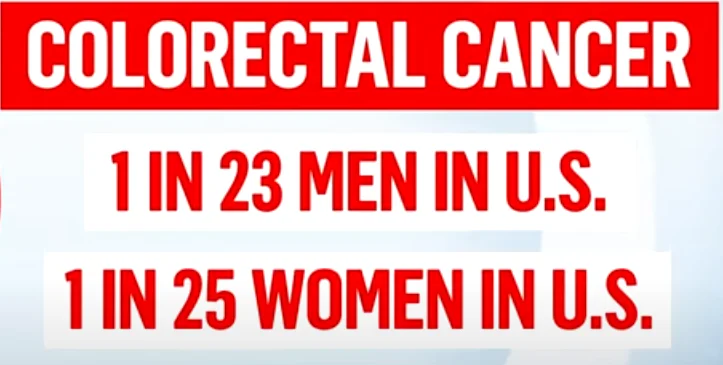
Colorectal cancer is the third most commonly diagnosed cancer in the United States, with the American Cancer Society estimating over 150,000 new cases each year. What makes James’s diagnosis particularly important for public awareness is his age — adults in their 40s and 50s are increasingly being diagnosed with early-onset colorectal cancer, a trend that has prompted the U.S. Preventive Services Task Force to lower the recommended screening age from 50 to 45.
For many fans who grew up watching Dawson’s Creek, James Van Der Beek represents a relatable, everyday kind of celebrity — which is exactly why his willingness to speak openly about his diagnosis carries such weight. When public figures share their health journeys, research consistently shows it leads to meaningful increases in screening uptake among their audiences. His story is already doing that work.
Stage 3 colorectal cancer means the disease has spread to nearby lymph nodes but has not yet reached distant organs. While serious, it remains a stage at which many patients achieve remission with aggressive treatment — and James has been clear that he intends to fight with everything he has.

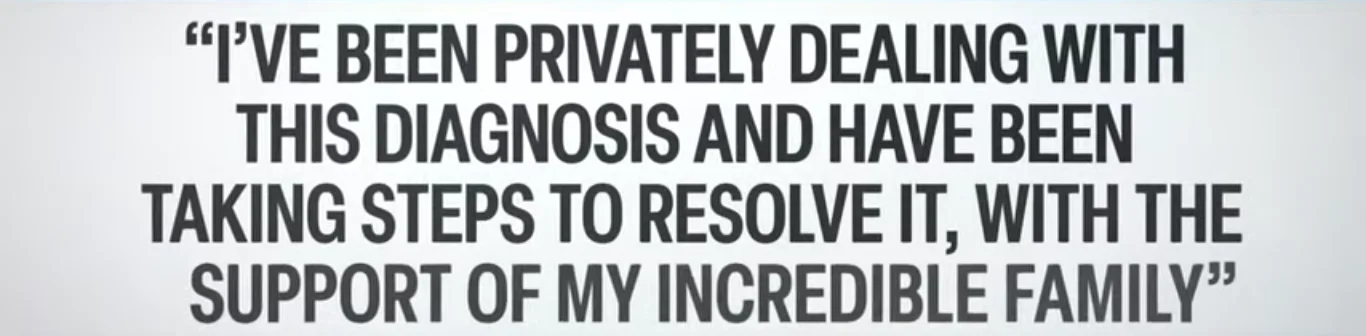
A Shocking Diagnosis
In early 2025, James disclosed that he had been experiencing concerning symptoms, prompting him to seek medical attention. Tests confirmed colorectal cancer James Van Der Beek. The actor has been candid about the moment he received the life-altering news, sharing, “It felt like the ground shifted beneath me, but I knew I had to face it head-on for my family.”
Colorectal cancer often develops silently. The symptoms James reportedly experienced — which may have included changes in bowel habits, rectal bleeding, unexplained fatigue, or abdominal discomfort — are the very warning signs that too many adults dismiss or delay reporting to a doctor. A 2023 study in JAMA Oncology found that the median delay between first symptom and diagnosis for colorectal cancer patients under 50 is over six months, largely because both patients and physicians underestimate the risk in younger adults.
The decision to speak publicly about a cancer diagnosis is never easy. For James, who is a husband and father of six children, the disclosure was both a personal reckoning and a deliberate choice to use his platform for good. His openness mirrors that of other public figures — from Katie Couric, whose husband’s death from colon cancer prompted her own on-air colonoscopy that demonstrably boosted screening rates (a phenomenon researchers called the “Couric effect”), to Chadwick Boseman, whose private battle with colon cancer raised awareness of its impact on younger adults.
If you are over 45, or younger with a family history of colorectal cancer, James’s story is a direct and urgent prompt: talk to your doctor about when and how you should be screened. A colonoscopy remains the gold-standard screening tool, capable of detecting and removing precancerous polyps before they become cancer.
The Treatment Journey
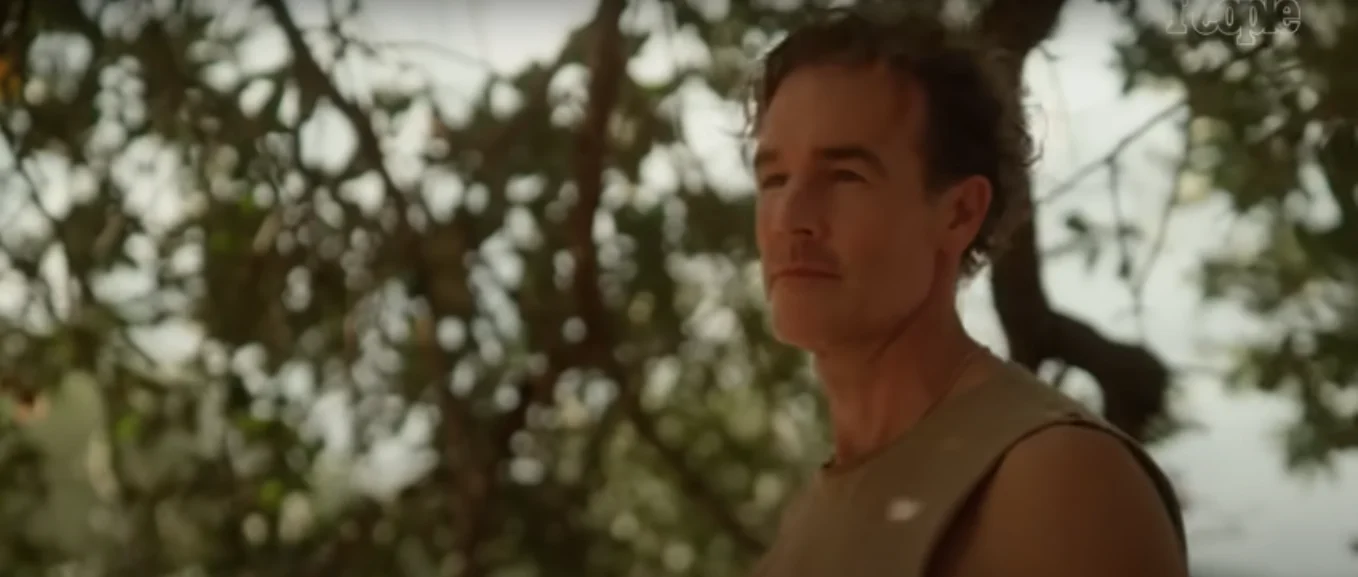
James has been transparent about his ongoing treatment journey. He is currently undergoing chemotherapy and other therapies to combat the disease. In a James Van Der Beek health update shared with fans on social media, he expressed gratitude for his medical team and the support he has received from loved ones.
For stage 3 colorectal cancer, the standard treatment protocol in the United States typically involves a combination of surgery to remove the affected section of the colon, followed by adjuvant chemotherapy — most commonly the FOLFOX or CAPOX regimens, which combine oxaliplatin with fluorouracil or capecitabine. The goal of adjuvant chemotherapy after surgery is to eliminate any microscopic cancer cells that may remain and reduce the risk of recurrence.
Side effects of these regimens can be significant — nausea, fatigue, peripheral neuropathy (tingling or numbness in the hands and feet), and increased infection risk among them. James’s openness about navigating these challenges while parenting six children has resonated deeply with cancer patients and caregivers across the country, many of whom report feeling isolated by the invisibility of their struggle. Sharing that reality publicly helps reduce that isolation.
Advances in colorectal cancer treatment over the past decade have meaningfully improved outcomes. The five-year survival rate for stage 3 colorectal cancer now exceeds 60% overall, and for patients who respond well to initial treatment, rates are considerably higher. Immunotherapy and targeted therapies are also increasingly being incorporated into treatment plans for patients whose tumors carry specific genetic markers, offering additional options beyond traditional chemotherapy.

Raising Cancer Awareness
Amid his battle, James has taken an active role in raising cancer awareness. He frequently uses his platform to encourage fans to prioritize their health, highlighting the importance of regular screenings and early detection.
Early detection is the single most powerful tool we have against colorectal cancer. When caught at stage 1, the five-year survival rate exceeds 90%. By stage 3 — James’s diagnosis — that figure drops significantly, underscoring how critically important it is to catch this cancer early through routine screening before symptoms ever appear.
James joins a growing roster of public figures using their platform to amplify colorectal cancer awareness. The nonprofit Colorectal Cancer Alliance runs a “Never Too Young” campaign specifically addressing early-onset colorectal cancer in adults under 50, and celebrity advocacy has been one of the most effective drivers of participation in their screening outreach programs. If James’s disclosure prompts even a fraction of his millions of social media followers to schedule a long-overdue colonoscopy, the downstream impact on lives saved is measurable and real.
Beyond screening, James has also spoken about lifestyle factors that support overall health during treatment — maintaining nutrition, staying as active as possible, leaning on community and mental health support. A 2022 review in CA: A Cancer Journal for Clinicians found that colorectal cancer patients who maintained moderate physical activity during chemotherapy reported better quality of life, lower rates of treatment-related fatigue, and in some studies, improved survival outcomes.
A Positive Prognosis
While the road ahead is uncertain, the James Van Der Beek cancer prognosis is cautiously optimistic. Doctors are hopeful about his response to treatment, and James remains determined to beat the disease.
A “cautiously optimistic” prognosis at stage 3 is not empty reassurance — it reflects the genuine progress oncology has made over the past two decades. Colorectal cancer mortality rates have declined by more than 2% per year since the mid-1980s, driven by improvements in screening, surgical technique, and systemic therapy. Patients diagnosed today have meaningfully better odds than those diagnosed even ten years ago.
Mental and emotional resilience also appear to play a measurable role in cancer outcomes. A growing body of research — including a landmark 2010 study in Cancer journal — has linked psychological well-being, social support, and a sense of purpose with better treatment adherence and, in some studies, improved survival. James’s family, faith, and public support network are not just emotionally sustaining — they may genuinely be part of his treatment.
For friends and family of someone going through cancer treatment, James’s updates offer a window into what meaningful support looks like: showing up consistently, listening without trying to fix, and helping manage the practical demands of daily life so the patient can focus their energy on healing. His wife Kimberly’s visible support throughout his public disclosures has been noted by many fans as a model of quiet, steady partnership.

Joining a Community of Resilient Stars
James now joins the ranks of famous actors with cancer 2025, using his journey to connect with others who are battling similar illnesses. He has expressed admiration for those who have faced cancer with courage and grace, and he has vowed to do the same.
The list of public figures who have faced colorectal cancer includes Ruth Bader Ginsburg, Ronald Reagan, and Sharon Osbourne — each of whom brought their own unique level of public attention to the disease. In 2025, James joins a new generation of advocates who are specifically shifting the cultural narrative around cancer: away from silence and stigma, and toward openness, community, and proactive health-seeking behavior.
Online communities for colorectal cancer patients and survivors have grown significantly in recent years. Organizations like Fight Colorectal Cancer, the Colon Cancer Coalition, and the American Cancer Society all offer patient support programs, clinical trial matching, and peer-to-peer connection resources. James’s disclosure has already directed many followers toward these communities — a ripple effect of advocacy that extends well beyond any single social media post.
A Message of Hope
Through his James Van Der Beek treatment journey, James has maintained a message of hope and positivity. “Cancer changes your life, but it doesn’t have to define it,” he has said. As James continues to fight and advocate for cancer awareness, his story is a testament to resilience, love, and the human spirit. Fans worldwide are rallying behind him, sending an outpouring of support and well-wishes as he faces this formidable challenge.
James’s framing — that cancer changes but does not define life — reflects a perspective that psycho-oncologists increasingly encourage. Post-traumatic growth, a well-documented psychological phenomenon, describes the positive personal change that can emerge from the struggle with a major life crisis. Many cancer survivors report deeper relationships, a clearer sense of priorities, heightened appreciation for everyday moments, and a strengthened sense of personal resilience as outcomes of their experience.
Whatever the outcome of James’s treatment, his public journey has already accomplished something meaningful: it has made colorectal cancer more visible, more discussable, and less frightening for millions of people who needed exactly that nudge to take their health seriously. That is a legacy worth celebrating alongside his decades of work on screen.
We join his fans and loved ones in wishing James Van Der Beek a full and lasting recovery.
This article is for informational purposes only and does not constitute medical advice. Always consult a qualified healthcare provider regarding any medical condition or treatment. The author and publisher accept no liability for any loss or damage arising from the use of this information.
⚕️ Medical Disclaimer
The information provided on this page is for educational purposes only and is not intended as medical advice, diagnosis, or treatment. Always consult a qualified healthcare professional before making changes to your diet, starting any supplement, or if you have an existing medical condition. KeepFitQuote does not provide medical diagnoses or treatment recommendations. Read our full disclaimer.
Related Posts