Brandi Glanville, best known for her fiery personality on The Real Housewives of Beverly Hills (RHOBH), has faced various health challenges over the years. Like many public figures who navigate personal struggles in the spotlight, her journey offers lessons in resilience, recovery, and the importance of proactive self-care.
Public figures who discuss health struggles openly perform a valuable function: they normalize the conversation around physical and emotional health in ways that help everyday people feel less alone in their own experiences. For adults over 50, who statistically face the greatest burden of chronic health conditions, seeing that even high-profile personalities navigate real health challenges can make it easier to take their own symptoms seriously, seek professional help earlier, and approach recovery with realistic expectations. The broader lessons from stories like Glanville’s — about the importance of consistent self-care, professional support, and community — apply universally, regardless of one’s celebrity status.

Table of Contents
A Public Figure with Private Struggles
Glanville’s name is often associated with The Real Housewives of Beverly Hills cast, alongside personalities like Kyle Richards, Lisa Vanderpump, and others. Over the years, Glanville has been candid about various personal and professional challenges, making her a relatable figure for many fans who’ve faced their own health hurdles. The speculation and concern from fans have surrounded her well-being as she continued her public life.

The intersection of public life and private health is a particularly complex space. Reality television by design creates an expectation of transparency, yet the editing process and the pressures of ongoing public scrutiny mean that what audiences see is always a curated version of reality. For health discussions specifically, this creates a nuanced situation: public figures may reference health struggles in broad terms while maintaining appropriate privacy around specific diagnoses and treatments. What the broader RHOBH narrative does illuminate, through various cast members over the years, is the frequency and variety of health challenges faced by women navigating midlife and beyond: hormonal transitions, immune conditions, mental health challenges, and the compounding effects of chronic stress. These are not celebrity-specific experiences — they are the lived reality of millions of American women over 50, making the general themes of these conversations widely relevant even when specifics remain private.
Recovery and Medical Concerns
Like many public figures, Glanville has faced both physical and emotional health battles. While she hasn’t spoken extensively about specific health conditions, her public appearances and social media presence have sometimes hinted at struggles with her health and well-being — including references to dealing with stress, anxiety, and the toll of being in the public eye. These moments underscore the importance of professional medical support and mental health resources.

Glanville’s recovery journey has also been compared to other reality stars who have leaned on professionals such as doctors, therapists, and wellness coaches to help them through difficult times. This highlights a key principle: recovery is rarely a solo effort, and seeking qualified help is a sign of strength, not weakness.
The evidence for professional support in health recovery is compelling across virtually every medical domain. For physical health conditions, outcomes are consistently better when patients engage actively with their healthcare team and access specialist care when needed. For mental health — which is disproportionately undertreated in the 50+ population, with only about half of adults with depression receiving professional treatment — evidence-based therapies like cognitive behavioral therapy (CBT) produce significant improvements in quality of life. For the compounding effects of chronic stress, a combination of professional support and consistent daily practices has the strongest evidence base. The important message for any reader facing their own health challenges is this: reaching out — to a physician, a therapist, a trusted friend or family member — is the first and most important step. Health challenges navigated with support are measurably better managed than those faced in isolation.
The Role of Backup and Recovery in Health
In a digital age, data is crucial — whether it’s personal health records or cherished memories. Just as data recovery tools help retrieve lost files, our bodies have remarkable mechanisms for healing and bouncing back from illness or injury. Medical professionals work tirelessly to restore well-being, and understanding these processes while supporting them through lifestyle choices is key to long-term wellness.
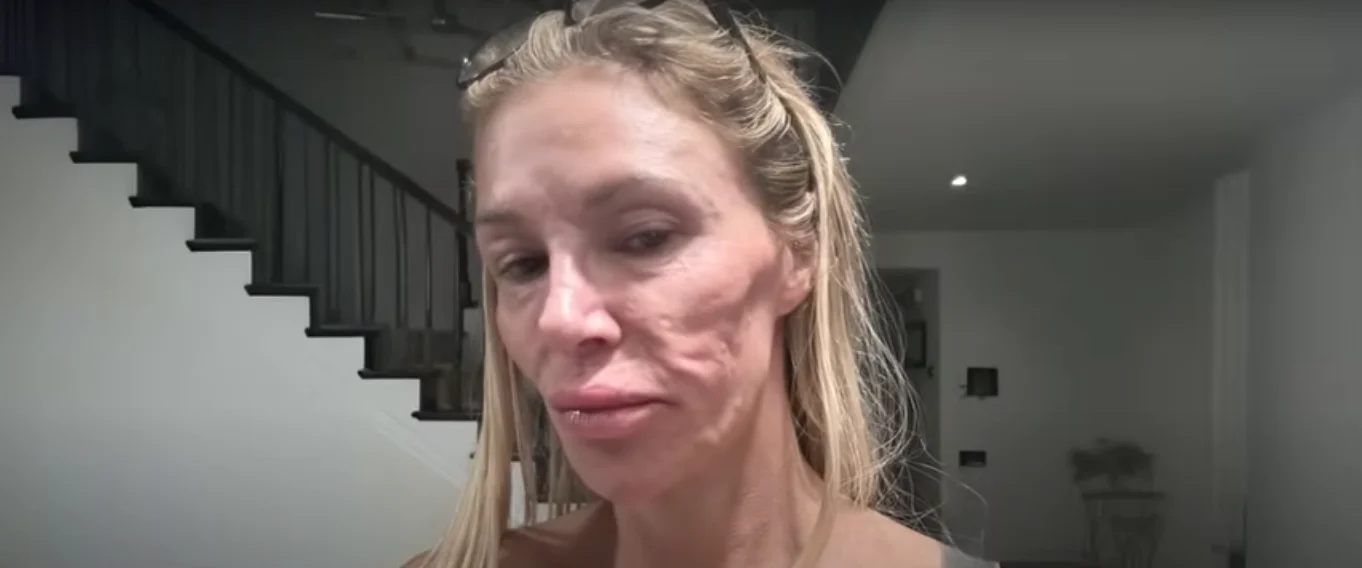
Glanville has often leaned on self-care practices to maintain her health. Much like backup and restore processes in technology, creating a personal “health backup” — through regular check-ups, maintaining healthy habits, and building a support network — ensures that when health setbacks occur, you have the resources and resilience to recover effectively.
The “health backup” metaphor is a genuinely useful framework for thinking about preventive care. Just as the consequences of a data disaster are dramatically reduced when regular backups exist, the consequences of a health crisis are reduced when a person has maintained the foundational practices that support rapid recovery: regular physician relationships (so you are not navigating a crisis without a trusted medical team), up-to-date health records, a current understanding of your key health metrics (blood pressure, blood sugar, cholesterol, bone density), and a daily practice of the lifestyle habits that support immune function and mental resilience. For adults over 50, the most important “health backup” practices are: an annual comprehensive physical examination; regular dental and vision care; a current advance directive; a trusted primary care physician who knows your full medical history; and a daily routine of sleep, movement, and whole-food nutrition that keeps your baseline health as strong as possible before any challenge arises.
Life Beyond Beverly Hills
Although The Real Housewives of Dubai and other franchises have introduced new faces, Glanville’s legacy remains significant in reality TV history. Her willingness to be vulnerable about personal struggles — including health issues — has resonated with audiences who appreciate authenticity over perfection.
As she moves forward, Brandi Glanville continues to demonstrate resilience. Whether she’s part of The Real Housewives franchise or pursuing other ventures, her story serves as a reminder that health challenges don’t define a person — how we respond to them does.
While Brandi Glanville’s health journey remains a topic of speculation, her commitment to self-care and perseverance stands as an example for many. For anyone navigating similar challenges, the takeaway is clear: with the right support, healthy habits, and professional guidance, recovery and renewed well-being are achievable.
The cultural value of public figures who are willing to discuss health vulnerability — even partially — should not be underestimated. Research on health communication consistently shows that celebrity disclosure of personal health challenges increases health-seeking behavior in audiences: people are more likely to schedule overdue appointments or mental health visits after prominent public figures discuss their own experiences. For the reader, the actionable translation is simple: if something in any public figure’s health narrative reminds you of a symptom you have been dismissing, an appointment you have been postponing, or a conversation you have been avoiding, let that be the nudge to act. Your health story is yours to write, and the earlier you engage with it proactively, the more options you have.
Self-Care Practices That Support Long-Term Health
Self-care is one of the most overused and underspecified terms in wellness culture, but its evidence base is substantial when it refers to specific, consistent daily practices. For adults over 50 who want to build genuine resilience — the kind that helps you recover from health setbacks faster and maintain quality of life through the inevitable challenges of aging — the following practices have the strongest research support.
Sleep (7–9 hours consistently) is the single highest-leverage health practice available. During deep sleep, the body releases growth hormone (which supports tissue repair), the brain’s lymphatic system clears metabolic waste, and cortisol is reset to healthy levels. Chronic sleep restriction below six hours is associated with significantly impaired immune function, higher inflammatory markers, increased cardiovascular risk, and worse outcomes across virtually every health condition.
Movement every day — even 20–30 minutes of walking — maintains the cardiovascular fitness that supports faster recovery from illness, reduces systemic inflammatory markers, supports mental health through endorphin release, and preserves the muscle mass and bone density that become progressively harder to rebuild with age.
Social connection and emotional support have measurable physiological effects. A landmark meta-analysis of 148 studies involving over 300,000 participants found that strong social relationships were associated with a 50% reduced likelihood of premature death. Maintaining close friendships, participating in community activities, and — when needed — seeking professional therapeutic support are not luxuries; they are health necessities for the 50+ adult.
Resilience Lessons for Adults Over 50
The concept of resilience — the capacity to recover from setbacks and adapt to adversity — is one of the most important health assets available to older adults, and it is far more trainable than most people realize. Research from positive psychology, gerontology, and trauma recovery has identified several key characteristics that distinguish adults who age resiliently from those who struggle, and most of them are buildable practices rather than fixed personality traits.
Accepting change as inherent to aging is foundational. Adults who approach age-related changes with curiosity and adaptation rather than resistance or denial maintain significantly better psychological and physical health outcomes. This does not mean passive acceptance of preventable decline — it means distinguishing between changes that are inevitable and those that are largely preventable or reversible through lifestyle.
Maintaining a sense of purpose and forward narrative — knowing why you take care of your health — has been linked in multiple studies to lower inflammatory markers, better immune function, and longer life expectancy. And flexibility in seeking help — the willingness to ask for support from physicians, therapists, friends, and family when a health challenge exceeds what self-management alone can address — is the third pillar. Resilient people are not those who go it alone. They are those who know when to reach out, and do.
Frequently Asked Questions
Q1. What general health challenges do adults over 50 commonly face?
The most prevalent include cardiovascular disease, type 2 diabetes, osteoporosis, arthritis, hypertension, cognitive changes, hormonal transitions, depression and anxiety, and age-related vision and hearing changes. Many of these are significantly influenced by lifestyle factors and are substantially preventable or manageable with proactive care.
Q2. How can I build a strong “health backup” system for myself?
Establish a relationship with a primary care physician and see them annually. Keep your health records and key metrics current. Maintain the daily habits — sleep, movement, whole-food nutrition, social connection — that support your baseline health. Have advance directives in place. Know your family health history and share it with your physician.
Q3. When should someone seek professional mental health support?
Seek professional support when sadness, anxiety, or emotional distress persists for two or more weeks; significantly interferes with daily functioning, sleep, or relationships; or is accompanied by thoughts of self-harm. Many adults over 50 underestimate how treatable depression and anxiety are — evidence-based therapies produce meaningful improvement in the majority of cases.
Q4. What self-care practices have the strongest evidence base for adults over 50?
In order of evidence strength: consistent 7–9 hours of quality sleep; 150 minutes per week of moderate-intensity physical activity; a predominantly whole-food, plant-forward diet; regular social engagement; structured stress management; and annual preventive health care including all age-appropriate screenings.
⚕️ Medical Disclaimer
The information provided on this page is for educational purposes only and is not intended as medical advice, diagnosis, or treatment. Always consult a qualified healthcare professional before making changes to your diet, starting any supplement, or if you have an existing medical condition. KeepFitQuote does not provide medical diagnoses or treatment recommendations. Read our full disclaimer.
Related Posts