In a heartfelt revelation that touched fans around the globe, Full House star Dave Coulier shared the difficult news of his cancer diagnosis. In late 2024, Coulier announced he had been diagnosed with stage 3 non-Hodgkin lymphoma, a form of cancer that affects the lymphatic system. The Full House star’s cancer news came as a shock, but his openness has since inspired countless individuals navigating similar challenges.
Non-Hodgkin lymphoma is one of the more common cancers diagnosed in adults over 50, and according to the American Cancer Society, the average age at diagnosis is around 65. The disease begins in the lymphatic system, the network of vessels and nodes that helps the body fight infection, when white blood cells called lymphocytes begin growing and dividing abnormally. Stage 3 means the cancer has spread to lymph node groups on both sides of the diaphragm, but importantly, a stage 3 diagnosis does not mean the cancer is untreatable. Many subtypes of non-Hodgkin lymphoma respond well to modern chemotherapy and targeted therapies, and survival rates have improved significantly over the past two decades. Coulier’s decision to speak publicly about his Dave Coulier cancer diagnosis brings welcome visibility to a disease that often produces vague, easy-to-dismiss symptoms, like swollen lymph nodes, fatigue, and night sweats, symptoms that are especially important for adults over 50 to discuss with a doctor rather than attribute to normal aging.

The Diagnosis and Treatment Journey
Dave Coulier’s cancer journey began with routine health concerns, which eventually led to his diagnosis. Aware of the importance of early intervention, Coulier credits routine medical checkups with catching the disease before it progressed further. Since his diagnosis, the actor has undergone intensive chemotherapy treatments, showing remarkable strength and determination throughout.
Chemotherapy for non-Hodgkin lymphoma typically works by targeting rapidly dividing cells throughout the body, which is effective against cancer cells but also affects healthy fast-growing cells like those in hair follicles, the digestive tract, and bone marrow, explaining many of the well-known side effects. Treatment is usually delivered in cycles, often every two to three weeks, to give the body time to recover between sessions. For many patients, especially those over 50, doctors will also order a baseline echocardiogram and blood work before starting chemo, since some lymphoma drugs can affect heart function and blood cell counts. This is also why Coulier’s emphasis on routine checkups is so significant: non-Hodgkin lymphoma is sometimes first detected through a routine blood test that shows abnormal white blood cell counts, well before a person notices any symptoms. For readers over 50, an annual physical that includes basic bloodwork is one of the simplest, most accessible tools for catching blood cancers and many other conditions early, when treatment tends to be most effective.

Despite the rigorous demands of chemotherapy treatment, Dave Coulier has maintained his signature sense of humor—a trait fans know and love from his days on Full House. “Laughter is truly the best medicine,” Coulier quipped in a recent interview, proving that even in the face of adversity, his spirit remains unshaken.
There’s real science behind the idea that humor and a positive outlook can support cancer treatment, even if laughter alone doesn’t cure disease. Research published in supportive oncology journals has found that patients who maintain social connections, humor, and a sense of normalcy during treatment often report better quality of life and may experience less treatment-related distress. Stress hormones like cortisol, when chronically elevated, can interfere with sleep, appetite, and immune function, all of which matter during chemotherapy. Oncology teams increasingly recognize the value of psychosocial support, including counseling, support groups, and even comedy or art therapy programs offered at many cancer centers. For caregivers and patients alike, Coulier’s approach offers a practical takeaway: finding small moments of normalcy, humor, or joy during a difficult diagnosis isn’t a distraction from healing, it can be part of it.

Family Support: Melissa Coulier’s Role
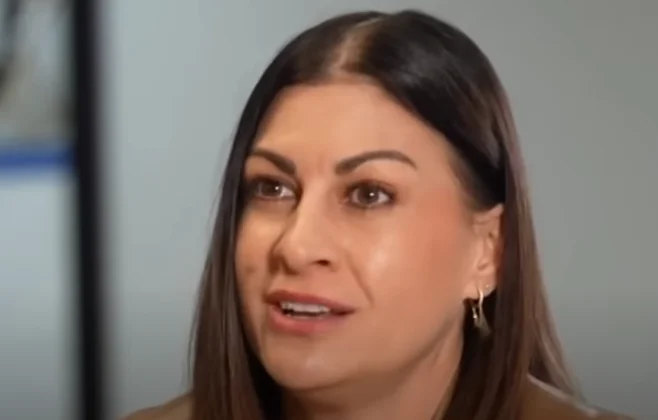
Dave’s wife, Melissa Coulier, has been his rock throughout this journey. In interviews, Melissa has spoken candidly about the emotional and physical toll the cancer battle has taken, describing the experience as both “challenging and deeply unifying.” Her unwavering support has been a pillar of strength for Dave, who often credits her with helping him stay optimistic during the darkest days of his lymphoma journey.
The role of a spouse or family caregiver during cancer treatment is often underestimated, but research from the National Cancer Institute shows that caregivers themselves face significant physical and emotional strain, sometimes referred to as “caregiver burden.” Common caregiving tasks during chemotherapy include managing medication schedules, tracking side effects to report to the oncology team, preparing nutrient-dense meals during periods of nausea, and providing transportation to frequent appointments. For couples navigating this together, experts recommend that caregivers also build their own support network, whether through friends, support groups, or respite care, so they can sustain the kind of steady presence Melissa Coulier has reportedly provided. If you’re supporting a spouse or parent through cancer treatment, organizations like the American Cancer Society offer free caregiver resources, including help understanding treatment schedules and managing the practical logistics that come with a cancer diagnosis.
Health Struggles and Recovery
The road hasn’t been easy. Dave Coulier’s health struggles have included fatigue, weight loss, and the emotional challenges of grappling with a serious illness. However, with the support of his medical team, family, and fans, Coulier continues to make strides toward recovery. His health update in early 2025 brought a wave of hope, with doctors noting encouraging progress in his fight against non-Hodgkin lymphoma.
Fatigue and weight loss during chemotherapy are extremely common, and they happen for several overlapping reasons: the cancer itself can increase the body’s energy demands, chemotherapy can cause nausea and changes in taste that make eating difficult, and the immune system is working overtime to recover between treatment cycles. Oncology dietitians often recommend smaller, more frequent meals that are high in protein and calories to help maintain muscle mass and energy during this time, since unintentional weight loss can affect how well a patient tolerates further treatment. For fatigue, gentle movement, such as short walks, has actually been shown in multiple studies to reduce cancer-related fatigue more effectively than complete rest, though pacing and rest are still important. Recovery from non-Hodgkin lymphoma is typically monitored through follow-up scans and bloodwork at regular intervals, sometimes called “watch and wait” periods, where doctors track whether the cancer responds to treatment and remains in remission. A positive health update, like the one Coulier received in early 2025, often reflects shrinking lymph nodes on imaging and normalizing blood counts, both encouraging signs that the chemotherapy is working as intended.

Cancer Awareness
Throughout his journey, Dave Coulier has made it a priority to use his platform to raise cancer awareness. He has spoken extensively about the importance of early detection and the need for regular health screenings. “If my story inspires even one person to go to the doctor, then it’s worth it,” he said during a recent interview.
Unlike some cancers with established screening tests, such as mammograms for breast cancer or colonoscopies for colorectal cancer, non-Hodgkin lymphoma doesn’t have a routine screening test for the general population. This makes awareness of symptoms especially important for adults over 50. Key warning signs include painless swelling of lymph nodes in the neck, armpit, or groin, persistent fatigue that doesn’t improve with rest, unexplained weight loss, fevers, and night sweats that soak through clothing or bedding. Because these symptoms overlap with many less serious conditions, they’re easy to dismiss, which is exactly why Coulier’s message about routine checkups matters. An annual physical exam that includes a physical check of the lymph nodes, combined with routine bloodwork like a complete blood count, can help a doctor notice subtle changes over time. If you notice a lump or swelling that doesn’t go away within a few weeks, or if you experience unexplained weight loss of more than 5 percent of your body weight, it’s worth scheduling an appointment rather than waiting for your next annual visit.
By sharing his experiences, Coulier has joined a growing list of famous actors with cancer in 2025 who have used their struggles as a means to inspire change and support others.
Celebrity health disclosures, while sometimes criticized as oversharing, have repeatedly been shown to increase screening rates in the general public, a phenomenon researchers sometimes call the “celebrity effect.” When a well-known public figure shares a cancer diagnosis, surveys consistently show a temporary spike in people scheduling related screenings or doctor visits. For readers over 50, this is a useful nudge: if reading about Dave Coulier’s diagnosis makes you think about a symptom you’ve been putting off mentioning to your doctor, that instinct is worth acting on. Early-stage cancers of almost every type are generally more treatable and have better outcomes than cancers caught at later stages.
An Inspirational Cancer Story
Dave Coulier’s lymphoma journey is more than a story of illness—it’s a testament to resilience, love, and the human spirit. With his trademark humor intact and the unwavering support of Melissa Coulier and his fans, Coulier continues to face each day with determination.
As he looks toward recovery, Dave Coulier remains a beacon of hope for others battling cancer, proving that even in life’s toughest moments, there is always room for strength, compassion, and positivity.
Stories like Coulier’s resonate because they put a familiar, human face on statistics that can otherwise feel abstract. For the roughly 80,000 Americans diagnosed with non-Hodgkin lymphoma each year, many of them over 50, hearing that a beloved entertainer is walking the same path, complete with hard days and moments of humor, can make the experience feel less isolating. If this article has prompted you to think about your own health, or that of a loved one, the most valuable next step is often the simplest one: schedule that overdue checkup, mention that nagging symptom to your doctor, or simply check in on a friend or family member going through treatment. Dave Coulier’s openness is a reminder that resilience isn’t about never struggling, it’s about facing each day, with support, humor, and hope, one step at a time.
Frequently Asked Questions
What type of cancer does Dave Coulier have?
Dave Coulier announced in late 2024 that he had been diagnosed with stage 3 non-Hodgkin lymphoma, a cancer that affects the lymphatic system and white blood cells called lymphocytes.
What does stage 3 non-Hodgkin lymphoma mean?
Stage 3 means the cancer has spread to lymph node groups on both sides of the diaphragm. It does not mean the cancer is untreatable; many subtypes respond well to chemotherapy and other modern treatments.
How was Dave Coulier’s cancer detected?
Coulier has credited routine medical checkups with catching his cancer before it progressed further, highlighting the importance of regular physicals and bloodwork, especially for adults over 50.
What are common symptoms of non-Hodgkin lymphoma?
Common symptoms include painless swelling of lymph nodes in the neck, armpit, or groin, persistent fatigue, unexplained weight loss, fevers, and night sweats. These symptoms can overlap with less serious conditions, so persistent symptoms should be checked by a doctor.
How is Dave Coulier doing now?
According to a health update in early 2025, doctors noted encouraging progress in Dave Coulier’s treatment for non-Hodgkin lymphoma, and he has continued to maintain his sense of humor and optimism throughout recovery.
How can family members support a loved one going through chemotherapy?
Family caregivers can help by managing medication schedules, tracking side effects, preparing nutrient-dense meals, providing transportation to appointments, and maintaining emotional connection. Caregivers should also seek their own support to avoid burnout during a loved one’s treatment.
⚕️ Medical Disclaimer
The information provided on this page is for educational purposes only and is not intended as medical advice, diagnosis, or treatment. Always consult a qualified healthcare professional before making changes to your diet, starting any supplement, or if you have an existing medical condition. KeepFitQuote does not provide medical diagnoses or treatment recommendations. Read our full disclaimer.
Related Posts