
Cough drops are a soothing remedy for sore throats and coughs, and making them at home is simpler than you might think. With just a handful of natural ingredients — honey, lemon, ginger, and cinnamon — you can create effective, comforting lozenges free from the artificial colors, flavors, and preservatives found in most store-bought varieties. For adults over 50 managing frequent seasonal colds or respiratory issues, knowing exactly what goes into your throat soother is a meaningful advantage.

Ingredients
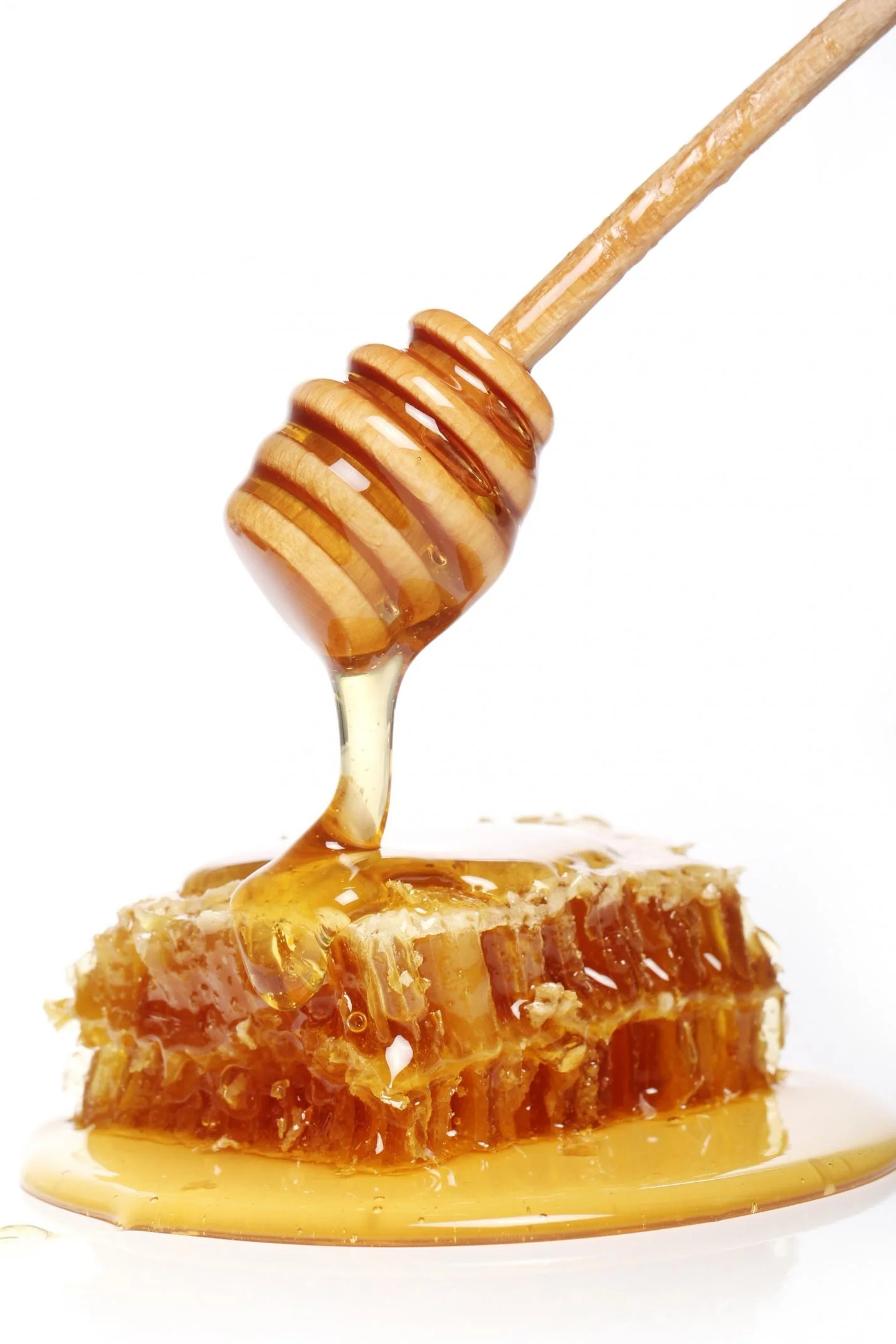
- Honey – Known for its soothing properties and natural sweetness.
- Lemon juice – Adds a tangy flavor and provides Vitamin C.
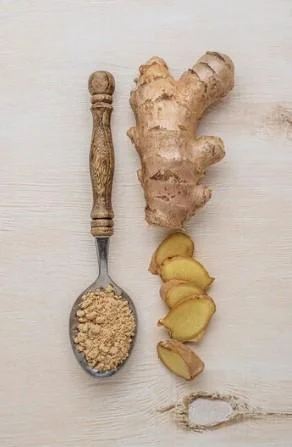
- Ground ginger – Offers anti-inflammatory benefits.
- Cinnamon – A dash of this spice enhances flavor and adds its own soothing and antimicrobial properties.
- Water – Acts as the base for the syrup.
- Powdered sugar (optional) – For coating the drops to prevent sticking.


Why These Ingredients Work
Each ingredient in this recipe has a specific, evidence-supported role in soothing respiratory symptoms — these aren’t just flavor choices.
Honey is the most clinically validated natural cough suppressant available without a prescription. A 2021 systematic review and meta-analysis in BMJ Evidence-Based Medicine — covering 14 randomized controlled trials — found that honey was superior to usual care for upper respiratory tract infections, reducing cough frequency and severity more effectively than over-the-counter antihistamines and dextromethorphan (the active ingredient in most commercial cough syrups). Honey’s mechanism is dual: its high osmolarity draws fluid away from inflamed mucous membranes (reducing swelling), and its hydrogen peroxide content and low pH create a mild antimicrobial environment that can inhibit the bacteria that complicate viral upper respiratory infections. Manuka honey (from New Zealand) has the highest documented antimicrobial activity, but standard raw honey provides meaningful benefit at a fraction of the cost.
Lemon juice contributes vitamin C — essential for immune cell function — and citric acid, which stimulates saliva production and keeps the throat moist. Contrary to popular belief, vitamin C at high doses does not prevent colds, but it does modestly reduce duration and severity in people with adequate baseline status. More relevantly, the acidity of lemon juice may help dissolve and thin mucus secretions, making it easier to clear the throat. The citric acid also acts as a natural preservative, extending the shelf life of your homemade drops.
Ground ginger contains gingerols and shogaols that inhibit COX-2 and block substance P — the neurotransmitter that triggers the cough reflex in the throat’s sensory nerve endings. A 2015 study in the American Journal of Respiratory Cell and Molecular Biology found that ginger compounds relaxed airway smooth muscle independently of the standard beta-2 agonist pathway, suggesting a bronchodilatory effect relevant to cough associated with mild bronchospasm. Ginger also has gastroprotective properties that are relevant when taking other medications for illness.
Cinnamon (Ceylon variety preferred) provides cinnamaldehyde — an antimicrobial compound active against common respiratory pathogens including Streptococcus pyogenes (the bacterium responsible for strep throat) and several influenza strains in laboratory studies. It also has mild anesthetic properties that create a warming sensation in the throat, temporarily reducing the perceived irritation that triggers coughing. Its anti-inflammatory phenolic compounds complement ginger’s COX-2 inhibition for a synergistic soothing effect.
Instructions
The Science of the Hard-Crack Stage
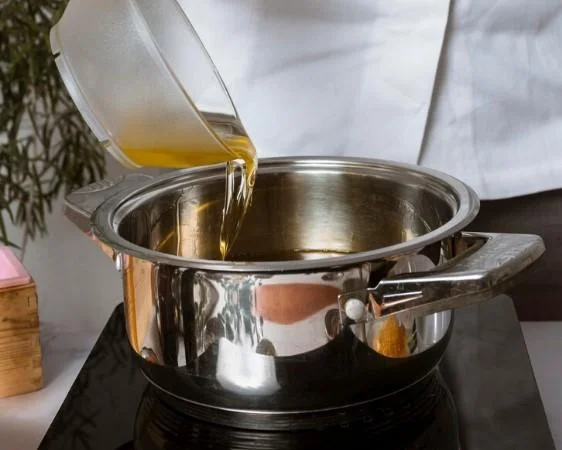
Reaching exactly 300°F (150°C) isn’t arbitrary — it’s the temperature at which nearly all water has evaporated from the sugar-honey mixture, leaving a supersaturated solution of sugars that hardens into a glass-like solid on cooling. Below this temperature, drops will be sticky and soft (softball or hard-ball stage); above 320°F, the sugars begin to caramelize and eventually burn, destroying the volatile aromatic compounds in ginger and cinnamon that provide the therapeutic benefit.
A reliable candy thermometer is the most important tool for this recipe — visual cues alone (color, bubbling) are not accurate enough to hit the narrow 300–310°F window consistently. If you don’t have a thermometer, use the cold-water test: drop a small amount of syrup into ice water. At hard-crack stage, it forms brittle threads that snap cleanly. At soft-ball stage, it forms a pliable ball — go back on the heat.
One practical note for seniors: the hot syrup at this stage is extremely dangerous — it can cause severe burns on contact with skin, and it doesn’t behave like boiling water (it clings rather than splashing away). Work on a stable surface with heat-proof gloves accessible, and keep children away from the kitchen during the pouring step. A silicone mat instead of parchment makes cleanup easier and prevents sliding.
Variations and Notes
Flavor Boost: Add extracts like peppermint or vanilla for additional flavor complexity and therapeutic benefit. Peppermint’s menthol activates cold-sensitive TRPM8 receptors in the throat, creating the distinctive cooling sensation that signals relief even before any pharmacological action occurs — this is the mechanism behind the “cooling” effect of commercial menthol cough drops. Use ¼ teaspoon of food-grade peppermint extract per batch.
Herbal Touch: Steep herbal teas like chamomile or licorice root in the water (instead of plain water) before adding it to the syrup. Chamomile provides apigenin — a flavonoid with mild anti-inflammatory and muscle-relaxing properties that can ease the spasm component of a cough. Licorice root (glycyrrhiza) is particularly well-evidenced for soothing throat irritation: its glycyrrhizin content has demulcent (mucus-coating) and anti-inflammatory properties used in traditional medicine across multiple cultures for millennia, with modern studies confirming it reduces throat pain and the urge to cough.
Elderberry addition: Stir in 1–2 tablespoons of elderberry syrup during the initial mixing phase. Elderberry (Sambucus nigra) contains anthocyanins and flavonoids shown in multiple RCTs to reduce the duration of cold and flu symptoms by 2–4 days. A 2016 randomized trial in Nutrients found elderberry supplementation reduced cold duration by 2 days and symptom severity by 10% in air travelers. Adding it to your cough drops turns them from purely symptomatic relief into a mild immune-supportive tool as well.
Turmeric variation: Add ¼ teaspoon of ground turmeric alongside the ginger. Curcumin, turmeric’s active compound, has well-documented anti-inflammatory properties and specifically reduces the inflammatory cytokines (IL-6, TNF-α) elevated during upper respiratory infections. The combination of curcumin and piperine (from black pepper, add a tiny pinch) increases curcumin bioavailability by 2,000%, making even the small amount in a cough drop physiologically relevant.
These homemade cough drops are a healthier alternative to store-bought options, free from artificial ingredients. Enjoy these natural throat soothers alongside other nourishing recipes.
Storage, Shelf Life, and Dosing
Store finished drops in an airtight glass jar with a layer of parchment between each layer to prevent sticking. At room temperature in a cool, dry pantry, properly coated drops last 3–4 weeks. In the refrigerator (in an airtight container to prevent moisture absorption), they can last up to 2 months — bring to room temperature before use to restore the intended texture.
For adults, 1 drop every 2–3 hours as needed is a reasonable starting frequency for cough and throat irritation. Because these drops contain real honey (with its sugars) rather than sugar-free substitutes, people managing blood sugar should account for approximately 5–6 grams of sugar per drop and adjust frequency accordingly. These drops are not appropriate for children under 1 year of age due to the honey content (infant botulism risk); for older children, consult a pediatrician before use.
When to See a Doctor
Homemade cough drops are appropriate for mild, self-limiting upper respiratory symptoms — the kind that follow a common cold or mild seasonal irritation. Seek medical evaluation if your cough is accompanied by fever above 103°F, shortness of breath at rest, chest pain, coughing up blood, or symptoms that worsen after 10 days rather than improving. A cough lasting more than 3 weeks without a clear cause always warrants a clinical assessment, as it can indicate conditions (asthma, GERD, post-nasal drip, or, rarely, more serious causes) that require specific treatment beyond symptomatic relief.
⚕️ Medical Disclaimer
The information provided on this page is for educational purposes only and is not intended as medical advice, diagnosis, or treatment. Always consult a qualified healthcare professional before making changes to your diet, starting any supplement, or if you have an existing medical condition. KeepFitQuote does not provide medical diagnoses or treatment recommendations. Read our full disclaimer.
Related Posts









Pingback: Nutrition Facts: 7 Natural Remedies for Common Health Issues