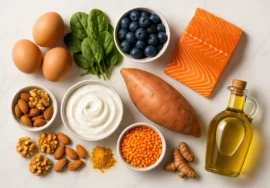
Nutrition plays a vital role in maintaining our overall health and well-being. What we eat affects every aspect of our body, from digestion to immune function and even mental health. While modern medicine has made significant advancements, natural remedies and traditional nutritional practices continue to provide effective solutions for common health concerns. Here are seven fascinating nutrition facts and their benefits:

1. Acidity – Sucking a Piece of Clove
Acidity or acid reflux occurs when stomach acid flows back into the esophagus, leading to discomfort, heartburn, and irritation. Clove, a spice known for its anti-inflammatory and digestive properties, can be an effective remedy. Sucking on a piece of clove stimulates saliva production, which neutralizes stomach acids and soothes irritation in the digestive tract. Additionally, clove contains eugenol, a compound that has antiseptic and analgesic properties, further aiding in digestive relief.



The saliva-stimulation mechanism behind clove’s reflux relief is more significant than it might first appear. Saliva isn’t just a lubricant — it contains bicarbonate, which directly neutralizes refluxed stomach acid, and swallowing saliva helps clear acid from the esophagus more quickly through a process called esophageal peristalsis. Anything that increases saliva flow — and the strong, slightly numbing flavor of clove is particularly effective at this — essentially speeds up the body’s own acid-clearing mechanism. This is part of why chewing gum (which also stimulates saliva) has been studied for similar reflux benefits in small clinical trials.
Eugenol, clove’s signature active compound, has been studied for its effects on the digestive tract beyond simple antiseptic action. Research has found that eugenol can relax the smooth muscle of the gastrointestinal tract in a manner similar to (though much milder than) certain antispasmodic medications, which may explain why clove has traditionally been used not just for reflux but for general digestive discomfort and bloating. Eugenol also has demonstrated antimicrobial activity against several bacterial strains in laboratory studies, including some associated with dental and digestive health.
For older adults, a practical note: whole cloves are quite hard and have sharp edges when bitten — sucking on a whole clove (rather than chewing it) is the traditional and safer approach, allowing the eugenol-rich oils to be released gradually. Anyone with dentures, sensitive teeth, or swallowing difficulties should be especially cautious, and a small pinch of ground clove dissolved in warm water is a gentler alternative that provides similar benefits without the choking risk of a whole spice piece. As with any concentrated spice, eugenol in large amounts can be irritating to the stomach lining itself — one clove, used occasionally, is the traditional dose, not a handful.
2. Migraine Pain – Eating an Apple on an Empty Stomach in the Morning
Migraines can be triggered by various factors, including dehydration, stress, and nutritional deficiencies. Eating an apple first thing in the morning on an empty stomach can help reduce migraine frequency and intensity. Apples are rich in antioxidants, flavonoids, and fiber, which support brain health and stabilize blood sugar levels. The natural sugars in apples provide an energy boost, while their hydration content helps prevent dehydration, a common migraine trigger.

The blood-sugar-stabilizing role of apples deserves particular attention for migraine sufferers, because overnight fasting (the 7-9+ hours between dinner and breakfast) represents the longest period most people go without food, and blood sugar can drop to its lowest point of the day by morning. For some people, this dip in blood glucose is itself a migraine trigger — the brain is highly dependent on stable glucose supply, and even modest drops can trigger the vascular and neurological cascade associated with migraine onset. An apple’s combination of natural sugars (providing relatively quick glucose) and fiber (slowing the absorption of that sugar to prevent a subsequent crash) makes it a particularly well-suited food for this specific window.
Apples are also one of the richest dietary sources of quercetin, a flavonoid antioxidant that has been studied for its anti-inflammatory effects on blood vessels. Since migraines involve changes in blood vessel diameter (initial constriction followed by dilation, which is associated with the throbbing pain phase), some researchers have hypothesized that quercetin’s vascular effects may play a role in apple’s traditional reputation as a migraine remedy — though it’s worth noting that rigorous, large-scale clinical trials specifically testing “morning apple for migraine” have not been conducted, and this remains more traditional wisdom with plausible mechanisms than an established medical treatment.
The hydration angle is genuinely well-supported: apples are about 86% water, and dehydration is one of the most well-documented and common migraine triggers across multiple studies. For adults over 50 — whose thirst sensation naturally diminishes with age, often leading to mild chronic under-hydration — starting the day with a water-rich food alongside a glass of water can meaningfully address this trigger before it has a chance to contribute to a headache later in the day.
For people who experience frequent migraines (more than a few per month), keeping a headache diary that tracks food intake, sleep, stress, and hydration alongside headache occurrence can help identify individual patterns and triggers — and is something a doctor or headache specialist can help interpret if migraines are significantly affecting quality of life.
3. Headache Due to Summer Heat – Drinking Watermelon Juice
Hot weather can cause dehydration, leading to headaches and fatigue. Watermelon juice is a refreshing and hydrating solution. Watermelon consists of 92% water, making it an excellent source of hydration. It also contains vital electrolytes like potassium and magnesium, which help balance fluids in the body and reduce headaches. Additionally, watermelon is rich in lycopene, an antioxidant that helps protect cells from oxidative stress caused by heat exposure.

Heat-related headaches occur through a combination of mechanisms: dehydration reduces blood volume, which can cause blood vessels in the head to dilate as a compensatory response (contributing to throbbing head pain); electrolyte loss through sweating disrupts the careful sodium-potassium balance that nerve cells depend on for normal function; and in more severe cases, heat exhaustion itself directly impairs the body’s temperature-regulation systems. Watermelon’s high water content addresses the first issue directly, while its potassium and magnesium content addresses the second — making it a genuinely well-matched remedy for this specific type of headache, not just a pleasant summer snack.
For older adults, heat-related dehydration deserves particular attention because aging reduces both the sensation of thirst and the kidneys’ ability to concentrate urine — meaning older adults can become significantly dehydrated before feeling thirsty, and lose more water through urine even when dehydrated compared to younger adults. This makes proactive hydration — including water-rich foods like watermelon, consumed before thirst sets in — particularly valuable during hot weather for this age group, who are also at higher risk of heat-related illness overall.
Watermelon’s lycopene content (the compound responsible for its red color) is concentrated more in the flesh near the rind, and watermelon actually contains more lycopene per serving than raw tomatoes — making it one of the richer dietary sources of this particular antioxidant. Lycopene’s role in protecting cells from oxidative stress is relevant to heat exposure specifically because heat stress increases the production of reactive oxygen species in the body, and antioxidants like lycopene help neutralize these before they can contribute to cellular damage and the inflammatory processes associated with heat-related symptoms.
4. Acidity & Ulcers – Chewing Basil Leaves After a Meal
Basil leaves have been used in traditional medicine for their healing properties. When chewed after meals, basil acts as a natural antacid, reducing acidity and preventing ulcer formation. Basil contains compounds like eugenol and tannins, which protect the stomach lining from excessive acid production. Moreover, its anti-inflammatory properties help reduce pain and discomfort associated with ulcers, promoting overall digestive health.

Basil’s protective effect on the stomach lining has been studied in animal models, where basil extract was found to increase the production of mucus that coats and protects the stomach wall — this protective mucus layer is the body’s primary defense against the corrosive effects of its own stomach acid, and anything that supports it can theoretically help prevent the erosion that leads to ulcer formation. The tannins in basil also have an astringent, “tightening” effect on tissue that may contribute to this protective action by reducing the permeability of the stomach lining to acid.
It’s worth noting an important distinction for older adults specifically: many ulcers are caused by either H. pylori bacterial infection or by long-term use of NSAIDs (ibuprofen, naproxen, and similar pain relievers) — both extremely common in adults over 50, who often take NSAIDs regularly for arthritis or other chronic pain. Basil’s traditional use as a digestive aid and mild protective agent is a complement to, not a replacement for, addressing these underlying causes. Anyone with diagnosed or suspected ulcers, or anyone taking regular NSAIDs who develops new stomach pain, should be evaluated by a doctor — H. pylori infection is treatable with antibiotics, and this treatment resolves the underlying cause in a way that dietary measures alone cannot.
Fresh basil leaves, chewed slowly after a meal, is the traditional preparation — the chewing itself helps release the volatile compounds (including eugenol) from the leaf’s cells, which is why simply swallowing basil whole (as might happen if it’s just an ingredient in a dish) doesn’t provide the same concentrated effect as deliberately chewing a few fresh leaves. For people who find the strong flavor of raw basil unappealing, basil tea (steeping fresh or dried leaves in hot water for 5-10 minutes) is a gentler alternative that still delivers many of the same beneficial compounds.
5. Cough Remedy – Boiling Dates in Milk
For a natural remedy to treat coughs, boil six dates in half a liter of milk for 25 minutes over low heat and drink three cups daily. Dates contain natural sugars and antioxidants that soothe the throat and reduce inflammation. Milk provides essential nutrients like calcium and vitamin D, which help strengthen the immune system. The warmth of this drink also helps loosen mucus, making it easier to expel.

The 25-minute boiling time isn’t arbitrary — it’s long enough for the dates to break down significantly, releasing their natural sugars, fiber, and polyphenol antioxidants directly into the milk, creating a mildly sweet, nutrient-enriched drink. Dates are particularly rich in a class of antioxidants called phenolic acids, which have been studied for anti-inflammatory effects in the respiratory tract. The natural sweetness also serves a practical purpose: a cough caused by throat irritation often improves temporarily with anything that coats and soothes the throat lining, and the thickened, slightly syrupy texture that develops from boiling dates in milk provides this soothing coating effect — similar in principle to how honey works for cough relief.
The “warmth helps loosen mucus” mechanism is genuinely well-supported: warm liquids increase the temperature of the airways slightly, which can help thin mucus secretions (mucus becomes more viscous when cold) and the act of drinking a warm liquid stimulates increased saliva and respiratory tract secretions that, paradoxically, help “wash” and clear existing thick mucus. This is the same principle behind the long-standing recommendation of warm tea or soup for cold and flu symptoms.
For adults managing diabetes or watching sugar intake, it’s worth noting that dates are quite calorie-dense and high in natural sugar — six dates boiled in milk represents a meaningful amount of carbohydrate, and this remedy should be factored into overall daily carbohydrate counting for anyone monitoring blood glucose closely.
6. Acne and Blackheads – Applying Grated Cucumber
Acne and blackheads are common skin issues caused by clogged pores and excess oil production. Cucumber is a natural cooling agent that contains water, vitamins A and C, and antioxidants, all of which promote healthy skin. Applying grated cucumber over the face, eyes, and neck for fifteen minutes helps hydrate the skin, reduce inflammation, and clear clogged pores. Its astringent properties tighten the skin and reduce excess oil, preventing further breakouts.

While acne is often associated with younger skin, adults over 50 frequently experience a different but related phenomenon: adult-onset acne and “acne-like” breakouts that can occur due to hormonal changes (particularly during and after menopause for women, and with declining testosterone for men), increased use of richer moisturizers and skincare products that can clog pores, and certain medications. The cooling, anti-inflammatory approach of a cucumber treatment is gentle enough to be appropriate for the more sensitive, thinner skin that develops with age — unlike some harsher acne treatments designed for younger, oilier skin types that can be too drying or irritating for older skin.
Cucumber’s cooling sensation comes from its high water content combined with compounds that have a mild vasoconstrictive (blood-vessel-narrowing) effect on the skin’s surface — this temporary constriction of small blood vessels near the skin surface can reduce the visible redness and puffiness associated with inflammation, including the inflammation around acne lesions or simply the under-eye puffiness common with age and fatigue. This is the same principle behind using chilled cucumber slices on the eyes — the cooling and mild vasoconstriction reduces the appearance of swelling.
The astringent properties mentioned come primarily from cucumber’s mild organic acids, which can temporarily tighten the appearance of pores by causing slight contraction of the surrounding skin tissue — though this effect is temporary (lasting hours, not permanently shrinking pore size, which is largely determined by genetics and isn’t something topical treatments can permanently change). For best results, the cucumber should be applied to clean skin, left on for the full fifteen minutes to allow the cooling and hydrating effects to take hold, and rinsed with cool water afterward — followed by a normal moisturizer, since cucumber’s hydrating effect is temporary and aging skin benefits from consistent moisturizing as its primary daily strategy.
7. Severe Cough – Basil and Garlic Juice with Honey
For a more intense cough treatment, mix basil juice with garlic juice and honey. Taking a teaspoon of this mixture every three hours helps in soothing the throat and clearing congestion. Basil has antimicrobial properties that fight infections, garlic is known for its antibacterial and antiviral benefits, and honey acts as a natural cough suppressant. This powerful combination strengthens the immune system while providing immediate relief from excessive coughing.

Of all the remedies in this article, honey has by far the strongest body of clinical evidence behind it. A 2021 systematic review and meta-analysis in BMJ Evidence-Based Medicine, examining 14 randomized controlled trials, found that honey was more effective than usual care at reducing cough frequency and severity, and performed comparably to or better than over-the-counter cough suppressants containing dextromethorphan — without the drowsiness or other side effects sometimes associated with medicated cough syrups. This makes honey the most evidence-backed component of this particular three-ingredient combination.
Garlic’s contribution comes from allicin, a sulfur-containing compound formed when garlic is crushed or chopped (which is why “garlic juice,” made by crushing fresh garlic, is more potent than whole, uncut cloves). Allicin has demonstrated antimicrobial activity against a range of bacteria and viruses in laboratory studies, supporting garlic’s traditional reputation as an immune-supporting food during illness. However, allicin is also quite unstable and breaks down relatively quickly — which is part of why fresh preparation (rather than pre-made garlic products that have been stored) is emphasized in traditional recipes like this one.
Basil contributes additional anti-inflammatory and mildly antimicrobial compounds (similar to those discussed in the basil-for-ulcers section), and its inclusion alongside honey in this recipe creates a combination where the soothing, coating action of honey delivers basil’s and garlic’s bioactive compounds directly to the irritated throat tissue, potentially prolonging their local effect compared to swallowing them separately.
For adults taking blood-thinning medications, it’s worth noting that garlic has mild antiplatelet properties — generally not significant at the small “garlic juice” amounts used in a remedy like this, but worth mentioning to a doctor or pharmacist if cough remedies containing garlic become a regular part of one’s routine alongside prescription anticoagulants.
Conclusion
Good nutrition is not just about maintaining a balanced diet but also about utilizing natural remedies that have been trusted for generations. These seven nutrition facts highlight the healing properties of everyday foods and ingredients. By incorporating these simple remedies into our daily lives, we can promote better health, prevent common ailments, and enhance overall well-being naturally.
What ties these seven remedies together is that each one has a real, identifiable mechanism behind it — they aren’t simply old habits passed down without explanation, but practices that, in many cases, modern research has been able to explain in terms of specific compounds, physiological processes, and biochemical pathways. Clove’s eugenol, apple’s fiber and quercetin, watermelon’s electrolytes and lycopene, basil’s protective tannins, the soothing warmth of boiled dates in milk, cucumber’s cooling astringency, and honey’s well-documented cough-suppressing action — each represents a small but genuine piece of food science woven into traditional practice.
For adults over 50 in particular, these remedies offer something valuable: low-cost, low-risk, generally gentle approaches to common, minor discomforts — heartburn, headaches, coughs, minor skin issues — that can complement (never replace) the medical care and prescribed treatments that remain essential for diagnosed conditions and more serious or persistent symptoms. The wisdom in traditional remedies like these often lies precisely in this gentleness: they’re appropriate first steps for mild, everyday issues, with the understanding that anything persistent, severe, or unusual deserves a conversation with a healthcare provider who can rule out — or identify and properly treat — anything that simple food-based remedies aren’t equipped to address.
⚕️ Medical Disclaimer
The information provided on this page is for educational purposes only and is not intended as medical advice, diagnosis, or treatment. Always consult a qualified healthcare professional before making changes to your diet, starting any supplement, or if you have an existing medical condition. KeepFitQuote does not provide medical diagnoses or treatment recommendations. Read our full disclaimer.
Related Posts