Are you tired of crusty feet, dry heels, or even painful cracked feet? It turns out the answer might already be in your bathroom cabinet: a simple, homemade toothpaste sugar foot scrub. 🦶✨ This DIY foot care solution is quick, affordable, and shockingly effective. Let’s dive into how it works — and how you can pamper your feet at home using common products!
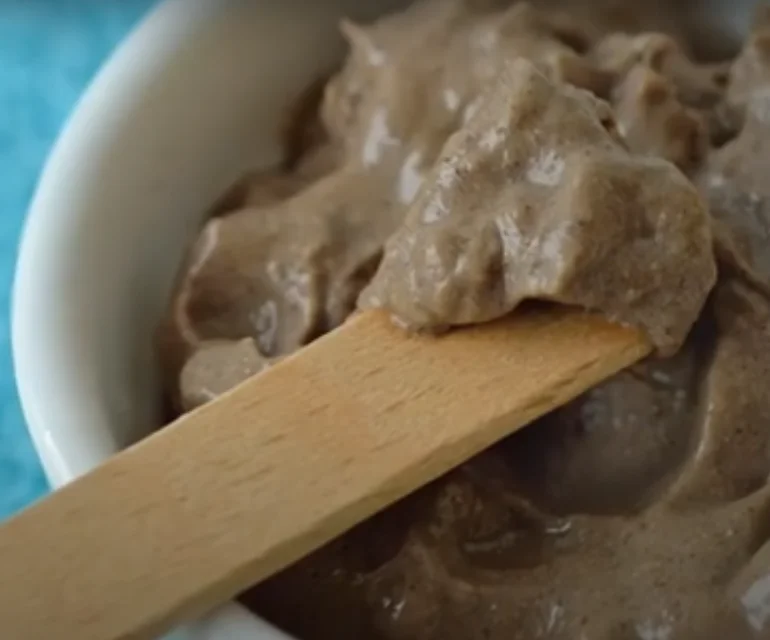
For adults over 50, foot care often takes a back seat to more pressing health concerns, but healthy feet play a bigger role in overall well-being than many people realize. Rough, cracked, or painful feet can affect balance, make walking less comfortable, and in some cases lead to small wounds that take longer to heal as skin becomes thinner and circulation slows with age. The good news is that a consistent, gentle foot care routine—built around simple, inexpensive ingredients you may already have at home—can make a real difference in just a few weeks. This guide walks through why feet tend to get drier with age, how to make and use a simple scrub safely, and which moisturizers and follow-up steps help lock in results. As with any new skincare routine, if you have diabetes, poor circulation, or any open sores on your feet, check with your doctor or podiatrist before trying a home scrub, since reduced sensation can make it harder to notice if exfoliation is too aggressive for your skin.
Table of Contents
Why Your Feet Get So Dry and Cracked
Before we get scrubbing, it’s good to know dry feet causes and cracked heels causes. Everything from standing too long, dehydration, harsh soaps, and even conditions like athlete’s foot can leave you with ashy heels, black cracks on feet, and uncomfortable splits. Very dry feet causes can also include extremely dry weather, aging, or even just wearing open shoes too often.
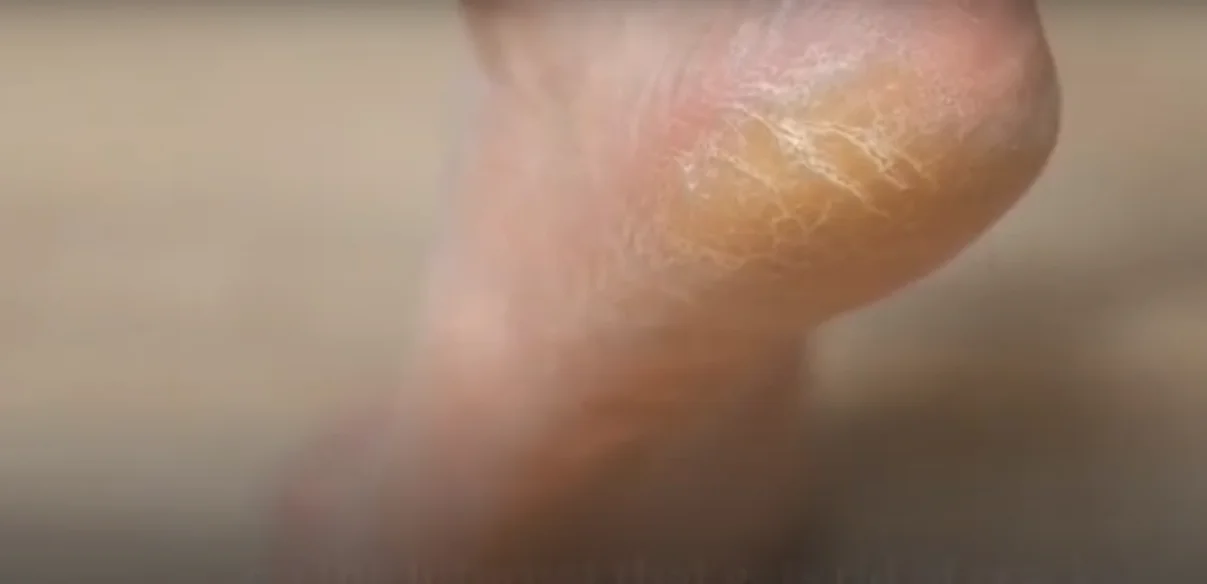
Skin naturally becomes thinner and produces less of its own natural oils as we age, a process that accelerates after 50 and is particularly noticeable on the feet, where skin is already thicker and works harder. The soles of the feet also lack oil glands entirely, relying on sweat glands and the skin’s outer barrier to stay hydrated—which is why feet often feel drier than other parts of the body, especially in winter or in dry climates. Standing or walking for long periods increases pressure on the heels, which can thicken the skin (forming calluses) and make existing dryness more likely to crack under that pressure. Certain health conditions common in older adults, including diabetes, hypothyroidism, and poor circulation, can also reduce the skin’s ability to retain moisture, making cracked heels more frequent and slower to heal.
If you’re struggling with super dry feet, it’s important to understand the cracked heels health problems that can develop, like infections and deep fissures.
Deep cracks aren’t just a cosmetic issue—when the skin splits open, it creates an entry point for bacteria, which can lead to infection, especially in people with diabetes or circulation issues where healing is slower. Signs that a crack may need medical attention include redness, swelling, warmth, drainage, or a crack that doesn’t begin to improve after a week or two of consistent home care. For most people without these warning signs, however, a combination of gentle exfoliation and consistent moisturizing is enough to prevent cracks from forming in the first place or to heal mild ones.
Luckily, using a homemade foot scrub is one of the best ways to exfoliate dead skin and prevent painful issues before they start!
DIY Toothpaste Sugar Foot Scrub Recipe
Ingredients:
- 1 tablespoon white sugar (the coarser, the better!)
- 1 teaspoon non-gel toothpaste
- Optional: 1 teaspoon coconut oil or petroleum jelly for cracked heels for extra moisture
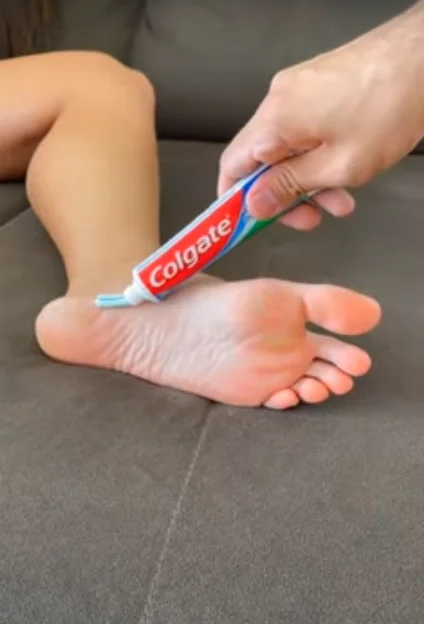
The science behind this combination is straightforward: sugar granules act as a mechanical exfoliant, physically loosening and lifting away dead skin cells when rubbed against the skin. Toothpaste contributes mild cleansing agents and, in some formulations, a slight cooling or tingling sensation from ingredients like menthol, which many people find refreshing on tired feet—though it isn’t doing anything medicinal for the skin itself, so non-gel, basic toothpaste works just as well as anything fancier. Adding coconut oil or petroleum jelly helps cushion the scrubbing action and leaves a thin protective layer on the skin afterward, which is especially helpful for very dry or cracked heels. White sugar is generally preferred over brown sugar or salt for foot scrubs because its granules are rounder and less likely to create micro-tears in already-fragile skin, while salt crystals tend to be sharper and can sting if there are any small cracks present. If you have any open cuts, very thin or fragile skin, or neuropathy (reduced sensation) in your feet, it’s best to skip mechanical scrubs altogether and stick to gentle moisturizing, since you may not be able to feel if the scrub is too rough.
How to Use:
- Mix the sugar and toothpaste in a small bowl.
- Rub the mixture onto damp feet, focusing on your heels and the balls of your feet.
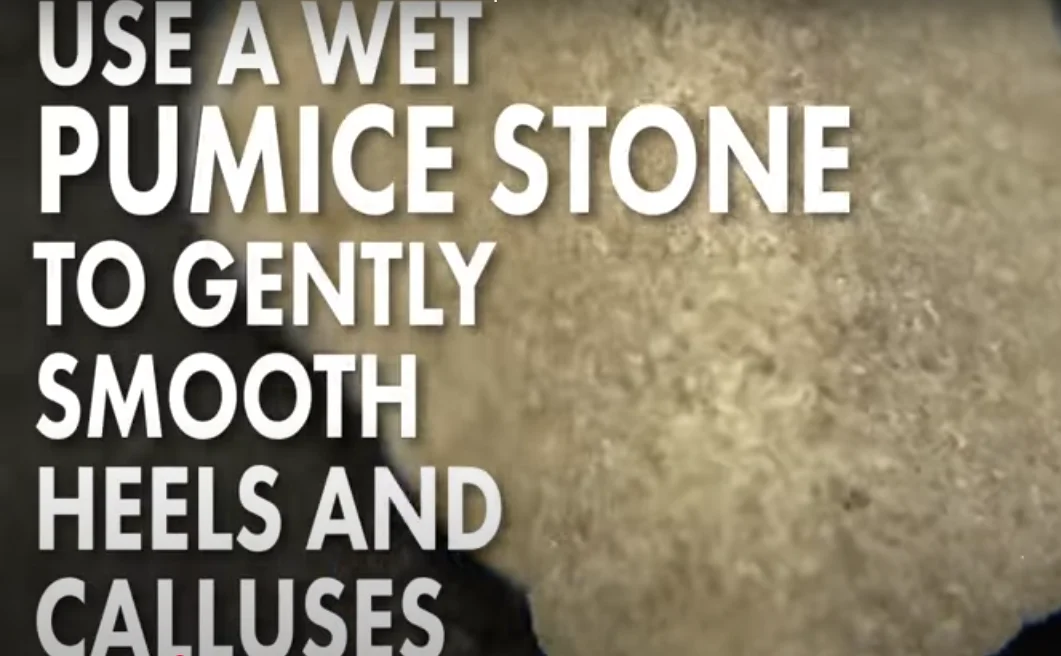
- Massage for 3–5 minutes in circular motions (use a pumice stone for cracked heels afterward for extra smoothing).
- Rinse thoroughly with warm water and pat dry.
- Moisturize immediately with a rich cream like Flexitol Foot Cream 25% Urea or Scholl Foot Cream for Cracked Heels.
Pro Tip: Use this scrub twice a week for best results, especially if you’re dealing with split heels causes or stubborn rough feet causes.
Timing matters too: doing this scrub right after a warm shower or bath, when skin is softened and slightly damp, makes the dead skin easier to remove and reduces the amount of pressure needed. Avoid scrubbing on completely dry skin, as this can be more abrasive. If you use a pumice stone, work in one direction rather than back-and-forth, and stop as soon as the skin feels smooth—over-buffing can actually thin the skin too much and make it more prone to cracking over time, which is the opposite of the goal. Twice a week is a good starting point for most people; if your feet feel tight, red, or irritated afterward, scale back to once a week and focus more on moisturizing in between.
Best Moisturizers to Use After Scrubbing
After using your toothpaste sugar scrub, moisturizing is non-negotiable. Here are some top-rated products perfect for post-scrub hydration:
- Physiogel Daily Moisture Therapy Creme – Great for locking in hydration.
- Aveeno Moisturising Cream 300ml – Soothing for extremely dry feet.
- CeraVe Daily Moisturising Cream – Packed with ceramides for barrier repair.
- Elizabeth Arden Eight Hour Cream Intensive Daily Moisturizer for Face – A multi-purpose powerhouse for both face and feet!
For deep hydration overnight, slather on Vaseline Petroleum Jelly for Cracked Heels and wear cotton socks to bed. Hello, soft feet!
What makes ceramide-based creams like CeraVe particularly useful for feet is that ceramides are naturally occurring lipids that help form the skin’s protective barrier—and this barrier becomes less effective with age, allowing more moisture to escape. Urea-based creams, like the Flexitol option mentioned earlier, work a bit differently: at lower concentrations urea acts as a humectant (drawing moisture into the skin), while at higher concentrations (like 25%) it also has a gentle exfoliating effect, which is part of why urea creams are so popular specifically for heels and calluses. The “overnight sock” method—applying a thick layer of petroleum jelly or a heavy cream and then covering feet with cotton socks before bed—works by creating an occlusive layer that traps moisture against the skin overnight, similar to how a moisturizing mask works for the face. For best results, apply moisturizer within a few minutes of toweling off after a shower or bath, while skin is still slightly damp, since this helps seal in surface moisture rather than just sitting on top of dry skin.
Extra Care: Keep Your Feet Smooth Daily
Beyond scrubs and creams, a daily foot care routine helps prevent those dreaded heel fissures. Here’s what experts recommend:
- Cleanse your feet gently with a mild soap like CeraVe Hydrating Facial Cleanser for Daily Face Washing (works for feet too!).
- Moisturize twice daily with heavy-duty products like Aveeno Active Naturals Ultra Calming Daily Moisturizer.
- Use a homemade foot soak weekly (Epsom salt + warm water = bliss).
- Consider a light daily exfoliant like a homemade sugar scrub for feet if you notice buildup returning.
For those tackling deep fissures in feet, always use a targeted treatment like Crack and Heal Cream or Boots Cracked Heel Balm for best results.
A daily routine doesn’t need to be elaborate to be effective—consistency matters more than complexity. Washing feet with a gentle, fragrance-free cleanser avoids stripping away natural oils the way harsh soaps can, which is especially important for older adults whose skin produces less oil to begin with. Applying moisturizer both morning and night, rather than just once, gives the skin two opportunities each day to absorb hydration before it has a chance to dry out again. Epsom salt foot soaks, typically made with about half a cup of Epsom salt dissolved in a basin of warm water for 10 to 15 minutes, are a relaxing way to soften skin before moisturizing and may also help ease minor aches in the feet after a long day. If you notice that cracks keep returning despite a consistent routine, or if a crack becomes deep, painful, or shows signs of infection (redness, warmth, swelling, or discharge), it’s a good idea to have a podiatrist take a look—this is especially important for anyone with diabetes, where foot health deserves extra attention as part of regular medical care.
Bonus: Face Moisturizers That Work Wonders for Feet Too
Sometimes, your best day cream for glowing skin also doubles as a quick fix for dry feet!
Check out options like:
And for daily body hydration, don’t skip Lubriderm Daily Moisture Hydrating Unscented Body Lotion — a cult classic for a reason!
It might seem unusual to use a facial moisturizer on your feet, but many of these formulas are actually well-suited to the job. Face creams are often formulated with a higher concentration of active hydrating ingredients, like hyaluronic acid or glycerin, which can pull moisture into the skin and help it stay there longer. The main difference between face and body lotions usually comes down to texture and fragrance rather than core ingredients, so a rich face cream can work perfectly well on rough heels, especially in a pinch. That said, if you’re using a leftover face cream on your feet regularly, it’s worth keeping a separate jar or pump rather than dipping fingers that have touched your feet back into a product you also use on your face, simply for basic hygiene. Body lotions like Lubriderm, meanwhile, are formulated to spread easily over larger areas and are a practical everyday choice for keeping legs, feet, and arms from feeling dry, particularly during colder months when indoor heating can dry out the air.
Final Thoughts: Soft Feet Are Just a Scrub Away
With a simple toothpaste sugar foot scrub and some of the best foot care products for dry feet, you can banish cracked heels, broken skin on feet, and crusty feet forever.
Pair your new scrub routine with moisturizing superheroes like Cetaphil Daily Advance Ultra Hydrating Lotion 100g and Aveeno Daily Moisturizing Lotion 532ml, and you’ll never hide your feet again. 💖
Ready to kick off your sandals with confidence? Try the scrub tonight and feel the difference tomorrow!
Foot care is one of those small habits that pays off disproportionately to the effort involved. A few minutes, twice a week, with ingredients most people already have on hand, can noticeably improve comfort, appearance, and even confidence about going barefoot or wearing open shoes. As with any home remedy, pay attention to how your skin responds—everyone’s skin is a little different, and what works wonderfully for one person may need slight adjusting for another. If you’ve tried consistent scrubbing and moisturizing for several weeks without improvement, or if cracks are deep, painful, or not healing, that’s a good signal to bring in a podiatrist, who can offer prescription-strength treatments and rule out underlying causes like fungal infections.
Frequently Asked Questions
Is it safe to use a toothpaste sugar scrub on cracked feet?
For mild dryness and rough patches, yes. But if you have deep cracks, open sores, diabetes, or numbness in your feet, skip mechanical scrubs and talk to a podiatrist first, since reduced sensation can make it hard to tell if scrubbing is too rough.
How often should I scrub my feet?
Twice a week is a good starting point for most people. If your skin feels irritated, red, or overly sensitive afterward, cut back to once a week and focus more on moisturizing.
Does the type of toothpaste matter?
A basic, non-gel toothpaste works best. Whitening or heavily flavored toothpastes don’t add any benefit for the skin and may cause more irritation for some people.
Can I use brown sugar or salt instead of white sugar?
White sugar is generally gentler because its granules are rounder. Salt crystals are sharper and can sting, especially if there are small cracks in the skin.
Why do my feet get drier as I get older?
Skin naturally produces less oil and becomes thinner with age, and the soles of the feet have no oil glands at all, relying on sweat glands and the skin barrier for moisture—both of which become less efficient over time.
When should I see a doctor about cracked heels?
If a crack is deep, painful, bleeding, or shows signs of infection like redness, warmth, or discharge, or if home care doesn’t improve things after a couple of weeks, it’s time to check in with a podiatrist or doctor—especially for anyone with diabetes or circulation issues.
⚕️ Medical Disclaimer
The information provided on this page is for educational purposes only and is not intended as medical advice, diagnosis, or treatment. Always consult a qualified healthcare professional before making changes to your diet, starting any supplement, or if you have an existing medical condition. KeepFitQuote does not provide medical diagnoses or treatment recommendations. Read our full disclaimer.
Related Posts