Low testosterone, or low T, is more than just a number on a lab test — it’s a quiet intruder that can gradually disrupt a man’s mental, emotional, and physical well-being. For many men, it begins subtly, often mistaken for stress, aging, or just a “rough patch.” But as testosterone levels dip, the body and mind begin to speak out — in whispers that, if ignored, can grow into a full-blown shout.
Let’s explore the physical signs of low testosterone in men and how this hormone imbalance often overlaps with depression, bone loss, and even gut health — all while touching on the real, human experience behind these changes.
Featured article image
1. Loss of Sex Drive & Erection Issues
A sudden loss of sex drive or no interest in sex is often the first red flag. Men with low testosterone often find themselves saying, “I have a low sex drive,” or “my wife has no interest in sex and I feel the same.” Unlike the natural fluctuations of desire, this lack of libido feels persistent — sometimes leading to relationship strain, divorce depression, or even depression after breakup.
Low testosterone can also cause erectile dysfunction or a reduced firmness, not due to arousal or attraction issues, but purely hormonal. For some, it creates an embarrassing barrier to intimacy, feeding into male depression and low self-esteem.
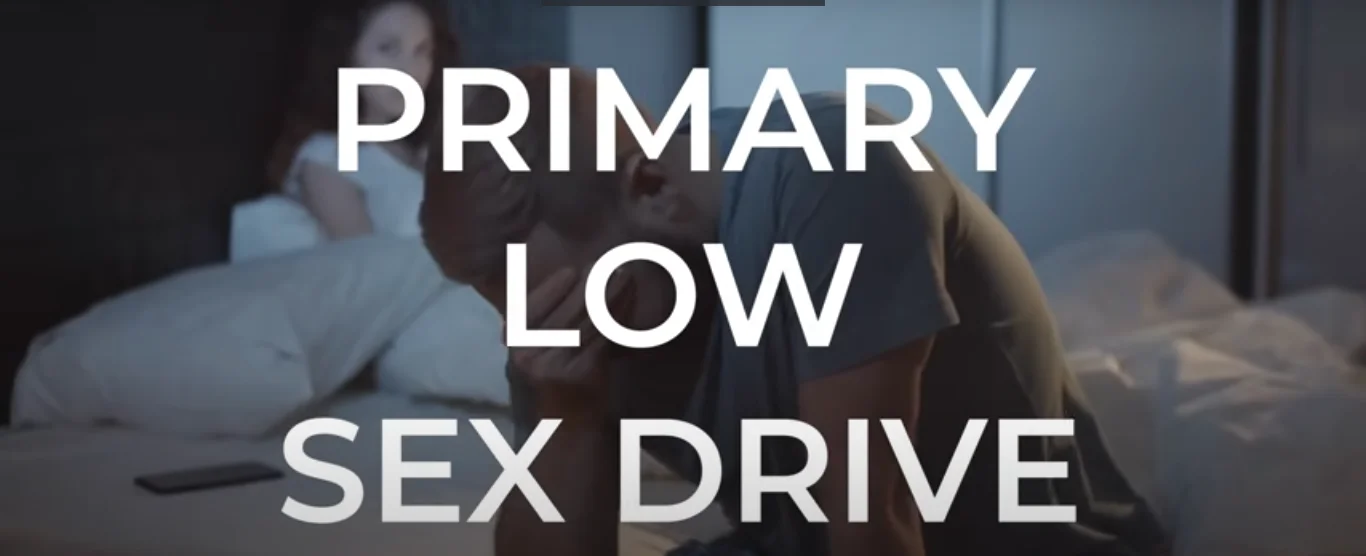
Testosterone is the primary driver of the male libido — but its role in sexual function is more complex than simply “more T equals more drive.” The hormone must first be converted in the brain and genital tissue to activate the neural pathways that generate desire and arousal. When testosterone falls below approximately 300 ng/dL (the general threshold most endocrinologists use), this signaling weakens noticeably. A 2016 review in the Journal of Sexual Medicine found that hypogonadism (clinically low testosterone) was present in roughly 25% of men with persistent erectile dysfunction — a significant proportion that often goes untreated because men assume the problem is psychological.
It’s worth distinguishing between low libido and erectile dysfunction, as they have different mechanisms. Low libido is driven by insufficient androgen signaling in the brain’s hypothalamus. ED, by contrast, often involves both hormonal and vascular components — low T reduces nitric oxide production in penile arteries, limiting the blood flow needed for a full erection. This is why some men with physical signs of low testosterone experience both issues simultaneously, while others experience one without the other.
Practical step: if you’ve noticed a persistent decline in sexual interest or function lasting three or more months, ask your doctor for a morning total testosterone test (testosterone peaks in the early morning hours). Levels fluctuate daily, so a single low reading should be confirmed with a second test before any treatment decisions are made.
2. Chronic Fatigue & Lack of Motivation
Men suffering from low testosterone often report feeling “too depressed to do anything” or experiencing depression and low sex drive as a double punch. It’s not just tiredness — it’s an overwhelming, bone-deep fatigue that doesn’t go away with rest.
This low energy is frequently accompanied by lack of motivation depression or feeling “so depressed” without understanding why. These are early signs of depression that many ignore, chalking it up to work stress or poor sleep. But hormone imbalance can be a hidden culprit, especially if you feel sad all the time
or keep thinking, “I feel down” or “I feel sad for no reason.”
Testosterone exerts a direct energizing effect on the central nervous system by upregulating the production of red blood cells (via erythropoietin stimulation) and by supporting mitochondrial function in muscle cells. When levels drop, red blood cell count can fall, reducing oxygen delivery to muscles and the brain — a physiological fatigue that no amount of sleep will fully fix. This is distinct from lifestyle fatigue and is measurable: men with low T frequently show mildly reduced hemoglobin levels on routine blood work.
The motivation piece has a separate but equally important biological basis. Testosterone modulates dopamine receptors in the brain’s reward pathways. Low T is associated with reduced dopaminergic activity — the same system disrupted in clinical depression and burnout. This is why men with low testosterone often describe not just tiredness but a loss of interest and pleasure in things they used to enjoy (anhedonia), which is clinically meaningful and deserves evaluation rather than dismissal as “just stress.”
If you’ve felt persistently fatigued for more than six weeks without a clear explanation, ask for a comprehensive panel that includes total testosterone, free testosterone, thyroid function (TSH/T4), complete blood count, and vitamin D. These markers together paint a much clearer picture of hormonal fatigue than testosterone alone.
3. Weight Gain & Muscle Loss
Low testosterone slows metabolism, reduces muscle mass, and leads to increased body fat, especially around the abdomen. Despite following a healthy diet plan for weight gain or doing regular exercise, many men struggle to maintain muscle tone.
This kind of body change can increase body dissatisfaction, potentially fueling depression thoughts, low self-esteem and depression, or even boredom and depression from social withdrawal.
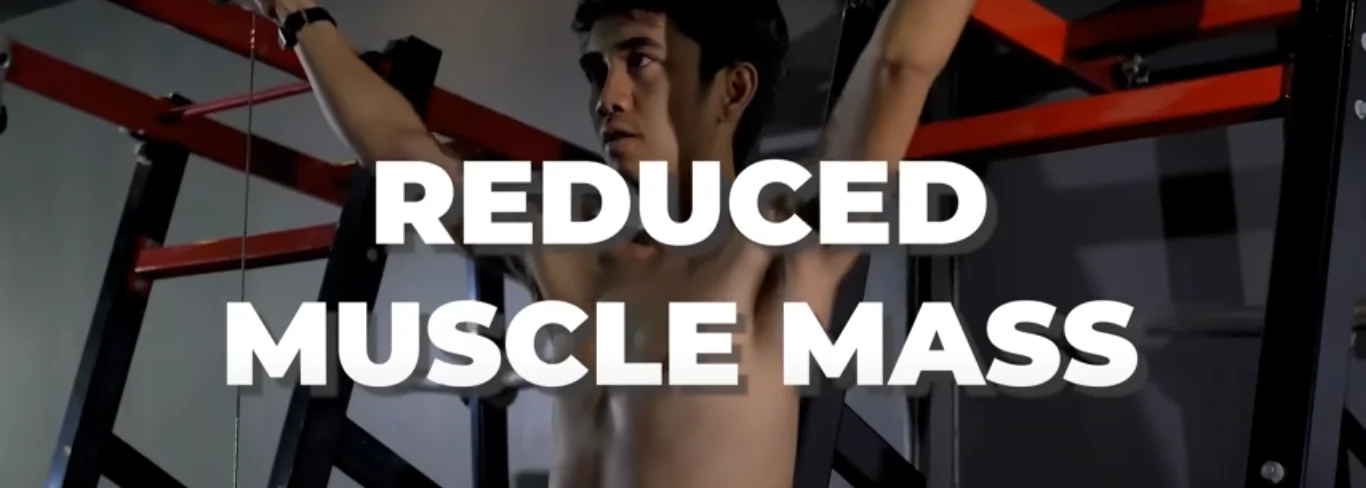
Testosterone is anabolic — it stimulates muscle protein synthesis and inhibits fat storage. When levels fall, the body tips toward a catabolic state: muscle breaks down faster than it rebuilds, and fat, particularly visceral (belly) fat, accumulates. Visceral fat is metabolically active and secretes inflammatory cytokines that further suppress testosterone production, creating a feedback loop that accelerates the problem. A 2020 study in Obesity Reviews confirmed that visceral adiposity and low testosterone are mutually reinforcing, meaning addressing one without the other often produces limited results.
Resistance training is the most powerful non-hormonal intervention for preserving muscle mass in men with low T. Compound exercises — squats, rows, presses — trigger the greatest anabolic hormone response and preserve lean mass even when testosterone is suboptimal. Aim for two to three sessions per week focusing on multi-joint movements. Adequate dietary protein (at least 1.2 grams per kilogram of body weight daily) is equally essential; without it, muscle synthesis cannot proceed regardless of exercise.
If diet and exercise aren’t moving the needle after three to four months of consistent effort, talk to your doctor about testosterone replacement therapy (TRT). When appropriately prescribed and monitored, TRT has been shown in multiple randomized trials to reduce body fat, increase lean mass, and improve strength in men with clinically confirmed hypogonadism.
4. Bone Loss & Increased Fracture Risk
A less talked-about symptom is bone deterioration. Testosterone plays a vital role in maintaining bone density, and its decline can lead to bone loss in jaw, osteoporosis teeth, or even spinal issues.
Men might not realize they’re experiencing bone decay or bone loss disease until it’s too late — until they suffer a fracture or feel unexplained joint and back pain. Bone loss from braces, dental bone loss causes, and jaw bone deterioration are subtle but growing concerns, especially with long-term testosterone deficiency.
Pair this with depression after injury, and you get a recipe for debilitating depression, especially if recovery feels slow and disheartening.
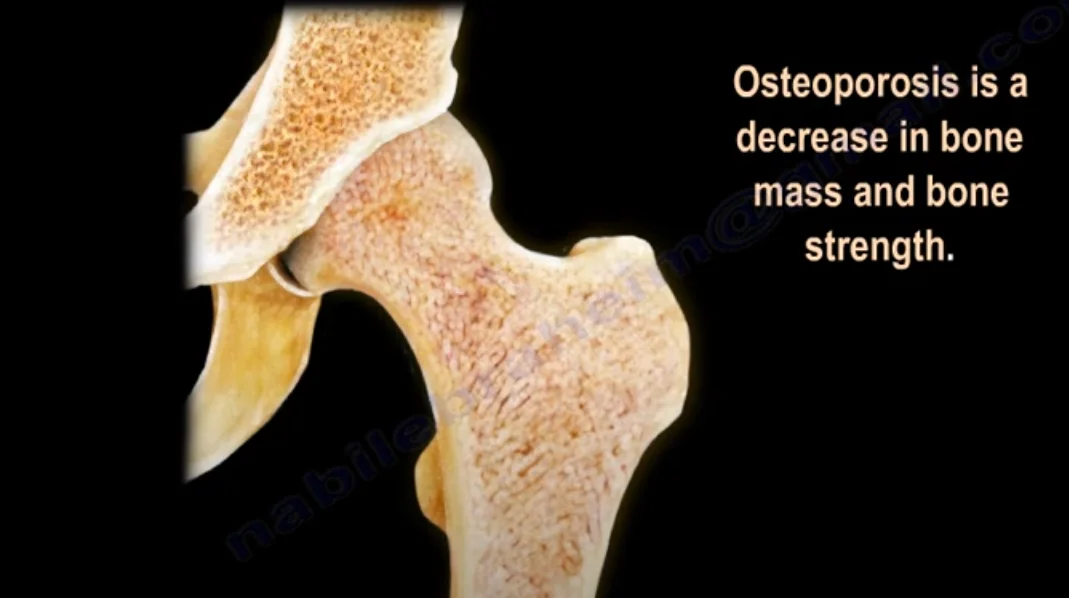
Male osteoporosis is a significantly underappreciated condition — an estimated 2 million American men have it, and another 12 million are at risk, yet it remains far less discussed than osteoporosis in women. Testosterone promotes bone formation by stimulating osteoblasts (bone-building cells) and by aromatizing (converting) into estradiol, which suppresses osteoclast activity (bone breakdown). When T falls, both of these protective mechanisms weaken simultaneously, accelerating net bone loss.
The hip and spine are most vulnerable, but dental bone loss (alveolar bone resorption) is also a real and often surprising manifestation of long-term hypogonadism. Men with low testosterone are more likely to experience tooth loosening and accelerated periodontal disease — symptoms often attributed solely to poor dental hygiene when the hormonal component goes unrecognized. A bone density scan (DEXA scan) is recommended for any man over 70, or over 50 if he has risk factors including low testosterone, steroid use, smoking, or a prior fragility fracture.
Calcium (1,000–1,200 mg daily from food or supplements) and vitamin D (1,500–2,000 IU daily for most older adults) are the foundational supports for bone health. Weight-bearing exercise — walking, jogging, hiking, strength training — stimulates bone remodeling more effectively than any supplement. If your DEXA scan shows osteopenia or osteoporosis, your doctor may also discuss medications (bisphosphonates) alongside testosterone therapy.
5. Mood Swings & Depression
Hormones directly influence our emotional balance. When testosterone plummets, depression in men becomes more common. The sadness is not always situational — it’s chemical. Men describe feeling hopeless about life, masking depression, or experiencing burnout and depression even when life appears “fine” on the outside.
Low testosterone may be linked to clinical depression, and many men benefit from cognitive behavioral therapy or psychotherapy alongside hormone treatments. Resources like MoodGym, DBSA support groups, and learning about depression can help with understanding depression better.
In some cases, this hormonal imbalance may mimic or even trigger bipolar 2 depression, dysthymia depression, or seasonal affective disorder (SAD syndrome) — especially during the colder months. Men going through post-COVID depression, divorce depression, or depression after quitting drinking may be at even greater risk.
The testosterone-mood connection is bidirectional and well-documented. A meta-analysis of 27 randomized controlled trials, published in JAMA Psychiatry in 2019, found that testosterone therapy significantly reduced depressive symptoms in men with low or borderline testosterone levels, with effect sizes comparable to antidepressant medications in some subgroups. Critically, this effect was strongest in men whose depression had not responded well to traditional antidepressants — suggesting that untreated hypogonadism may be a biological reason why some men’s depression resists conventional treatment.
Testosterone acts on the brain’s limbic system — particularly the amygdala — regulating emotional reactivity, stress response, and the capacity for positive emotion. Low levels reduce serotonin receptor sensitivity and dampen GABA-mediated calming signals, which together contribute to irritability, anxiety, and a low-grade persistent sadness that’s often described as emotional numbness rather than acute grief. Men experiencing these symptoms should ideally have testosterone levels checked before starting antidepressants, so the treatment plan addresses the underlying cause rather than only the symptom.
If you’ve been on an antidepressant for six months or more with incomplete relief, bring up testosterone testing with your prescriber. This is a simple blood draw that takes minutes and could meaningfully redirect your treatment. Addressing the hormonal root cause while continuing therapy and other mental health support is not either/or — it’s a comprehensive approach.
6. Sleep Disturbances & Oversleeping
A disrupted sleep cycle is another hallmark. Men with low testosterone may sleep longer but still wake up tired, or suffer from sleep apnea and depression, sleeping too much depression, or oversleeping depression.
Poor sleep worsens both hormonal imbalance and mental depression symptoms, causing a vicious cycle that affects mood, weight, energy, and motivation.
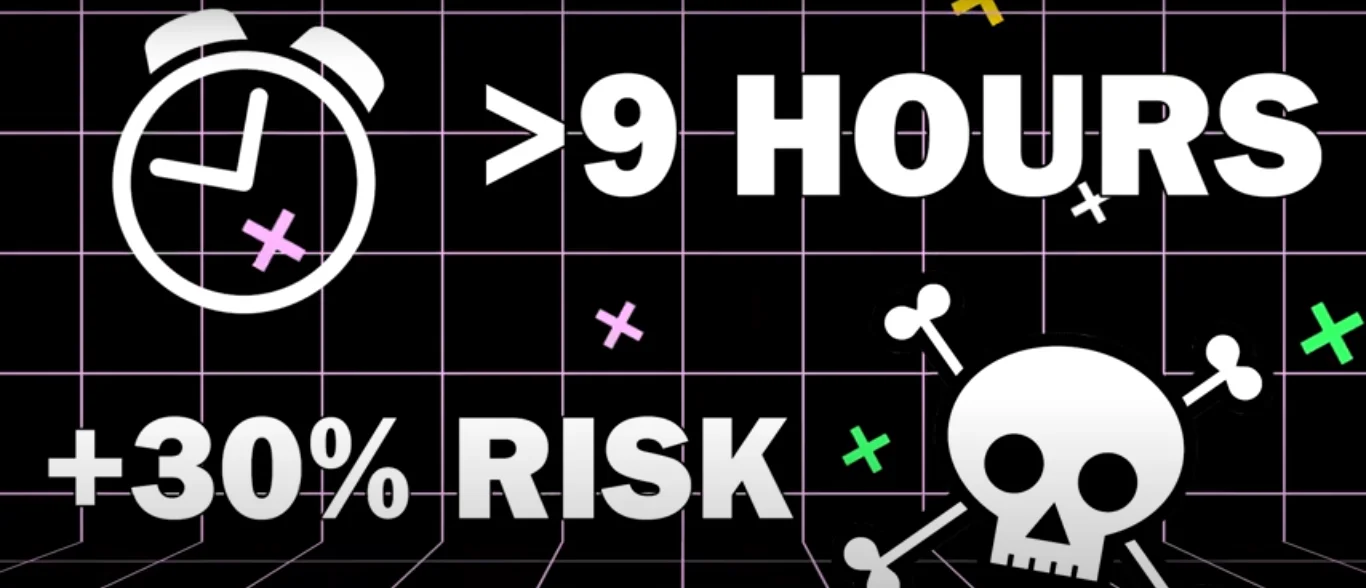
The relationship between testosterone and sleep is circular: most daily testosterone production occurs during deep, slow-wave sleep — particularly in the first few cycles of the night. Men who sleep fewer than 5 hours per night show testosterone levels 10–15% lower than those sleeping 7–9 hours, according to a study in the Journal of the American Medical Association. That’s a clinically meaningful reduction achievable with nothing more than poor sleep hygiene.
Obstructive sleep apnea (OSA) deserves special attention here. OSA disrupts slow-wave sleep repeatedly through the night, and it’s significantly more common in men with low testosterone due to the relationship between low T, increased visceral fat, and reduced upper airway muscle tone. The result is a self-perpetuating cycle: low T contributes to the weight gain and tissue changes that cause apnea, and the apnea then further suppresses T production. Studies show that treating OSA with CPAP therapy raises testosterone levels by 15–20% in hypogonadal men with apnea — sometimes enough to resolve symptoms without additional hormone therapy.
If you snore heavily, wake frequently, or feel unrefreshed no matter how long you sleep, ask your doctor for a sleep study before assuming hormonal treatment alone will resolve your fatigue. Treating the apnea first may be the most effective — and least invasive — first step.
7. Digestive Issues & Gut-Brain Imbalance
Emerging research highlights a surprising link between gut bacteria and depression. Low testosterone may influence the gut-brain axis, contributing to issues like IBS and depression or gut health and depression. These digestive problems not only interfere with nutrient absorption (which affects mood) but can also be a sign that deeper hormonal imbalances are at play.
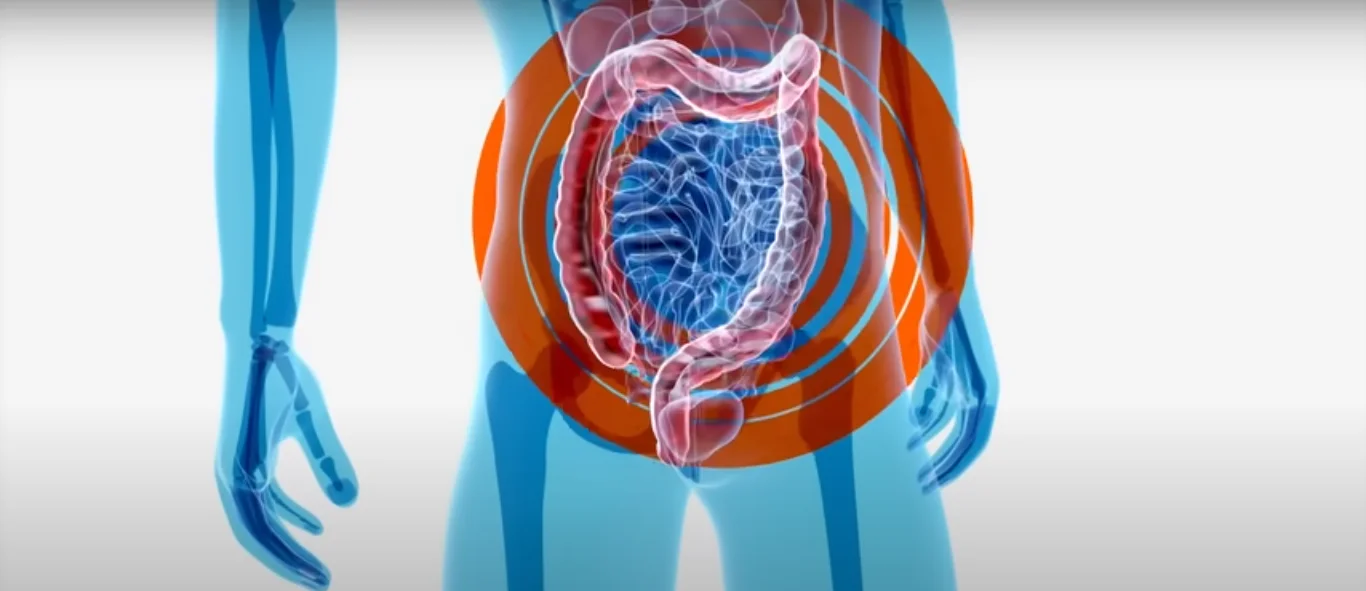
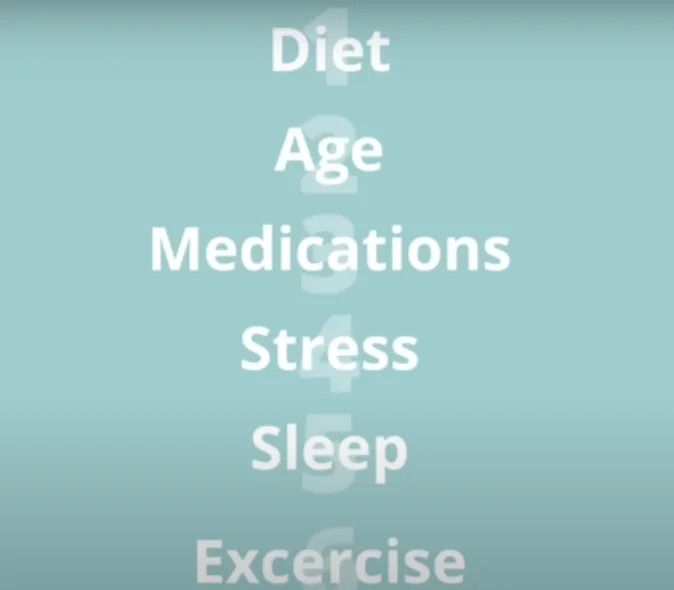
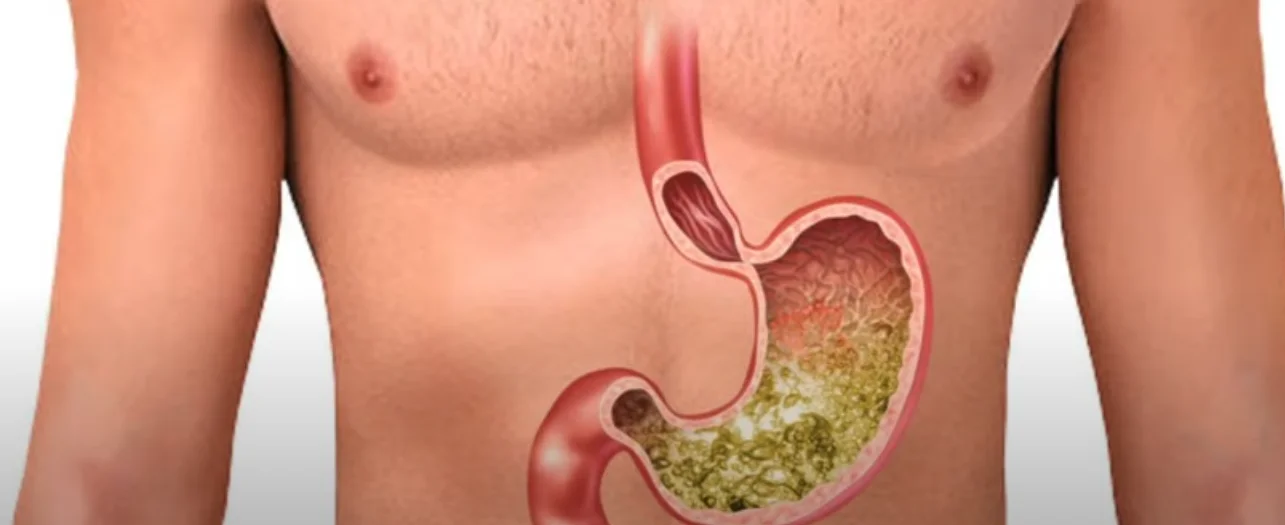
The gut-hormone axis is a rapidly emerging area of research with real implications for men’s health. Testosterone receptors are found throughout the gastrointestinal tract, influencing gut motility, intestinal permeability, and the composition of the gut microbiome. Studies published in Gut Microbes and related journals have found that men with lower testosterone tend to have reduced microbial diversity — fewer beneficial strains like Lactobacillus and Bifidobacterium — which is associated with increased intestinal inflammation, leaky gut, and impaired serotonin production (since roughly 90% of the body’s serotonin is made in the gut).
This creates a pathway from hormonal imbalance to mood disruption that bypasses the brain entirely — a gut-mediated route to depression, anxiety, and emotional flatness. It also helps explain why some men with low testosterone report digestive symptoms alongside mood changes, and why dietary interventions (particularly increasing fermented foods, prebiotic fibers, and diverse plant foods) can improve mood as well as digestion.
If you’re experiencing persistent bloating, irregular bowel habits, or food sensitivities alongside low energy and mood changes, mention all of these symptoms to your doctor together — they may be different expressions of the same underlying hormonal imbalance rather than separate conditions requiring separate specialists.
When to Seek Help
If you’ve been thinking, “I’m depressed for no reason,” or “I lost my sex drive and feel emotionally numb,” it might be time to investigate your hormone levels.
Untreated, low testosterone can spiral into persistent depression, social anxiety and depression, or even psychotic depression symptoms in rare cases. It’s not just about aging — it’s about quality of life.
Talk to a doctor. Get your levels checked. A simple blood test might unlock a new chapter in your life — one with more energy, more clarity, and more joy.
The actual diagnostic process is straightforward. Ask your primary care doctor for a morning total testosterone test (drawn between 7–10 a.m.) along with free testosterone, LH (luteinizing hormone), and FSH — these additional markers help distinguish between primary hypogonadism (a testicular problem) and secondary hypogonadism (a pituitary/hypothalamic problem), which have different treatment pathways. Most physicians consider total testosterone below 300 ng/dL, combined with two or more symptoms, as a threshold for a clinical diagnosis of hypogonadism.
Treatment options range from testosterone gels (applied daily to the skin), injections (typically every one to two weeks), patches, and implantable pellets. Each has different absorption profiles and dosing schedules — your doctor will tailor the choice to your lifestyle, preferences, and any existing health conditions. Men with prostate cancer or severe sleep apnea require specialized evaluation before starting TRT. Regular monitoring (testosterone levels, hematocrit, PSA, and lipids) is standard practice during treatment.
Natural approaches to support testosterone — resistance training, adequate sleep, zinc and vitamin D sufficiency, stress management, and maintaining a healthy weight — can raise borderline levels meaningfully and are worth pursuing regardless of whether you pursue hormone therapy. For clinically confirmed hypogonadism, however, lifestyle changes alone are rarely sufficient to restore levels to the optimal range.
Final Thought
The conversation around men’s health is long overdue. Testosterone is more than a “male hormone” — it’s a life force. And when it’s missing, your body and mind feel it. From lack of interest in sex to feeling sad all the time, these symptoms aren’t signs of weakness. They’re signals that something deeper needs healing.
Healing starts with awareness. Then comes action.
You’re not alone. Depression is real, and low testosterone is too. The solution? Start the conversation. Take the test. And reclaim your life.
If you’re suffering from depression, experiencing a lack of sex drive, or simply feel like you’re not yourself anymore, talk to a healthcare provider. You deserve support — and recovery is possible.
⚕️ Medical Disclaimer
The information provided on this page is for educational purposes only and is not intended as medical advice, diagnosis, or treatment. Always consult a qualified healthcare professional before making changes to your diet, starting any supplement, or if you have an existing medical condition. KeepFitQuote does not provide medical diagnoses or treatment recommendations. Read our full disclaimer.
Related Posts