Yes—men over 50 can support healthy testosterone by improving sleep timing, lifting heavy (with good form), eating protein-rich whole foods with zinc and magnesium, getting morning sunlight, managing stress, and keeping waist-to-height ratio near ≤0.5. Supplements like vitamin D3, magnesium glycinate, creatine, and (if approved by your clinician) ashwagandha or low-dose boron may help alongside lifestyle changes.
Testosterone levels in men decline gradually from around age 30, dropping roughly 1–2% per year. By 50, many men have measurably lower levels than they did in their 30s—and the downstream effects can be significant: less muscle mass, more body fat (especially at the waist), reduced energy, lower libido, and mood changes that are often mistakenly attributed to stress or “just getting older.” The good news is that this decline is not entirely inevitable. Research published in the Journal of Clinical Endocrinology & Metabolism and other peer-reviewed journals consistently shows that targeted lifestyle interventions—particularly around sleep, resistance training, nutrition, and stress management—can meaningfully support the body’s own hormone production. This guide lays out those interventions clearly and practically, with the 50+ man in mind.
Table of Contents
- After 50: How to Naturally support testosterone Levels
- Why Testosterone Slows After 50
- The Lab Conversation to Have With Your Doctor
- Food Habits That Support T (Men 50+)
- Movement That Moves Your Hormones
- Sleep & Sunlight: The Quiet Hormone Reset
- Stress Tools That Actually Fit a Busy Life
- Smart Supplement Corner (Lifestyle First, Doctor-Cleared)
- A 7-Day Starter Plan (Men 50+)
- Mistakes to Skip
- Fast Answers
- FAQ
- Wrap-Up
Why Testosterone Slows After 50
- Sleep debt: Short or fragmented sleep lowers next-day testosterone.
- Less muscle use: Muscle is a hormone ally; when you stop lifting, signals drop.
- Higher stress load: Chronic pressure elevates cortisol, which competes with anabolic signals.
- More body fat, especially at the waist: Visceral fat increases aromatase activity, converting testosterone to estrogen.
- Medications & health factors: Some drugs and conditions can affect levels—always review with your doctor.


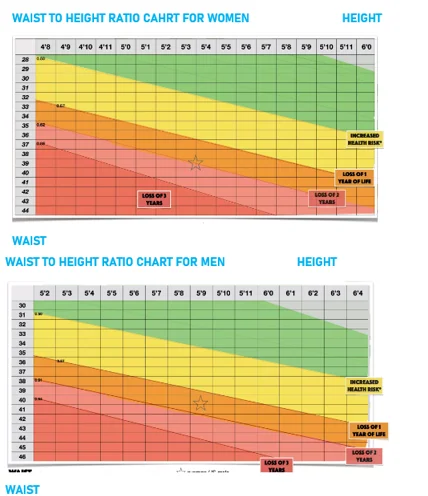
Target to remember: aim for a waist-to-height ratio ≤0.5 (wrap a tape around your waist at the navel, divide by your height). This simple metric tracks the trunk fat that most affects hormones in midlife.
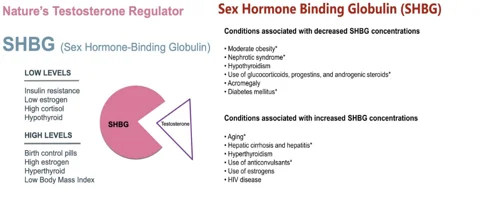
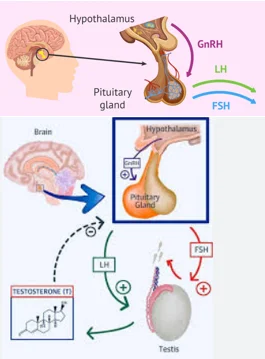
Understanding why testosterone declines is the first step toward reversing the trend. The process is biological, but it is significantly accelerated by lifestyle. At the cellular level, aging affects the Leydig cells in the testes—the cells responsible for producing testosterone—reducing their number and their responsiveness to the luteinizing hormone (LH) signal sent from the brain. Meanwhile, rising levels of sex hormone-binding globulin (SHBG) with age mean that more of whatever testosterone is produced gets “locked up” and unavailable for use. Visceral fat compounds the problem: fat cells contain the enzyme aromatase, which actively converts testosterone into estrogen. This is why waist circumference is such a powerful predictor of hormonal status in midlife men—it is not just a number on a tape measure, it is a metabolic signal. The encouraging flip side: each of these mechanisms is modifiable. Losing visceral fat, sleeping seven to nine hours, lifting weights, and managing stress all directly improve the hormonal environment, often without a single pill.
The Lab Conversation to Have With Your Doctor
Ask about:
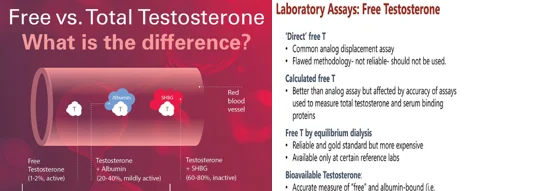
- Total Testosterone and Free Testosterone
- SHBG (sex hormone-binding globulin) to interpret free T
- LH/FSH (signal from the brain to the testes)
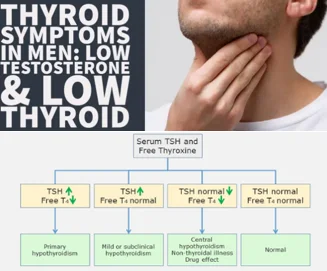
- Thyroid panel (thyroid and testosterone interact)
- Vitamin D, B12, ferritin, A1c, lipids
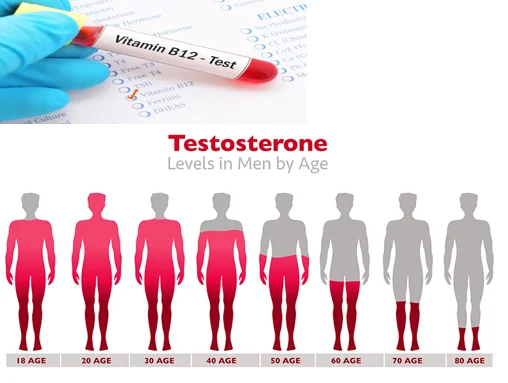
Bring a two-week sleep, training, and stress log to give your clinician context.
Getting labs done is not about chasing a number—it is about understanding your baseline so you can track real progress. Total testosterone is useful but incomplete: a man with high SHBG may have a “normal” total testosterone and yet feel all the symptoms of low T because very little of it is biologically active. Free testosterone, which measures the unbound fraction that actually enters cells and does its work, tells a much more complete story. Ask your doctor to interpret both together. It is also worth knowing that testosterone is best measured in the morning, typically between 7 and 10 a.m., when levels are naturally at their daily peak—an afternoon draw can underestimate your true level by 20–30%. LH and FSH help distinguish between primary hypogonadism (a testicular issue) and secondary hypogonadism (a signaling issue from the brain), which matters for treatment decisions. If your doctor does not routinely order the full panel, it is entirely appropriate to ask. Most of these tests are covered by standard insurance plans when symptoms are present.
Food Habits That Support T (Men 50+)
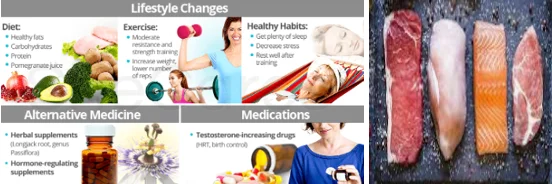
1) Protein at each meal (muscle signal)
- Practical target: about 0.7 g per lb of goal bodyweight spread across the day.
- Build meals around eggs, Greek yogurt, cottage cheese, fish, shellfish, chicken, lean beef, tofu/tempeh, or beans + rice.

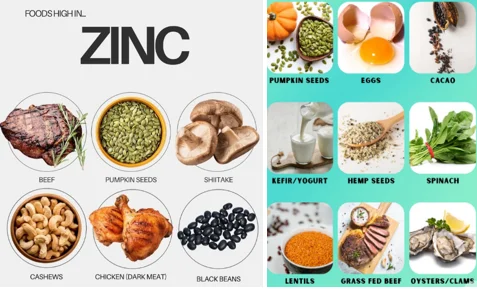
2) Mineral focus: zinc & magnesium
- Zinc foods: oysters, beef, pumpkin seeds, chickpeas.
- Magnesium foods: leafy greens, almonds, dark chocolate (70%+), black beans.

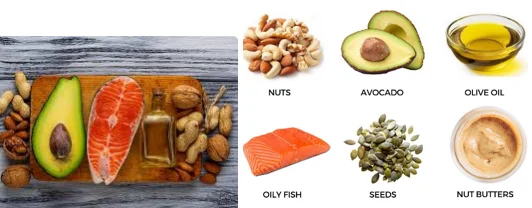
3) Fats that matter
- Mix olive oil, avocado, nuts, eggs, and fatty fish for hormone-friendly fats.
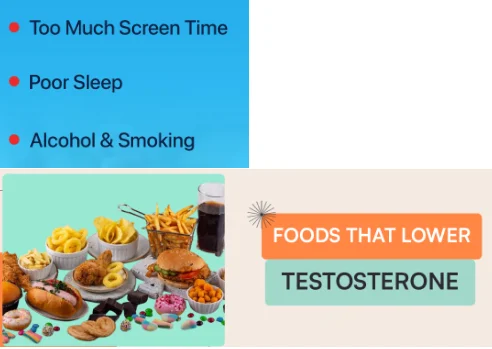
- Keep ultra-processed snacks “sometimes, small portions.”

4) Testosterone-friendly breakfast for men over 50
- Example: veggie omelet + berries + Greek yogurt + olive-oil drizzle on toast.
- Adds protein, minerals, and steady energy.

5) Hydration and timing
- Drink water regularly; limit late-night big meals that disturb sleep.
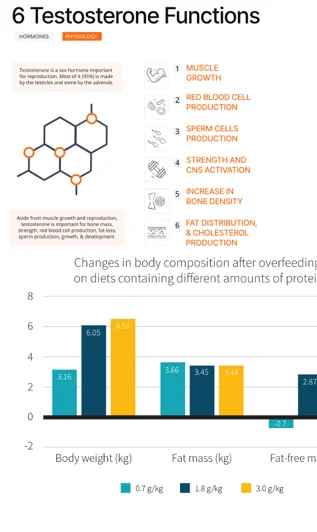
The nutritional foundation for naturally support testosterone after 50 comes down to three priorities: adequate protein, key minerals, and healthy fats. Research is clear that crash diets and chronic caloric restriction suppress testosterone—a phenomenon the body interprets as famine stress. Instead, focus on nutrient density. Zinc deserves special attention: a classic 1996 study in Nutrition found that zinc restriction in healthy older men significantly reduced testosterone within 20 weeks, and supplementation restored it. Magnesium is equally important; a 2011 study in the Biological Trace Element Research journal found free and total testosterone increased with higher magnesium intake in men over 65. Dietary fat also plays a direct role—testosterone is synthesized from cholesterol, and very low-fat diets can impair production. Aim for roughly 25–35% of calories from healthy fats daily. Time your largest protein servings around your workouts, and distribute the rest across breakfast and dinner, since muscle protein synthesis is maximized when protein is spread through the day rather than concentrated in one meal.
Movement That Moves Your Hormones
Strength Training (2–3 days/week)
- Prioritize big patterns: squat, hinge (deadlift pattern), push, pull, carry.
- “Heavy carries for men after 50” (farmer’s walk with dumbbells) lights up grip, core, and testosterone-friendly signals.
- Keep reps moderate (e.g., 5–8) with controlled form. If you’re new or returning, get coaching.


Short Sprint Work (1 day/week)
- “Short sprints for seniors hormones”: brisk uphill walks or bike sprints (10–20 seconds) with 1–2 minutes easy between efforts. Start with 4–6 repeats after medical clearance.

Everyday Activity
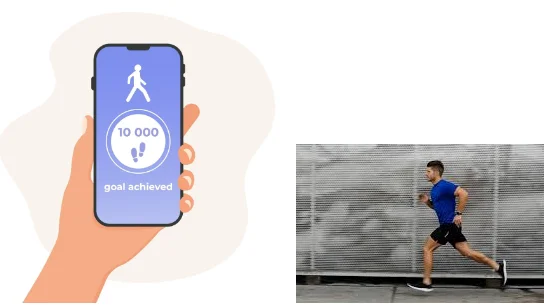
- 7–10k steps/day. Walk 10 minutes after meals to tame glucose spikes that can sap energy.
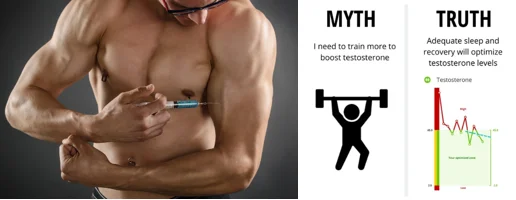
The hormonal response to exercise is well-documented and highly relevant for men seeking to naturally support testosterone levels after 50. Resistance training—particularly multi-joint, compound movements performed with moderate to heavy loads—triggers an acute testosterone surge and, more importantly, improves androgen receptor sensitivity over time, meaning your body gets better at using the testosterone it produces. A 2012 review in the European Journal of Applied Physiology found that heavy resistance exercise produced significantly greater hormonal responses than lighter-load exercise, supporting the inclusion of true strength work (not just high-rep, light “toning” routines) in any testosterone-supportive program. Sprint intervals, meanwhile, trigger a different but complementary hormonal cascade—including a brief, sharp rise in growth hormone that supports muscle preservation and fat burning. The key for men over 50 is proper warm-up (at least 10 minutes), controlled eccentric (lowering) movements to protect joints, and adequate recovery—lifting two to three times per week with at least 48 hours between sessions targeting the same muscle groups. Daily walking handles insulin sensitivity, which is directly tied to hormonal balance.
Sleep & Sunlight: The Quiet Hormone Reset
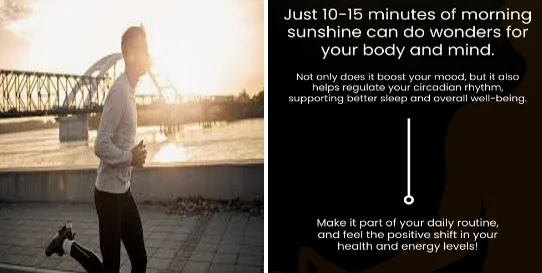
Morning Sunlight Routine (10–15 minutes)
- “Morning sunlight 10 minutes testosterone” is a simple, low-risk habit: step outside soon after waking to anchor your circadian clock.
Consistent Sleep Window
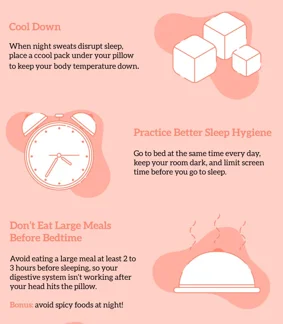
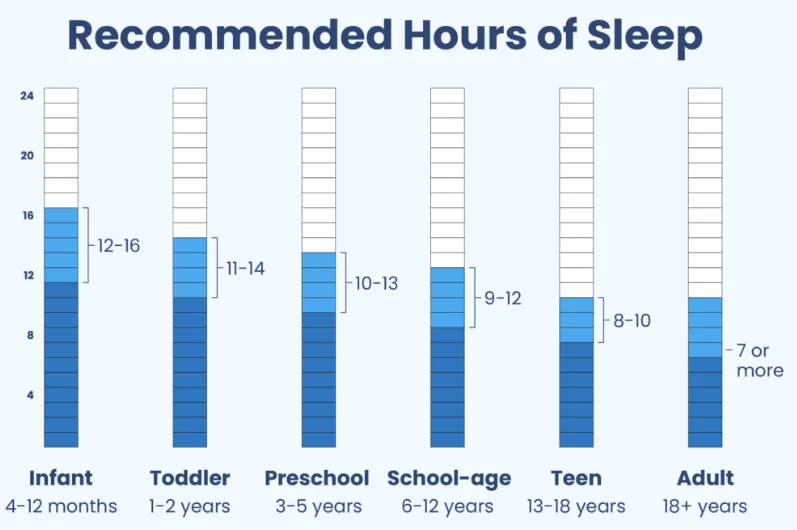
- Target 7–8.5 hours with a regular wind-down.
- Cooler, darker room; no large meals or intense news right before bed.
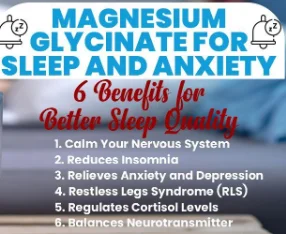
Magnesium Glycinate at Night (ask your doctor)
- Commonly used dose: 200–400 mg in the evening. Many men find it helps with sleep quality.
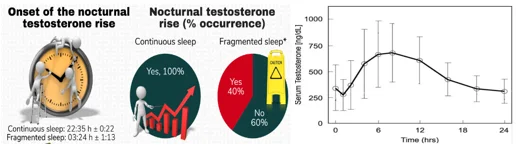
Sleep is arguably the single most powerful lever for testosterone in men over 50, and it is almost entirely free. The vast majority of daily testosterone production occurs during sleep—specifically during REM and slow-wave (deep) sleep cycles. A landmark 2011 study published in the Journal of the American Medical Association found that healthy young men who slept only five hours per night for one week had daytime testosterone levels 10–15% lower than baseline—a reduction equivalent to aging 10 to 15 years. For men already dealing with age-related decline, poor sleep accelerates the problem dramatically. Morning sunlight exposure helps by anchoring the circadian rhythm, which governs the timing and amplitude of the overnight testosterone pulse. Exposure to natural light within 30 minutes of waking—even through glasses or contacts—sends a powerful timing signal to the brain’s master clock, improving sleep quality that night and regulating cortisol (which competes with testosterone) throughout the day. Even on cloudy days, outdoor light is ten to fifty times brighter than indoor light. Make it a non-negotiable ten-minute morning habit.
Stress Tools That Actually Fit a Busy Life
- Box breathing (4-4-4-4) for 3 minutes lowers stress tone.
- 10-minute “mind dump” on paper to park worries before bed.
- Outdoor walks without phone for a mid-day reset.
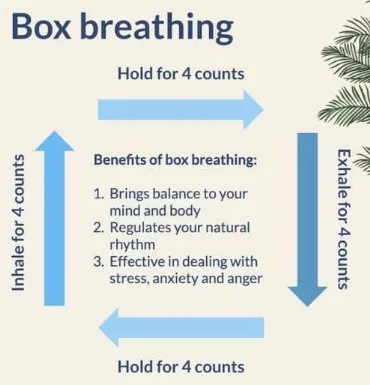
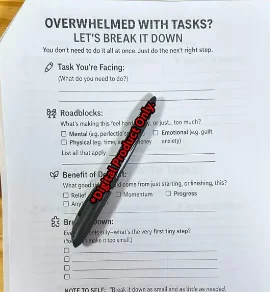

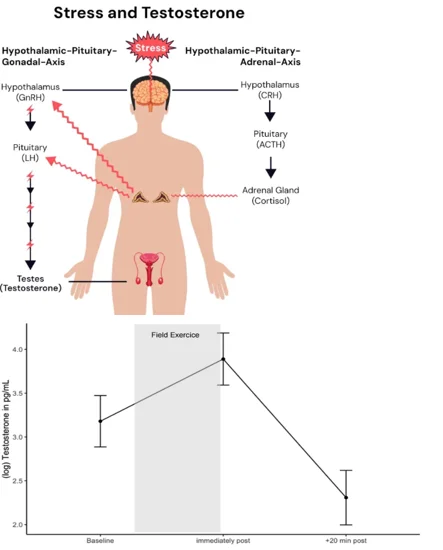
Cortisol and testosterone share a fundamental antagonism: when one is chronically elevated, the other is suppressed. The body treats cortisol—the stress hormone—as a survival priority, and in times of prolonged psychological stress, it will downregulate testosterone production to preserve resources. For busy men over 50 juggling careers, family responsibilities, and health concerns, this creates a hormonal squeeze that no supplement can fully overcome. The good news is that even brief, consistent stress-reduction practices shift the cortisol-to-testosterone ratio meaningfully. Box breathing (inhale for 4 counts, hold for 4, exhale for 4, hold for 4) activates the parasympathetic nervous system within minutes—practiced for just three minutes before a stressful meeting or at bedtime, it creates a measurable shift in stress physiology. Nature walks without earbuds or screens have been shown in multiple studies to lower cortisol compared to urban walks of the same duration. Small habits, consistently applied, compound powerfully over months.
Smart Supplement Corner (Lifestyle First, Doctor-Cleared)
Supplements are optional. Discuss these with your clinician, especially if you take medications.
- Vitamin D3: If low, many providers use 1,000–2,000 IU/day with a meal containing fat.
- Creatine monohydrate: 3–5 g/day supports training, muscle, and performance in older adults.
- Magnesium glycinate: See sleep section above.
- Ashwagandha (KSM-66 or Sensoril): Some use 300–600 mg/day; can aid stress and sleep for certain people.
- Boron (low dose): About 3 mg/day appears in some men’s protocols; get approval first.
- Zinc (short term if low-intake diet): Food-first preferred; supplements can upset copper balance—use only under guidance.
Avoid megadoses and “testosterone boosters” with proprietary blends. Track how you feel, lift, and sleep, not just numbers.
The supplement market aimed at men over 50 is enormous and often misleading. Many products that claim to “support testosterone” contain proprietary blends with doses too small to be effective, or ingredients with no clinical evidence at all. The short list above, by contrast, is grounded in published research. Vitamin D is worth particular attention: a 2011 randomized controlled trial in Hormone and Metabolic Research found that men who supplemented with vitamin D had significantly higher testosterone levels than the placebo group after 12 months—and vitamin D deficiency is extremely common in American adults over 50, especially in northern states. Creatine monohydrate has been shown in multiple meta-analyses to improve strength, lean mass, and cognitive function in older adults, making it one of the best-studied and safest options available. For ashwagandha, a 2019 study in Medicine found that men taking KSM-66 ashwagandha for eight weeks had a 14.7% increase in testosterone compared to placebo—though results vary, and the supplement is not appropriate for everyone. Always prioritize the lifestyle pillars first; supplements fill gaps, they do not create the foundation.
A 7-Day Starter Plan (Men 50+)
Day 1 (Mon): Morning sunlight. Full-body strength (squat, row, push). Protein-rich meals. 10-minute after-dinner walk.
Day 2 (Tue): 7–10k steps. Stretch hips/hamstrings. Magnesium glycinate (if approved) at night.
Day 3 (Wed): Strength (hinge, pull-down, carry). Add pumpkin seeds or oysters for zinc. Lights out on time.
Day 4 (Thu): Short sprints or brisk hill repeats x4–6 after a thorough warm-up. Easy day otherwise.
Day 5 (Fri): Strength (single-leg work, push, row). Protein at breakfast.
Day 6 (Sat): Long outdoor walk or light bike. Batch-cook lean proteins and beans.
Day 7 (Sun): Review waist-to-height ratio, step count, and sleep. Prep the week. Gratitude list (reduces stress tone).
Think of this first week as a calibration exercise rather than a test you can pass or fail. The goal is simply to establish the four habits—morning sunlight, consistent sleep, at least two strength sessions, and protein at every meal—and see how they feel in your life. Most men find that by Day 4 or 5, they notice subtle shifts: slightly better energy in the morning, a little more motivation to move, improved mood. These early signals are not placebo—they reflect genuine physiological shifts in cortisol, insulin sensitivity, and circadian rhythm that have downstream effects on testosterone. After the first week, the priority is repetition. Research suggests it takes roughly eight to twelve weeks of consistent training and sleep improvement to see meaningful changes in measured testosterone levels. Keep a brief daily log—just three minutes each morning to note sleep quality, energy (1–10), and one notable win from the day before. This creates accountability and gives your clinician valuable data at your next visit.
Mistakes to Skip
- Chasing supplements before fixing sleep and strength training.
- Ignoring waist gain (“just a bit” each year adds up hormonally).
- Overdoing cardio and skipping heavy work—combine both wisely.
- Late-night snacking and blue light until midnight.
- Expecting changes with no log—track the basics for 4–8 weeks.
One of the most common mistakes men make when trying to naturally support testosterone levels after 50 is reaching for supplements before addressing sleep—which is the single most impactful intervention available and costs nothing. Another frequent error is excessive endurance cardio: long daily runs or hours on a stationary bike, while good for cardiovascular fitness, can suppress testosterone if total training volume becomes too high without adequate recovery. The research suggests that moderate cardio combined with strength training outperforms either alone for hormonal health. Finally, many men expect to “feel the difference” in two weeks and give up when the change is gradual. Hormonal optimization is a six-to-twelve-week process. Trust the process, track the basics, and let consistency do the work.
Fast Answers
- Can men over 50 support healthy testosterone naturally? Often, yes—via sleep, strength, sunlight, stress control, and nutrition.
- Best first step? Regular full-body lifting + consistent 7–8.5 hours sleep.
- Quick win this week? Morning sunlight and a protein-forward breakfast.
- What body metric to watch? Waist-to-height ratio ≤0.5.
- Are sprints needed? One short session weekly can help once you’re cleared and conditioned.
- Do supplements replace habits? No—supplements are add-ons, not foundations.
- How soon to see change? Many men feel better in 4–8 weeks of consistent habits.
FAQ
1) What is a realistic goal for men over 50 starting from scratch?
Stronger lifts, better sleep, steadier energy, and a shrinking waist over 8–12 weeks. Numbers follow habits.
2) Is a “testosterone-friendly breakfast” really a thing?
Yes: protein (eggs/Greek yogurt), colorful produce, and healthy fats. It sets satiety and recovery for the day.
3) Are heavy carries safe after 50?
With coaching and the right load, farmer’s walks are joint-friendly and build grip, core, and hormonal drive.
4) What’s the simplest mineral upgrade?
Add pumpkin seeds (zinc) and spinach/almonds (magnesium). Food first, then discuss labs and supplements.
5) Do evening screens hurt testosterone?
They hurt sleep, which hurts testosterone. Use night mode, dim lights, and set a firm wind-down.
6) Does losing 10–15 lb matter?
Yes. Trimming visceral fat lowers aromatase activity and supports a better free T picture.
7) Is HIIT required?
Not required, but short sprints or hill repeats once weekly can help if you’re cleared and conditioned.
8) Can creatine help men over 50?
Creatine supports training quality and lean mass. 3–5 g/day is a common, budget-friendly choice.
9) Is ashwagandha worth trying?
It may aid stress and sleep for some. Try only with your clinician’s okay, especially if you take medications.
10) Where should I start if I only have 20 minutes?
Do 2–3 rounds of: goblet squat (8), push-ups or incline push-ups (8–12), dumbbell row (8/side), farmer’s carry (30–60 sec).
11) What if my labs are “normal” but I feel off?
Track sleep, steps, training, and meals for 2–4 weeks and retalk with your clinician. Free T and SHBG context matter.
12) Can I do this with knee or back aches?
Yes—with adjusted patterns (e.g., trap-bar deadlift, step-ups, sled push) and a coach or PT guiding form.
Two optional food habits to discuss
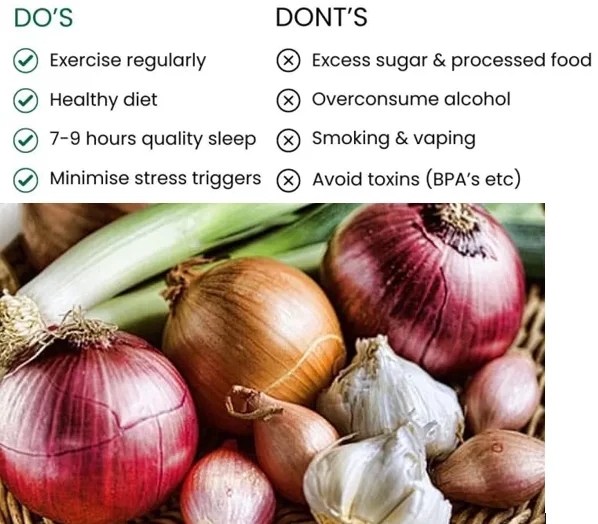
- Food variety: Rotate garlic or onions and small portions of pomegranate arils or 100% juice for flavor and nutrients; these foods are not proven testosterone treatments.
- Alcohol: If you drink, keep portions modest and avoid binge drinking because alcohol can disrupt sleep, weight, and hormone health. Ask your clinician about limits if you take medicines or have liver disease.
Wrap-Up
You don’t need a complicated protocol. Nail the four pillars—sleep, strength, sunlight, and stress—then layer supportive nutrition and only the supplements your clinician approves. Track the waist tape, not just the scale. In midlife, consistency is the most anabolic habit you can build.
Men who successfully support their testosterone naturally after 50 share one common trait: they treat these habits as non-negotiable parts of their identity, not temporary fixes. Sleep is not optional. Strength training is not optional. Eating enough protein is not optional. When these four pillars are solid, everything else—supplements, fine-tuning of diet, sprint work—becomes a meaningful enhancement rather than a desperate patch for an unfixed foundation. If you are reading this and feeling overwhelmed, start with the smallest possible version of each habit: ten minutes of morning sunlight, one strength session this week, a protein-forward breakfast, and lights out 30 minutes earlier. Build from there. Your hormones respond to the environment you create—and you have far more control over that environment than you may realize.
Sources: Endocrine Society: Testosterone therapy · National Institute on Aging: Healthy eating after 50
⚕️ Medical Disclaimer
The information provided on this page is for educational purposes only and is not intended as medical advice, diagnosis, or treatment. Always consult a qualified healthcare professional before making changes to your diet, starting any supplement, or if you have an existing medical condition. KeepFitQuote does not provide medical diagnoses or treatment recommendations. Read our full disclaimer.
Related Posts