
Constipation affects more than half of seniors in care homes—but with simple, everyday remedies, it’s possible to ease discomfort and restore regularity.
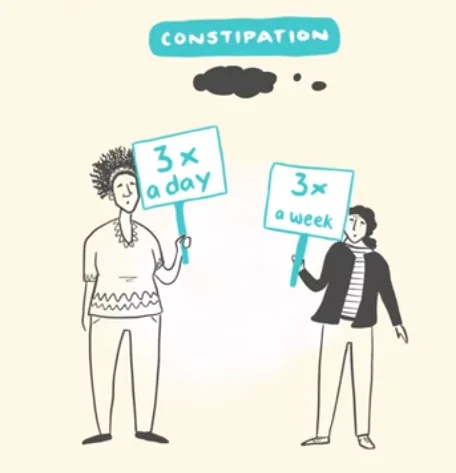
As we age, the digestive system naturally slows down. Reduced muscle tone in the intestinal walls, lower fluid intake, certain medications, and decreased physical activity all contribute to what doctors call “slow transit constipation,” which is especially common after age 65. The good news is that most cases respond well to gentle lifestyle adjustments rather than harsh laxatives. The ten remedies below focus on foods, movement, and routines that are easy on a sensitive digestive system while supporting the body’s natural rhythm.
Aging gut relief in seniors often comes from subtle changes: eating soft-fiber foods (like pureed pumpkin and prunes), sipping warm drinks, light movement (gentle seated stretches), and mindful routines (same-time potty breaks daily). These steps support a sensitive stomach, ease stools, and promote comfort without harsh chemicals.
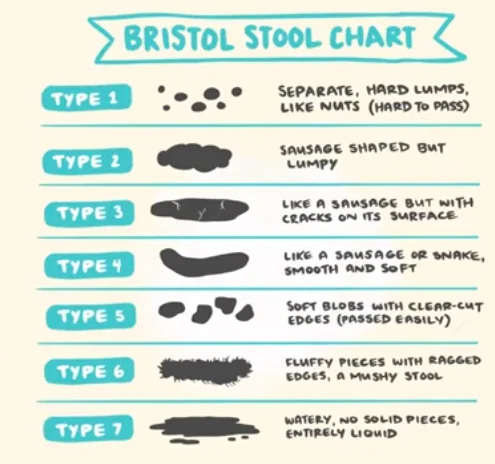
Key Gentle Remedies
1. Soft-Fiber Snacking
Use foods like mashed pear, pureed carrot, or prune soup—natural fiber with easy digestion.
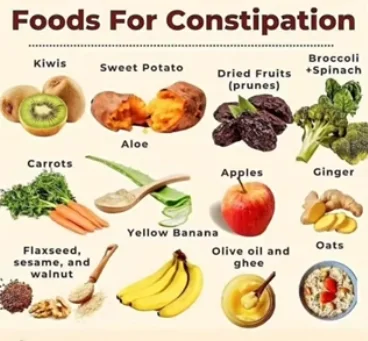
Soft, cooked fruits and vegetables provide soluble fiber that absorbs water and forms a gel-like consistency, making stools easier to pass without the harsh bulking effect of raw bran or seeds, which can sometimes be uncomfortable for sensitive digestive systems. Prunes in particular contain sorbitol, a natural sugar alcohol that draws water into the intestines and has been studied for its mild laxative effect — research published in nutrition journals has found prunes to be as effective as some over-the-counter fiber supplements. For seniors, aim for 2-3 servings of soft-fiber foods daily, introducing them gradually to avoid gas or bloating. Pairing these snacks with a glass of water enhances their effectiveness, since fiber needs adequate fluid to do its job properly. If your digestion handles it, apples with the skin for fiber are another easy option.
2. Warm Lemon-Water Sip
A mug of warm water with a squeeze of lemon first thing can jump-start digestion.

Warm liquids consumed first thing in the morning stimulate the gastrocolic reflex — the body’s natural signal that tells the colon to start moving after a period of rest. While lemon itself doesn’t have strong laxative properties, the citric acid may stimulate digestive secretions, and the warmth of the water is the real driver of bowel activity. For best results, drink a full mug (about 8 ounces) of warm, not scalding, water with the juice of half a lemon about 20-30 minutes before breakfast. This simple habit is gentle enough for most seniors, though those with acid reflux or GERD should check with their doctor first, as the acidity may aggravate symptoms.
3. Gentle Belly Rub (Clockwise Massage)
A casual 5-minute tummy massage following the colon path can help nudge things along AAFP+3 health.com+3 Healthline+3.
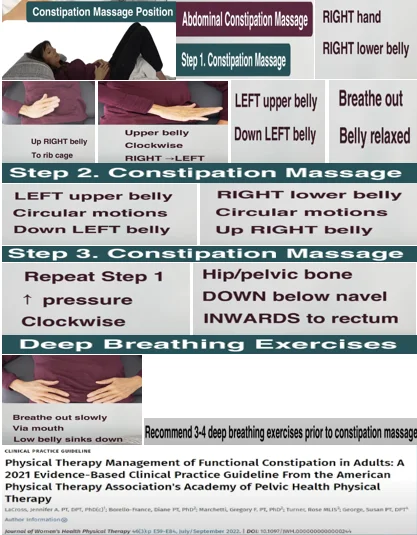
Abdominal massage works by physically stimulating the muscles of the colon and encouraging peristalsis, the wave-like contractions that move stool through the digestive tract. To perform it, lie down or sit comfortably, and using gentle pressure with the flat of your hand, massage in a clockwise circular motion starting from the lower right side of the abdomen, moving up, across, and down the left side — following the natural path of the large intestine. A small study published in a nursing research journal found that regular abdominal massage reduced constipation symptoms and improved bowel movement frequency in older adults. This can be done once or twice daily, ideally in the morning or before bed, and is especially helpful for those with limited mobility who can’t do more vigorous exercise.
4. Frequent Small Sips of Water
Offer water often—small amounts throughout the day are easier than big gulps.

Dehydration is one of the most common, and most overlooked, contributors to constipation in older adults. As we age, the sense of thirst naturally diminishes, which means many seniors simply don’t feel thirsty even when their bodies need fluids. The colon absorbs water from waste material, and when the body is low on fluids overall, it pulls extra water from stool, leaving it hard and difficult to pass. The National Academies of Sciences recommends that older adults aim for roughly 6-8 cups of fluid daily, though individual needs vary based on activity level and medications. Sipping small amounts every hour, rather than trying to drink large glasses all at once, is gentler on the bladder and easier for many seniors to manage consistently.
5. Morning Sit-and-Relax Time
After breakfast, encourage sitting quietly for 10 minutes to honor the natural body reflex.

This remedy works with, rather than against, the body’s biology. Eating a meal triggers the gastrocolic reflex, which signals the large intestine to begin moving its contents toward the rectum — this is why many people feel the urge to use the bathroom shortly after eating. However, this urge can be subtle in older adults and easily ignored or suppressed, especially if someone is busy, in an unfamiliar place, or hesitant to ask for help. Setting aside a relaxed, unhurried 10-minute window after breakfast, in a private and comfortable bathroom setting, gives the body the time and calm environment it needs to respond to this natural signal. Using a small footstool to elevate the knees slightly above hip level can also help align the rectum for easier passage.
6. Light Seated Exercise
Chair-based knees-to-chest stretches twice daily can gently boost gut movement.
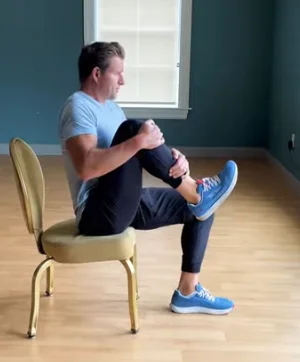
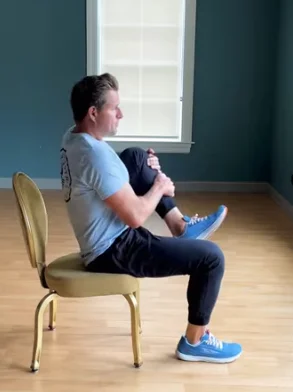
Physical activity is one of the most well-documented ways to support healthy digestion, as movement helps stimulate the muscles of the intestinal walls. For seniors with limited mobility, chair-based exercises offer a safe alternative to walking or more strenuous activity. To do a seated knees-to-chest stretch, sit toward the front edge of a sturdy chair, hold onto the seat or armrests for support, and gently lift one knee toward the chest, hold for a few seconds, then lower and repeat with the other leg. Doing 8-10 repetitions per side, twice daily, can help. Other gentle options include seated marching, ankle circles, and gentle torso twists, all of which encourage blood flow and movement through the abdominal area without strain.
7. Soothing Tummy Tea
Warm ginger or chamomile tea in mornings may encourage bowel activity.
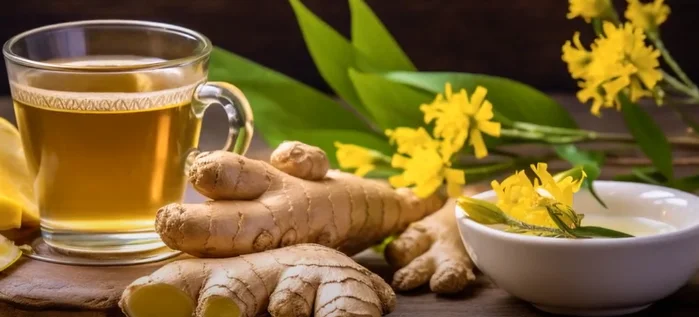
Herbal teas have been used for centuries to support digestion, and modern research offers some support for these traditional uses. Ginger has been studied for its ability to speed up stomach emptying and stimulate movement through the digestive tract, while chamomile contains compounds that may help relax the muscles of the gut, easing cramping that sometimes accompanies constipation. To prepare, steep a ginger or chamomile tea bag (or fresh sliced ginger root) in hot water for 5-10 minutes, and drink it warm, ideally in the morning alongside or shortly after breakfast. Peppermint tea is another gentle option, though it should be used cautiously by those with acid reflux. As with any new addition to a senior’s routine, it’s worth checking for interactions with medications, since some herbal teas can affect blood thinners and other drugs.
8. Dried-Fruit Paste Tuck-In
Blend prunes, apricots, and wheat bran into a soft paste; take a spoonful daily healthinaging.org.

This remedy, sometimes called “power pudding” by dietitians, combines several fiber-rich ingredients into one easy-to-eat spoonful. Prunes and dried apricots both contain sorbitol and soluble fiber, while wheat bran adds insoluble fiber that adds bulk to stool. To make it, blend equal parts stewed prunes, dried apricots, and wheat bran (or oat bran for a gentler option) with a small amount of warm water or unsweetened applesauce until it reaches a soft, spreadable consistency. Store it in the refrigerator for up to two weeks, and offer one to two tablespoons daily, mixed into oatmeal, yogurt, or eaten on its own. Because this paste is fiber-dense, it’s important to pair it with plenty of fluids and to introduce it gradually over a week or two to avoid bloating or gas.
9. Probiotic Yogurt Treat
A spoon of plain, live-culture yogurt with evening snack supports a healthy gut.
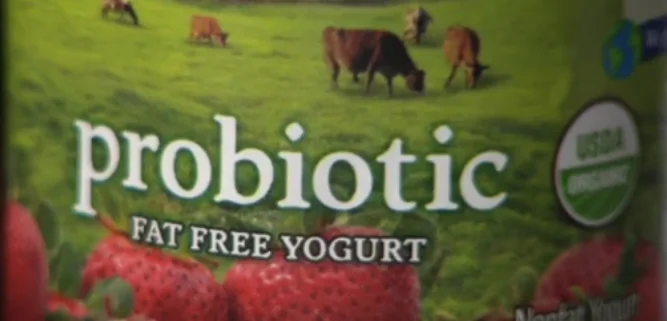
The gut microbiome — the trillions of bacteria living in our digestive tract — plays a meaningful role in regular bowel function, and this community of bacteria can shift with age, sometimes contributing to slower digestion. Probiotic-rich foods like plain yogurt with live and active cultures introduce beneficial bacteria strains, such as Bifidobacterium and Lactobacillus, that have been studied for their potential to improve stool frequency and consistency. Look for yogurt labeled with “live and active cultures” and avoid varieties with high added sugar, which can sometimes counteract the benefits. A half-cup serving in the evening, perhaps paired with a few berries or a drizzle of honey, makes for a pleasant routine that doubles as a calcium and protein source — both important for bone and muscle health in older adults.
10. Routine & Mindful Timing
Try to visit the bathroom at roughly the same time each morning—intoning a peaceful routine.
The colon responds well to consistency. Establishing a daily routine — using the bathroom at the same time each day, ideally after breakfast when the gastrocolic reflex is strongest — helps “train” the body to anticipate and respond to that window. For caregivers, this might mean building in 10-15 unhurried minutes into the morning schedule specifically for this purpose, free from rushing to appointments or other tasks. Privacy and comfort matter too; feeling rushed or self-conscious can cause the body to suppress the urge, which over time can worsen constipation. Combining this routine with the other remedies on this list — a warm drink, a soft-fiber snack, and a few minutes of gentle movement beforehand — creates a complete, gentle approach that works with the body’s natural rhythms rather than against them.
Why These Work
- Fiber + water = easier stool: Soft-fiber foods bulk and ease passage Johns Hopkins Medicine+1 Verywell Health+1
- Massage and movement help the colon shift waste naturally
- Thermal signals (warm drinks/tea) gently awaken the gut to move.
Taken together, these three mechanisms address constipation from multiple angles rather than relying on a single fix. Fiber and fluid work on the physical consistency of stool, making it softer and bulkier so it moves more easily. Massage and gentle exercise stimulate the muscular contractions of the digestive tract itself, essentially giving the system a nudge when it has slowed down. And warmth — whether from a beverage or simply sitting in a relaxed, comfortable position — helps activate the nervous system signals that tell the gut it’s time to get moving. Because these approaches work on different parts of the process, combining several of them tends to be more effective than trying just one in isolation.
Q&A
Q1: What’s best for senior stool ease naturally?
A1: Soft-fiber snacks, warm water, gentle belly massage, chair stretches, and routine bathroom timing.
Q2: Can massage help constipation in older adults?
A2: Yes—gentle clockwise belly rubs often relieve constipation by aiding gut motility.
Q3: Will warm lemon water help seniors poop?
A3: Many find it stimulates digestion first thing—just warm water + fresh lemon.
Q4: What’s a good soft-fiber paste recipe?
A4: Mix prunes, apricot, wheat bran, and a little applesauce. Take one spoonful daily.
Q5: Is yogurt useful for constipation relief?
A5: Plain live-probiotic yogurt helps rebalance gut bacteria for better digestion.
Q6: How can caregivers support older bowel habits?
A6: Offer fluids, gentle stretches, consistent meal and potty routines, and soft-fiber snacks.
Q7: Is fiber bloating an issue for seniors?
A7: Gradually add fiber and pair it with water to prevent gas or bloating. For more help, read our guide to gas and bloating in elderly adults.
Q8: Can seated exercises help elderly constipation?
A8: Absolutely—knee lifts and gentle leg movements in a chair support gut function.
Q9: Should seniors avoid laxatives?
A9: Some laxatives can be appropriate short term, but the best choice depends on your medicines and health. Ask a clinician or pharmacist before repeated use, especially of stimulant laxatives.
Q10: When to see a doctor?
A10: If constipation lasts over two weeks, causes pain, blood, or sudden changes—medical advice is important.
Quick Takeaways
- Focus on easy, natural fiber in soft or paste form.
- Support hydration via warm drinks in small sips.
- Use gentle massage and movement to promote bowel action.
- Establish daily bathroom routines around meals.
- Add a probiotic yogurt snack for gut flora balance.
- Watch for warning signs and seek medical support when needed.
Sources
- NIDDK: Constipation—Symptoms and Causes
- MedlinePlus: Constipation
- National Institute on Aging: Digestive System and Aging
For broader senior nutrition ideas, see our everyday foods after 60 guide.
These simple, thoughtful steps can bring welcome relief to seniors, improving comfort, dignity, and daily ease. For best results, introduce routines gradually, always with a caring touch.
⚕️ Medical Disclaimer
The information provided on this page is for educational purposes only and is not intended as medical advice, diagnosis, or treatment. Always consult a qualified healthcare professional before making changes to your diet, starting any supplement, or if you have an existing medical condition. KeepFitQuote does not provide medical diagnoses or treatment recommendations. Read our full disclaimer.
Related Posts







Pingback: Collagen-Boosting Vegetables for Seniors Leg Strength