If you’re like most people, sleeping a solid 8 hours feels like chasing a unicorn—especially when you wake up groggy, with a dry mouth, and that terrible morning breath no one wants to talk about. You might think you’re sleeping, but are you actually getting deep sleep, REM, and the kind of restoration your body craves?
Let’s walk through what might really be going on—and how you can finally get that straight 8 hours of sleep, without waking up feeling like a dehydrated zombie.
1. Why You Wake Up Tired (and Stinky)
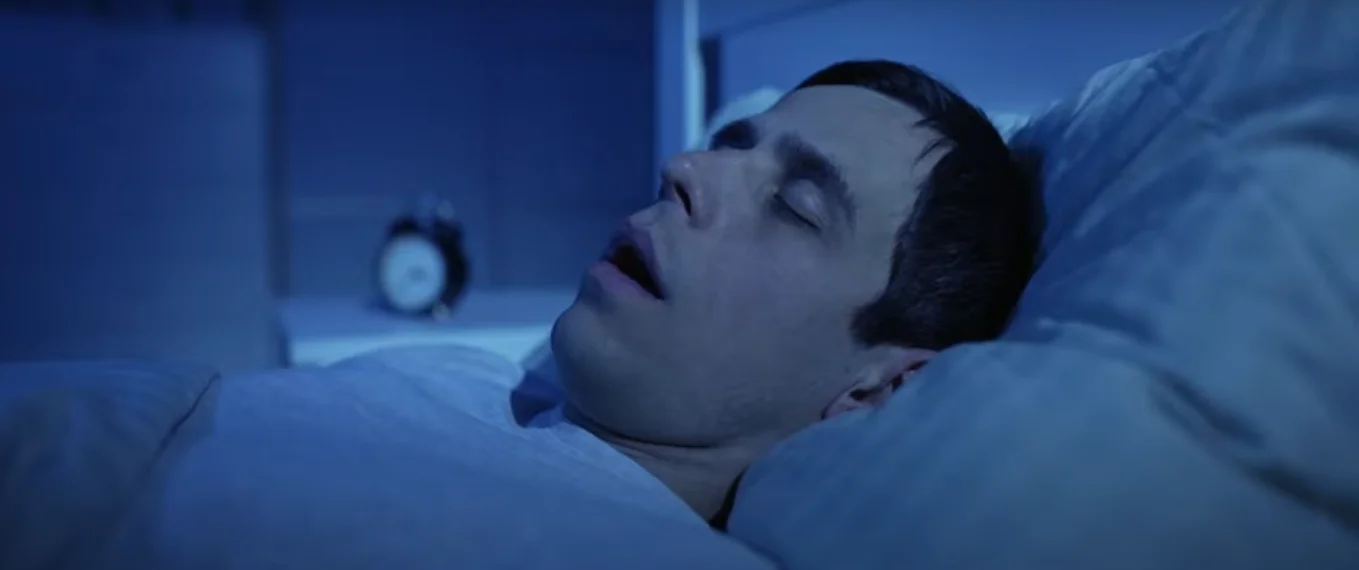
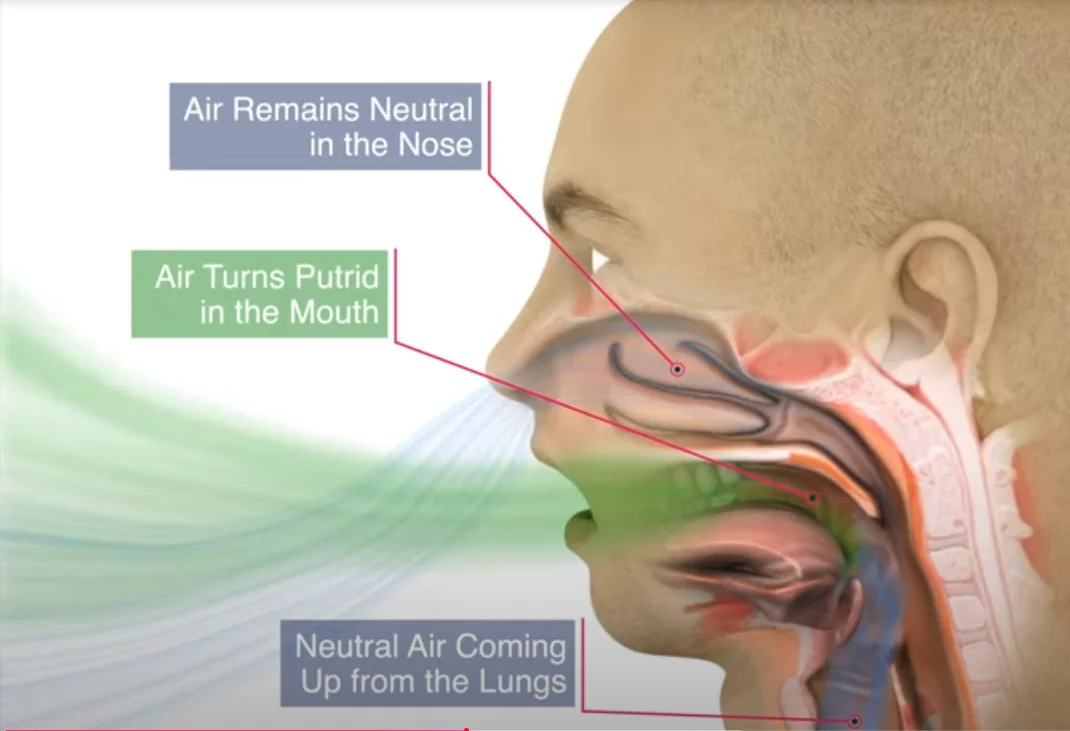
Ever wonder why your mouth stinks in the morning or why you’re always battling really bad breath? A lot of it boils down to one unsexy truth: breathing through your mouth while sleeping. Yep—mouth open while sleeping invites bacteria to party on your tongue, causing dry mouth, bad breath from stress, and even tonsil stones.
But that’s just one piece of the puzzle.

Saliva is one of the mouth’s most effective natural defenses — it constantly washes away food particles and neutralizes the acids that odor-causing bacteria thrive on. When you breathe through your mouth all night, that steady flow of saliva dries up, giving anaerobic bacteria at the back of the tongue free rein to produce sulfur compounds, which is the actual chemical source of morning breath. Research on nighttime dry mouth (xerostomia) has linked it not just to bad breath but to a higher risk of tooth decay and gum irritation over time, since saliva also carries minerals that help repair tooth enamel. For older adults, medications like antihistamines, blood pressure drugs, and antidepressants can already reduce saliva production, which is why addressing mouth breathing specifically can make a noticeable difference in both breath and long-term oral health.
2. You’re Not Getting Enough Deep or REM Sleep
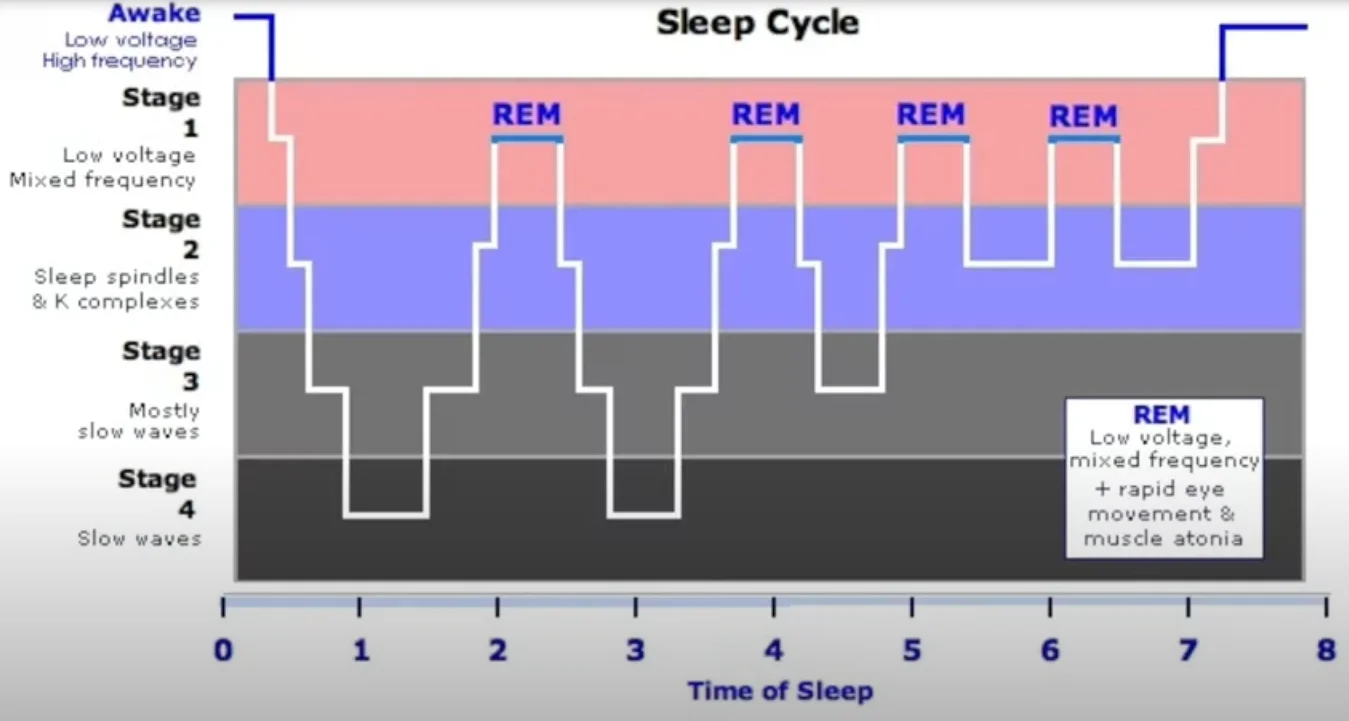
Most people aren’t suffering from insomnia—they’re suffering from not enough deep sleep or not getting enough REM sleep. You may even be clocking in 8 hours, but if your brain isn’t cycling through proper REM, core, and deep sleep, you’ll still feel exhausted.
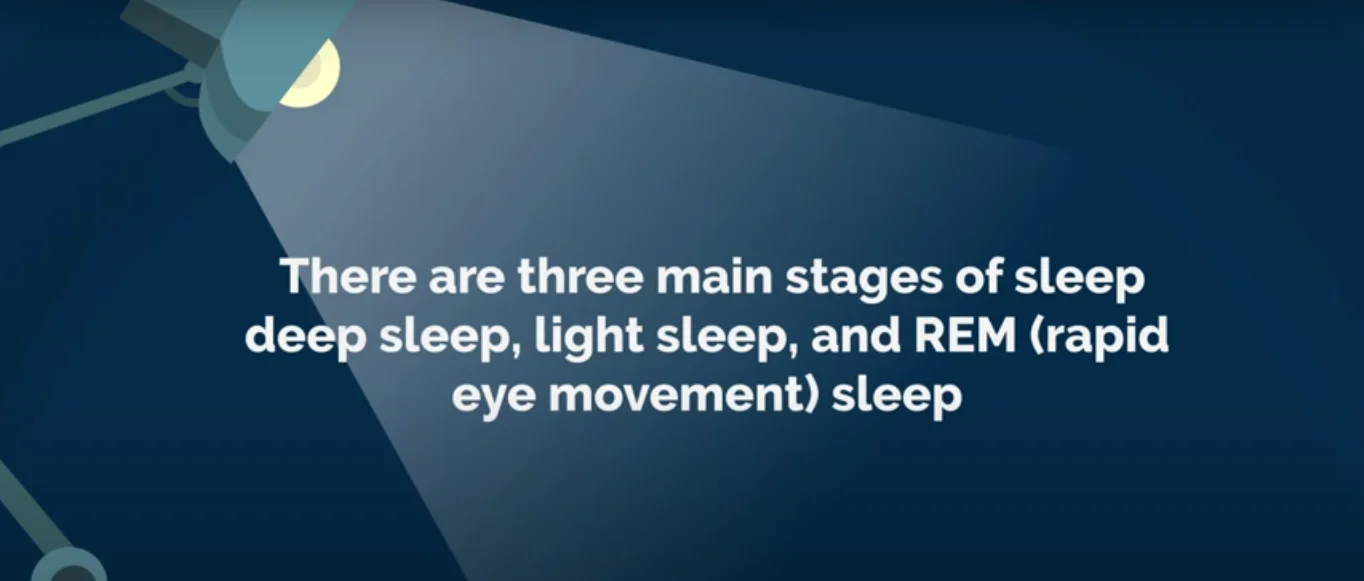
What’s more? Some folks only get 30 minutes of deep sleep, or worse, no deep sleep at all. You should be hitting at least 4.5 hours of deep sleep and 2 hours of REM sleep for true restoration.
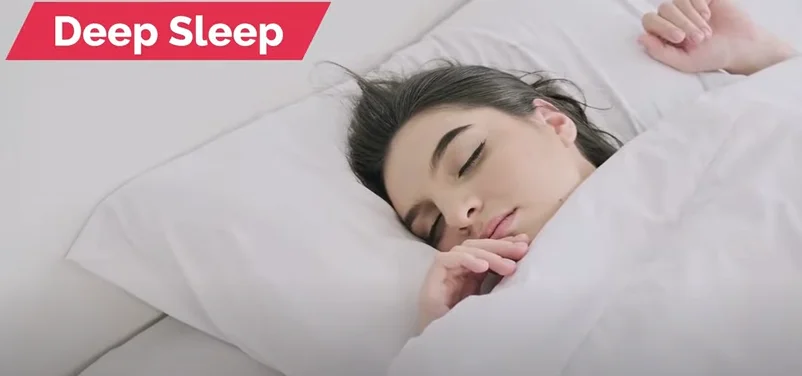
Sleep isn’t a single state — it cycles through roughly 90-minute stages of light sleep, deep (slow-wave) sleep, and REM sleep throughout the night, and each stage does different repair work. Deep sleep is when the body handles physical restoration: tissue repair, immune function, and the glymphatic system’s clearance of metabolic waste from the brain, a process researchers believe plays a role in long-term brain health. REM sleep, by contrast, is more tied to memory consolidation and emotional processing. Sleep architecture naturally shifts with age — older adults typically get less deep sleep than they did in their 20s and 30s, which is a normal part of aging, but stress, alcohol, and poor sleep habits can reduce it further than necessary, making the difference between “aging normally” and “sleeping poorly” worth paying attention to.
3. Cortisol Is Hijacking Your Sleep
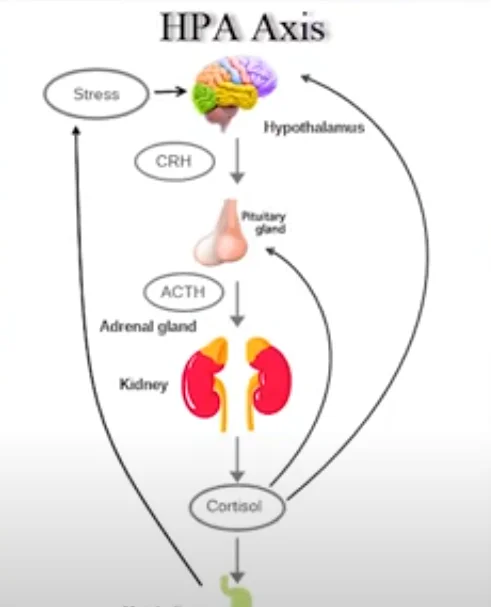
Your stress hormone, cortisol, plays a huge role in whether or not you sleep well. The problem? Cortisol levels naturally rise in the morning, but if they’re off balance—like cortisol high at night or low cortisol in the morning—they can mess up your entire circadian rhythm.
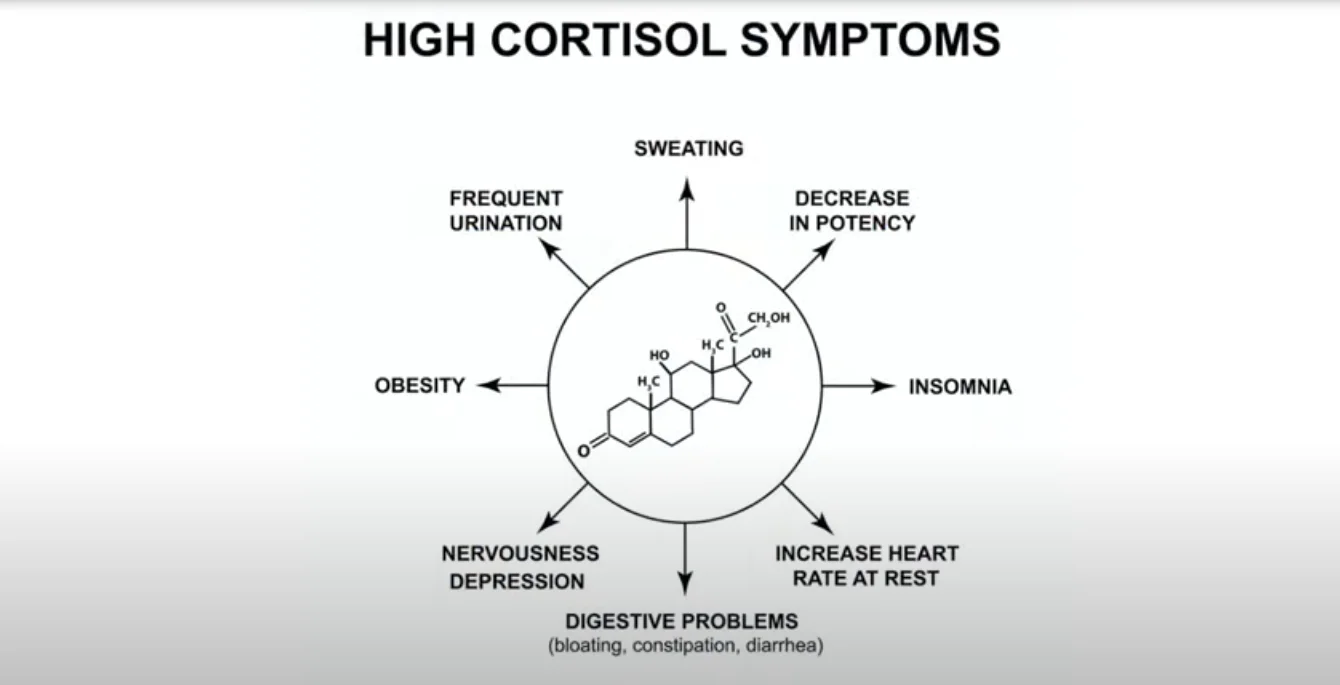
The cortisol awakening response is what helps you rise and shine. But if you’re waking up at 3AM with cortisol morning anxiety, your levels are likely dysregulated. Too much cortisol from stress, caffeine, or even coffee on an empty stomach can cause not getting REM sleep and leave you stuck in light sleep all night.
Cortisol is supposed to follow a predictable daily curve — highest shortly after waking to help you feel alert, then gradually declining through the day to its lowest point around bedtime, allowing melatonin to take over and initiate sleep. Chronic stress, irregular sleep schedules, and late caffeine intake can flatten or invert this curve, leaving cortisol elevated at night when it should be winding down. This is a well-documented mechanism in sleep research: elevated evening cortisol interferes with the transition into deep sleep and can cause the frustrating experience of waking up wide awake at 2 or 3 AM, unable to fall back asleep, even though you’re exhausted.
4. Your Mouth Breathing Habit Is Wrecking You
If you say, “I sleep with my mouth open,” you’re likely dealing with a lot more than just smelly breath. Mouth breathing during sleep leads to dry throat, snoring, and yep, bad morning breath causes.
But there’s a fix: mouth taping.
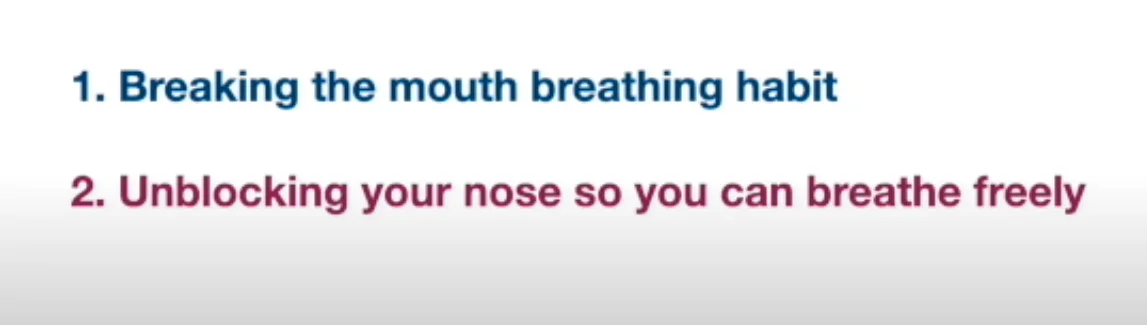
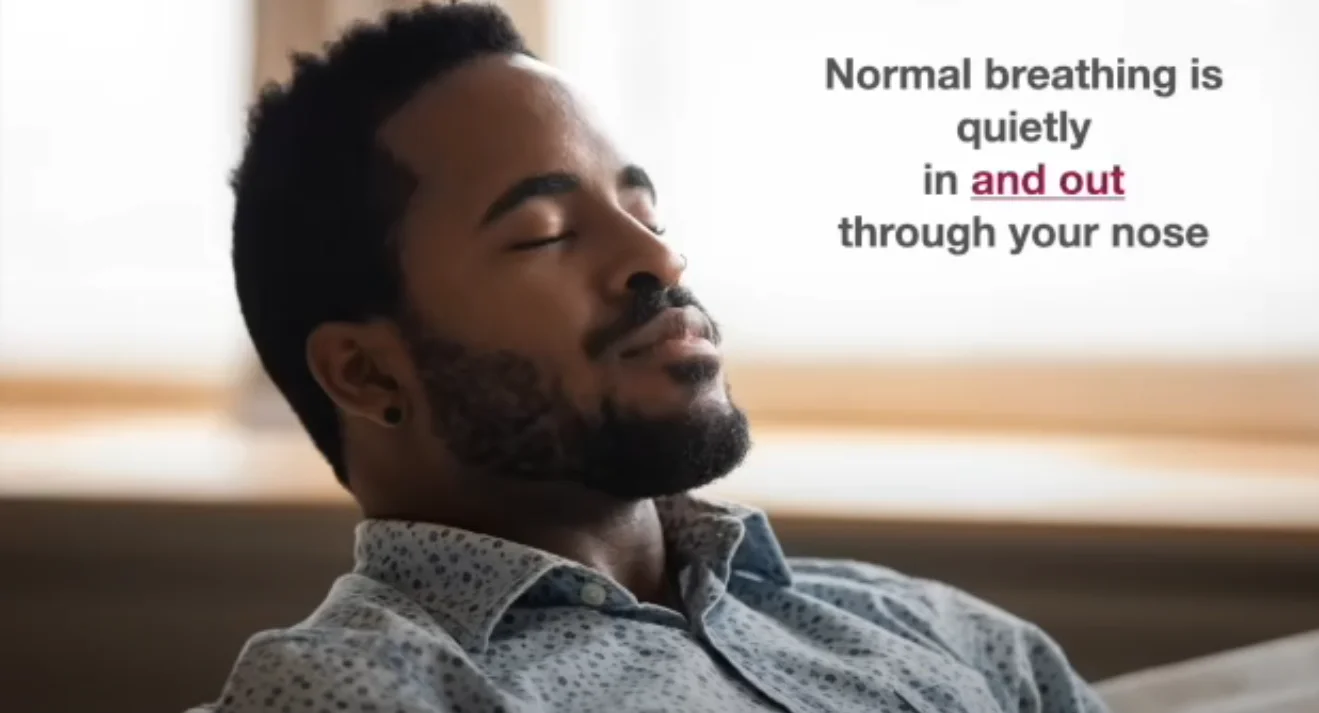
Despite sounding strange, the benefits of sleeping with mouth tape are wild. It forces you to breathe in through your nose and out through your mouth, which triggers your parasympathetic nervous system—the “rest and digest” state.
Nasal breathing does more than keep your mouth moist — it filters and humidifies incoming air through the nasal passages, and it produces nitric oxide, a molecule that helps improve oxygen uptake in the lungs. Mouth taping has gained mainstream attention partly because of this mechanism, though it’s not appropriate for everyone: anyone with diagnosed or suspected sleep apnea, significant nasal congestion, or difficulty breathing through the nose should talk to a doctor before trying it, since taping the mouth shut could be unsafe if nasal airflow is already restricted. For people without those conditions, starting with a gentler porous tape designed for this purpose (rather than household tape) and trying it for short periods first is the safer way to test whether it helps.
5. How to Actually Sleep for 8 Hours Straight
Let’s cut the fluff. Here’s how to get serious about hitting that straight 8:
- Block the cortisol spikes. Cut caffeine after noon. Try cortisol blocker supplements (watch for cortisol blocker side effects) or even cold water showering to lower evening stress.

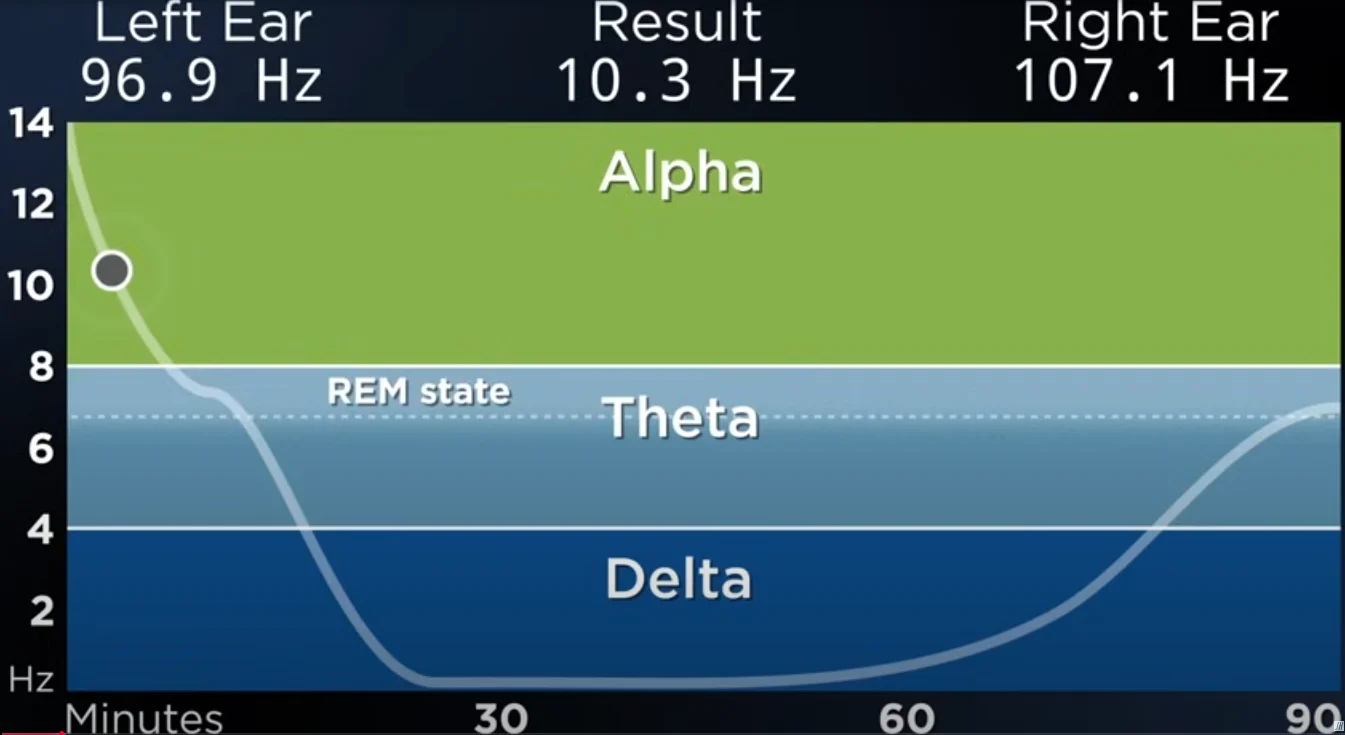
- Use the best binaural beats for sleep. Look for binaural deep sleep tracks on YouTube—try ones by Michael Sealey or Jason Stephenson. These activate your deep rest mode, especially when combined with hypnosis for deep sleep and healing.
- Fix your mouth breathing. Try mouth tape for a week. Notice the difference. Your bad breath all the time? It may vanish. No more waking up with that bad breath coming from throat or that dry mouth tonsil stone mess.
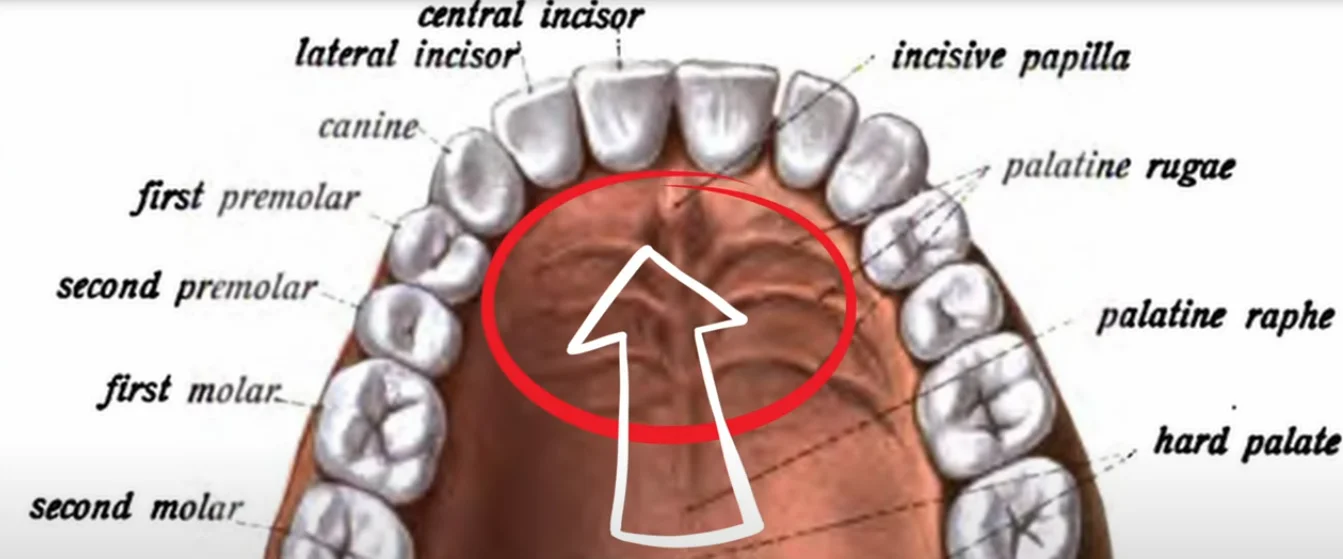
- Lower cortisol naturally. Through intermittent fasting and cortisol balancing, yoga, magnesium-rich foods, and avoiding alcohol late at night, you can support healthy cortisol levels.
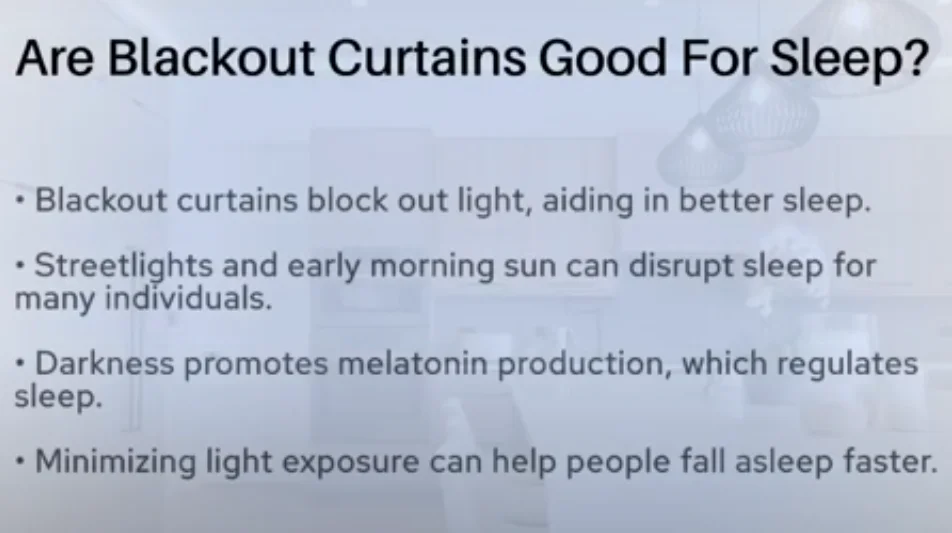
- Sleep hygiene matters. Ditch the phone an hour before bed. Install blackout curtains. Try chloroform deep sleep spray or lavender oil if you’re into natural remedies. Dim the lights to help melatonin do its thing.
A quick safety note on one item above: “chloroform deep sleep spray” is a marketing name for a scented pillow spray product and does not actually contain chloroform, which is a controlled anesthetic agent unsafe for home use — if shopping for sleep sprays, check the ingredient list and stick with lavender, chamomile, or other essential oil-based products from reputable brands. Magnesium is worth highlighting on its own: research suggests magnesium glycinate in particular may support GABA activity, a calming neurotransmitter, which is part of why magnesium-rich foods (or a modest supplement, taken under a doctor’s guidance) are commonly recommended as part of an evening wind-down routine, especially for older adults, who are more prone to mild magnesium deficiency due to reduced absorption with age.
6. The Sleep–Breath Connection
A surprising number of people struggling with bad breath from lungs or gingivitis and bad breath are also dealing with not getting deep sleep. Poor oxygenation, mouth dryness, and breathing through mouth when sleeping all lead to a domino effect of health issues—from cortisol and depression to chronic fatigue and even cortisol and menopause complications.
This connection works in both directions: poor sleep raises cortisol and inflammatory markers, which can worsen gum inflammation and dry mouth, while gum disease and mouth breathing further fragment sleep quality, creating a self-reinforcing cycle. For women going through menopause, declining estrogen levels can independently affect both sleep architecture and oral tissue health, which is why this life stage often brings a noticeable uptick in both sleep complaints and dental sensitivity. Addressing the sleep side of this cycle — through better breathing habits and stress management — often produces improvements in oral symptoms that a mouthwash alone won’t fix.
7. Measuring Your Progress
Track your REM, core, and deep sleep with a sleep tracker. Don’t obsess—but aim for consistency. You want to be moving toward 8 hours of deep sleep, not just clocking in hours with no deep slow wave sleep.
Also, consider checking your blood cortisol levels, especially if you’re constantly waking up wired or exhausted. A 24 hour urine cortisol test or am cortisol level can give you a clearer picture.
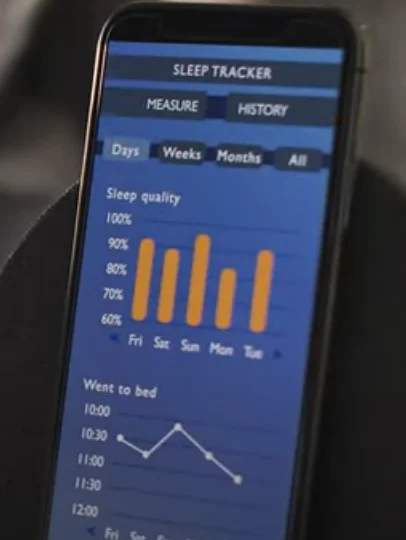
Consumer sleep trackers (worn on the wrist or placed on the nightstand) estimate sleep stages using movement and heart rate patterns, and while they’re not as precise as a clinical sleep study, they’re useful for spotting trends over weeks rather than obsessing over a single night’s number. If tracking consistently shows very little deep sleep or frequent awakenings despite good sleep hygiene, that’s a reasonable point to bring the data to a doctor, who may recommend a formal sleep study to rule out conditions like sleep apnea. Blood or saliva cortisol testing is typically ordered by a physician when symptoms — unexplained fatigue, early morning waking, or anxiety at specific times of day — suggest a genuine hormonal pattern worth investigating rather than routine self-testing.
Final Thoughts
Fixing your sleep isn’t about just going to bed earlier. It’s about calming your mind, breathing properly, managing cortisol, and creating a routine that supports deep rest. When you sleep well, your smelly breath causes fade, your mind clears, and life simply feels better.
So, tonight—ditch the phone, play some deep binaural beats, tape that mouth, and sink into deep REM sleep. Your brain, body, and even your breath will thank you.
Frequently Asked Questions
Is it normal to need less deep sleep as I get older?
Some decline in deep sleep with age is normal, but persistent exhaustion or very little measurable deep sleep isn’t something to simply accept — sleep hygiene changes and, if needed, a conversation with a doctor can often improve it meaningfully.
Is mouth taping safe for everyone?
No. It’s not recommended for anyone with diagnosed or suspected sleep apnea, chronic nasal congestion, or breathing difficulties. Check with a doctor first, and if approved, start with a gentle, purpose-made tape rather than household tape.
How quickly can I expect to see results from these changes?
Some effects, like reduced morning bad breath from mouth taping, can be noticeable within a few nights. Cortisol regulation and deep sleep improvements from lifestyle changes typically take two to four weeks of consistency to show a measurable difference.
When should I see a doctor about sleep problems instead of trying home remedies?
If you experience loud snoring, gasping for air, excessive daytime sleepiness despite adequate time in bed, or morning headaches, these can be signs of sleep apnea and warrant a medical evaluation rather than home fixes alone.
Can poor sleep really affect oral health this much?
Yes. Reduced saliva from mouth breathing, combined with elevated stress hormones from poor sleep, can measurably worsen gum inflammation and bad breath — treating the sleep issue often improves oral symptoms that mouthwash alone can’t fix.
⚕️ Medical Disclaimer
The information provided on this page is for educational purposes only and is not intended as medical advice, diagnosis, or treatment. Always consult a qualified healthcare professional before making changes to your diet, starting any supplement, or if you have an existing medical condition. KeepFitQuote does not provide medical diagnoses or treatment recommendations. Read our full disclaimer.
Related Posts