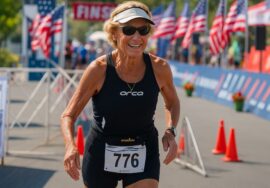
At 59, reality star Luann de Lesseps exemplifies how a balanced, consistent approach to fitness and wellness can yield impressive results — not through punishing regimens or extreme diets, but through sustainable habits built around enjoyment, variety, and mindful choices. Her approach is particularly instructive for U.S. adults over 50 looking for a realistic, enjoyable model of active aging.

Mindful Eating Practices
Luann emphasizes the importance of not drinking beverages during meals to aid digestion. She practices portion control, avoids processed foods, and focuses on whole, nutrient-dense choices — building a dietary framework that supports both her active lifestyle and her overall health rather than chasing short-term results.

The habit of not drinking during meals — while not supported by overwhelming clinical evidence — aligns with a theory that large fluid intake during eating may dilute digestive enzymes and gastric acid, slowing protein digestion. More robustly supported is the practice itself of mindful eating: sitting down, eating slowly, and being present during meals. A 2014 review in the American Journal of Clinical Nutrition found that mindful eating interventions consistently reduced total calorie intake, improved dietary quality, and reduced emotional eating — three outcomes highly relevant for weight management after 50.
Portion control without calorie counting — what nutritionists call “intuitive eating with structure” — is one of the most sustainable dietary approaches for older adults. The hand-portion method (a palm-sized protein, a fist of vegetables, a cupped-hand of complex carbs, and a thumb of fat per meal) provides practical serving guidance without the cognitive burden of tracking apps. This method is particularly effective for adults who have accumulated decades of diet fatigue from overly prescriptive eating plans.
Avoiding processed foods deserves emphasis beyond its obvious nutritional merits. Ultra-processed foods (those with more than five ingredients, many of which are unfamiliar additives) contain emulsifiers, artificial sweeteners, and refined seed oils that disrupt the gut microbiome and promote systemic inflammation — two factors directly linked to the accelerated metabolic aging that many adults in their 50s and 60s experience. A 2019 study in Cell Metabolism found that ultra-processed food consumption produced 500 additional calories per day compared to unprocessed food on an ad libitum diet — not through lack of willpower, but through the engineered hyperpalatability of these products that bypasses normal satiety signaling.
Diverse Physical Activities
Staying active is a cornerstone of Luann’s fitness routine. She enjoys engaging in various forms of exercise, including yoga, Pilates, and outdoor activities — demonstrating that exercise diversity is both motivationally sustainable and physiologically superior to single-modality training.

Exercise variety is protective against the adaptation plateau that causes results to stall after 6–8 weeks of the same routine. When the body encounters a novel movement pattern or energy demand, it must recruit different motor units, engage stabilizing muscles in new configurations, and adapt metabolically to the unfamiliar stimulus. This “variation stimulus” keeps both the neuromuscular and cardiovascular systems in a state of productive adaptation rather than efficient habit.
Yoga offers specific benefits for adults over 50 that go beyond flexibility. A 2015 meta-analysis in the Journal of Alternative and Complementary Medicine found that regular yoga practice reduced cortisol, improved sleep quality, and enhanced quality of life in middle-aged and older adults — all three of which indirectly support healthy hormone balance and weight management. The breath-focused component of yoga (pranayama) activates the parasympathetic nervous system, reducing the chronic sympathetic overdrive that contributes to cortisol elevation, poor sleep, and metabolic dysfunction in busy, high-stress adults.
Pilates complements yoga by building deep core strength — specifically targeting the transverse abdominis, multifidus, and pelvic floor muscles that conventional gym exercises often neglect. A strong, well-coordinated core reduces back pain, improves balance (reducing fall risk — critical after 65), and supports efficient movement patterns in all other activities. For adults who have avoided exercise due to back pain, Pilates is frequently recommended by physical therapists as a safe, progressive re-entry point that builds functional strength without loading the spine.
Outdoor activities add a dimension that indoor exercise cannot replicate: natural light exposure, varied terrain that challenges balance and proprioception, and the psychological benefits of “green exercise” — a well-documented phenomenon where physical activity performed in natural settings produces greater reductions in stress, anxiety, and blood pressure than equivalent activity indoors. Even a walk in a park or along a beach provides these benefits, making outdoor movement one of the most accessible wellness tools available.
Strength Training and Cardio
To maintain muscle tone, Luann incorporates strength training into her routine. She focuses on weight exercises and cardio combinations that work together to preserve lean mass, support metabolism, and maintain cardiovascular fitness — a combination that is particularly important for women entering and moving through menopause.

Strength training for women over 50 is arguably the highest-return exercise investment available, and yet it remains the most underutilized. After menopause, estrogen decline accelerates muscle loss (sarcopenia) and bone density reduction at rates that dwarf the gradual changes of earlier decades. Resistance training counteracts both: it stimulates muscle protein synthesis through mechanical loading and produces osteogenic (bone-building) stimulus through the impact and pull forces transmitted through tendons and ligaments to bone. A 2022 meta-analysis in Osteoporosis International found that progressive resistance training performed twice weekly for 12 months increased bone mineral density at the hip and spine in postmenopausal women — one of the only non-pharmacological interventions with this documented outcome.
The combination of strength training and cardio — rather than either alone — produces superior outcomes for metabolic health, body composition, and longevity in older adults. Cardio (whether cycling, swimming, walking, or dancing) improves cardiovascular efficiency, mitochondrial density, and insulin sensitivity; strength training preserves the muscle mass that maintains resting metabolism and functional strength. Together they create a virtuous cycle: stronger muscles make cardio easier and more enjoyable, while cardiovascular fitness enables more productive strength training sessions. The American College of Sports Medicine recommends at least 150 minutes of moderate-intensity cardio plus two resistance training sessions weekly for adults over 50 — a target that matches Luann’s reported approach closely.
One underappreciated aspect of her combined approach: the sequencing matters. Performing strength training before cardio in the same session preserves glycogen (muscle fuel) for the resistance work, where it’s most needed, while allowing the post-strength hormonal environment (elevated growth hormone and testosterone) to still be active during the cardio phase. If the two must be separated, an 8–24 hour gap between sessions minimizes the “interference effect” where excessive endurance work blunts strength adaptations.
Personal Insights
Luann attributes part of her fitness to maintaining an active lifestyle, which she humorously notes includes activities like “carrying heavy bags” — a real-world reminder that daily non-exercise movement (NEAT: non-exercise activity thermogenesis) contributes meaningfully to overall caloric expenditure, posture, grip strength, and functional fitness.

The science behind NEAT is compelling and underappreciated. Research from the Mayo Clinic found that NEAT differences between individuals can account for up to 2,000 calories per day — far exceeding the 300–600 calories burned in a typical structured workout. For adults over 50 who find it difficult to maintain formal exercise programs due to time, joint discomfort, or energy limitations, intentional NEAT — taking stairs, parking farther away, gardening, dancing at home, carrying groceries rather than using a cart — can provide meaningful metabolic benefits that compound over months and years.
Luann’s approach also reflects the well-documented psychological benefits of finding exercise intrinsically enjoyable rather than purely instrumental. Adults who choose physical activities they genuinely enjoy — dancing, swimming, hiking, group fitness classes — are significantly more likely to maintain them long-term compared to those following prescribed routines they find tedious. A 2012 study in the Journal of Health Psychology found that framing an activity as “fun” rather than “exercise” reduced post-activity calorie compensation behavior — meaning enjoyable physical activity is less likely to trigger the reward-seeking eating that often undermines structured workout programs.
Consistency over intensity is the defining characteristic of successful aging fitness — and Luann’s decade-plus of maintaining varied, enjoyable activity exemplifies it. A moderate workout performed consistently 4–5 times per week for 10 years produces health outcomes that cannot be matched by intense but sporadic effort. The best exercise program, as the saying goes, is the one you’ll actually do.
Takeaways for Adults 50+
Luann de Lesseps’s approach offers a practical blueprint for active aging that any adult over 50 can adapt:
- Eat mindfully — portion control, whole foods, and avoiding ultra-processed products are more sustainable than any specific diet plan.
- Move diversely — combine yoga, Pilates, cardio, and strength work across the week to keep motivation high and the body adapting.
- Prioritize strength training — it’s the most effective tool for preserving bone density, muscle mass, and metabolism after menopause or andropause.
- Count daily movement, not just workouts — NEAT is a legitimate and powerful contributor to long-term health outcomes.
- Choose enjoyment — activities you look forward to are the only ones you’ll maintain for years.
By integrating these practices, Luann de Lesseps maintains her health and vitality in a way that serves as a genuine inspiration for active, vibrant living past 50 — demonstrating that fitness at this stage of life is less about punishing effort and more about intelligent, enjoyable consistency.
⚕️ Medical Disclaimer
The information provided on this page is for educational purposes only and is not intended as medical advice, diagnosis, or treatment. Always consult a qualified healthcare professional before making changes to your diet, starting any supplement, or if you have an existing medical condition. KeepFitQuote does not provide medical diagnoses or treatment recommendations. Read our full disclaimer.
Related Posts