Written by Allan Smith · Medically reviewed by Dr. Mark McGarey, MBBS · Last Updated: September 13, 2026
Raw garlic in oil at room temperature can allow Clostridium botulinum to produce toxin. If you make garlic-in-oil at home, refrigerate immediately and finish within 4 days, or freeze in small dated portions. Never leave it on the counter.
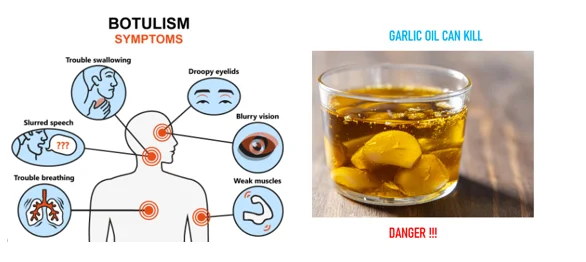
This warning isn’t theoretical scare-talk — it’s a recurring food-safety alert from the FDA and CDC, and it deserves extra attention for adults over 60. Botulism is rare, but it’s one of the few foodborne illnesses that can be life-threatening even from a small taste, and older adults tend to have a harder time recovering from severe infections due to slower immune response and a higher likelihood of underlying health conditions. The good news is that the fix is simple and doesn’t require giving up garlic-infused oils at all — it just means treating any homemade garlic-in-oil mixture the same way you’d treat raw chicken or fresh seafood: refrigerate it promptly, label it with a date, and use it within days, not weeks. Garlic itself isn’t the danger; it’s the combination of garlic’s low acidity, oil’s oxygen-blocking seal, and room-temperature storage that creates the perfect environment for botulism spores to wake up and produce toxin. Once you understand that combination, the safety rules below become easy to remember and easy to follow — no special equipment needed, just a refrigerator, a marker, and a habit of checking dates.
Why this matters more after 60
Recovery from foodborne illness can be tougher later in life. Botulism is rare, but when it strikes, it’s severe. One small habit change—keeping garlic-in-oil cold and short-lived—dramatically lowers risk.
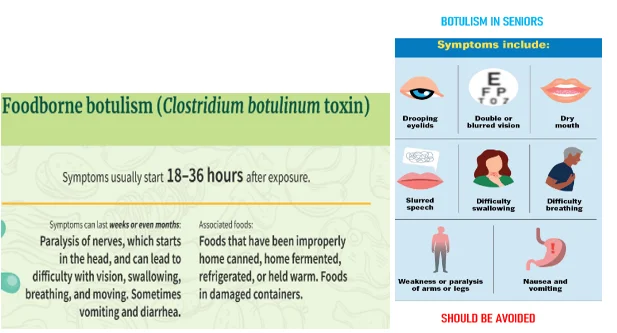
As we age, the immune system naturally becomes less efficient at fighting off infections, a process researchers call immunosenescence. According to the National Institute on Aging, this gradual decline means that infections which a younger adult might shake off in a few days can hit harder and last longer in someone over 60, sometimes requiring hospitalization. Foodborne botulism specifically attacks the nervous system, causing progressive muscle weakness that can affect breathing — and the CDC notes that recovery from severe cases can take weeks to months on a ventilator, even with prompt treatment. For seniors managing heart conditions, diabetes, or reduced lung capacity, that kind of prolonged illness carries added risk. The encouraging part is that botulism from garlic-in-oil is almost entirely preventable with one simple habit: treat it like a perishable, not a pantry item. If you make a batch for a family recipe, write the date on the jar with a marker, keep it in the coldest part of the fridge (not the door, which fluctuates in temperature), and set a phone reminder to use it up or freeze it within four days. This single habit eliminates nearly all of the risk while letting you keep enjoying garlic-infused flavors safely.
The science in plain words
- Garlic is low-acid.
- Oil blocks oxygen.
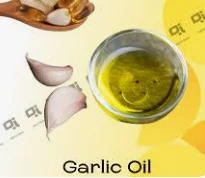
- Room temperature is cozy for spores.
Put those together and you have conditions where botulism toxin can form—even if the mixture looks fine, smells fine, and tastes fine.
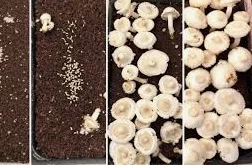
To understand why this combination is so risky, it helps to know a little about Clostridium botulinum itself. This bacterium exists naturally as hardy spores in soil and on many fresh vegetables, including garlic — washing doesn’t fully remove them. Spores themselves are harmless and dormant, but they “wake up” and multiply when three conditions line up at once: an oxygen-free environment (which oil provides by sealing out air), a low-acid food (garlic has a pH well above the 4.6 threshold that prevents bacterial growth), and a warm temperature (room temperature, roughly 40–120°F, is the bacterium’s sweet spot). According to food safety researchers at the University of California and several state extension services, none of these three conditions alone causes a problem — it’s the combination that matters. This is also why the toxin is so deceptive: it’s invisible, odorless, and tasteless, so a contaminated jar of garlic oil can look and smell completely normal. Refrigeration doesn’t kill the spores, but cold temperatures (below 40°F) dramatically slow bacterial growth and toxin production, which is why the “chill fast, use within four days” rule is the cornerstone of safe homemade garlic-in-oil.
Home rules to post on the fridge
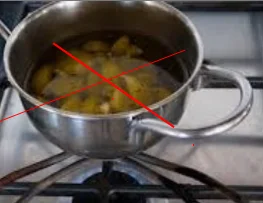
- No counter storage. Don’t park garlic-in-oil on the stove or the counter—ever.
- Chill fast. Refrigerate right after mixing; keep the fridge at ≤40°F (4°C).
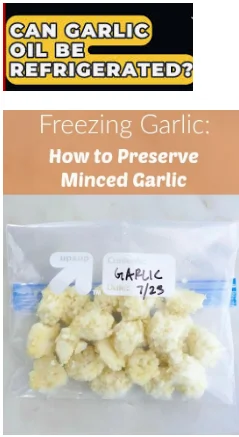
- Use within 4 days. After that, toss or freeze.
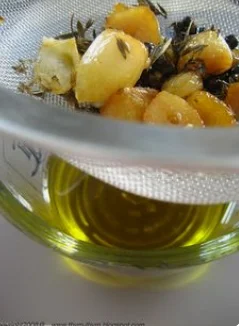
- Freeze smart. Portion into small labeled containers; thaw only what you’ll use.
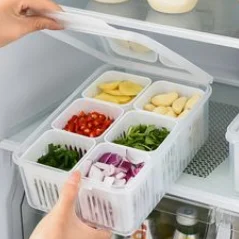
- When in doubt, throw it out. Oil and garlic are cheap; your health is not.
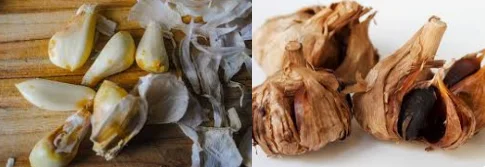
Posting these five rules somewhere visible — on the fridge door, inside a kitchen cabinet, or even as a note on your phone — turns food safety into a habit rather than something you have to remember from scratch every time. A few practical tips make these rules even easier to follow. First, an inexpensive fridge thermometer (often under $10) takes the guesswork out of “is my fridge cold enough?” since many home refrigerators actually run several degrees warmer than their dial suggests. Second, masking tape and a permanent marker are all you need for labeling — write the prep date, not the “use by” date, so anyone in the household can do the math. Third, when freezing, small portions (an ice cube tray works well for minced garlic in oil) mean you only thaw what you need, which avoids repeatedly warming and re-cooling the whole batch. For seniors living alone or cooking for one, these small portions also reduce food waste, since you’re not stuck eating from a large batch before it expires. Finally, if you’re ever unsure how long something has been in the fridge, the National Institutes of Health’s general food safety guidance is blunt: when there’s doubt about a perishable item’s safety, throwing it away is always the safer and cheaper choice compared to a hospital visit.
At a glance: how to store garlic-in-oil
| Storage | Safe for homemade? | Time limit |
|---|---|---|
| Counter / room temp | No — never | Do not store |
| Refrigerator (≤40°F / 4°C) | Yes | Use within 4 days |
| Freezer (small labeled portions) | Yes | Longer; thaw only what you need |
Commercial shelf-stable products follow different tested rules. This table is for homemade garlic-in-oil only.
What about store-bought garlic oils?
Commercial products are formulated and tested for safety (often acidified and verified). Homemade mixes are not. Treat anything you prepare at home with the 4-day rule.
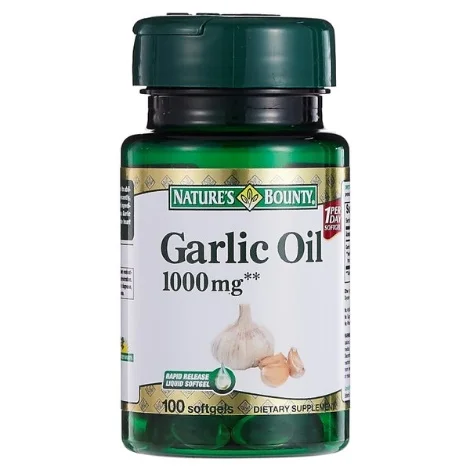
The distinction between commercial and homemade garlic oil products comes down to manufacturing controls that are simply impossible to replicate in a home kitchen. Companies that produce shelf-stable garlic-infused oils, garlic powder capsules, or bottled garlic oil supplements (like the softgel product shown above) must follow FDA-regulated processes that include acidification to a verified pH level, preservatives, or sterilization steps that reliably prevent botulism spore growth — and these processes are tested in labs before the product ever reaches a shelf. A jar of garlic cloves submerged in olive oil made at your kitchen counter has none of these safeguards, even if it looks identical to a store product. This is also why restaurant-style “garlic oil” sold in stores can sit at room temperature safely while a similar-looking homemade version cannot. If you enjoy garlic oil supplements for their potential cardiovascular benefits — some small studies suggest garlic compounds may modestly support healthy blood pressure — commercial capsules are a reasonable, safety-tested option, and it’s worth discussing any new supplement with your doctor or pharmacist, especially if you take blood thinners, since garlic can have mild blood-thinning effects of its own.
“Garlic confit” and flavored oils
Slow-cooked garlic immersed in oil tastes great but carries similar storage concerns. Keep it refrigerated, use it promptly, or freeze it. Don’t leave garlic confit or infused oil on the counter.
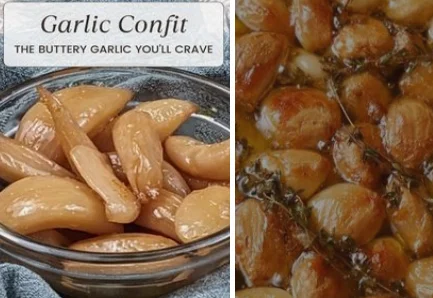
Garlic confit — whole cloves slowly simmered in oil until soft, sweet, and spreadable — has become a popular technique thanks to cooking shows and social media, but its rich, mellow flavor doesn’t make it any safer than raw garlic in oil. The cooking process does kill many bacteria present at the time, but it does not destroy the heat-resistant spores of Clostridium botulinum, and once the confit is sealed in oil and cools to room temperature, those surviving spores can begin producing toxin under the same low-acid, oxygen-free, warm conditions described earlier. The same applies to any homemade flavored oil — rosemary oil, chili oil with garlic, or herb-infused olive oil used for dipping bread. A practical rule of thumb from culinary food-safety experts: if a homemade infused oil contains any fresh garlic, herbs, or vegetables, treat it exactly like garlic-in-oil — refrigerate it immediately after it cools, use it within four days, or freeze small portions in ice cube trays for longer storage. Many seniors enjoy keeping a frozen “flavor cube” stash this way, popping one into a hot pan whenever a recipe calls for garlic confit without ever leaving a jar out on the counter.
Symptoms you must not ignore
Possible botulism symptoms include blurred or double vision, drooping eyelids, slurred speech, trouble swallowing, generalized weakness, and breathing difficulty. If these appear after eating a risky food, seek urgent medical care (call 911 in the U.S.).

One of the most important things to understand about botulism symptoms is their timing and progression. According to the CDC, symptoms typically appear between 12 and 36 hours after eating contaminated food, though it can range from a few hours to several days — which means people often don’t immediately connect their symptoms back to a meal from the day before. The illness also tends to progress in a predictable pattern: it usually starts with the cranial nerves (affecting eyes, face, and throat) before moving downward to affect the arms, torso, and legs, and in severe cases, the muscles used for breathing. For seniors, it’s especially important not to dismiss early symptoms like blurry vision or a “lazy eyelid” as simply tiredness or a pre-existing vision issue, particularly if they appear suddenly and are accompanied by any difficulty swallowing or unusual weakness. Botulism is treatable with an antitoxin, but it works best when given early — so the guidance from emergency medicine physicians is consistent: don’t wait to see if symptoms improve on their own. If you or a loved one develops this combination of symptoms after eating homemade garlic-in-oil, garlic confit, or any other improperly stored low-acid food in oil, treat it as a medical emergency and seek care immediately, and try to save the food item (or note what it was) so it can be tested if needed.
Safer flavor ideas for seniors
- Cook as you go. Sauté minced garlic and use it the same day; refrigerate leftovers and finish within 4 days or freeze.
- Use dried seasonings for shelf-stable zip; add fresh garlic during cooking.
- Bright vinaigrettes. Citrus-herb dressings made fresh, kept cold, and used soon deliver flavor with less risk.
The good news for garlic lovers is that none of these safety rules require sacrificing flavor — they just shift when garlic gets added to a dish. Cooking minced or sliced garlic directly in a hot pan, right before a meal, gives you the same aromatic punch without any storage risk at all, since it’s consumed immediately. If you like to prep ahead, consider roasting a whole head of garlic, letting it cool, and refrigerating the cloves separately from oil — you can mash a clove into a dressing or spread right before eating, adding oil at the table rather than during storage. Dried garlic powder and granulated garlic are shelf-stable for years when kept in a cool, dry pantry, and they hold up well in soups, stews, and spice blends, making them a convenient backup for days when chopping fresh garlic isn’t practical. For seniors who enjoy bold Mediterranean-style flavors, a quick vinaigrette made fresh with lemon juice, vinegar, a little crushed garlic, and olive oil — used within a day or two and stored covered in the fridge — delivers that same bright, garlicky taste without ever sitting at room temperature long enough to be a concern.
Quick kitchen checklist
- Fridge thermometer reads ≤40°F (4°C)
- Labels show contents + “made on” date
- Small containers ready for freezing
- Everyone in the home knows the 4-day rule
This checklist works best as a quick weekly habit rather than a one-time task. Many seniors find it helpful to do a “fridge check” on the same day each week — for example, right before grocery shopping — glancing at the thermometer, checking dates on any homemade sauces, dressings, or garlic-in-oil mixtures, and tossing anything past its four-day window. If you share a kitchen with a spouse, adult children, or caregivers, taking a few minutes to walk through these rules together ensures everyone follows the same standard, since food safety habits only work if every household member is on the same page. It’s also worth checking your freezer organization at the same time: labeled, dated, small-portion containers of garlic-in-oil or confit are easy to grab and use directly from frozen in a hot pan, which means you rarely need to thaw a large batch at once. Keeping this checklist taped inside a cabinet door near the stove serves as a gentle, ongoing reminder without being intrusive.
Free guide: Soft Foods & Protein After 60
Enter your email to get Free 7-day PDF
FAQ
- Can I store garlic in oil on the counter?
No. That’s the classic botulism setup. - How long does homemade garlic-in-oil last in the fridge?
At most 4 days. Then discard or freeze. - Does refrigeration make it completely safe?
It greatly lowers risk, but time limits still apply. - Is freezing a good option?
Yes. Portion, label, and freeze for longer storage. - What if I acidify with lemon or vinegar?
Home acidification is inconsistent. Keep it cold and use fast. - Is roasted garlic or garlic confit safer?
Only if stored cold and used quickly (or frozen). Counter storage is still unsafe. - What temperature should my fridge be?
40°F (4°C) or lower. Use a thermometer to be sure. - What are early botulism signs?
Blurred vision, drooping eyelids, slurred speech, swallowing trouble, weakness—seek urgent care. - Is dried garlic in oil safe at room temp?
Treat all garlic-in-oil as risky at room temperature. Keep it cold and time-limited. - Do restaurants follow different rules?
They should follow food codes and tested procedures. At home, stick with the 4-day rule. - Power outage—keep or toss?
If your fridge rose above 40°F for several hours, discard garlic-in-oil. - Does cooking destroy the toxin?
The toxin is heat-sensitive, but relying on that is not a safe plan. Prevent by proper storage and time limits.
Fast Facts
- Homemade garlic-in-oil: refrigerate right away; use within 4 days.
- Never store at room temperature.
- Best long-term option: freeze in small, dated portions.
- Watch for vision changes, swallowing trouble, weakness; get medical help.
- Seniors: keep fridge ≤40°F and label containers.
Sources
Schwan, C. (2024). How to safely make infused oils: Best practices for food safety (Publication No. C 1334). University of Georgia Cooperative Extension.
Garlic-in-oil safety checklist
- Refrigerate immediately after preparing garlic-in-oil.
- Use within 4 days; then discard or freeze.
- Never leave garlic-in-oil at room temperature, even as a gift.
- Freeze portions in dated containers if you will not use them promptly.
- When in doubt, discard.
For the evidence behind these limits, see the CDC botulism-prevention guidance and Extension guidance on preserving with oil. For infused-oil and garlic-in-oil technical guidance, see the UGA Extension (CAES Field Report) guide on how to safely make infused oils (C 1334) and the National Center for Home Food Preservation page on freezing garlic-in-oil.
Written by Allan Smith · Medically reviewed by Dr. Mark McGarey, MBBS · Last Updated: September 13, 2026
- CDC: Botulism prevention
- Iowa State University Extension AnswerLine: Preserving with oil
- UGA Extension (CAES Field Report): How to Safely Make Infused Oils (C 1334)
- National Center for Home Food Preservation: Freezing Garlic-In-Oil
⚕️ Medical Disclaimer
The information provided on this page is for educational purposes only and is not intended as medical advice, diagnosis, or treatment. Always consult a qualified healthcare professional before making changes to your diet, starting any supplement, or if you have an existing medical condition. KeepFitQuote does not provide medical diagnoses or treatment recommendations. Read our full disclaimer.
Related Posts