If stiff knees or achy hands are slowing you down, small daily habits can make a big difference—without expensive gadgets. Below are seven gentle, at-home remedies that many adults 50+ use to feel and move better. Share this guide with your clinician if you take prescription medicines or have long-standing conditions.
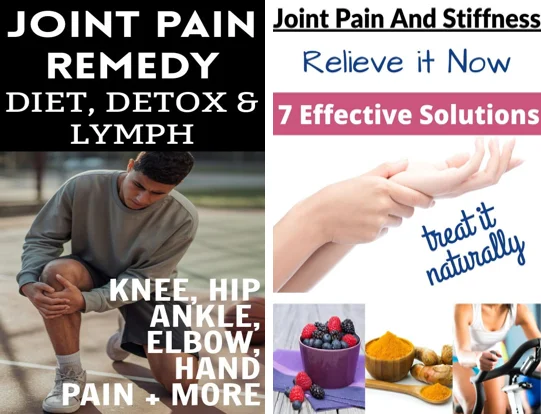
Joint pain in the 50+ years is often driven by a mix of cartilage wear, low-grade inflammation, and weakened muscles around the joint that leave it less protected during everyday movement. The encouraging news from rheumatology research is that lifestyle-based approaches—heat and cold, gentle movement, anti-inflammatory foods, and topical treatments—can meaningfully reduce pain scores for many people with osteoarthritis, often rivaling the modest benefit seen with over-the-counter pain relievers but with far fewer side effects. A 2023 review in the journal Osteoarthritis and Cartilage found that combining two or more of these approaches (for example, heat therapy plus daily walking) produced better pain relief than any single approach alone. That’s the spirit of this guide: small, layered habits that compound over weeks. None of these remedies replace medication when it’s needed, but they can reduce how often you reach for it and improve how your joints feel day to day. As you read through each remedy below, think about which one or two are easiest to fit into your current routine—starting small and staying consistent beats trying to overhaul everything at once.
Quick wins
- Heat before movement; ice after activity to calm swelling. Arthritis Foundation
- Topical capsaicin can help knee/hand pain with steady use over 2–4 weeks. Arthritis Foundation
- Build an anti-inflammatory plate and add omega-3 foods (fish, walnuts, flax). www.heart.org
- Daily, joint-friendly movement (walking, tai chi, water exercise) protects function. CDC
- If weight is a concern, even modest loss reduces knee load and pain. PubMed Arthritis Foundation
These five “quick wins” work because they target the most common, modifiable contributors to joint pain: inflammation, mechanical load, and disuse. Heat increases blood flow and tissue elasticity, making stiff joints easier to move through their full range; cold afterward limits the inflammatory swelling that can follow activity. Capsaicin works by temporarily desensitizing the nerve endings that transmit pain signals from the skin and underlying tissue—it doesn’t fix the joint, but it can quiet the pain enough to let you move more comfortably, and movement itself is part of the treatment. The anti-inflammatory plate and omega-3 foods address inflammation from the inside, while daily movement maintains the muscle support that takes pressure off the joint surfaces. And weight management matters more than many people realize: for every pound of body weight, the knee experiences roughly four pounds of additional force with each step, so even a modest 5-10 pound loss can meaningfully reduce the cumulative load on weight-bearing joints over the course of a day. The rest of this guide walks through each remedy in more depth, with practical how-tos for getting started safely.
1) Heat–Cold Routine for Stiffness & Flare-Ups
When to use heat: morning stiffness or before activity (warm shower/heating pad 10–15 minutes).
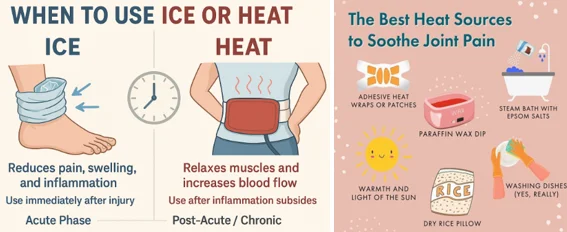
When to use cold: after activity or swelling (towel-wrapped gel pack 10 minutes).
Try a simple cycle: Heat 10 min → gentle range-of-motion → cold 10 min. Guidance on when and how to use each: Arthritis Foundation’s overview of hot/cold for osteoarthritis. Arthritis Foundation
Helpful read: Arthritis Foundation explains practical heat choices (warm bath, paraffin for hands) and how cold reduces swelling. Arthritis Foundation
The science behind contrast therapy is straightforward: heat dilates blood vessels, bringing more oxygen and nutrients to stiff tissue and making collagen fibers in tendons and joint capsules more pliable—this is why a warm shower before getting out of bed can make those first morning steps noticeably easier. Cold, by contrast, constricts blood vessels and slows nerve conduction, which is why it’s so effective at reducing swelling and numbing acute pain after activity. For seniors, a practical routine is to apply heat for 10-15 minutes first thing in the morning (a warm towel, heating pad, or shower works well), do your gentle range-of-motion exercises while joints are warm and loose, and save cold packs for evenings if a joint feels swollen or hot after a more active day. Paraffin wax treatments, available as at-home kits, are particularly popular for hand arthritis because the wax coats each finger evenly with soothing heat. Safety notes: always wrap heat or cold sources in a towel rather than applying directly to skin, limit each application to 15-20 minutes, and people with diabetes, neuropathy, or poor circulation should check with their doctor first since reduced sensation can make it harder to notice if a heat source is too hot.
2) Turmeric + Black Pepper (Easy Kitchen Add-On)
Curcumin (in turmeric) is a popular anti-inflammatory; black pepper (piperine) helps absorption. Stir into soups or try a daily tea:
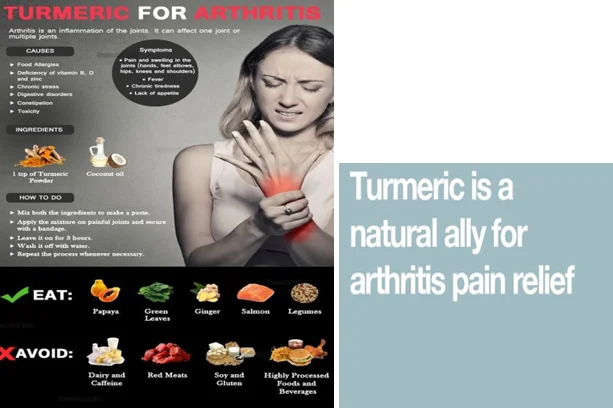
Turmeric-Ginger “Joint Tea”
1 cup hot water · ½ tsp turmeric · ¼ tsp fresh ginger · pinch black pepper · lemon/honey optional.
(Ask your clinician first if you use blood thinners.)
Related read on your site: Turmeric benefits (simple ways to use it at home).
→ Internal link: keepfitquote.com/turmeric-benefits/
Also see “Golden Milk” under blood-pressure-friendly drinks—a cozy way to sip turmeric with pepper.
→ Internal link: keepfitquote.com/blood-pressure-lowering-drinks/
Curcumin, the active compound in turmeric, works by blocking several inflammatory pathways in the body, including the same NF-kB pathway targeted by some prescription anti-inflammatory drugs—though much more mildly. The challenge is absorption: on its own, curcumin is poorly absorbed and quickly metabolized by the liver, with very little reaching the bloodstream. Piperine, the compound that gives black pepper its bite, has been shown in studies to increase curcumin absorption by up to 2,000% by slowing this breakdown process, which is why the pairing matters so much—turmeric without pepper is far less effective. A 2021 meta-analysis of clinical trials found that curcumin supplementation reduced osteoarthritis pain scores by an amount comparable to ibuprofen in some studies, with fewer gastrointestinal side effects, though effects build gradually over 8-12 weeks rather than providing immediate relief. For the joint tea recipe above, simmering the turmeric for a few minutes rather than just steeping helps release more of the active compounds. A small amount of healthy fat—a splash of milk or a teaspoon of coconut oil—can further boost absorption since curcumin is fat-soluble. The blood-thinner caution is important: turmeric has mild blood-thinning properties of its own, so anyone on warfarin, clopidogrel, or similar medications should discuss regular turmeric use with their doctor first.
3) Ginger on Flare Days
Ginger shows modest pain-relief potential when used consistently (tea, stir-fries, smoothies). Check interactions if you’re on anticoagulants. See NIH’s consumer summary on ginger. CDC
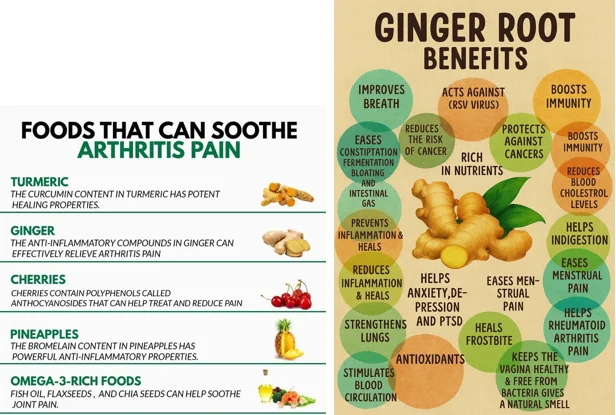
Ginger contains gingerols and shogaols, compounds that inhibit the same inflammatory enzymes (COX and lipoxygenase) targeted by NSAIDs, but through a gentler, food-based mechanism. Research on ginger extract for knee osteoarthritis has found modest but consistent reductions in pain and stiffness, particularly when used regularly rather than just during a flare. The phrase “flare days” is useful framing—many seniors notice their joints have good days and bad days depending on weather, activity levels, or sleep quality, and ginger can be a helpful tool to reach for specifically when a joint feels more inflamed than usual. Fresh ginger tends to have a stronger effect than dried, and grating a thumb-sized piece into hot water for tea, or adding it generously to stir-fries and smoothies, are easy ways to work it in. Candied ginger or ginger chews can also help with nausea some seniors experience alongside joint flares. The interaction caution with blood thinners is worth taking seriously: ginger can mildly enhance the effect of medications like warfarin, increasing bruising or bleeding risk, so if you’re on anticoagulant therapy, mention any plan for regular ginger use to your prescribing doctor so they can monitor your levels if needed.
4) Omega-3 Foods for Ongoing Joint Support
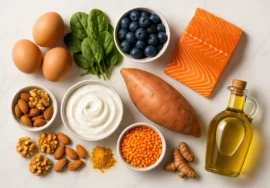
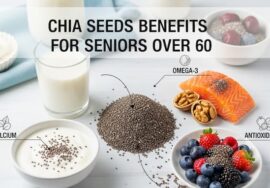
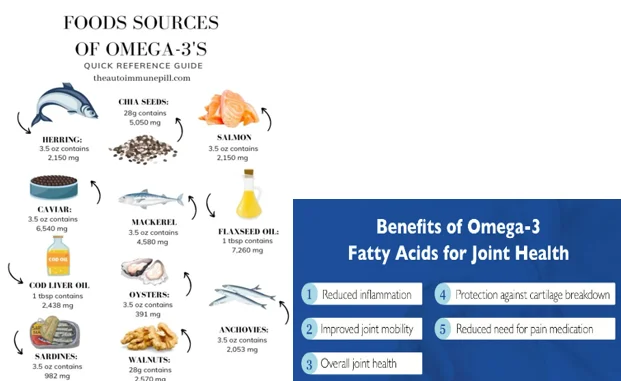
Omega-3 fats help your body temper inflammatory signals. Aim for two fish meals weekly (salmon, sardines, trout) and sprinkle ground flax or chia onto breakfast. The American Heart Association has an easy primer on food sources and why they matter. www.heart.org
Want a friendly primer on food + connective tissue?
→ Internal link: Best collagen-boosting foods (protein + vitamin C for tissues). keepfitquote.com/best-collagen-boosting-foods/
Omega-3 fatty acids, particularly EPA and DHA found in fatty fish, get incorporated directly into cell membranes where they’re converted into compounds called resolvins and protectins—molecules that actively help “turn off” inflammation rather than just blocking it. This is different from how most anti-inflammatory drugs work, and it’s part of why omega-3s have such a favorable safety profile for long-term, daily use. A landmark study following osteoarthritis patients found that those with higher omega-3 intake reported less joint pain and used fewer pain medications over time. For seniors who don’t enjoy fish, ground flaxseed and chia seeds provide ALA, a plant-based omega-3 that the body partially converts to EPA and DHA—not as efficiently as eating fish directly, but still beneficial, especially sprinkled on oatmeal or yogurt daily. Walnuts are another easy plant source. If considering a fish oil supplement instead of food sources, look for products that have been third-party tested for purity, and check with your doctor first if you take blood thinners, since high-dose fish oil can have a mild blood-thinning effect similar to the foods mentioned earlier in this guide. Two to three servings of fatty fish per week is a realistic, evidence-backed target that fits naturally into most meal plans.
5) Epsom Salt Soaks (Hands & Feet)
A warm Epsom salt soak can relax tight muscles around small joints—nice for hands and feet after chores. Dissolve ½ cup in warm water; soak 10–15 minutes. (If you have diabetes/neuropathy or skin breaks, ask your clinician first.) Cleveland Clinic discusses when soaks help and basic safety. Cleveland Clinic
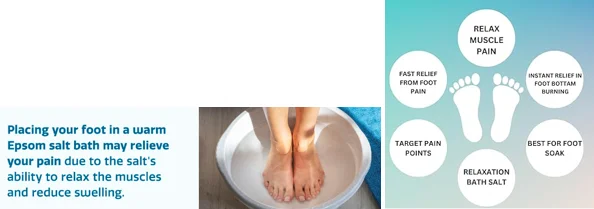
Epsom salt is magnesium sulfate, and while the idea that magnesium is absorbed through the skin during a soak isn’t strongly supported by research, the warm water itself provides real benefit—the heat relaxes muscles around the joint, improves local circulation, and the simple ritual of soaking tired hands or feet at the end of the day can ease both physical tension and stress, which itself can amplify pain perception. For seniors with hand arthritis, a 10-15 minute warm soak before doing fine-motor tasks like buttoning clothes or opening jars can make those tasks noticeably easier by loosening stiff finger joints. For foot soaks, adding the Epsom salt is optional—what matters most is the warm water temperature (comfortably warm, not hot) and the duration. The safety caution about diabetes and neuropathy is important because reduced sensation in the feet means a person might not notice if water is hot enough to cause burns, and any small skin breaks can become entry points for infection in soaking water. For most healthy seniors without these conditions, an evening foot or hand soak two or three times a week is a low-risk, soothing addition to a joint-care routine—just pat skin dry afterward and apply a moisturizer, since soaking can be drying to the skin over time.
6) OTC Capsaicin Cream (0.025–0.075%)
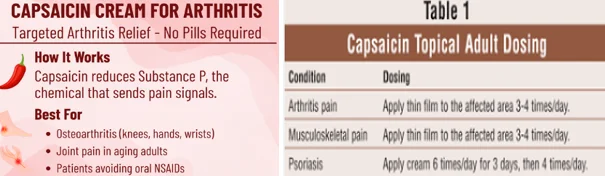
Capsaicin (from chili peppers) may reduce pain signaling with regular use.
How to use well
- Apply a pea-size to painful joints 3–4×/day.
- Wash hands after; expect mild warmth/tingle.
- Judge results after 2–4 weeks, not two days.
See the Arthritis Foundation’s guide to topical medicines (including capsaicin). Arthritis Foundation
Capsaicin works by binding to a receptor on sensory nerve endings called TRPV1, the same receptor that responds to actual heat—which is why it produces that characteristic warming or tingling sensation. With repeated application, capsaicin gradually depletes a neurotransmitter called substance P from these nerve endings, reducing their ability to transmit pain signals to the brain. This is why the “judge results after 2-4 weeks, not two days” guidance matters so much: the first few applications mainly produce the warming sensation, and the actual pain-relieving effect builds gradually with consistent use. Clinical trials on topical capsaicin for knee osteoarthritis have shown meaningful pain reductions with regular use, making it one of the better-supported topical options available without a prescription. Practical tips: use a cotton glove or wash hands thoroughly after application, since capsaicin on fingers can cause burning if it later contacts eyes or other sensitive areas. Avoid applying to broken skin, and don’t use a heating pad on top of a capsaicin-treated area, as this can intensify the burning sensation uncomfortably. Some people find the sensation too intense at first—starting with the lowest concentration (0.025%) and using it once daily before building up to 3-4 times a day can improve tolerance.
7) Gentle Daily Movement (Your “Always-On” Remedy)
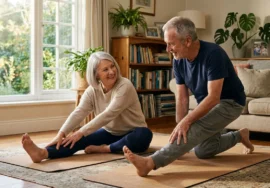
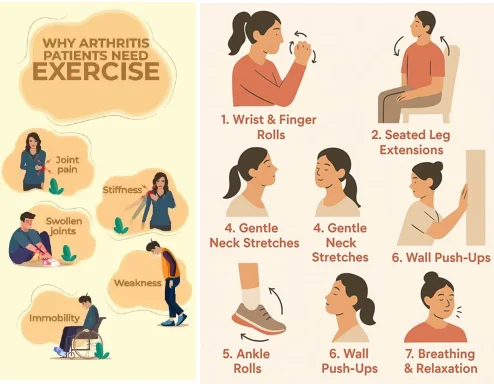
Motion nourishes cartilage and keeps support muscles active. The CDC lists joint-friendly options ideal for 50+: walking, cycling, tai chi, swimming/water aerobics, and light strength work. CDC
Starter plan (15–20 minutes)
- Warm-up (3 min): easy marching.
- Range-of-motion (5 min): knee bends, ankle/wrist circles.
- Strength (5–7 min): chair sit-to-stands, wall push-ups, band rows.
- Cool-down (2–3 min): gentle stretches.
Build on this with your site’s guides:
→ Remedies to strengthen bones & legs (chair squats, heel raises). keepfitquote.com/remedies-for-seniors-to-strengthen-bones/
→ Eggs for seniors (protein to protect muscle). keepfitquote.com/eggs-for-seniors/
Cartilage has no direct blood supply, so it relies on the mechanical action of joint movement to pump synovial fluid in and out, delivering nutrients and removing waste—a process researchers call “joint lubrication.” This is the biological reason why staying still tends to make joints feel worse over time, while gentle, regular movement actually nourishes the cartilage and keeps it healthier. The CDC’s recommended activities—walking, cycling, tai chi, and water exercise—share a common feature: they move joints through their range of motion without the high-impact pounding that activities like running can place on already-worn cartilage. Water exercise is particularly valuable because buoyancy reduces joint loading by up to 90%, allowing people with significant pain to move more freely than they could on land. The strength component of the starter plan deserves special attention: the muscles surrounding a joint act as shock absorbers and stabilizers, and research consistently shows that strengthening the quadriceps, for example, reduces knee pain in osteoarthritis even when the underlying joint changes remain the same. Starting with just 15-20 minutes most days and building gradually is far more sustainable—and safer—than attempting an intense routine that leads to a flare and discourages future activity.
Smart “Amplifiers”
- Weight management: Each pound lost removes about 4 pounds of pressure from the knees during daily steps—small changes add up. PubMed Arthritis Foundation
- Better sleep = lower pain perception: If nights are rough, try this internal read on sleeping through the night.
→ keepfitquote.com/category/all-categories/lifestyle-and-selfcare/ (find “How to Sleep Straight 8 Hours”). keepfitquote.com - Low-inflammation plate: See your site’s “Foods That Cause Inflammation” for simple swaps.
→ keepfitquote.com/foods-that-cause-inflammation/ keepfitquote.com
These three “amplifiers” work because pain isn’t purely a mechanical signal—it’s processed and modulated by the whole body, including the nervous system and brain. Sleep is a powerful example: studies consistently show that poor sleep lowers a person’s pain threshold the next day, meaning the same level of joint irritation feels more intense after a bad night’s sleep. This creates a frustrating cycle where pain disrupts sleep, and poor sleep amplifies pain—breaking that cycle with consistent sleep habits (a cool, dark room, a consistent bedtime, and limiting screens before bed) can meaningfully improve how joints feel, even without any direct treatment of the joint itself. The low-inflammation plate amplifier works on a similar principle to the omega-3 section above: foods high in refined sugar, processed meats, and fried foods can promote a low-grade inflammatory state throughout the body, which may make joint inflammation harder to control even when other remedies are working well. None of these amplifiers act quickly on their own, but layered on top of the seven remedies above, they help create an environment where the body’s own anti-inflammatory and repair processes can work more effectively—think of them as removing obstacles rather than adding a new treatment.
FAQs
1) What’s the best quick home remedy for sore knees after 50?
Try heat before movement and ice after activity, then add a 10-minute walk. Arthritis Foundation
2) Does capsaicin cream really work for arthritis?
It can help with knee/hand pain when used 3–4× daily for several weeks. Arthritis Foundation
3) Is turmeric good for joint pain?
Turmeric with black pepper may support comfort as part of a balanced diet. See “turmeric benefits.”
→ keepfitquote.com/turmeric-benefits/ keepfitquote.com
4) What fish help joint stiffness?
Salmon, sardines, and trout provide omega-3s; aim for two fish meals weekly. www.heart.org
5) Are Epsom salt foot or hand soaks safe for seniors?
Often, yes—if your skin is intact and you don’t have neuropathy. Check with your clinician. Cleveland Clinic
6) Which exercises are easiest on older joints?
Walking, tai chi, cycling, swimming, and water exercises. CDC
7) How soon will I feel results from home remedies?
Some relief is immediate (heat/ice); others (capsaicin, diet) take 2–4 weeks of consistency. Arthritis Foundation
8) Can a few pounds of weight loss help knee pain?
Yes—reducing body weight reduces knee joint load with every step. PubMed
9) What simple daily food tweaks support joints?
Add omega-3s (fish, walnuts, flax) and reduce ultra-processed foods. www.heart.org
10) Is hot-cold contrast safe for hands with arthritis?
Generally yes—limit each to ~10 minutes and protect skin with a towel. Arthritis Foundation
11) Any evening routine to cut morning stiffness?
Short walk, warm shower, gentle stretches; prep a heating pad for morning use. Arthritis Foundation
12) What if joint pain worsens or a joint becomes hot/red?
Contact your clinician; sudden swelling, warmth, or fever warrants evaluation.
SUMMARY
- Combine heat → move → ice, daily joint-friendly activity, and steady topical capsaicin. Arthritis Foundation
- Support long-term comfort with omega-3 foods, turmeric + black pepper, and short Epsom soaks (with safety checks). www.heart.org Cleveland Clinic
- If weight is a factor, modest loss meaningfully reduces knee load per step. PubMed
High-quality References
- Arthritis Foundation: OA treatment options; heat/cold use; topicals. Arthritis Foundation
- CDC: Joint-friendly physical activity ideas for older adults. CDC
- American Heart Association: Omega-3 foods guidance. www.heart.org
- Cleveland Clinic: When Epsom soaks may help and safety notes. Cleveland Clinic
- PubMed / Arthritis & Rheumatism study: 1 lb weight loss ≈ 4 lb less knee load per step. PubMed
⚕️ Medical Disclaimer
The information provided on this page is for educational purposes only and is not intended as medical advice, diagnosis, or treatment. Always consult a qualified healthcare professional before making changes to your diet, starting any supplement, or if you have an existing medical condition. KeepFitQuote does not provide medical diagnoses or treatment recommendations. Read our full disclaimer.
Related Posts