Breakfast is the most important meal of the day, setting the tone for energy levels, metabolism, and overall well-being. The right combination of nutrients can support healthy weight loss, muscle gain, digestion, and overall vitality. Whether you’re looking for high-protein options, good fats, or fiber-rich meals, here are some of the best breakfast combos to fuel your day.

For adults over 50, breakfast plays an especially important role. Research from the National Institute on Aging shows that a protein-rich morning meal helps preserve muscle mass, which naturally declines with age in a process called sarcopenia. A good breakfast can also help stabilize blood sugar for the rest of the day, reducing mid-morning energy crashes and cravings. Below are ten combinations designed to balance protein, fiber, and healthy fats — the three building blocks of a satisfying, nutrient-dense start to the day.
1. Oatmeal & Protein Shake Combo
This combo is packed with complex carbohydrates, fiber, and protein, making it an excellent choice for sustained energy and muscle recovery.
- Oatmeal for constipation relief, rich in beta-glucan fiber, supports gut health.
- A protein shake for muscle gain can be made with calcium caseinate or alpha-lactalbumin for a steady protein release.
- Add chia seeds (1 tbsp protein in chia seeds) for an extra fiber and omega-3 boost.
Oats are one of the most studied foods for heart health, and the soluble fiber called beta-glucan has been shown in multiple clinical studies to help lower LDL (“bad”) cholesterol — a meaningful benefit for older adults managing cardiovascular risk. For a simple preparation, combine 1/2 cup of rolled oats with 1 cup of milk or a milk alternative, and let it sit overnight in the refrigerator for an easy grab-and-go breakfast. Pairing oats with a protein shake helps slow digestion, which keeps blood sugar steadier through the morning. If you’re new to protein shakes, start with about 20-25 grams of protein, which is generally well-tolerated and supports muscle maintenance without overburdening digestion.

2. Egg & Avocado Toast
For a nutrient-dense meal, eggs and avocado on whole-grain toast provide protein, healthy fats, and fiber.
- 1 boiled egg protein (6g) or 3 egg whites protein (10g) supplies essential amino acids.
- Avocado healthy, packed with monounsaturated fat foods, supports heart health.
- Whole-grain bread is among the best complex carbs, keeping you full longer.

Eggs are also one of the few natural food sources of vitamin D and choline, both of which become harder to get enough of with age — choline supports brain and nerve function, while vitamin D is essential for bone strength and immune health. The American Heart Association notes that eating eggs in moderation, generally up to one per day, is fine for most people as part of a balanced diet, even those managing cholesterol, since dietary cholesterol affects blood cholesterol less than once believed for most individuals. Mash half an avocado onto a slice of toasted whole-grain bread, season with a pinch of salt and pepper, and top with your eggs for a meal that takes under ten minutes but delivers lasting energy through late morning.
3. Greek Yogurt, Berries, & Nuts
This bowl is a powerhouse of nutrient-rich foods for weight loss, featuring protein, probiotics, and antioxidants.
- Greek yogurt offers complete protein foods with all 20 amino acids.
- Raspberries fiber, fiber in strawberries, and fiber in blueberries boost gut health.
- Almonds (fiber in almonds) and walnuts provide examples of healthy fats and protein.

The live probiotic cultures in Greek yogurt support a healthy gut microbiome, which research increasingly links to immune function, mood, and even nutrient absorption — all especially relevant as digestion can slow with age. Look for plain, unsweetened Greek yogurt to avoid added sugars, and choose varieties labeled with “live and active cultures” for the most probiotic benefit. A half-cup serving of mixed berries adds antioxidants called anthocyanins, which have been studied for their role in supporting healthy blood vessels and cognitive function. A small handful of almonds or walnuts (about 1 ounce) rounds out the bowl with vitamin E and omega-3 fatty acids, both of which support skin and brain health.
4. Smoothie with Greens & Seeds
A well-balanced smoothie can serve as a low-calorie, high-fiber breakfast.

- Spinach protein and fiber in kale provide plant-based nutrients.
- Flaxseeds and chia seeds contain polyunsaturated fatty acids and omega-3s.
- Add a banana (1 banana protein 1.3g) for natural sweetness and good carbs for weight loss.

Leafy greens like spinach and kale are excellent sources of vitamin K, folate, and magnesium — nutrients that support bone health and muscle function, both important considerations for seniors. Blending greens into a smoothie is an easy way to get a serving of vegetables in the morning without much preparation. A tablespoon of ground flaxseed adds lignans, plant compounds studied for their potential heart-protective effects, while also contributing about 2 grams of fiber. For best results, blend 1 cup of spinach, 1 tablespoon of ground flaxseed, half a banana, and a cup of milk or water until smooth. Drinking smoothies slowly, rather than gulping them, can help with digestion and satiety.
5. Cottage Cheese & Berries
This simple yet effective combo supports a high-protein diet while keeping calories in check.
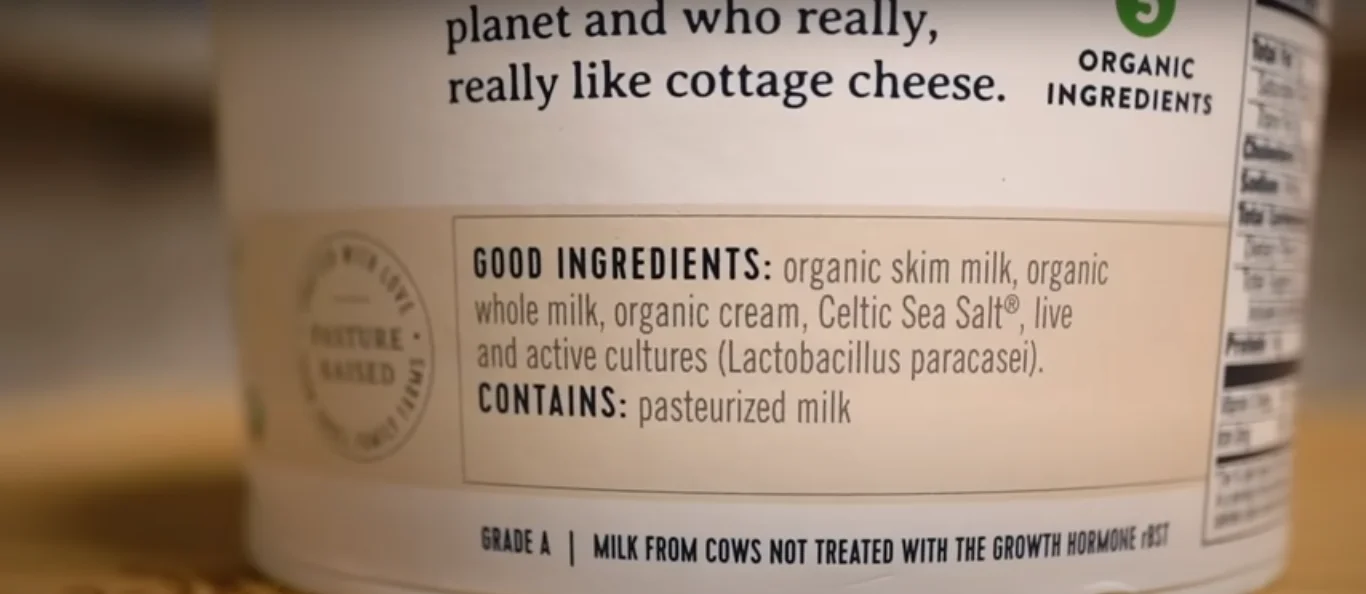
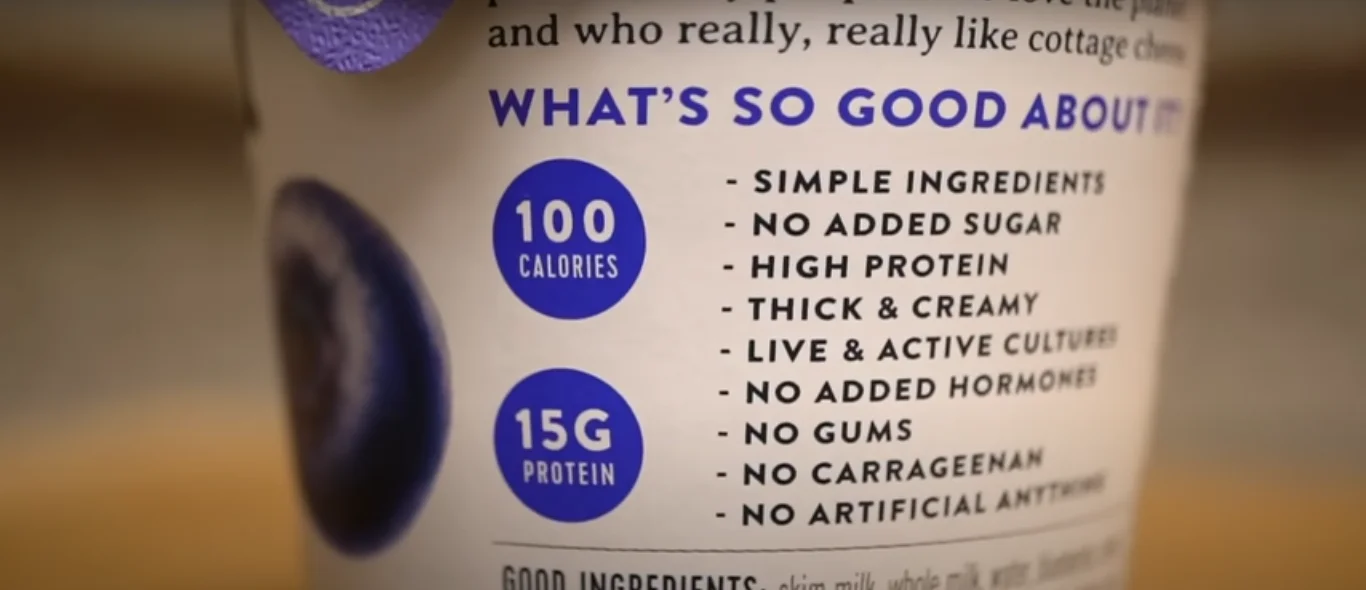

- Cottage cheese (high protein, low fat) is rich in casein protein.
- Black beans fiber and fiber in blueberries promote digestion.
- A sprinkle of wheat dextrin or psyllium husk enhances fiber intake.
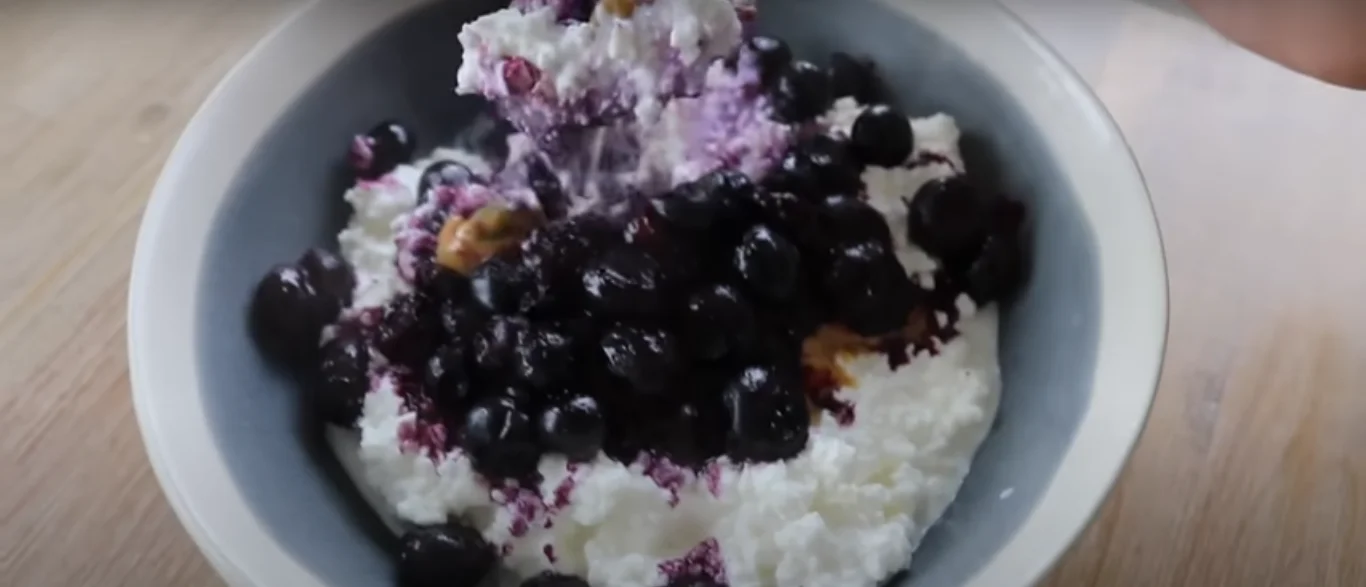
Cottage cheese’s casein protein digests slowly, which means it can help keep you feeling full for several hours — useful for managing appetite and supporting steady energy throughout the morning. A half-cup serving provides roughly 12-14 grams of protein for relatively few calories, making it a practical option for those watching their weight. Adding a handful of black beans might sound unconventional for breakfast, but their fiber and plant protein pair well with the mild flavor of cottage cheese, especially in savory bowls. If you prefer a sweeter version, top cottage cheese with fresh blueberries and a drizzle of honey, and consider a teaspoon of ground flax or psyllium husk for an extra fiber boost that supports regular digestion.
6. Peanut Butter & Banana on Whole Wheat Bread
A classic combination, perfect for a pre-workout meal.
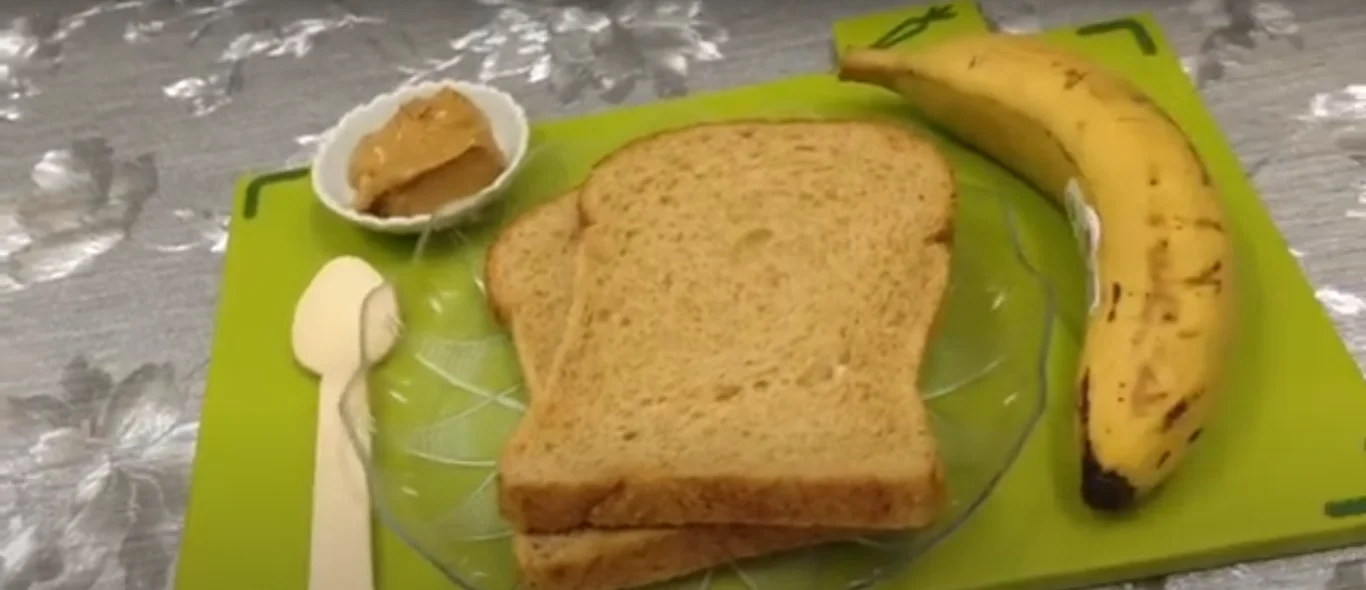
- Peanut butter (fiber in peanut butter) provides protein and healthy high-fat foods.
- Banana protein and complex carbohydrates examples help with energy release.
- Whole wheat bread ensures good sources of fiber and satiety.

Natural peanut butter, made with just peanuts and perhaps a pinch of salt, avoids the added sugars and hydrogenated oils found in some commercial brands. Two tablespoons provide roughly 7 grams of protein and 8 grams of unsaturated fat, which support steady energy without the blood sugar spikes associated with simple carbohydrates. Bananas are a good source of potassium, a mineral many older adults don’t get enough of, which plays a role in maintaining healthy blood pressure. This combo is also a favorite among those managing nut allergies’ alternatives like sunflower seed butter, which offers a similar texture and nutrient profile for those who need to avoid peanuts.
7. Tofu Scramble with Whole Wheat Toast
A great vegan option for protein and fiber.
- Tofu fiber and protein in tofu offer plant-based protein.
- Fiber in mushrooms, fiber in tomatoes, and fiber in onions add digestion support.
- Avocado oil health benefits enhance the absorption of fat-soluble vitamins.

Tofu is a complete protein, meaning it provides all nine essential amino acids, and it’s also a good source of calcium and iron — two nutrients that become especially important for bone health and energy levels after age 50. To make a tofu scramble, crumble firm tofu with your hands and sauté it in a pan with a small amount of avocado oil, along with diced mushrooms, tomatoes, and onions, plus a pinch of turmeric for color and its anti-inflammatory compound, curcumin. Season with salt, pepper, and a dash of nutritional yeast for a cheesy flavor without dairy. Serve alongside a slice of whole wheat toast for a filling, plant-based start to the day.
8. Quinoa & Mixed Nuts Bowl
For a high-protein, high-fiber breakfast that’s gluten-free.
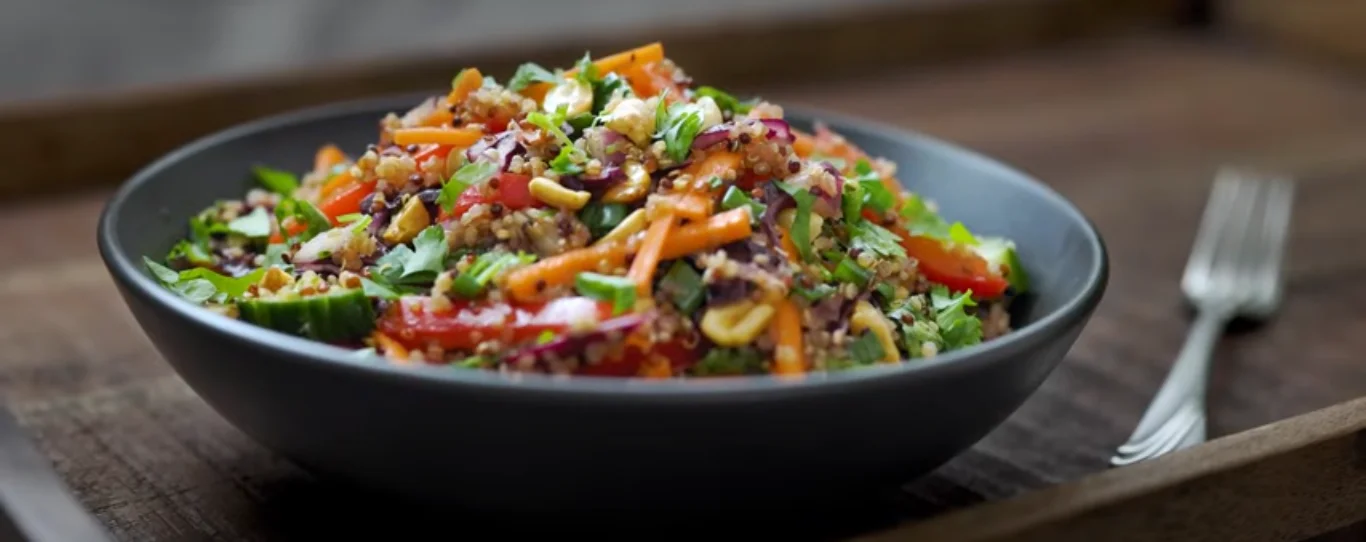
- Fiber in quinoa makes it a great choice for digestion.
- Nuts (examples of polyunsaturated fats) add protein and healthy fat sources.
- Cinnamon can stabilize blood sugar and enhance metabolism.

Quinoa is technically a seed, not a grain, and it’s one of the few plant foods that contains all nine essential amino acids, making it a complete protein like animal sources. A half-cup of cooked quinoa provides about 4 grams of protein and 3 grams of fiber, along with magnesium and iron. To prepare a quinoa breakfast bowl, cook quinoa in milk instead of water for a creamier texture, then top with a mix of walnuts, almonds, and a sprinkle of cinnamon. Some preliminary research suggests cinnamon may help improve insulin sensitivity, which can be particularly relevant for older adults managing blood sugar levels. This bowl is naturally gluten-free, making it a good option for those with celiac disease or gluten sensitivity.
9. Salmon & Whole Wheat Bagel
An omega-3 and protein-rich breakfast to start the day strong.
- Fish protein provides all essential amino acids.
- Whole wheat bagel (complex carbs foods) keeps energy steady.
- Avocados good for you add heart-healthy fats.
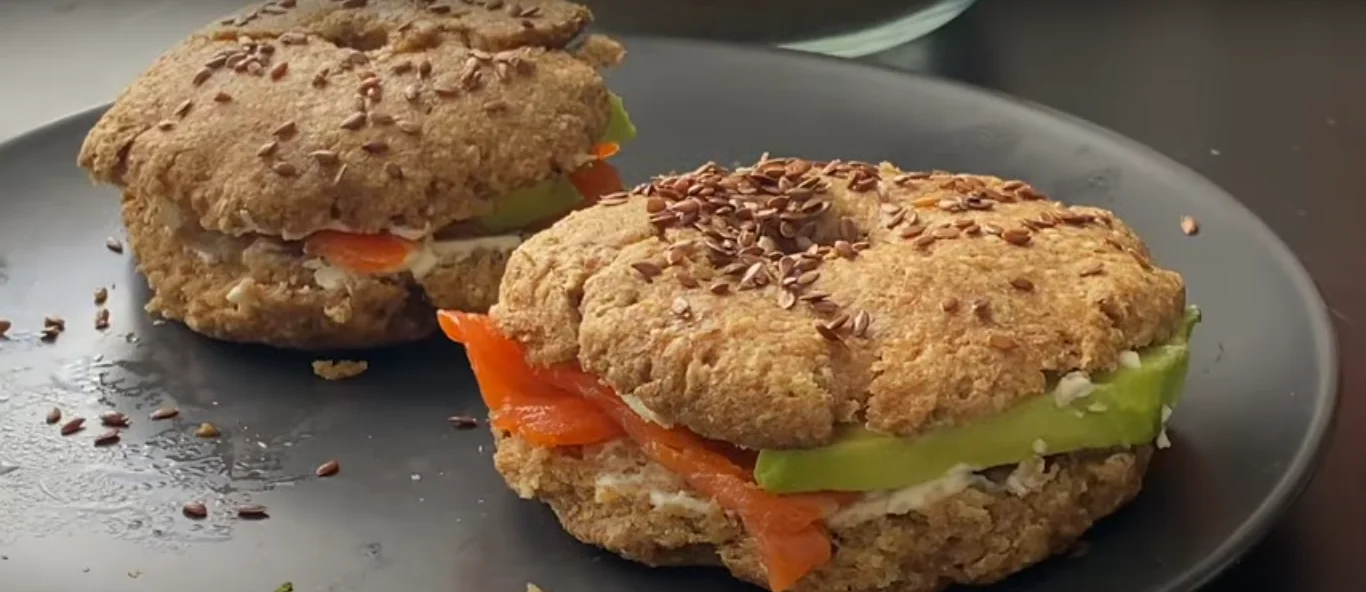
Smoked or fresh salmon is one of the richest dietary sources of omega-3 fatty acids, which the American Heart Association recommends for supporting heart health and reducing inflammation — both important considerations as cardiovascular risk increases with age. A 2-ounce serving of smoked salmon on a whole wheat bagel with a thin layer of avocado or light cream cheese provides a satisfying balance of protein, healthy fats, and complex carbohydrates. Omega-3s have also been studied for their potential role in supporting brain health and memory, making this combo a smart choice a few times a week. For those watching sodium intake, choose lower-sodium smoked salmon or fresh cooked salmon instead, and pair with fresh herbs like dill for added flavor.
10. Chia Pudding with Berries
A fiber-packed, gut-friendly breakfast.
- Fiber in chia seeds, fiber in raspberries, and fiber in strawberries support digestion.
- Almond milk as a base is a good fat and bad fat-balanced option.
- Coconut flakes add healthy unsaturated fatty acids.
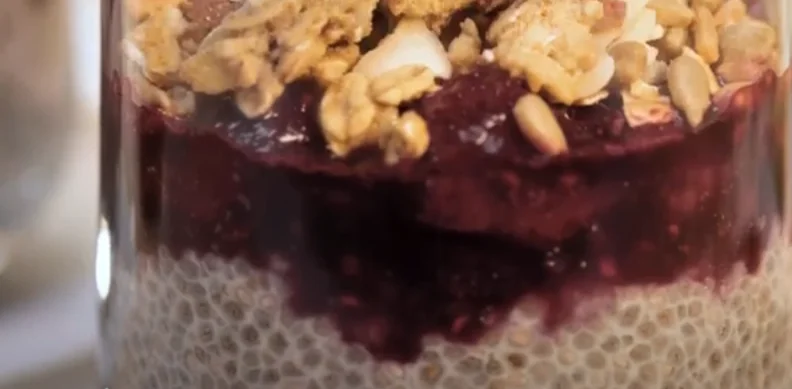
Chia seeds absorb roughly ten times their weight in liquid, forming a gel-like texture that’s gentle on digestion while delivering an impressive 10 grams of fiber per ounce — about a third of the daily recommended intake for most adults. To prepare chia pudding, combine 3 tablespoons of chia seeds with 1 cup of almond milk and a touch of vanilla or honey, then refrigerate overnight. By morning, it thickens into a pudding-like consistency that can be topped with fresh berries and a sprinkle of unsweetened coconut flakes. Because chia pudding can be made the night before, it’s a convenient option for those who don’t have much time in the morning but still want a nutrient-dense start to the day.
How to Choose the Best Breakfast for You
- For healthy eating for weight loss, focus on low-calorie foods for weight loss with good fat sources.
- If muscle gain is your goal, opt for protein-rich meals like eggs, Greek yogurt, and lean meats (100g chicken breast protein: 31g).
- To support digestion, include sources of soluble fiber like oatmeal, apples (1 apple protein 0.5g), and sweet potatoes.
- If you have diverticulitis, choose either a low-fiber diet for diverticulitis or a high-fiber diet for diverticulitis as recommended.
There’s no single “best” breakfast — the right choice depends on your individual health goals, any medical conditions, and personal preferences. For those managing diabetes or prediabetes, pairing protein and fat with carbohydrates (as in most of the combos above) helps slow the rise in blood sugar after eating. If you’re recovering from illness or surgery, prioritizing protein-rich options like eggs, Greek yogurt, or cottage cheese can support healing and help preserve muscle mass. And if you take medications that need to be taken with food, building a consistent breakfast routine can also help you stay on track with your medication schedule. When in doubt, a registered dietitian can help tailor these combos to your specific needs, especially if you’re managing multiple health conditions at once.
End of The Line
A well-balanced breakfast should include protein examples, healthy fat sources, and complex carbs list for sustained energy. Whether you are taking on the Metamucil challenge for gut health or following a protein sparing modified fast, your breakfast choices can set the foundation for a productive day. Prioritize nutrient-dense foods for weight loss and enjoy a variety of good diet to lose fat options!
Start your day with these best breakfast combos and fuel your body with the right nutrients!
One last thing worth remembering: consistency matters more than perfection. Eating breakfast at roughly the same time each day helps regulate your body’s internal clock, supports more stable energy levels, and can even improve sleep quality over time. If your mornings are rushed, many of these combos — like overnight oats, chia pudding, or a pre-made smoothie pack — can be prepared the night before, removing the time barrier that often leads to skipping breakfast altogether. Small, sustainable habits like these tend to add up to meaningful health benefits over months and years.
Frequently Asked Questions
Is it bad to skip breakfast as you get older?
Skipping breakfast occasionally isn’t harmful for most healthy adults, but regularly skipping it can make it harder to meet daily protein and nutrient needs, which become more important for preserving muscle mass and bone density after 50. If you take morning medications that require food, skipping breakfast can also cause issues, so it’s worth discussing your routine with your doctor.
How much protein should seniors aim for at breakfast?
Many nutrition experts recommend aiming for 20-30 grams of protein at breakfast for older adults, since distributing protein evenly across meals supports muscle maintenance better than concentrating it at dinner. Eggs, Greek yogurt, cottage cheese, and protein shakes are all practical ways to reach this target.
Can these breakfast combos help with managing blood sugar?
Many of these combos pair protein, fiber, and healthy fats with carbohydrates, which helps slow digestion and reduce blood sugar spikes compared to eating refined carbohydrates alone. However, individuals with diabetes should work with their doctor or a dietitian to tailor portion sizes and ingredients to their specific needs.
Are smoothies as filling as solid food breakfasts?
Smoothies can be just as filling if they include protein, fiber, and healthy fats, but liquid calories are sometimes consumed faster than solid food, which can affect how full you feel. Adding ingredients like Greek yogurt, nut butter, or chia seeds to a smoothie can help increase satiety.
What if I have trouble chewing or swallowing certain breakfast foods?
Several of these combos can be adapted for easier chewing or swallowing — for example, oatmeal, chia pudding, smoothies, and yogurt bowls are naturally soft and easy to modify. If you experience ongoing difficulty with chewing or swallowing, it’s important to discuss this with your doctor, as it can sometimes indicate an underlying condition that needs attention.
Can I prepare these breakfasts in advance for the whole week?
Yes, many of these options — including overnight oats, chia pudding, and smoothie packs — can be prepared in batches and stored in the refrigerator for 3-5 days, making it easier to maintain a healthy breakfast routine even on busy mornings.
⚕️ Medical Disclaimer
The information provided on this page is for educational purposes only and is not intended as medical advice, diagnosis, or treatment. Always consult a qualified healthcare professional before making changes to your diet, starting any supplement, or if you have an existing medical condition. KeepFitQuote does not provide medical diagnoses or treatment recommendations. Read our full disclaimer.
Related Posts