
The most effective tools for stress management in older adults are simple and free: slow breathing, daily movement, regular contact with people you care about, steady sleep, and a little time each day for something you enjoy. None of them removes stress completely, and that is not the goal. Instead, they help your body settle back to calm after a hard day, so stress does not keep building.
Stress management in older adults works best when it fits your daily life. Below are nine practical ways to manage stress after 60. Each one includes what the research actually supports, how to start, and when it is time to ask for more help.
Why Stress Management in Older Adults Looks Different
Later life brings its own stressors: retirement and money worries, health changes, caring for a partner, the loss of friends or family, and less day-to-day social contact. The National Institute of Mental Health notes that many older adults adjust to these changes, but some develop lasting grief, loneliness, or isolation, which can lead to depression or anxiety.
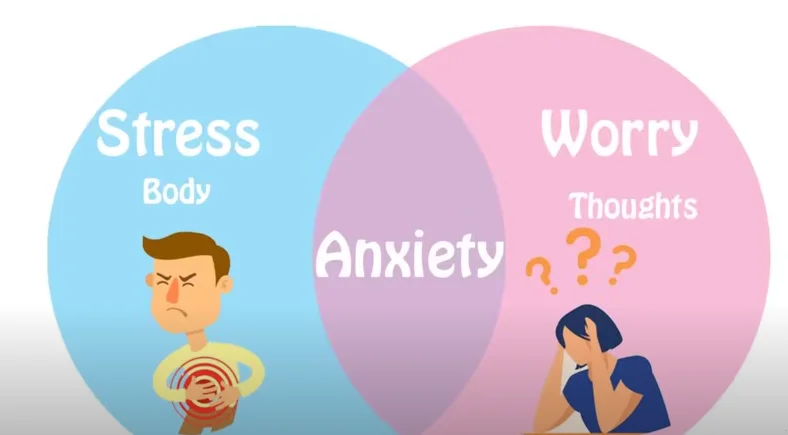
It helps to know the difference between stress and anxiety. According to the NIMH’s stress and anxiety fact sheet, stress is usually a response to an outside cause and fades once the situation is resolved. Anxiety tends to linger even without a clear threat. Both can cause worry, tension, headaches, poor sleep, and raised blood pressure. To learn how long-term stress affects the body, see our guide to cortisol and chronic stress.
1. Slow Your Breathing
Slow breathing is the quickest tool you have when stress spikes. Try this: breathe in through your nose for four seconds, hold for four, and breathe out slowly for six. Repeat for one to two minutes.
The key is an out-breath that is longer than the in-breath. If counting feels distracting, simply make each exhale a little slower. The National Center for Complementary and Integrative Health (NCCIH) says relaxation techniques such as breathing exercises are generally considered safe for healthy people. If you have COPD or another lung condition, ask your doctor which breathing pattern suits you. Our article on the benefits of nose breathing explains more.


2. Walk Outdoors Most Days
A 10 to 15 minute walk is one of the easiest ways to reset a stressful day. Walking gets you moving, gives your mind a break, and, outdoors, adds daylight that helps keep your sleep rhythm steady. Many people find a park, a garden, or a path near water especially calming.
For overall health, the CDC advises that adults 65 and older get at least 150 minutes a week of moderate activity, such as brisk walking, plus muscle-strengthening activities on two or more days and balance activities. If that sounds like a lot, start with what you can do. Some activity is better than none.
3. Try Gentle Mind-Body Exercise
Tai chi and gentle yoga combine slow movement with steady breathing and focus. According to the NCCIH, tai chi may improve balance and help prevent falls in older adults, and studies suggest benefits for psychological well-being. The NCCIH notes that yoga is generally safe when taught by a qualified instructor, though some poses are not right for everyone.
Look for classes labeled “gentle,” “chair,” or “seniors” at a community center or senior center, and tell the teacher about any joint, back, or balance problems.
4. Stay Connected With People
Social contact is one of the most underrated parts of stress management in older adults. The NIA notes that loneliness and social isolation are linked with higher rates of depression. A short phone call, a coffee with a neighbor, a faith group, or a volunteer shift can all count.
If getting out is hard, the NIA offers tips for staying connected, including phone calls, video chats, and joining a virtual club or class. Try to put one social contact on your calendar each day, even a brief one.
5. Make Time for Hobbies
Reading, painting, gardening, playing music, puzzles, and crafts all hold your attention gently, which leaves less room for worry. You do not need to be good at a hobby for it to help. Many people who spent decades busy with work and family feel guilty about “doing nothing,” so treat this time as part of your health routine rather than a reward you must earn.
Aim for 20 to 30 minutes a day of something you do purely for enjoyment.

6. Make Room for Laughter
Laughing with others can lift your mood and help you feel closer to people. Watch a favorite comedy, swap funny stories with a friend, or keep a short list of clips that always make you smile. Laughter is not a treatment for anxiety or depression, but it is an easy and pleasant way to break up a tense day.

7. Protect Your Sleep
Stress and poor sleep feed each other. The National Institute on Aging’s guide to sleep and older adults suggests a regular sleep schedule, avoiding late naps, limiting caffeine late in the day, and keeping screens out of the bedroom.
If you keep waking in the early hours, read our guides to waking up at 4 a.m. after 60 and low HRV and poor deep sleep. Loud snoring, gasping, or daytime sleepiness are worth discussing with your doctor.
8. Practice Meditation or Mindfulness
Meditation trains your attention to rest on the present, such as your breath, sounds, or body sensations, instead of replaying worries. The NCCIH notes that meditation and mindfulness practices usually have few risks, and that structured programs such as mindfulness-based stress reduction teach people to apply these skills to stressful situations.
Start with five minutes a day, using a free app or a recorded guided session. A small number of people feel more anxious while meditating; if that happens, stop and try a different approach, such as a walking meditation.

9. Use Scents Carefully
Many people find the smell of lavender or citrus soothing. The evidence is limited, though. The NCCIH reports that little rigorous research has been done on aromatherapy, and one study of lemon and lavender scents in stressed people found lemon improved mood, but neither scent changed stress markers.
If you enjoy aromatherapy, use a diffuser in a ventilated room, dilute oils before they touch skin, and skip it if you have asthma. Do not swallow essential oils. The NCCIH notes that a specific oral lavender oil product has been studied for anxiety, but talk to your doctor before taking any supplement.

Eat Regular Meals and Watch Caffeine and Alcohol
The NIMH suggests eating healthy, regular meals and avoiding too much caffeine when you feel stressed. Skipping meals can leave you shaky and irritable, and coffee, strong tea, and colas late in the day can disturb sleep. Alcohol may seem to take the edge off, but it can worsen sleep and mood, and the NIA explains that older adults become more sensitive to alcohol and that it can interact with many medicines.
No single food cures stress, but a balanced plate of vegetables, fruit, whole grains, beans, nuts, fish, and healthy fats supports your energy and overall health. If you want a calmer caffeine option, read about matcha for older adults. Muscle cramps, poor sleep, and fatigue can also be signs of low magnesium; our guide to magnesium deficiency symptoms explains when to ask for a test.







If You Are a Caregiver
Caring for a spouse or relative is one of the biggest sources of stress in later life. The NIA’s tips for caregivers include asking for and accepting help, joining a support group, keeping up your own medical visits, and finding short breaks for yourself. Using respite care is not a failure. It helps you keep going.
A 7-Day Stress Management Plan for Older Adults
| Day | Try this | Time |
|---|---|---|
| 1 | Slow breathing (4 in, 4 hold, 6 out) after breakfast and before bed | 2 minutes, twice |
| 2 | Outdoor walk, plus one phone call to a friend | 15 minutes |
| 3 | Hobby time with no screens | 20 minutes |
| 4 | Guided meditation or a gentle stretch video | 5 to 10 minutes |
| 5 | Walk with a neighbor or join a class | 20 to 30 minutes |
| 6 | Set a regular bedtime and stop caffeine after lunch | All day |
| 7 | Review the week: keep the two habits that helped most | 10 minutes |
When Stress Is More Than Stress
Depression and ongoing anxiety are not a normal part of aging, and they are treatable. The CDC notes that older adults often do not seek help for depression, sometimes because they think their symptoms are just part of getting older. Talk to your doctor if you notice any of these for more than two weeks:
- Sadness, hopelessness, or feeling flat most of the time
- Losing interest in things you used to enjoy
- Sleeping much more or much less than usual
- Changes in appetite or weight
- Constant worry, restlessness, or trouble concentrating
- Drinking more alcohol to cope
Some medical problems, including thyroid disease, and some medicines can also affect mood, so a check-up is a sensible first step. Talk therapy and medication are both effective, and many people use a combination. If you ever have thoughts of suicide or feel unable to cope, call or text 988, the Suicide and Crisis Lifeline, in the U.S. at any time. In an emergency, call 911.
The Bottom Line
Good stress management in older adults does not need special equipment or expensive programs. Pick two habits from this list, such as slow breathing and a daily walk, and practice them for a week. Add a social contact and a regular bedtime when you are ready. If stress or low mood lingers, reach out to your doctor. Getting help is a strength, not a weakness. This article is general information and does not replace medical advice.
Frequently Asked Questions
What is the fastest way to calm down when stress hits?
Slow breathing with a longer out-breath, such as four seconds in, four seconds holding, and six seconds out, for one to two minutes. It can be done anywhere, sitting or standing.
How much exercise helps with stress after 60?
Any amount helps. For overall health, the CDC advises adults 65 and older to aim for 150 minutes of moderate activity a week, plus strength and balance activities. A daily 10 to 15 minute walk is a good start.
Does aromatherapy really reduce stress?
The evidence is limited. Many people find scents such as lavender pleasant and relaxing, but studies have not shown clear effects on stress markers. Use diluted oils, never swallow essential oils, and skip them if you have asthma.
Is it normal to feel more stressed or lonely as you age?
Life changes such as retirement, illness, and loss can raise stress, and feeling low at times is common. But depression and ongoing anxiety are not a normal part of aging. They are treatable, so talk to your doctor if symptoms last more than two weeks.
Can stress affect sleep in older adults?
Yes. Stress can make it harder to fall asleep or cause early waking, and poor sleep makes stress harder to handle. A regular bedtime, less late caffeine, and a wind-down routine with slow breathing can help.
When should I get professional help for stress?
Get help if stress or worry interferes with daily life, makes you avoid things, or does not go away, or if you notice signs of depression. If you have thoughts of suicide, call or text 988 in the U.S. right away.
Sources and Further Reading
- NIMH: I’m So Stressed Out! Fact Sheet
- NIMH: Older Adults and Mental Health
- CDC: Depression and Aging
- CDC: Older Adult Activity
- NIA: Sleep and Older Adults
- NIA: Taking Care of Yourself: Tips for Caregivers
- NCCIH: Relaxation Techniques
- NCCIH: Meditation and Mindfulness
- NCCIH: Tai Chi
- MedlinePlus: Stress
⚕️ Medical Disclaimer
The information provided on this page is for educational purposes only and is not intended as medical advice, diagnosis, or treatment. Always consult a qualified healthcare professional before making changes to your diet, starting any supplement, or if you have an existing medical condition. KeepFitQuote does not provide medical diagnoses or treatment recommendations. Read our full disclaimer.
Related Posts





Pingback: Improving Low Testosterone Naturally Boost Energy & Strength