Have you ever stopped to wonder if that constant fatigue, stomach ache, or sudden weight loss could be something more than stress or a bad week of food choices? The truth is, many people walk around every day unaware that their bodies might be harboring harmful parasites.

Yes—harmful parasites aren’t just a problem in remote corners of the world. They can affect everyday people who’ve traveled recently, eaten contaminated food, or even walked barefoot in the wrong place. These unwelcome guests feed off your system, robbing you of vital nutrients, weakening your immune system, and leaving behind a trail of mysterious symptoms.
For adults over 50, this topic deserves extra attention. According to the World Health Organization, more than 1.5 billion people, roughly 24% of the global population, carry some form of soil-transmitted helminth (intestinal worm) infection, and exposure risk doesn’t disappear with age. In fact, decades of cumulative exposure through travel, gardening, food handling, and contact with pets or grandchildren can mean older adults are carrying low-grade infections that have gone unnoticed for years. A 2017 review published in PLOS Neglected Tropical Diseases noted that chronic, low-level parasitic infections can quietly contribute to anemia, malnutrition, and immune dysfunction, conditions that are often mistaken for “normal aging” rather than something treatable. The biological mechanism is straightforward: intestinal parasites such as roundworms, hookworms, and whipworms attach to or live within the lining of the gut, competing for nutrients, causing microscopic bleeding, and triggering low-grade inflammation that can affect everything from energy levels to skin health. For seniors managing other health conditions, this added burden on the body can make existing issues, like fatigue or anemia, harder to pin down. The encouraging news is that a simple stool test ordered by your doctor, combined with an appropriate antiparasitic medication if needed, can often resolve symptoms that may have been brewing for years.
Common Signs You May Need Deworming
Deworming isn’t just for kids or pets. Adults can—and should—deworm, especially if they’ve experienced symptoms like:
- A large worm, a piece of worm or worm eggs in your poo (yes, it’s unsettling, but important to catch early)
- Red, itchy worm-shaped rash on your skin
- Ongoing sickness, including diarrhoea or a stomach ache for longer than 2 weeks
- Losing weight for no reason
- Constant itching, insomnia, or unexplained fatigue
- Pale skin or signs of anemia
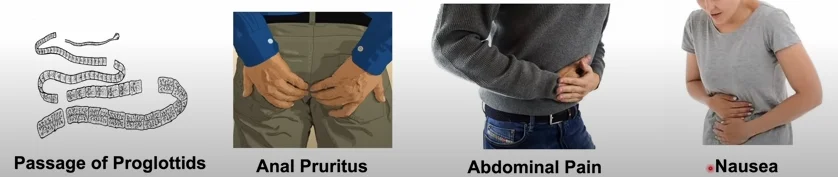
These aren’t random issues. They’re often red flags your body is waving to say: “Something’s not right here.”
For people in their 50s, 60s, and beyond, many of these symptoms overlap with conditions that are commonly attributed to aging, arthritis, thyroid changes, or simply “getting older.” That overlap is exactly why parasitic infections can be missed for so long. The itching and rash mentioned above, for example, can result from larvae migrating through the skin (a condition called cutaneous larva migrans), which is more common after walking barefoot on sand or soil in warm climates, something many retirees do while traveling. Persistent diarrhea or stomach discomfort lasting more than two weeks is a particularly important signal because it’s outside the range of a typical stomach bug, which usually resolves within a few days. The Centers for Disease Control and Prevention (CDC) recommends that anyone with gastrointestinal symptoms lasting longer than two weeks, especially after travel, gardening, or contact with soil or animals, speak with a healthcare provider about stool testing. A simple ova-and-parasite (O&P) stool test, sometimes repeated over a few days for accuracy, can identify most common intestinal parasites. If you’ve been brushing off fatigue or digestive changes as “just getting older,” it may be worth raising the possibility of a parasite screening at your next checkup, particularly if you’ve traveled internationally, eat sushi or other raw foods regularly, or have pets that go outdoors.
Why Deworming Shouldn’t Be Ignored
Deworming is not just a preventive measure—it’s a powerful form of internal housekeeping. Think of it as a reset for your body. Here’s how deworming boosts immune systems and your overall well-being:
Restores Nutrient Absorption
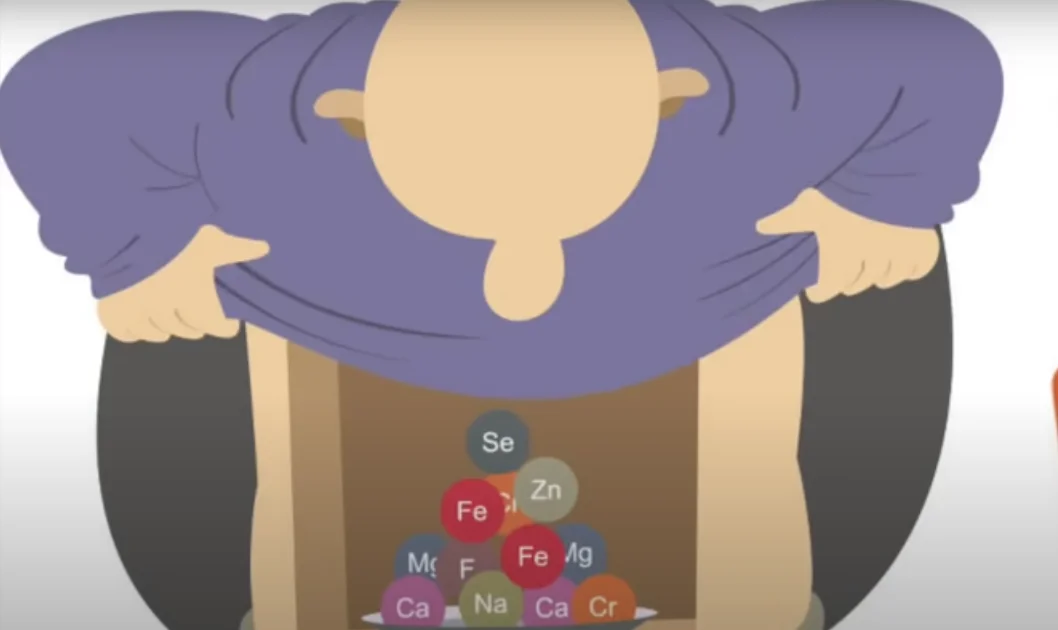
Parasites suck out vital minerals and nutrients, leading to fatigue, dull skin, and even hair thinning. Deworming clears the path for your gut to actually absorb what you eat.
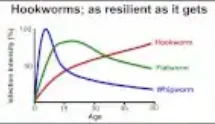
The mechanism behind this is well documented. Intestinal worms such as hookworms attach directly to the wall of the small intestine, where most nutrient absorption takes place, and feed on blood and tissue. Over time, this can lead to deficiencies in iron, vitamin B12, and protein, even if a person is eating a perfectly healthy diet. For adults over 50, who are already at higher risk of nutrient absorption issues due to lower stomach acid production and medications like proton pump inhibitors, an undiagnosed parasitic infection can compound the problem significantly. A 2021 study in the American Journal of Tropical Medicine and Hygiene found that treating intestinal parasites in adults led to measurable improvements in iron and vitamin B12 levels within just a few months. If you’ve been taking supplements without seeing improvement in your bloodwork, ruling out a parasitic cause with your doctor may be a worthwhile next step before assuming the supplements themselves are the problem.
Improves Energy Levels
If you’re dragging through your day despite sleeping well, parasites might be to blame. Getting rid of them often results in a noticeable energy boost.
Fatigue caused by parasites isn’t just about nutrient theft, it’s also tied to the body’s immune response. When your immune system is constantly working to fend off a low-grade infection, it diverts energy and resources away from other functions, which can leave you feeling drained even after a full night’s rest. This is sometimes described by researchers as “sickness behavior,” a set of symptoms including lethargy, reduced appetite, and brain fog that the body produces in response to ongoing immune activation. For older adults, this can be especially frustrating because it’s easy to attribute to medications, sleep apnea, or simply slowing down with age. The practical takeaway is that fatigue with no clear cause, particularly when paired with digestive symptoms, weight changes, or skin issues, is worth mentioning to your doctor as a combination, rather than addressing each symptom separately. Treating an underlying parasitic infection, when present, can sometimes resolve several seemingly unrelated symptoms at once.
Stops Mysterious Weight Loss
Losing weight for no reason isn’t always a good sign. Deworming can help your body retain the nutrients it needs to stay healthy and maintain weight.
Unintentional weight loss in adults, generally defined as losing more than 5% of body weight over six to twelve months without trying, is something doctors take seriously because it can signal a wide range of underlying issues, including parasitic infections. Tapeworms, for instance, can grow several feet long inside the intestines and consume a significant portion of the nutrients from food before the body has a chance to absorb them. While this is relatively rare in the United States, it remains more common in people who have traveled to or eaten food prepared in regions where sanitation standards differ, or who regularly consume undercooked meat or fish. For seniors, unintentional weight loss is also a marker that physicians use to screen for other serious conditions, so a parasite check is often just one of several tests that may be run. The reassuring part is that most intestinal parasites are treatable with a short course of medication, such as albendazole or mebendazole, and weight often stabilizes once the infection clears and normal nutrient absorption resumes.

Relieves Chronic Digestive Issues
If you’ve been battling constant gas, bloating, or those 2+ weeks of “mystery” stomach aches, parasites could be irritating your gut lining.
Chronic bloating and gas are often blamed on diet, IBS, or food sensitivities, and while those are common culprits, intestinal parasites can produce nearly identical symptoms by disrupting the balance of bacteria in the gut microbiome. Some parasites, like Giardia, interfere with the absorption of fats and carbohydrates, leading to bloating, excess gas, and loose stools that can persist for weeks if untreated. A 2020 review in Gut Microbes highlighted that parasitic infections can shift the gut microbiome in ways that resemble dysbiosis, the same imbalance associated with IBS, which is part of why these conditions are so often confused with one another. For someone who has tried multiple dietary changes for digestive symptoms without lasting improvement, a stool test to rule out parasites is a low-cost, low-risk step that can sometimes uncover the actual root cause. As always, any new or persistent digestive symptoms, especially blood in the stool, severe pain, or fever, warrant a prompt visit to a healthcare provider rather than self-treatment.
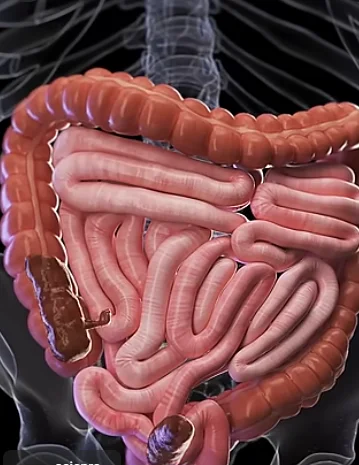
When to Deworm
There’s no one-size-fits-all schedule, but many experts recommend deworming periods every 6 to 12 months, especially if you:
- Travel frequently
- Have pets
- Eat a lot of raw or undercooked food
- Work closely with children or in healthcare
- Experience any of the symptoms mentioned above
It’s worth noting that routine deworming without a confirmed diagnosis is approached differently depending on where you live and your individual risk factors. In many high-income countries, including the United States, doctors typically recommend testing before treating, since antiparasitic medications, while generally safe, are most effective when matched to the specific parasite involved. That said, certain groups are commonly advised to be more proactive: frequent international travelers, people who own dogs or cats (since some parasites can pass between pets and humans), gardeners who work with soil regularly, and those who consume sushi, ceviche, or rare meat on a regular basis. If you fall into one or more of these categories and haven’t had a stool test in the past year or two, bringing it up at your annual physical is a reasonable, low-pressure way to stay ahead of potential issues. As with any medication, it’s important to discuss antiparasitic treatments with your doctor first, particularly if you’re pregnant, have liver conditions, or take medications that could interact, since dosing and safety considerations can vary by individual.
Final Thoughts
Your body is your home, and like any good home—it needs occasional maintenance. Don’t let harmful parasites squat in your system rent-free. If you’ve been dealing with chronic fatigue, unexplained weight loss, digestive issues, or just not feeling like yourself, a simple deworming protocol might be the game-changer your health has been waiting for.
After all, taking care of your inside world is just as important as everything you do on the outside. 🧬
Frequently Asked Questions
Can adults get worms, even if they have good hygiene?
Yes. Intestinal parasites can affect anyone, regardless of hygiene habits, through contaminated food, water, soil contact, travel, or pets. Good hygiene reduces risk but doesn’t eliminate it entirely, which is why occasional screening can be helpful, especially for those with risk factors like frequent travel or outdoor pets.
What’s the best way to find out if I have a parasitic infection?
A stool test (ova and parasite test, or O&P) ordered by your doctor is the standard way to check for intestinal parasites. Because some parasites are shed inconsistently, your doctor may ask for samples on multiple days to improve accuracy.
Are deworming medications safe for older adults?
Common antiparasitic medications like albendazole and mebendazole are generally well-tolerated, but safety can depend on other health conditions, medications, and liver function. Always consult your doctor before starting any antiparasitic treatment, especially if you have chronic health conditions.
Can pets pass worms to their owners?
Yes, certain parasites, such as roundworms and hookworms, can be transmitted from pets to humans, particularly through contact with contaminated soil or improper handling of pet waste. Regular veterinary deworming for pets and good hand hygiene can reduce this risk.
How long does it take to feel better after deworming treatment?
Many people notice improvements in energy and digestion within a few weeks of completing treatment, though full recovery of nutrient levels, such as iron or B12, may take a few months. Your doctor may recommend follow-up bloodwork to confirm improvement.
Is it normal to deworm even without symptoms?
In many countries, routine deworming without symptoms is not standard practice and testing-before-treating is preferred. However, people with specific risk factors, such as frequent travel to certain regions, may be advised by their doctor to consider periodic screening or preventive treatment.
⚕️ Medical Disclaimer
The information provided on this page is for educational purposes only and is not intended as medical advice, diagnosis, or treatment. Always consult a qualified healthcare professional before making changes to your diet, starting any supplement, or if you have an existing medical condition. KeepFitQuote does not provide medical diagnoses or treatment recommendations. Read our full disclaimer.
Related Posts