If you are looking for the best daily habits for longevity, start by noticing the routines you repeat without thinking. You might feel healthy now, but small habits repeated every day can slowly affect the years ahead. Many older adults do not notice them because they feel so routine. Still, small changes can help. The National Institute on Aging (NIA) says that even making small changes in your daily life can help you live longer and better. For the flip side, see these 7 signs you may live longer after 70.
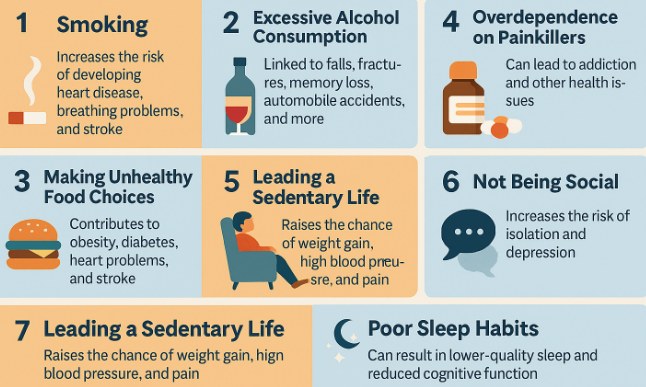
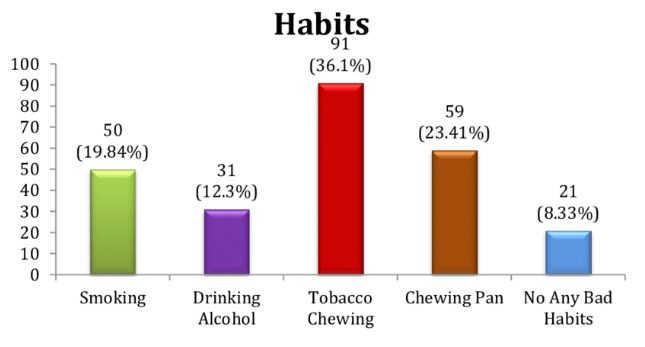
The chart above is a small survey illustration, not a national statistic. Even so, it shows how common everyday habits can be. Below, you will find ten habits that may be wearing down your health over time. These habits are easy to miss because they rarely cause harm right away. Instead, the effects tend to build slowly. Many people also ask can you really reverse aging? Science is not there yet, so these everyday habits are what you can control today.
Table of Contents
- Daily Habits for Longevity: Why Small Routines Matter
- Sitting Too Long Without Moving
- Skipping Breakfast or Eating the Wrong Foods
- Not Drinking Enough Water
- Poor Sleep Night After Night
- Eating Too Many Processed Meals
- Skipping Exercises That Build Strength
- Worrying Too Much
- Eating Too Little Protein
- Avoiding the Sun Entirely
- Skipping Health Checkups
- More Daily Habits for Longevity: Smoking, Alcohol and Connection
- Daily Habits for Longevity: Quick Q&A
- Sources
Daily Habits for Longevity: Why Small Routines Matter
Healthy aging is not about one big change. Instead, it is about many small choices that add up. The NIA notes that taking care of your physical health involves staying active, making healthy food choices, getting enough sleep, limiting alcohol and managing your health proactively (see the NIA overview of healthy aging). The habits below fit into those same areas. Pick one or two to start, and talk with your doctor before making big changes.
Daily Habits for Longevity: Movement and Muscle
Sitting Too Long Without Moving
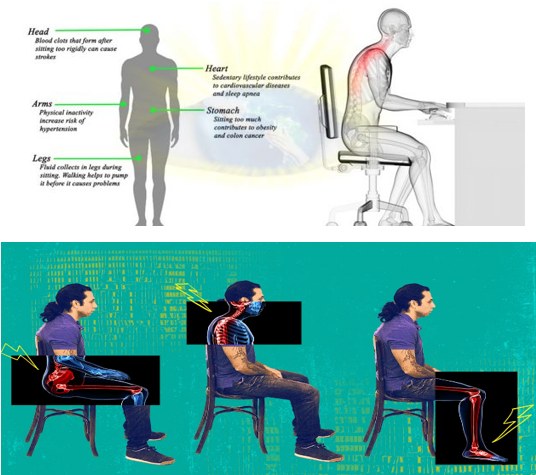
Many people over 60 spend hours sitting while reading, watching TV or just resting. The problem is that muscles weaken when you do not use them, and blood flow slows down. Even standing up every half hour, walking around the room or stretching your legs can help. The NIA says physical activity makes everyday tasks easier, such as getting out of a chair or moving around the neighborhood, and it adds that active older adults also tend to live longer.
Skipping Exercises That Build Strength
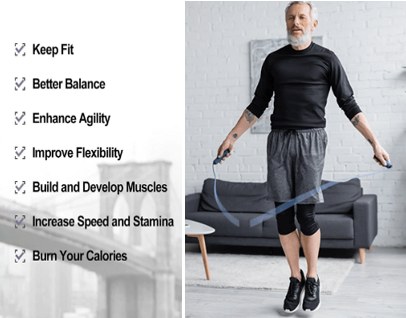
Walking is great, but it does not keep all your muscles strong. A few chair squats, leg lifts or standing on one leg for balance can make a big difference. The NIA explains that older adults can benefit from three types of exercise: aerobic, muscle-strengthening and balance. It also notes that movement may help protect against age-related loss of muscle and lower the risk of falls. A common goal is 150 minutes of moderate activity and two days of muscle-strengthening each week, but ask your doctor what is safe for you.
Daily Habits for Longevity: Food, Water and Protein
Skipping Breakfast or Eating the Wrong Foods
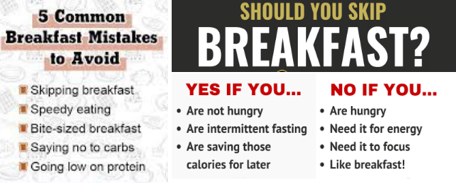
Plenty of older adults skip breakfast or just sip coffee. For some people that is fine, but for others it means low energy and missed nutrients. Because older adults often need fewer calories but more nutrients, the NIA encourages nutrient-dense foods across the day. A boiled egg, yogurt with fruit or a slice of whole-grain toast is better than nothing. If you rarely feel hungry in the morning, ask your doctor or a dietitian about a small, protein-rich option.
Not Drinking Enough Water
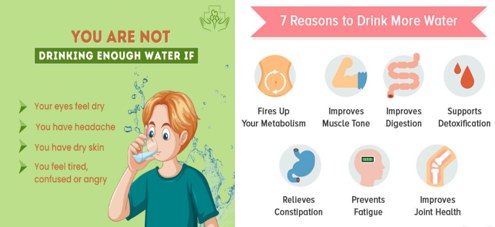
Older adults often drink less to avoid extra bathroom trips, but not drinking enough can leave you tired, crampy or dizzy. Sip water or herbal tea throughout the day. The NIA suggests making water, and drinks that add nutrients such as low-fat milk, your main beverages. Needs vary, so ask your doctor how much is right for you, especially if you have heart or kidney problems.
Eating Too Many Processed Meals
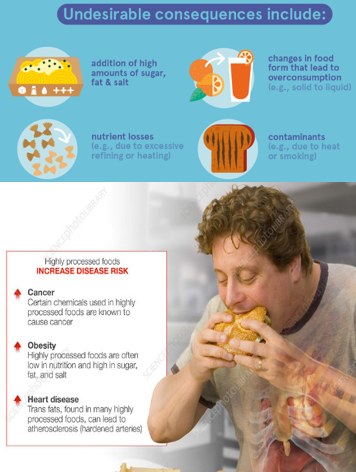
It is easy to rely on frozen dinners or packaged snacks, but many are high in salt, added sugar and unhealthy fats. Over time, that pattern may raise the risk of heart disease and high blood pressure. A plate with vegetables, some lean protein and whole grains is a better choice. For ideas, see our guide to anti-inflammatory foods that fit easily into everyday meals.
Eating Too Little Protein
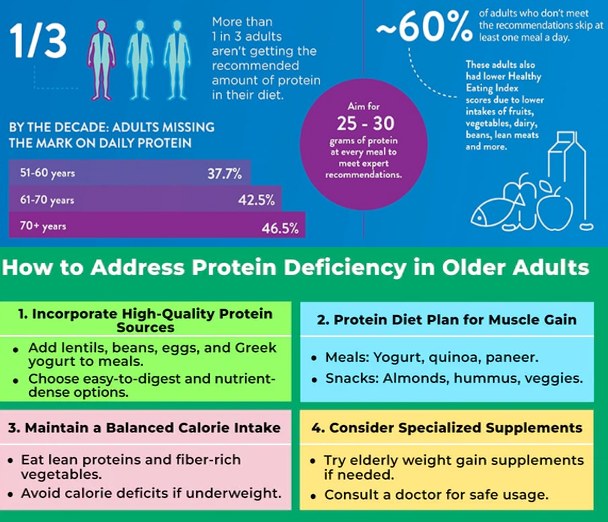
Many older adults eat smaller portions, so protein can slip. The NIA says older adults should try to eat a variety of nutrient-dense proteins, such as seafood, eggs, beans, nuts, seeds and lean meats. Personal needs vary with age, health and activity, so ask your doctor or dietitian for a target that fits you. This matters most if you have kidney disease.
Daily Habits for Longevity: Sleep and Stress
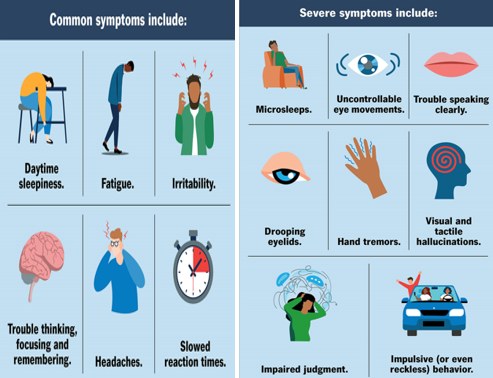
Poor Sleep Night After Night
Tossing and turning is not just annoying. The NIA says older adults need about seven to nine hours of sleep, and that not getting enough over time can raise the risk of high blood pressure, heart disease, diabetes and memory problems. Going to bed at the same time each day and skipping late-day caffeine and alcohol can help. If you often wake up tired, talk with your doctor, because sleep disorders become more common with age. If you use a sleep machine, learn about using CPAP without waking up with a dry mouth. For a longer sleep guide, read our tips on safe sleep habits after 70.
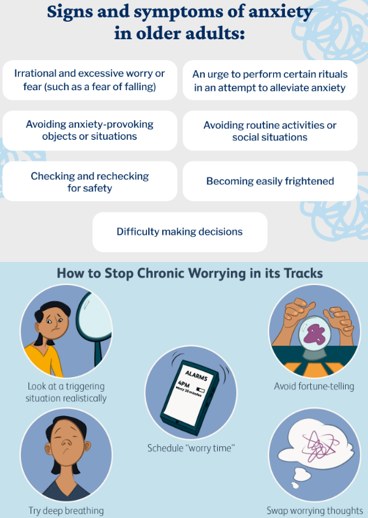
Worrying Too Much
Constant stress can take a toll. The NIA notes that long-term stress can affect memory and may increase the risk of dementia, while finding ways to lower stress may support healthy aging. Deep breathing, light meditation, a walk or even laughing at a good show can help calm the mind. If worry keeps you up at night or will not go away, talk with your doctor.
Daily Habits for Longevity: Sunlight and Checkups
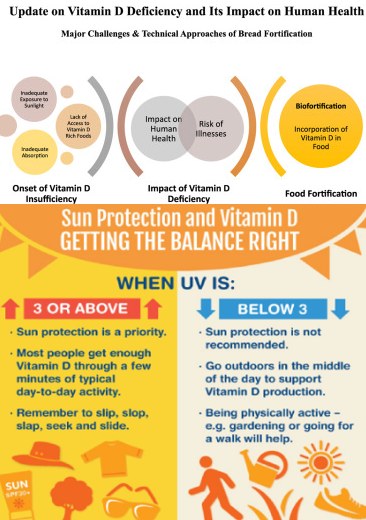
Avoiding the Sun Entirely
Sunlight helps your skin make vitamin D, which supports bones and muscles. However, sun protection matters too, so avoid long, unprotected exposure. Because needs vary, ask your doctor whether a vitamin D blood test makes sense for you before you start a supplement. A short walk outdoors can also help you stay active.
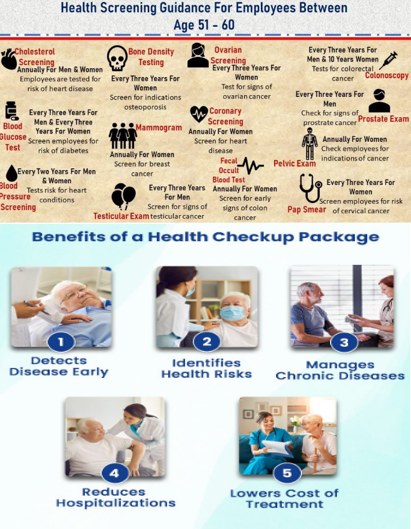
Skipping Health Checkups
Some older adults visit the doctor only when they feel sick, but small problems can grow if they are ignored. The NIA says regular checkups and screenings can help catch conditions such as diabetes, heart disease and cancer early, and it suggests seeing the doctor at least yearly, and possibly more often depending on your health. To make visits count, use these NIA tips for getting the most out of your doctor’s visit. Checkups also help families plan ahead for later life. If you are supporting a loved one near the end of life, see our guide on what to expect as the body slows down near the end of life.
More Daily Habits for Longevity: Smoking, Alcohol and Connection
Three more daily habits for longevity are worth a mention. First, if you smoke, quitting helps at any age. The NIA reports that older adults who quit smoking between ages 55 and 64 lived about four years longer than those who kept smoking, and it is never too late to stop. Second, the NIA advises older adults to avoid or limit alcohol, because aging can make people more vulnerable to its effects. Third, staying connected matters. Studies show that older adults who are socially isolated or lonely face a higher risk of heart disease, depression and cognitive decline, so regular time with friends and family is a habit worth keeping.
Daily Habits for Longevity: Quick Q&A
Questions About Movement, Food and Sleep
1. Can sitting too much shorten life?
Long periods of sitting are linked with weaker muscles and poorer circulation, and the NIA notes that active older adults tend to live longer. Short walking breaks are a good start.
2. Is skipping breakfast harmful?
It depends on the person. Some older adults feel low on energy or miss nutrients when they skip it. Ask your doctor or dietitian what works for you.
3. How much water should older adults drink?
Needs vary with health, medicines and weather. The NIA suggests making water a main beverage, and your doctor can tell you how much is right for you.
4. Can poor sleep make you age faster?
Poor sleep over time is linked with a higher risk of high blood pressure, heart disease, diabetes and memory problems, according to the NIA.
5. What foods are bad for longevity?
Foods high in added sugar, salt and unhealthy fats, such as many processed meats, frozen meals and sugary snacks, are best limited.
Questions About Exercise, Stress and Checkups
6. Are short exercises enough to help?
Any movement is better than none, and short sessions can add up. The NIA says adults can work toward 150 minutes of moderate activity and two days of muscle-strengthening each week, plus balance exercises.
7. Can stress reduce lifespan?
The NIA notes that constant stress can affect memory and may raise the risk of dementia. Lowering stress may support healthy aging.
8. How much protein should older adults eat?
Needs vary with age, health and activity. Ask your doctor or dietitian for a personal target, and choose a variety of protein foods such as fish, eggs, beans and nuts.
9. Is sunlight really important?
Sunlight helps your skin make vitamin D, which supports bones and muscles. Sun protection matters too, so ask your doctor about your vitamin D level.
10. Should older adults get yearly checkups?
The NIA suggests seeing the doctor at least yearly, and possibly more often depending on your health. Regular checkups can help catch problems early.
Sources
- National Institute on Aging: What Do We Know About Healthy Aging?
- National Institute on Aging: Tips to Boost Your Health as You Age
- National Institute on Aging: Health Benefits of Exercise and Physical Activity
- National Institute on Aging: Sleep and Older Adults
- National Institute on Aging: Healthy Eating as You Age, Know Your Food Groups
- National Institute on Aging: Five Ways to Get the Most Out of Your Doctor’s Visit
This article is for general information only and is not medical advice. Talk with your doctor before changing your diet, exercise, sleep or medicines.
⚕️ Medical Disclaimer
The information provided on this page is for educational purposes only and is not intended as medical advice, diagnosis, or treatment. Always consult a qualified healthcare professional before making changes to your diet, starting any supplement, or if you have an existing medical condition. KeepFitQuote does not provide medical diagnoses or treatment recommendations. Read our full disclaimer.
Related Posts