7 Signs You May Live Longer After 70
After 70, certain everyday clues—steady walking speed, good grip, solid sleep, strong social ties, a smoke-free lifestyle, purpose, and independent daily tasks—often point to better longevity. Simple at-home checks (short walk test, jar-opening, one-leg balance) plus small habit tweaks can keep your momentum strong.
Researchers who study aging often describe these everyday signs as “functional reserve”—the body’s hidden capacity to handle daily demands and bounce back from minor setbacks like a cold or a few days of less activity. A widely cited study published in JAMA followed thousands of older adults and found that simple measures like walking speed and grip strength were strong predictors of both independence and overall life expectancy, often more telling than blood pressure or cholesterol numbers alone.
The encouraging part is that these signs aren’t fixed. Unlike genetics, walking speed, grip strength, sleep habits, and social connection can all be nudged in a positive direction with small, consistent changes—even starting in your 70s, 80s, or beyond. Geriatric medicine specialists often emphasize that it’s never “too late” to build a habit that supports one of these markers. Think of the seven signs below not as a report card, but as a friendly checklist for noticing what’s already going well and where a small tweak might pay off. None of this replaces a checkup with your doctor, especially if you’ve noticed a recent change in any of these areas—but for day-to-day living, these are useful, low-pressure ways to stay in tune with your body.
1) Brisk, steady walking speed after 70 (longevity clue)
If you cover short distances without shuffling and keep a comfortable pace, that’s a good sign.
At-home check: Time a 13–15 ft (4–5 m) walk at your usual pace. If it feels smooth and controlled—and you can repeat it without breathlessness—you’re likely maintaining functional reserve.
Keep it up: Daily neighborhood walks, gentle hills, or mall laps; supportive shoes and a short warm-up.
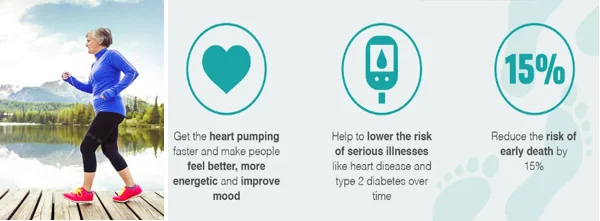
Gait speed has earned the nickname “the sixth vital sign” among geriatricians, and for good reason. Research published in the Journal of the American Medical Association found that a comfortable walking pace of about 0.8 meters per second or faster was associated with longer survival across large groups of older adults, regardless of other health factors. Walking speed reflects a combination of muscle strength, balance, cardiovascular fitness, and even cognitive processing—so when it stays steady, multiple systems are working together well.
If your pace has slowed recently, that’s worth mentioning to your doctor, since it can sometimes be an early signal of something addressable—anemia, a medication side effect, joint pain, or simply deconditioning after a period of inactivity. The good news is that walking speed responds well to practice. Even short, regular walks—starting with five or ten minutes if needed—can help maintain or improve pace over a matter of weeks. Choosing supportive, well-fitting shoes and walking on familiar, even surfaces reduces fall risk while you build consistency. If you use a cane or walker, that’s not a sign of failure—it’s a tool that helps you stay active and independent, which is exactly the goal.
2) Reliable grip strength over 70 (simple test)
Opening jars, carrying a grocery bag, or squeezing a stress ball without strain suggests healthy muscle function.
At-home check: Hold a full water bottle at your side for 30–45 seconds; or twist off a tight jar lid safely with a dry towel.
Keep it up: Light dumbbells, resistance bands, or putty squeezes 2–3 times a week.

Grip strength is one of the most studied markers in aging research, largely because it’s easy to measure and surprisingly informative. A large analysis published in The Lancet found that lower grip strength was associated with higher risk of cardiovascular disease and earlier mortality—likely because grip strength serves as a proxy for overall muscle mass and the body’s general resilience, a concept researchers call “sarcopenia” when muscle loss becomes significant.
The mechanism is straightforward: muscle mass naturally declines with age, a process that can accelerate without regular use. The forearm and hand muscles responsible for grip respond well to simple resistance work, which is part of why grip strength is often used as an easy stand-in for whole-body strength trends. Practical ways to support grip include carrying grocery bags with handles, using hand grippers or stress balls during TV time, gardening tasks that involve gripping tools, and resistance band exercises that target the forearms. If you notice a sudden change in grip strength on one side only, or numbness and tingling alongside weakness, that combination is worth a prompt conversation with your doctor, as it can sometimes point to a nerve issue rather than general muscle changes.
3) Independent daily tasks (ADLs/IADLs) most days
Managing your meds, cooking a simple meal, doing light cleaning, and handling short errands are everyday longevity signs.
At-home check: Make a two-item grocery run, prepare breakfast, and sort pills for the day. If this routine feels normal, that’s encouraging.
Keep it up: Use checklists, pill organizers, and easy-to-reach kitchen tools to stay confident.

In geriatric care, these everyday tasks are formally grouped into two categories: Activities of Daily Living (ADLs)—like bathing, dressing, and eating—and Instrumental Activities of Daily Living (IADLs)—like managing finances, preparing meals, and handling medications. Researchers track these because the ability to perform IADLs independently is one of the strongest predictors of how long someone can continue living comfortably at home, and it correlates closely with overall health trajectory.
What makes this category particularly useful as a “sign” is that it integrates everything else—physical strength, cognitive sharpness, vision, and motivation all show up in whether these tasks feel manageable or effortful. If you notice a task that used to be simple has become a struggle—say, remembering whether you took your morning medication, or finding a recipe overwhelming that used to be routine—that’s valuable information, not a cause for alarm. Small supports like a weekly pill organizer, a whiteboard grocery list on the fridge, or labeling spice jars with larger print can preserve independence and reduce daily friction. These adjustments aren’t about giving something up; they’re tools that help the tasks stay easy, which is the whole point.
4) Sleep quality in older adults is mostly steady
Falling asleep within a reasonable time, waking rested, and napping briefly (not all day) supports mood, balance, and memory.
At-home check: Track one week: bedtime, wake time, and how rested you feel.
Keep it up: A cool, dark room; consistent schedule; limit large drinks late at night.

Sleep architecture does change with age—older adults often spend less time in deep sleep and may wake more easily during the night—but a meaningful decline in overall sleep quality isn’t considered a “normal” or inevitable part of aging. The National Sleep Foundation notes that most adults over 65 still benefit from 7-8 hours of sleep, and that fragmented or poor-quality sleep is associated with higher fall risk, mood changes, and cognitive difficulties the following day.
One of the most common, fixable contributors to poor sleep in this age group is timing—going to bed and waking at inconsistent times can confuse the body’s internal clock, making both falling asleep and staying asleep harder. A consistent schedule, even on weekends, helps reinforce that rhythm. Keeping the bedroom cool (around 65-68°F) and dark supports the body’s natural melatonin production. Limiting fluids in the two hours before bed can reduce nighttime bathroom trips, a common sleep disruptor for older adults. If brief naps (20-30 minutes, earlier in the day) feel refreshing rather than groggy, they’re generally fine—but naps that stretch into hours or happen late in the afternoon can make nighttime sleep harder. If you consistently struggle to fall or stay asleep despite good habits, or if a partner notices loud snoring with pauses in breathing, mention this to your doctor, as sleep apnea is common and treatable.
5) Smoke-free living and light or no alcohol
A long smoke-free streak and modest drinking help the heart, lungs, and sleep.
At-home check: If you’ve quit, note your quit date and celebrate the milestone; if you drink, keep it light and avoid “nightcap” sleep disruptions.
Keep it up: Hydration in the evening, herbal tea earlier at night.
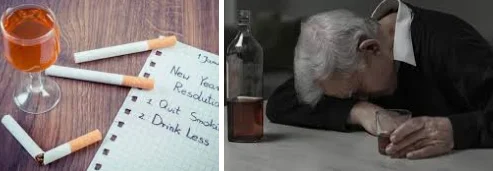
The health benefits of not smoking compound over time in ways that are well documented. The CDC notes that even people who quit smoking later in life see measurable improvements in circulation and lung function within months, along with reduced risk of heart attack and stroke over subsequent years. If you’ve never smoked or quit decades ago, this is one box already checked—and worth acknowledging as a real contributor to your overall health picture.
Alcohol’s relationship with sleep deserves particular attention for older adults. While a drink in the evening might feel relaxing initially, alcohol disrupts the second half of the sleep cycle—often causing early waking and less restorative deep sleep. This effect tends to become more pronounced with age, as the body processes alcohol more slowly. The “nightcap” habit, in other words, may be working against the very sleep quality discussed in the previous section. Current guidelines from the National Institute on Aging suggest that if you drink, doing so earlier in the evening (well before bedtime) and keeping amounts modest—generally no more than one drink per day for women and up to two for men, per general dietary guidelines—is more supportive of both sleep and overall health. Switching an evening cocktail for herbal tea (chamomile or peppermint, for example) earlier in the night is a simple substitution many people find satisfying once it becomes routine.
6) Purpose and social connection (longevity habit)
A reason to get up—grandkids, volunteering, garden club, worship community—often shows up in longer, healthier years.
At-home check: Do you have at least two touchpoints a week (calls, coffee, group activity)?
Keep it up: Put one recurring event on your calendar; add a second as a bonus.

The link between social connection and longevity has been studied extensively, and the findings are striking. A meta-analysis covering over 300,000 participants, published in the journal PLOS Medicine, found that strong social relationships were associated with a 50% increased likelihood of survival compared to weaker social ties—an effect size comparable to quitting smoking and larger than the effect of regular exercise alone. Researchers believe social connection influences health through multiple pathways: it reduces stress hormone levels, encourages healthier behaviors (people with social ties are more likely to keep medical appointments and stay active), and provides a buffer against depression, which itself is linked to worse physical health outcomes.
“Purpose” works alongside connection in a related way. Studies on retirement and aging have found that having a reason to structure your day—whether that’s caring for a pet, tending a garden, volunteering, or attending a regular group—correlates with better mood and even slower cognitive decline. For those who’ve lost a spouse or whose social circle has naturally shrunk, rebuilding connection doesn’t need to be dramatic. A weekly phone call with a family member, a regular seat at a community meal, a faith group, or even a standing coffee date with a neighbor can meet the “two touchpoints” benchmark. If loneliness has become a persistent feeling, it’s worth mentioning to your doctor—community resources and senior centers often have programs designed specifically to help.
7) Balance and stability hold up under simple tests
Standing on one leg (near a counter), getting up from a chair without using hands, and turning safely in a hallway are practical longevity indicators.
At-home check: Try a 10-second one-leg stand with a counter nearby for safety; or do 5 chair stands smoothly.
Keep it up: Tai chi, heel-to-toe walking along a counter, and gentle calf raises.
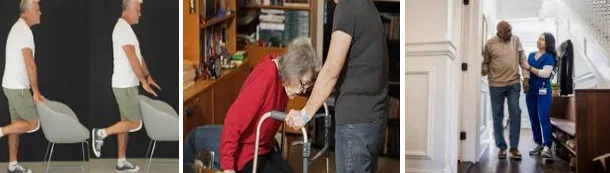
Balance is closely tied to fall risk, and falls are one of the most significant health events for adults over 70—the CDC reports that one in four older adults falls each year, and falls are the leading cause of injury-related death in this age group. But balance is also highly trainable. A landmark Cochrane review of fall-prevention research found that balance and strength training programs—including tai chi—reduced fall rates by roughly 25% among participants who practiced regularly.
The chair-stand test, sometimes called the “30-second chair stand” in clinical settings, is widely used by physical therapists because it reflects leg strength, balance, and the coordination needed for everyday movements like getting up from a couch or a car seat. If five chair stands feels difficult or requires pushing off with your hands, that’s useful information—not a failure, but a starting point. Heel-to-toe walking (placing one foot directly in front of the other) along a kitchen counter, practiced for a few minutes a day, builds the same stabilizing muscles used in everyday walking and turning. Tai chi in particular has a strong evidence base for fall prevention and is often available through community centers or senior programs, sometimes in chair-based versions for those with mobility limitations. As always, any new balance exercise should be done near a sturdy support, and a sudden change in balance—especially with dizziness—warrants a call to your doctor.
Quick habits that support these signs
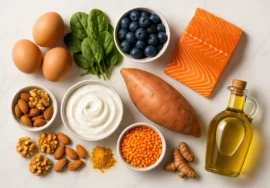
- Protein at each meal (eggs, yogurt, beans, fish) for muscle maintenance.

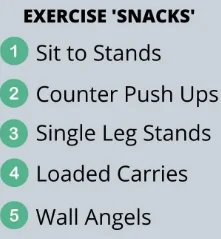
- Daily movement snack: 5–10 minutes after breakfast and dinner.
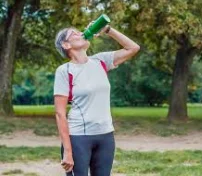
- Hydration timing: Front-load water earlier; sip in the evening.
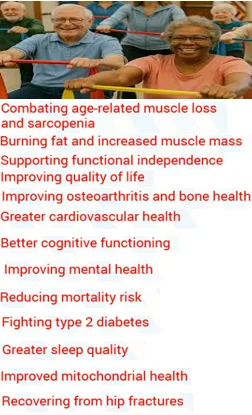
- Light strength work twice weekly: bands, bottles, or bodyweight.
- Weekly connections: put them on the calendar like appointments.
Each of these habits ties directly back to the signs described above, and the research behind them reinforces why small, consistent actions matter more than occasional big efforts. On protein: muscle protein synthesis becomes less efficient with age, a phenomenon researchers call “anabolic resistance.” Studies suggest that spreading protein intake across meals—aiming for roughly 25-30 grams per meal—helps the body use it more effectively for maintaining muscle than concentrating it all at dinner, which is the more common pattern for many people.
The “movement snack” concept reflects newer research showing that breaking up sitting time with brief bursts of activity—even just standing up, walking to another room, or doing a few gentle stretches—has measurable benefits for blood sugar and circulation, independent of whether you also do a longer exercise session. On hydration: because the sensation of thirst diminishes with age, many older adults under-drink without realizing it; shifting water intake earlier in the day can help meet daily needs while reducing nighttime bathroom trips that disrupt sleep. Light strength training, even with household items like water bottles or resistance bands, signals muscles to maintain themselves—research shows benefits begin within just a few weeks of starting a routine, even for people who haven’t exercised in years. And scheduling social connections “like appointments” works because it removes the friction of spontaneous planning, which can be a barrier for many people; a recurring Tuesday coffee or Sunday call becomes part of the routine rather than something to arrange each week.
Q&A
Q1: What are everyday signs of longevity in your 70s?
Steady walking speed, decent grip, good sleep, independent tasks, purpose, social ties, and safe balance.
Q2: How do I do a walking speed after 70 check at home?
Time a normal-pace walk over 13–15 ft; repeat twice with rest. Smooth and stable is the goal.
Q3: Is grip strength over 70 really that important?
Yes—grip reflects overall muscle function. Opening jars or carrying a small bag without strain is a good sign.
Q4: What counts as good sleep quality in older adults?
Falling asleep within a reasonable time, few long awakenings, and waking with usable energy most mornings.
Q5: What if I’ve been a smoker?
Quitting now still helps. Ask about quit aids; lean on hydration, walks, and brief check-ins with family or friends.
Q6: How much social connection is “enough”?
Aim for two+ touchpoints weekly—calls, coffee, faith group, club, or volunteer shift.
Q7: A simple balance test I can try safely?
Stand on one leg for 10 seconds near a sturdy counter; switch sides. Stop if unsteady.
Q8: Which foods help muscle maintenance after 70?
Eggs, Greek yogurt, cottage cheese, fish, beans, tofu, and nut butters—paired with short strength sessions.
Q9: I’m slowing down—can I still improve these longevity signs?
Yes. Tiny steps count: 5-minute walks, light band work, earlier hydration, and a weekly meetup.
Q10: What’s a zero-equipment strength move for home?
Chair stands: rise from a chair without hands, sit, repeat 5 times at a calm pace.
Q11: How do I build a safe evening routine?
Dim lights, light snack, no large drinks late, gentle stretches, and screens off 30–60 minutes before bed.
Q12: When should I talk to my clinician?
New falls, chest discomfort, breath changes, rapid weight loss, or sudden confusion—call promptly.
Final word
Longevity isn’t a single number—it’s the pattern of your days. Keep moving, eat enough protein, sleep steadily, stay smoke-free, and make time for people and purpose. Small, repeatable steps are the quiet secret behind long, good years.
If there’s one takeaway from all seven signs, it’s that they reinforce each other. Better sleep supports steadier balance and mood. Adequate protein supports the muscle that powers walking speed and grip. Social connection supports both mental health and the motivation to stay active. None of these signs exist in isolation, which is actually good news—improving one area often creates a ripple effect that supports the others.
Perhaps most importantly, none of this requires a complete overhaul. Geriatric research consistently shows that older adults who make small, sustainable changes—one extra short walk, one more phone call to a friend, one meal with a bit more protein—see meaningful benefits over months and years. There’s no need to chase every habit at once. Picking one or two signs that feel most relevant to your current life, and building from there, is a realistic and effective approach. And whenever something feels off—a new ache, a change in energy, a worry about a symptom—your doctor remains your best resource for sorting out what’s a normal part of aging versus something worth addressing directly.
⚕️ Medical Disclaimer
The information provided on this page is for educational purposes only and is not intended as medical advice, diagnosis, or treatment. Always consult a qualified healthcare professional before making changes to your diet, starting any supplement, or if you have an existing medical condition. KeepFitQuote does not provide medical diagnoses or treatment recommendations. Read our full disclaimer.
Related Posts