Preventing Osteoporosis After Menopause: Bone Health Tips for Women Over 60
Postmenopausal women, especially those 60 and older, lose estrogen at a pace that accelerates bone density loss and raises fracture risk. The good news is that osteoporosis is largely a preventable and manageable condition. This evidence-based guide covers diet, exercise, supplements, and lifestyle changes that senior women can use to protect bone density and reduce fracture risk after menopause.
Senior women can protect bone density by hitting a daily target of 1,200 mg of calcium and 800-1,000 IU of vitamin D. Combine this with 150 minutes of weekly weight-bearing exercise (like brisk walking) and 2-3 resistance training sessions, while eliminating smoking and excessive alcohol and asking a clinician about early screening when appropriate.
Understanding Postmenopausal Bone Loss: How to Prevent Osteoporosis After Menopause
Menopause accelerates bone loss. In women, estrogen helps preserve bone mass, so its decline in the years around age 50 leads to rapid bone density reduction. The WHO menopause fact sheet notes that osteoporosis is caused by hormonal changes at menopause, since estrogens have an important function in preserving bone mass in adulthood and bone loss occurs as estrogen levels decline. According to NIH/NIAMS, osteoporosis is the leading cause of fractures in postmenopausal women, making the 50s and 60s a critical window for prevention.
Factors like age, genetics, and prior health affect bone health, but lifestyle choices can greatly influence outcomes. A slender body size, poor nutrition, lack of exercise, smoking, excessive alcohol, and low body weight are all risk factors. Even though genetics play a role, you can take meaningful steps to help prevent the disease and the fractures it causes.
Nutrition: Calcium and Vitamin D
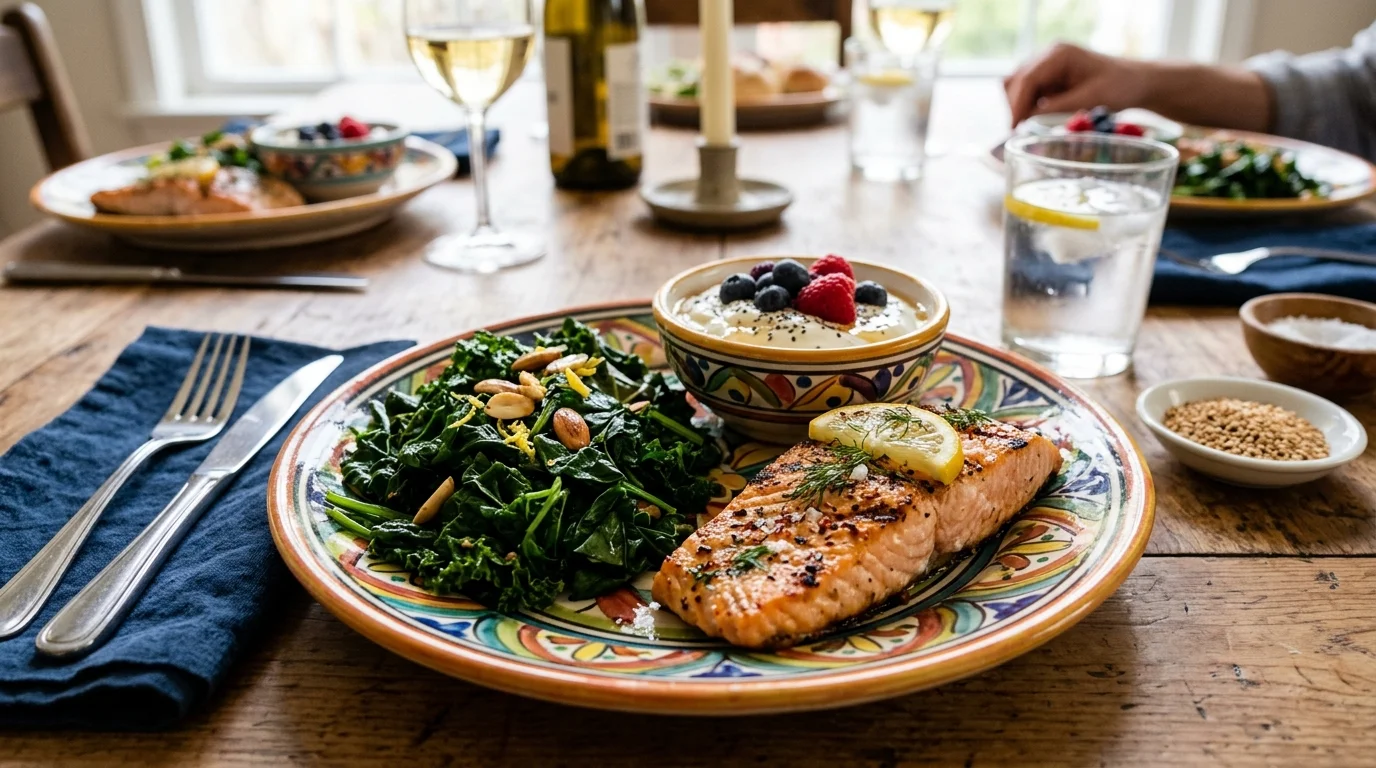
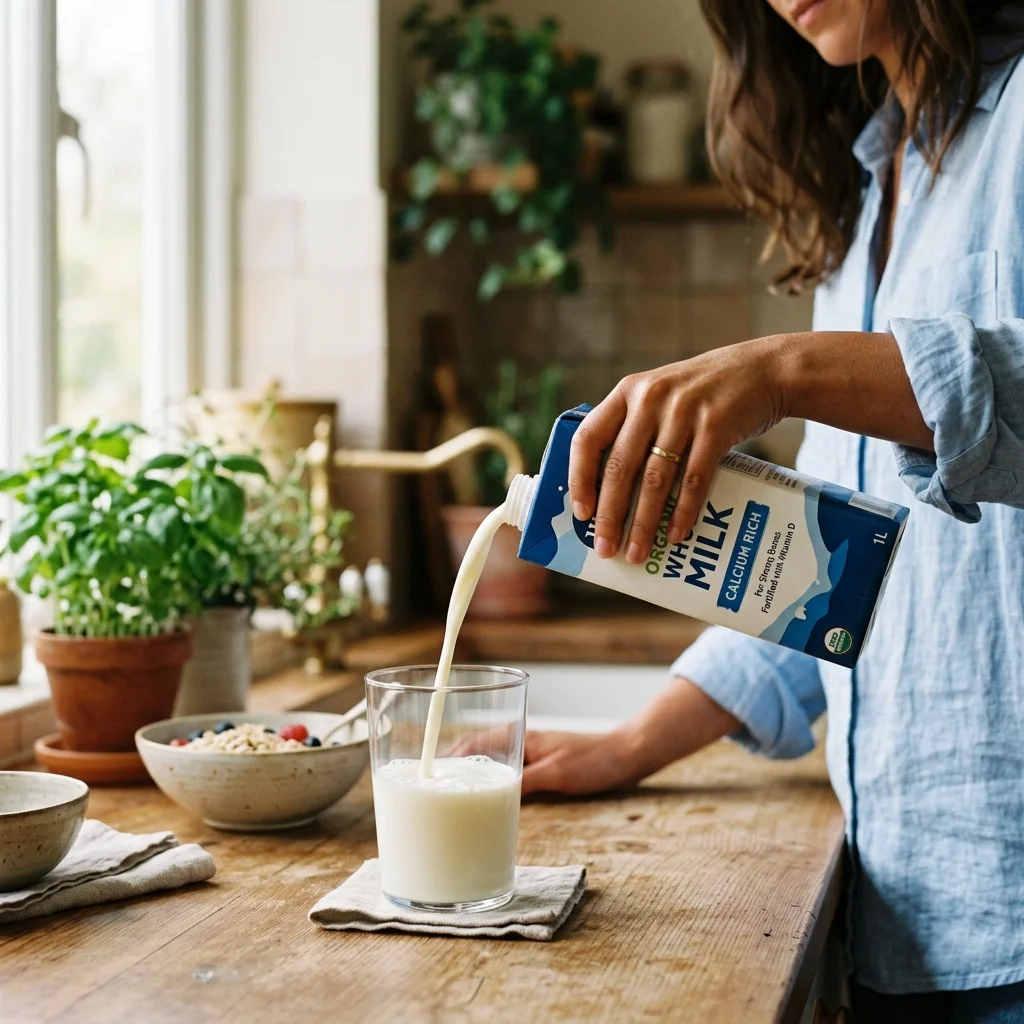
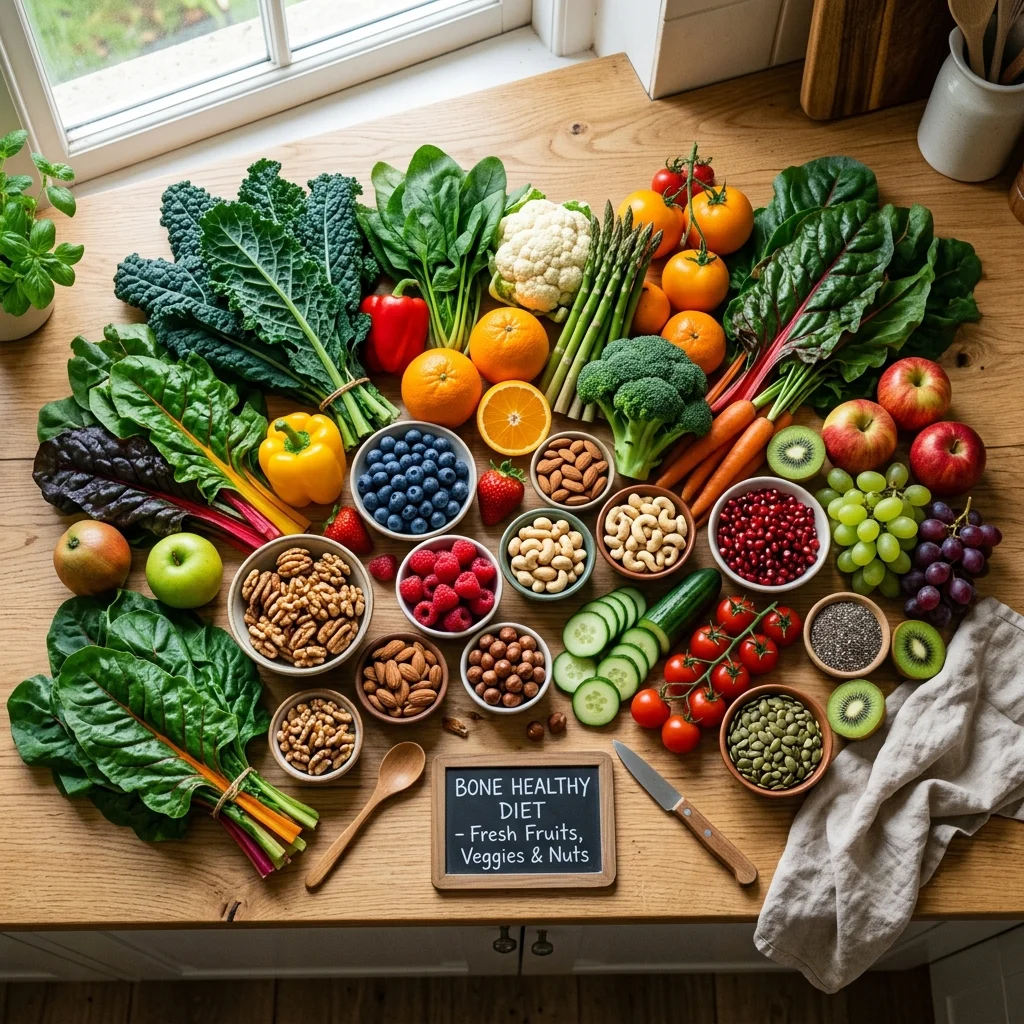
A bone-healthy diet is foundational. Calcium is a key building block of bone. Women over 50 generally need about 1,200 mg of calcium per day. The Mayo Clinic’s bone health guidance notes that the daily calcium intake for women 18-50 should be 1,000 milligrams, increasing to 1,200 milligrams once women turn 50. Diet should include calcium-rich foods: dairy (milk, yogurt, cheese), leafy green vegetables (kale, collards), canned salmon or sardines with bones, tofu, fortified cereals and juices, dried figs, almonds, and legumes.
Vitamin D is equally important because it allows the body to absorb calcium effectively. Adults over 60 should aim for about 800-1,000 IU (20-25 µg) of vitamin D daily, often through sun exposure, diet, or supplements. The NIH Office of Dietary Supplements vitamin D fact sheet notes that calcium is linked with bone health, but vitamin D promotes calcium absorption — without enough vitamin D, bones can become thin and brittle. Vitamin D sources include sunlight, fatty fish (salmon, mackerel), egg yolks, liver, and fortified products. During autumn and winter, or for those with limited sun exposure, a daily supplement is often prudent.
Other nutrients matter too. Protein is one of the building blocks of bone. Older women should eat adequate protein from lean meat, poultry, fish, beans, lentils, and dairy — protein helps repair and build bone matrix and also maintains muscle mass, which reduces fall risk. Some experts suggest 0.8 to 1.2 grams of protein per kilogram of body weight for bone health. Magnesium and vitamin K, found in leafy greens, also support bone structure. Overall, focus on a balanced, plant-rich diet of fruits, vegetables, whole grains, legumes, and nuts alongside moderate dairy or fortified alternatives — this pattern is associated with higher bone mineral density and lower fracture risk. For meal ideas built around this pattern, see our list of 10 best foods to eat every day after 60.
Supplements and Calcium Intake
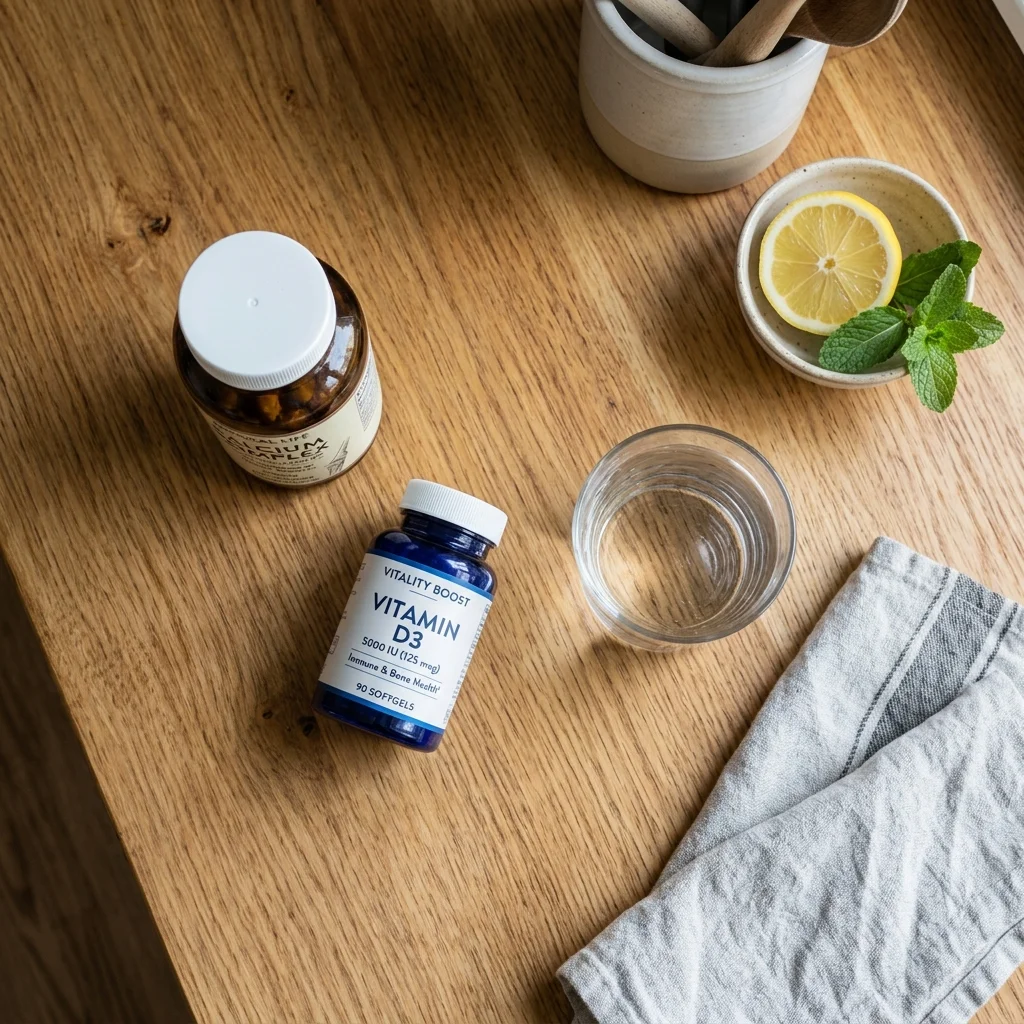
For many women, getting enough calcium and vitamin D from diet alone can be difficult. When dietary intake falls short of about 800 mg per day, supplements can help. According to the NIH Office of Dietary Supplements calcium fact sheet, a cup of milk contains roughly 300 mg of calcium, and a balanced diet should also include cheese, yogurt, greens, soybeans, figs, broccoli, oranges, and sardines with bones. If you are unable to consume adequate amounts through diet, consider supplementation with about 1,200 mg of calcium and 600-800 IU of vitamin D daily, especially during winter months.
Always consult a doctor before starting supplements. Excessive calcium intake has been debated in the research literature, but a balanced supplement regimen of roughly 1,200 mg calcium and 600-800 IU vitamin D is generally considered safe for bone health in seniors when guided by a clinician.
Exercise: Weight-Bearing and Strength Training
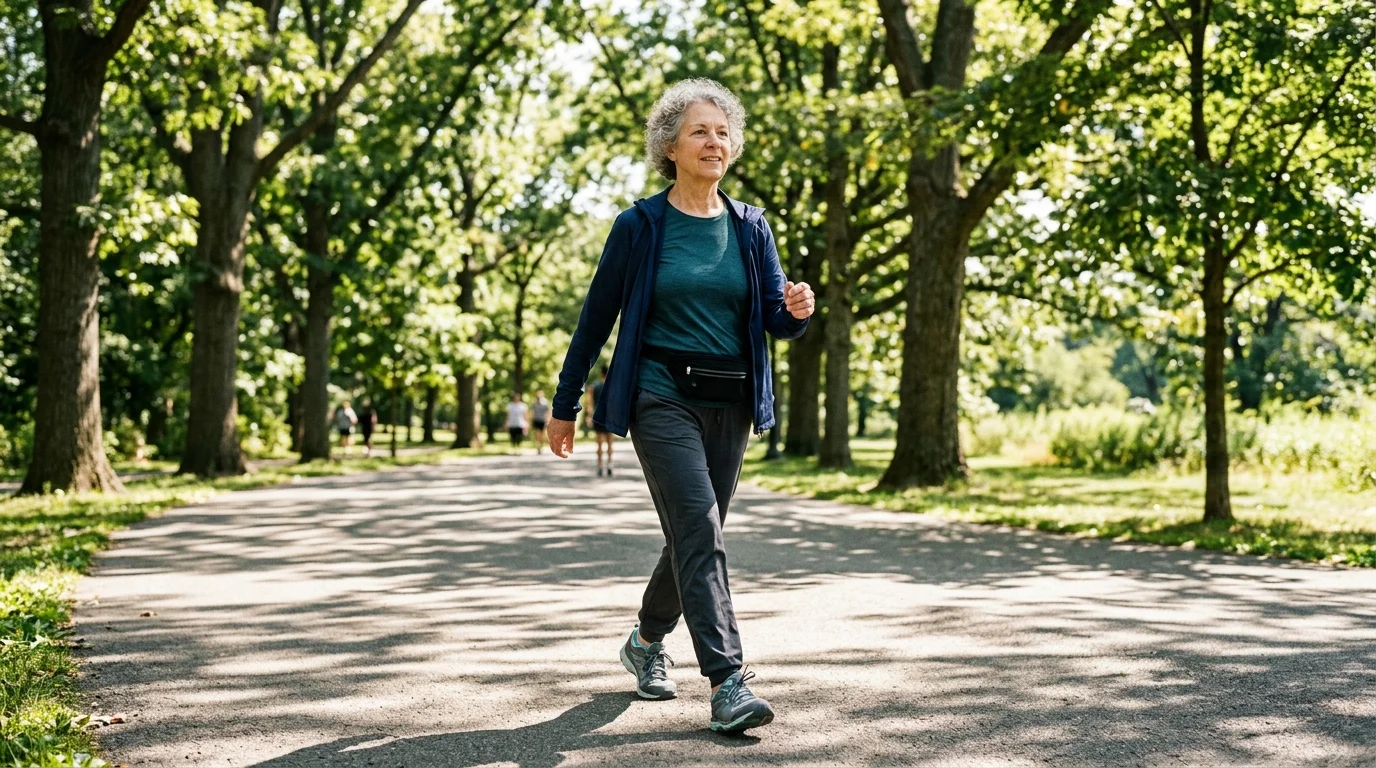
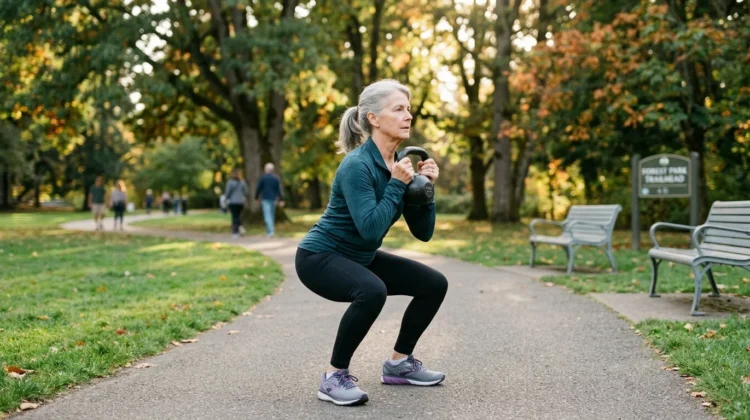
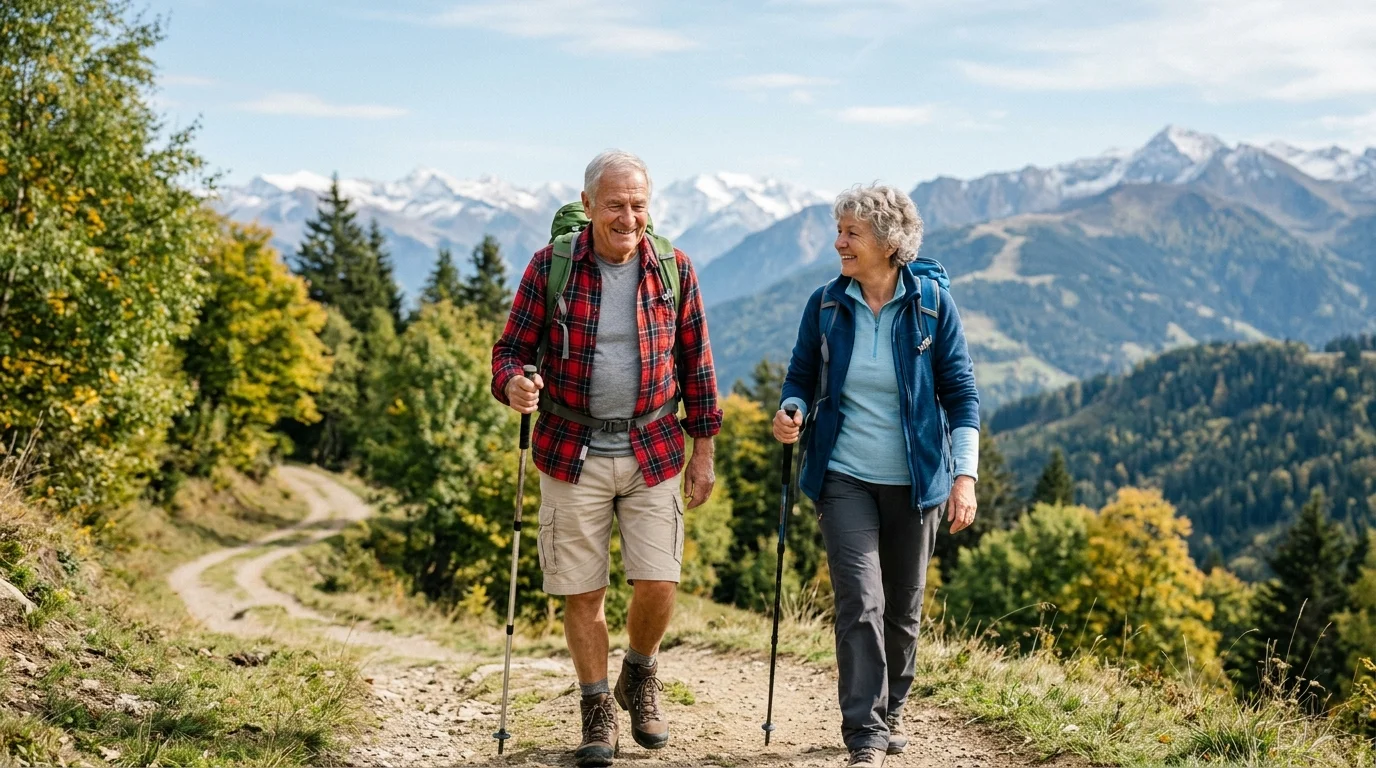
Regular exercise is one of the most powerful tools to build and maintain bone. Weight-bearing activities force your body to work against gravity, which stimulates bone remodeling and density gains. The NHS osteoporosis prevention guide advises 150 minutes per week of moderate exercise plus muscle-strengthening activity twice weekly. In practice, this includes brisk walking, hiking, dancing, tennis, or jogging for bone-loading, plus resistance training using light weights, bodyweight exercises, or resistance bands.
Weight-bearing exercise and resistance exercise are particularly important for improving bone density and helping to prevent osteoporosis. Even low-impact options like walking, stair-climbing, or dancing with feet on the ground are beneficial. For those who cannot do high-impact moves, targeted low-impact weight-bearing exercise — walking with light ankle weights, gentle heel raises, or chair squats — still helps.
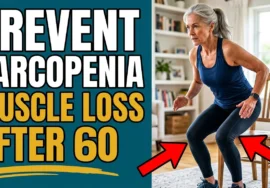
Resistance, or muscle-strengthening, exercise is equally crucial. Lifting light dumbbells, using weight machines, or doing bodyweight exercises such as squats, wall push-ups, and seated leg lifts helps build muscle around bones. More muscle support means less fall risk and more “pull” on bones to keep them dense. Two to three sessions per week, even 15 to 30 minutes each, can make a real difference; studies consistently show that older adults who regularly do resistance training have slower bone loss and fewer fractures. Pairing this kind of routine with the right nutrition is covered in our guide to building muscle after 60 with cheap everyday foods.
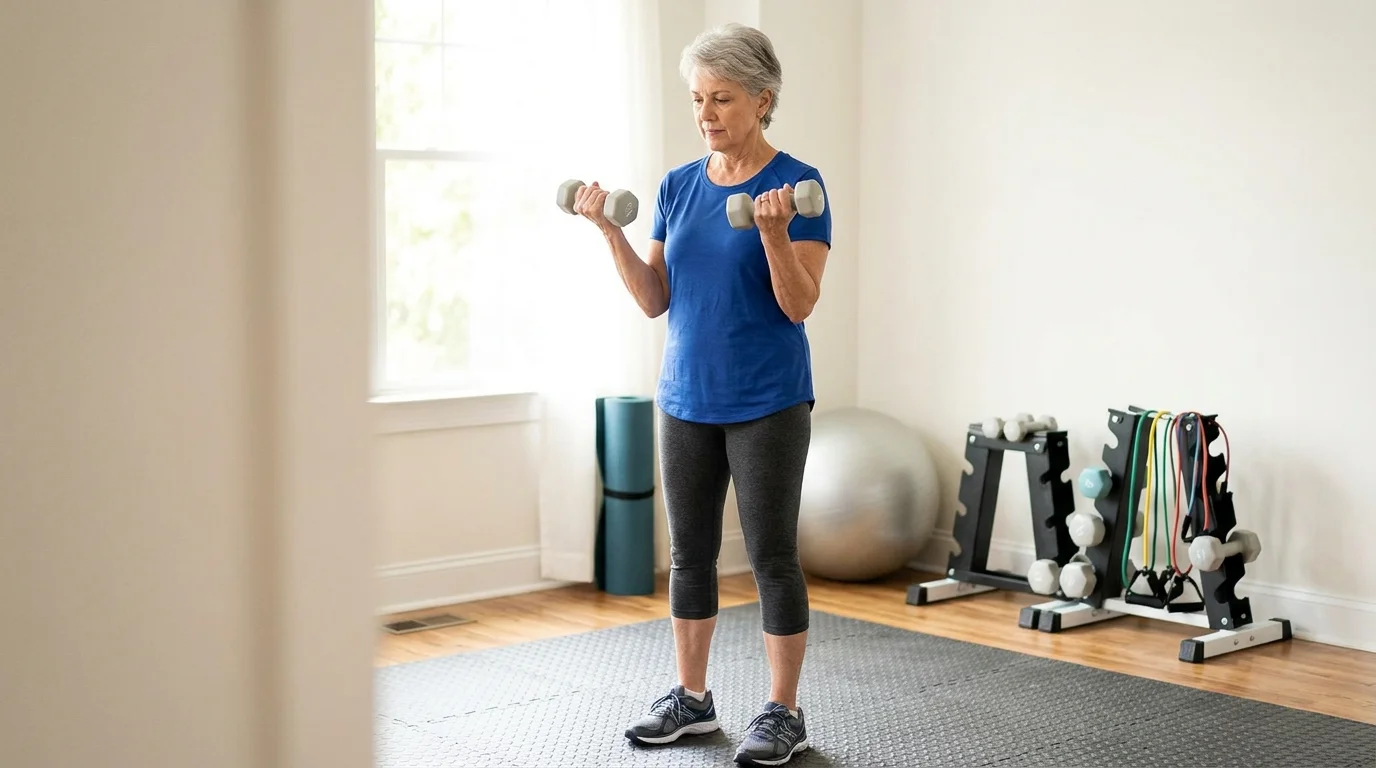
Staying active also improves balance and coordination, which further helps prevent fractures. Bone can break down faster than it can be rebuilt as we age, but these changes are not inevitable — you have the ability to prevent or at least delay some of this decline by staying active. In short, “use it or lose it” applies: maintaining an exercise routine into your 60s and beyond is a cornerstone of osteoporosis prevention.
Daily Habits: Diet, Smoking, and Alcohol
In addition to calcium and exercise, other lifestyle habits strongly affect bone health:
- Healthy eating pattern: A whole-foods diet rich in fruits, vegetables, whole grains, lean protein, nuts, and beans supports bones and overall health. Processed foods, sugary drinks, and excessive salt or caffeine can harm bone density. Maintaining a healthy body weight is also important — being significantly underweight can accelerate bone loss.
- Limit alcohol: Excessive alcohol is a risk factor for bone loss. NHS guidelines recommend keeping alcohol under 14 units per week and avoiding binge drinking. Over-drinking can reduce bone formation and increase fall risk.
- No smoking: Smoking is independently linked to osteoporosis. It increases hip fracture risk by roughly 31% in women and interferes with bone repair. Quitting smoking at any age benefits bones, though the maximal benefit comes after 10 or more years smoke-free.
- Moderate caffeine: Moderate caffeine intake from coffee or tea is not a major concern, but extremely high caffeine intake can slightly lower calcium absorption.
- Maintain a healthy weight: Very low body weight is a risk factor. Strength training can help increase muscle mass and supporting body weight.
The WHO emphasizes consuming a diet rich in protein, calcium, and vitamin D; staying active with regular exercise; limiting alcohol consumption and caffeine; and quitting smoking. NIH/NIAMS similarly lists prevention steps including weight-bearing exercise, moderate alcohol use, quitting smoking, and eating a nutritious diet rich in calcium and vitamin D. Following these guidelines addresses many risk factors simultaneously.
Fall Prevention and Bone Strength
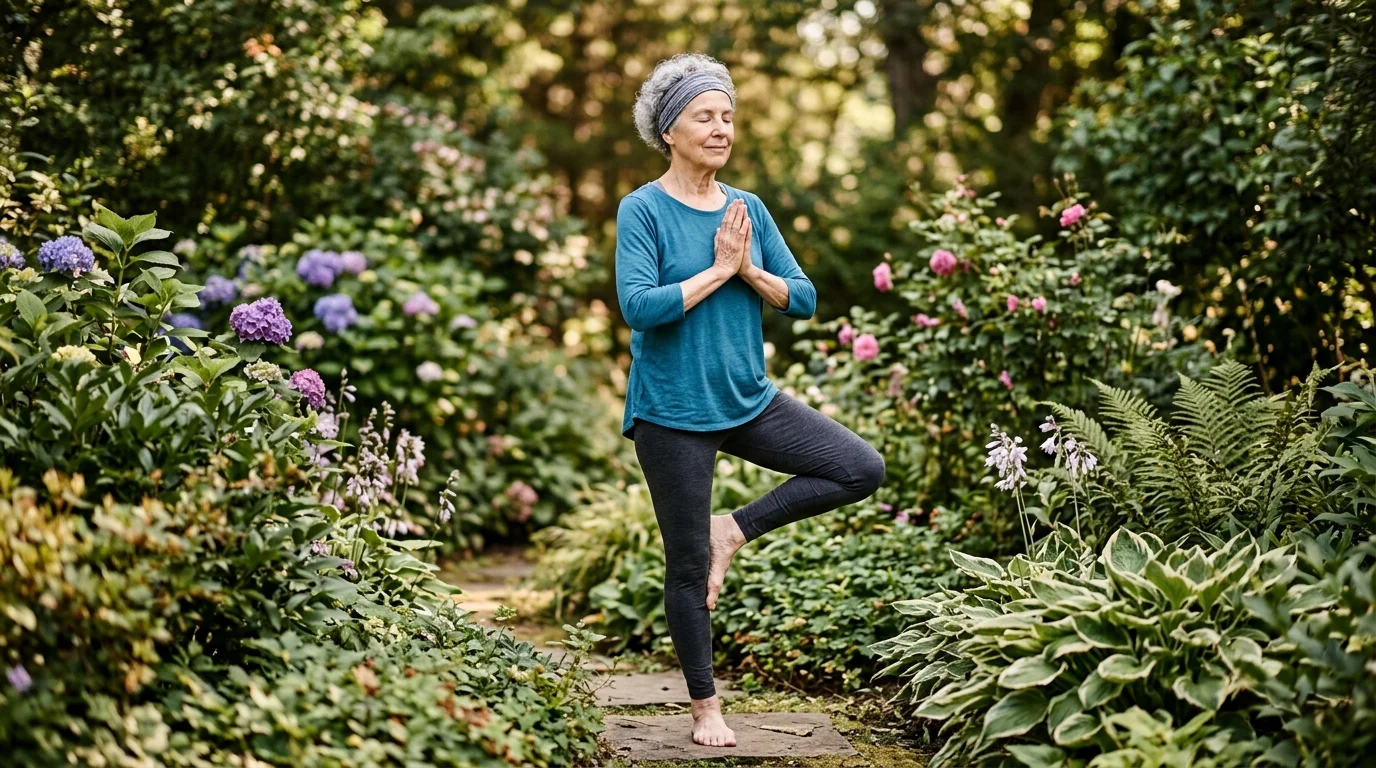
Since osteoporosis makes bones fragile, preventing falls is also part of prevention. Good balance and safe surroundings reduce fracture risk. Engage in balance and coordination activities — yoga, tai chi, heel-to-toe walking, or standing on one foot as tolerated. Keep living spaces clutter-free, install grab bars and rails, use well-fitting shoes, and ensure good vision and lighting. The CDC’s fall prevention guidance covers additional home-safety and balance strategies for older adults. If joint or back discomfort is making it harder to stay active, our guide on pain after 60: 6 common types covers safe ways to manage pain without losing mobility.
Screening and Medical Check-ups
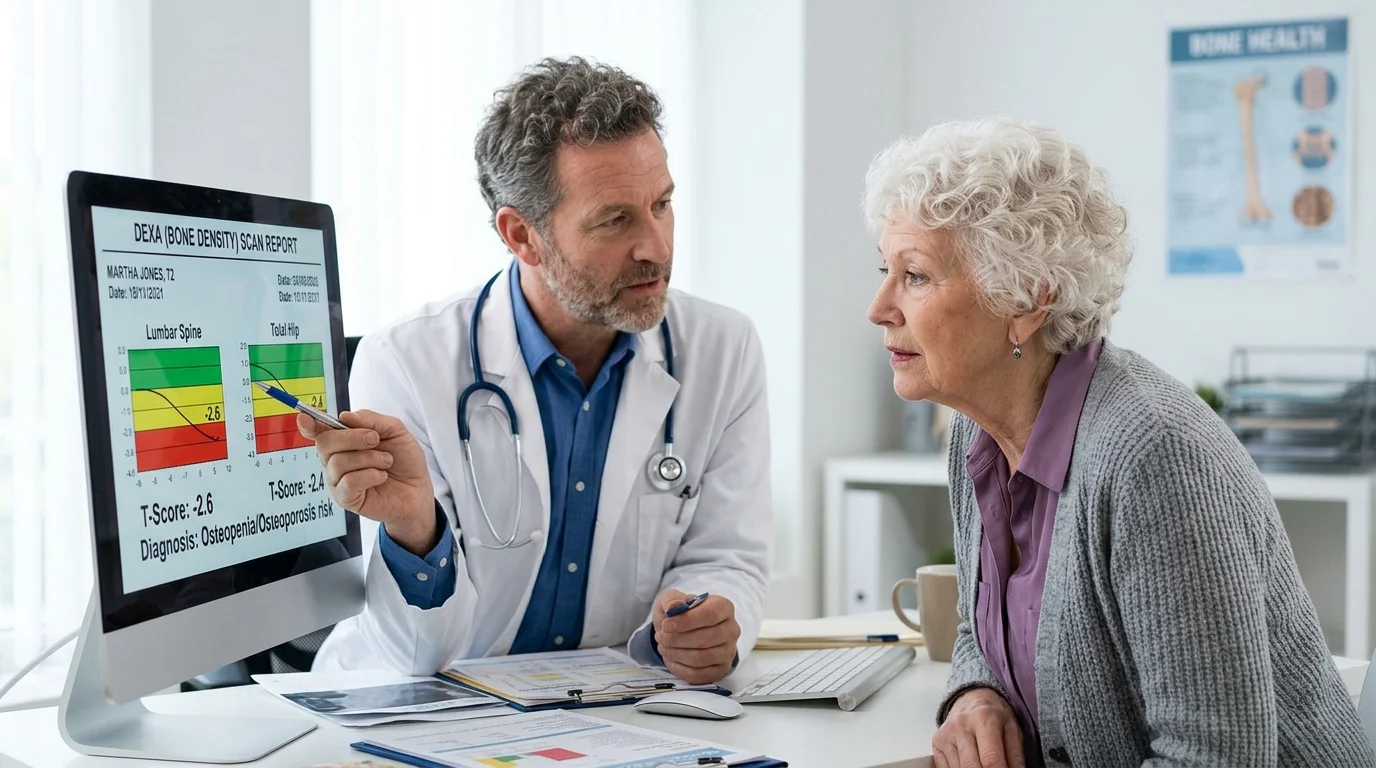
Regular bone density screening helps track risk. Current guidelines from the U.S. Preventive Services Task Force recommend DEXA scans for women 65 and older, or younger women aged 50 to 64 with risk factors. Many eligible women remain unscreened. A DEXA scan measures bone mineral density; discuss results with your doctor to gauge osteoporosis risk. At age 60 to 65, consider getting screened if you have not already. Other useful medical checks include lab tests for vitamin D levels, thyroid function, and calcium, per your doctor’s advice.
For those diagnosed with osteopenia or osteoporosis, doctors may prescribe medication such as bisphosphonates or denosumab, or recommend hormone therapy. Estrogen or progestin therapy can prevent bone loss if started near menopause, and is sometimes endorsed for women under 60 at high fracture risk. However, hormone therapy carries tradeoffs around breast cancer and clotting risk and should be individualized with your doctor. See the Bone Health & Osteoporosis Foundation’s treatment overview for more on medication options. This guide focuses on non-pharmacologic prevention, but if you have severe osteopenia or a prior fracture, medication under medical supervision is important.
Summary of Recommendations
| Focus Area | Recommendation |
|---|---|
| Eat for bone health | Aim for ~1,000-1,200 mg calcium daily (diet first) and ~800-1,000 IU vitamin D daily. Include dairy or fortified foods, leafy greens, fish with bones, soy, and nuts. |
| Stay active | Do weight-bearing aerobic exercise (walking, dancing, light jogging) most days, plus muscle-strengthening exercise 2-3 times per week. |
| Maintain a healthy lifestyle | Don’t smoke, limit alcohol, ensure adequate protein, and prevent falls with balance training and home safety checks. |
| Get checked | Have a doctor evaluate bone density with a DEXA scan around age 65, or earlier if you have risk factors. Discuss supplements or medications if needed. |
| Stay consistent | Benefits accrue over time — it’s never too late to improve bone health. |
By following these evidence-based steps, senior women can significantly reduce fracture risk and enjoy stronger bones as they age.
Frequently Asked Questions
Menopause causes estrogen levels to drop sharply, and estrogen normally helps maintain bone density. This hormonal change leads to accelerated bone loss in women over 50. Age and lifestyle also contribute, but estrogen loss is a key factor.
Women 60+ generally need about 1,000-1,200 mg of calcium daily and 600-800 IU of vitamin D (20-25 µg) daily. Exact needs vary; your doctor can test vitamin D levels and advise on supplements if diet alone is insufficient.
Weight-bearing and resistance exercises are most effective. Examples include brisk walking, dancing, light jogging, and tennis for weight-bearing, plus strength training with bands or weights. Balance exercises such as tai chi or standing on one leg also help prevent falls. Aim for about 30 minutes most days, with muscle-strengthening sessions 2-3 times weekly.
Yes. Diet (calcium, vitamin D, protein) and regular exercise can significantly slow bone loss. Avoiding smoking and heavy alcohol, plus safe calcium and vitamin D intake, helps maintain bone health. Women who experienced early menopause should be especially vigilant.
Routine bone density (DEXA) scans are recommended for women 65 and older; some guidelines advise screening earlier, around age 60, if there are risk factors. Screening detects low bone density early, enabling preventive measures or treatment.
HRT (estrogen with or without progestin) can prevent bone loss if started near menopause, but it carries risks related to heart disease, stroke, and cancer. It is usually only recommended for osteoporosis prevention in women under 60 or within 10 years of menopause, after discussing risks versus benefits with a doctor.
Calcium supplements (1,000-1,200 mg/day) are generally safe if dietary intake is insufficient, especially alongside adequate vitamin D. Some studies raise concerns about excess calcium, but current guidelines find supplementation beneficial for bone health when needed. Always follow a doctor’s advice.
Osteoporosis is usually silent until a fracture occurs. Early signs can include loss of height or a stooped posture (kyphosis) from vertebral fractures, but many women have no symptoms until a bone breaks. That is why prevention and screening are important before symptoms appear.
Bottom Line
Osteoporosis after menopause is common, but it is not inevitable. The combination of adequate calcium and vitamin D, regular weight-bearing and resistance exercise, smoking avoidance, moderate alcohol use, fall-proofing your home, and appropriate bone density screening gives senior women a strong, evidence-based path to protecting their bones. None of these steps require dramatic life changes — they require consistency, and a willingness to involve your doctor when screening or medication decisions come up. It is never too late to start protecting your bone health.
Authoritative Sources
- WHO – Menopause Fact Sheet – Explains menopause, estrogen decline, and the link to bone density loss.
- NIH/NIAMS – Osteoporosis – Covers causes, symptoms, risk factors, prevention, and treatment basics.
- Mayo Clinic – Bone Health – Practical guidance on calcium, vitamin D, physical activity, tobacco, alcohol, and bone density testing.
- NIH Office of Dietary Supplements – Calcium – Supports calcium intake guidance and food-source recommendations.
- NIH Office of Dietary Supplements – Vitamin D – Vitamin D dosage, food sources, sun exposure, and supplement guidance.
- NHS – Osteoporosis Prevention – Accessible prevention advice on exercise, diet, vitamin D, smoking, and alcohol reduction.
- USPSTF – Osteoporosis Screening – Screening recommendations for women 65+ and younger postmenopausal women with risk factors.
- Bone Health & Osteoporosis Foundation – Treatment – Treatment options, fracture prevention, and patient education.
- CDC – Fall Prevention – Home safety, balance, and reducing injury risk in older adults.
- MedlinePlus – Osteoporosis – Patient education resource from the U.S. National Library of Medicine.
⚕️ Medical Disclaimer
The information provided on this page is for educational purposes only and is not intended as medical advice, diagnosis, or treatment. Always consult a qualified healthcare professional before making changes to your diet, starting any supplement, or if you have an existing medical condition. KeepFitQuote does not provide medical diagnoses or treatment recommendations. Read our full disclaimer.