Aging is something everyone deals with, but the idea of reversing it has sparked serious curiosity. Is it possible to reverse aging in humans? While we’re not quite at the point of turning back the clock entirely, some experts believe we may be closer than ever to answering that question.
Let’s walk through the facts in plain English—no hype, just what’s real, what’s rumored, and what might actually work.
The science of aging has undergone a genuine transformation over the past fifteen years. What was once considered an unstoppable, purely stochastic process of decay is now understood as a set of specific, measurable biological mechanisms — many of which can be influenced, slowed, and in some limited cases, partially reversed at the cellular level. This shift matters enormously for how we should think about our own health as we age. It means aging is not simply “bad luck” that accumulates uniformly; it is a biological process with distinct, addressable components. Understanding these components — and separating genuine science from marketing hype — is the purpose of this guide.
Table of Contents
What Is Aging, Really?
When people say “aging,” they usually think of wrinkles, fatigue, or gray hair. But inside your body, a lot more is happening at the cellular level. Some of the root causes include:
- Damage to cells over time
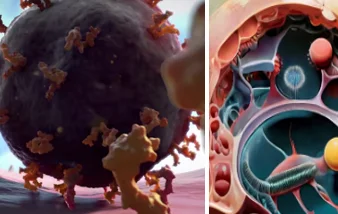
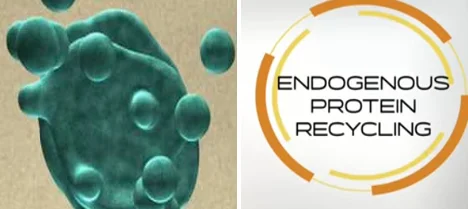
- Poor recycling of old proteins
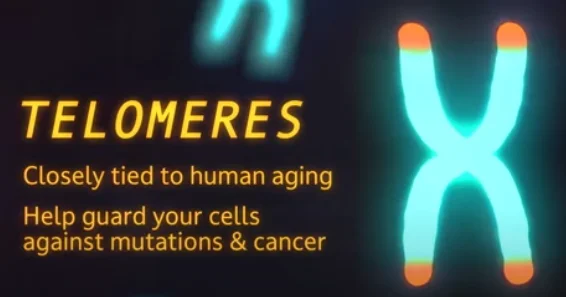
- Telomeres shortening (these protect your DNA)
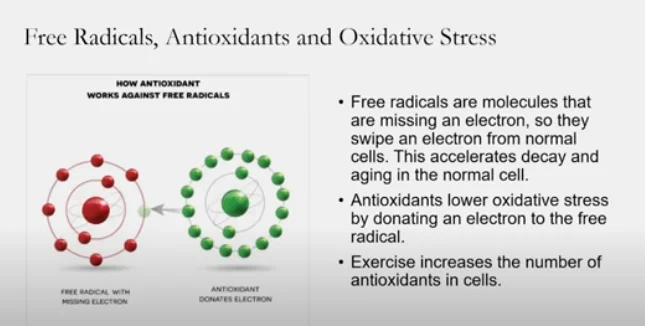
- Oxidative stress (think of it like internal rust)
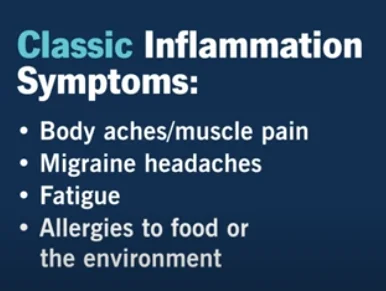
- Chronic inflammation building up in the body
These changes don’t happen overnight, but they add up. That’s what makes you feel—and look—older.
Each of these five mechanisms is one of the “Hallmarks of Aging” identified in a landmark 2013 paper published in Cell by López-Otín and colleagues — a framework that has become the organizing structure for virtually all modern aging research. Cellular damage accumulates from countless sources: UV radiation, metabolic byproducts, and simple wear from cell division. The body’s protein recycling system, called the ubiquitin-proteasome pathway alongside autophagy, becomes progressively less efficient with age, allowing misfolded and damaged proteins to accumulate — a process directly implicated in neurodegenerative conditions like Alzheimer’s and Parkinson’s. Telomeres, the protective caps at the ends of chromosomes, shorten by 50–100 base pairs with each cell division; once they become critically short, cells enter senescence or die, and telomere length is now measurable through commercial blood tests as a biomarker of biological (versus chronological) age. Oxidative stress reflects the accumulation of reactive oxygen species that outpace the body’s antioxidant defenses, damaging DNA, proteins, and cell membranes. Chronic low-grade inflammation, termed “inflammaging” by researchers, is now considered a unifying driver connecting nearly all age-related diseases, from cardiovascular disease to cancer to cognitive decline. Understanding that these are the actual mechanisms — rather than aging being a vague, unified process — is precisely what has made targeted interventions possible.
Can We Reverse This Process?
Slowing aging and reversing it aren’t the same thing.
Slowing aging means keeping damage low so your body stays stronger for longer.
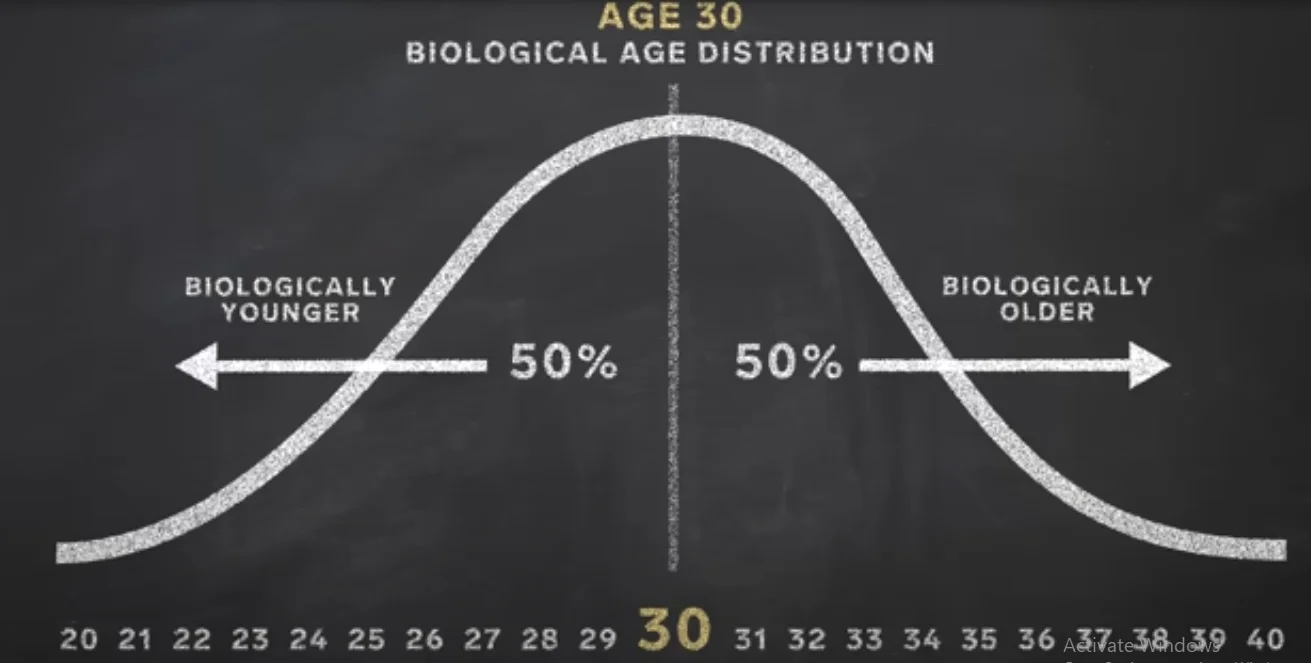
Reversing aging would mean restoring function that has already declined—literally turning back the clock.
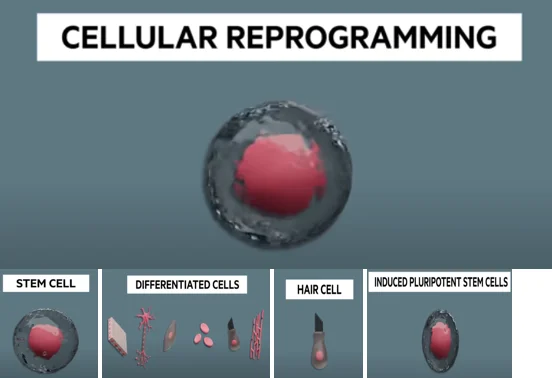
Right now, we have ways to slow aging that actually work. Reversing it? That’s still being researched.
This distinction is the single most important concept for anyone navigating anti-aging claims to understand. Slowing aging is a well-established, evidence-backed field: regular exercise, adequate sleep, a nutrient-dense diet, and stress management have all been shown in large, rigorous studies to measurably slow the accumulation of age-related damage and reduce risk of age-related disease. Reversing aging — restoring already-lost function, such as regenerating a damaged organ or restoring youthful gene expression patterns throughout the body — remains largely in the research phase, though the progress in the past five years has been genuinely remarkable. The most compelling proof-of-concept came from a landmark 2020 study by David Sinclair’s lab at Harvard, published in Nature, in which partial epigenetic reprogramming restored vision in mice with damaged optic nerves — a demonstration that cellular “age” is not fixed but can, in principle, be reset. This does not mean human whole-body reversal is imminent, but it does mean the biological plausibility of reversal is now scientifically established, shifting the field from theoretical to experimental.
What Science Is Exploring Right Now
Here are a few areas where researchers are digging deep:
1. Clearing Out “Old” Cells
Your body hangs onto damaged cells—called senescent cells—that no longer do their job. These cells give off harmful signals that speed up aging in nearby tissue. Scientists are developing “senolytics”—compounds that target and remove these cells. It’s early, but the results are promising.
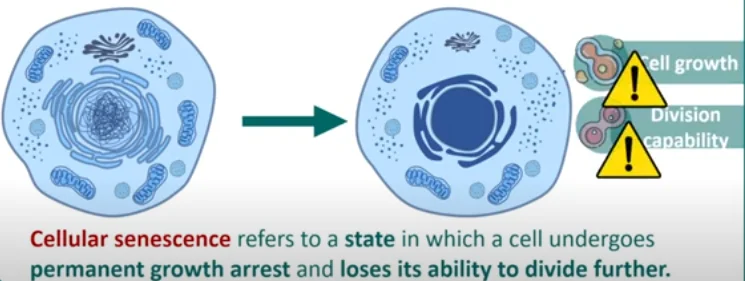
Senescent cells are sometimes called “zombie cells” because they have stopped dividing but refuse to die, instead lingering in tissue and secreting a cocktail of inflammatory molecules known as the senescence-associated secretory phenotype (SASP). This SASP actively damages surrounding healthy cells and drives local and systemic inflammation, making senescent cell accumulation a genuine causal driver of tissue aging rather than merely a symptom. Senolytic compounds — including the combination of dasatinib and quercetin, and the natural compound fisetin (found in strawberries) — have shown in mouse studies that selectively eliminating senescent cells can restore physical function, extend healthspan, and reduce markers of frailty. Human clinical trials are now underway for conditions including diabetic kidney disease and pulmonary fibrosis, with some early-phase results published in EBioMedicine showing improved physical function in idiopathic pulmonary fibrosis patients treated with dasatinib plus quercetin. This remains an active area of clinical research rather than an established treatment, but it represents one of the most mechanistically compelling anti-aging strategies currently being studied.
2. Boosting NAD+ Levels
NAD+ is a molecule your cells use for energy and repair. As you age, your NAD+ levels drop. Supplements like NMN and NR are being studied to see if restoring these levels can help with energy, metabolism, and even DNA repair. Some people say they feel more alert, but results vary from person to person.
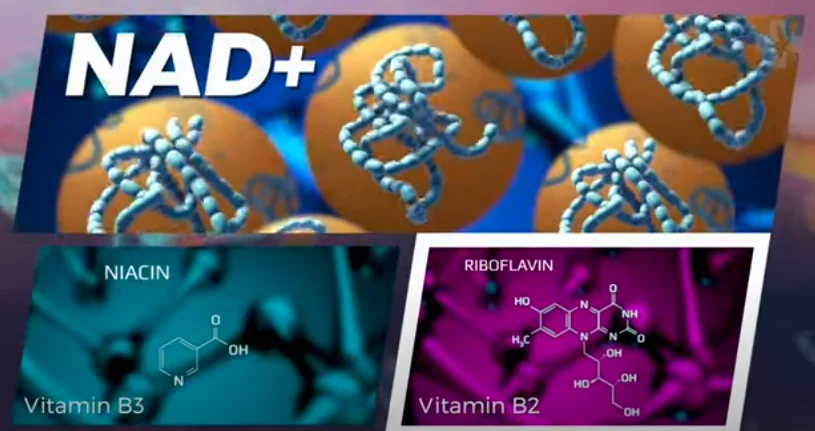
NAD+ (nicotinamide adenine dinucleotide) is a coenzyme required for hundreds of metabolic reactions, most critically the mitochondrial processes that generate cellular energy (ATP) and the activity of sirtuins — proteins that regulate DNA repair, inflammation, and circadian rhythm. NAD+ levels decline by an estimated 50% between age 40 and 60, a decline linked to reduced mitochondrial function, impaired DNA repair capacity, and metabolic dysfunction. NMN (nicotinamide mononucleotide) and NR (nicotinamide riboside) are both NAD+ precursors that the body converts into NAD+ through distinct enzymatic pathways. Clinical trials in humans have shown that both supplements reliably raise blood NAD+ levels, but the downstream functional benefits remain less clear-cut than the mouse data suggested — a 2022 systematic review in Advances in Nutrition found modest improvements in some metabolic markers but inconsistent effects on physical performance and inflammation across studies. This is a case where mechanistic promise significantly outpaces confirmed clinical benefit in humans, underscoring the importance of tempered expectations even for the most scientifically grounded anti-aging compounds.
3. Telomeres and Youthful DNA
Your DNA ends are protected by telomeres. The shorter they get, the older your cells behave. A few labs are looking into gene therapies or compounds that could lengthen telomeres, essentially “resetting” the cell’s internal clock. But this is complex science, and it’s still in early testing stages.
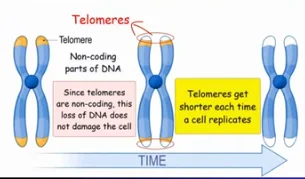
Telomerase — the enzyme that can lengthen telomeres — is naturally active in stem cells and reproductive cells but is largely dormant in most adult somatic cells, a evolutionary trade-off that likely protects against uncontrolled cell division (cancer) at the cost of telomere shortening over a lifetime. Experimental telomerase activation therapies have shown extended lifespan and improved tissue function in mouse models, but the cancer risk consideration is not trivial: unregulated telomerase reactivation is a hallmark of the vast majority of human cancers, making telomere-lengthening therapies one of the most delicate balancing acts in aging research. Current human research focuses primarily on telomerase-activating compounds like TA-65 (derived from astragalus root), which have shown modest telomere length improvements in small human trials, alongside much larger observational research confirming that lifestyle factors — exercise, stress reduction, adequate sleep, and a Mediterranean-style diet — are independently associated with longer telomeres in large population cohorts. For now, lifestyle-based telomere protection has a far stronger evidence base than any pharmaceutical telomere-lengthening approach.
4. Activating Autophagy
Autophagy is your body’s natural way of cleaning out worn-out parts. This process slows down with age. But things like fasting, cold exposure, cold plunge or ice bath testing, cold therapy, and plant-based antioxidants may help restart it.
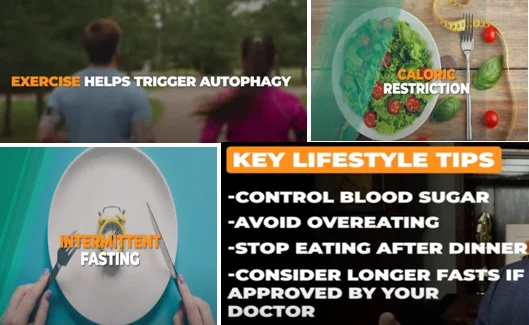
Autophagy — literally “self-eating” — is the cellular process by which damaged organelles, misfolded proteins, and other cellular debris are broken down and recycled into usable components. This process was the subject of the 2016 Nobel Prize in Physiology or Medicine, awarded to Yoshinori Ohsumi for elucidating its mechanisms. Autophagy activity declines significantly with age, contributing to the accumulation of cellular junk that drives tissue dysfunction. Intermittent fasting and time-restricted eating are among the most well-studied autophagy activators in humans, with research showing measurable increases in autophagy markers after 16–24 hours of fasting. Cold exposure activates autophagy through a distinct pathway involving norepinephrine and brown fat activation, and has additional benefits for mitochondrial biogenesis. Certain plant compounds — including spermidine (found in wheat germ, aged cheese, and mushrooms), resveratrol, and EGCG from green tea — have been shown to activate autophagy-related genes through AMPK and sirtuin pathway activation. Unlike NAD+ supplementation or senolytic drugs, autophagy activation through fasting and cold exposure is accessible to virtually everyone without any product purchase, making it one of the most democratized anti-aging interventions currently available.
Natural Ways to Help Your Body Stay Younger
You don’t need expensive gadgets or risky injections. Some of the best ways to support your body come from basic, natural habits:
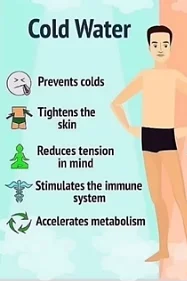
- Cold showers or short bursts of cold exposure can boost circulation and energy.
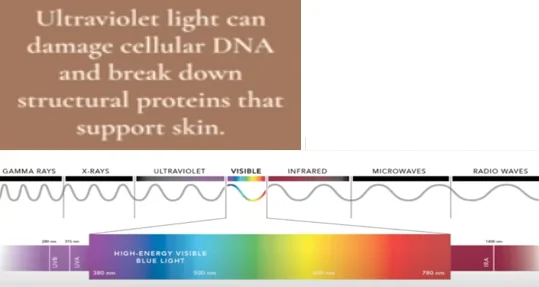
- Infrared light may help with skin tone and muscle recovery.
- Walking after meals helps with blood sugar and digestion.

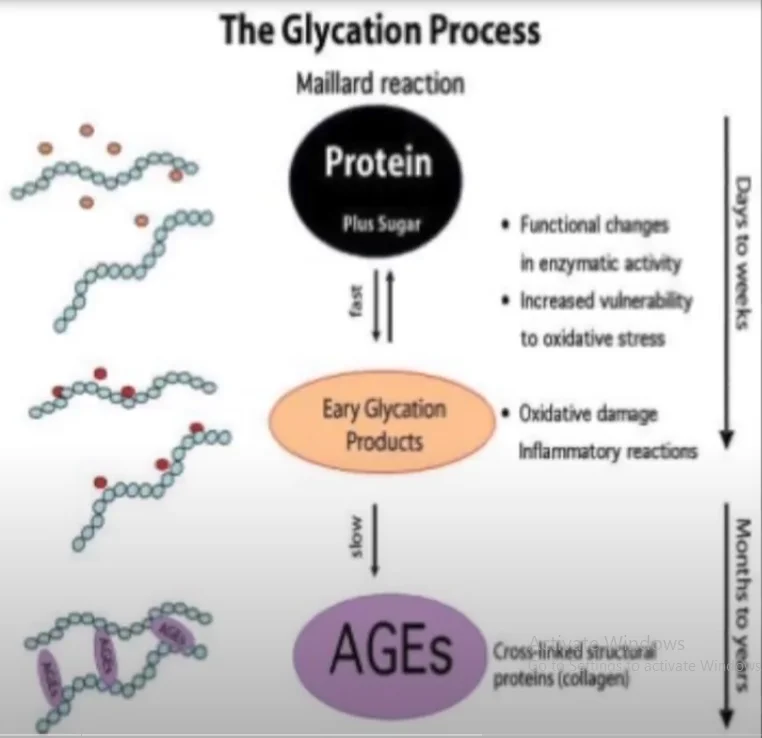
- Cutting down on sugar can reduce “sugar damage” in tissues (known as glycation).
- Grounding, or walking barefoot on natural surfaces, may lower stress and inflammation.

These simple steps can add up over time, especially when done consistently.
Each of these five habits targets a distinct mechanism from the hallmarks of aging discussed earlier, and their combined, consistent practice creates a genuinely synergistic anti-aging effect that rivals or exceeds most pharmaceutical interventions currently available. Cold exposure (30–90 seconds of cold shower water, or a structured cold plunge) activates brown adipose tissue and triggers a norepinephrine surge that improves mood, circulation, and — as discussed above — autophagy. Infrared and red light therapy has research support for stimulating mitochondrial cytochrome c oxidase activity, improving collagen production in skin and speeding muscle recovery after exercise, with effects documented in the Journal of Biophotonics and other peer-reviewed sources. Post-meal walking — even just 10–15 minutes — has been shown in multiple studies to significantly blunt post-meal blood glucose spikes, directly reducing the glycation damage that accelerates skin and tissue aging. Sugar reduction addresses glycation directly: excess blood glucose binds to proteins including collagen, forming Advanced Glycation End-products (AGEs) that stiffen tissue and accelerate visible skin aging, a process well-documented in dermatological research. Grounding (earthing) research remains earlier-stage but several small studies have shown reductions in inflammatory markers and improved sleep quality with regular barefoot contact with natural ground surfaces. None of these interventions require significant expense, making them accessible starting points for anyone serious about supporting healthy aging.
Be Wary of Empty Promises
Just because something says “anti-aging” doesn’t mean it works. Some creams, pills, or biohacking gadgets don’t have solid science behind them—yet.
Also, no matter how advanced science becomes, aging is still a natural process. The goal isn’t to live forever, but to live well for longer.
The supplement and skincare industries have both recognized that “anti-aging” is one of the most commercially powerful phrases available, and regulatory oversight of these claims is notably weaker than for pharmaceutical drugs. In the United States, dietary supplements do not require FDA approval demonstrating efficacy before being sold — manufacturers are only required to ensure safety and avoid making explicit disease-treatment claims. This regulatory gap means that products can legally use vague language like “supports youthful cellular function” without any clinical trial demonstrating that they actually do so. A useful filter for evaluating any anti-aging product or protocol: has it been tested in a randomized controlled human trial (not just cell culture or mouse studies), was the effect size meaningful, and was the research independently replicated? Compounds like NMN, resveratrol, and certain senolytics have at least some human trial data, however preliminary. Many “anti-aging” creams, gadgets, and proprietary blends have none at all. Healthy skepticism, paired with enthusiasm for the genuinely promising areas of research, is the most intellectually honest position available on this rapidly evolving topic.
Key Takeaways
- Complete reversal of aging isn’t here yet, but some cell functions may be restorable in the future.
- You can take real steps today to slow aging and support longevity.
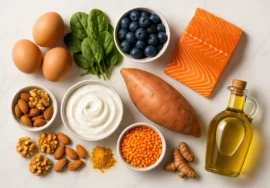
- Many tools are already in your hands—diet, movement, sleep, and stress management.
- Most “quick fixes” don’t work. Stick with what’s proven.
FAQs – Honest Answers to Common Questions
Can supplements make you younger?
They can support your health, but none can reverse aging. Look for ones backed by real human clinical research, not just animal studies or marketing claims.
Does cold therapy actually help?
It may improve circulation, boost mood, and support recovery—especially when done consistently as part of a broader healthy lifestyle rather than as a standalone miracle intervention.
Is fasting good for anti-aging?
Short fasting periods may trigger autophagy, which helps remove damaged cell parts. Time-restricted eating (such as a 12–16 hour overnight fast) is one of the most accessible ways to activate this process.
What’s the deal with NAD+?
It’s important for cell repair and energy production. Boosting NAD+ through NMN or NR supplements might help, but results vary between individuals, and the human clinical evidence is still developing.
Can I grow longer telomeres?
It’s possible in theory, but in practice, the science isn’t there yet for everyday, low-risk use. Lifestyle factors like exercise, stress management, and good sleep have the strongest evidence for supporting telomere length naturally.
Final Thought
Aging doesn’t have to mean decline. You can age with strength, with clarity, and with energy. The idea of reversing aging is inspiring—but the most powerful tools for a longer, healthier life are already available to you today.
The most honest conclusion from current aging science is this: we are in an unprecedented era of understanding why we age, even though we are not yet at the point of reliably reversing it in whole humans. That gap between understanding and application is closing faster than most people realize — but it is closing through rigorous science, not through supplements sold with dramatic before-and-after photos. In the meantime, the evidence-based fundamentals — regular movement, a nutrient-dense diet low in added sugar, consistent quality sleep, stress management, and avoidance of smoking and excess alcohol — remain by far the most powerful and well-proven tools available for extending healthspan, the years of life lived in good function and vitality. Approach the exciting frontier of reversal science with genuine curiosity, and build your daily habits on the foundation that decades of research have already confirmed works.
Tags: #ReverseAgingNaturally #HealthyLongevity #NADPlusSupport #TelomereHealth #USAWellnessTips #AutophagyScience
⚕️ Medical Disclaimer
The information provided on this page is for educational purposes only and is not intended as medical advice, diagnosis, or treatment. Always consult a qualified healthcare professional before making changes to your diet, starting any supplement, or if you have an existing medical condition. KeepFitQuote does not provide medical diagnoses or treatment recommendations. Read our full disclaimer.
Related Posts