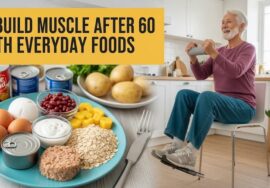
Feeling achy, bloated, or just off lately? Everyday food choices may play a role in how your body handles inflammation. The good news is that you do not need fancy supplements or hard-to-find ingredients to start. This guide shares anti-inflammatory foods that older adults can add to ordinary meals, plus a few foods to limit.

Let’s look at foods that fit an anti-inflammatory eating pattern. These are not trendy fads. Instead, they are simple, low-cost foods that often go unnoticed, and many are sold at your local grocery store. However, food is only one piece of the picture, so think of this as general information, not medical advice.
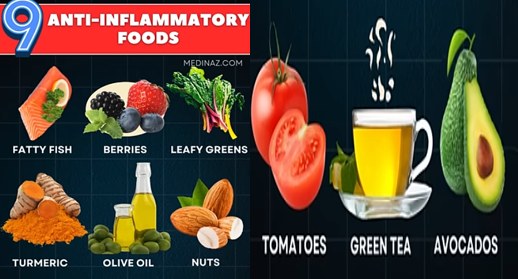
Table of Contents
- Why Anti-Inflammatory Foods Matter for Older Adults
- Best Anti-Inflammatory Foods to Try
- More Anti-Inflammatory Foods Already in Your Kitchen
- What to Limit Alongside Anti-Inflammatory Foods
- A Sample Day of Anti-Inflammatory Foods
- Final Thoughts on Anti-Inflammatory Foods
- FAQs About Anti-Inflammatory Foods
- Sources
Why Anti-Inflammatory Foods Matter for Older Adults
Inflammation is part of your body’s normal response to injury and infection. However, when it lingers, often alongside stress, a less balanced diet or low activity, it is linked with joint stiffness, digestive discomfort and other health concerns. The Arthritis Foundation notes that an anti-inflammatory eating pattern, such as the Mediterranean diet, may help reduce body-wide inflammation, although no single diet fits everyone.

Because older adults often need fewer calories but more nutrients, the National Institute on Aging encourages nutrient-dense foods. So, where do you begin? Start with your plate.
Best Anti-Inflammatory Foods to Try
Here are some lesser-known anti-inflammatory foods to try. They are not topping search trends, but they deserve a spot on the shopping list. Because research on individual foods is still limited, think of them as part of an overall pattern rather than a cure.
1. Watercress: A Peppery Leafy Green
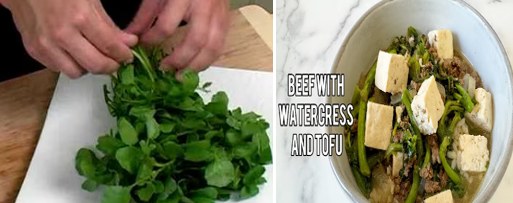
You have probably seen it in the produce aisle and walked right past. Watercress is a leafy green that contains phenethyl isothiocyanate, a plant compound that researchers are studying for its effects on inflammation. Add it to salads or blend it into your morning smoothie.
2. Black Mission Figs for Fiber
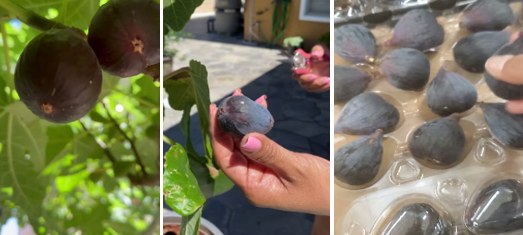
Fresh or dried, black mission figs provide fiber and plant compounds such as polyphenols. Fiber feeds helpful gut bacteria, and a healthy gut is often linked with lower inflammation. However, dried figs are sweet, so keep portions modest.
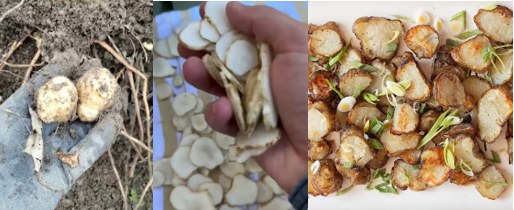
3. Sunchokes: A Prebiotic Fiber Source
Also known as Jerusalem artichokes, sunchokes are high in inulin, a prebiotic fiber that feeds helpful gut bacteria. For example, start with a small serving, because inulin can cause gas or bloating in some people.
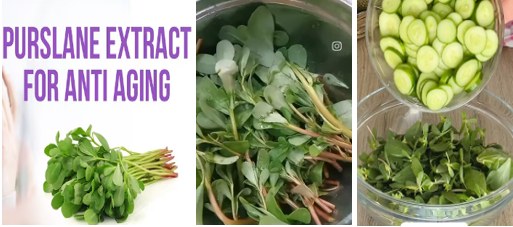
4. Purslane: A Plant Source of Omega-3
Purslane is a wild green that contains plant-based omega-3 fats. It works well in soups and salads, or lightly sauteed with garlic and olive oil.
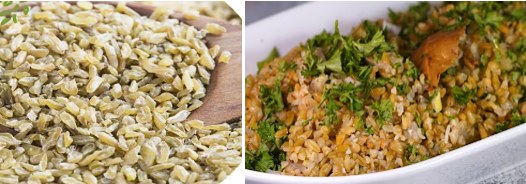
5. Freekeh for Steadier Blood Sugar
Freekeh is an ancient grain made from roasted green wheat. As a whole grain it offers fiber and a lower glycemic index than refined grains, which may help blood sugar rise more slowly after a meal. However, freekeh contains gluten, so skip it if you avoid wheat. Also, for more everyday habits that support steadier numbers, see our blood sugar tips for seniors.
More Anti-Inflammatory Foods Already in Your Kitchen
Sometimes the best options are hiding in plain sight:
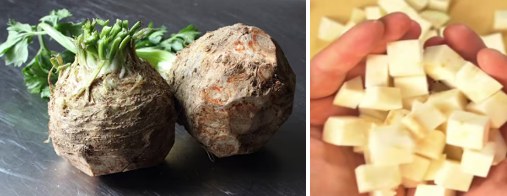
Celery Root (Celeriac)
Underrated but a good source of potassium and fiber, celery root is a flavorful swap for starchy sides. For example, you can roast it, mash it or grate it raw. However, if you have kidney disease or take medicines that affect potassium, check with your doctor first.
Golden Beets
Less earthy than red beets, golden beets contain betalains, plant pigments that are studied for their antioxidant activity. Roast them or grate them raw into salads.

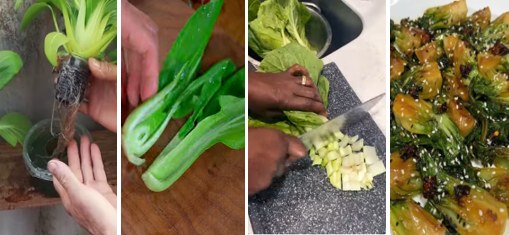
Bok Choy
Bok choy is a cruciferous vegetable that provides glucosinolates, plant compounds that are being studied for their role in the body’s natural defenses. It also adds fiber and vitamins, and it cooks in just a few minutes.
What to Limit Alongside Anti-Inflammatory Foods
To get the most from anti-inflammatory foods, you can also pair them with a few smart cutbacks:
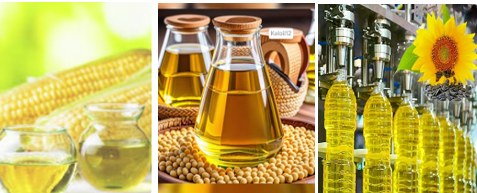
- Go easy on refined seed oils such as corn, soybean and sunflower oil, and use extra virgin olive oil more often when you cook.
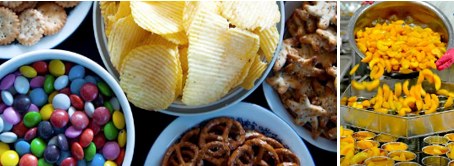
- Reduce processed snacks made with white flour or added sugars. The Arthritis Foundation notes that cookies, chips and other processed snacks can be high in unhealthy fats linked with inflammation.
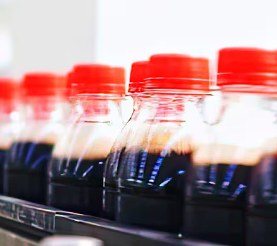
- Cut back on sodas and other sweetened drinks. The National Institute on Aging suggests making water, and options such as low-fat milk, your main beverages.

A Sample Day of Anti-Inflammatory Foods
Here is one way to build your plate around these foods. Portion sizes and calorie needs vary, and the NIA offers healthy meal planning tips for older adults that can help.
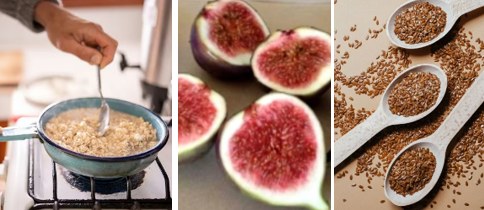
- Breakfast: Oatmeal with chopped figs and ground flaxseed
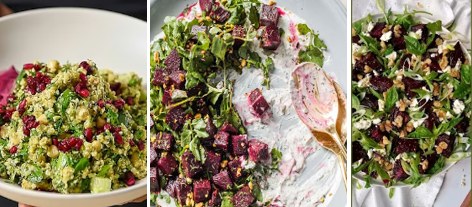
- Lunch: Freekeh salad with watercress, golden beets, and tahini dressing
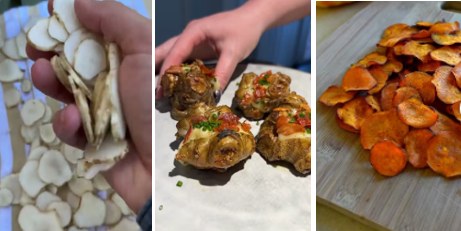
- Snack: Roasted sunchoke chips
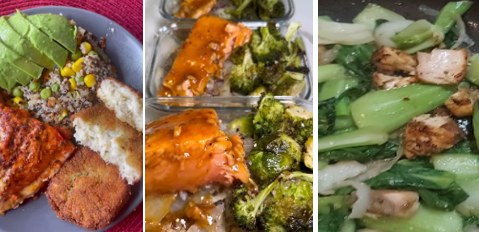
- Dinner: Baked salmon with steamed bok choy and quinoa
Final Thoughts on Anti-Inflammatory Foods
Eating an anti-inflammatory way is not about deprivation. It is about eating with awareness and choosing mostly whole foods that give your body what it needs.
Start small. First, add one or two of these anti-inflammatory foods to your meals this week and notice how you feel. Because everyone responds differently, check with your doctor or a registered dietitian before making big changes, especially if you manage a health condition or take medicines.
FAQs About Anti-Inflammatory Foods
- Are anti-inflammatory foods safe for everyone?
A: Usually, when they are whole and minimally processed. But needs differ, so always check with your healthcare provider if you are managing a medical condition or taking medicines. - How fast can I feel a difference?
A: Some people notice less bloating within a few days. For others, it may take a few weeks of steady eating, and some may not notice a change at all. Results vary. - What are the best vegetables to eat to reduce inflammation naturally?
Vegetables that fit an anti-inflammatory pattern include bok choy, celery root, purslane and golden beets, along with colorful options such as spinach, kale and broccoli. They provide fiber, antioxidants and other plant compounds. Also, a mix of raw and lightly cooked vegetables is an easy way to get variety.
More Questions About Anti-Inflammatory Foods
- Is freekeh better than rice for inflammation?
Freekeh is a fiber-rich whole grain, and whole grains tend to raise blood sugar more slowly than refined grains such as white rice. Freekeh generally has more protein and fiber than white rice. However, it contains gluten, so it is not suitable for people with celiac disease or gluten sensitivity.
- Can figs help with digestive inflammation?
Figs contain polyphenols and soluble fiber, which feed helpful gut bacteria. Fresh or dried figs both work in moderation, but you should watch added sugars and portion size, especially with dried figs.
- What lesser-known leafy greens help lower inflammation?
Purslane and watercress are two underrated leafy greens. Purslane contains plant-based omega-3 fats, and watercress contains sulfur-containing plant compounds that are being studied. For example, toss them in salads or blend them into green smoothies.
- What should I eat for breakfast to reduce inflammation?
An anti-inflammatory style breakfast could include oatmeal topped with fresh figs, ground flaxseed and a splash of almond milk, with a cup of green tea on the side. Turmeric is a popular spice, but the NCCIH says we do not yet know enough to conclude it helps any health condition, so ask your doctor before taking turmeric supplements. Warming spices are a flavorful extra too; see what research says about cinnamon sticks and cloves. Instead of sugary cereals or processed pastries, keep it simple. For more drink ideas, try these juice blends for inflammation.
- Are golden beets better than red beets for inflammation?
Golden beets are milder and less earthy than red beets, and both are nutritious. Also, golden beets contain betalains, plant pigments studied for their antioxidant activity. Try roasting them or grating them raw into salads.
How fast can anti-inflammatory foods make a difference?
Some people report feeling better, such as less bloated, clearer-minded or more energetic, within a few days to a few weeks of changing how they eat. Changes in joint comfort or skin may take longer, and there is no guarantee. Still, consistency matters, and so does your overall medical care.
- What grains help calm inflammation in the body?
Freekeh, quinoa and amaranth are all good options. These whole-grain-style foods provide fiber and minerals and tend to raise blood sugar more slowly than refined carbs. Quinoa and amaranth are naturally gluten-free, but freekeh is not. In addition, all three work well in salads and side dishes.
- Can inflammation be reduced without medication?
Food, stress management, hydration, sleep and physical activity can all support your overall health, but they do not replace medical treatment. Never stop or change a prescribed medicine without talking to your doctor.
- What cooking oils should I avoid to reduce inflammation?
Go easy on corn oil, soybean oil and other refined seed oils, which are high in omega-6 fats. Because the evidence on omega-6 fats and inflammation is mixed, a simple step is to use extra virgin olive oil more often, as the Arthritis Foundation suggests.
Sources
- Arthritis Foundation: Anti-Inflammatory Diet Do’s and Don’ts
- National Institute on Aging: Healthy Eating as You Age, Know Your Food Groups
- National Institute on Aging: How Much Should I Eat? Quantity and Quality
- National Institute on Aging: Healthy Meal Planning Tips for Older Adults
- National Center for Complementary and Integrative Health: Turmeric
This article is for general information only and is not medical advice. Talk with your doctor or a registered dietitian before changing your diet, especially if you have a health condition or take medicines.
⚕️ Medical Disclaimer
The information provided on this page is for educational purposes only and is not intended as medical advice, diagnosis, or treatment. Always consult a qualified healthcare professional before making changes to your diet, starting any supplement, or if you have an existing medical condition. KeepFitQuote does not provide medical diagnoses or treatment recommendations. Read our full disclaimer.
Related Posts