Many people think heart attacks strike suddenly with crushing chest pain. But heart attack symptoms in seniors often look very different, and that dramatic scenario is far from typical. The body often gives off quiet, almost unnoticeable warnings in the days or even weeks before a major event. Recognizing those early clues could help you get care sooner.
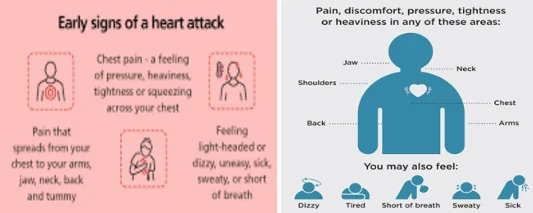
Heart disease remains the leading cause of death in the United States, responsible for one in every five deaths according to the CDC. For Americans over 65, the risk is higher. Delayed recognition costs more. Aging hearts have less reserve capacity and less time to recover from prolonged ischemia (restricted blood flow). Every year, approximately 790,000 Americans suffer a heart attack. About 20% of these are “silent,” meaning they go unrecognized at the time. This article is for seniors who want to be informed. It is also for adult children who worry about an aging parent. Reading this—and sharing it—is one of the most practical acts of heart health preparation available.
Table of Contents
Emergency note: If a heart attack is possible, call 911 right away. Do not try to treat it at home or drive yourself.
Why Paying Attention Early Matters
A heart attack happens when blood flow to part of the heart is blocked. Every minute that passes without treatment increases the damage. The challenge is that the warning signs in seniors aren’t always obvious. They can be mild enough to dismiss as tiredness, a bad meal, or just getting older. But these “minor” symptoms are often the heart’s way of asking for help long before it reaches a critical point.
Cardiologists use the phrase “time is muscle” to capture the urgency of heart attack treatment. Cardiac muscle cells begin to die within 20 to 40 minutes of losing blood supply. The damage becomes harder to reverse as each hour passes. Clinical data from the American Heart Association shows that faster treatment tends to bring better outcomes than delay. The benchmark for angioplasty is a door-to-balloon time of 90 minutes or less. Sadly, many people wait two hours or more before seeking help after symptoms begin. This delay is especially common in older adults and women.
Studies in the Journal of the American College of Cardiology suggest that seniors often blame early symptoms on indigestion, fatigue, or aging. They may wait until symptoms become severe before calling for help. Know what to watch for. Decide in advance that you will call 911 rather than “wait and see.” That may be one of the most important decisions you ever make.
Why Symptoms Can Look Different in Older Adults
Heart attack symptoms in seniors can be unusual for several reasons. Many experience little or no chest pain, which is why some attacks go unnoticed until much later. Confusion, dizziness, or even sudden disorientation can sometimes be the only outward signs. Silent heart attacks—events with almost no recognizable symptoms—are also more common as people age. And because many seniors attribute fatigue or stomach upset to age or other health issues, they often delay seeking help.
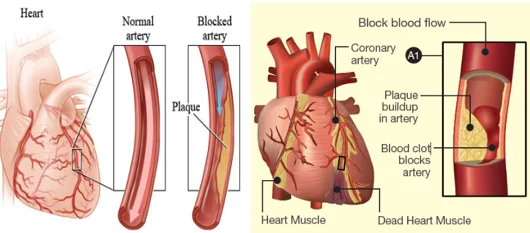
The biological reasons for atypical presentations in older adults are well understood by cardiologists. First, diabetic neuropathy is common in Americans over 65. It can blunt the pain signals that would normally alert a person to cardiac ischemia. Second, decades of gradual plaque buildup may have created collateral circulation pathways. These can partly make up for a blocked artery and reduce the severity of symptoms. Third, aging changes the heart’s electrical conduction system, making rhythm disturbances and compensatory responses less pronounced.
Women over 65 face a particular disadvantage. Large studies, including the WISE (Women’s Ischemia Syndrome Evaluation) trial, found that women are more likely than men to have shortness of breath, fatigue, and nausea rather than the “classic” crushing chest pain. This means the classic image of a man clutching his chest is misleading for many older adults, especially older women. Understanding this gap can save lives.
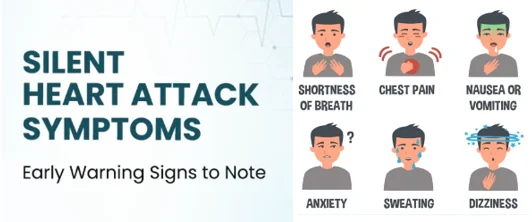
Subtle Heart Attack Symptoms in Seniors You Shouldn’t Ignore
The heart often “whispers” before it “shouts.” Here are early signs that deserve attention, especially if they are new or persistent:
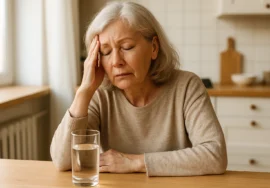
1. Unusual Tiredness
Feeling drained for days without any clear reason is one of the most overlooked signals. This isn’t ordinary tiredness; it’s the kind that makes simple tasks feel exhausting.
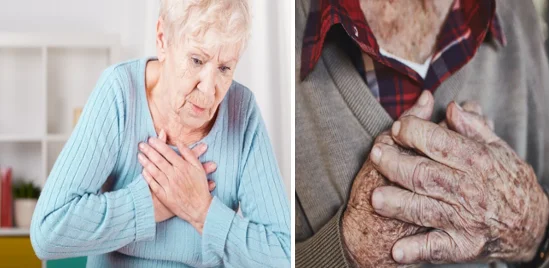
Profound, unexplained fatigue is among the earliest and most commonly reported prodromal (pre-attack) symptoms in older adults. A landmark 2003 study in the journal Circulation surveyed women who had suffered heart attacks about symptoms they experienced in the weeks before. About 70% reported unusual fatigue, often weeks ahead of the event. The physiological explanation is simple. When the heart struggles to pump efficiently, the body begins rationing blood flow to less essential activities. Muscles receive less oxygen than they need, making even routine physical efforts feel disproportionately hard. Suppose walking to the mailbox, climbing stairs, or carrying groceries suddenly feels much harder than it did a month ago. If there is no clear explanation, like illness or overexertion, that change in baseline deserves a medical conversation.
2. Shortness of Breath
Breathlessness during light activity—or even while sitting—should never be brushed off. For many older adults, this may be the only symptom.
Shortness of breath (dyspnea) without significant chest pain is classified as an “angina equivalent.” It reflects the same underlying oxygen deprivation to the heart muscle, expressed differently. When the heart cannot pump effectively, fluid can back up into the lungs, making breathing feel labored even at rest. This symptom is particularly significant if it is new, worsening, or accompanied by waking up at night struggling to breathe (orthopnea or paroxysmal nocturnal dyspnea).
Many older adults assume breathlessness is “just being out of shape” or a normal part of aging. But significant new or worsening dyspnea in a person over 60 should trigger an evaluation with an EKG and cardiac markers, not reassurance alone. Track whether breathlessness is getting better, worse, or staying the same. Note whether it is related to activity or occurs at rest.
3. Mild Chest Tightness or Pressure
Recurring pressure or a heavy feeling in the chest, especially during physical or emotional stress, is a classic warning. It may disappear with rest, but that doesn’t make it safe to ignore.
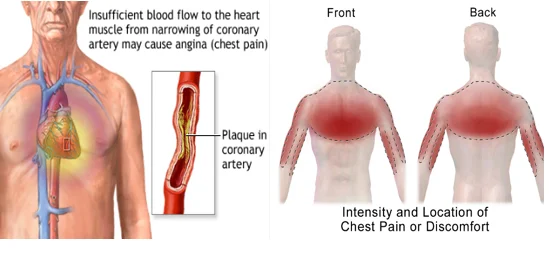
Chest discomfort that comes on with exertion and resolves with rest is textbook stable angina. It signals that the heart muscle is not receiving enough blood supply when demand rises. What makes this particularly deceptive is that resting reliably resolves it, creating a false sense of safety. In reality, stable angina frequently precedes “unstable angina” and eventually a full myocardial infarction. The discomfort is often described not as pain, but as pressure, heaviness, squeezing, or a band tightening around the chest. Some patients describe it as “like someone sitting on my chest.”
If you have noticed this pattern, such as chest tightness during a walk that eases when you stop, do not just monitor it from home. It warrants same-day or next-day evaluation with your physician. Expect a stress test and EKG as a starting point.
4. Pain in Unexpected Areas
Discomfort in the jaw, neck, upper back, or arms—sometimes without chest pain—can be heart-related. Women often experience this more than men.
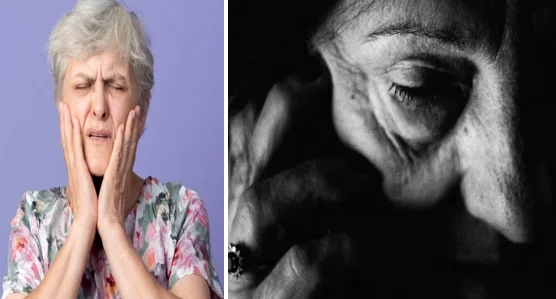
Referred pain—discomfort felt away from its actual source—is a hallmark of cardiac events. The heart shares nerve pathways with the jaw, neck, left arm, upper back, and even upper abdomen. When cardiac tissue is ischemic, these shared pathways can transmit the distress signal to areas that seem entirely unrelated to the heart. Emergency physicians take these patterns seriously. Examples are jaw pain or toothache without a dental cause. Another is a persistent ache in the left shoulder or both arms. A third is upper back pressure with no muscle explanation. One useful rule of thumb applies here. If pain in these areas comes on with exertion and eases with rest, treat it as potentially cardiac until proven otherwise. This matters most if it is new and you are over 60.
5. Indigestion or Nausea
A heart attack can feel like heartburn or stomach upset. Persistent indigestion or unexplained nausea should be taken seriously, especially when combined with other symptoms.
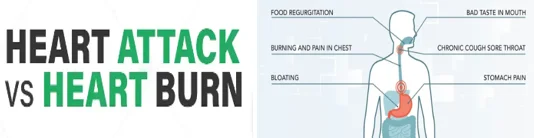
Gastrointestinal symptoms can occur during a cardiac event. The vagus nerve runs from the brain through the heart and into the digestive tract. It can respond to cardiac ischemia by triggering nausea, vomiting, and indigestion-like sensations. For older adults who regularly experience indigestion or reflux, this overlap can be profoundly confusing. The key distinguishing feature is context. Cardiac-related GI symptoms tend to occur during or after exertion or emotional stress. They may come with sweating or breathlessness, and they do not respond to antacids the way typical heartburn does.
If you reach for an antacid and the discomfort does not improve, err on the side of caution. The same goes if indigestion feels different from your usual reflux or comes with any other symptom on this list. Call your doctor or 911.
6. Dizziness or Faintness
Sudden lightheadedness, feeling faint, or losing balance for no clear reason can mean the heart isn’t pumping blood effectively.
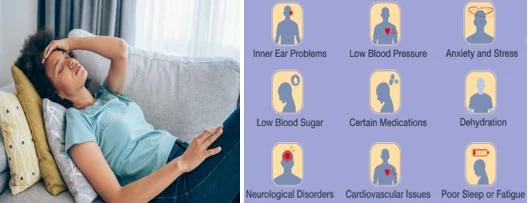
Dizziness related to cardiac problems typically stems from reduced cardiac output. When the heart cannot pump enough blood, blood pressure drops. The brain is very sensitive to blood flow, so it responds with lightheadedness or near-fainting (pre-syncope). In older adults, this can be hard to tell apart from other causes. These include orthostatic hypotension (a drop in blood pressure upon standing), medication side effects, or inner ear issues. Cardiac-related dizziness is more concerning when it occurs without a change in position or comes on during or after exertion. It is also a worry when palpitations, chest discomfort, or shortness of breath come with it. Any episode of actual fainting (syncope) in an older adult should be evaluated promptly. Its causes include serious arrhythmias and structural heart problems.
7. Cold, Clammy Sweats
Breaking out in a sweat when you’re not active or overheated is another red flag.

Diaphoresis is cold, clammy perspiration unrelated to heat, exercise, or fever. It is one of the more distinctive signs of an acute cardiac event. It is caused by the sympathetic nervous system’s response to the threat of circulatory failure. The body activates a fight-or-flight response that includes heavy sweating. This type of sweat feels different from normal perspiration. It tends to come on suddenly and feel cold rather than warm, often with pallor (a pale or gray skin tone). Many people who have experienced a heart attack describe the sweating as one of the signs that “something was very wrong.” If you have cold sweats along with any other symptom on this list, call 911 immediately. This is especially true with chest discomfort, breathlessness, or nausea.
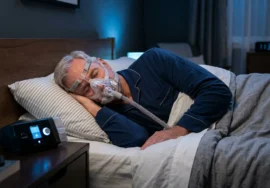
8. Restless Sleep or Unease
Many people recall nights of unusual restlessness or a sense that “something isn’t right” before a heart attack.
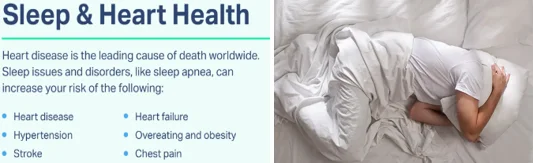
This symptom is often described afterward as a vague sense of doom or persistent unease. It is harder to measure, but people commonly report it in post-heart attack interviews. Some researchers believe it reflects the nervous system’s early detection of hemodynamic instability. The body “knows” something is wrong even before symptoms are clear. Sleep disruption may reflect early nocturnal angina (chest discomfort during sleep). It may also reflect early heart failure causing positional breathlessness. Arrhythmias can disturb sleep too, without being recognized as palpitations. Trust your instincts. If something feels wrong about how you’re sleeping or how you feel, even if you can’t say exactly what it is, mention it to a physician.
9. Irregular Heartbeat
A racing or fluttering heart that happens unexpectedly or more often than usual can signal strain on the heart.
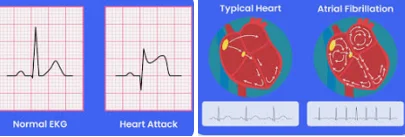
Palpitations are the sensation of the heart pounding, fluttering, skipping beats, or racing. They are common in older adults and have many causes, most of them benign. However, new or worsening palpitations in someone over 60 warrant prompt evaluation. This is especially true if they occur during exertion or come with dizziness, chest discomfort, or near-fainting. Atrial fibrillation (AFib) is the most common serious arrhythmia in older adults. It is closely linked to heart disease and stroke risk, and cardiac ischemia can trigger it. A simple resting EKG can often detect significant rhythm problems. A 24-48 hour Holter monitor captures intermittent arrhythmias that might not show up during a brief office visit. Do not dismiss persistent or new palpitations as “just anxiety” or “normal aging” without a proper evaluation.
10. Sudden Confusion
For seniors, a rapid change in alertness or memory can sometimes be the first and only noticeable symptom.
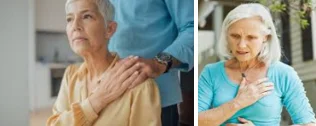
Acute cognitive changes in older adults include sudden confusion, disorientation, or a marked change in personality or alertness. Doctors call this “altered mental status,” and it should be treated as a potential emergency. The brain receives approximately 20% of the body’s total blood flow and is highly sensitive to any reduction. During a cardiac event that reduces cardiac output, the brain may be the first organ to show signs of distress through cognitive changes. This is particularly true in older adults who already have reduced cerebrovascular reserve. If a family member is suddenly confused, unusually sleepy, or “not quite themselves,” do not wait to see if it resolves. Call emergency services. This acute presentation of altered mental status requires the same urgency as classic chest pain.
What to Do If You Notice These Signs
If symptoms strike suddenly or worsen quickly, call emergency services right away. Don’t attempt to drive yourself. For milder but persistent symptoms—like chest discomfort that keeps returning or ongoing fatigue—see a doctor as soon as possible. Even if the signs go away, get checked. Many heart attacks are preceded by warning episodes that come and go before the main event.
Having a clear action plan before symptoms arise can improve response times and outcomes. Here is a simple framework worth discussing with your family and posting on the refrigerator: First, know your baseline. Keep a list of your current medications, medical conditions, and your primary care physician’s name and number in your phone and in a visible location at home. Second, decide in advance to call 911 for any combination of two or more symptoms on this list—do not wait to see if they improve.
Third, if you take aspirin daily and your doctor has approved it, chewing aspirin at the first sign of a cardiac event can help. That means one regular aspirin (325 mg) or four low-dose aspirins (81 mg each). Confirm this with your physician in advance, as aspirin is not appropriate for everyone. Fourth, tell someone: if you are alone and feel unwell, text or call a neighbor, family member, or friend immediately. Finally, unlock your front door before calling 911 so emergency responders can enter if you become incapacitated.
Protecting Your Heart as You Age
Reducing your risk is just as important as spotting the early warnings. Small, consistent lifestyle changes can keep your heart healthier:
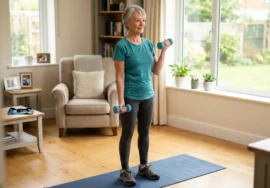
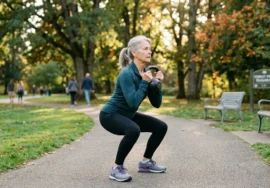
- Move regularly, even if it’s just a daily walk.
- Focus on vegetables, fruits, lean proteins, and healthy fats; cut back on fried and salty foods.
- Monitor blood pressure, cholesterol, and blood sugar.
- Stop smoking, and avoid secondhand smoke.
- Maintain a healthy weight; even modest weight loss helps.
- Find ways to manage stress, like deep breathing or hobbies.
- Follow your doctor’s advice and keep up with regular check-ups.
Prevention is one of the most useful tools available for heart health in older adults. The good news is that it is never too late to benefit from lifestyle changes. A 2019 study in the Journal of the American Heart Association found that adults over 70 who adopted heart-healthy habits saw measurable reductions in cardiovascular risk within two years. Walking just 150 minutes per week—about 21 minutes per day—is associated with a 30% reduction in cardiovascular mortality in adults over 65.
Blood pressure control deserves special emphasis. Hypertension is present in about 70% of American adults over 65. Reducing systolic blood pressure by just 10 mmHg is associated with a 20-30% reduction in major cardiovascular events. Work with your physician to set target numbers for blood pressure (typically below 130/80 for most older adults), LDL cholesterol, and A1c if you have diabetes. Monitor them at home regularly. The Mediterranean diet is rich in olive oil, fish, whole grains, legumes, and produce. It has a strong evidence base for cardiovascular protection in older adults. It is also an accessible, enjoyable eating pattern that requires no special foods or supplements.
Frequently Asked Questions
Q: Can a heart attack happen without chest pain?
Yes. Many older adults experience silent heart attacks, where symptoms such as fatigue or breathlessness are the only clues.
Q: How far in advance do warning signs appear?
Some people notice unusual symptoms days or even weeks before a heart attack.
Q: Are women’s symptoms different from men’s?
Women often have more subtle signs, like nausea, fatigue, or jaw and back discomfort, along with or instead of chest pain.
Q: Should I worry if my symptoms go away?
Yes. Symptoms that fade can still mean the heart isn’t getting enough blood. Always get evaluated.
Transient symptoms, particularly chest discomfort that resolves with rest, may represent “demand ischemia” or unstable angina. Both are considered pre-infarction states. The resolution of symptoms does not mean the underlying problem has resolved. It often means the heart’s demand temporarily dropped below the threshold of the blockage. This is precisely when early intervention can prevent a full heart attack. Same-day or next-day evaluation is appropriate; do not wait for a routine appointment weeks away.
Q: What’s the most effective way to lower the risk?
Stay active, eat a heart-friendly diet, manage blood pressure and cholesterol, avoid smoking, and have regular medical check-ups.
Related guides
For prevention and risk-factor steps, see our guide to preventing clogged arteries. For practical blood-pressure habits, see blood-pressure-lowering drinks. To support healthy blood flow, see our guide to best foods for circulation in seniors. If you use a wearable, read whether smart rings can help with sleep apnea and heart issues.
Sources: American Heart Association: Warning signs of a heart attack · CDC: Heart disease · NHLBI: Heart attack
⚕️ Medical Disclaimer
The information provided on this page is for educational purposes only and is not intended as medical advice, diagnosis, or treatment. Always consult a qualified healthcare professional before making changes to your diet, starting any supplement, or if you have an existing medical condition. KeepFitQuote does not provide medical diagnoses or treatment recommendations. Read our full disclaimer.
Related Posts