Procrastination can feel like an endless cycle—especially when it’s chronic. You’re not lazy, and you’re not alone. Chronic procrastination is a real struggle that can often be rooted in deeper issues such as ADHD, depression, anxiety, or even low self-esteem. Understanding the causes is the first step toward finding effective solutions.
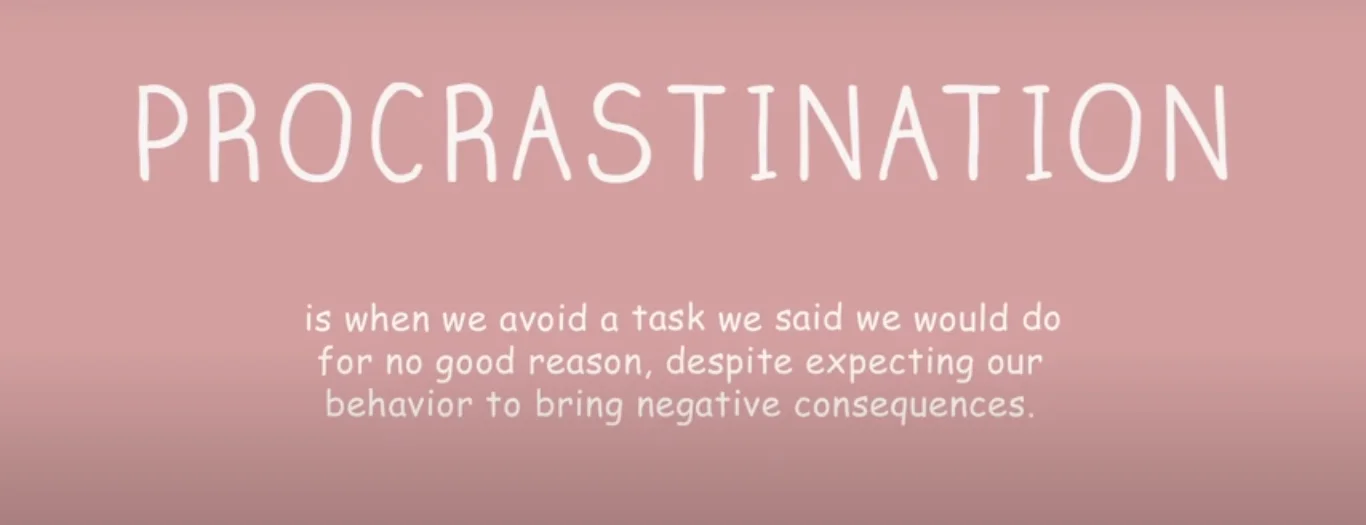
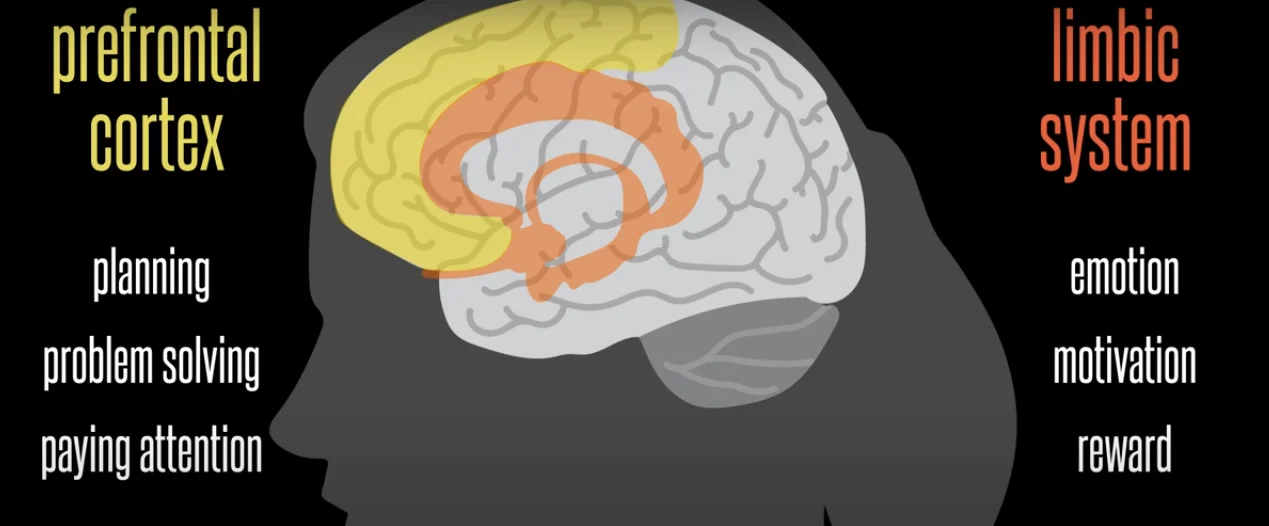
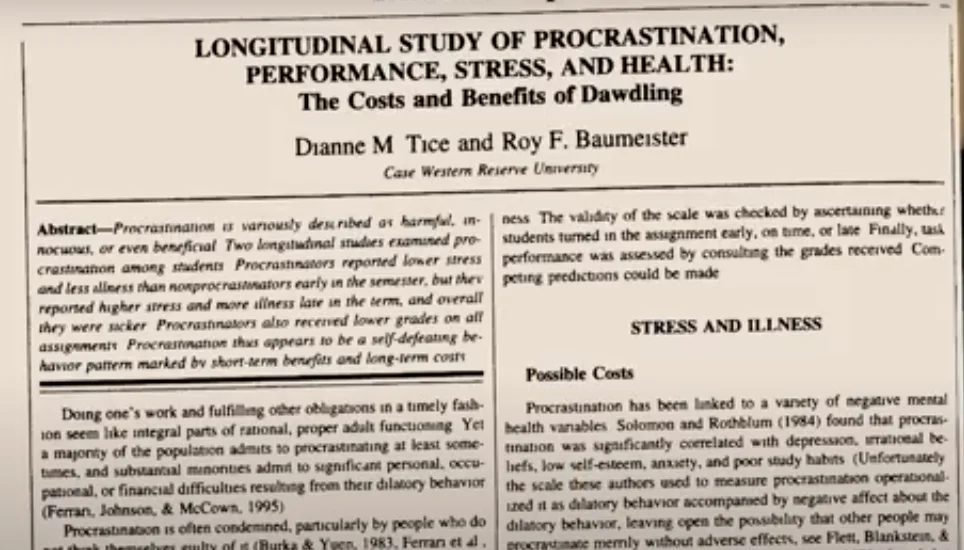
Before getting into specific causes, it’s worth understanding what procrastination actually is at a neurological level, because this reframe matters for how people approach solving it. Procrastination isn’t a character flaw or a time-management failure in the way it’s often described — modern research increasingly frames it as an emotion-regulation problem. When a task triggers negative feelings (boredom, anxiety, self-doubt, overwhelm), the brain’s short-term impulse to avoid that discomfort frequently wins out over the longer-term goal the task serves. This is why simply “trying harder” or using a better planner often doesn’t fix chronic procrastination — the barrier isn’t organizational, it’s emotional and, for many people, neurological.
The Mental Health Connection
Many people suffering from chronic procrastination are also dealing with clinical depression, ADHD, or both. According to various mental health resources including the ADHD Center and forums like Done ADHD Reddit and ADHD Online Reddit, procrastination isn’t just about poor time management—it can be a coping mechanism for overwhelming thoughts or lack of motivation.
In adults, especially women, ADHD symptoms may go undiagnosed for years. Inattentive ADHD in adult women often manifests as difficulty focusing, being easily overwhelmed, and yes, procrastinating endlessly. You might feel too paralyzed to start tasks, leading to the feeling of being “too depressed to do anything.”
Chronic procrastinators might also struggle with low self-esteem, social anxiety, or depression mood swings. The lack of motivation depression causes can be crippling. If these kinds of persistent, heavy feelings sound familiar, it might be time to explore whether clinical depression, psychotherapy, or cognitive behavioral therapy could help.
The underdiagnosis pattern in adult women deserves a bit more explanation, because it’s one of the more well-documented gaps in ADHD research and clinical practice. Historically, ADHD diagnostic criteria were developed largely by studying hyperactive young boys, whose symptoms (impulsivity, physical restlessness, disruptive behavior) are outwardly visible and easy to identify in a classroom setting. Inattentive-type ADHD, which is more common in girls and women, tends to present quite differently — daydreaming, difficulty sustaining focus on unstimulating tasks, chronic disorganization, and an internal sense of mental overwhelm that isn’t visible to others. Because this presentation doesn’t disrupt a classroom the way hyperactive behavior does, many girls go through school labeled as “spacey,” “unmotivated,” or simply “not living up to potential,” without anyone considering an ADHD evaluation. By adulthood, these same patterns often show up as chronic procrastination, a persistent sense of underachievement despite genuine effort, and — because these patterns have gone unexplained for so long — secondary anxiety or depression that develops from years of self-blame.
ADHD and Procrastination
ADHD (What is it?) is a neurological condition that affects focus, impulse control, and executive function. Adult ADHD clinics, ADHD self-assessment for adults, and online tools like QBTest and the CAARS ADHD test can help identify if ADHD is playing a role in your procrastination.

Some people turn to medications like Rexulti for depression or other most prescribed antidepressants to address coexisting issues. Others find relief in ADHD coping mechanisms, such as ADHD interventions, or ADHD classroom strategies, even for adults.
Procrastination is also common in high-functioning ADHD in women, where symptoms are masked by strong academic or professional performance but lead to burnout and debilitating depression. Resources like Attitude Magazine ADHD or influencers on TikTok ADHD help many realize they’re not alone.
Understanding why ADHD produces procrastination specifically — rather than just knowing that it does — can make the experience feel less like a personal failing. Executive function, the brain’s system for planning, prioritizing, initiating tasks, and regulating emotional responses to those tasks, is centered largely in the prefrontal cortex, and this is the very system that functions differently in ADHD brains. One key piece of this is something researchers call “time blindness” — a reduced ability to accurately sense how much time has passed or how much time a task will realistically take. This isn’t a motivation issue; it’s a perceptual one, and it’s part of why the classic advice to “just start earlier” so often doesn’t land for someone with ADHD — the internal sense of urgency simply doesn’t activate the same way until a deadline is close enough to trigger it.
Dopamine also plays a central, and often misunderstood, role. ADHD brains have been shown in research to have differences in dopamine transport and regulation, and dopamine is deeply tied to motivation and the brain’s reward-anticipation system — not just pleasure itself, but the anticipatory “pull” that gets us to start a task in the first place. Tasks that are boring, ambiguous, or don’t offer immediate feedback (writing a report, doing taxes, folding laundry) generate very little of this dopamine-driven pull for an ADHD brain, while tasks that are urgent, novel, or interesting can suddenly become intensely engaging. This is why many people with ADHD describe being able to hyperfocus for hours on something genuinely interesting while being unable to start a five-minute task that feels dull — it’s not inconsistency or laziness, it’s a difference in how the brain’s motivation system responds to different kinds of stimuli.
Depression and Self-Worth
Depression and low self-worth often go hand in hand. People with low self-esteem and depression may struggle with decision-making, especially when clouded by cognitive biases such as confirmation bias, availability bias, or anchoring bias. Chronic procrastinators may avoid tasks because they fear failure or believe they’re incapable—classic symptoms of depression and isolation and burnout depression.

These kinds of persistent, self-critical thought patterns can stem from a range of underlying experiences, and can be worth exploring with the support of a therapist or counselor who can help sort through what’s actually driving them.
The relationship between procrastination and self-worth is often cyclical rather than one-directional, and understanding this cycle can help interrupt it. It typically works like this: a person procrastinates on a task, which produces guilt or shame about the delay; that guilt then makes the task feel even more emotionally loaded and harder to approach; this avoidance continues, deadlines get closer, stress increases, and the eventual rushed completion (or missed deadline) reinforces a belief like “I always do this” or “I can’t be trusted to follow through” — which then makes the next task even harder to start, because it’s now tangled up with this accumulated self-doubt. Breaking this cycle often requires addressing the shame component directly, since shame — unlike guilt, which is about a specific action — tends to generalize into a broader, more damaging belief about one’s whole character, and that broader belief is what actually fuels ongoing avoidance far more than the original task ever did.
Biological and Lifestyle Factors
Mental health conditions like bipolar 2 depression, post stroke depression, PCOS and depression, or thyroid and depression can all contribute to chronic procrastination. Even something seemingly unrelated like gut bacteria and depression or sugar and depression can influence mood and energy levels.
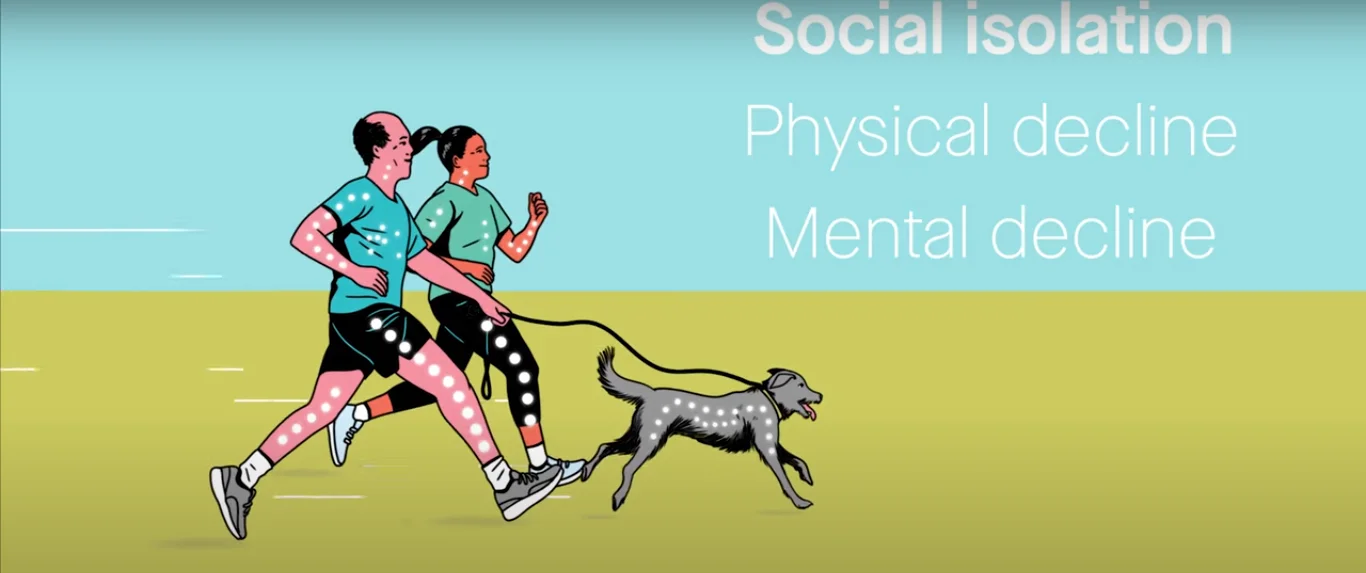
Don’t overlook lifestyle factors either. COVID and depression, social media depression, retirement depression, and even weather depression (aka SAD syndrome) can cause delays in taking action. Persistent low mood and a general sense of being stuck might indicate a larger issue at play worth discussing with a healthcare provider.
The thyroid connection mentioned here is worth a bit more explanation, because it’s one of the more commonly overlooked, and most straightforwardly treatable, biological contributors to what looks like “procrastination” or “laziness.” An underactive thyroid (hypothyroidism) slows metabolism throughout the body, including processes in the brain, and can produce profound fatigue, brain fog, and difficulty concentrating that closely mimics both depression and the executive-function struggles associated with ADHD. This is part of why a basic thyroid panel (TSH, and ideally free T4) is a standard, low-cost first step that many mental health providers and primary care doctors recommend before assuming that persistent low motivation is purely psychological — because if it turns out to be thyroid-related, the fix is often a straightforward medication adjustment rather than months of therapy for a problem that was, at its root, physiological.
Sleep deserves particular emphasis among the lifestyle factors listed, because its effects on executive function and motivation are both significant and often underestimated. Even one night of poor sleep measurably impairs the prefrontal cortex’s ability to plan, prioritize, and regulate emotional reactions to stress — meaning that someone running on chronic sleep debt is, quite literally, operating with reduced executive function capacity regardless of whether ADHD or depression is also present. For many people struggling with procrastination, addressing sleep hygiene — consistent sleep and wake times, reducing screen use before bed, addressing any underlying sleep disorders — produces a noticeable improvement in the ability to start and follow through on tasks, simply because the brain’s planning and impulse-control systems are working with more of the resources they need.
Finding Solutions
The first step in beating chronic procrastination is understanding depression and/or ADHD as potential underlying causes. Tools like MoodGym, ADHD websites, DBSA support groups, and depression support forums can be invaluable.
Here are a few practical steps to begin with:
- Take an ADHD self-assessment if you suspect attention issues
- Explore cognitive behavioral therapy or interpersonal therapy for depression
- Investigate dietary links like omega-3 for depression or gut health and depression
- Try natural depression remedies such as essential oils for depression, meditation, or light therapy for seasonal depression
- Seek help from an ADHD treatment center or therapist who specializes in clinical depression
Sometimes, the key to beating procrastination lies in managing depression, boosting low self-esteem, and addressing the emotional and neurological roadblocks that get in your way.
Beyond the professional resources listed above, a few practical, evidence-based strategies can help interrupt the procrastination cycle day to day, regardless of what’s underlying it. “Task initiation” — the specific moment of starting — is often the single hardest part for people with ADHD or depression alike, and breaking a task down to something almost absurdly small (not “clean the kitchen” but “put three dishes in the sink”) can bypass the overwhelm that keeps a bigger task frozen in place; once started, momentum genuinely does make the rest easier, a phenomenon sometimes called the “two-minute rule.” Externalizing time and structure — using visible timers, alarms, or body-doubling (working alongside another person, even virtually, without necessarily collaborating on the same task) — can also help compensate for the internal time-blindness and motivation gaps discussed earlier, essentially outsourcing some of the executive-function work to an external tool or person rather than relying solely on internal willpower, which research suggests isn’t actually the limiting factor for most chronic procrastinators in the first place.
You’re Not Alone
If you’re suffering from depression, dealing with adult ADHD, or stuck in a cycle of low motivation and low self-worth, help is available. Whether it’s through therapy, medication, or community, you can take control of your time and your mental health.
Stop blaming yourself. Start understanding someone with ADHD or living with someone with depression—even if that someone is you. You deserve clarity, peace, and a productive life.
If any part of this article resonated with you — whether around ADHD, depression, or the self-critical thought patterns that so often accompany chronic procrastination — reaching out to a doctor, therapist, or counselor is a genuinely reasonable and worthwhile next step, not a sign that things have gotten “bad enough” to deserve help. Many people wait years before seeking an evaluation, often because procrastination and self-doubt feel like private failings rather than patterns with real, identifiable, and treatable underlying causes. Understanding what’s actually happening — neurologically, biologically, or emotionally — tends to be the turning point that makes lasting change possible, in a way that willpower alone rarely is.
This article touches on depression, low self-worth, and related mental health topics in a general, informational way. If you’re personally experiencing persistent low mood, hopelessness, or difficulty functioning day to day, please consider reaching out to a healthcare provider or mental health professional — these are common, treatable experiences, and support is available.
⚕️ Medical Disclaimer
The information provided on this page is for educational purposes only and is not intended as medical advice, diagnosis, or treatment. Always consult a qualified healthcare professional before making changes to your diet, starting any supplement, or if you have an existing medical condition. KeepFitQuote does not provide medical diagnoses or treatment recommendations. Read our full disclaimer.
Related Posts