Want a bright, beautiful smile without harsh chemicals or expensive treatments? The good news: you can whiten your teeth naturally—and fast—with items you probably already have at home. Here’s your ultimate guide to getting a pearly-white smile the natural way.
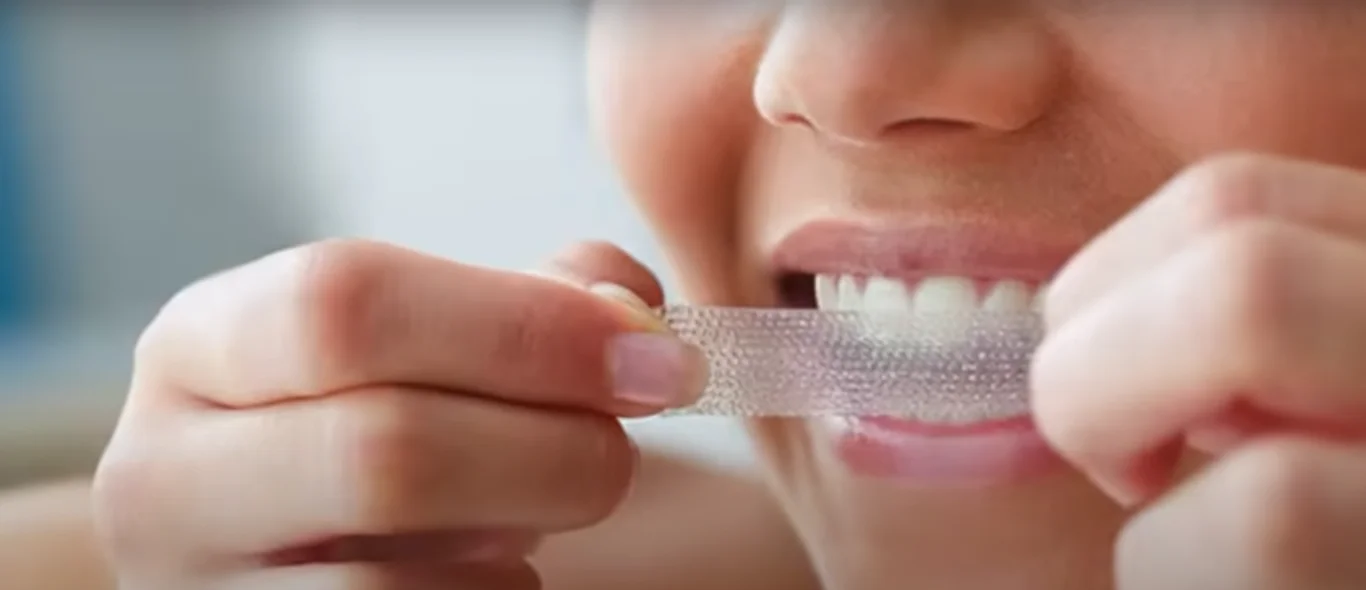
A bright smile matters at every age, but for adults over 50, it carries extra weight. Decades of coffee, tea, red wine, and certain medications can leave teeth looking duller than they once were, and natural enamel also thins slightly with age, which can make the yellower dentin layer underneath more visible. The encouraging news is that most of this surface discoloration responds well to gentle, natural methods—no harsh bleaching trays or dental office visits required. Below, we’ll walk through the most popular ways to whiten teeth naturally, what the science says about each one, and how to use them safely so you protect your enamel and gums while brightening your smile.
1. Hydrogen Peroxide: Nature’s Gentle Whitener
Hydrogen peroxide is a natural bleaching agent with mild antiseptic properties. Using a diluted hydrogen peroxide mouthwash can help lighten stains and kill bacteria in your mouth. For added effectiveness, try mixing baking soda and hydrogen peroxide for cleaning teeth. This combo forms a gentle, bubbling scrub that lifts stains and reduces plaque.
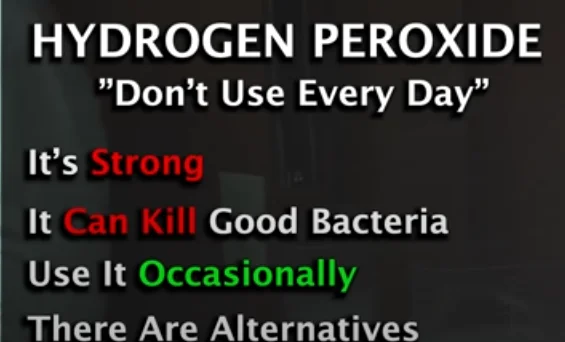
Caution: Only use 3% hydrogen peroxide, and avoid overuse as it may irritate gums.
Bonus Tip: Hydrogen peroxide uses go beyond oral care—it’s great for skin fungus, wound care, and even cleaning plants.
For most people over 50, the simplest way to use hydrogen peroxide is as a 10–14 day “whitening rinse”—swishing about a tablespoon of 3% hydrogen peroxide (always diluted with equal parts water) for 30–60 seconds before spitting it out, then rinsing thoroughly with plain water. Dental researchers note that hydrogen peroxide works by releasing oxygen molecules that break apart the larger stain molecules trapped in enamel, gradually lightening their appearance. It’s the same active ingredient found in many professional whitening products, just at a much lower concentration. If you wear dentures, have sensitive gums, or take blood thinners, it’s worth checking with your dentist first, since peroxide can occasionally cause temporary tooth sensitivity or gum irritation if used too often or at too high a concentration.
2. Baking Soda: The Classic Go-To
If you’ve ever wondered, is baking soda good for teeth?—yes, it is! Brushing teeth with baking soda can gently polish away surface stains and remove plaque.
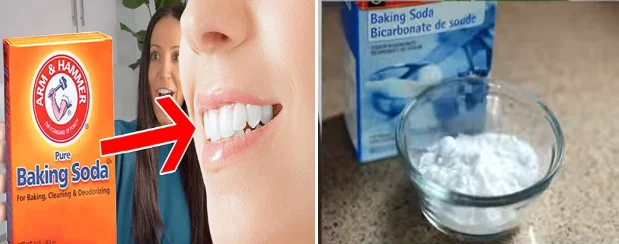
- How to clean your teeth with baking soda: Mix 1 tsp of baking soda with a few drops of water to make a paste. Brush 2–3 times a week.
- Want more power? Try baking soda and hydrogen peroxide together.
Note: Be mindful of baking soda teeth whitening dangers like enamel erosion with overuse. Start slow and monitor your results.
Baking soda, or sodium bicarbonate, works as a mild abrasive—it’s gentle enough to be found in many commercial toothpaste formulas, yet effective enough to physically buff away the thin film of surface stains that builds up from food and drinks. It also has a mildly alkaline pH, which can help neutralize the acids in your mouth that contribute to enamel wear in the first place, a particularly useful benefit for seniors who may already be dealing with thinner enamel or dry mouth from medications. The key word is “gentle”—because baking soda is abrasive, brushing with it every single day, or scrubbing too hard, can wear down enamel over time rather than protect it. Sticking to the recommended 2–3 times per week, using a soft-bristled brush and light pressure, gives you the polishing benefit without the long-term downside.
3. Banana Peel: Surprising but True!
Yes, a banana peel can whiten teeth! The inside of a banana skin contains potassium, magnesium, and manganese, which may help lighten surface stains.

- How to use: Rub the inside of a banana peel on your teeth for about 2 minutes, then brush normally.
- Some swear by the banana skin for teeth whitening trick—it’s harmless and free!
It’s worth setting realistic expectations here: the evidence behind the banana peel method is mostly anecdotal rather than backed by large clinical studies, and the minerals in banana peel are present in fairly small amounts. That said, the method is completely free, harmless to enamel, and a pleasant addition to a daily routine—worst case, it simply does nothing, and best case, the gentle rubbing action may help remove a thin layer of surface buildup similar to how a soft cloth polishes a countertop. For seniors looking for a no-risk, no-cost addition to their oral care routine, rubbing a banana peel on the teeth after meals for a couple of minutes is a safe habit to try, especially paired with the more evidence-backed methods on this list.
4. Can Salt Whiten Teeth?
Salt has abrasive and antibacterial properties. When mixed with baking soda, baking soda and salt for teeth cleaning makes a potent natural scrub.
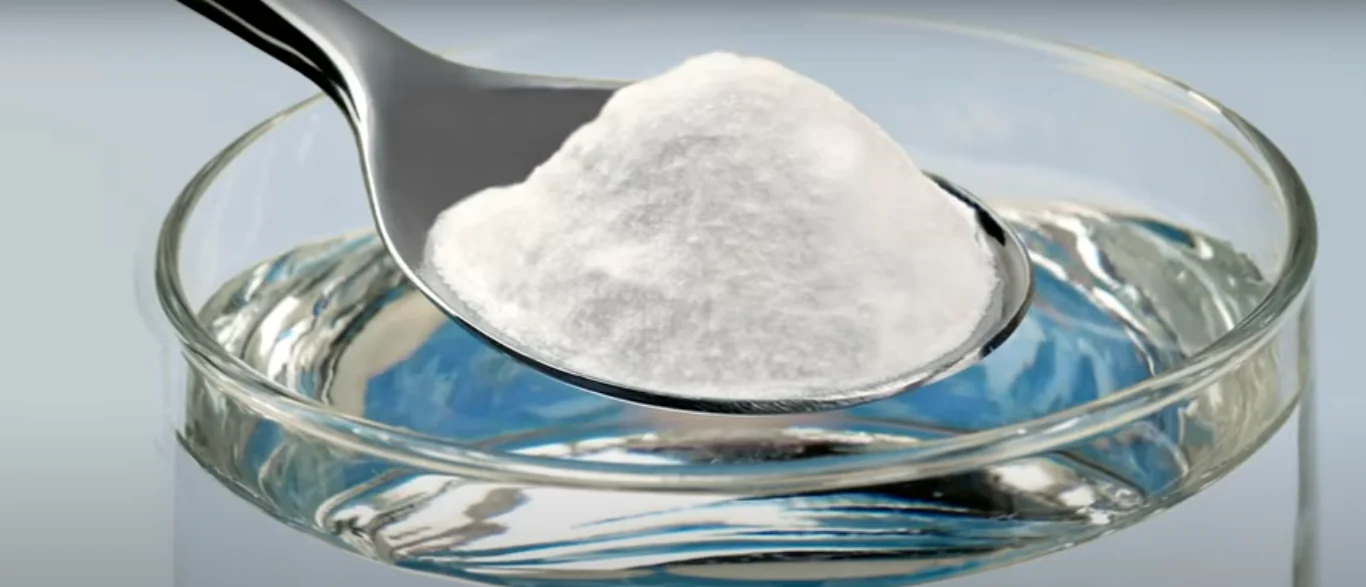
- Try brushing with baking powder and salt for teeth, but limit to 1–2 times per week to prevent enamel wear.
Salt has been used in oral care for centuries because of its mild antibacterial and abrasive qualities—it can help reduce the bacteria that contribute to plaque buildup and bad breath, in addition to providing a gentle polishing action. However, salt crystals are noticeably coarser than baking soda, which is exactly why this combination needs to be used sparingly. For seniors managing high blood pressure, it’s also worth noting that this method is for brushing only, not swallowing—a quick rinse and spit afterward ensures you’re not taking in extra sodium. If you have receding gums or sensitive teeth, a salt-based scrub may feel uncomfortable, and a gentler option like plain baking soda or hydrogen peroxide rinses may suit you better.
5. Eat More Fruits and Vegetables
Crunchy fruits and vegetables like apples, carrots, and celery help scrub your teeth naturally. They stimulate saliva production and promote oral hygiene.
- Best fruits and vegetables to eat daily: Apples, strawberries, carrots, broccoli
- These are also fruits and vegetables good for the heart, immune system, and skin!
Don’t forget the 5 a day fruit and veg rule—your teeth and whole body will thank you.
The “scrubbing” effect of crunchy produce is real, but the bigger benefit may be the saliva boost. Saliva is the mouth’s natural defense system—it helps wash away food particles, neutralizes acids produced by bacteria, and carries calcium and phosphate that help re-mineralize enamel. Chewing fibrous foods like apples and celery increases saliva flow, which is especially helpful for seniors, since saliva production naturally decreases with age and as a side effect of many common medications (including blood pressure drugs and antihistamines). Strawberries are also worth a special mention—some natural whitening enthusiasts mash them into a paste because they contain malic acid, which may help with surface stains, though they should be rinsed off promptly afterward since the acid can soften enamel temporarily if left on too long.
6. What to Avoid: Foods That Stain
While you’re working to whiten your teeth, avoid common staining culprits like coffee, red wine, and dark berries. Also, steer clear of foods that cause high potassium levels if you have related health conditions.
Coffee, tea, red wine, cola, and dark berries all contain pigmented compounds called chromogens, which can cling to the protective film on your enamel (the pellicle) and gradually deepen tooth discoloration over years of regular consumption. You don’t have to give these up entirely—a few simple habits make a big difference: drinking through a straw to limit contact with front teeth, rinsing with plain water shortly after, and waiting about 30 minutes before brushing (since brushing immediately after acidic drinks can spread the acid across enamel that’s temporarily softened). Balsamic vinegar and tomato-based sauces are other surprising staining culprits worth keeping in mind. None of this requires perfection—just a little awareness can meaningfully slow down new staining while your natural whitening routine works on existing discoloration.
7. Professional-Grade Natural Help: Opalescence Go
If you want something a bit stronger yet safe, Opalescence Go teeth whitening trays are a convenient and peroxide-based option that many dentists recommend for at-home use.
Pre-filled whitening trays like Opalescence Go bridge the gap between kitchen-cupboard remedies and a full in-office whitening treatment. They use a controlled, dentist-formulated concentration of peroxide in a tray that’s molded to fit comfortably over the teeth, which means more even contact and predictable results compared to brushing with a paste. For seniors with crowns, veneers, or dental work, it’s especially important to know that whitening products only work on natural tooth enamel—they won’t change the color of existing dental restorations, so it’s worth discussing expectations with your dentist if you have a mix of natural teeth and dental work. As with any whitening product, following the recommended frequency and duration on the packaging—and stopping if you notice persistent sensitivity—helps you get brighter results without discomfort.
Final Thoughts: Yes, You Can Whiten Teeth Naturally
From banana peels to using baking soda to whiten teeth, there are tons of natural options to brighten your smile. Just be mindful of frequency and technique to avoid enamel damage.
Still wondering how often should you brush your teeth with baking soda? Stick to 2–3 times per week max. Combine with a healthy diet rich in heart healthy fruits and vegetables for even better oral and overall health.
Smile bright—naturally!
The most important thing to remember is that natural whitening is a gradual process—most people notice a visible difference after 2 to 4 weeks of consistent, moderate use, not overnight. Patience and consistency matter more than intensity. If you have gum disease, deep cavities, or significant tooth sensitivity, it’s a good idea to have a dental checkup before starting any whitening routine, natural or otherwise, since whitening can sometimes make underlying issues more noticeable. For most healthy adults, though, these gentle, time-tested methods are a safe and affordable way to keep your smile looking its best for years to come.
Helpful Links:
- 100 Uses for Hydrogen Peroxide
- How to Use Baking Soda on Teeth Safely
- Best Foods for Glowing Skin
Frequently Asked Questions
Is it safe to whiten teeth naturally every day?
No. Most natural methods—like baking soda, salt, or hydrogen peroxide rinses—should be limited to 2–3 times per week. Daily use of abrasive ingredients can wear down enamel over time, so moderation is key to protecting your teeth while still brightening your smile.
How long does it take to see results from natural teeth whitening?
Most people notice a visible difference after 2 to 4 weeks of consistent use, a few times per week. Natural methods work gradually by lifting surface stains, so results build slowly rather than appearing overnight like some chemical treatments.
Can natural whitening methods damage dental work like crowns or veneers?
Natural whitening methods won’t damage crowns, veneers, or fillings, but they also won’t change their color, since whitening only affects natural enamel. If you have visible dental work on front teeth, talk to your dentist about options for an even appearance.
Why do my teeth feel sensitive after trying these methods?
Mild sensitivity can occur if abrasive ingredients like baking soda or salt are used too often, or if hydrogen peroxide is too concentrated. If sensitivity persists for more than a day or two, pause the routine and consult your dentist.
Are natural teeth whitening methods as effective as professional treatments?
Natural methods are gentler and slower, typically lightening surface stains rather than deeper discoloration. Professional treatments and products like peroxide-based trays offer stronger, more predictable results for those wanting a more noticeable change.
What foods should I eat more of for naturally whiter teeth?
Crunchy fruits and vegetables like apples, carrots, and celery help scrub away surface stains and boost saliva production, which naturally cleanses the mouth. Pairing these with a diet low in coffee, tea, and red wine supports a brighter smile over time.
⚕️ Medical Disclaimer
The information provided on this page is for educational purposes only and is not intended as medical advice, diagnosis, or treatment. Always consult a qualified healthcare professional before making changes to your diet, starting any supplement, or if you have an existing medical condition. KeepFitQuote does not provide medical diagnoses or treatment recommendations. Read our full disclaimer.
Related Posts