
Tired of stubborn belly fat? Discover the best natural ways to burn fat from your stomach using low-impact movement, smarter eating, stress control, and better sleep — all backed by science and designed for real life.

Why Belly Fat Is So Hard to Lose (and Why It Matters)
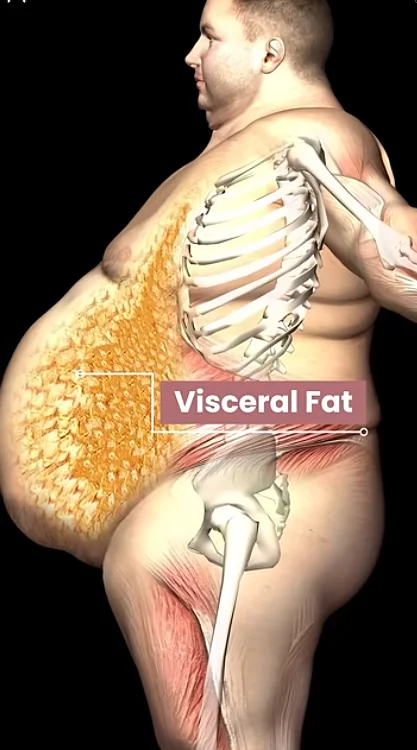
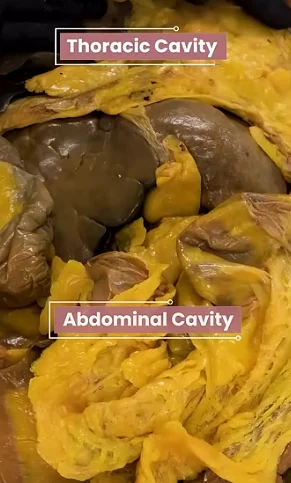
Belly fat isn’t just about appearance — it’s linked to serious health risks like heart disease, insulin resistance, and type 2 diabetes. The fat deep in your abdomen (visceral fat) is hormonally active and harder to shift than subcutaneous fat elsewhere.
So what’s the best way to really burn fat from your belly?
Let’s dive into real-world strategies that don’t involve magic pills or impossible workouts.
Visceral fat wraps around your internal organs — your liver, pancreas, and intestines — and actively releases inflammatory chemicals called adipokines. A 2019 review in Nature Reviews Endocrinology confirmed that visceral adiposity independently predicts cardiovascular disease risk even in people who aren’t significantly overweight overall. That’s why waist circumference (aim for under 35 inches for women, under 40 inches for men) is often a better health marker than the number on the scale.
The hormonal piece is key: visceral fat produces excess cortisol and inflammatory cytokines that blunt insulin sensitivity, promote further fat storage in the abdomen, and raise triglycerides. This self-reinforcing cycle means belly fat begets more belly fat without intervention. The encouraging news is that visceral fat responds to lifestyle change faster than most people expect — studies show measurable reduction within 6–8 weeks of consistent healthy habits, even before the scale moves dramatically.
For adults over 50, the challenge is compounded by hormonal shifts: declining estrogen in women after menopause redistributes fat toward the abdomen, while falling testosterone in men reduces muscle mass that would otherwise help burn calories. This doesn’t mean belly fat is inevitable — it means the strategies below matter even more with age.
1. Focus on Whole Body Fat Reduction First
There’s no such thing as “spot reduction,” meaning you can’t burn just belly fat alone. You’ll need to reduce overall body fat through consistent lifestyle habits, and your belly will follow.
The best approach is a mix of low-impact cardio (like walking, cycling, or hiking) paired with gentle strength training to preserve and build lean muscle — which boosts your resting metabolism.

The spot-reduction myth is one of the most persistent in fitness culture — and one of the most thoroughly debunked. A 2011 study in the Journal of Strength and Conditioning Research found that six weeks of abdominal exercises alone produced no measurable reduction in belly fat compared to a control group. Fat loss is systemic: your body draws on fat stores from across the entire body, determined by genetics, hormones, and overall energy balance — not by which muscles you’re working.
What does work is creating a modest caloric deficit (about 300–500 calories per day) through a combination of diet and movement — large enough to drive fat loss but small enough to preserve muscle and metabolic rate. Preserving muscle is critical: every pound of lean muscle burns roughly 6–10 extra calories per day at rest. For a 50+ adult who may have lost 5–10 lbs of muscle over the previous decade, rebuilding even half of that can meaningfully shift the metabolism.
Aim for 150–300 minutes of moderate-intensity cardio per week (brisk walking fully qualifies) combined with two resistance training sessions. A 2022 meta-analysis in Obesity Reviews found this combination produced significantly greater visceral fat reduction than either exercise type alone — making it the gold standard for belly fat loss at any age.
2. Improve Gut Health First, Burn Belly Fat Later
Bloating and stubborn belly fat often go hand in hand. An unhealthy gut microbiome leads to inflammation, poor digestion, and slower metabolism — all of which contribute to belly fat accumulation.
Drink warm lemon water with ginger in the morning to support digestion.

The gut-belly fat connection is more than cosmetic. Research published in Cell (2015) by the Weizmann Institute found that individuals with low gut microbiome diversity showed greater blood sugar spikes after meals, higher levels of systemic inflammation, and more fat accumulation — even on identical diets. Two people can eat the same meal and have completely different metabolic responses based on their gut bacteria profile.
Fermented foods — yogurt with live cultures, kefir, kimchi, sauerkraut, and miso — introduce beneficial bacteria that help diversify the microbiome and reduce intestinal inflammation. Even just one serving of fermented food per day has been shown in a Stanford University study to increase microbiome diversity over 10 weeks. Diverse microbiomes produce more short-chain fatty acids (SCFAs) like butyrate, which reduce gut inflammation and improve insulin sensitivity — both directly relevant to belly fat.
If bloating is a persistent issue, consider keeping a two-week food diary to identify trigger foods. Common culprits in adults over 50 include lactose (dairy), fructose (apples, pears, dried fruit), and certain fermentable fibers (onions, garlic, beans). An elimination approach guided by a registered dietitian can resolve chronic bloating that may be masking actual fat-loss progress.
3. Eat to Beat Belly Fat: Not Less, Just Smarter
Instead of starving yourself, try this:
Eat more protein early in the day

Cut back on refined carbs (white bread, sugary snacks)

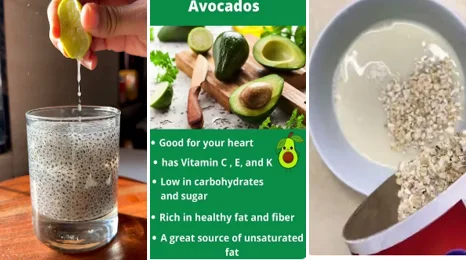
Add more soluble fiber (chia seeds, avocado, oats)
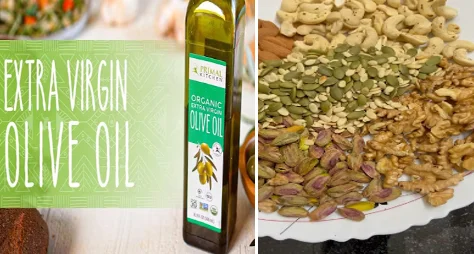
Don’t skip healthy fats (like olive oil and nuts)
This combo helps keep blood sugar stable, which is key for burning fat — especially around the waist.
Protein is the most powerful dietary lever for belly fat loss, and it works through multiple mechanisms. It raises satiety hormones (GLP-1, PYY) and suppresses ghrelin (the hunger hormone) more effectively than carbohydrates or fat. It has the highest thermic effect of any macronutrient — your body burns 20–30% of protein calories just digesting it. And it preserves muscle mass during a caloric deficit, keeping metabolism elevated. Aim for 25–35 grams of protein at breakfast specifically: a 2020 study in the American Journal of Clinical Nutrition found that a high-protein morning meal reduced total daily calorie intake by an average of 441 calories compared to a low-protein breakfast.
Refined carbohydrates deserve special attention because they spike insulin rapidly and repeatedly — and insulin is the primary fat-storage hormone. Chronically elevated insulin keeps your body in “store” mode rather than “burn” mode. Replacing refined carbs with whole grains, legumes, and vegetables smooths out blood sugar curves and keeps insulin in a range that allows fat oxidation. You don’t need to eliminate carbs entirely — just choose slower-digesting ones most of the time.
The Mediterranean diet pattern — rich in olive oil, fish, legumes, whole grains, vegetables, and moderate amounts of red wine — has the strongest evidence base for reducing visceral fat specifically. A 2020 trial in Gut found that Mediterranean diet adherence reduced visceral adiposity and improved microbiome diversity simultaneously, making it the most comprehensively supported dietary pattern for belly fat reduction in older adults.
4. Walk Every Day — Yes, Just Walk
You don’t need intense gym workouts to get lean. Walking 45 minutes a day, preferably after meals, has been shown to reduce visceral fat significantly over 12 weeks.
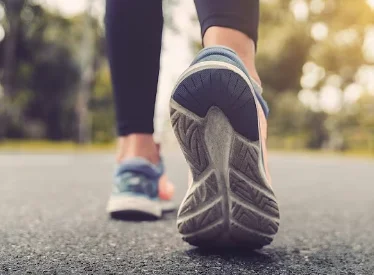
It’s also one of the most underrated fat-burning tools that anyone can do, regardless of age or fitness level.
Post-meal walking — even just 10–15 minutes — is one of the most evidence-backed belly fat strategies available. A 2022 study in Sports Medicine found that three 10-minute walks after meals lowered 24-hour blood glucose levels more effectively than a single 30-minute walk, with the largest effect on the post-dinner spike, which is typically the highest of the day. Lower post-meal glucose means less insulin release, less fat storage, and — over weeks — measurable reduction in visceral fat.
Walking also directly targets belly fat through its effect on cortisol regulation. Unlike high-intensity exercise, which temporarily spikes cortisol, moderate-paced walking lowers cortisol levels and activates the parasympathetic nervous system. For adults whose belly fat is partly driven by chronic stress, this dual action — caloric burn plus cortisol reduction — makes walking uniquely effective.
To progress without strain, try adding 5 minutes per week until you reach 45–60 minutes daily. Varying terrain (hills, grass, uneven paths) increases muscle engagement and caloric burn without increasing perceived effort. A simple step goal — 8,000–10,000 steps per day — is a practical way to track consistency if you wear a fitness watch or use a phone pedometer.
5. Control Cortisol: The Belly Fat Hormone
High stress = high cortisol. And guess where cortisol loves to store fat? Your belly.
Reduce stress through:
Deep breathing before bed

Morning sunlight exposure

Short screen-free walks in nature

Magnesium-rich foods (almonds, pumpkin seeds, leafy greens)
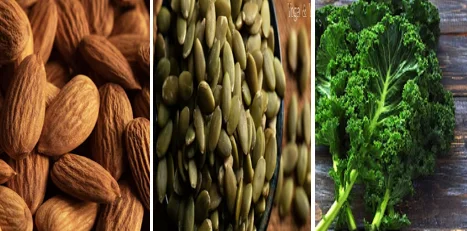
Cortisol’s relationship with belly fat is one of the best-established mechanisms in metabolic science. Cortisol stimulates gluconeogenesis (converting muscle protein into glucose), promotes lipogenesis (fat cell creation), and — critically — directs new fat deposits preferentially toward visceral tissue because visceral fat cells have a higher density of cortisol receptors than subcutaneous fat cells. This is why chronic stress produces a distinctly “central” pattern of weight gain: fat accumulates around the abdomen even when total caloric intake hasn’t increased.
Diaphragmatic breathing (slow 4-7-8 breathing: inhale for 4 counts, hold for 7, exhale for 8) activates the vagus nerve and shifts the autonomic nervous system from sympathetic (“fight or flight”) to parasympathetic (“rest and digest”) within minutes. Practicing this for just 5–10 minutes before sleep has been shown to lower evening cortisol, improve sleep quality, and — over 8 weeks — reduce waist circumference in adults with metabolic syndrome.
Morning sunlight exposure anchors your circadian rhythm by suppressing melatonin and calibrating cortisol’s natural peak to the early morning hours (when it should be highest). This reduces the likelihood of cortisol spikes later in the day and evening — when stress-driven eating and fat storage are most damaging. Even 10–15 minutes of outdoor morning light exposure can meaningfully improve circadian alignment within two weeks.
Long-term stress can raise cortisol, and high cortisol is linked with more fat around the belly. Better sleep, regular walks and simple relaxation habits help keep stress hormones in check. Learn more in our guide to cortisol damage and how to lower high cortisol.
6. Prioritize Sleep Like It’s Your Job
Poor sleep quality leads to more cravings, more fat storage, and less fat burning. Aim for:
7.5–8.5 hours of sleep

No caffeine after 2 PM
Cool, dark bedroom

No late-night screen time

Even just one week of improved sleep can flatten your belly noticeably.
The sleep-belly fat connection runs through two key hormones: ghrelin and leptin. Sleep deprivation raises ghrelin (hunger hormone) by up to 28% and suppresses leptin (satiety hormone) by 18%, according to a landmark study in PLOS Medicine. This hormonal shift produces an average of 385 extra calories consumed the following day — almost entirely in the form of high-carbohydrate, high-fat comfort foods. Over a week of poor sleep, that’s 2,700 extra calories — enough to add nearly a pound of fat without any other changes.
Keeping the bedroom cool (around 65–67°F / 18–19°C) activates brown adipose tissue, a calorie-burning form of fat that generates heat. A 2014 NIH study found that sleeping in a cool room for one month increased brown fat activity by 42% and improved insulin sensitivity measurably — a meaningful metabolic benefit from nothing more than a thermostat adjustment.
Blue light from screens suppresses melatonin production for up to three hours after exposure, delaying sleep onset and reducing the proportion of deep sleep. A practical workaround: enable “night shift” or “warm color” mode on all devices after 8 PM, and aim for a 20-minute screen-free wind-down routine before bed. Blue-light-blocking glasses are also an option and have research support for improving sleep quality in screen-heavy households.
7. Hydration: The Overlooked Fat-Burning Trick
Many people confuse thirst with hunger, leading to overeating. Staying hydrated:
- Supports metabolism
- Improves digestion
- Helps detox excess water weight from the belly
Start your day with a tall glass of water and sea salt, then sip water throughout the day.

Water is directly involved in lipolysis — the metabolic process by which stored fat is broken down for energy. Every fat molecule requires water molecules to be metabolized through hydrolysis; mild dehydration measurably slows this process. A 2016 study in Frontiers in Nutrition found that adults who increased daily water intake by 1.5 liters lost an additional 4.4 lbs over 12 weeks compared to a control group following the same diet — without any other changes.
Drinking 500ml (about 16 oz) of water 30 minutes before meals has been shown in multiple trials to reduce meal-time calorie intake by 13% by increasing stomach volume and signaling fullness. For a 50+ adult eating three meals per day, this single habit could reduce daily intake by 150–200 calories — adding up to 1,000–1,400 fewer calories per week with essentially zero effort beyond filling a glass.
The pinch of sea salt in your morning water serves a specific purpose: it provides sodium and trace minerals (magnesium, potassium) that support cellular hydration and adrenal function. Many people who feel perpetually fatigued in the morning are mildly sodium-deficient, particularly if they follow a whole-food diet low in processed foods. This small addition helps the water you drink actually enter your cells rather than passing straight through.
Sample Belly Fat-Busting Day Plan
Morning:
Warm lemon water with ginger

30-minute walk
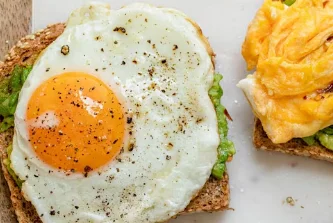
High-protein breakfast (eggs + avocado toast)
Afternoon:
Salad with olive oil, salmon, and nuts

10-minute outdoor walk post-meal

Evening:
Light dinner (grilled chicken, steamed broccoli)

Herbal tea (peppermint or chamomile)

20-minute wind-down with no screens

This day plan works because it stacks multiple belly fat-reducing mechanisms together rather than relying on any single strategy. The morning lemon-ginger water stimulates bile production and digestive enzyme activity, setting up better fat digestion for the rest of the day. The protein-forward breakfast stabilizes blood sugar for 4–6 hours, preventing the mid-morning cortisol spike that drives snacking. The two brief walks (morning and post-lunch) target visceral fat through both caloric burn and cortisol regulation without requiring gym access or special equipment.
The evening choices are where many belly fat efforts quietly succeed or fail. Chamomile and peppermint teas contain apigenin and menthol respectively, both of which support parasympathetic nervous system activity and reduce evening cortisol. Ending the day with a screen-free wind-down and early dinner (ideally by 7–7:30 PM) aligns eating with circadian biology: the body’s insulin sensitivity drops by roughly 25% after 8 PM, meaning late-evening meals are far more likely to be stored as fat regardless of their nutritional content.
Use this as a template, not a rigid prescription. If your schedule requires dinner later, shift the entire plan 1–2 hours forward. The ratios and sequencing matter more than the exact clock times.
Final Thoughts: Real Results Come from Real Habits
No gimmicks. No “7-day belly fat hacks.” Just science-backed, sustainable daily choices that reset your metabolism, reduce inflammation, and let your body do what it’s designed to do — burn stored fat for energy.
So, if you’re wondering what is the best way to burn fat from belly, start with small shifts that actually stick: walk more, sleep better, eat smarter, and manage stress. Over weeks, those small shifts compound into real, visible change.
🔍 Frequently Asked Questions (FAQs)
Q: What’s the fastest way to burn belly fat without gym?
Daily walking, cutting sugar, and better sleep are the three highest-impact non-gym strategies. Combined, they address the three root causes of visceral fat accumulation: excess caloric intake, hormonal disruption, and low activity.
Q: Can you lose belly fat by changing food only?
Yes, diet plays a huge role. Focus on protein, fiber, and healthy fats while cutting refined carbs and sugars. Diet alone can reduce visceral fat — but adding movement accelerates results and preserves muscle mass that diet alone may erode.
Q: What time of day is best to burn belly fat?
Morning walking and eating a protein-heavy breakfast can set your metabolism and cortisol rhythm for the day. Post-meal walks — especially after dinner — are the most effective single-session intervention for reducing daily blood sugar and fat storage.
Q. What is the most natural way to reduce belly size?
The most natural way is to combine slow cardio (walking), high-fiber eating, adequate sleep, and cortisol management through stress reduction techniques. These four levers work synergistically and have the strongest combined evidence base.
Q. How long does it take to lose stubborn lower belly fat?
For most people, visible changes in lower belly fat appear within 4–8 weeks of consistent lifestyle changes. Visceral fat responds faster than subcutaneous fat — internal health markers often improve measurably within 2–3 weeks even before visible changes appear.
Q. What is the best morning drink to flatten belly?
Warm lemon water with ginger and a pinch of pink salt supports digestion, reduces bloating, and jumpstarts hydration. Green tea is a strong second choice: its combination of caffeine and EGCG (a catechin antioxidant) has been shown in meta-analyses to modestly increase fat oxidation.
Q. Does belly fat go away with walking only?
Walking alone can reduce belly fat — especially if done consistently for 45+ minutes daily — but combining it with dietary changes produces faster and more lasting results. Walking is the foundation; nutrition is the amplifier.
Q. Which fruit burns belly fat fast?
Avocados, grapefruit, and kiwi are excellent for trimming the waist. Avocado’s monounsaturated fats reduce visceral fat; grapefruit lowers insulin levels; kiwi’s vitamin C and fiber support cortisol metabolism and gut health simultaneously.
Q. Can you burn belly fat without crunches or sit-ups?
Yes! In fact, crunches don’t burn belly fat at all — they strengthen the underlying muscles but have no effect on the fat layer above them. Walking, swimming, cycling, and full-body resistance exercises are far more effective for belly fat reduction.
Q. Why do some people have belly fat even when thin?
It’s often caused by stress, poor sleep, or hormonal imbalances — not calories. “Skinny fat” (normal weight but high visceral fat) is a recognized metabolic risk pattern, and these individuals benefit just as much from the lifestyle strategies above.
Q. Does drinking more water reduce belly fat?
Drinking water helps the body flush out toxins and supports fat metabolism directly through lipolysis. It also reduces false hunger signals and pre-meal calorie intake. Aim for at least 8 cups daily, more if you’re active or in a warm climate.
Q. What foods should I avoid to lose belly fat fast?
Skip refined carbs, sugar-sweetened drinks, processed meats, trans fats, and excess alcohol. These foods raise insulin, promote inflammation, and directly stimulate visceral fat storage. Alcohol deserves special mention: it’s metabolized before fat, essentially pausing fat-burning for hours after consumption.
Q. Is sleep important for belly fat loss?
Absolutely. Sleep affects cortisol levels, hunger hormones (ghrelin and leptin), and insulin sensitivity — all three of which directly govern where and how much fat your body stores. Consistently poor sleep can undermine even an excellent diet and exercise program.
⚕️ Medical Disclaimer
The information provided on this page is for educational purposes only and is not intended as medical advice, diagnosis, or treatment. Always consult a qualified healthcare professional before making changes to your diet, starting any supplement, or if you have an existing medical condition. KeepFitQuote does not provide medical diagnoses or treatment recommendations. Read our full disclaimer.
Related Posts







Pingback: Build Muscle After 60 with Cheap Everyday Foods
Very nice post. I just stumbled upon your weblog and wished to say that I’ve really enjoyed browsing your blog posts. After all I’ll be subscribing to your feed and I hope you write again soon!
you are really a good webmaster. The web site loading speed is incredible. It seems that you’re doing any unique trick. Also, The contents are masterpiece. you have done a excellent job on this topic!