What Should I Eat to Gain Muscle After 60? The Complete Sarcopenia Prevention Guide
⚡ The Quick Answer (Sarcopenia Recovery Protocol)
- Protein Target: Aim for 1.2 to 1.6 grams of protein per kilogram of body weight daily (about 90–120g for a 165lb adult).
- The 30g Trigger: Consume 30–35g of protein per meal to override age-related anabolic resistance.
- Top Muscle Foods: Pasteurized whole eggs, wild-caught salmon, Greek yogurt, chicken breast, and whey isolate.
- Key Amino Acid: Get 2.5–3g of Leucine per meal to trigger muscle protein synthesis.
- Co-Factor: You must pair this diet with resistance/strength training 2–3 times per week.
📋 Table of Contents
- 👉 Why Muscle Loss (Sarcopenia) Accelerates After 60
- 👉 The 3-Step Nutrition Formula for Senior Muscle Growth
- 👉 What to Eat to Gain Muscle After 60: The Food Chart
- 👉 How Plant-Based Seniors Can Maximize Muscle Gains
- 👉 Omega-3 Fatty Acids: Reducing Muscle-Wasting Inflammation
- 👉 Special Considerations for Women Over 60
- 👉 Resistance Training: The Essential Co-Factor
- 👉 Frequently Asked Questions
- 👉 Scientific References & Sources
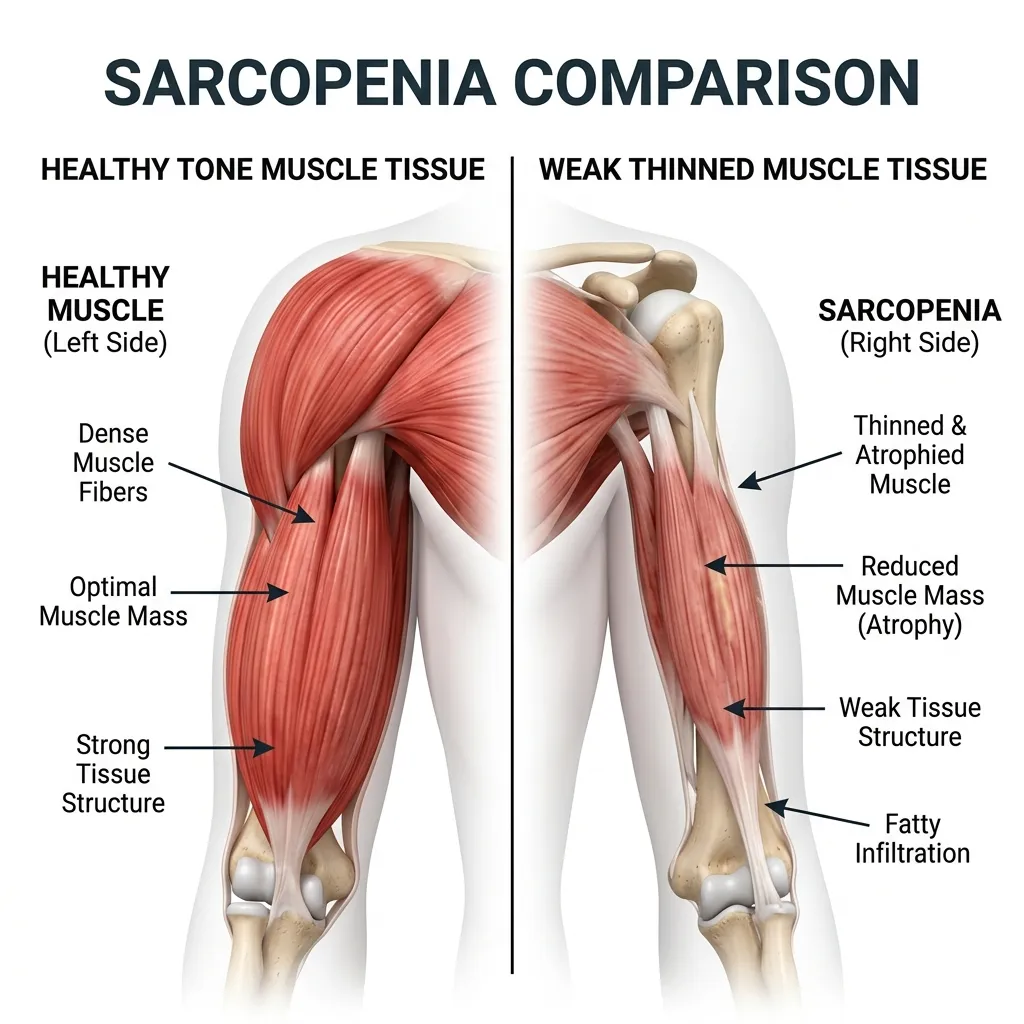
As we cross the age of 60, our bodies undergo a quiet, biological shift that directly impacts our physical strength, independence, and long-term vitality. This transition is known as sarcopenia—the natural, age-related loss of skeletal muscle mass and function. Left unchecked, sarcopenia increases the risk of falls, slows down metabolism, and compromises joint stability. According to the National Institutes of Health (NIH), preserving skeletal muscle mass is one of the most critical factors for maintaining metabolic health and mobility in aging populations.
However, muscle loss is not an inevitable part of aging. Modern nutritional science confirms that by adjusting what you eat, when you eat it, and how you train, you can effectively halt and even reverse muscle decay, paving the way for decades of active, functional longevity.
Why Muscle Loss (Sarcopenia) Accelerates After 60
Starting in our 30s, we begin to lose roughly 3% to 5% of our muscle mass per decade. Once we reach 60, this process accelerates rapidly. The primary biological culprit behind this acceleration is a condition called anabolic resistance.
In our younger years, even small amounts of protein are enough to stimulate muscle growth. However, aging muscles become resistant to these signal molecules. It takes a much higher concentration of amino acids in the bloodstream to trigger the body’s muscle-building machinery. If you continue eating the same portion sizes as you did in your 30s, your body will actually break down skeletal muscle to meet its basic cellular needs.
The 3-Step Nutrition Formula for Senior Muscle Growth
To overcome anabolic resistance, senior nutrition requires a highly targeted, strategic approach. You cannot simply eat more protein at random; you must optimize for quality, portion size, and specific amino acids.
1. Target High-Bioavailability Proteins
Not all proteins are created equal. To rebuild aging muscle, you must prioritize proteins with high bioavailability—meaning they are easily digested, absorbed, and utilized by the body. Animal proteins naturally rank highest on the biological value scale, as they contain a complete profile of essential amino acids in the exact proportions your body needs.
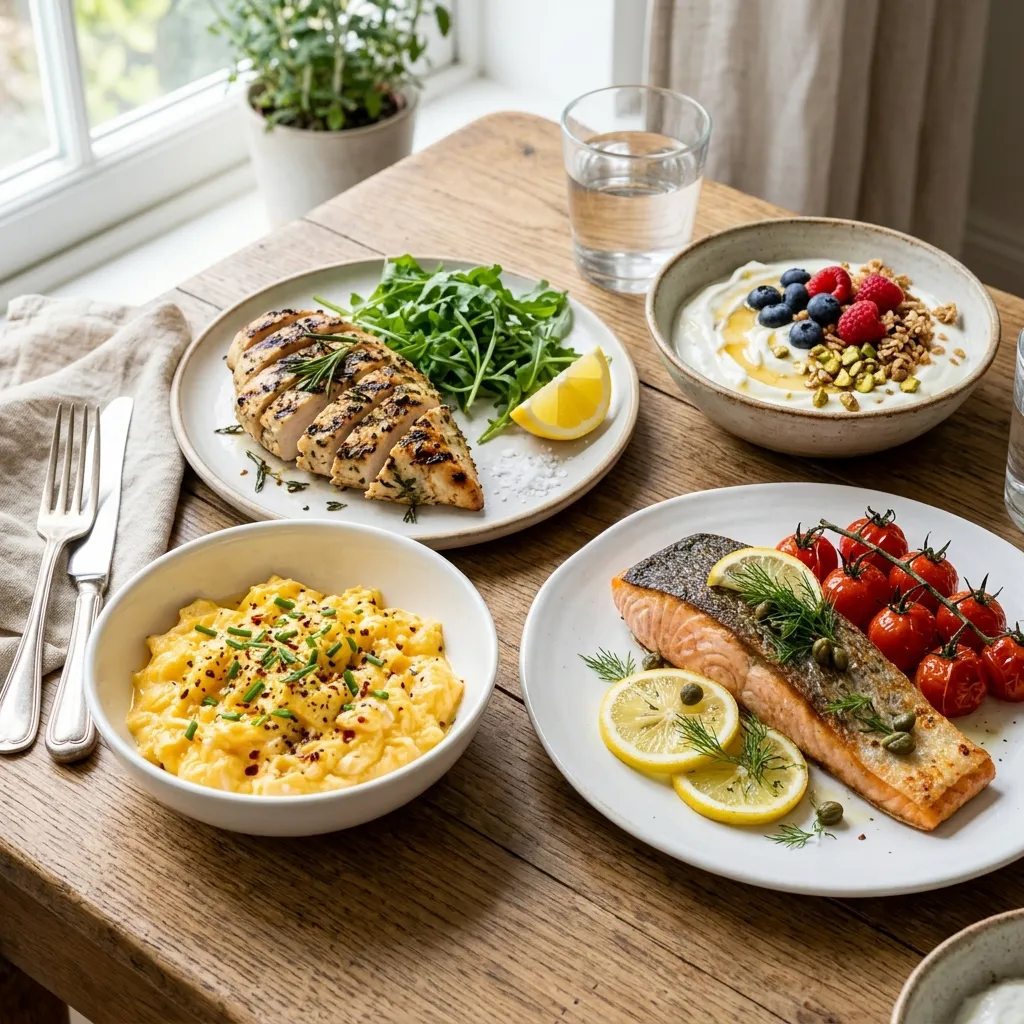
For seniors, digestibility is key. Lean meats, fish, eggs, and dairy (specifically Greek yogurt) are the gold standards. They are rich in muscle-building blocks and gentle on the aging digestive tract. Proper digestion and healthy blood circulation are essential to transport these amino acids directly to your muscles.
2. Time Your Protein Intake (The 30g Trigger)
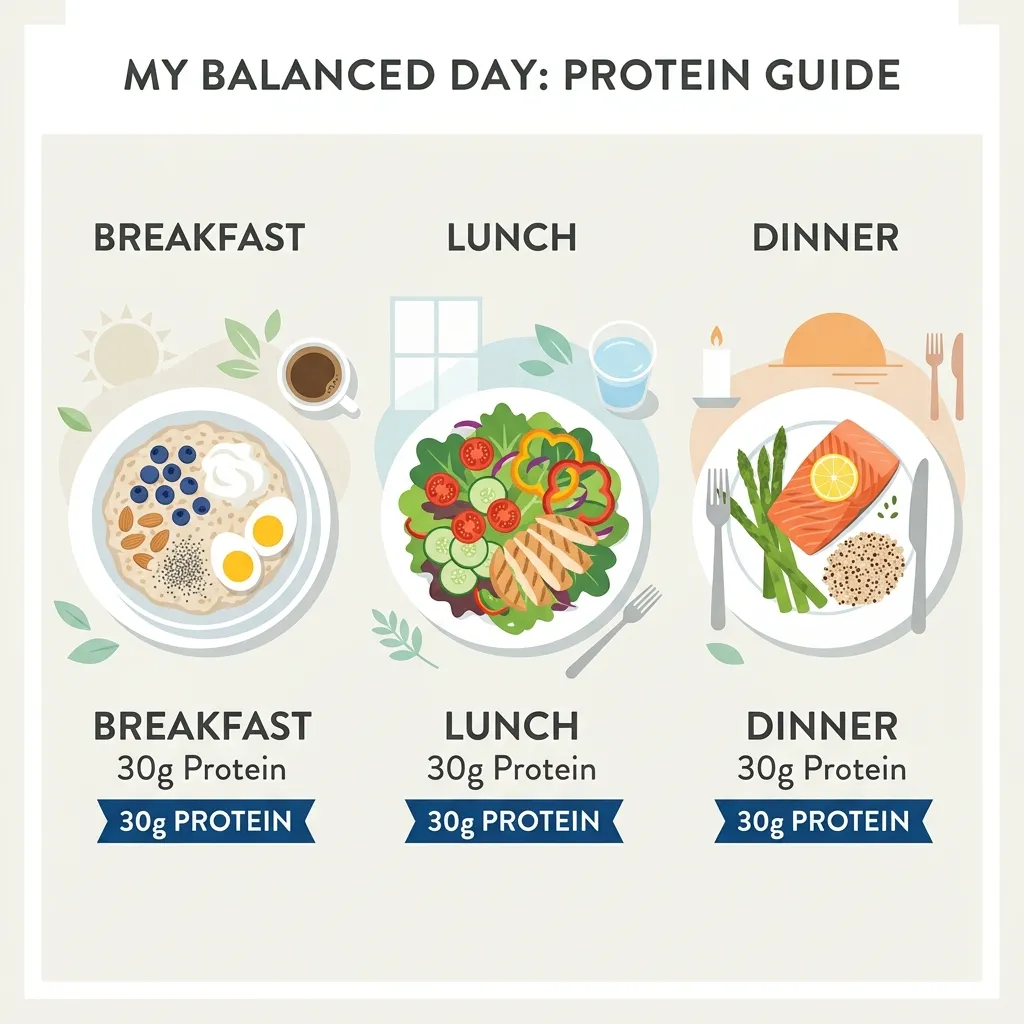
One of the most common mistakes seniors make is eating a low-protein breakfast, a moderate-protein lunch, and a massive protein-heavy dinner. This uneven distribution fails to build muscle.
To override anabolic resistance, your muscles need a “threshold” dose of protein all at once. Nutritional studies published in the Journal of the American Dietetic Association show that seniors must consume at least **30 to 35 grams of protein in a single meal** to trigger muscle protein synthesis. Spreading this dose evenly across three meals ensures your body stays in an active muscle-building state throughout the day.
3. Feed Your Muscle-Synthesizing Nutrients (The Leucine Key)
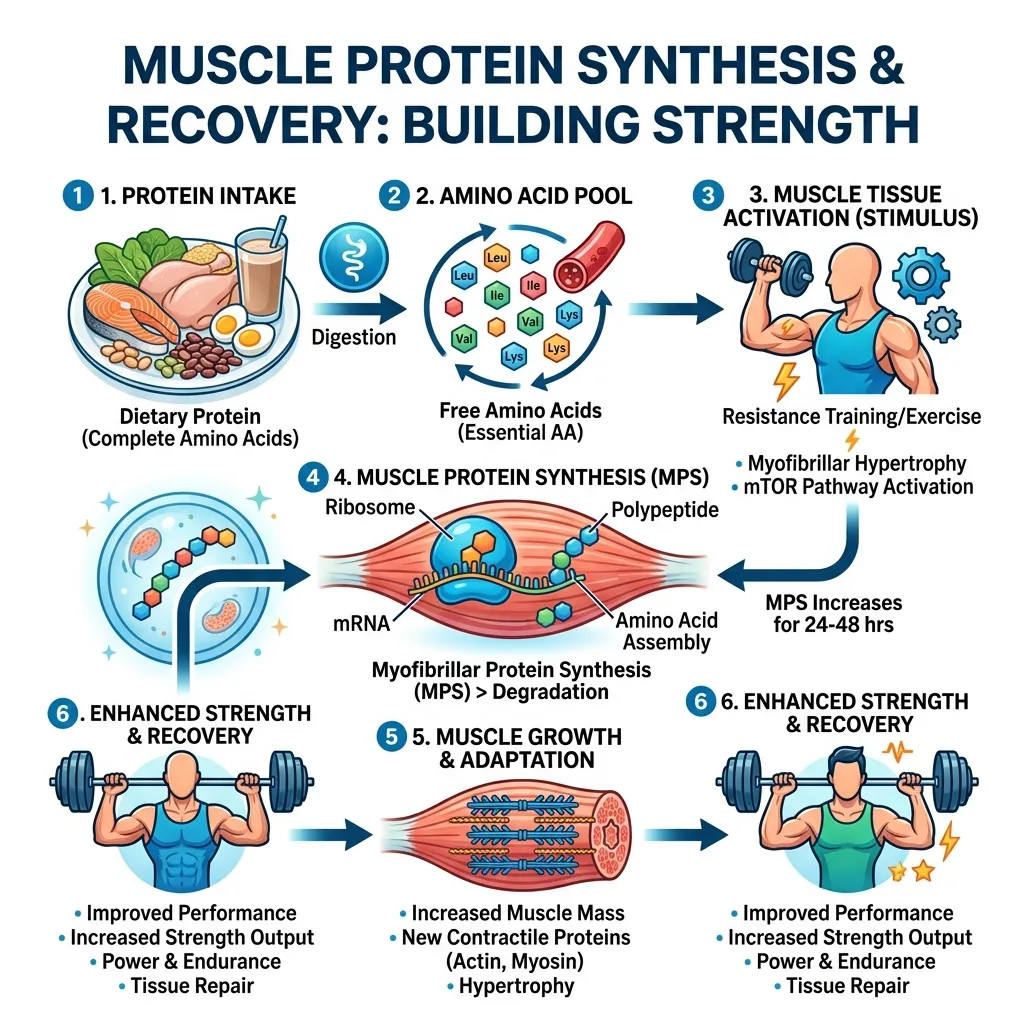
If protein is the building block of muscle, the essential amino acid Leucine is the light switch that turns on the construction crew. Leucine directly activates a cellular pathway called mTOR, which initiates muscle protein synthesis.
Research confirms that seniors require 2.5 to 3 grams of Leucine per meal to flip this switch. Excellent sources include raw eggs, wild salmon, and high-quality grass-fed whey protein isolate, which can be easily added to morning smoothies.
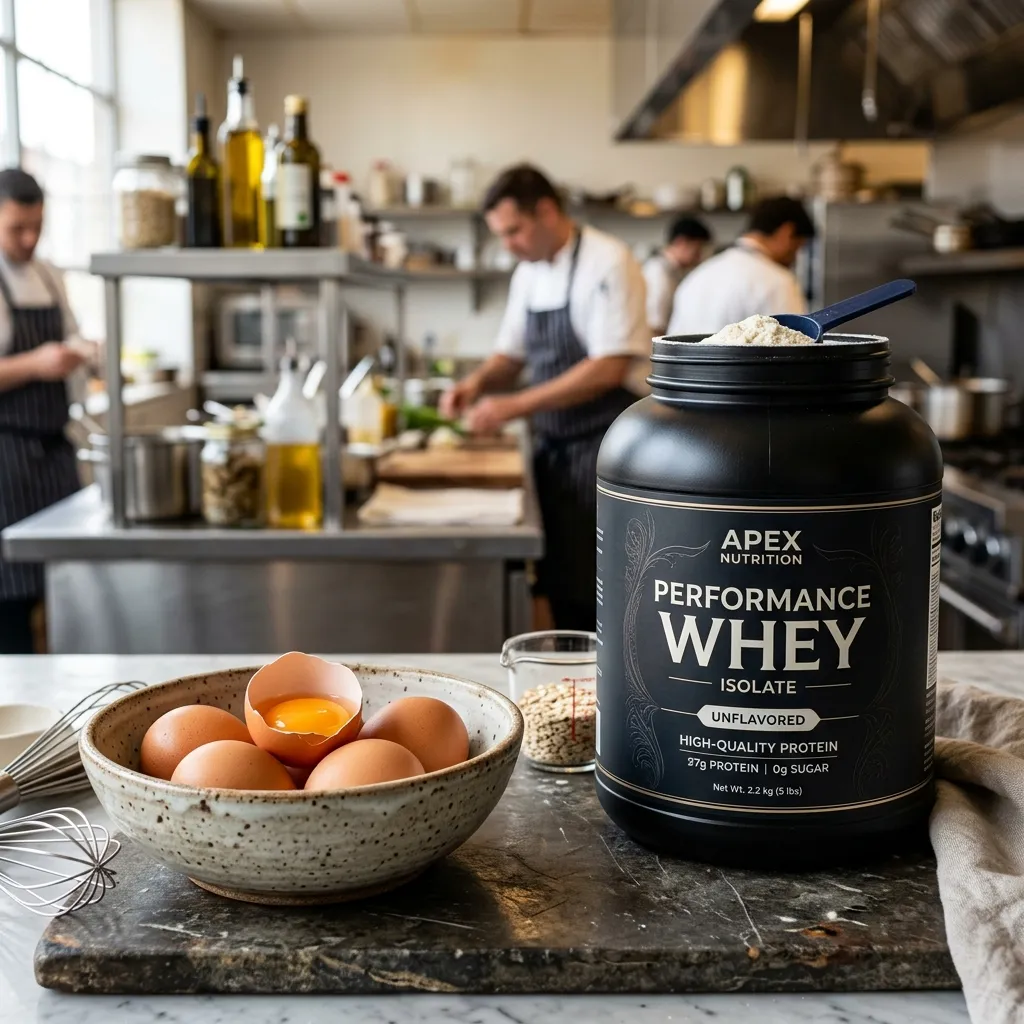
What to Eat to Gain Muscle After 60: The Food Chart
Here is a detailed comparison of the best, most bioavailable foods for muscle synthesis, structured specifically for senior digestibility and leucine content:
| Food Source | Protein / Serving | Leucine / Serving | Digestibility & Benefits for 60+ |
|---|---|---|---|
| Whey Protein Isolate (1 scoop) | 25g | 2.5g | Excellent. Fast-absorbing, low-lactose, perfect post-exercise. |
| Pasteurized Eggs (3 large) | 18g | 1.6g | Excellent. Highest biological value; soft texture makes it easy to chew. |
| Plain Greek Yogurt (1 cup) | 20g | 1.8g | Good. Rich in calcium and gut-friendly probiotics for nutrient absorption. |
| Wild-Caught Salmon (4 oz) | 25g | 2.0g | Good. Packed with anti-inflammatory Omega-3 fats that ease joint pain. |
| Organic Tofu (1 cup block) | 20g | 1.4g | Moderate. Soft, plant-based complete protein. Lower leucine trigger. |
How Plant-Based Seniors Can Maximize Muscle Gains
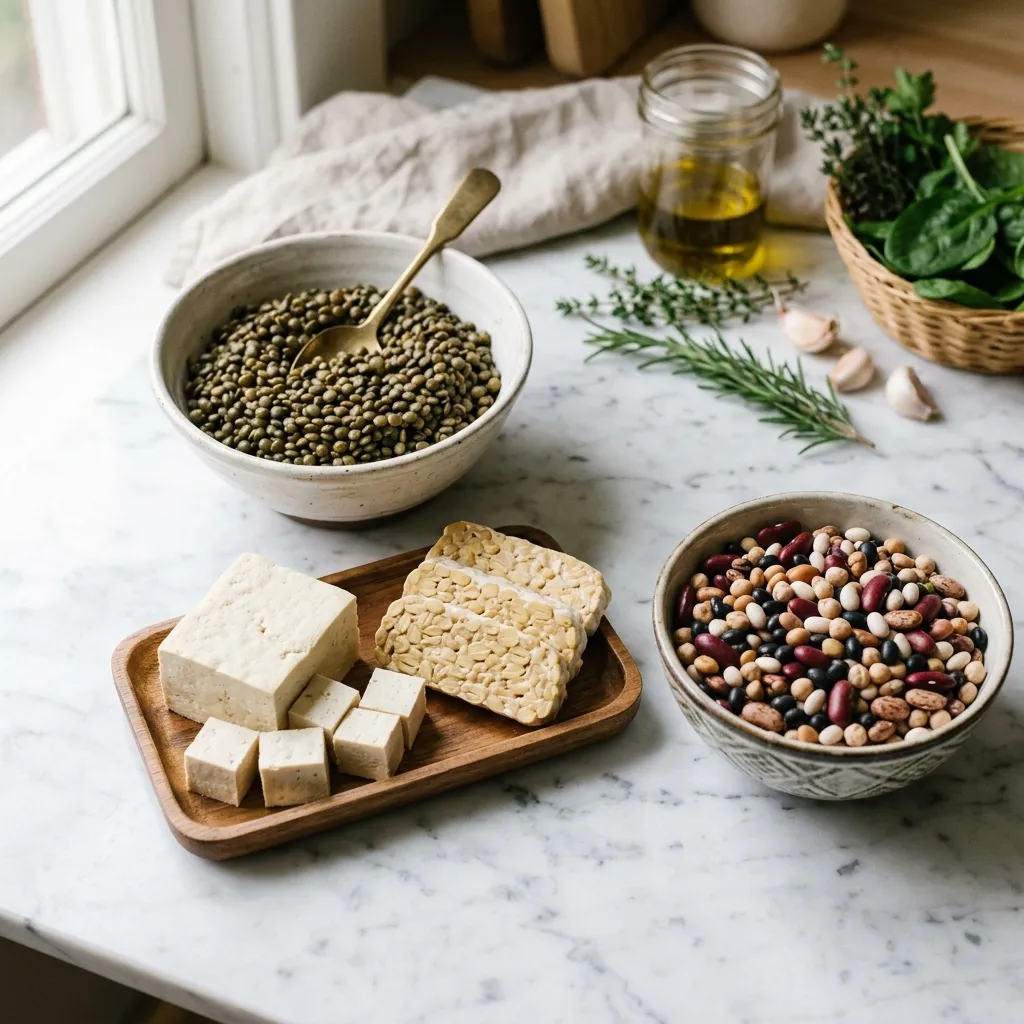
If you follow a vegetarian or vegan lifestyle, building muscle after 60 requires a bit more planning. Plant-based proteins generally contain fewer essential amino acids and have a lower Leucine content compared to animal sources. Furthermore, plant fibers can slightly reduce overall protein absorption.
To overcome this, plant-based seniors should focus on complete plant proteins like tofu, tempeh, and quinoa. Additionally, combining legumes (beans, lentils) with grains (brown rice) creates a complete amino acid profile. You may also benefit from a plant-based protein powder blend (like pea and rice protein) to reach the 3g Leucine threshold without overeating calories.
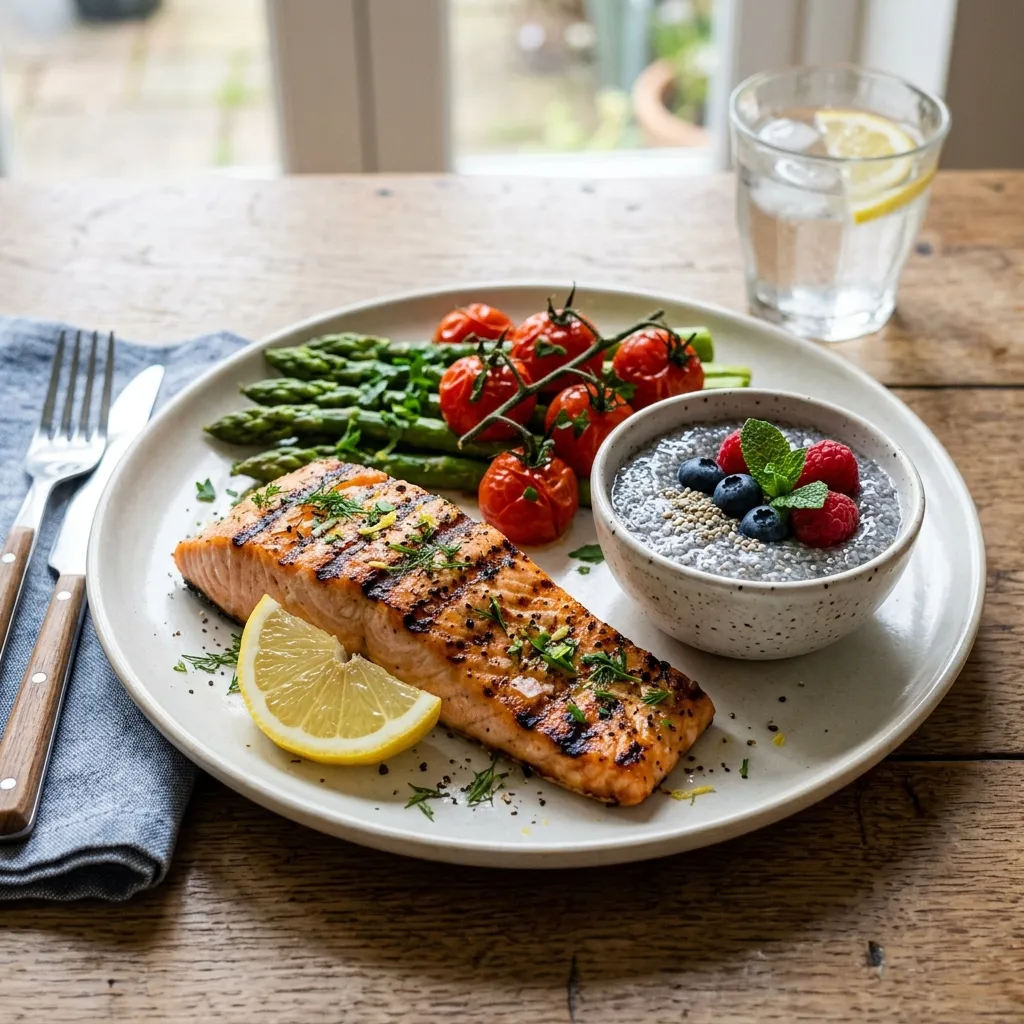
Omega-3 Fatty Acids: Reducing Muscle-Wasting Inflammation
Chronic, low-grade systemic inflammation is a silent driver of sarcopenia. As we age, elevated inflammatory markers (like IL-6 and TNF-alpha) actively break down muscle tissue. This is where Omega-3 fatty acids play a critical, protective role. Incorporating an anti-inflammatory joint pain relief diet that cuts back on processed sugars is a powerful way to reduce this systemic strain and keep muscle fibers healthy.
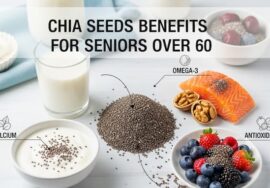
Omega-3s, found abundantly in wild salmon, chia seeds, and walnuts, act as natural anti-inflammatories. They help sensitize aging muscles to the amino acids in your diet, making muscle synthesis more efficient. Aim for at least two servings of fatty fish per week or include a high-quality fish oil or algal oil supplement daily.
Special Considerations for Women Over 60
For women over 60, estrogen decline post-menopause accelerates muscle and bone density loss. Estrogen plays a vital role in muscle cell regeneration and insulin sensitivity. When estrogen drops, women become even more susceptible to anabolic resistance.
Therefore, senior women must be especially diligent about meeting their daily protein targets. Adequate protein not only protects muscle mass but also stimulates the production of collagen, which keeps joints flexible and supports bone structure. Pairing protein intake with resistance exercise is critical for post-menopausal women to maintain metabolic health and skeletal integrity.
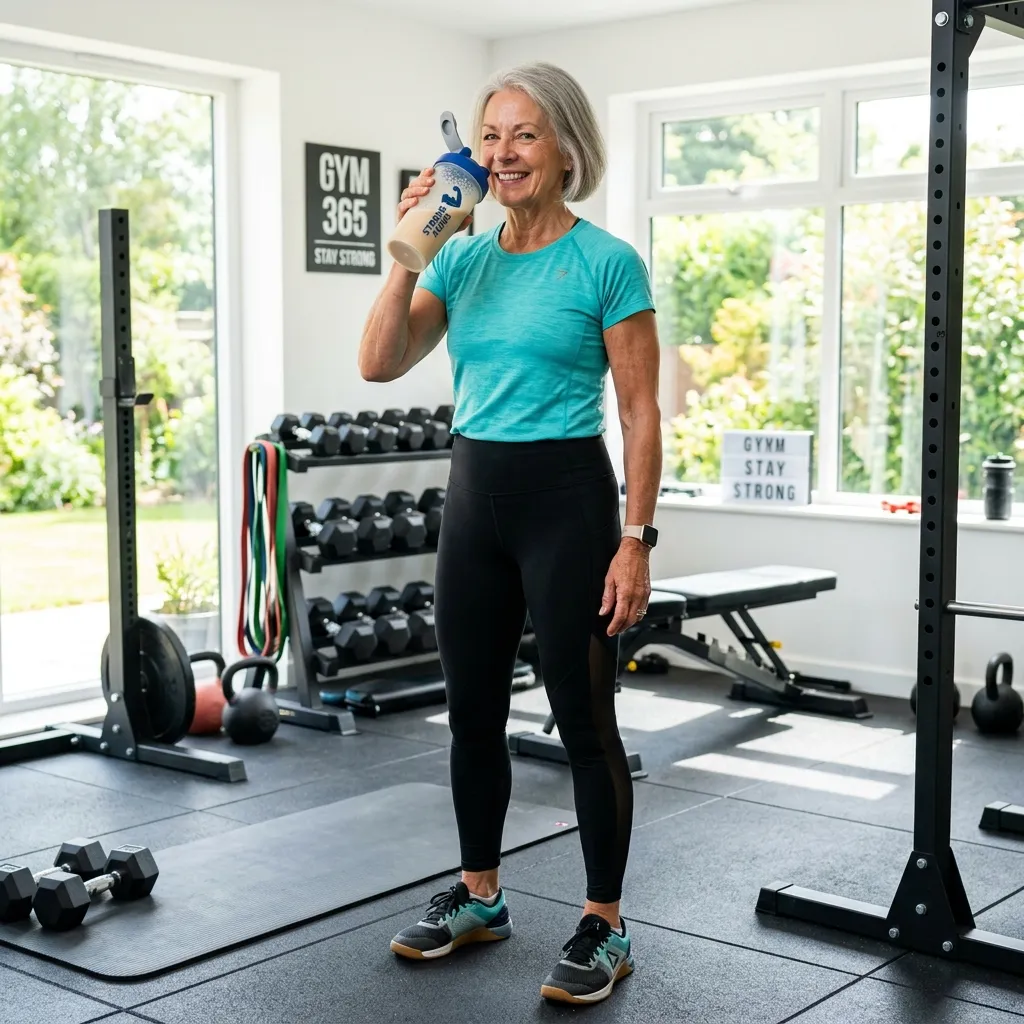
Resistance Training: The Essential Co-Factor
It is important to emphasize that **nutrition alone cannot reverse sarcopenia**. Food provides the raw building blocks, but resistance training is the signal that commands your body to build the structure.
Without physical demand, the extra protein you consume will simply be burned for energy or stored as fat. Engaging in strength exercises (using dumbbells, resistance bands, or bodyweight exercises like squats and wall push-ups) 2 to 3 times per week creates microscopic tears in the muscle fibers. Your body then uses the protein you eat to repair and reinforce these fibers, making them larger and stronger.

Budget-Friendly Muscle Foods After 60 (Under $50/Week Ideas)
Affordable staples can make it easier to reach a steady protein target:
- Eggs: versatile and easy to batch-cook.
- Greek yogurt or cottage cheese: choose plain tubs for affordable protein.
- Beans and lentils: low-cost protein and fiber for soups and bowls.
- Canned tuna or sardines: convenient shelf-stable choices; compare sodium.
- Oats with powdered milk: stir dry milk into porridge for a protein boost.
- Peanut butter: add to oats, toast, or smoothies.
- Tofu or soy milk: affordable plant proteins for stir-fries and breakfasts.
- Potatoes with the skin: pair with eggs, beans, or yogurt.
- Frozen vegetables: a no-waste staple for omelets, soups, and dinners.
- Skinless chicken thighs: economical and easy to roast in batches.
Protein-first shopping and batch cooking: plan around two or three low-cost protein staples, then add vegetables and whole-food carbohydrates; cook beans, chicken, or eggs in batches so protein is ready for the next meal.
Simple day menu: oatmeal with powdered milk and peanut butter; Greek yogurt with fruit; a bean-and-potato bowl with frozen vegetables; and roasted chicken thighs with vegetables.
If you have kidney disease, ask your clinician about the right protein amount before increasing protein intake.
Free guide: Soft Foods & Protein After 60
Enter your email to get Free 7-day PDF
Frequently Asked Questions
How much protein does a 60+ year old need daily?
Seniors need roughly 1.2 to 1.6 grams of protein per kilogram of body weight daily (about 90 to 120 grams for a 165-pound adult). This is higher than the standard RDA for younger adults to combat anabolic resistance.
Can you build muscle after 70?
Yes, absolutely. Studies show that resistance training and adequate protein intake trigger muscle hypertrophy and strength gains in individuals in their 70s, 80s, and beyond, helping to restore lost mobility.
Is whey protein safe for seniors?
Yes, whey protein isolate is highly safe and beneficial for seniors. It is one of the most bioavailable protein sources, is rapidly absorbed, and is exceptionally high in leucine. Seniors with pre-existing kidney disease should consult their doctor first.
What is the best breakfast for muscle gain after 60?
The best breakfast contains at least 30-35 grams of high-quality protein. A prime example is 3 large eggs paired with a cup of Greek yogurt or a scoop of whey protein mixed into oatmeal or a smoothie.
How long does it take to see muscle gains after 60?
With a consistent routine of resistance training (2-3 times per week) and matching protein targets (30g+ per meal), seniors can expect to see measurable strength increases within 4 to 6 weeks and physical muscle tone improvements in 8 to 12 weeks.
Scientific References & Sources
- Clinically proven tips on sarcopenia: National Center for Biotechnology Information (PMC4924200).
- Study on anabolic resistance in aging muscle: PubMed (PMID: 24424053).
- Protein distribution and muscle synthesis: Journal of the American Dietetic Association (PMID: 19699838).
- Leucine supplementation for muscle mass: Clinical Nutrition (PMID: 26255285).
- Omega-3 fatty acids and senior muscle health: American Journal of Clinical Nutrition (PMID: 25681907).
- Resistance training and sarcopenia reversal: Medicine & Science in Sports & Exercise (PMID: 22030953).
Embracing a Stronger, Active Future
Defeating sarcopenia is one of the most empowering actions you can take for your health. By consuming 30+ grams of bioavailable protein per meal, targeting Leucine-rich foods, reducing inflammation with Omega-3s, and engaging in consistent resistance exercise, you are investing in your independence, mobility, and future vitality.
Consult with a healthcare provider or a registered dietitian before making significant dietary changes, especially if you have chronic kidney conditions. Start small, stay consistent, and celebrate the return of your strength!

Related guides
Continue building strength with our guide to preventing sarcopenia in older adults and easy fruits for muscle health after 60.
⚕️ Medical Disclaimer
The information provided on this page is for educational purposes only and is not intended as medical advice, diagnosis, or treatment. Always consult a qualified healthcare professional before making changes to your diet, starting any supplement, or if you have an existing medical condition. KeepFitQuote does not provide medical diagnoses or treatment recommendations. Read our full disclaimer.