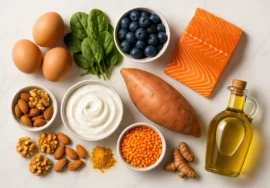
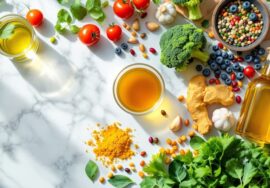
Add omega-3 foods for arthritis seniors, olive oil anti-inflammatory for seniors joints, and magnesium foods for joint pain seniors; include tart cherry benefits for joint pain seniors, turmeric ginger tea for joint pain seniors, low-oxalate greens for seniors, and probiotic foods for joint stiffness seniors. Pair these with water and gentle movement daily.
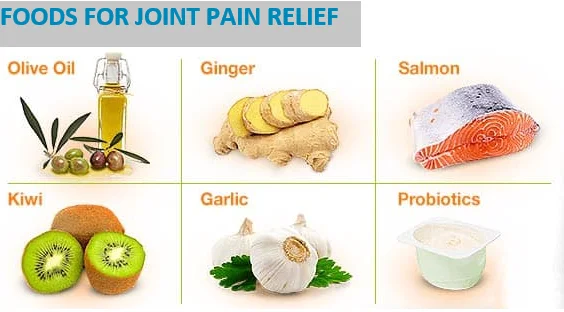
If your knees feel stiffer in the morning, your hands ache when opening jars, or you’ve started avoiding stairs because of hip or knee discomfort, you’re far from alone. According to the CDC, more than half of U.S. adults over 65 report a diagnosis of arthritis, and joint pain is one of the leading reasons older adults reduce physical activity—which can, in turn, make stiffness worse over time. While no food can replace medical care for arthritis, a growing body of research on diet and inflammation suggests that what’s on your plate can meaningfully influence how your joints feel day to day. The seven foods below aren’t exotic or expensive—they’re familiar kitchen staples that, used consistently for a week, may help take the edge off morning stiffness and support steadier energy. This guide focuses on practical “why” and “how” for each food, plus a simple 7-day plan you can adapt to your own tastes and any dietary restrictions.
Why a “joint pain relief diet for seniors” works
Inflamed joints tend to calm when meals tilt toward anti-inflammatory foods for seniors joints and away from ultra-processed items. In one week, you can’t “cure” arthritis—but you can often feel less morning stiffness and steadier energy by shifting what’s on the plate.

The connection between diet and joint pain comes down largely to a process called low-grade chronic inflammation. Highly processed foods, refined sugars, and certain fats (especially industrial seed oils high in omega-6s relative to omega-3s) can promote the production of inflammatory compounds in the body, including substances called cytokines and prostaglandins. Over years, this background inflammation can make joints that are already affected by osteoarthritis or rheumatoid arthritis feel more swollen and sore. Conversely, foods rich in omega-3 fatty acids, polyphenols, and antioxidants can help shift this balance toward a calmer inflammatory state—not by eliminating inflammation entirely (some inflammation is a normal, healthy immune response), but by reducing the chronic, low-level inflammation that contributes to ongoing discomfort.
For seniors, this matters in a very practical way: research published in journals focused on rheumatology has found that people who follow Mediterranean-style or anti-inflammatory eating patterns often report less joint pain and stiffness compared to those eating a typical Western diet, even when their arthritis diagnosis and medications stay the same. A one-week shift won’t reverse joint damage, but many people notice subtle improvements—an easier time getting out of bed, less stiffness after sitting—within just a few days of consistent changes, especially when paired with adequate hydration and gentle movement, both of which help lubricate joints and reduce stiffness on their own.
The 7 foods (diet-only, no pills)
1. Fatty fish or sardines (omega-3 power)
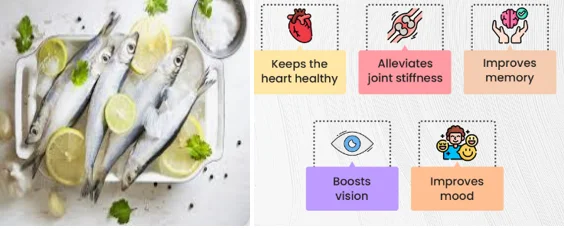
- Why: EPA/DHA support joint comfort.
- How: Two meals this week of salmon, trout, or sardines for joint pain seniors.
The omega-3 fatty acids EPA and DHA, found in fatty fish, are converted in the body into compounds that actively help resolve inflammation rather than just blocking it—a mechanism researchers call “specialized pro-resolving mediators.” Several clinical trials have found that people with rheumatoid arthritis who increase their omega-3 intake report reduced joint tenderness and, in some cases, are able to use less anti-inflammatory medication, though this should always be discussed with a doctor rather than adjusted independently. Sardines are a particularly practical choice for seniors: they’re inexpensive, shelf-stable in cans, require no cooking, and provide calcium from their soft bones as a bonus for bone health. If fresh salmon or trout feels like too much for a weeknight, canned sardines or salmon on whole-grain toast with a squeeze of lemon is a five-minute meal that delivers the same omega-3 benefits.
2. Extra-virgin olive oil (daily drizzle)
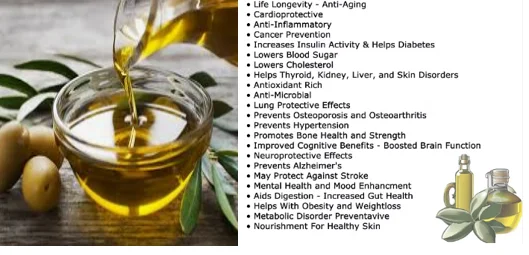
- Why: Polyphenols behave like mild natural anti-inflammatories.
- How: 1–2 tablespoons/day over salads, veggies, or grain bowls.
Extra-virgin olive oil contains a compound called oleocanthal, which researchers have noted has a mechanism of action similar to ibuprofen—though at a much gentler intensity, and you’d need to eat unrealistically large amounts to match a medication dose. Still, regular use of olive oil as your primary fat source has been linked in Mediterranean diet studies to lower markers of inflammation in the blood, including a marker called C-reactive protein (CRP), which is often elevated in people with arthritis. The “extra-virgin” label matters here: it indicates the oil is less processed and retains more of these beneficial polyphenols compared to refined olive oil or vegetable oils. For seniors, swapping a daily tablespoon or two of butter, margarine, or seed-oil-based dressing for extra-virgin olive oil is one of the simplest, most evidence-backed dietary changes for supporting joint comfort over time—and it tastes good drizzled over almost anything, from roasted vegetables to a simple salad.
3. Tart cherries (fresh or 100% juice, no sugar added)

- Why: Anthocyanins can help ease soreness after activity.
- How: 1 small bowl of cherries or 4–6 oz tart cherry juice with dinner.
Tart (Montmorency) cherries are one of the most studied fruits for joint and muscle soreness, largely because of their deep red anthocyanin pigments, which have antioxidant and anti-inflammatory properties. Small studies in older adults with osteoarthritis have found that drinking tart cherry juice daily for several weeks was associated with reductions in markers of inflammation and, in some cases, modest improvements in reported pain levels. Tart cherries are also a natural source of melatonin, which may explain why some people report better sleep quality when they include them in the evening—and better sleep is itself linked to lower pain sensitivity the next day. The “no sugar added” distinction matters for seniors managing blood sugar: many commercial cherry juices and dried cherries have added sugars that can offset some of the benefits, so look for 100% tart cherry juice or unsweetened frozen/fresh cherries when possible.
4. Ginger + turmeric (tea or cooking)
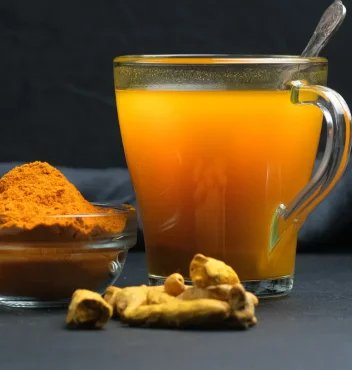

- Why: Curcumin and gingerols support comfort in knees and hands.
- How: turmeric ginger tea for joint pain seniors after lunch; cook with both.
Curcumin, the active compound in turmeric, has been one of the most extensively researched natural compounds for joint comfort, with some studies in people with knee osteoarthritis finding effects comparable to over-the-counter pain relievers for certain symptoms—though study quality varies and curcumin is poorly absorbed on its own. This is where the “plus ginger” and “plus black pepper” tips come in: gingerols in ginger have their own anti-inflammatory properties, and piperine (found in black pepper) has been shown to significantly increase how much curcumin the body actually absorbs. A simple turmeric-ginger tea—warm water, fresh grated ginger, a pinch of ground turmeric, a squeeze of lemon, and a small pinch of black pepper—combines all three in one cup. For seniors on blood thinners, it’s worth knowing that both ginger and turmeric can have mild blood-thinning effects of their own, so food-level amounts in tea or cooking are generally fine, but concentrated supplements should be discussed with a doctor first.
5. Leafy greens (collards, kale, bok choy)
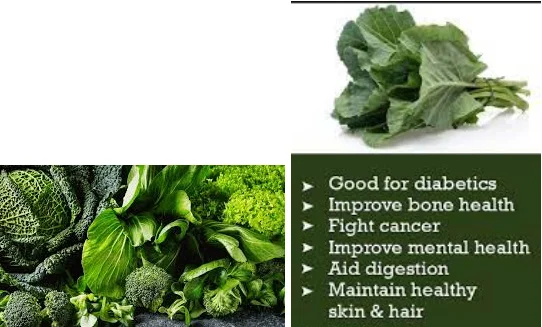
- Why: Minerals (magnesium, calcium) and phytonutrients help tame inflammation.
- How: Add a cooked green at lunch and dinner most days.
Dark leafy greens are nutritional powerhouses for joint health on multiple fronts. They’re rich in vitamin K, which plays a role in bone and cartilage health; magnesium, a mineral involved in muscle relaxation and nerve function that many older adults don’t get enough of; and antioxidant compounds that help counter the oxidative stress associated with chronic inflammation. Collards, kale, and bok choy are also relatively low in oxalates compared to spinach and Swiss chard—an important consideration for anyone managing kidney stones or gout, since oxalates can bind with calcium and contribute to stone formation in susceptible individuals. Cooking leafy greens (lightly steaming or sautéing in olive oil) actually makes some of their nutrients more bioavailable while reducing their volume, so a big bunch of raw kale cooks down into a much more manageable, easy-to-chew portion—a practical bonus for anyone with dental concerns or difficulty with raw, fibrous vegetables.
6. Nuts & seeds (walnuts, almonds, flax, chia)
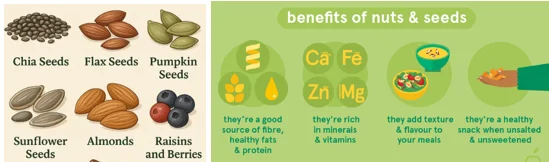
- Why: Provide healthy fats, fiber, and plant omega-3s.
- How: 1 small handful/day or 1–2 Tbsp ground flax on oatmeal.
Walnuts stand out among nuts for joint health because they contain alpha-linolenic acid (ALA), a plant-based omega-3 that the body can partially convert to the same EPA and DHA found in fish—making walnuts a useful option for those who don’t eat fish often. Ground flaxseed and chia seeds are similarly rich in ALA and also provide soluble fiber, which supports digestive health and may help regulate blood sugar, an indirect benefit for inflammation since blood sugar spikes can themselves trigger inflammatory responses. A practical note for seniors: whole flaxseeds pass through the digestive system largely undigested, so ground flaxseed (or flaxseed meal) is the better choice for absorbing its nutrients—a tablespoon or two stirred into oatmeal, yogurt, or a smoothie adds a mild, nutty flavor without changing the texture much. For anyone with chewing difficulties, nut butters (almond or walnut butter, without added sugar) offer similar benefits in an easier-to-eat form.
7. Yogurt or kefir (or unsweetened probiotic alternative)

- Why: Fermented foods may support a calmer gut–joint axis.
- How: ½–1 cup with breakfast or a snack.
The idea of a “gut-joint axis” reflects emerging research suggesting that the trillions of bacteria living in our digestive tract influence inflammation throughout the body, including in the joints. Some studies in people with rheumatoid arthritis have found differences in gut bacteria composition compared to people without arthritis, and small trials of probiotic supplementation have shown modest reductions in inflammatory markers and reported pain in some participants—though this research is still considered early-stage. Fermented dairy products like plain yogurt and kefir provide live probiotic cultures along with calcium, protein, and (in the case of kefir) a wider variety of bacterial strains than yogurt typically contains. For seniors who are lactose intolerant or prefer to avoid dairy, unsweetened coconut or soy-based yogurt alternatives with live cultures listed on the label can provide similar probiotic benefits. As with the cherries, “unsweetened” is the key word—many flavored yogurts contain as much added sugar as a dessert, which can work against the anti-inflammatory goal.
7-day “feel-better” food plan
Daily anchors:
- Olive oil anti-inflammatory for seniors joints (1–2 Tbsp)
- Hydration for joint pain seniors (steady water sips)
- Magnesium foods for joint pain seniors (greens, nuts, beans)
Mon: Oatmeal + flax; salmon + quinoa + kale; turmeric ginger tea
Tue: Yogurt + berries; lentil soup; sardines on whole-grain toast + salad
Wed: Eggs + spinach; chicken + sweet potato + collards; cherries after dinner
Thu: Kefir smoothie; tofu–veggie stir-fry with bok choy; walnuts
Fri: Tuna–white bean salad with EVOO; brown rice bowl + greens; ginger–turmeric in curry
Sat: Greek yogurt + chia; trout + roasted veggies; tart cherry juice (unsweetened)
Sun: Avocado toast + pumpkin seeds; soup & salad with olive oil; berries + kefir
Gentle movement add-on: 10–15 minutes of joint friendly exercises for seniors (easy range-of-motion + short walk) supports circulation and comfort.
Following a written plan like this, even loosely, takes the daily guesswork out of eating for joint health—you’re not trying to remember a long list of “good” and “bad” foods, just rotating through a familiar set of meals that happen to check the right boxes. Notice that the plan repeats ingredients across days (kale appears twice, yogurt appears three times, olive oil daily) by design: consistency matters more than variety when it comes to anti-inflammatory eating, and repeating a shopping list of about 15-20 ingredients for the week keeps grocery trips simple. If you’re cooking for one, most of these meals scale down easily or can be batch-cooked and refrigerated—lentil soup, for example, often tastes better the next day and can cover two or three meals from one pot. The gentle movement add-on is just as important as the food: even seated exercises, gentle stretching, or a short walk around the block help joint fluid circulate, which is part of why many people feel stiffer after long periods of sitting and looser after light activity.
Smart swaps that help in week one
- Replace seed-oil dressings with extra-virgin olive oil + lemon.
- Swap sugary snacks for a cherries + yogurt bowl.
- Trade white bread for whole-grain to steady energy and stiffness.
- Add ground flax or chia to oatmeal for plant omega-3s.
These four swaps were chosen because they require no new shopping habits or special trips—they’re substitutions within meals you’re likely already eating. Replacing a bottled dressing made with soybean or corn oil with a simple olive oil and lemon juice mixture takes the same amount of time but shifts the balance of fats in your meal toward the anti-inflammatory side. Swapping an afternoon cookie or pastry for cherries and yogurt addresses two things at once: it reduces added sugar (which can fuel inflammation) while adding the anthocyanins and probiotics discussed earlier. Whole grains, compared to refined white bread or pasta, digest more slowly, which helps avoid the blood sugar spikes and crashes that can contribute to fatigue and, indirectly, to how pain is perceived. And the flax or chia addition to oatmeal is perhaps the easiest change of all—it’s tasteless enough that most people don’t notice a difference, but it adds fiber and plant omega-3s to a meal you’re already making.
Quick takes
- Best foods to ease arthritis in a week: salmon or sardines, olive oil, leafy greens, tart cherries, ginger + turmeric, yogurt/kefir, walnuts/flax/chia.
- Simple daily pattern: olive-oil salads, one green each meal, one omega-3 food, one fermented food, steady water.
- What to avoid this week: heavy fried foods, sugary drinks, excess refined carbs—these can fuel inflammation.
If the full 7-day plan feels like too much to take on at once, these three quick takes are the minimum effective version: pick one food from the “best foods” list to add to most meals, follow the simple daily pattern as a loose framework rather than a strict rule, and focus on cutting back—not necessarily eliminating—the foods in the “avoid” list. Many seniors find that simply reducing fried foods and sugary drinks from daily to a few times a week, while adding one extra serving of vegetables and one omega-3-rich meal, produces noticeable changes within the first week without feeling like a complete diet overhaul. Small, sustainable shifts tend to stick better than dramatic changes, and joints respond to consistency over time rather than perfection on any single day.
FAQ
1) What is the best joint pain relief diet for seniors?
A week of omega-3 fish, olive oil, leafy greens, tart cherries, ginger–turmeric, nuts/seeds, and yogurt/kefir can help many older adults feel looser.
2) Can food help arthritis pain in one week?
You may notice modest relief—less stiffness in the morning—when you consistently eat anti-inflammatory meals and hydrate.
3) Which fish should I pick for knee pain relief?
Salmon, trout, sardines; aim for two servings this week.
4) How much olive oil should seniors use daily?
About 1–2 tablespoons of extra-virgin olive oil as your main dressing or cooking fat.
5) Are tart cherries really helpful?
Many seniors use a small portion in the evening to ease next-day soreness.
6) What’s an easy turmeric ginger tea recipe?
Warm water, grated ginger, a pinch of turmeric, squeeze of lemon; optional black pepper.
7) Best leafy greens for seniors with joint pain?
Collards, kale, and bok choy—low-oxalate greens for seniors—work well in quick sautés.
8) Which nuts and seeds are most useful?
Walnuts, almonds, chia, and ground flax for healthy fats and fiber.
9) Can yogurt or kefir reduce joint stiffness?
Fermented dairy (or unsweetened alternatives) may support a calmer gut environment linked to joint comfort.
10) What should I drink for joint pain?
Water. Keep a bottle handy for hydration for joint pain seniors; herbal teas are fine.
11) Are there foods I should limit this week?
Ultra-processed snacks, sugary drinks, and heavy fried foods—these often worsen inflammation.
12) Do I need supplements for this plan?
No. This is a diet-only approach. If you take medications, discuss diet changes with your clinician.
⚕️ Medical Disclaimer
The information provided on this page is for educational purposes only and is not intended as medical advice, diagnosis, or treatment. Always consult a qualified healthcare professional before making changes to your diet, starting any supplement, or if you have an existing medical condition. KeepFitQuote does not provide medical diagnoses or treatment recommendations. Read our full disclaimer.
Related Posts