
Optimizing your diet with the right foods can support your body’s natural detoxification processes. This professional guide highlights cellular cleanse foods, gut-purifying vegetables, alkaline-rich fruits, and natural liver flush meals—ideal for detoxification beyond the obvious detox advice.

Why Detox Through Food Matters
The body already has mechanisms in place—liver, kidneys, skin, and lymphatic system—that eliminate toxins. However, environmental exposure, processed foods, and chronic inflammation can overload these systems. Integrating targeted detox foods can enhance liver enzyme production, improve bile flow, and stimulate cellular waste elimination.
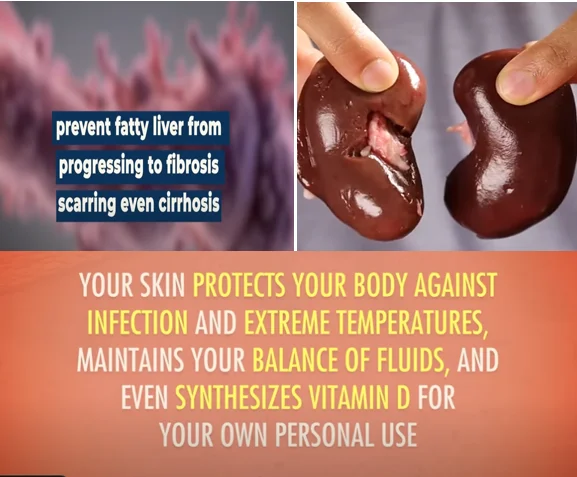
For adults over 60, supporting the body’s natural detoxification pathways takes on additional importance. Research published in the Journal of Hepatology confirms that liver function gradually declines with age—by approximately 35% between the ages of 25 and 65—reducing its capacity to metabolize drugs, filter environmental pollutants, and neutralize metabolic waste products. The kidneys experience similar age-related reductions in glomerular filtration rate. This means that the same toxic burden that a younger body handles efficiently may accumulate more readily in an older one. Food-based detox support is gentle, sustainable, and free of the side effects associated with aggressive supplement-based cleanses, making it the most appropriate approach for older adults. Staying well hydrated—aiming for 6–8 glasses of filtered water daily—is the single most important foundation for any detox strategy, as water is the primary vehicle through which the kidneys eliminate waste.
1. Dandelion Greens: Natural Liver Flush
Dandelion greens stimulate bile flow and support phase II liver detoxification. Rich in potassium and antioxidants, they help balance electrolytes and promote toxin elimination via the kidneys.
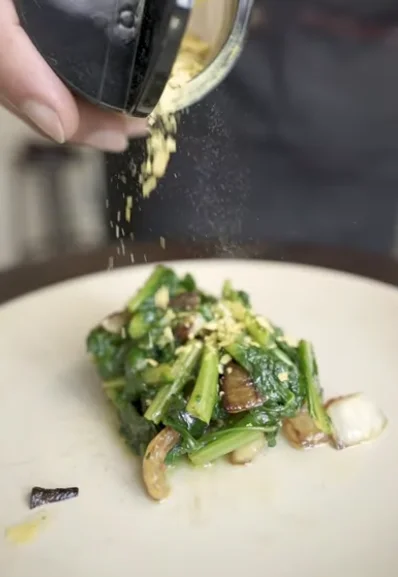
How to Use: Sauté with garlic and lemon juice or blend into green detox smoothies.
Dandelion’s liver-supportive properties are backed by solid ethnobotanical and preclinical evidence. The active compounds—taraxacin and taraxacerin—have been shown in animal studies to increase bile secretion by up to 40%, which directly accelerates the elimination of fat-soluble toxins processed through the liver. A 2011 pilot study in Evidence-Based Complementary and Alternative Medicine found that dandelion extract significantly increased urinary output in human volunteers, confirming its diuretic effect without the potassium depletion associated with pharmaceutical diuretics. For older adults who often deal with mild fluid retention and sluggish bile production, dandelion greens offer a food-first solution. One cup of fresh dandelion greens provides 111% of the daily value for vitamin A and 535% of vitamin K—two nutrients critical for immune function and bone health. If you are taking blood thinners like warfarin, consult your physician before increasing intake, as vitamin K can interact with anticoagulant therapy.
2. Beetroot: Blood Purification Superfood
Beets are rich in betaine, a compound that helps the liver process fats and eliminate toxins. They also support red blood cell oxygenation, making them ideal for blood purification.

Tip: Drink beetroot juice with a dash of apple cider vinegar to enhance nitric oxide production.
Betaine (trimethylglycine) in beets supports a critical liver detox pathway called methylation, which helps neutralize homocysteine—an amino acid associated with cardiovascular disease risk when elevated. A 2018 randomized controlled trial in the European Journal of Nutrition found that 500 mL of beetroot juice daily for four weeks significantly reduced systolic blood pressure and improved endothelial function in older adults. The mechanism is largely attributed to beet’s high nitrate content, which the body converts to nitric oxide—a molecule that relaxes blood vessel walls and improves circulation. For seniors concerned about both heart health and detox, beets offer a rare dual benefit. Start with small amounts (4–8 oz of juice or half a cooked beet) if you are new to beets, as their pigment (betanin) can temporarily turn urine and stools pink—a harmless phenomenon called beeturia that sometimes alarms first-time users.
3. Burdock Root: Skin and Blood Cleanser
Known in herbal medicine for its blood-cleansing properties, burdock root is particularly effective for individuals dealing with skin flare-ups related to toxin buildup.

Preparation: Simmer into detox teas or add slices to bone broth for mineral-rich cleansing.
Burdock root contains inulin—a prebiotic fiber that feeds beneficial gut bacteria and supports the intestinal barrier’s role as a front-line detox defense. It also contains arctigenin, a lignan compound with demonstrated anti-inflammatory and hepatoprotective (liver-protecting) properties in cell and animal studies. Traditional Chinese medicine and Ayurveda have long used burdock for skin conditions like eczema and psoriasis, which are often worsened by impaired elimination—when the liver and kidneys can’t keep up with toxin load, the skin compensates by releasing toxins through sweat and sebum. A cup of burdock root tea two to three times per week is a gentle starting point for older adults. Fresh burdock root (gobo) can also be sliced thin and added to stir-fries in the manner of Japanese cuisine, providing a mild, earthy flavor alongside meaningful nutritional benefit.
4. Avocados: Glutathione Booster
Avocados are high in glutathione, a powerful antioxidant critical for detoxifying the liver. They also contain healthy fats that reduce inflammation and aid in nutrient absorption.

Best With: Combine with turmeric and black pepper for enhanced liver support.
Glutathione is often called the body’s “master antioxidant” because it is produced by virtually every cell and is central to phase II liver detoxification—the stage where reactive intermediate compounds from phase I are neutralized and prepared for elimination. Levels of glutathione naturally decline with age; research from the European Journal of Clinical Nutrition found that older adults have significantly lower plasma glutathione than younger counterparts, increasing vulnerability to oxidative stress and toxin accumulation. Avocados are one of the few foods that meaningfully support glutathione synthesis in the body. A Japanese study found that volunteers who ate avocado regularly showed a 41% reduction in liver damage markers compared to those who didn’t. Half an avocado daily is a practical target—slice onto whole-grain toast, blend into smoothies, or mash as a dressing for leafy green salads to maximize the synergistic effect with other detox vegetables.
5. Cilantro: Heavy Metal Chelator
Cilantro binds to heavy metals like mercury and lead, helping remove them from the body. This herb is especially useful for people exposed to environmental toxins or dental amalgams.

Serving Tip: Add raw to salads, pestos, or smoothies—cooking diminishes its chelating ability.
Heavy metal accumulation is a growing concern for older adults who grew up in eras with higher ambient lead exposure (leaded gasoline, lead paint) and who may have dental amalgam fillings containing mercury. Cilantro has been shown in several in vitro and animal studies to mobilize heavy metals from tissues, primarily through its ability to bind metal ions and facilitate their transport to the liver for excretion. A key consideration: cilantro mobilizes metals effectively, but they need a binding agent to ensure elimination rather than redistribution to other tissues. Pairing cilantro with chlorella—which captures the mobilized metals in the gut—creates a more complete detox protocol used by integrative practitioners. For a practical cilantro heavy-metal smoothie: blend one cup of fresh cilantro, one teaspoon of chlorella powder, one cup of cucumber, the juice of one lemon, and a cup of coconut water. This combination tastes refreshing and provides multiple synergistic detox compounds in a single serving.
6. Seaweed: Thyroid-Supportive Detox
Seaweeds like kelp and wakame contain iodine, which supports thyroid hormone production and overall metabolic detox. They also bind to radioactive isotopes and heavy metals.
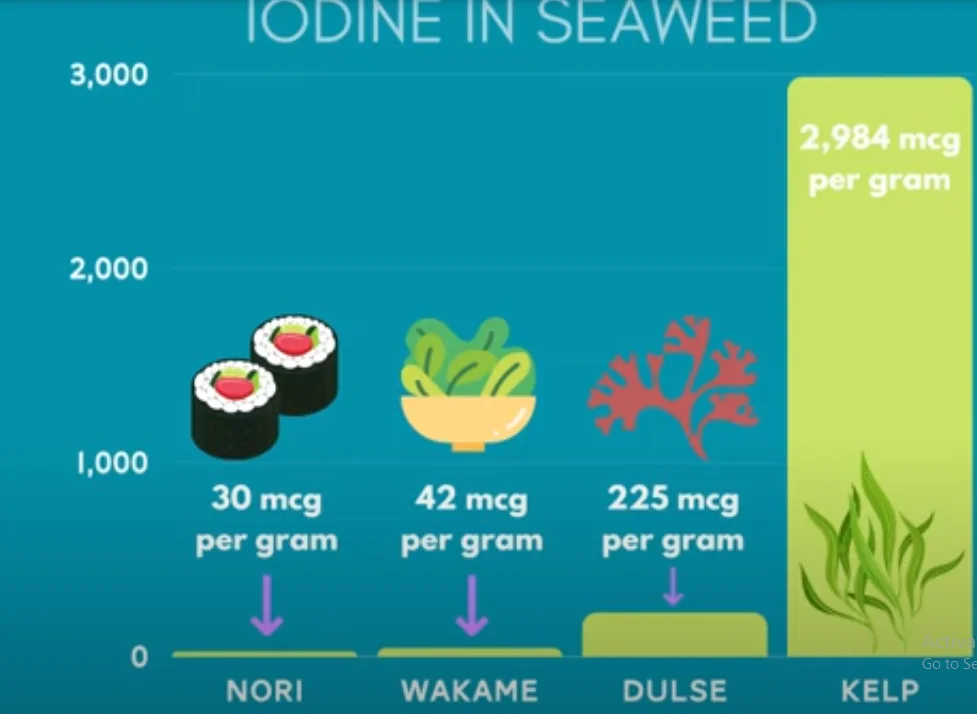
Intake Suggestion: Sprinkle dried flakes over salads or add to soups for a mineral boost.
The thyroid gland acts as a master regulator of metabolism—including the metabolic processes involved in cellular waste clearance. Iodine deficiency, which affects an estimated 10–15% of Americans, can impair thyroid function and thereby slow the metabolic detox processes throughout the body. Seaweed is among the most iodine-dense foods available, with dried kelp providing over 1,000% of the daily requirement per gram—which is why moderation matters. Excessive iodine can paradoxically suppress thyroid function, so a light sprinkle of seaweed flakes (nori, dulse, or wakame) a few times per week is more appropriate than large daily amounts. Seaweed also contains fucoidan—a sulfated polysaccharide studied for its ability to bind heavy metals including cesium and strontium. For older adults who take thyroid medications, always check with a physician before adding seaweed regularly, as it can affect levothyroxine absorption and thyroid hormone levels.
7. Artichokes: Bile Production Enhancer
Artichokes stimulate bile secretion, promoting fat digestion and flushing of toxins stored in bile. They also help improve gut flora by acting as a prebiotic.
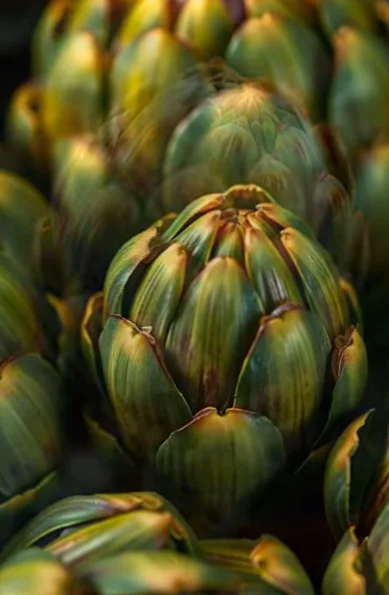
How to Eat: Steam and pair with olive oil and lemon for enhanced choleretic effect.
Cynarin and silymarin—two bioactive compounds in artichokes—are among the most well-researched natural choleretics (bile-stimulating agents) in herbal medicine. A 2016 systematic review in the Journal of Clinical Gastroenterology found that artichoke leaf extract significantly improved symptoms of functional dyspepsia, including bloating, nausea, and abdominal discomfort, with effects comparable to standard prokinetic medications. For older adults who commonly experience digestive slowing and increased bloating—partly due to age-related decreases in digestive enzyme and bile acid production—artichokes offer targeted, food-based relief. The inulin in artichokes also acts as a prebiotic, selectively feeding beneficial bacteria like Bifidobacterium and Lactobacillus. Since approximately 70% of the immune system resides in the gut, supporting a healthy gut microbiome through prebiotic foods like artichokes creates benefits that radiate far beyond the digestive tract. One medium artichoke provides 7 grams of fiber—nearly a quarter of the daily recommendation.
8. Lemons: Alkaline-Rich Citrus
Despite being acidic in nature, lemons have an alkalizing effect in the body and help stimulate liver enzymes. They also support hydration, a key factor in detoxification.

Protocol: Start your morning with warm lemon water and a pinch of sea salt.
Lemon’s detox benefits stem from two primary mechanisms: d-limonene (a terpene concentrated in the peel and present in the juice) has been shown in clinical studies to stimulate both phase I and phase II liver detox enzymes, including glutathione-S-transferase—one of the key enzymes that neutralizes carcinogens. Second, the citric acid in lemon juice binds to calcium oxalate crystals in the kidneys, helping to prevent kidney stones and supporting the kidney’s ability to excrete waste products efficiently. Starting the morning with 8 ounces of warm (not hot) water with the juice of half a lemon and a small pinch of sea salt rehydrates the body after overnight fasting, provides a gentle liver stimulus, and replaces trace electrolytes. This simple ritual, practiced consistently, tends to produce noticeable improvements in digestion, skin clarity, and morning energy within two to four weeks—outcomes that many seniors report anecdotally and that align with the known physiological mechanisms.
9. Red Cabbage: Sulfur-Rich Cleanser
Red cabbage is high in sulfur, aiding in the detoxification of drugs, food additives, and pesticides. Its fiber content also supports bowel regularity.
Detox Use: Make fermented sauerkraut to boost probiotic content and gut detox.
Red cabbage contains indole-3-carbinol (I3C) and sulforaphane—two compounds produced when cruciferous vegetables are chopped, chewed, or fermented that have been extensively studied for their ability to upregulate detox enzyme systems in the liver. A landmark study by researchers at Johns Hopkins found that people who consumed broccoli sprout extract (high in sulforaphane) excreted significantly higher levels of carcinogens from air pollution than those who didn’t—confirming that these compounds enhance real-world detoxification of environmental toxins. Fermenting red cabbage into sauerkraut amplifies these benefits by adding live probiotic bacteria that strengthen the gut lining and improve elimination. For older adults, sauerkraut also provides vitamin C, vitamin K2 (beneficial for bone density), and a range of B vitamins. Two to four tablespoons of unpasteurized sauerkraut daily—available at health food stores or made easily at home—is an accessible, affordable detox food that delivers probiotic, prebiotic, and phytonutrient benefits simultaneously.
10. Chlorella: Cellular Cleanse Agent
Chlorella is a freshwater algae that binds to toxins at the cellular level. It supports mitochondrial health and boosts immune surveillance during detoxification.
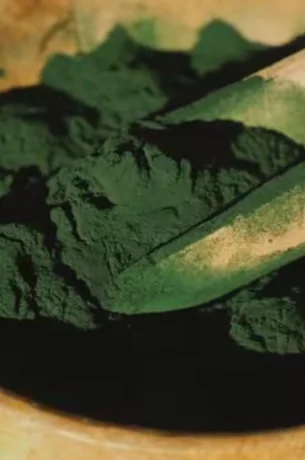
Intake Tip: Use tablets or powders—combine with spirulina for full-spectrum benefits.
Chlorella’s detox capacity is largely due to its unique cell wall, which contains a fibrous compound called Chlorella Growth Factor (CGF) that binds to heavy metals, pesticides, and dioxins in the digestive tract and prevents their absorption into the bloodstream. Multiple human clinical trials have demonstrated chlorella’s ability to reduce blood levels of dioxins and other persistent organic pollutants. A 2005 study in the Journal of Medicinal Food found that pregnant women who supplemented with chlorella had significantly lower concentrations of dioxins and higher levels of immune-protective compounds in breast milk compared to controls. For older adults managing accumulated environmental toxin exposure over decades, chlorella offers one of the most evidence-supported tools for ongoing cellular cleansing. Start with 1–2 grams per day and gradually increase to 3–5 grams to allow the digestive system to adjust. Combining chlorella with spirulina provides complementary amino acid profiles and a broader spectrum of phytonutrients and detox-supporting chlorophyll.
Expert Recommendations
To maximize results:
- Hydration is key: Aim for 2.5–3 liters of filtered water daily.
- Cycle your detox foods: Rotate ingredients to avoid nutritional gaps.
- Avoid inflammatory triggers: Limit seed oils, refined sugars, and alcohol.
- Use short-term protocols: Follow 7–10 day detox plans with professional supervision if needed.
For older adults, two additional recommendations deserve emphasis. First, always inform your primary care physician or pharmacist before starting a concentrated detox protocol, particularly if you take prescription medications. Detox foods can affect drug metabolism—grapefruit is a well-known example, but cruciferous vegetables, dandelion, and seaweed can also influence medication levels. Second, pace yourself: aggressive detox attempts can temporarily increase circulating toxin levels as they are mobilized from tissues, producing symptoms like fatigue, headaches, or skin breakouts. A gentle, food-based approach spread across several weeks consistently outperforms intense short-term cleanses for sustainable toxin reduction and overall well-being.
Final Thoughts
Detoxing your body doesn’t require extreme fasts or expensive supplements. By strategically incorporating scientifically supported, nutrient-dense foods into your routine, you enhance your body’s own remarkable ability to cleanse, repair, and renew itself. The ten foods profiled here—dandelion greens, beetroot, burdock root, avocados, cilantro, seaweed, artichokes, lemons, red cabbage, and chlorella—each target different aspects of the detoxification system, making them complementary rather than redundant when used together.
The best approach is one you can sustain: add two or three of these foods per week to your existing meals rather than overhauling your diet overnight. Over months, these small, consistent additions accumulate into meaningful support for liver health, gut integrity, kidney function, and cellular resilience—the four pillars of effective, natural detoxification at any age.
Frequently Asked Questions (FAQs)
1. What foods are best for flushing toxins from the liver naturally?
Foods such as beetroot, dandelion greens, artichokes, and lemon water are highly effective in supporting natural liver detox. These ingredients stimulate bile production, enhance liver enzymes, and help eliminate fat-soluble toxins without requiring supplements.
2. Can you detox your body by eating certain vegetables only?
Yes, several vegetables contain natural compounds that support detoxification. Cruciferous vegetables like red cabbage and broccoli, along with burdock root and artichokes, can assist in gut cleansing, liver support, and bowel regularity when consumed daily.
3. Which foods remove heavy metals from the body?
Cilantro, chlorella, and seaweed are among the top foods for binding and removing heavy metals such as mercury, lead, and cadmium. They work through chelation and cellular transport mechanisms that safely escort these toxins out of the body.
4. Is beet juice good for blood detox?
Yes. Beet juice is rich in betalains and nitrates, which help improve blood flow, oxygen delivery, and liver detox. It also supports the breakdown of homocysteine and facilitates phase II liver detoxification, making it ideal for blood purification.
5. How do I start a natural detox at home without fasting?
Begin by drinking warm lemon water each morning, incorporating alkaline-rich fruits, and focusing on gut-purifying vegetables like cabbage and leafy greens. Avoid sugar, processed foods, and refined carbs for 7–10 days to support gentle, food-based detoxification.
6. What are low-cost detox foods available in grocery stores?
You don’t need expensive products to detox. Affordable options include carrots, garlic, parsley, celery, apples, and cucumbers. These foods are high in fiber, antioxidants, and phytonutrients that aid kidney, liver, and digestive detox naturally.
7. Do avocados help with detoxification?
Yes. Avocados contain glutathione, a master antioxidant that supports liver enzyme function and cellular detox. They also provide anti-inflammatory fats that improve nutrient absorption and protect against oxidative stress.
8. Is it safe to detox every day with food?
Absolutely. When detoxing through whole foods rather than extreme cleanses, it’s safe and even recommended to support detox pathways daily. Incorporating herbs like cilantro, greens, and antioxidant-rich fruits can provide long-term benefits without side effects.
9. What fruits help cleanse the digestive tract?
Papaya, kiwi, lemon, and apples are excellent for digestive detox. They contain enzymes like papain and pectin, which break down food, ease constipation, and support a healthy microbiome without the need for laxatives.
10. How does seaweed support thyroid detox?
Seaweed is high in iodine, a mineral crucial for thyroid hormone synthesis. It also binds to radioactive elements and heavy metals, helping the thyroid gland function optimally while aiding in full-body detox.
⚕️ Medical Disclaimer
The information provided on this page is for educational purposes only and is not intended as medical advice, diagnosis, or treatment. Always consult a qualified healthcare professional before making changes to your diet, starting any supplement, or if you have an existing medical condition. KeepFitQuote does not provide medical diagnoses or treatment recommendations. Read our full disclaimer.
Related Posts





Pingback: Healthy Fats Guide U.S. Dietary Guidelines Best Practices
Pingback: Dandelion Root for Seniors Benefits Safety Cancer Research
Pingback: Pancreas Health Tips for Seniors Boost Digestion and Energy
Pingback: Best Foods for Circulation in Seniors Natural Blood Flow Boosters
excellent issues altogether, you simply received a emblem new reader. What would you suggest about your post that you simply made some days in the past? Any sure?