
When it comes to achieving glowing, youthful skin, what you eat matters just as much as what you apply topically. The right foods deliver the nutrients your skin needs to stay firm, hydrated, and protected from the inside out — no expensive serum required.
1. Avocado – The Ultimate Skin Superfood
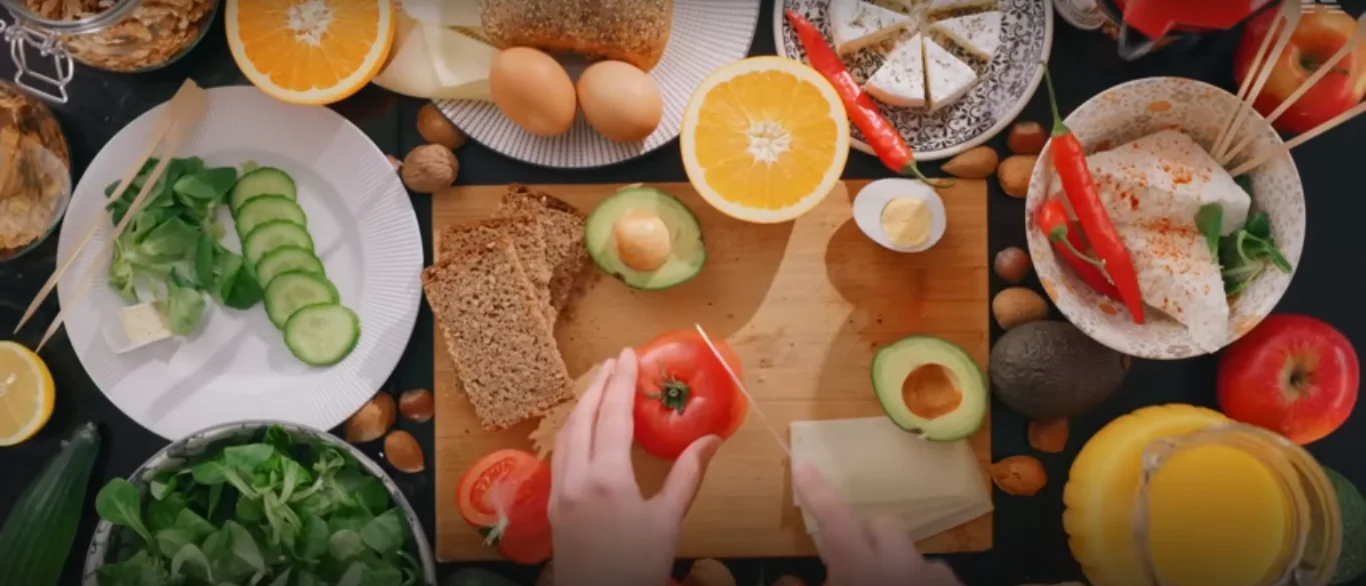
The avocado fruit is a powerhouse of skin-loving nutrients. Packed with omega-3-rich fats and alpha-linolenic acid, avocados help maintain skin elasticity, reduce inflammation, and keep the skin barrier deeply hydrated. They’re also rich in vitamins E and C — two of the most potent antioxidants for skin protection.

For a tasty and skin-boosting treat, try making a fresh avocado milkshake or indulge in a stuffed avocado topped with your favorite fillings for a nutritious and satisfying meal.

The monounsaturated fat in avocados — predominantly oleic acid, the same fat that dominates olive oil — has a specific structural role in skin health. Oleic acid is incorporated directly into the phospholipid bilayer of skin cell membranes, keeping them fluid and permeable to water. When skin membranes are rigid (often due to diets high in saturated and trans fats), they cannot regulate moisture effectively, leading to dryness, flaking, and accelerated barrier breakdown. A 2010 study in the British Journal of Dermatology found that higher monounsaturated fat intake was independently associated with more supple, less wrinkled skin in women over 40.
Avocados are also one of the few fruits rich in both vitamin E (2.1 mg per half avocado) and vitamin C (10 mg per half), which work synergistically: vitamin E neutralizes free radicals in the lipid layer of skin membranes, and vitamin C regenerates oxidized vitamin E back to its active form — extending its antioxidant lifespan in skin tissue. This vitamin C/E recycling system is one of the most important antioxidant networks in the skin, and avocado provides both components in a single food.
Lutein and zeaxanthin — carotenoid antioxidants found in avocados that are better known for eye health — also accumulate in skin tissue where they filter high-energy blue light and UV radiation, reducing photodamage to skin cells. One half-avocado daily is a practical, sustainable dose that delivers meaningful skin benefits within 8–12 weeks of consistent consumption, based on studies measuring skin hydration and elasticity changes with dietary fat quality improvements.
2. Fatty Fish – Your Skin’s Best Friend
Omega-3-rich foods like salmon, sardines, and mackerel are essential for maintaining a healthy skin barrier. These fatty acids reduce inflammatory signaling in skin, help regulate sebum (oil) production, and protect skin cell membranes from UV-induced oxidative damage — the leading external cause of premature skin aging.
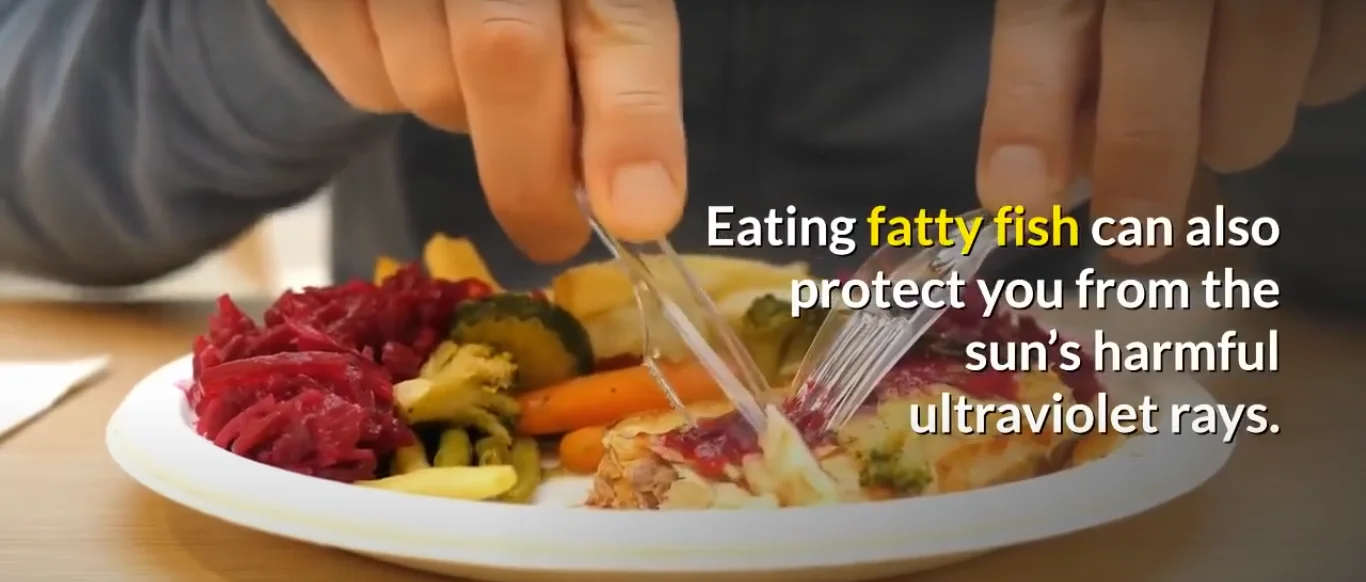
For an easy way to get your daily recommended omega-3 intake, consider incorporating salmon or sardines two to three times per week. If fresh fish isn’t convenient, high-quality tinned sardines in olive oil are nutritionally comparable to fresh and significantly more affordable.
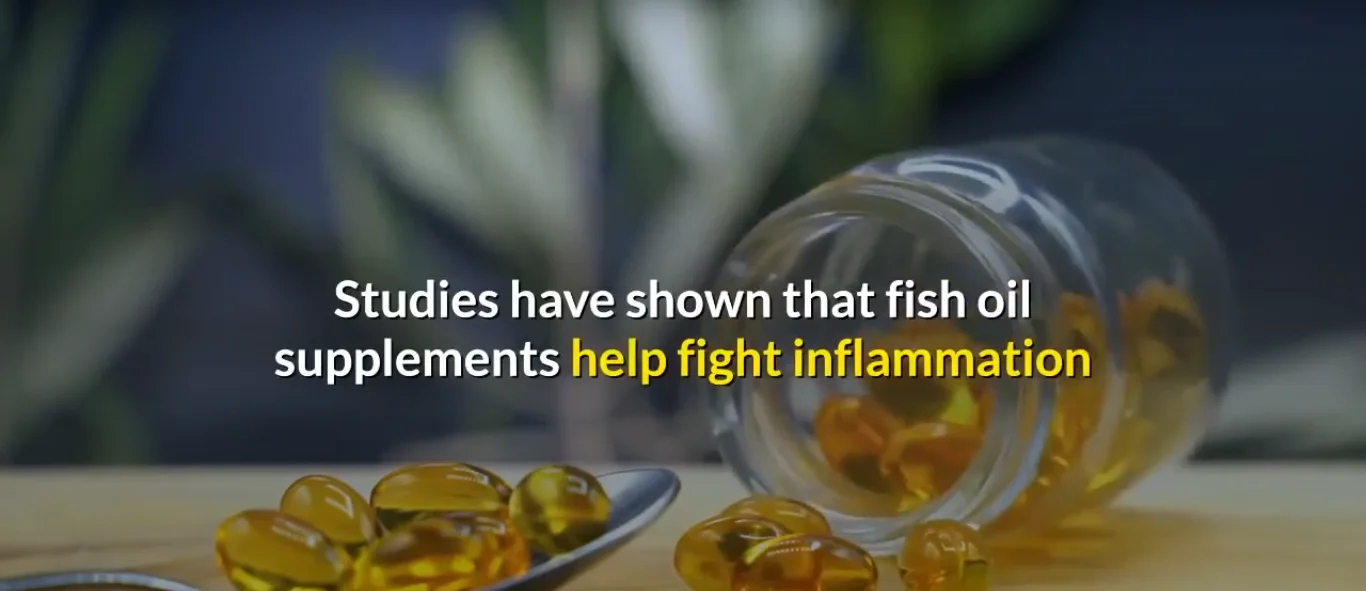
EPA and DHA — the long-chain omega-3s found in fatty fish — reduce the production of leukotriene B4 and prostaglandin E2, two inflammatory molecules that drive conditions like acne, psoriasis, and eczema. A 2014 review in the Journal of Clinical and Aesthetic Dermatology found that omega-3 supplementation reduced acne severity by 42% and significantly improved inflammatory lesion counts over 10 weeks, with effects comparable to low-dose antibiotic therapy. For adults over 50 dealing with inflammatory skin conditions rather than acne, the same anti-inflammatory mechanism reduces the redness, scaling, and barrier impairment characteristic of seborrheic dermatitis and rosacea.
Fatty fish also provides astaxanthin — a carotenoid antioxidant that gives salmon its pink color and is one of the most potent antioxidants found in any food. Astaxanthin is uniquely able to neutralize free radicals throughout the entire skin cell membrane (both water-soluble and fat-soluble compartments), and clinical trials have shown it reduces UV-induced DNA damage in skin cells, improves skin moisture and elasticity, and reduces crow’s feet wrinkles after 16 weeks of consistent intake. Wild-caught salmon contains significantly more astaxanthin than farmed salmon, making the “wild” designation meaningful for skin health specifically.
Selenium — present in meaningful amounts in fish and seafood — is a component of glutathione peroxidase, an enzyme that protects skin cells from oxidative damage and UV radiation. Low selenium status is associated with accelerated skin photoaging, and the combination of selenium from fish with the vitamin E in nuts or seeds creates a complementary antioxidant system that covers multiple skin protection pathways simultaneously.
3. Sweet Potatoes – Nature’s Skin Brightener
Rich in beta-carotene, sweet potatoes act as a natural sunblock from the inside out. Beta-carotene accumulates in the outer layers of skin, where it absorbs UV radiation and quenches free radicals before they can damage collagen and DNA in underlying skin cells.
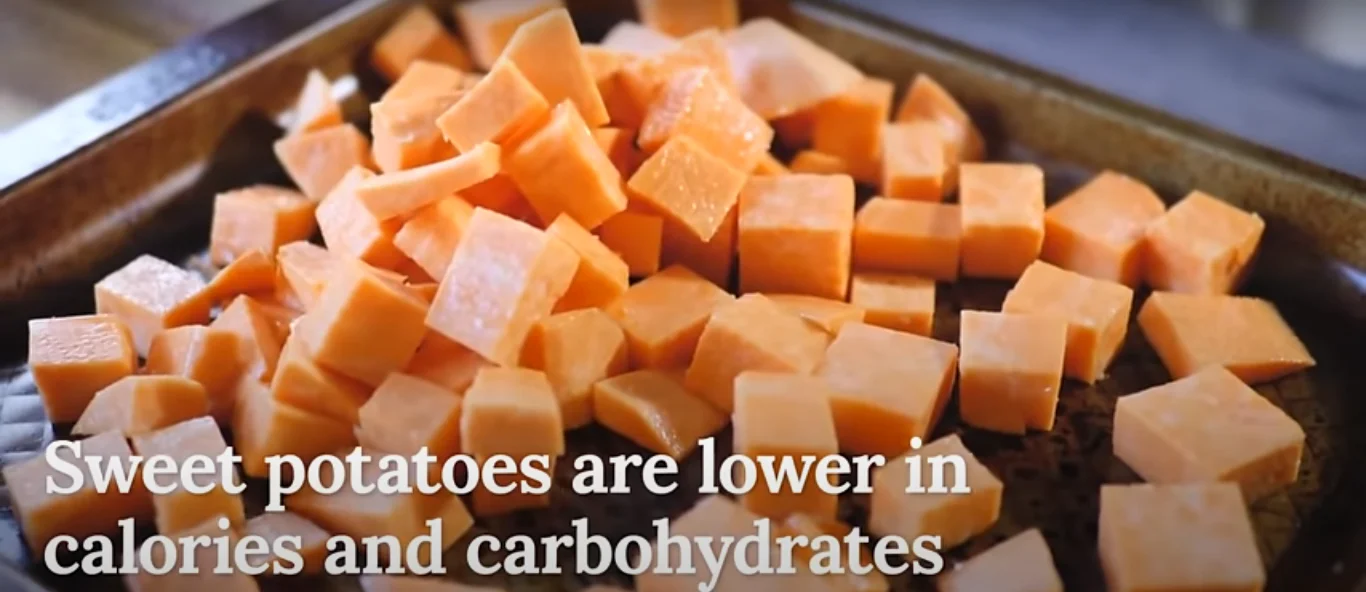
For those on a keto diet, sweet potato options include riced sweet potato or mashed sweet potatoes with butter as lower-carb preparations that preserve most of the beta-carotene content.

One medium sweet potato (about 130g) provides over 1,000% of the daily recommended vitamin A equivalent — almost entirely as beta-carotene, which the body converts to retinol as needed without toxicity risk. Retinol (vitamin A) is the most clinically validated topical anti-aging ingredient in dermatology, and its dietary precursor, beta-carotene, supports the same skin cell turnover and collagen gene expression from the inside. A 2012 study in Nutrition & Metabolism found that higher carotenoid status (measured in blood) was associated with significantly better skin tone, reduced sallowness, and higher perceived attractiveness — effects attributed to the warm golden-pink tint that carotenoid accumulation imparts to skin.
Cooking sweet potatoes actually increases the bioavailability of beta-carotene compared to raw — heat breaks down the cell walls that trap carotenoids, and consuming them with a fat source (butter, olive oil, or coconut oil) further boosts absorption three-to-fivefold, as beta-carotene is fat-soluble. A baked sweet potato with a pat of butter is not nutritional indulgence — it’s the optimal delivery mechanism for its primary active compound.
Sweet potatoes are also rich in vitamin C (37 mg per medium potato), manganese (important for collagen cross-linking), and potassium (which supports circulation to skin tissue). Their high fiber content feeds beneficial gut bacteria that produce butyrate — a short-chain fatty acid with anti-inflammatory effects that reduce systemic inflammation, including the chronic low-grade inflammation that accelerates skin aging in adults over 50.
4. Broccoli – A Skin-Detoxifying Powerhouse
Cooking broccoli in different ways — roasting, steaming, or stir-frying — can enhance different aspects of its skin-protective benefit. Roasted frozen broccoli retains its sulforaphane content, while lightly steamed broccoli best preserves vitamin C.
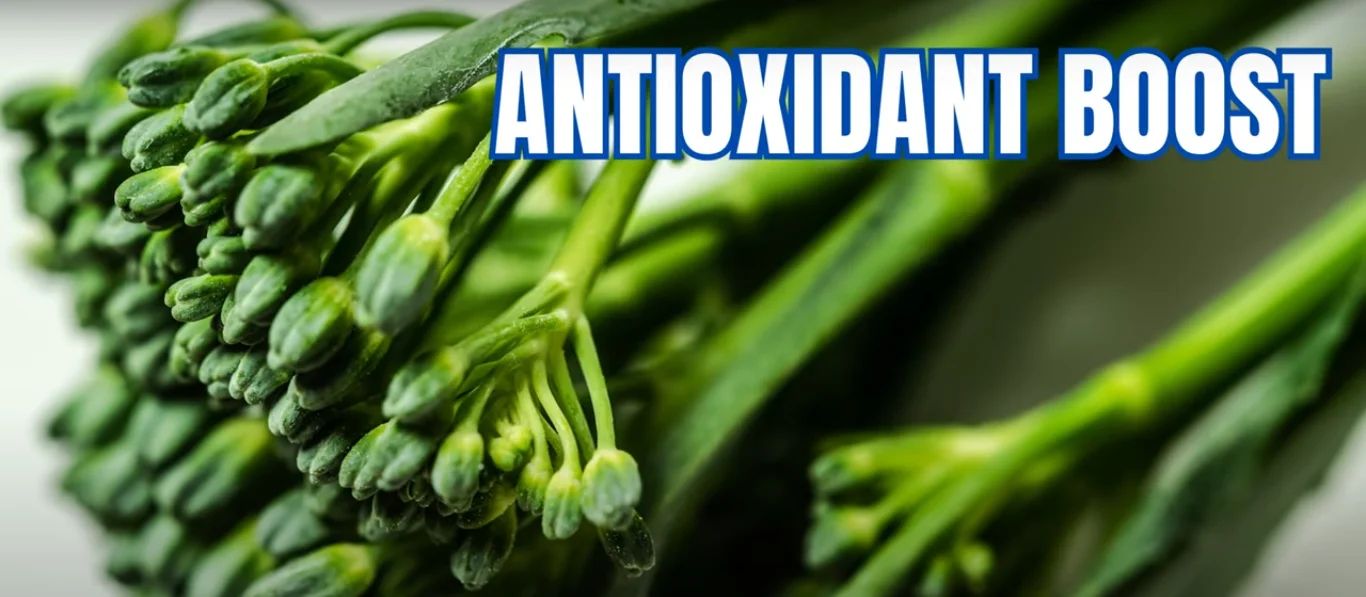
Growing broccoli at home ensures you have fresh broccoli crowns full of vitamins A, C, and E. When preserving broccoli, blanch and freeze within 24 hours of harvest for maximum nutrient retention.
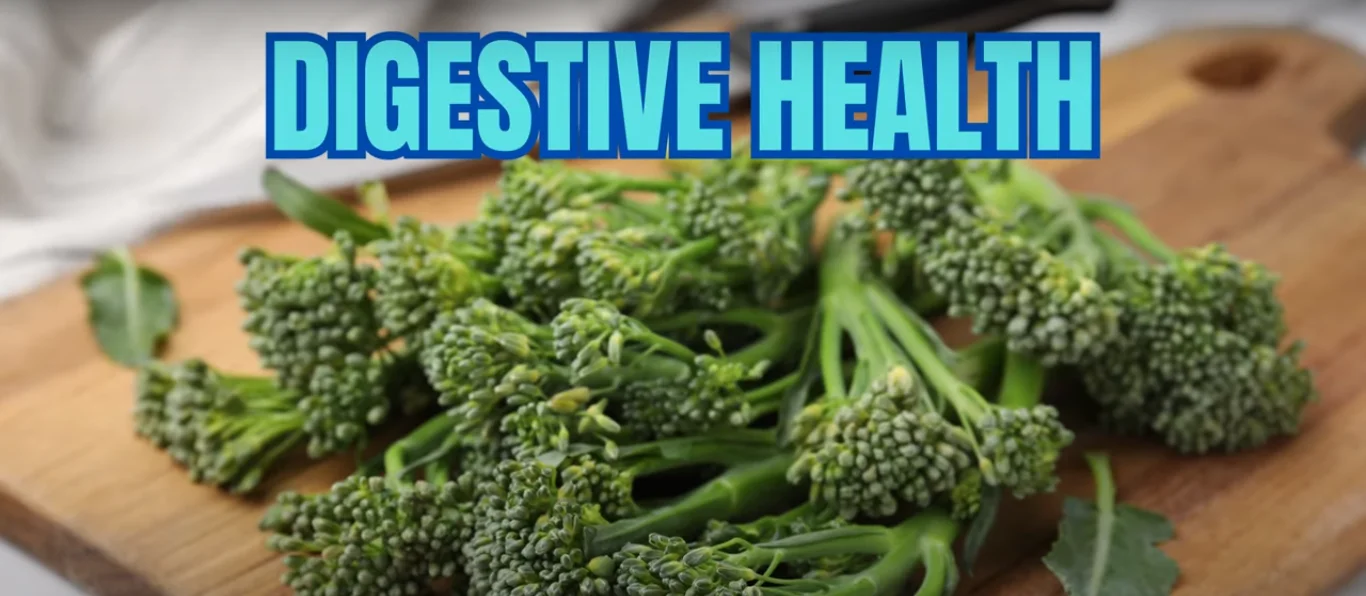
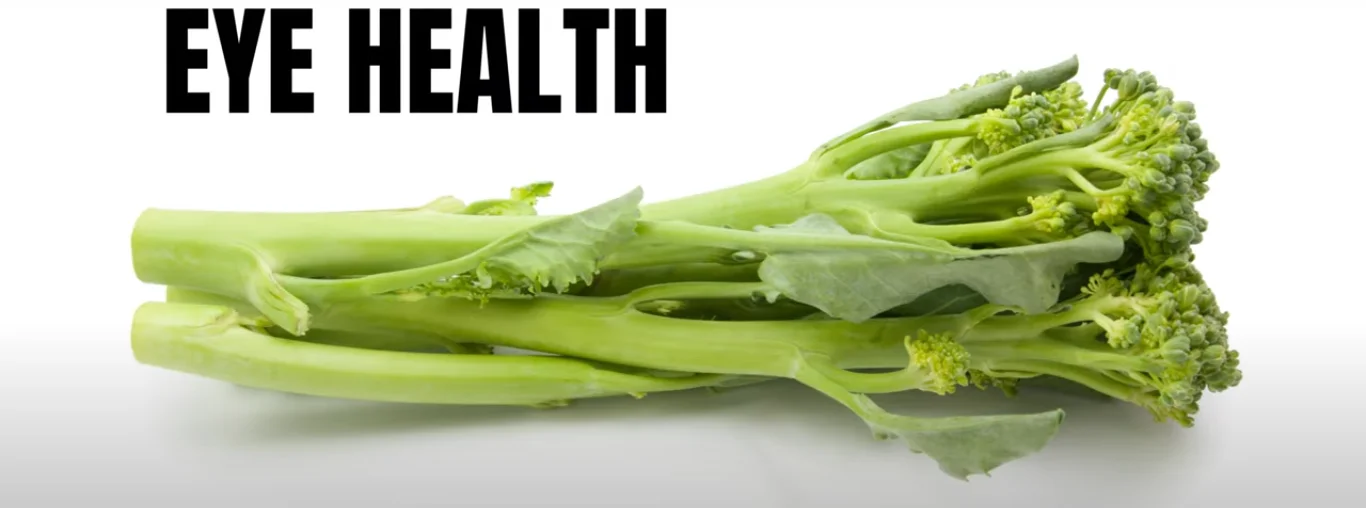
Broccoli’s most potent skin compound is sulforaphane — a sulfur-containing isothiocyanate produced when raw or lightly cooked broccoli is chewed (activating the enzyme myrosinase). Sulforaphane activates the Nrf2 pathway, a master regulator of cellular antioxidant defenses that upregulates the production of glutathione, thioredoxin, and other endogenous antioxidants. In practical terms, this means broccoli doesn’t just provide antioxidants — it signals the skin’s own cells to produce more of their own protective compounds, an effect that lasts hours after the meal is complete.
A 2007 study at Johns Hopkins found that sulforaphane application reduced UV-induced skin inflammation by up to 37% — a result replicated in topical sunscreen research that now uses broccoli seed extract as an active ingredient. For dietary consumption, the equivalent benefit comes from consistent broccoli intake two to three times per week. Importantly, over-cooking destroys myrosinase — the enzyme needed to produce sulforaphane — which is why lightly steamed (not boiled to softness) or raw broccoli is nutritionally superior for skin protection specifically.
Broccoli also contains indole-3-carbinol (I3C), which supports estrogen metabolism through a pathway relevant to skin health in postmenopausal women. Declining estrogen after menopause reduces skin collagen density, thickness, and moisture — and I3C helps maintain a more favorable estrogen balance that partially offsets these changes. For women over 50 noticing accelerated skin thinning, regular cruciferous vegetable consumption is a meaningful dietary strategy.
5. Tomatoes – The Anti-Aging Secret
Tomatoes are loaded with lycopene, an antioxidant known for protecting the skin from sun damage. Whether you prefer fresh tomatoes, roasted tomatoes, or even tomato-based sauces, this red pigment accumulates in skin tissue and provides measurable UV photoprotection.
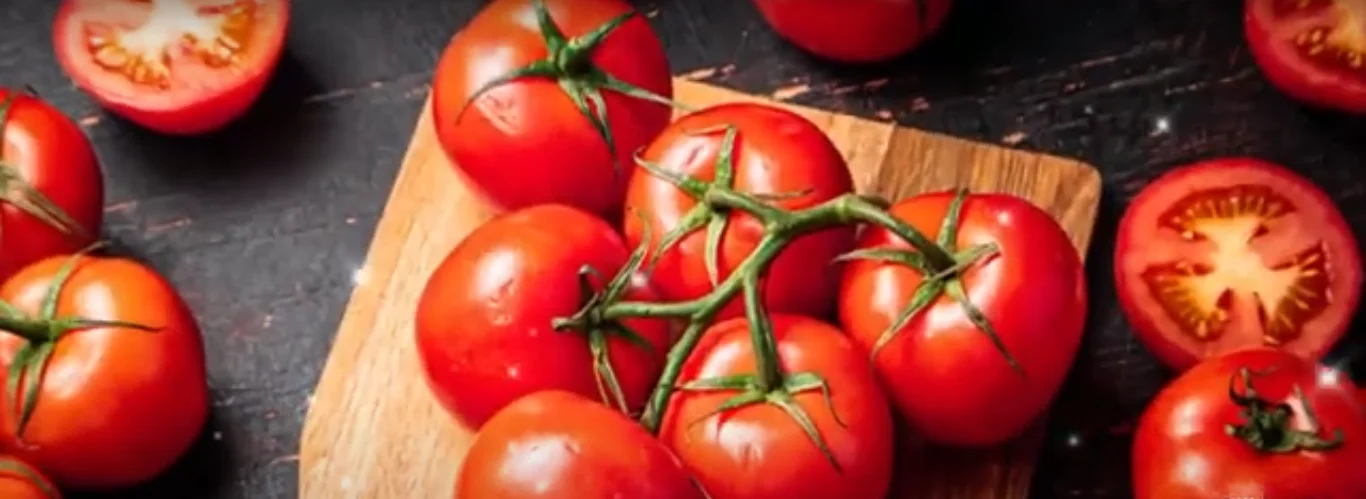
Cooking tomatoes significantly enhances their lycopene content, making tomato basil soup, roasted tomatoes, or tomato-based pasta sauces among the most skin-protective preparations. Lycopene in cooked tomato products is up to 3.8 times more bioavailable than in raw tomatoes.

Lycopene’s photoprotective mechanism is specific: it quenches singlet oxygen — the particularly reactive form of oxygen generated when UV radiation hits skin — before it can trigger the inflammatory cascade that degrades collagen and mutates skin cell DNA. A landmark study in the British Journal of Dermatology found that consuming 40g of tomato paste daily (approximately 16 mg of lycopene) for 10 weeks reduced UV-induced skin redness by 40% compared to a control group — a sun protection equivalent of approximately SPF 1.3, which meaningfully complements topical sunscreen without replacing it.
Lycopene also inhibits MMP-1 (collagenase) expression in skin fibroblasts, reducing the UV-triggered collagen breakdown that produces photoaging. A diet consistently high in lycopene — from tomato-based sauces, soups, and cooked tomato dishes — contributes to a lower baseline MMP-1 activity in skin over months of consistent consumption. This cumulative protection is why populations with Mediterranean dietary patterns (high tomato consumption) show significantly less photoaging than age-matched groups on lower-lycopene diets.
For maximum lycopene absorption, always cook tomatoes with a fat source — olive oil is ideal both nutritionally and culinarily. The combination of cooked tomatoes in olive oil is the foundation of countless Mediterranean sauces and soups, which may be one reason the Mediterranean diet consistently ranks highest for skin health outcomes in observational studies.
6. Walnuts – A Crunchy Boost for Skin Health
Toasted walnuts are an excellent source of omega-3 and omega-6 fatty acids. Unlike most other nuts, walnuts are one of the few plant-based sources of ALA (alpha-linolenic acid), the plant omega-3 that can be partially converted to the longer-chain EPA and DHA needed for skin cell membrane integrity and anti-inflammatory signaling.


Walnuts are uniquely rich among tree nuts for their combination of omega-3 fatty acids, zinc, selenium, and vitamin E — four nutrients that each contribute independently to skin health. Zinc is particularly relevant for adults over 50: it regulates sebaceous gland activity, supports wound healing, and acts as a cofactor for superoxide dismutase (SOD), one of the skin’s primary endogenous antioxidant enzymes. Zinc deficiency — more common in older adults due to reduced dietary intake and impaired absorption — manifests partly as slow wound healing, increased skin inflammation, and acne-like breakouts even in adults who never had acne in their youth.
A 2020 study in Nutrients found that regular walnut consumption (around 1.5 oz per day) over 16 weeks improved skin barrier function and reduced inflammatory skin markers in adults with mild-to-moderate skin dryness. The effect was attributed primarily to the ALA content improving membrane fluidity and the polyphenol ellagitannins (including ellagic acid, also found in berries) reducing dermal inflammation. Walnuts are also prebiotic — their fiber feeds beneficial gut bacteria, supporting the gut-skin axis that connects microbiome health to skin inflammation and barrier function.
Toasting walnuts lightly (5–7 minutes at 350°F) improves flavor and reduces the bitterness of their tannin compounds, making them easier to eat regularly. Add them to oatmeal, salads, or yogurt for an easy daily serving. Store walnuts in the refrigerator or freezer to prevent the omega-3-rich oils from going rancid — rancid fats are pro-inflammatory and counterproductive to skin health.
7. Dark Chocolate – A Delicious Skin Enhancer
Dark chocolate (70% cacao or higher), rich in flavonoids, improves blood flow to the skin, enhancing hydration and texture. One to two squares daily provides meaningful flavanol benefits — enough to improve skin density, reduce UV sensitivity, and support a healthy complexion.


The skin benefits of dark chocolate are mediated primarily by epicatechin and catechin — two flavanol compounds that increase nitric oxide production in blood vessel walls, causing vasodilation and improved blood flow to the skin’s surface. Enhanced microcirculation delivers more oxygen and nutrients to skin fibroblasts and accelerates the removal of metabolic waste products. A 12-week double-blind trial in the Journal of Nutrition found that women consuming high-flavanol cocoa daily showed significantly improved skin hydration, reduced roughness, and better UV resistance — with effects visible by week 6.
Flavanols in dark chocolate also modulate the gut microbiome: they selectively increase populations of Lactobacillus and Bifidobacterium — beneficial bacteria associated with reduced systemic inflammation and healthier skin barrier function. The gut-skin axis is a real and increasingly well-documented pathway, and dark chocolate’s prebiotic-like effect on the microbiome contributes to its skin benefits through a route entirely separate from its direct antioxidant activity.
The practical caveat: milk chocolate and white chocolate contain insufficient cacao flavanols to replicate these effects — milk proteins bind to flavanols and prevent their absorption, which is why milk chocolate provides essentially no skin benefit despite its cacao content. Choose bars clearly labeled 70% cacao or higher, with cocoa mass or cocoa butter as the primary ingredient rather than sugar. The first ingredient listing determines whether flavanol content is meaningful.
8. Sunflower Seeds – A Vitamin E Powerhouse
Sunflower seeds provide one of the highest concentrations of vitamin E (alpha-tocopherol) in the food supply — one ounce delivers 7.4 mg, which is nearly half the daily recommended intake from a single small handful. Vitamin E is essential for protecting skin cell membranes from oxidative damage and maintaining skin moisture.
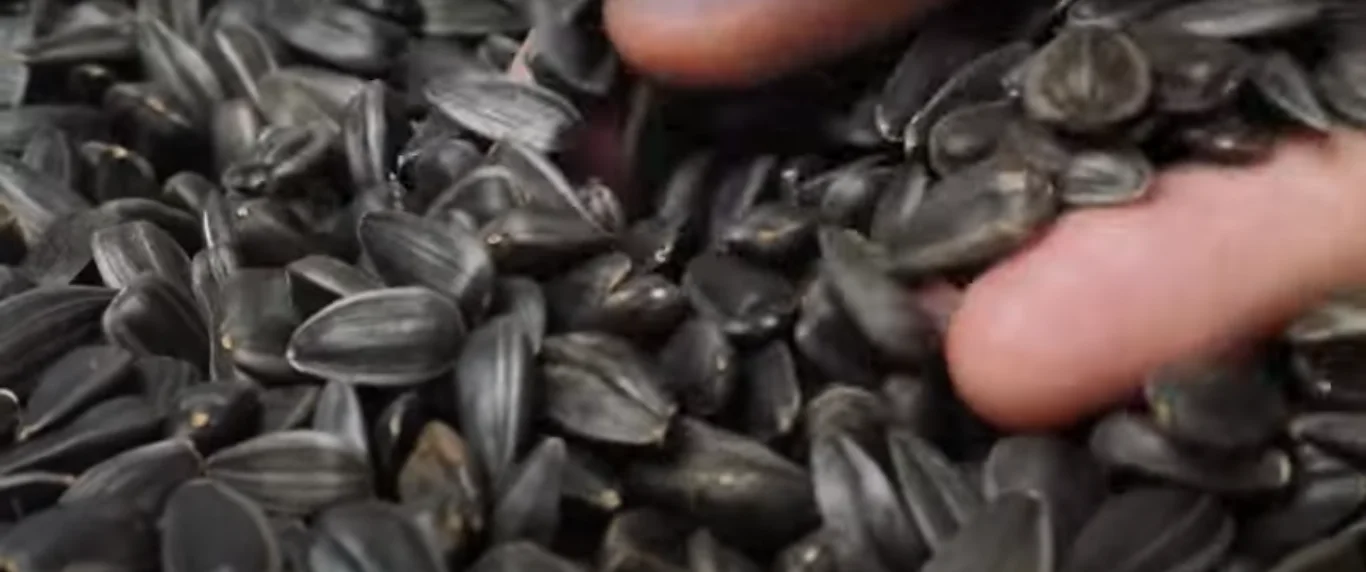
Beautiful, radiant skin starts from within. By incorporating these nutrient-rich foods — avocados, fatty fish, sweet potatoes, broccoli, tomatoes, walnuts, dark chocolate, and sunflower seeds — into your daily meals, you give your skin the raw materials it needs to stay firm, hydrated, and glowing at every age.
Vitamin E (alpha-tocopherol) is the primary fat-soluble antioxidant in skin cell membranes — it sits within the phospholipid bilayer of every skin cell and intercepts reactive oxygen species before they can initiate lipid peroxidation (the chain reaction that damages cell membranes and accelerates skin aging). UV radiation, pollution, cigarette smoke, and even normal metabolism generate the free radicals that vitamin E neutralizes. Sunflower seeds also contain linoleic acid, an omega-6 fatty acid that is a structural component of ceramides — the lipid “mortar” between skin cells that prevents transepidermal water loss (TEWL) and keeps skin feeling soft and hydrated.
A 2016 observational study in Nutrients found that women with higher dietary vitamin E intake (from food, not supplements) had significantly better skin texture, fewer visible wrinkles, and lower transepidermal water loss than age-matched women with low vitamin E intake — independent of other dietary factors. This suggests that the vitamin E naturally packaged within sunflower seeds and other food sources is more beneficial for skin than isolated supplemental vitamin E, possibly because food sources deliver vitamin E alongside the synergistic fats and cofactors needed for its incorporation into skin membranes.
Sprinkle a tablespoon of sunflower seeds on salads, add them to homemade granola, or blend them into smoothies for a low-effort daily skin-health upgrade. Pairing sunflower seeds with vitamin C-rich foods (tomatoes, citrus, bell peppers) regenerates spent vitamin E back to its active form — the same vitamin C/E synergy noted for avocados, now applicable across your whole diet.
Which of these skin-boosting foods is your favorite? Adding just two or three of these consistently is enough to produce visible skin improvements within 8–12 weeks — the time it takes for newly nourished skin cells to migrate to the surface and replace older ones.
⚕️ Medical Disclaimer
The information provided on this page is for educational purposes only and is not intended as medical advice, diagnosis, or treatment. Always consult a qualified healthcare professional before making changes to your diet, starting any supplement, or if you have an existing medical condition. KeepFitQuote does not provide medical diagnoses or treatment recommendations. Read our full disclaimer.
Related Posts





Pingback: Nutrition Facts: 7 Natural Remedies for Common Health Issues