You’ve heard of calcium for bones and iron for energy, but magnesium? This powerhouse mineral rarely gets the spotlight—yet it’s one of the most essential nutrients in your body. It can affect everything from mood to muscles, sleep to heart rhythm.

In this article, we’ll break down the surprising symptoms and subtle signs of low magnesium using low-competition, high-relevance keywords, so you can understand what’s really going on if you feel “off” but can’t pinpoint why.
Magnesium deficiency is remarkably common yet remarkably underdiagnosed, in part because the standard blood test used to check magnesium levels — serum magnesium — measures less than 1% of the body’s total magnesium and can appear normal even when a significant deficiency exists in tissues, muscles, and bones where the mineral is actually stored and used. Estimates suggest that between 10% and 30% of the general population may have suboptimal magnesium status, with rates significantly higher in older adults, people with chronic health conditions, and those under regular stress. Because magnesium is a cofactor for over 300 enzymatic reactions, its deficiency doesn’t produce one clear symptom — it produces a scattered constellation of seemingly unrelated complaints that are easy to dismiss individually but that, taken together, paint a clear picture. This guide walks through those signs in detail, explains what drives magnesium loss, and offers a practical path to restoring healthy levels.
Table of Contents
Why Magnesium Matters More Than You Think
Magnesium is essential for over 300 enzyme reactions in the body. It supports:
- Nerve function

- Muscle relaxation

- Blood pressure regulation

- Blood sugar control

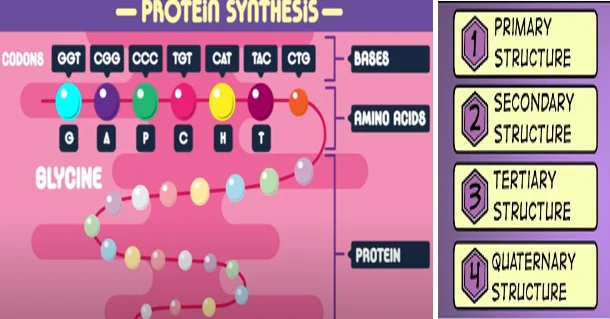
- Protein synthesis
- Sleep hormone production (hello, melatonin!)
Yet, nearly half of Americans may not be getting enough—especially older adults, those on specific medications, or anyone with high stress or poor gut health.

The breadth of magnesium’s role in the body is genuinely difficult to overstate. As a cofactor, magnesium is physically required for enzymes to function correctly in processes ranging from DNA synthesis and repair to the production of ATP (the cell’s energy currency) to the regulation of over 600 additional enzymatic reactions where it plays a supporting rather than obligatory role. For nerve function, magnesium acts as a natural calcium channel blocker at the cellular level, preventing the over-excitation of neurons that would otherwise lead to excessive firing — this is the same basic mechanism by which magnesium sulfate is used medically to prevent seizures in eclampsia. For muscle relaxation, magnesium competes with calcium for binding sites in muscle fibers; calcium triggers contraction while magnesium promotes relaxation, meaning a deficiency shifts this balance toward chronic muscle tension and cramping. For blood pressure, magnesium supports the relaxation of vascular smooth muscle and modulates the renin-angiotensin system. For blood sugar, magnesium is required for the proper function of insulin receptors — deficiency is directly linked to insulin resistance in multiple studies. National survey data from NHANES consistently shows that roughly 45-50% of Americans consume less than the estimated average requirement for magnesium from diet alone, a gap driven substantially by the shift toward processed foods, which strip magnesium during refining.
What Magnesium Deficiency Causes (Surprising Effects You Might Miss)
Let’s answer the core question:
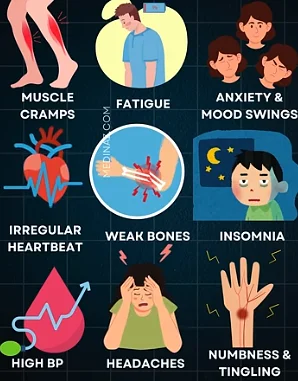
1. Unexplained Muscle Cramps at Night
Low magnesium affects how your muscles contract and relax. If your legs are cramping randomly, especially nocturnal leg cramps, this could be an early sign.

Nocturnal leg cramps affect an estimated 60% of adults at some point, and while multiple factors can contribute, magnesium’s role in regulating the sodium-potassium pump and calcium signaling in muscle fibers makes it one of the most commonly implicated and correctable causes. A 2017 systematic review in the Journal of the American Board of Family Medicine found modest but measurable benefit from magnesium supplementation for cramp frequency and severity, particularly in pregnant women and older adults — two populations with notably higher magnesium needs and lower typical intake. If cramps occur specifically at night or after exercise, and are not explained by dehydration or an obvious mechanical cause, magnesium status is a reasonable first area to investigate, ideally alongside a conversation with your physician about testing.
2. Chronic Fatigue With No Clear Cause
Feeling tired despite sleeping enough? Magnesium helps turn food into energy. A deficiency can cause energy production disruption, leading to fatigue.

Magnesium is a required cofactor for the enzymes that produce ATP within the mitochondria — the cellular energy-generating machinery. Specifically, magnesium binds to ATP itself (forming the biologically active Mg-ATP complex) in order for ATP to be used by cells at all; without adequate magnesium, cells cannot efficiently utilize the energy substrate they do have, regardless of how much food-derived fuel is available. This creates a frustrating scenario where a person eats adequately, sleeps enough hours, and still experiences persistent, unexplained fatigue — because the cellular machinery converting fuel to usable energy is operating below capacity. Distinguishing magnesium-related fatigue from other causes (thyroid dysfunction, anemia, sleep apnea, depression) requires ruling out these other common causes with your physician, but if standard fatigue workups come back unremarkable, magnesium status is worth specifically investigating.
3. Irregular Heartbeat or Mild Palpitations
While not always dangerous, heart rhythm changes can result from low magnesium levels. It’s especially common in people with high blood pressure or those taking diuretics.

Magnesium plays a critical stabilizing role in cardiac electrical activity, working alongside potassium to maintain the proper polarization and repolarization of heart muscle cells during each beat. Magnesium deficiency is strongly associated with several arrhythmia types, most notably atrial fibrillation and ventricular arrhythmias, and hospital-based studies consistently find low magnesium levels significantly more prevalent in patients admitted with cardiac arrhythmias compared to the general population. This connection is particularly relevant for people taking loop or thiazide diuretics for blood pressure management, since these medications increase renal magnesium excretion and are a well-documented cause of medication-induced magnesium deficiency. If you experience new or worsening palpitations, especially while on diuretic therapy, discuss magnesium testing with your prescribing physician — this is a genuinely common and correctable contributing factor that is sometimes overlooked in routine cardiac workups.
4. Anxiety and Restlessness
There’s a deep brain-body connection with magnesium. Low levels may lead to:
- Nervous tension
- Poor stress response
- Restlessness in the evening
In short: it may feel like your mind can’t turn off.
Magnesium’s role in the nervous system extends specifically to the regulation of the HPA (hypothalamic-pituitary-adrenal) axis, the body’s central stress response system. Magnesium modulates the NMDA receptor (reducing excitatory glutamate signaling) and enhances GABA receptor activity (the primary inhibitory, calming neurotransmitter system in the brain) — meaning adequate magnesium essentially provides a natural “brake” on the nervous system’s excitability. Under chronic stress, the body excretes magnesium more rapidly through cortisol-mediated kidney losses, creating a self-reinforcing cycle: stress depletes magnesium, and magnesium depletion impairs the body’s ability to regulate the stress response, producing more stress hormone release. A 2017 systematic review published in Nutrients found consistent, though generally modest, evidence that magnesium supplementation reduced subjective anxiety symptoms, with the strongest effects seen in people who had a demonstrable deficiency at baseline. For anyone experiencing persistent evening restlessness or a subjective sense of being unable to “switch off” mentally, addressing magnesium status alongside other stress-management strategies is a reasonable and low-risk intervention.
5. Headaches or Migraine Sensitivity
Magnesium plays a role in blood vessel regulation. Recurrent tension headaches or hormonal migraines in women may signal a deficiency.

The connection between magnesium and migraine is one of the better-established relationships in this entire list, with sufficient evidence that the American Academy of Neurology and American Headache Society include magnesium among the “Level B” evidence-based options for migraine prevention. Magnesium influences migraine through multiple mechanisms: it regulates vascular tone (relevant to the vasodilation phase of migraine), modulates NMDA receptor activity (implicated in the cortical spreading depression thought to underlie migraine aura), and reduces the release of inflammatory neuropeptides like CGRP (calcitonin gene-related peptide), a target of newer migraine medications. Studies have found that migraine sufferers, particularly those with menstrual migraines, have measurably lower magnesium levels than non-migraine populations during acute attacks. Clinical trials using magnesium supplementation for migraine prevention (typically 400-600mg daily of magnesium oxide or citrate) have shown meaningful reductions in migraine frequency in several randomized trials, making this one of the more clinically actionable connections on this list.
6. Trouble Sleeping
Insomnia or waking up multiple times during the night? Magnesium helps regulate melatonin and GABA—two key players in restorative sleep cycles.

Magnesium’s dual role in sleep regulation works through both the GABA system discussed above and its involvement in melatonin synthesis, where it acts as a cofactor for the enzymes that convert serotonin into melatonin in the pineal gland. A 2012 double-blind, placebo-controlled trial published in the Journal of Research in Medical Sciences found that magnesium supplementation in elderly adults with insomnia significantly improved sleep time, sleep efficiency, and reduced early morning awakening, alongside measurable reductions in serum cortisol — the stress hormone that, when elevated at night, is one of the most common drivers of middle-of-the-night waking. For adults over 50, who experience a natural age-related decline in both magnesium absorption and melatonin production, addressing magnesium status is a particularly relevant intervention for the sleep maintenance insomnia (frequent nighttime waking) that becomes increasingly common with age.
7. Poor Digestion or Bloating
Low magnesium can disrupt your gut muscle contractions and cause slow bowel movement or even mild constipation, especially when combined with dehydration.
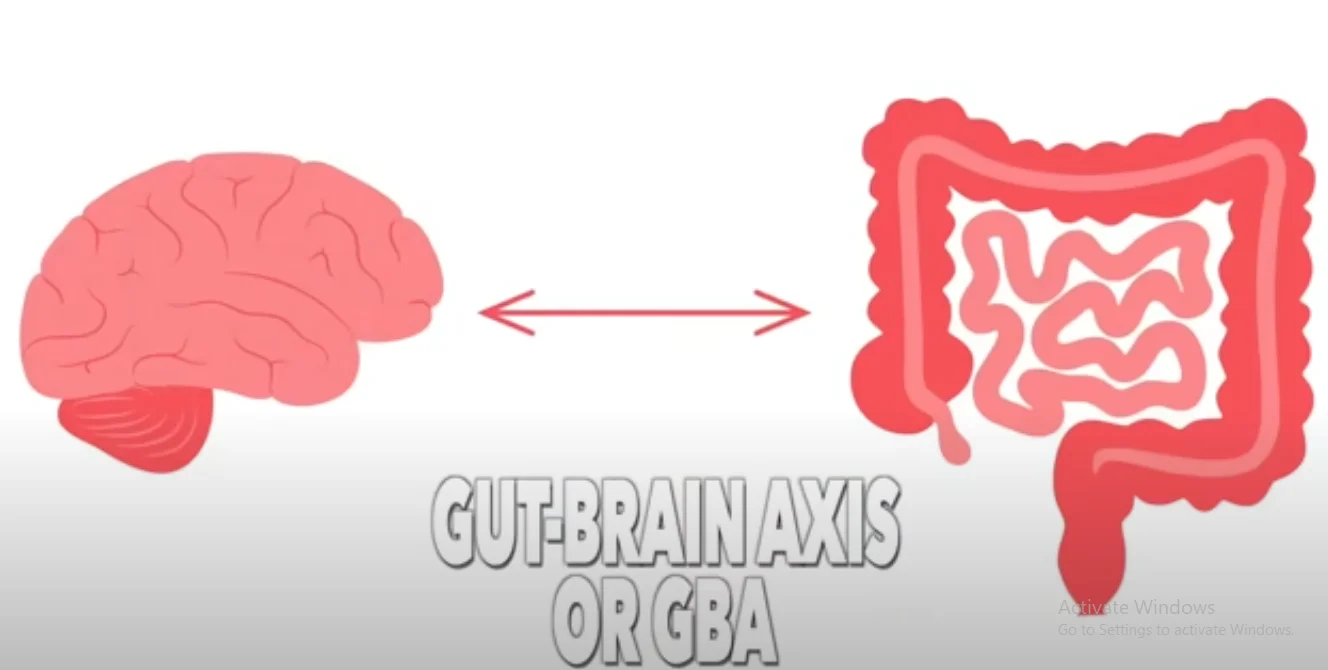
Magnesium plays a direct role in gastrointestinal motility through its effect on smooth muscle relaxation and its osmotic effect within the intestinal lumen — this is precisely why magnesium-based products (magnesium citrate, magnesium hydroxide) are used medically as laxatives. When magnesium status is low, the peristaltic contractions that move food through the digestive tract become less coordinated and efficient, contributing to slower transit time, bloating, and constipation. This relationship also works in the opposite direction: chronic digestive conditions including Crohn’s disease, celiac disease, and prolonged diarrhea all impair magnesium absorption, creating a bidirectional relationship where poor gut health causes magnesium deficiency and magnesium deficiency worsens digestive symptoms. Addressing hydration alongside magnesium intake is important, since the osmotic mechanisms of magnesium’s digestive benefits depend on adequate fluid status.
What Causes Magnesium Deficiency?
Magnesium levels drop for many hidden reasons. Here are some less obvious causes:
- Processed food diet (low mineral content)

- Excess caffeine or alcohol

- Stress hormone spikes (cortisol wastes magnesium)

- Type 2 diabetes

- Gut absorption issues (Crohn’s, IBS, celiac)

- Prolonged diarrhea

- Proton pump inhibitors (acid-reducing meds)
Understanding these causes helps identify your personal risk profile. Modern industrial food processing strips magnesium dramatically: refining whole wheat into white flour removes approximately 80% of its magnesium content, and similar losses occur in processed rice and refined sugar — meaning a diet heavy in processed foods is almost inherently magnesium-poor regardless of caloric intake. Caffeine and alcohol both increase renal magnesium excretion; regular heavy consumption of either can meaningfully deplete stores over time. Chronic stress depletes magnesium through cortisol-mediated kidney losses, as described earlier, creating the frustrating cycle where the people who most need calming support are also those most likely to be depleted. Type 2 diabetes causes magnesium loss through increased urinary excretion driven by glucosuria (glucose spilling into urine, which magnesium follows osmotically) — and the relationship works both ways, since magnesium deficiency itself worsens insulin resistance. Gut conditions that impair nutrient absorption broadly — including Crohn’s disease, celiac disease, and irritable bowel syndrome — specifically impair magnesium absorption in the small intestine. Proton pump inhibitors (PPIs) like omeprazole, used long-term for acid reflux, carry an FDA warning specifically about magnesium deficiency risk, since gastric acid is required for optimal magnesium absorption; anyone on long-term PPI therapy should have periodic magnesium monitoring.
How to Test and Fix It
Your doctor may order a serum magnesium blood test, but that only shows about 1% of your body’s magnesium. A more accurate marker is RBC magnesium or magnesium loading test.

To restore healthy levels:
- Eat more magnesium-rich whole foods: pumpkin seeds, almonds, dark leafy greens, avocado, and black beans.

- Consider magnesium glycinate or magnesium citrate supplements under guidance.

- Avoid calcium overload without magnesium balance.
The limitation of standard serum magnesium testing cannot be overstated: because only about 1% of the body’s total magnesium circulates in the blood (with the remainder stored in bone, muscle, and soft tissue), the body tightly regulates blood levels even during significant tissue-level deficiency, meaning serum tests frequently appear “normal” in people with genuine functional deficiency. Red blood cell (RBC) magnesium testing provides a more accurate reflection of tissue status, since red blood cells retain magnesium over their roughly 120-day lifespan. The magnesium loading test — where a measured dose is administered and urinary excretion is tracked over 24 hours — is considered the gold standard but is rarely used outside specialized clinical settings due to its complexity. For dietary restoration, pumpkin seeds are among the most concentrated food sources (150mg per ounce), followed by almonds, spinach, black beans, and avocado. When supplementing, the chelated forms — magnesium glycinate (best for sleep and anxiety, gentle on digestion) and magnesium citrate (good general-purpose form, mild laxative effect at higher doses) — are generally better absorbed and better tolerated than magnesium oxide, which is poorly absorbed despite being the most common form in inexpensive supplements. The calcium-magnesium balance matters because both minerals compete for absorption pathways; a diet or supplement regimen heavily skewed toward calcium without adequate magnesium can worsen magnesium status and has been associated with increased cardiovascular calcification risk in some research.
Real Talk: Are You at Risk?
You might not show classic symptoms—but even mild magnesium insufficiency can drain your energy, affect your sleep, and quietly impact your long-term health. People at higher risk include:
- Postmenopausal women
- Heavy coffee drinkers
- People on diuretics
- Athletes sweating frequently
- Chronic stress sufferers
Each of these groups faces a distinct mechanism of elevated magnesium need or loss. Postmenopausal women experience reduced intestinal magnesium absorption efficiency as estrogen declines, compounding the already-common dietary insufficiency seen in this population and contributing to the muscle cramps and sleep disruption many women report during this life stage. Heavy coffee drinkers (more than 4 cups daily) experience meaningfully increased urinary magnesium excretion. Diuretic users, as discussed, face medication-induced losses that are dose-dependent and cumulative over months of use. Athletes lose magnesium through sweat at rates that can exceed 10-15mg per hour of intense exercise, and this loss is rarely fully replaced through standard sports drinks, which typically prioritize sodium and potassium replacement over magnesium. Chronic stress sufferers face the cortisol-mediated depletion cycle described throughout this article. If you fall into two or more of these categories, proactive attention to magnesium intake — through both diet and, if appropriate, supplementation discussed with your physician — is a reasonable and low-risk preventive strategy.
Frequently Asked Questions (FAQs)
1. What is the first symptom of magnesium deficiency?
Typically, people notice leg cramps or muscle twitches, especially during rest or at night. These are often the earliest and most recognizable signs.
2. Can magnesium help with stress and sleep?
Yes. Magnesium supports GABA activity, promoting calmness and deeper, more restorative sleep. Magnesium glycinate is particularly well-suited for this purpose due to its calming properties and gentle digestive profile.
3. How long does it take to correct magnesium deficiency?
Most people notice improvement within 1–2 weeks of consistent dietary or supplemental intake, though full tissue-level repletion (especially if deficiency has been long-standing) may take several months of consistent intake.
4. Is magnesium safe to take every day?
For most people, yes, especially in chelated forms like glycinate or malate. But always check with your doctor, especially if you have kidney disease, as impaired kidney function reduces the body’s ability to excrete excess magnesium.
5. Can low magnesium affect hormones?
Absolutely. It may disrupt cortisol regulation, menstrual cycles, and thyroid hormone conversion, since magnesium is a required cofactor in the enzymatic pathways governing all three of these hormonal systems.
Final Thoughts
So—magnesium deficiency causes what? A whole lot more than people realize. From poor sleep and fatigue to anxiety, cramps, and even irregular heartbeat, this one overlooked mineral can quietly disrupt your entire well-being.
The good news? It’s totally fixable with lifestyle tweaks and smart nutrition choices.
If you’re serious about optimizing your health, don’t overlook this quiet but powerful mineral. Your body will thank you.
Sources: NIH Office of Dietary Supplements: Magnesium · MedlinePlus: Magnesium
⚕️ Medical Disclaimer
The information provided on this page is for educational purposes only and is not intended as medical advice, diagnosis, or treatment. Always consult a qualified healthcare professional before making changes to your diet, starting any supplement, or if you have an existing medical condition. KeepFitQuote does not provide medical diagnoses or treatment recommendations. Read our full disclaimer.
Related Posts