
Why More Americans Are Turning to This Bright Yellow Root
Turmeric isn’t just something you sprinkle on curry anymore. It’s become a wellness staple in many households—for good reason. This earthy, golden spice has been used in traditional healing systems like Ayurveda and Chinese medicine for ages, and now it’s making its way into smoothies, teas, and even supplements across the U.S.
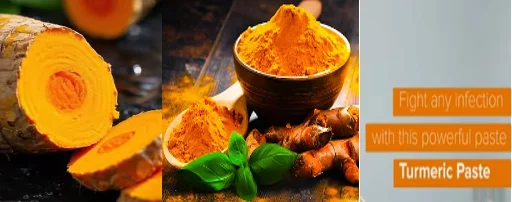
If you’re curious what turmeric actually does for your body, here’s a simple breakdown—no hype, no fluff, just clear, practical insights.
For adults over 50, turmeric has earned particular attention because so many of its traditional uses—easing joint discomfort, supporting digestion, helping with circulation—align closely with the everyday concerns that come with getting older. The compound responsible for most of turmeric’s effects is curcumin, a naturally occurring polyphenol that gives the spice its vivid color and is the subject of thousands of published studies looking at its anti-inflammatory and antioxidant properties. That said, curcumin makes up only a small percentage of turmeric by weight, and on its own it’s absorbed poorly by the body, which is part of why so many traditional preparations pair it with black pepper or a source of fat. The sections below walk through some of the most talked-about ways turmeric may support health, along with practical tips for adding it to your routine and a few safety notes worth keeping in mind.
Table of Contents
🔴 1. Helps with Muscle Aches and Morning Stiffness
Feeling creaky when you get out of bed? Turmeric might help loosen things up. It contains curcumin, a natural compound that seems to calm minor discomfort in the muscles and joints.

Whether you’re sore from exercise or just aging like the rest of us, adding a pinch of turmeric to warm almond milk or tea may make a noticeable difference over time.
Joint stiffness becomes more common with age partly because cartilage—the cushioning tissue between bones—naturally thins over the decades, and the body’s inflammatory response tends to run a bit higher as well. Curcumin has been studied for its ability to help modulate certain inflammatory pathways in the body, including some of the same ones targeted by over-the-counter pain relievers, though it works more gradually and gently. Several small clinical trials in older adults with knee discomfort have found that consistent daily use of curcumin, often over 8 to 12 weeks, was associated with improvements in comfort and mobility scores. For best results, consistency matters more than a single large dose—many people find that working turmeric into daily meals, rather than relying on it occasionally, is what makes a noticeable difference over time. As always, if joint pain is severe, sudden, or accompanied by swelling and redness, that’s worth bringing to your doctor rather than managing with diet alone.
🔴 2. Calms Bloating and Gas
If your stomach often feels puffy or heavy, turmeric may be worth trying. It supports bile release, which helps your body digest fats better. Some folks drink turmeric tea first thing in the morning to get their digestion going and reduce mid-day bloating.

Bile is produced by the liver and stored in the gallbladder, and it plays a key role in breaking down dietary fats so they can be absorbed properly. As digestion naturally slows with age, some people notice more bloating, gas, or a feeling of heaviness after meals, especially richer ones. Turmeric’s traditional use as a digestive aid lines up with modern research suggesting it can stimulate bile production and support overall gut comfort. A simple turmeric tea—just a quarter teaspoon of turmeric powder steeped in hot water, with a squeeze of lemon if desired—taken about 20 to 30 minutes before a meal is a gentle way to try this. One important caveat: because turmeric increases bile flow, anyone with gallstones or a history of gallbladder issues should talk to their doctor before using turmeric regularly, since stimulating bile release could potentially aggravate those conditions.
🔴 3. Promotes Healthy Blood Flow
Turmeric has a natural ability to support blood circulation. It doesn’t act like a drug, but it can gently help your blood move more freely, especially in people who sit for long hours. This may be helpful if you notice cold hands and feet often or feel sluggish during the day.
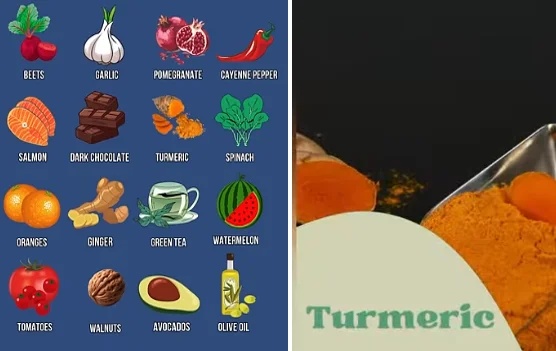
Healthy circulation depends on the blood vessels themselves staying flexible and on the blood not being overly prone to clotting. Curcumin has been studied for its potential to support the function of the endothelium—the thin layer of cells lining blood vessels—which plays an important role in how well vessels dilate and respond to the body’s needs. Some research also suggests curcumin may have a mild effect on platelet activity, which is part of why it’s grouped with foods that can support circulation. For older adults, especially those who spend a lot of time sitting, simple habits like taking short walking breaks every hour, staying hydrated, and including circulation-friendly foods like turmeric, ginger, and citrus can work together to support comfort and energy throughout the day. Important safety note: because of its potential effect on blood clotting, anyone taking blood-thinning medications such as warfarin, or who has an upcoming surgery, should discuss turmeric use with their doctor first.
🔴 4. Sharpens Focus and Mental Energy
There’s some early research suggesting curcumin helps support brain function—mainly by affecting a protein called BDNF that plays a role in memory and learning. While it’s not a cure-all, many people say they feel a bit more alert when they use turmeric regularly in meals or drinks.
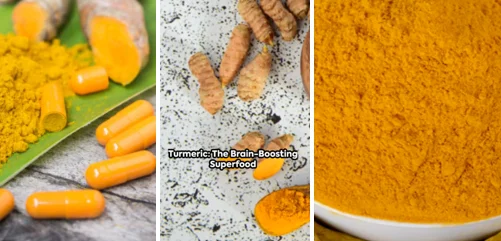
BDNF, or brain-derived neurotrophic factor, supports the growth and survival of brain cells and plays a role in how well the brain adapts and forms new connections—a process that tends to slow with age. Some studies in older adults have looked at curcumin supplementation over several months and found associations with improvements in certain memory tasks and mood measures, though researchers caution that more large-scale studies are needed before firm conclusions can be drawn. Beyond any direct effect on brain chemistry, curcumin’s anti-inflammatory properties may also play a supporting role, since chronic low-grade inflammation has been linked to age-related cognitive changes. For most people, the simplest approach is to think of turmeric as one piece of a broader brain-healthy routine that includes regular physical activity, social engagement, quality sleep, and a varied diet rich in colorful fruits and vegetables.
🔴 5. Soothes Mild Skin Redness
Turmeric isn’t just for your insides—it’s great for your skin, too. Some people use it topically for irritated or uneven areas. Others notice clearer skin after adding it to their diet. A popular homemade option? Mix turmeric powder with honey or plain yogurt and apply it as a short mask once or twice a week.

Skin tends to become thinner, drier, and more prone to redness or uneven tone as we age, partly due to decades of sun exposure and a natural decline in collagen production. Turmeric’s antioxidant and anti-inflammatory properties are thought to be behind its traditional use for calming irritated skin, and some small studies have looked at curcumin gels for conditions involving skin inflammation. If you try a turmeric mask at home, keep in mind that turmeric can temporarily stain skin (and fabrics) yellow, so it’s worth doing a patch test on a small area first and being mindful of light-colored towels or clothing. Leave the mask on for no more than 10 to 15 minutes, and rinse thoroughly. As with any new skincare ingredient, those with sensitive skin or existing skin conditions should check with a dermatologist before regular use.
🔴 6. Supports Liver Health and Natural Detox
Your liver is your body’s cleanup crew. Turmeric can assist by encouraging enzyme activity and helping your body clear out waste a bit more efficiently. If you’re trying to support your system without doing extreme cleanses, this is one way to go about it gently.

The liver performs hundreds of functions, including filtering toxins from the blood, processing medications, and producing the bile mentioned earlier for digestion. Curcumin has been studied for its potential to support the activity of certain liver enzymes involved in detoxification processes, and some research suggests it may help protect liver cells from oxidative stress. It’s worth being cautious of products marketed as “detox” cures that promise dramatic results—the liver and kidneys are remarkably effective at their jobs on their own, and the most evidence-based way to support them is through consistent habits: staying hydrated, limiting alcohol, eating plenty of fiber-rich foods, and maintaining a healthy weight. Turmeric can be a gentle complement to those habits, but it’s not a substitute for them, and anyone with a diagnosed liver condition should talk to their doctor before adding concentrated turmeric supplements to their routine.
🔴 7. Reduces Monthly Cramps for Women
Many women report relief from menstrual cramps when they regularly include turmeric in their diet. The curcumin works to tone down inflammatory activity, which may help lessen the discomfort. Drinking turmeric mixed with ginger and warm water is a popular home remedy for that time of the month.

Menstrual cramps are largely driven by prostaglandins, hormone-like compounds that cause the uterus to contract—and higher prostaglandin levels are associated with more intense cramping. Because curcumin has been studied for its ability to help moderate certain inflammatory compounds in the body, some researchers have looked at whether it might offer a gentler alternative or complement to standard pain relief for menstrual discomfort, with a few small trials reporting reduced pain scores. While this particular benefit is most relevant to women who are still menstruating, the same anti-inflammatory properties are part of why turmeric shows up across so many of the other benefits in this article—from joint comfort to digestion. A warm turmeric and ginger drink can also simply be a soothing ritual in itself, offering comfort during a time when many people appreciate a bit of warmth and routine.
✅ How to Add Turmeric to Your Day
You don’t need anything fancy. Try one of these:
- Add ½ teaspoon to soups, eggs, or your smoothie.
- Combine it with black pepper—this helps your body absorb it better.
- Use a pre-made turmeric latte mix for a cozy drink at night.
- Try capsules if you don’t like the taste (look for ones with piperine).
If you’re on medication—especially blood thinners—or have gallbladder issues, talk to your doctor before adding turmeric in large amounts.
A little goes a long way: most of the research showing benefits uses amounts roughly equivalent to half a teaspoon to a teaspoon of turmeric powder per day, often combined with black pepper, which contains piperine—a compound shown to increase curcumin absorption significantly. Cooking turmeric with a small amount of healthy fat, such as olive oil or coconut oil, can also improve absorption, since curcumin is fat-soluble. If you prefer supplements, look for products that list curcumin content specifically and include piperine or a similar absorption enhancer, and start with the lowest suggested dose to see how your body responds. Turmeric stains easily, so use a dedicated spoon and wipe up spills promptly to avoid yellow marks on countertops, clothing, or grout. Most importantly, think of turmeric as a helpful addition to an already healthy routine—not a replacement for prescribed medications or a balanced diet.
🟦 Frequently Asked Questions
Is turmeric okay to use every day?
Yes, most people can use it daily in food. If you’re using supplements, keep the dosage within the recommended range.
Can turmeric ease joint tightness?
Many people say it helps with joint stiffness, especially when used consistently.
Does turmeric help with detox?
Turmeric supports the liver and digestive system, which are both important for clearing out waste naturally.
Is it good for the skin?
Yes. It may reduce mild redness and promote a more even tone, both when eaten and applied as a mask.
Can it help with focus?
Some users report improved mental clarity when using turmeric regularly, though results can vary.
Final Thoughts
Turmeric is one of those simple things that quietly works in the background. You won’t feel a miracle overnight—but over weeks or months, many people notice small, steady improvements in how they feel. Whether it’s less bloating, better joint movement, clearer skin, or a sharper mind, this golden root might just become your daily wellness essential.
As with any new addition to your diet or routine, the best approach is a gradual one—start small, pay attention to how your body responds, and check in with your doctor if you’re managing health conditions or taking medications. Turmeric has earned its reputation over thousands of years of traditional use, and modern research continues to explore just how it supports the body in so many small but meaningful ways. For most healthy adults, adding a bit more of this golden spice to daily meals is a low-risk, low-cost step that may pay off in comfort and well-being over time.
⚕️ Medical Disclaimer
The information provided on this page is for educational purposes only and is not intended as medical advice, diagnosis, or treatment. Always consult a qualified healthcare professional before making changes to your diet, starting any supplement, or if you have an existing medical condition. KeepFitQuote does not provide medical diagnoses or treatment recommendations. Read our full disclaimer.
Related Posts








Pingback: Natural Joint Pain Relief for Seniors 7 Proven Home Remedies