Hormones and habits go hand in hand. The way you move, sleep, eat, and spend your time can influence the hormones that shape your energy, mood, and sleep. This guide explains 10 important hormones and the everyday activities that may help you release hormones naturally, with safety notes for older adults.
Think of hormones and habits as a two-way street. Habits like walking, sleeping on a schedule, and eating regular meals send signals to your glands. Your hormones then affect how motivated, rested, and hungry you feel.
For older adults, understanding how these hormones shift with age is especially valuable. Many common changes trace back to gradual hormonal shifts that begin in midlife. These include lower energy, a slower metabolism, lighter sleep, and achier joints. The encouraging news is that simple daily habits may help support healthier hormone levels at any age. Many of these habits are free and need no special equipment. This article is general education, not medical advice. For background on how hormones work, see the MedlinePlus overview of hormones.
1. Endorphins – The Workout High
If you’ve ever felt euphoric after a tough workout, that’s endorphins at work.
Exercise and endorphins are directly linked, with physical activity triggering the release of these “feel-good” chemicals.
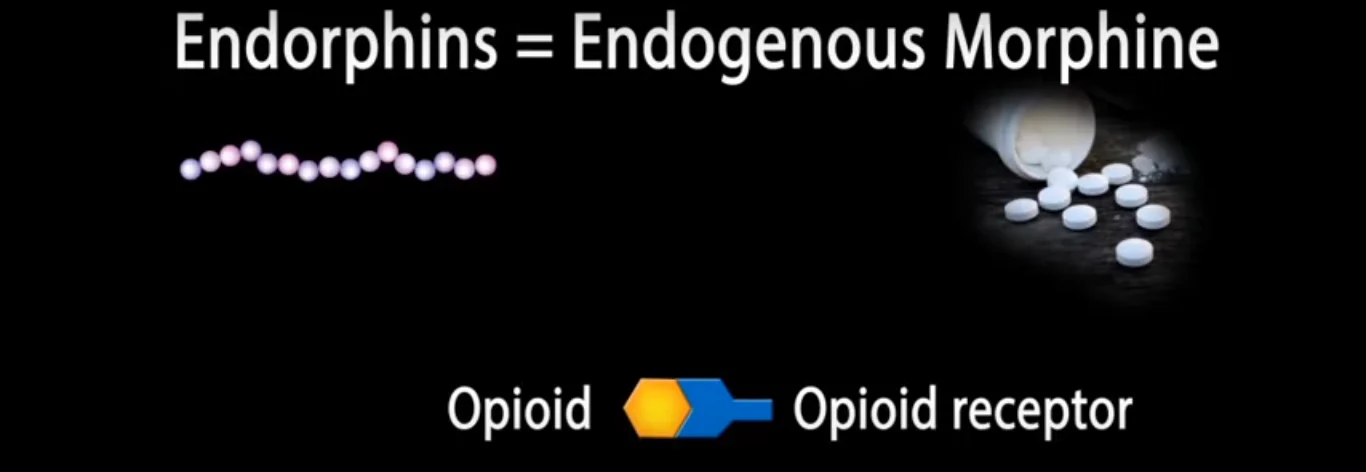
Endorphins are natural opioid-like compounds made by the pituitary gland and the nervous system. They bind to the same receptors that opioid pain medicines target. That is why they bring calm, less pain, and a mild lift often called a “runner’s high.” Research in the journal Neuropsychopharmacology links endorphin release during moderate aerobic exercise to less perceived discomfort. This may help older adults with arthritis or chronic low back pain. You don’t need to run a marathon. For example, a brisk 20 to 30 minute walk, a water aerobics class, or a gentle bike ride can all help.
For older adults, consistency matters more than intensity. Aim for 20 to 30 minutes of moderate activity most days. Low-impact options such as swimming, tai chi, or walking with trekking poles are kind to the joints. If you are new to exercise or have a heart condition, check with your doctor first. Also, warm up for five minutes to protect your muscles and joints. Over time, this habit can ease everyday aches, lift your mood, and help you sleep more soundly. It is a simple example of hormones and habits working together.
Tip: Choose activity you enjoy, such as brisk walking, dancing, or cycling, to support endorphin release.
Learn more: NIA: exercise and physical activity for older adults. If weak legs limit your workouts, see our guide to causes of weak legs after 60.
2. Dopamine – The Motivation Molecule
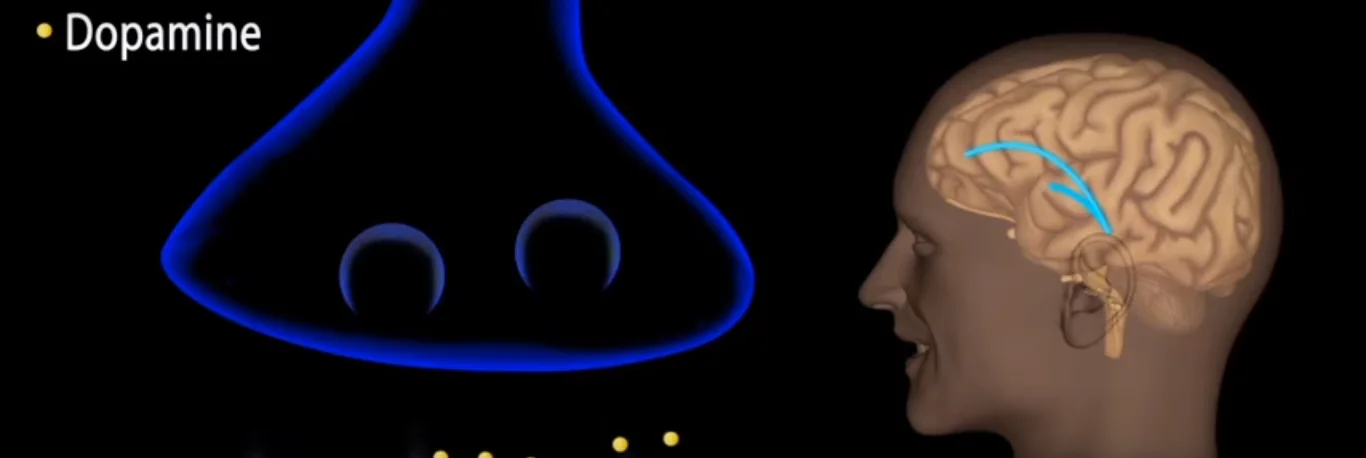
Dopamine fuels our drive, pleasure, and reward systems.
Completing tasks, achieving small goals, and experiencing new things can all naturally trigger releasing dopamine.
Dopamine is a chemical messenger made mainly in two brain regions, the substantia nigra and the ventral tegmental area. It drives motivation, focus, and the satisfaction of finishing a task. Neuroscience research shows that dopamine rises in anticipation of a reward, not just when you receive it. This is why small, achievable goals can create steady motivation through the day. Dopamine production also tends to decline gradually with age. That can contribute to lower motivation, slower movement, and mood changes in older adults.
Everyday activities can support healthy dopamine signaling. Learning a new skill, such as a language app, an instrument, or a new recipe, engages the brain’s reward circuits. Likewise, listening to music you love, spending time in nature, and connecting with friends or grandchildren also help. Small goals are an easy way to link hormones and habits in daily life. If you take medicines for Parkinson’s disease or depression, talk with your doctor before making major lifestyle changes. These conditions involve dopamine pathways and need professional guidance.
Tip: Create mini-goals throughout your day for consistent dopamine boosts.
(And remember: alcohol and dopamine are linked – too much alcohol can disrupt dopamine balance.)
3. Cortisol: How Hormones and Habits Shape Stress
Cortisol, often called the “stress hormone,” plays a huge role in your energy, metabolism, and even immune response.
Normally, cortisol levels spike in the morning (your cortisol awakening response) to wake you up, then taper off throughout the day.
Cortisol is made by the adrenal glands as part of the HPA (hypothalamic-pituitary-adrenal) axis, the body’s main stress-response system. Short bursts of cortisol are healthy and help you respond to challenges. However, chronically high cortisol is different. Ongoing stress, poor sleep, or untreated anxiety can keep it elevated. Research links this to higher blood sugar, more abdominal fat, weaker immune function, and faster bone loss. The bone point matters for older adults, because osteoporosis risk already rises with age.
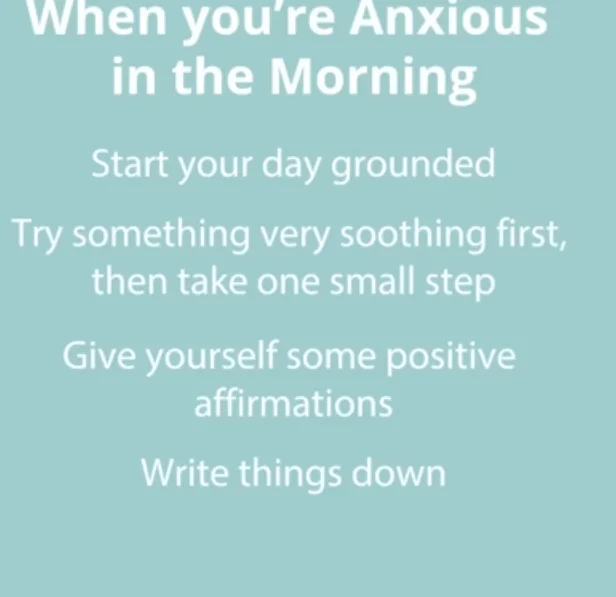
Lowering excess cortisol does not require anything drastic. A 2021 review in Frontiers in Psychology found that 10 to 15 minutes of daily mindfulness meditation reduced cortisol in older adults after eight weeks. In addition, deep breathing, journaling, time outdoors, and a steady sleep schedule also help regulate the HPA axis. If you take corticosteroid medicines for arthritis or COPD, these can affect your natural cortisol rhythm. Never stop or change steroid medicines without talking to your doctor first.
Tip: Limit caffeine late in the day and add mindfulness exercises to prevent excess cortisol buildup.
Learn more: Mayo Clinic: chronic stress puts your health at risk, and our guide to cortisol damage and your health.
(And watch out for cortisol and caffeine interactions that can worsen anxiety.)
4. Serotonin – The Mood Stabilizer
Serotonin is key to mood, appetite, and sleep.
Getting sunlight, exercising, and eating a gut-healthy diet (rich in probiotics) all help maintain healthy serotonin levels.
About 90% of the body’s serotonin is made in the gut, not the brain. This is why digestive health and mood are so closely connected, a link scientists call the gut-brain axis. Serotonin is made from the amino acid tryptophan, found in foods like turkey, eggs, oats, and cheese. Vitamin D and sunlight may also play a supporting role. This matters for older adults, because vitamin D deficiency becomes more common with age. Thinner skin, less time outdoors, and reduced kidney conversion of vitamin D all play a part.
A daily walk outside, even on a cloudy day, can support your mood and body clock. Also, fermented foods like yogurt, kefir, or sauerkraut can support gut bacteria diversity. Daily light and food choices are clear examples of hormones and habits supporting each other. Aim for at least 15 to 20 minutes of morning light, which also helps regulate your sleep-wake cycle. If you take SSRIs (selective serotonin reuptake inhibitors) for depression or anxiety, be careful with supplements like 5-HTP or St. John’s Wort. Together they can cause a rare but serious problem called serotonin syndrome. Always check with your doctor or pharmacist first.
Tip: Walk outside for 15 minutes each morning to support serotonin function.
Low serotonin is often linked to depression – sometimes treated with selective serotonin reuptake inhibitors (SSRIs).
5. Testosterone – The Confidence Builder
Testosterone is crucial for both men and women – it helps with muscle growth, energy, and libido.
Strength training and enough sleep may help support healthy testosterone levels.
Testosterone levels decline by roughly 1% per year after age 30 in men. Women also see gradual declines, especially after menopause. This decline contributes to sarcopenia, the age-related loss of muscle mass and strength. Sarcopenia is a major factor in falls, frailty, and loss of independence among older adults. The encouraging news is that resistance training is one of the best-studied ways to support muscle and bone health at any age. Studies show that older adults who do strength training two to three times per week tend to keep more muscle mass and bone density than those who don’t.
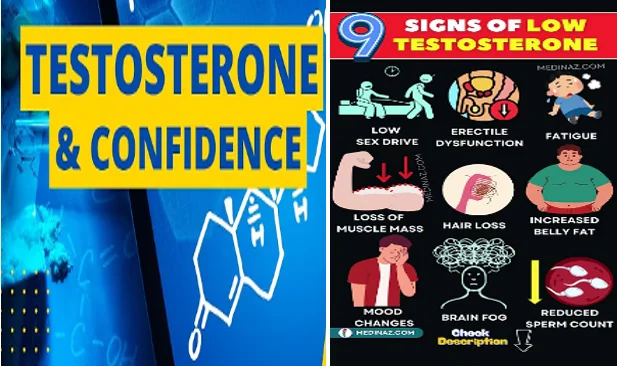
For older adults just starting out, bodyweight exercises are excellent low-risk options. For instance, try chair squats, wall push-ups, and resistance band rows. Pairing strength work with good sleep is one of the safest ways to combine hormones and habits. Sleep matters because most testosterone is made during deep sleep. Older adults who get less than 6 hours per night often show lower levels. If you are considering testosterone replacement therapy, make that decision with a physician after blood testing. It carries risks, including cardiovascular effects and prostate concerns for men.
Tip: Aim for resistance training two to three times a week, at a level your doctor approves.
Learn more: our guides to boosting testosterone naturally after 50 and what to eat to gain muscle after 60, plus the MedlinePlus testosterone levels test.
6. Estrogen – The Balance Keeper
Estrogen plays a major role in women’s hormones, bone health, and emotional well-being.
Too much stress can suppress estrogen – another reason to manage your stress hormone cortisol carefully.
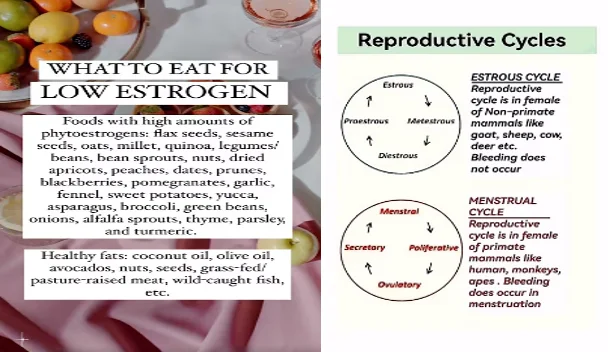
Estrogen does far more than regulate the reproductive cycle. It helps maintain bone density by slowing the cells that break down bone. This is why the years after menopause, when estrogen drops sharply, bring the fastest bone loss in a woman’s life. As a result, osteoporosis and fracture risk rise significantly. The North American Menopause Society notes that women can lose up to 20% of their bone density in the five to seven years after menopause. That makes this an important window for proactive bone health.
Weight-bearing exercise helps protect bone. In addition, adequate calcium (around 1,200 mg per day for women over 50) and vitamin D matter too. Foods with phytoestrogens may help support balance during this transition. These are plant compounds in soy, flaxseed, and chickpeas that weakly mimic estrogen. Hormone replacement therapy (HRT) is an option some women discuss with their doctors. It carries individual risks and benefits that depend on personal and family health history. Make it a shared decision with a healthcare provider who knows your full medical picture.
Tip: Practice yoga or mindfulness to help manage stress, which can affect hormone balance.
Learn more: NIA: menopause, and our guide to preventing osteoporosis after menopause.
7. Melatonin: Hormones and Habits for Better Sleep
If you struggle with sleep or jet lag, melatonin is your best friend.
Your body makes this pineal hormone naturally, but factors like blue light or caffeine can mess with production.
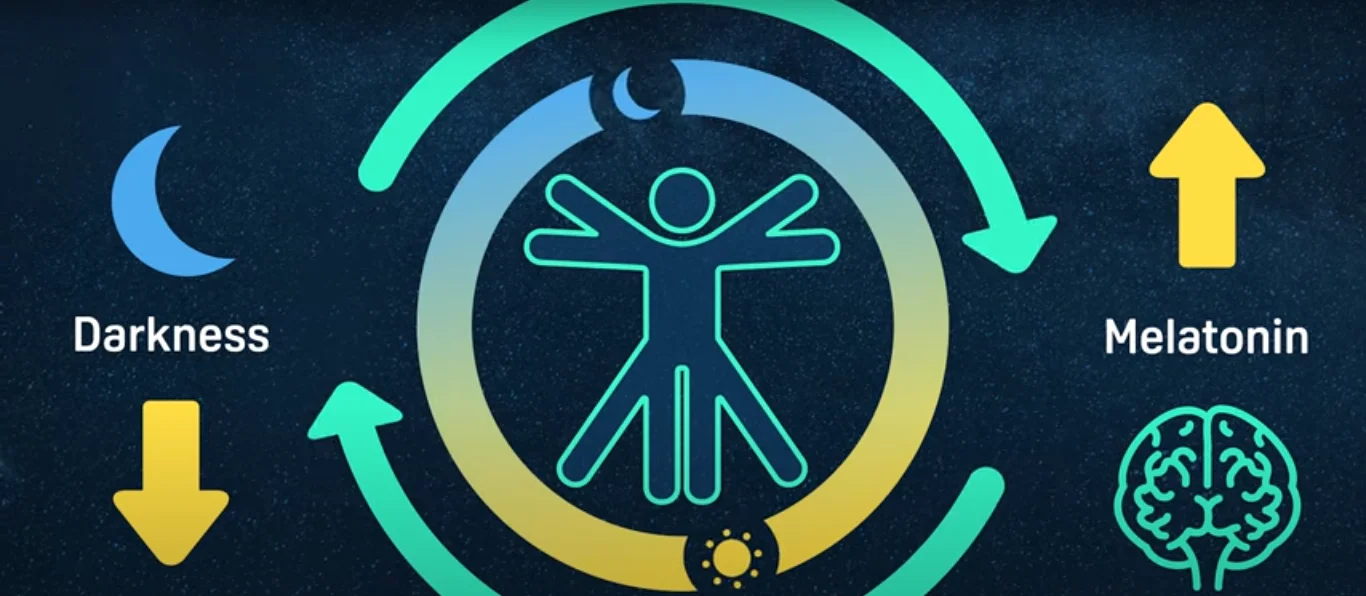
Melatonin production naturally declines with age. Research in the Journal of Clinical Endocrinology & Metabolism found that adults over 70 often make less than half the melatonin of young adults. This helps explain why many older adults have lighter sleep, more nighttime waking, and earlier wake times. First, darkness triggers melatonin, and light suppresses it. Blue light from phones, tablets, and TVs is especially disruptive. Evening screen use can therefore interfere with your natural wind-down.
Simple changes in your environment make a real difference. Dim household lights an hour before bed, use warm-toned lamps in the evening, and keep the bedroom cool and dark. In addition, tart cherries and cherry juice contain small amounts of natural melatonin and showed modest sleep benefits in small studies. If you use melatonin supplements, older adults generally need much lower doses than younger adults. Often 0.5 to 1 mg is enough, compared with the 5 to 10 mg doses sometimes marketed for general use. High doses can cause grogginess, vivid dreams, or next-day drowsiness. Melatonin can also interact with blood thinners and blood pressure medicines, so check with your pharmacist before starting any new supplement. Evening hormones and habits are closely linked, so light and routine matter as much as pills.
Tip: Dim your lights an hour before bed, and try a small serving of tart cherries if your doctor agrees.
Learn more: NIH NCCIH: melatonin, what you need to know, NIA: sleep and older adults, and our guide to safer sleep habits after 70.
(If you try melatonin, start with a low dose and check with your pharmacist first.)
8. Prolactin – The Nurture Hormone
Prolactin isn’t just for breastfeeding; it affects metabolism, immune system, and emotional health too.
High levels (like high prolactin hormone or elevated prolactin) can be diagnosed with a prl blood test.

Prolactin is made by the pituitary gland. Beyond milk production, it influences immune regulation, metabolism, and social bonding in both men and women. Chronic stress is a common trigger of elevated prolactin, because the same stress pathways that raise cortisol can stimulate the pituitary gland. Certain medicines can also raise prolactin as a side effect. These include some antipsychotics, antidepressants, and medicines for nausea or high blood pressure. Talk with your doctor if you notice fatigue, mood changes, or unexplained breast tenderness.
For older adults, healthy prolactin levels depend on the same basics as overall hormone balance. For example, manage stress with relaxation techniques, aim for 7 to 8 hours of quality sleep, and eat whole foods rather than ultra-processed ones. If a routine blood test shows elevated prolactin, your doctor may recommend more evaluation. Persistently high levels can occasionally point to a pituitary issue that is easily managed once identified. For prolactin, hormones and habits both matter, and a blood test is the only way to know your level.
Tip: Manage stress, protect your sleep, and eat mostly whole foods to support healthy prolactin levels.
Learn more: MedlinePlus: prolactin levels test and NIDDK: prolactinoma.
9. Epinephrine – The Adrenaline Rush
Epinephrine (adrenaline) triggers the “fight or flight” response.
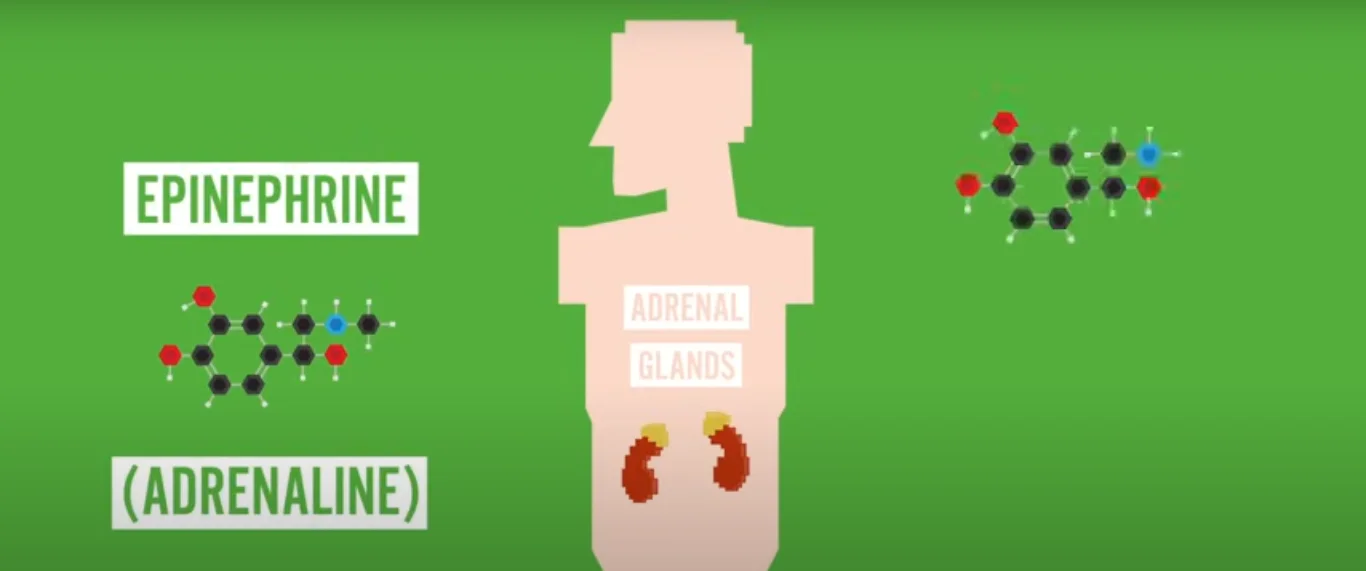
Exciting experiences – like roller coasters, public speaking, or cold plunges – naturally spike adrenaline levels.
Epinephrine is released by the adrenal medulla in response to danger or excitement. It quickly raises heart rate, blood pressure, and blood flow to the muscles to prepare the body for quick action. In fact, this response was essential for survival throughout human history. In small, controlled doses, it can still sharpen focus and increase alertness. Some people get a mood lift from “healthy stress,” or eustress, such as a brisk cold shower or an outdoor adventure.
Older adults with heart conditions, high blood pressure, or a history of arrhythmia should be thoughtful about how they trigger adrenaline. However, extreme activities, like very cold plunges or high-intensity stress, cause sudden, intense spikes. These can strain the cardiovascular system and should be discussed with a doctor first. Instead, gentler options include a brisk walk, a fun new hobby, or a lively conversation with friends. They give a pleasant lift in alertness and mood without the risk of extreme stimulation. With adrenaline, hormones and habits meet in everyday choices about stress and stimulation.
Tip: Choose gentle, enjoyable new activities, and skip extreme thrills if you have heart or blood pressure problems.
(Note: epinephrine is also a lifesaving medicine for severe allergic reactions. Natural adrenaline spikes are a different matter.)
10. HGH: Hormones and Habits for Repair and Recovery
HGH supports muscle repair and metabolism.
Deep sleep and strength training are natural ways to support healthy HGH release without the side effects linked to synthetic hormones.
Human growth hormone is released by the pituitary gland, mostly during deep, slow-wave sleep. This is one reason sleep quality matters more as we age. HGH production tends to decline gradually with age, which may contribute to slower tissue repair and reduced muscle mass. The two best-researched natural strategies are deep sleep and exercise. For sleep, avoid alcohol and screens close to bedtime, since both can reduce deep sleep. For exercise, resistance training and high-intensity interval training both cause measurable but temporary increases in growth hormone in clinical studies.
Intermittent fasting has also gained attention, since growth hormone can rise temporarily during fasting. However, evidence in older adults is limited, and fasting is not right for everyone. Older adults with diabetes, those on blood sugar medicines, or those with a history of low blood pressure should talk to their doctor first. Extended fasting can affect medicine timing and blood sugar control.
However, synthetic HGH and related peptides like sermorelin are sometimes marketed as anti-aging treatments. They are not proven for that purpose. They carry documented risks, including joint pain, fluid retention, and higher blood sugar. Doctors prescribe growth hormone for diagnosed growth hormone deficiency, and it should only be used under direct medical supervision.
Tip: Prioritize deep sleep and add strength training to support healthy HGH levels.
Learn more: Endocrine Society: growth hormone deficiency.
(Hormone treatment of any kind should start with an evaluation by an endocrinologist, not with a product from an ad.)
Final Thoughts: Hormones and Habits for Daily Life
Hormones and habits work best together when changes are small and steady. You don’t need expensive treatments or extreme supplements to support your hormones.
By adding exercise, sunlight, gentle excitement, gut-friendly foods, and quality sleep into your life, you can support your body’s own hormone balance and feel better day to day.
Focus on small daily habits. Over time, you may notice changes in your mood, energy, and sleep.
For older adults, this approach is cumulative and low-risk. A morning walk supports serotonin and helps your body make vitamin D. A short strength session twice a week may help preserve testosterone, HGH, and muscle mass. A consistent bedtime routine supports melatonin production. Overall, none of this needs a gym membership, a prescription, or a major lifestyle overhaul. It just takes consistency. If you manage a chronic condition or take medicines, share any new habits with your doctor so they can be tailored safely to you. Small, steady changes add up over months and years to better energy, mood, sleep, and resilience.
Hormones and Habits: Frequently Asked Questions
Can I get my hormone levels tested to see where I stand?
Yes. A standard blood panel ordered by your doctor can measure cortisol, testosterone, estrogen, prolactin, and thyroid hormones, among others. If you’re noticing symptoms like persistent fatigue, mood changes, sleep problems, or unexplained weight changes, a hormone panel can help identify whether an underlying imbalance is contributing, and your doctor can recommend appropriate next steps.
Is it safe for seniors to do intense exercise to boost hormones like endorphins and testosterone?
Intensity should be relative to your fitness level and health status. Moderate activities – brisk walking, swimming, resistance bands, light strength training – provide strong hormonal benefits with low injury risk for most older adults. If you have heart disease, joint replacements, or other conditions, work with your doctor or a physical therapist to find an appropriate intensity level before increasing exercise intensity.
Can diet alone meaningfully affect my hormone balance?
Diet plays a significant supporting role. Foods rich in tryptophan (turkey, eggs, oats), probiotics (yogurt, kefir), healthy fats (olive oil, nuts, fatty fish), and phytoestrogens (soy, flaxseed) all provide building blocks or signals that support hormone production. However, diet works best alongside sleep, movement, sunlight, and stress management – no single food or supplement can fully substitute for these foundational habits.
Should I consider hormone replacement therapy as I get older?
Hormone replacement therapy (for estrogen, testosterone, or thyroid hormones) can be appropriate for some people, but it’s a decision that requires individualized medical evaluation, including blood testing and a review of your personal and family health history. It’s not a decision to make based on general advice – schedule a conversation with your doctor or an endocrinologist if you’re considering it.
Why does sleep seem to affect so many of these hormones at once?
Sleep is when the body does much of its hormonal “housekeeping.” Deep sleep stages trigger HGH release, support melatonin’s natural decline toward morning, help regulate cortisol’s daily rhythm, and allow serotonin and dopamine systems to reset. Poor sleep disrupts all of these processes simultaneously, which is why improving sleep quality is often one of the single most impactful changes for overall hormonal health, especially after age 50.
How long does it take to notice a difference from these natural habits?
Some effects, like the mood lift from exercise-triggered endorphins or a walk in the sunlight, can be felt within hours. Others, like improved sleep quality from a consistent bedtime routine or muscle gains from resistance training, typically take 2 to 6 weeks of consistent practice to become noticeable. Bone density and long-term metabolic changes take months, which is why consistency matters more than intensity.
Sources and Further Reading on Hormones and Habits
- MedlinePlus: Hormones and Endocrine Glands
- NIA: Exercise and Physical Activity
- NIA: Sleep and Older Adults
- NIA: Menopause
- NIH NCCIH: Melatonin, What You Need To Know
- MedlinePlus: Cortisol Test
- MedlinePlus: Testosterone Levels Test
- MedlinePlus: Prolactin Levels Test
- NIDDK: Prolactinoma
- Endocrine Society: Growth Hormone Deficiency
- Mayo Clinic: Chronic Stress Puts Your Health at Risk
⚕️ Medical Disclaimer
The information provided on this page is for educational purposes only and is not intended as medical advice, diagnosis, or treatment. Always consult a qualified healthcare professional before making changes to your diet, starting any supplement, or if you have an existing medical condition. KeepFitQuote does not provide medical diagnoses or treatment recommendations. Read our full disclaimer.
Related Posts