When it comes to feeling your best, few things are as powerful as the foods you choose to blend into your daily life. Nutribullet natural healing foods aren’t just about making smoothies; they’re about nourishing your body from the inside out with real, vibrant ingredients that pack a serious wellness punch.
Healing Heroes: Ginger, Turmeric, and Garlic
Let’s start with some timeless healing roots. Ginger health benefits are legendary. From helping digestion to calming bloating and gas, this spicy root is a must-have in your kitchen. Whether you’re easing IBS symptoms, relieving a stubborn cough, or supporting testosterone levels, ginger for digestion and ginger for high blood pressure have you covered. Adding just 1 inch fresh ginger to ground ginger (or about 1 tsp fresh ginger to ground ginger) into your smoothie creates a warm, energizing zing that wakes up your entire body.

Ginger’s blend-friendly benefits come down mainly to gingerol and, once the root is heated or dried, shogaol — two related compounds that give ginger its bite and its therapeutic punch. In a smoothie, fresh ginger delivers concentrated gingerol, which has been studied for its ability to speed gastric emptying (helping food move through the stomach more efficiently, which is part of why ginger eases bloating and that “heavy” feeling after eating) and to calm nausea by acting on serotonin receptors in the gut. A small knob of fresh ginger — about the size of your thumbnail — is usually plenty for one smoothie; more than that and the flavor can quickly overwhelm sweeter ingredients like banana or dragon fruit.
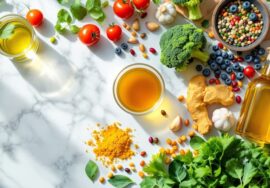
For an even bigger boost, toss in some turmeric. Known for centuries in Indian food, turmeric for pain relief is a natural anti-inflammatory miracle. Taking turmeric daily can help with digestion, constipation, and even depression. According to Mayo Clinic studies, turmeric and high blood pressure, turmeric and kidneys, and turmeric and diabetes are deeply connected, thanks to curcumin, its active compound. Want to really nourish your gut? Try turmeric milk for weight loss or use turmeric in your post-workout avocado drink!

One detail worth knowing before you start spooning turmeric into every smoothie: curcumin, turmeric’s star compound, is notoriously poorly absorbed on its own — a large portion passes through the digestive system without ever reaching the bloodstream in meaningful amounts. Two things dramatically change that. First, black pepper: piperine, its active compound, inhibits the liver enzymes that would otherwise break curcumin down too quickly, boosting absorption by as much as 2,000% in some studies. Second, fat: curcumin is fat-soluble, so blending your turmeric with a fat source — a spoonful of nut butter, a splash of coconut milk, or the avocado already featured in this article — helps your body actually absorb what you’re adding, rather than it passing through unused. A pinch of black pepper plus a fat source turns a token sprinkle of turmeric into a genuinely bioavailable dose.
Speaking of ancient medicine, let’s not forget garlic. Whether it’s sicilian honey garlic, the garlic farm specialties, or finding wild garlic near me, garlic is nature’s antibiotic. Ajoene in garlic helps with blood flow, and garlic foods are perfect for a FODMAP-friendly diet too. If you’ve ever tried garlic fermented in honey, you know it’s both delicious and medicinal.
Garlic’s active compounds — allicin and, after allicin breaks down further, ajoene — are only formed when garlic is crushed, chopped, or otherwise damaged, which triggers an enzymatic reaction between two compounds that are normally kept separate inside the intact clove. This is a genuinely important detail for smoothie-making: tossing a whole peeled clove into the blender and pulsing briefly gives the blades far less time to fully crush and activate these compounds than mincing the garlic first and letting it sit for 5–10 minutes before blending (the same “rest” trick used in cooking to maximize allicin formation). If garlic-forward smoothies aren’t for you, even a small amount blended into a savory tomato or vegetable-based smoothie is easier to enjoy than pairing raw garlic with fruit.
Fruity Goodness: Bananas, Avocados, and Dragon Fruit
When your Nutribullet is humming, don’t overlook the classics like cherry banana blends or a hearty banana loca shark tank recipe! Bananas are a natural energy booster. Whether you’re trying banana in empty stomach for gut health or cooling off with a banana air fryer snack, they bring potassium and sweetness to your healing journey.

Bananas deserve their smoothie-bag staple status for reasons beyond flavor and creaminess. A medium banana provides roughly 420mg of potassium — a mineral most Americans don’t get enough of, and one directly involved in regulating fluid balance and helping the kidneys excrete excess sodium, both relevant to blood pressure control. Bananas are also a source of resistant starch when slightly underripe (green-tinged), which functions similarly to fiber by feeding beneficial gut bacteria rather than being digested directly — this is part of why a banana blended into a smoothie can support gut health differently than the same banana eaten out of hand, since blending breaks down more of the cell structure and can slightly change how quickly the natural sugars are absorbed.
Avocados are another superstar. Loaded with healthy fats, avocados are perfect for reducing blood pressure, easing gastritis, and providing anti-inflammatory benefits. Need ideas? Make a refreshing avocado and banana smoothie after a workout. Store your extras by freezing avocado with skin on or storing avocados in water for longer shelf life. An avocado a day keeps cravings away!
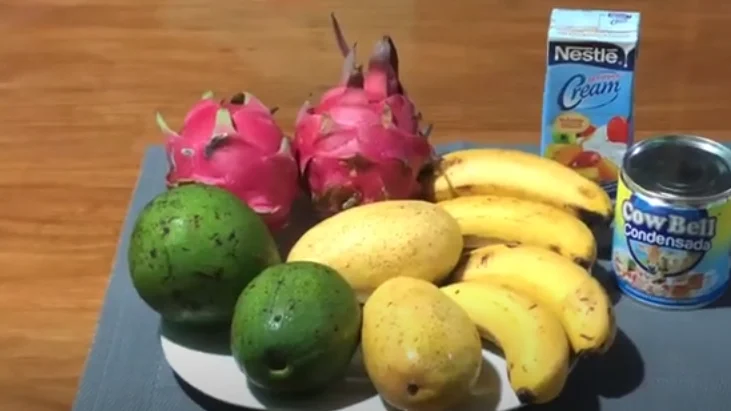
Avocado’s role in a healing smoothie is somewhat different from the other ingredients on this list — rather than contributing a specific “active compound,” its main contribution is texture and fat. That fat matters enormously for a blended breakfast or snack: monounsaturated fat slows gastric emptying and blunts the blood sugar spike that would otherwise come from blending several pieces of fruit together, meaning an avocado-based smoothie tends to keep you satisfied far longer than a fruit-only blend. Avocado is also one of the better dietary sources of potassium (more per cup than a banana, in fact) and provides lutein and zeaxanthin — antioxidants concentrated in the eyes that support long-term vision health, an added benefit as we age. For the freezing tip mentioned above: freezing avocado with the skin still on genuinely does slow oxidative browning better than peeling first, since the skin acts as a barrier limiting the fruit’s exposure to air.
Love dragon fruit? With varieties like green dragon fruit, sugar dragon fruit, and the lush natural mystic dragon fruit, these exotic beauties are bursting with antioxidants. Whether you’re working on weight loss or blood sugar balance, dragon fruit smoothies are both vibrant and healing.
Dragon fruit (pitaya) owes its vivid pink or white flesh, speckled with tiny black seeds, to betalains — a class of antioxidant pigments also found in beets, which have been studied for their anti-inflammatory properties. Dragon fruit is unusually high in fiber for a fruit (about 7 grams per cup) while being relatively low in sugar compared to other tropical fruits like mango or pineapple, which is part of why it’s frequently recommended for people managing blood sugar. The tiny black seeds are edible and contribute a small amount of healthy polyunsaturated fat — no need to strain them out before blending.
Power of Yogurt: Greek Style All the Way
Let’s talk yogurt — but not just any yogurt. Greek yogurt good for you means so much more than a snack. Rich in probiotics and protein, it helps your gut, skin, and immune system. If you’re diabetic, greek yogurt good for diabetics like Fage Total 0 Greek Yogurt and Chobani pumpkin spice yogurt options are especially smart choices.
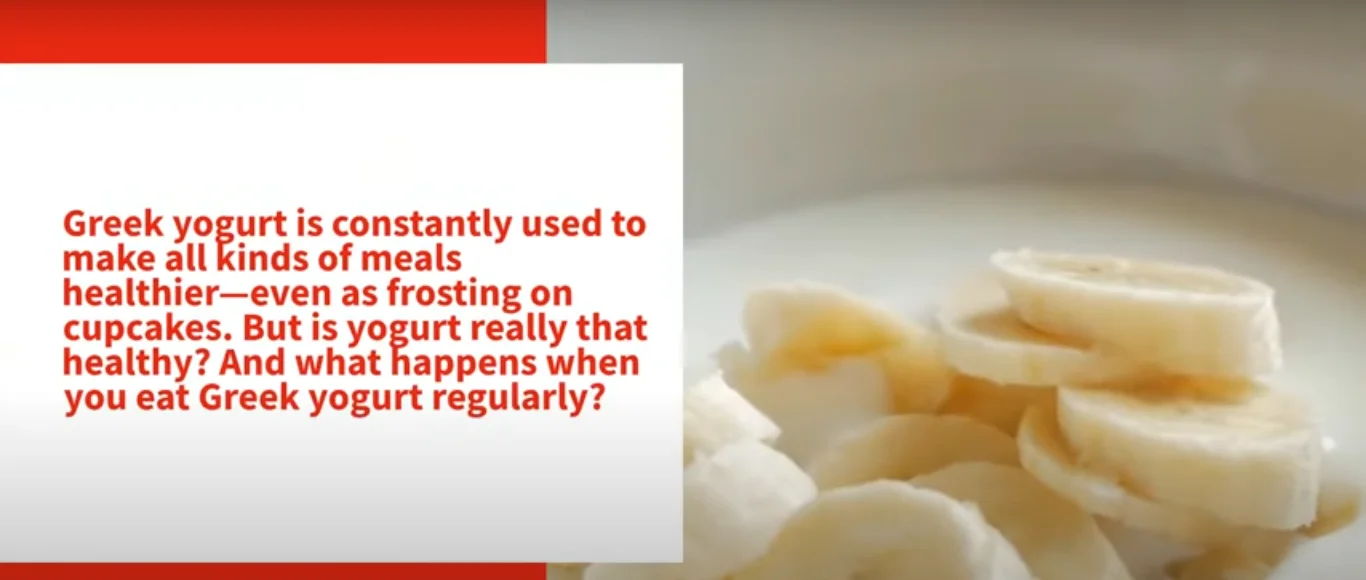
What sets Greek yogurt apart from regular yogurt is the straining process — much of the liquid whey is removed, which concentrates the protein content (often double that of regular yogurt for the same serving size) while reducing the natural sugar (lactose) content somewhat. For a smoothie specifically, that concentrated protein matters practically: protein slows digestion and increases satiety, meaning a Greek yogurt smoothie will keep you feeling full noticeably longer than a fruit-and-juice blend with no protein source at all. The “live and active cultures” listed on most Greek yogurt labels are the probiotic bacteria — typically strains of Lactobacillus and Streptococcus — that support gut microbiome diversity, which research increasingly links not just to digestion but to immune function and even mood regulation via the gut-brain axis.
Want to up your game? Try cooking with Greek yogurt — it’s fantastic for sauces and baking. And if you’re looking for keto-friendly snacks, plain Greek yogurt keto recipes are gold. Just 100 grams of yogurt delivers a big punch of nutrition, especially when paired with superfoods like frozen wild caught Alaskan salmon for a hearty, healing meal.
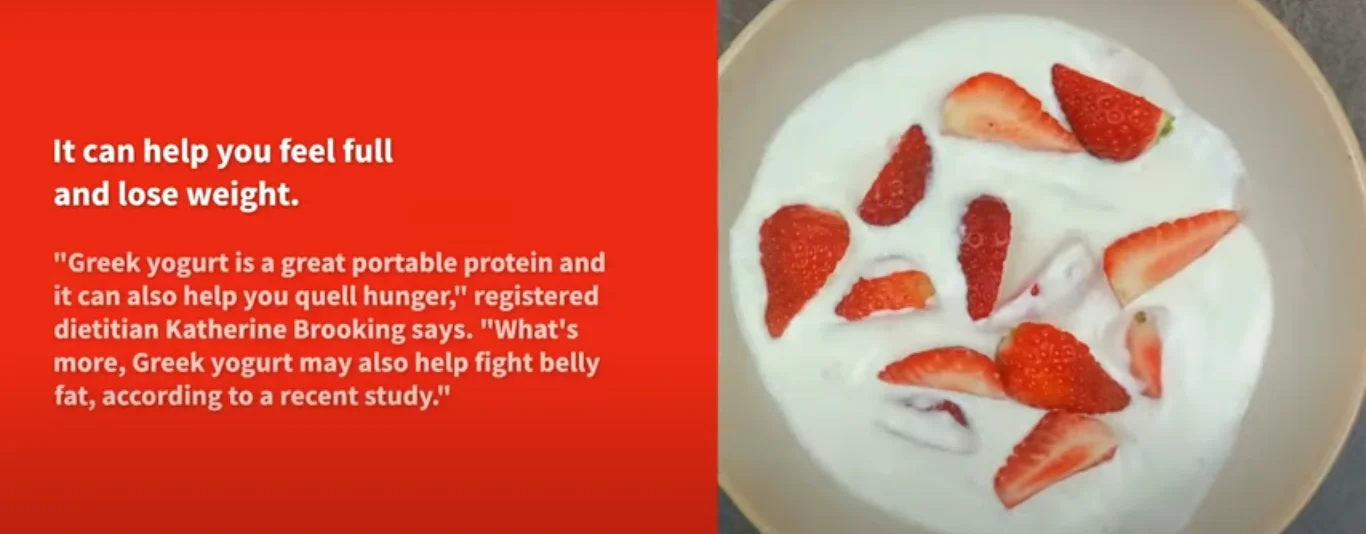
Choosing plain, unsweetened Greek yogurt as your smoothie base — rather than a pre-flavored variety — puts you in control of sweetness and avoids the added sugar that flavored yogurts often carry (sometimes 15-20 grams per serving before you’ve added a single piece of fruit). Sweeten naturally instead with the banana, dragon fruit, or a touch of honey already discussed in this article; you’ll get a more balanced final smoothie with far less added sugar than a flavored-yogurt base would provide, while still getting the same probiotic and protein benefits.
Little Extras for Big Healing
Feeling fancy? Toss some ginger lemongrass, orange ginger, or even ginger glow into your Nutribullet. Use your leafy greens too — freezing swiss chard, blending dark green leafy vegetables, or adding the healthiest leafy greens like collard greens and spinach can turn a basic smoothie into a disease-fighting powerhouse.

Leafy greens are frequently called the single highest-leverage addition you can make to a smoothie, and the reasoning holds up: a cup of spinach adds meaningful vitamin K, vitamin A, folate, and iron for essentially zero calories and — critically — almost no detectable flavor once blended with fruit, especially banana or dragon fruit. Spinach tends to be the gentlest starting point for anyone new to green smoothies, since its flavor is milder than kale or collard greens; as your palate adjusts, rotating in the more robust greens adds a broader range of nutrients, since different greens carry somewhat different vitamin and mineral profiles. Freezing greens ahead of time (as the article suggests with swiss chard) is a genuinely practical habit — it prevents the wilting and spoilage that fresh greens are prone to, and frozen greens blend just as smoothly as fresh, sometimes even more so since freezing breaks down some of the cell structure in advance.
Need a quick snack? Whip up quick guacamole or an avocado chocolate pudding for a guilt-free treat. Remember, blending fruits like strawberry dragon fruit or mango banana makes staying healthy feel like an indulgence.
And don’t stress about storing leftovers: from avocado in water in fridge to freezing guacamole, a little prep goes a long way toward keeping your healing foods fresh and delicious.
Final Sips
Healing doesn’t have to be complicated. With your Nutribullet and a fridge full of natural powerhouses — from ginger Indian to turmeric blood pressure helpers, banana loca snacks, and creamy Greek yogurt gut health boosters — you’re well on your way to feeling vibrant, energized, and alive.
Nature gave us everything we need. We just need to blend it up.
A closing practical note: the order in which you add ingredients to your Nutribullet actually affects how well everything blends. Liquids and soft ingredients (yogurt, banana, avocado) at the bottom, closest to the blades, help create the vortex that pulls harder or fibrous ingredients (leafy greens, fresh ginger, frozen fruit) down into the blend rather than leaving them stuck at the top. If you regularly end up with a chunky smoothie or unblended bits along the sides, this simple layering change — soft and liquid first, fibrous and frozen last — is usually the fix, no extra ingredients required.
⚕️ Medical Disclaimer
The information provided on this page is for educational purposes only and is not intended as medical advice, diagnosis, or treatment. Always consult a qualified healthcare professional before making changes to your diet, starting any supplement, or if you have an existing medical condition. KeepFitQuote does not provide medical diagnoses or treatment recommendations. Read our full disclaimer.
Related Posts